



NCKU Climate Action Policy-國立成功大學永續發展SDGs

ES10.1 Climate action policy

NCKU Climate Action Policy

ES10.1
SDG13

NCKU Climate Action Policy

In response to the global challenges of climate change and sustainable development, NCKU has long been dedicated to building a green campus and advancing sustainable governance. Actively progressing toward the goal of net-zero carbon emissions by 2050, NCKU demonstrates its commitment and influence as a leader in higher education through clear policy pledges, concrete carbon reduction actions, and international collaboration.


NCKU Announced Policies
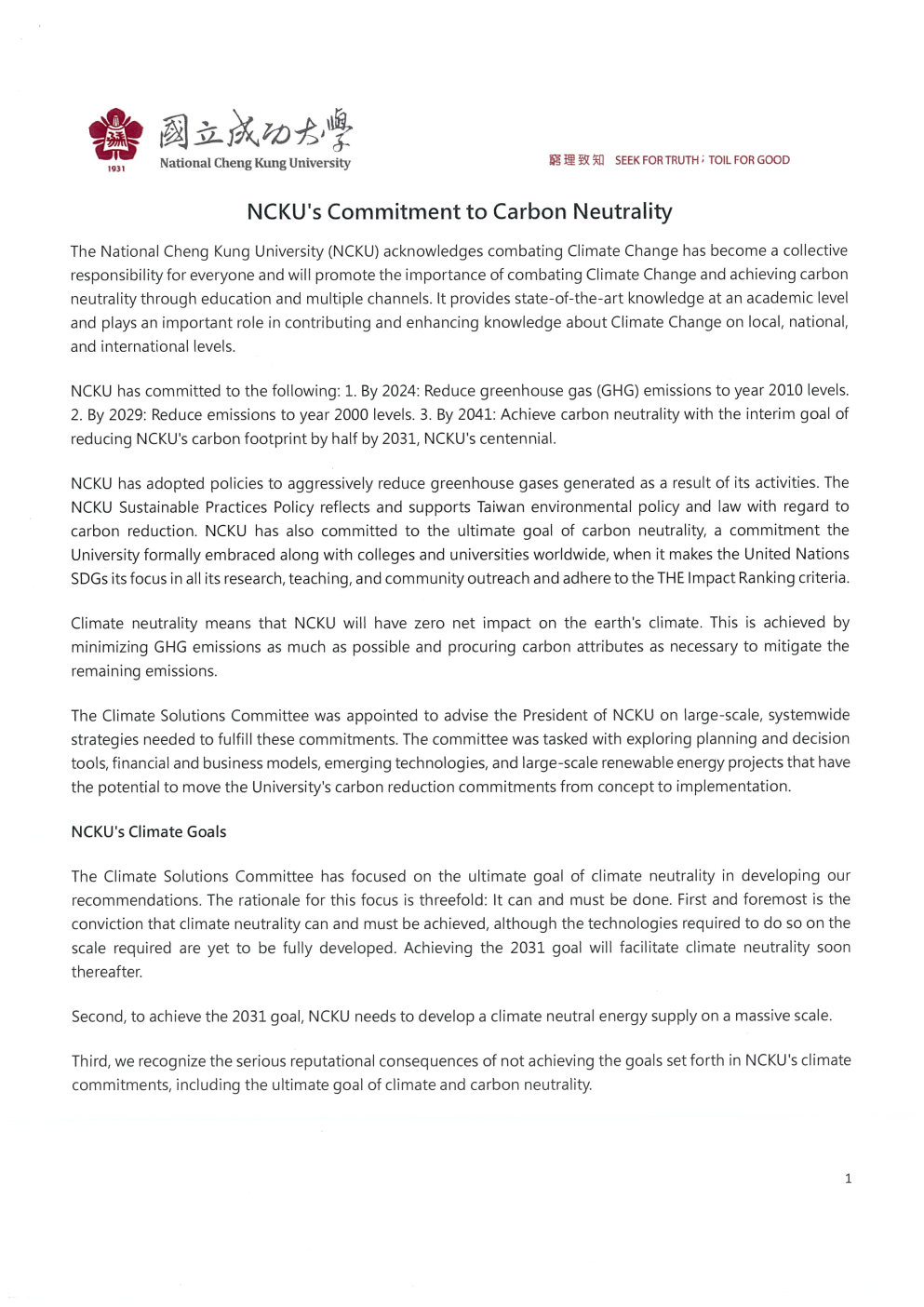
  1. Carbon Neutrality Commitment: A clear declaration to "reduce carbon emissions by half by 2031 and achieve full carbon neutrality by 2041."
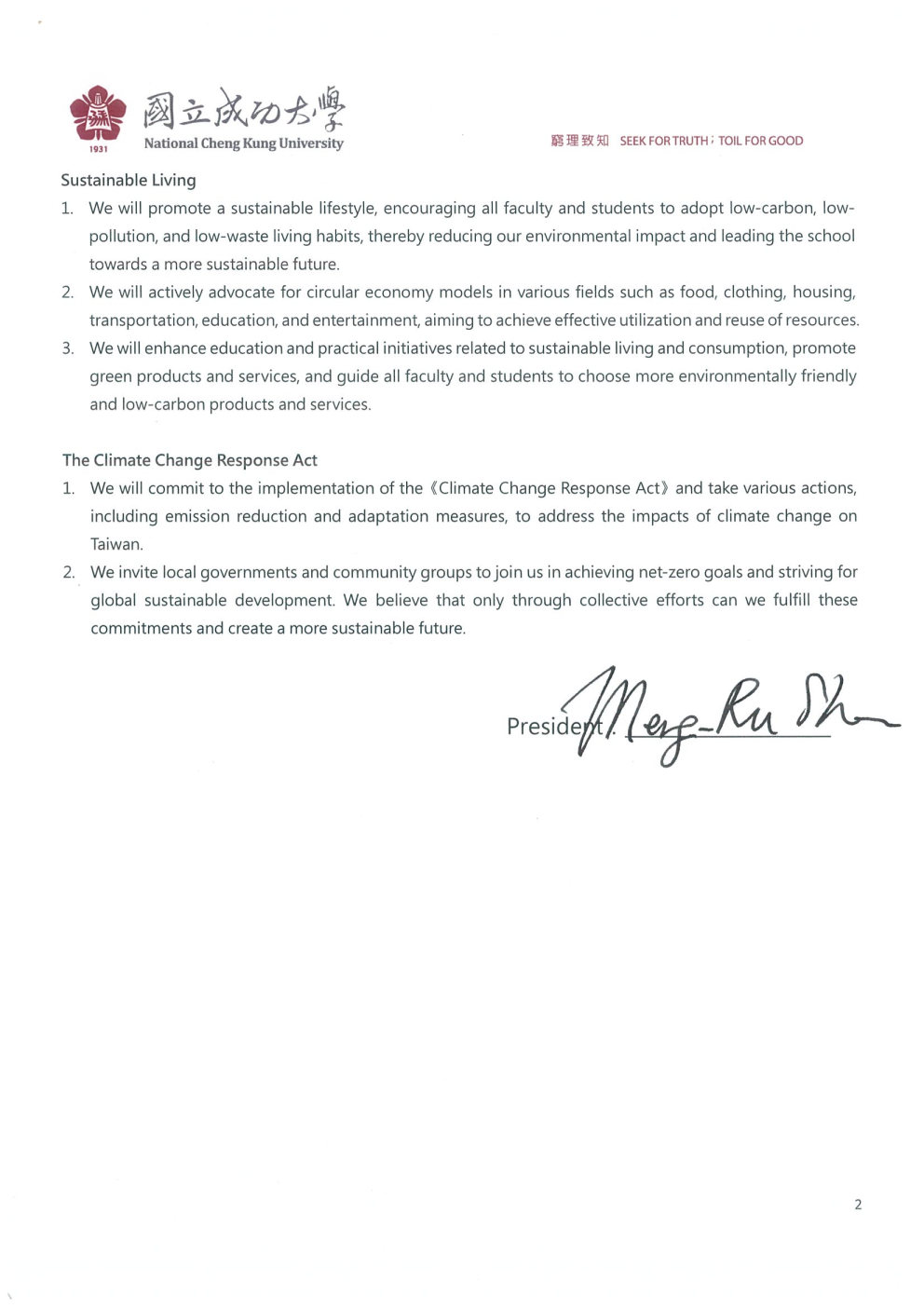
  2. Climate Change Declaration: A pledge to uphold the spirit of the Paris Agreement by promoting net-zero emissions, climate adaptation, energy transition, circular economy, sustainable education, and lifestyle transformation.
  3. Sustainable Development Strategy: Establishment of the Sustainable Development Promotion Committee, focusing on five key areas: ”Innovative Governance, Human Values, Health & Well-being, Net-zero Carbon Emissions, and Resilient Disaster Prevention.” The strategy is aligned with the United Nations Sustainable Development Goals (SDGs) and national policies to form a concrete blueprint for university development.


Leading Policy & Strategic Framework

NCKU extends its policy influence beyond the campus by establishing national standards. This is exemplified by the publication of the first Integrated Resource Planning (IRP) guidebook for Taiwan’s power industry, providing a concrete framework for national energy transition. Furthermore, through high-level summits like the "Net-Zero Technology Strategy × Industrial Sustainability Summit," NCKU actively facilitates policy consensus between government and industry.


Cutting-edge Research & Scientific Excellence

Our commitment is grounded in world-class research. NCKU’s academic impact is evidenced by groundbreaking climate studies published in top-tier journals such as "Science," challenging existing hypotheses on climate warming and biodiversity. We also explore Nature-based Solutions (NbS), integrating expertise across microalgae and blue carbon to create sustainable pathways for natural carbon sequestration.

Technological Innovation & Industrial Decarbonization

To bridge the gap between theory and practice, NCKU leads the "Hydrogen instead of Carbon" industrial alliance, earning the 2025 TUSA Climate Leader Award. Through strategic partnerships with global energy leaders like SLB, and the application of AI Digital Twin technology for disaster prevention and watershed management, NCKU is pioneering the technologies necessary for a resilient, low-carbon future.


Green Talent Cultivation & Social Outreach

NCKU serves as a regional hub for sustainability education, collaborating with Southern Taiwan universities and government agencies to cultivate "Green-Collar" professionals. Beyond formal education, the university empowers student organizations, such as the Sustainable Innovation Club, to lead community-wide "Net-Zero Green Life" initiatives, effectively diffusing sustainable practices from the campus to broader society.
 

Global Collaboration & Resilience

Climate action at NCKU is inherently global. By hosting international exchange programs with prestigious institutions like Kyoto University, we foster cross-border expertise in disaster mitigation and sustainable technology. These collaborations ensure that NCKU’s climate strategies remain at the forefront of international standards while contributing to global resilience.


Future Goals
  1. 2031 Goal: Reduce carbon emissions by 50% in celebration of the university’s centennial anniversary.
  2. 2041 Goal: Achieve carbon neutrality, with campus operations progressing toward net-zero standards.
  3. 2050 Ultimate Goal: Attain full net-zero emissions and fully implement a sustainable campus and green governance framework.
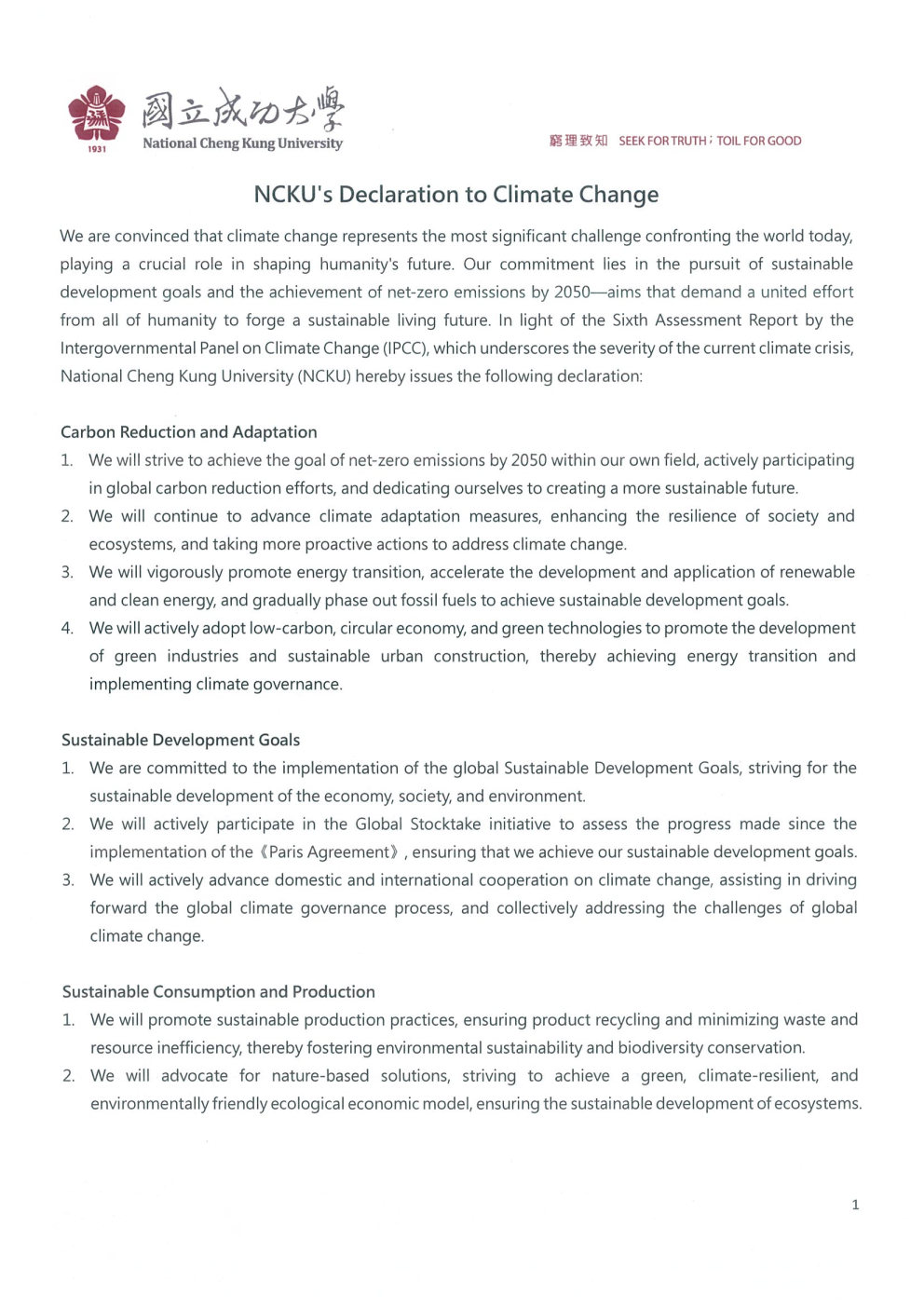
 
  1.  NCKU's Declaration to Climate Change


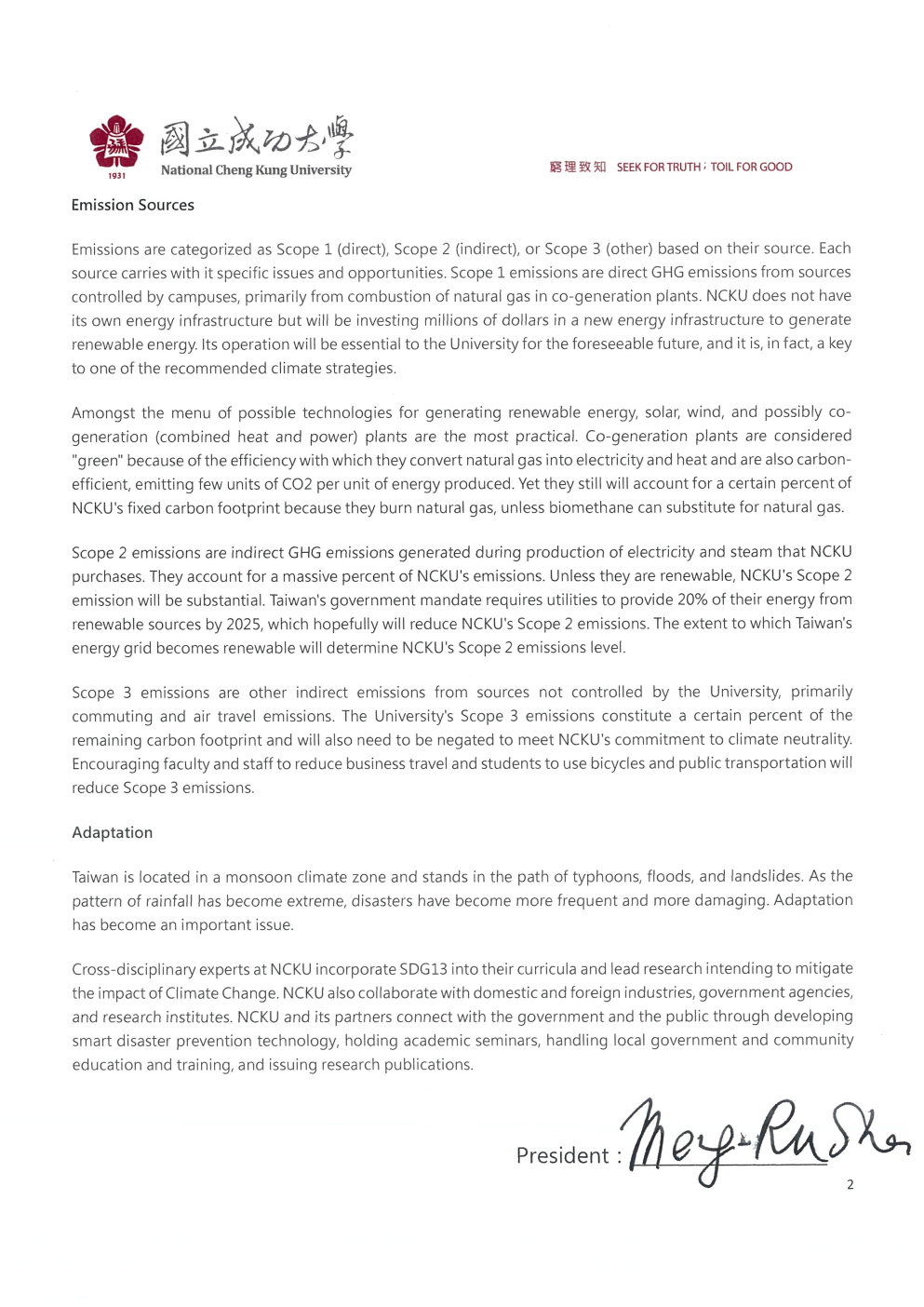
  1.  NCKU's Commitment to Carbon Neutrality


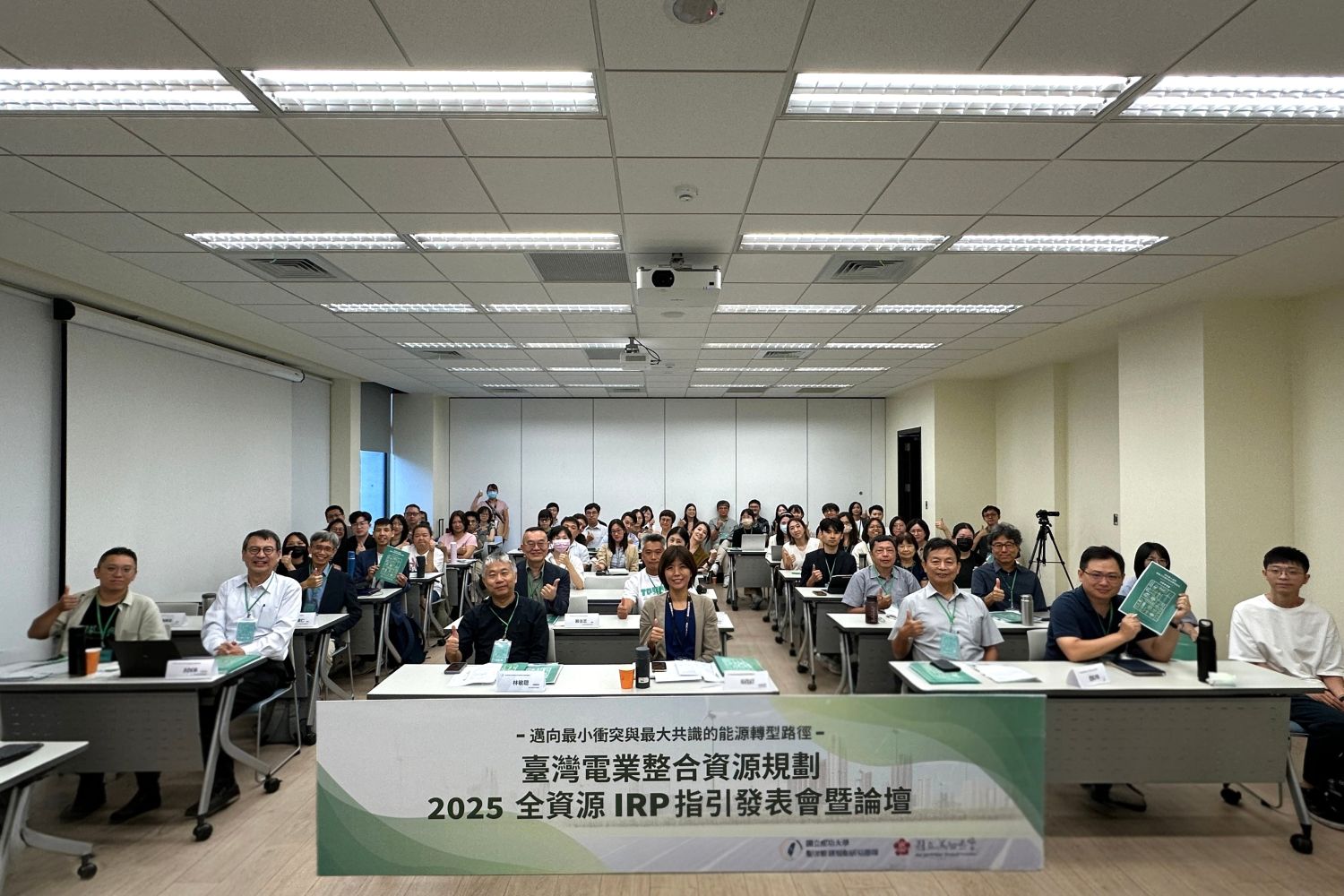
  1. A Milestone in Taiwan’s Energy Transition: NCKU Releases the Nation's First Integrated Resource Planning (IRP) Guidebook
    NCKU released Taiwan's first "Integrated Resource Planning (IRP)" guidebook. This interdisciplinary research provides a scientific framework for energy transition and electricity law reform, addressing social, legal, and engineering perspectives to help achieve 2050 net-zero goals and power stability.


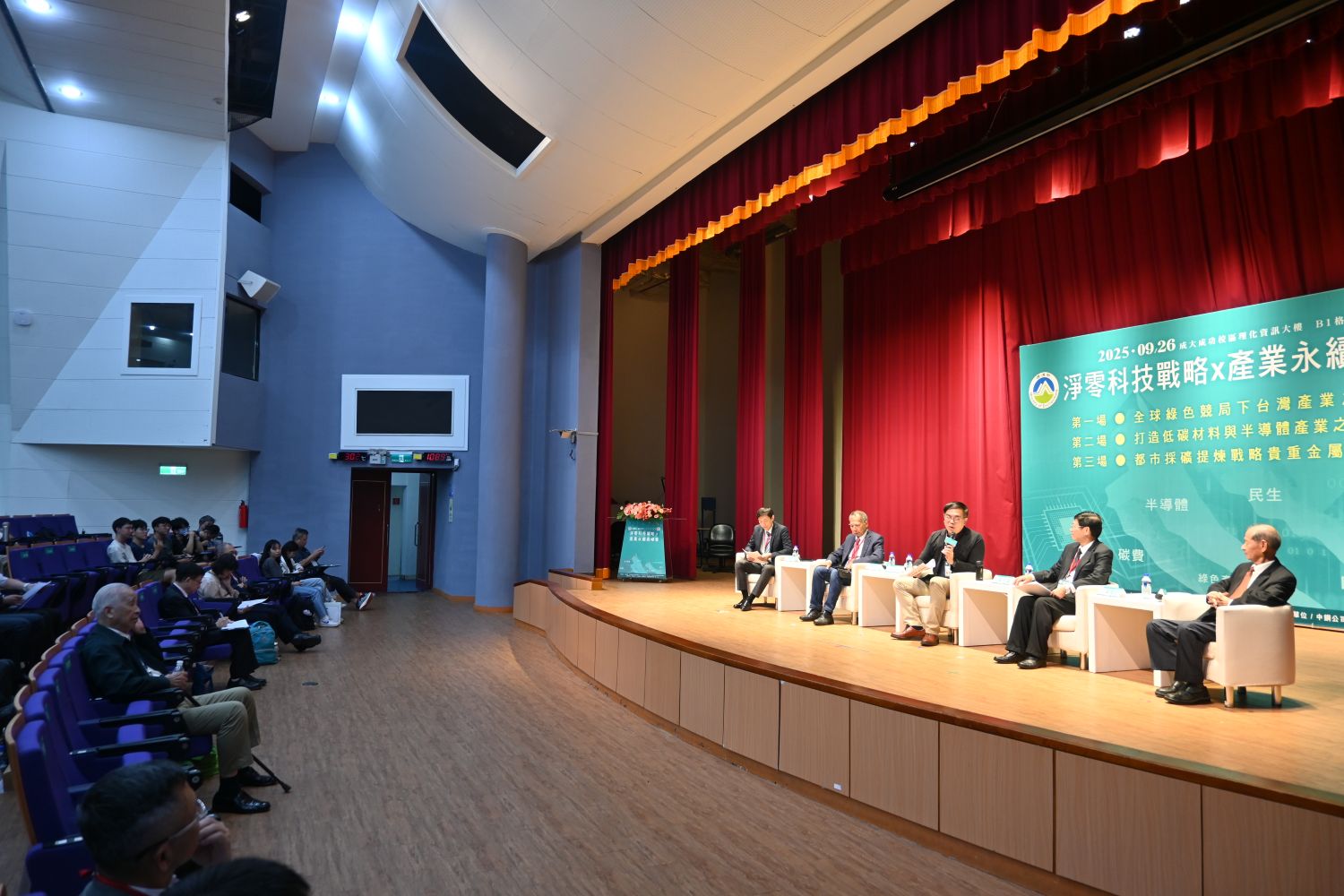
  1. Addressing Extreme Climate Challenges: "Net-Zero Tech Strategy × Industrial Sustainability Summit" Builds Industry Consensus
    NCKU hosted the "Net-Zero Technology Strategy Summit," gathering stakeholders to address extreme climate challenges. The summit focused on carbon neutrality pathways and industrial transformation, strengthening cross-disciplinary cooperation to meet global supply chain pressures and providing actionable insights for Taiwan’s net-zero development.


  1. Towards 2050 Net-Zero: Innovations and Challenges in Carbon Emissions
    NCKU organized the "Towards 2050 Net-Zero" forum, exploring key technologies like CCUS and hydrogen energy. Through industry-academic dialogue, the forum analyzed carbon credit trading and industrial transformation challenges, supporting Taiwan in building a low-carbon economy and implementing energy transition strategies.


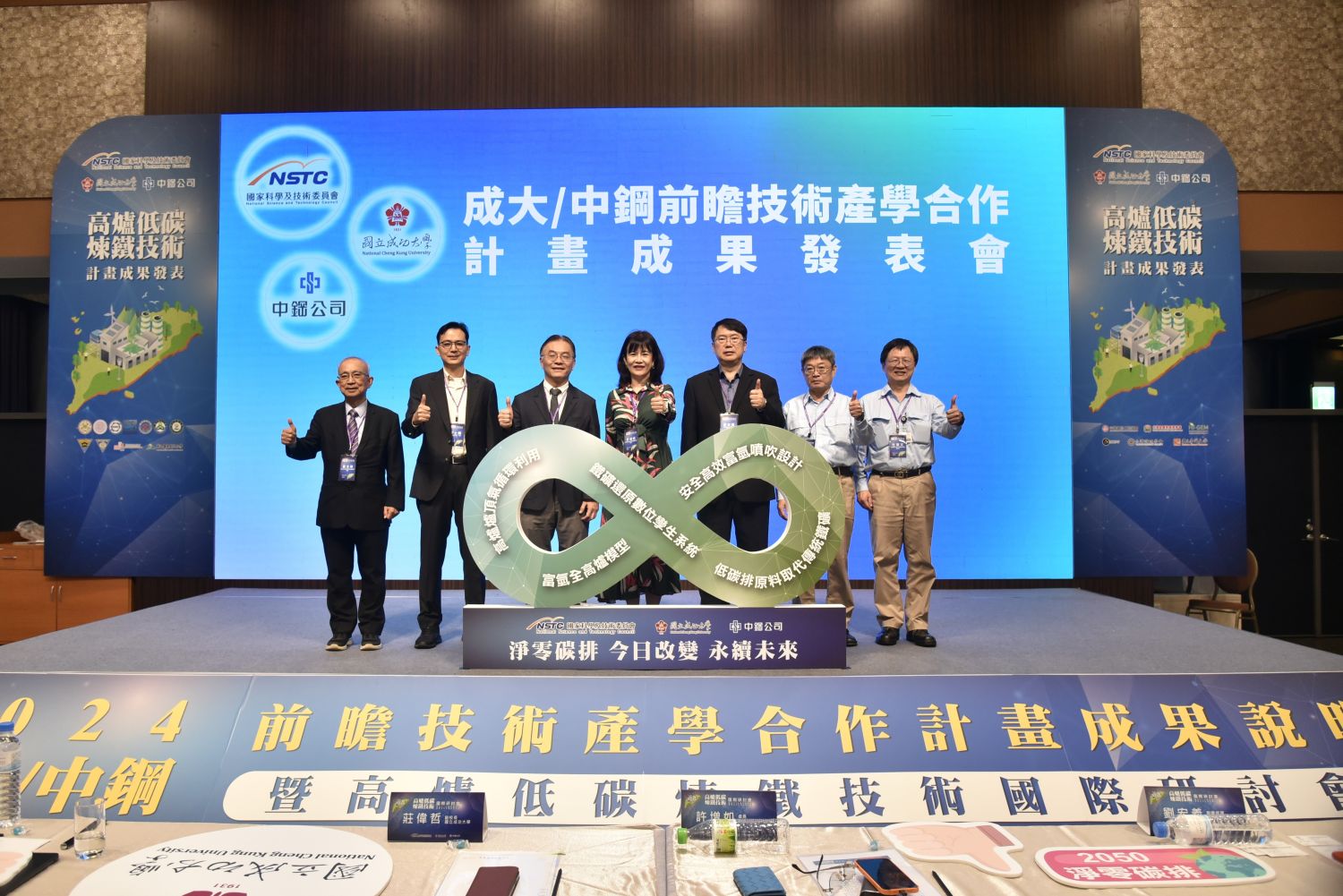
  1. Leading Taiwan Towards Carbon Neutrality: NCKU "Hydrogen instead of Carbon" Alliance Wins 2025 TUSA Climate Leader Award
    NCKU's "Hydrogen instead of Carbon" Industrial Alliance won the 2025 TUSA Climate Leader Award. The initiative integrates cross-disciplinary technologies to help carbon-intensive industries, such as steel and petrochemicals, develop low-carbon hydrogen solutions, leading Taiwan toward carbon neutrality and demonstrating NCKU’s leadership in industrial decarbonization.


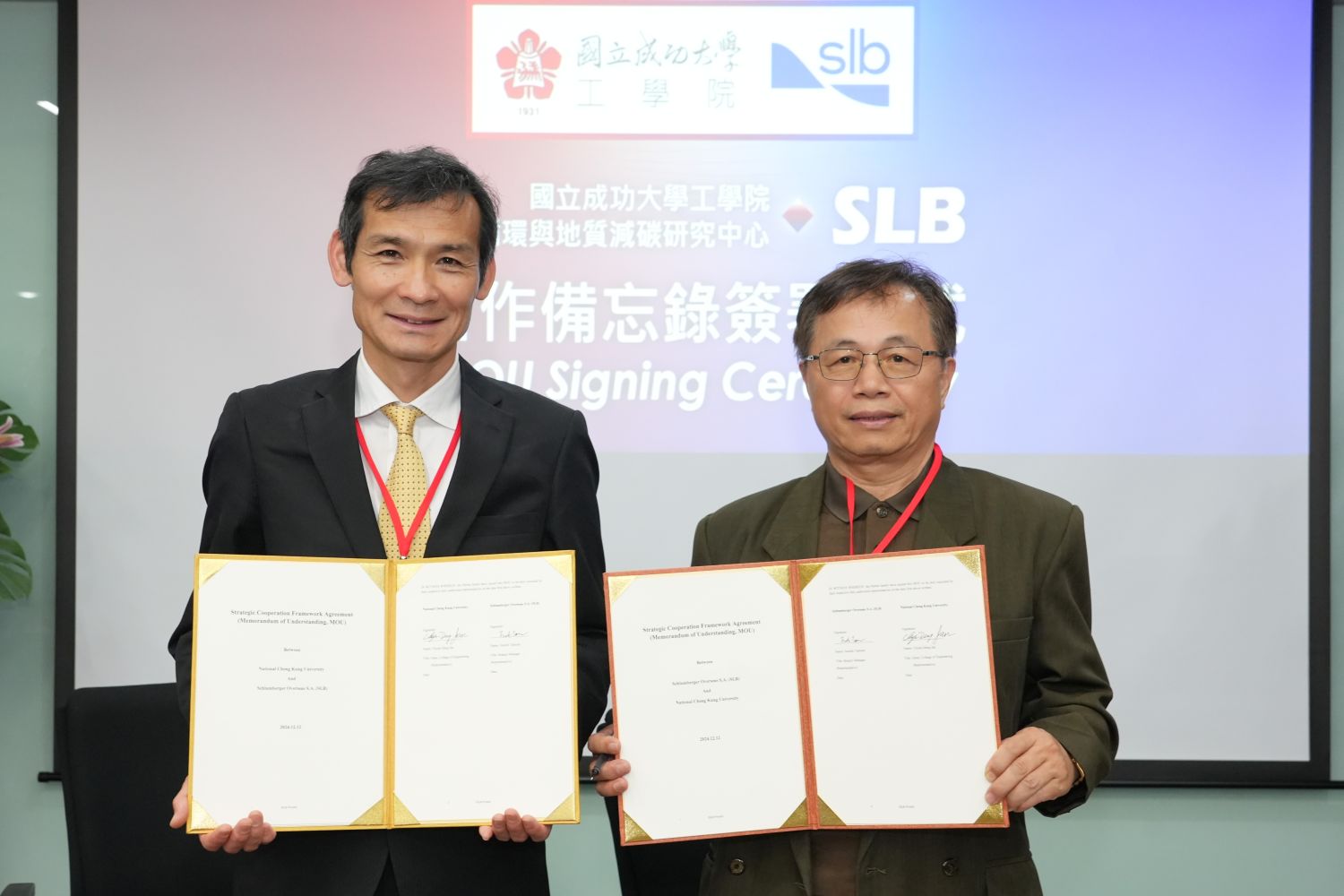
  1. NCKU Engineering and Global Energy Leader SLB Sign MOU to Build a More Sustainable Future for Taiwan
    NCKU Engineering and SLB signed an MOU focusing on Carbon Capture and Storage (CCS), geothermal energy, and digital energy technologies. This partnership aims to cultivate sustainable talent and develop key technologies, accelerating Taiwan’s energy transition and enhancing climate resilience.


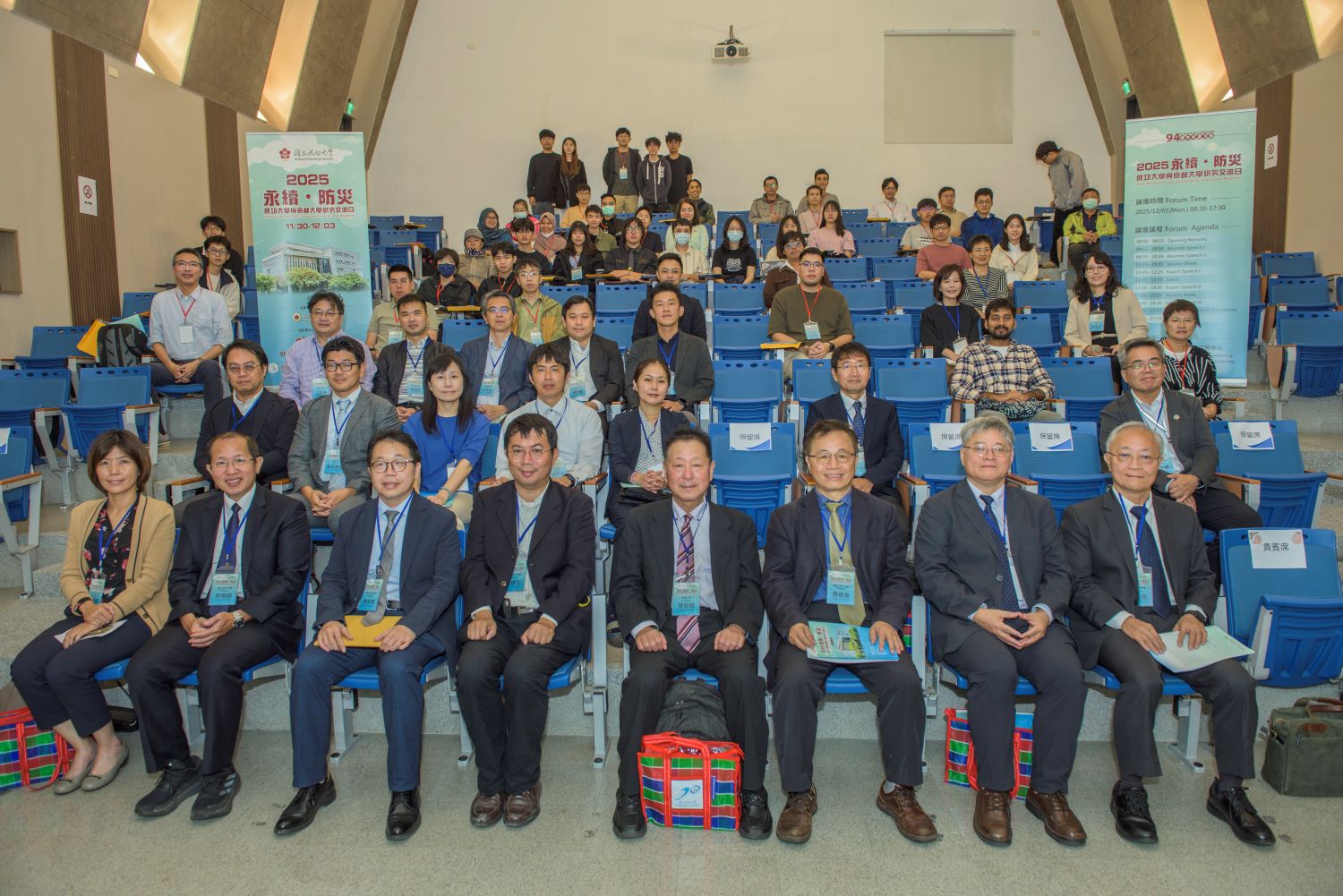
  1. NCKU Engineering Hosts "Sustainability & Disaster Prevention" Research Day, Welcoming Kyoto University Scholars to Explore Global Trends
    NCKU Engineering hosted the "Sustainability and Disaster Prevention" Research Exchange Day with scholars from Kyoto University. The event focused on building resilient cities and sustainable innovations, strengthening academic collaboration and technological alignment between the two universities to address extreme climate risks.


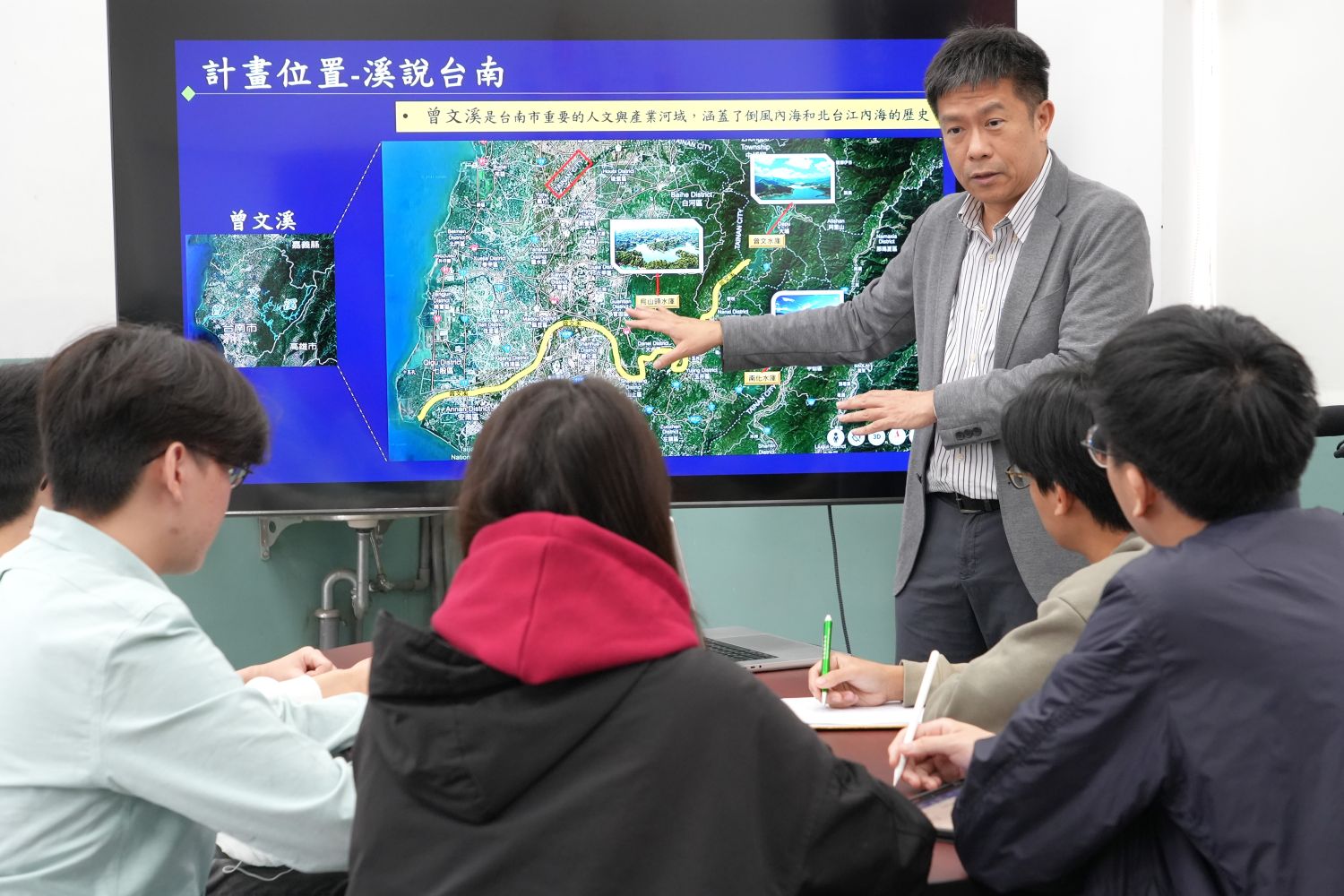
  1. USR Series: AI Digital Twin Technology Empowers Disaster Prevention and Sustainable Agriculture in the Zengwen River Basin
    NCKU utilizes AI Digital Twin technology for disaster prevention in the Zengwen River basin. By integrating sensors with hydrological models, the project optimizes precision irrigation and early warnings for hillside agriculture, enhancing climate resilience and ensuring community safety for sustainable regional development.


No.1, University Road, Tainan City 701, Taiwan (R.O.C)

2022© Copyright All Rights Reserved

國立成功大學SDGs離岸團隊擁有全球風能維護團隊5年的全球風控中心,並擁有5年的第一套商業套化輪播式光達設備;除建立捲簾式的移動監控技術,與ECN展示現歐洲海事外展能力。建築複合功能設計團隊與建築外置經驗塔在介紹節能建築的同時,驗證建站技術也在技術中心及平台上進行技術測試,分享階段平台成果試驗成果未來生結合應用的架構,以作為開發系統的架構。