




National Cheng Kung University (NCKU) uses a “teaching × community settings × public outreach” model to serve as a knowledge bridge between local producers and the university.
Smart Agriculture Course: Data Science in Breeding
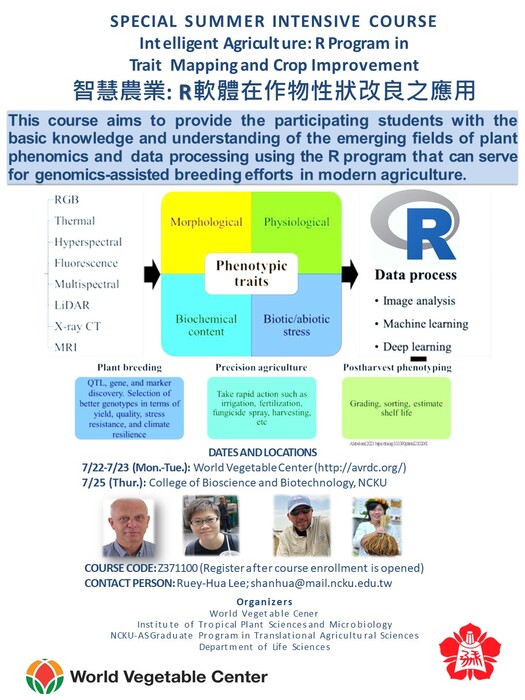
In summer 2024, it offered “Smart Agriculture: Applications of R Software in Crop Trait Improvement,” showcasing a talent pipeline that applies data science to breeding practice, with auditing encouraged.
USR Course: Symbiotic Food Era – Farm-to-Table Engagement
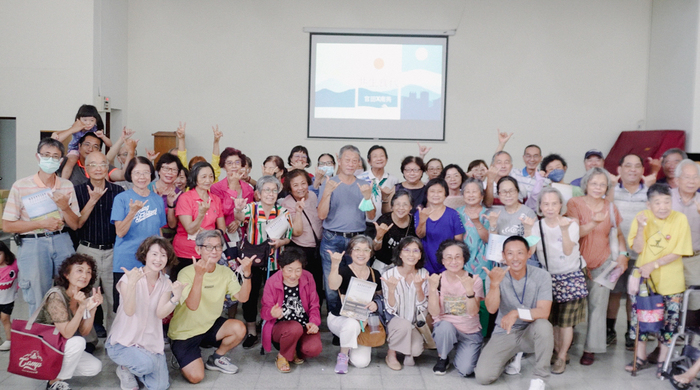
In the same year, the USR course record “Symbiotic Food Era: Connecting Farm and Table” documents young farmers in Nanmeili engaging elders in dialogue, introducing rice and water caltrop varieties and friendly (environmentally benign) farming, bringing field knowledge and a sustainability mindset into the community.
NCKU Museum Initiatives: Smart Aquaculture and Climate Adaptation
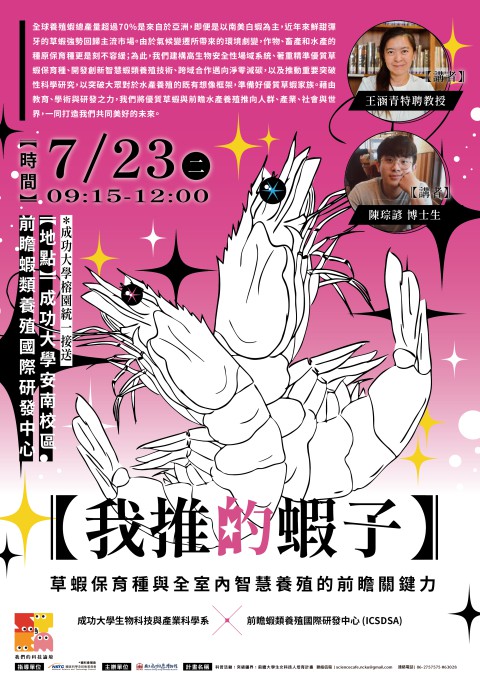
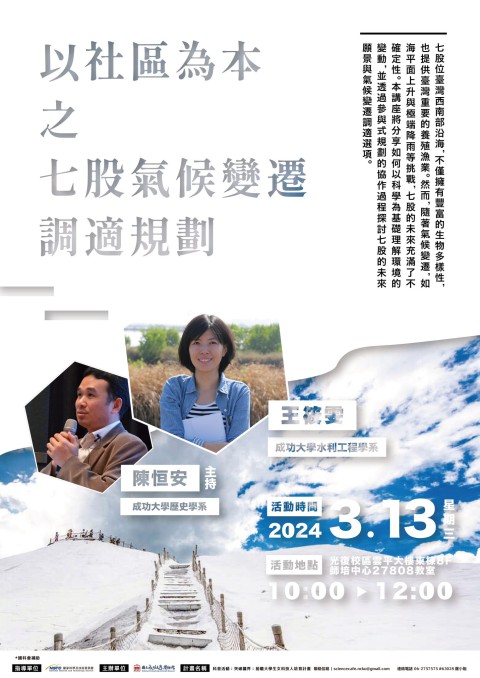
Additionally, the NCKU Museum organized the visit/lecture “My Favorite Shrimp: Key Capabilities for Black Tiger Shrimp Broodstock Conservation and Fully Indoor Smart Aquaculture,” promoting high-biosecurity systems and smart aquaculture thinking; it also launched “Community-based Climate-Change Adaptation Planning for Qigu,” fostering public participation in local climate adaptation.
Smart Agriculture Course: Data Science in Breeding
In summer 2024, it offered “Smart Agriculture: Applications of R Software in Crop Trait Improvement,” showcasing a talent pipeline that applies data science to breeding practice, with auditing encouraged.
USR Course: Symbiotic Food Era – Farm-to-Table Engagement
In the same year, the USR course record “Symbiotic Food Era: Connecting Farm and Table” documents young farmers in Nanmeili engaging elders in dialogue, introducing rice and water caltrop varieties and friendly (environmentally benign) farming, bringing field knowledge and a sustainability mindset into the community.
NCKU Museum Initiatives: Smart Aquaculture and Climate Adaptation
Additionally, the NCKU Museum organized the visit/lecture “My Favorite Shrimp: Key Capabilities for Black Tiger Shrimp Broodstock Conservation and Fully Indoor Smart Aquaculture,” promoting high-biosecurity systems and smart aquaculture thinking; it also launched “Community-based Climate-Change Adaptation Planning for Qigu,” fostering public participation in local climate adaptation.