



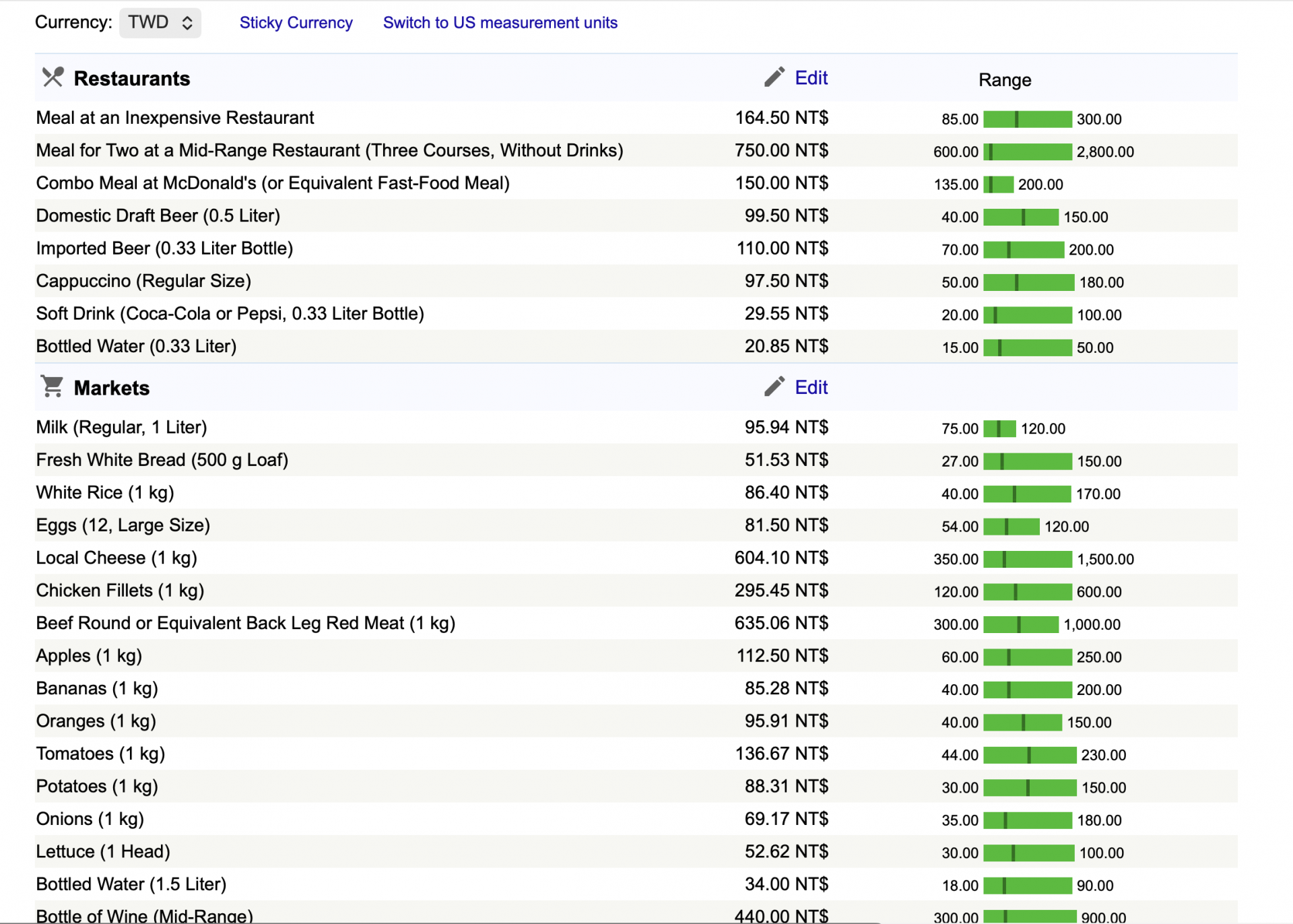
 Affordability is a cornerstone of NCKU’s dining policy. By leveraging Tainan’s relatively lower cost of living compared to other major cities, the university offers diverse options ranging from dormitory restaurants to employee-consumer cooperatives. To further reduce financial burdens, many campus vendors provide exclusive discounts for students holding a valid NCKU ID. Inclusive dining is also promoted through specialized options, such as the Ming-Xiang vegetarian buffet, and social initiatives like providing free healthy lunch boxes during international lectures and seminars, ensuring that food accessibility is never a barrier to campus engagement.
Health and hygiene are maintained through a rigorous, multi-layered management system. The university implements a Food Hygiene Grading Evaluation System and conducts mandatory monthly inspections of dormitory canteens. Transparency is guaranteed via the "Campus Ingredient Registration System," allowing students to track the origin of their food. To maintain high standards, NCKU invests in human capital by providing digital empowerment courses and hygiene education for kitchen staff. Furthermore, the "NCKU Health Market" and sustainability-focused food innovation projects demonstrate the university's proactive approach to integrating health with environmental responsibility.
In conclusion, NCKU’s approach to campus dining is not merely about food service but about creating a holistic environment. By balancing strict regulatory oversight with economic incentives and innovative health initiatives, the university ensures that nutritious and budget-friendly food is consistently available to its diverse community of students and staff.
- Dining Discounts
- NCKU Drives Sustainability: Focusing on Innovation in Campus Dining Culture
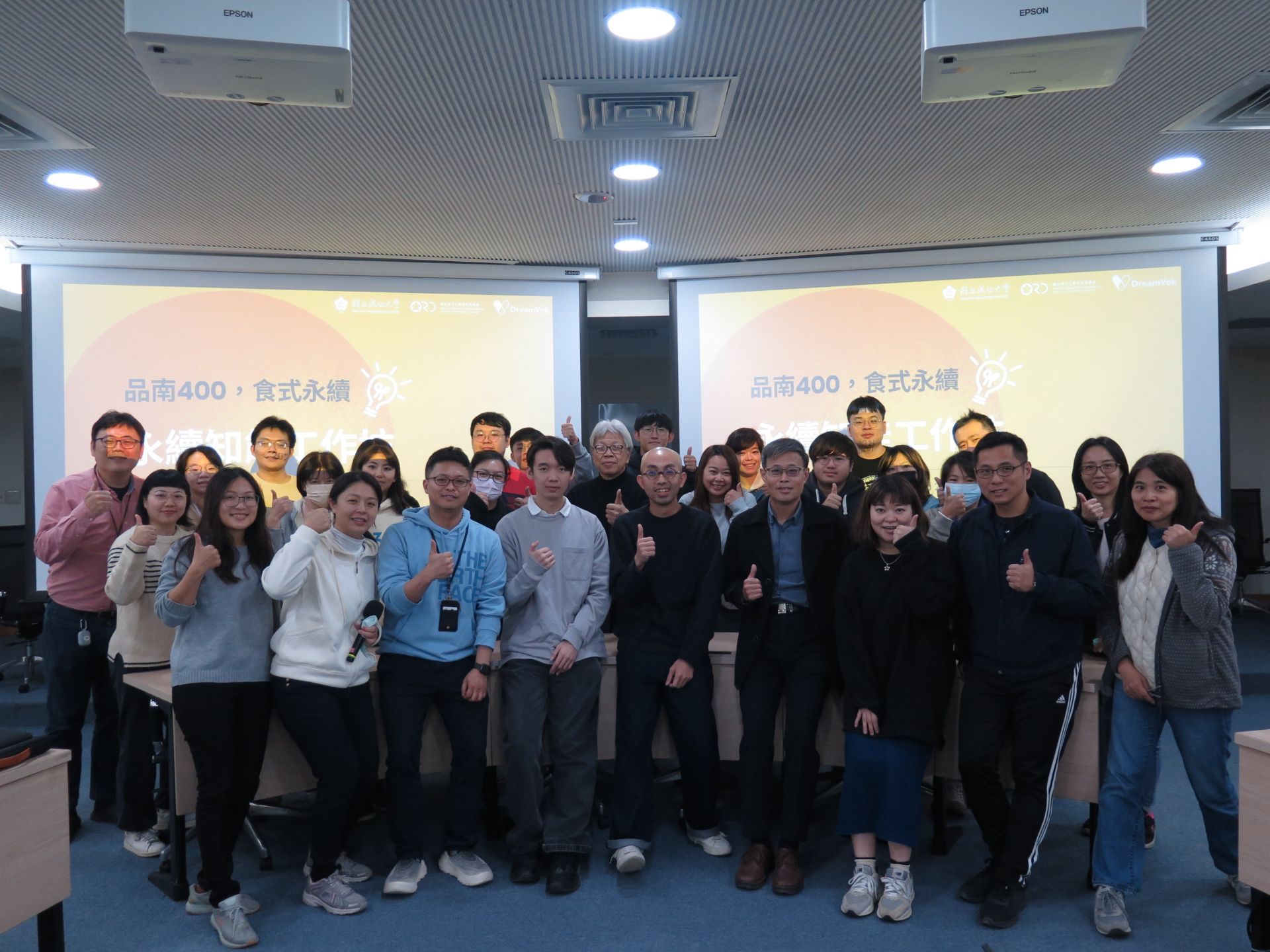 National Cheng Kung University (NCKU) recently hosted a "Sustainability Competency Workshop" to foster campus dining innovation. Led by designer Huang Yu-hao, the workshop utilized design thinking—focusing on goal setting, resource auditing, and solution design—to integrate Tainan's local culture with sustainable practices. By analyzing social enterprise success stories, NCKU demonstrates its commitment to driving campus sustainability through creative, cross-disciplinary collaboration.
- Cost of Living in Taiwan (Tainan)
- Food Service Sanitation Education
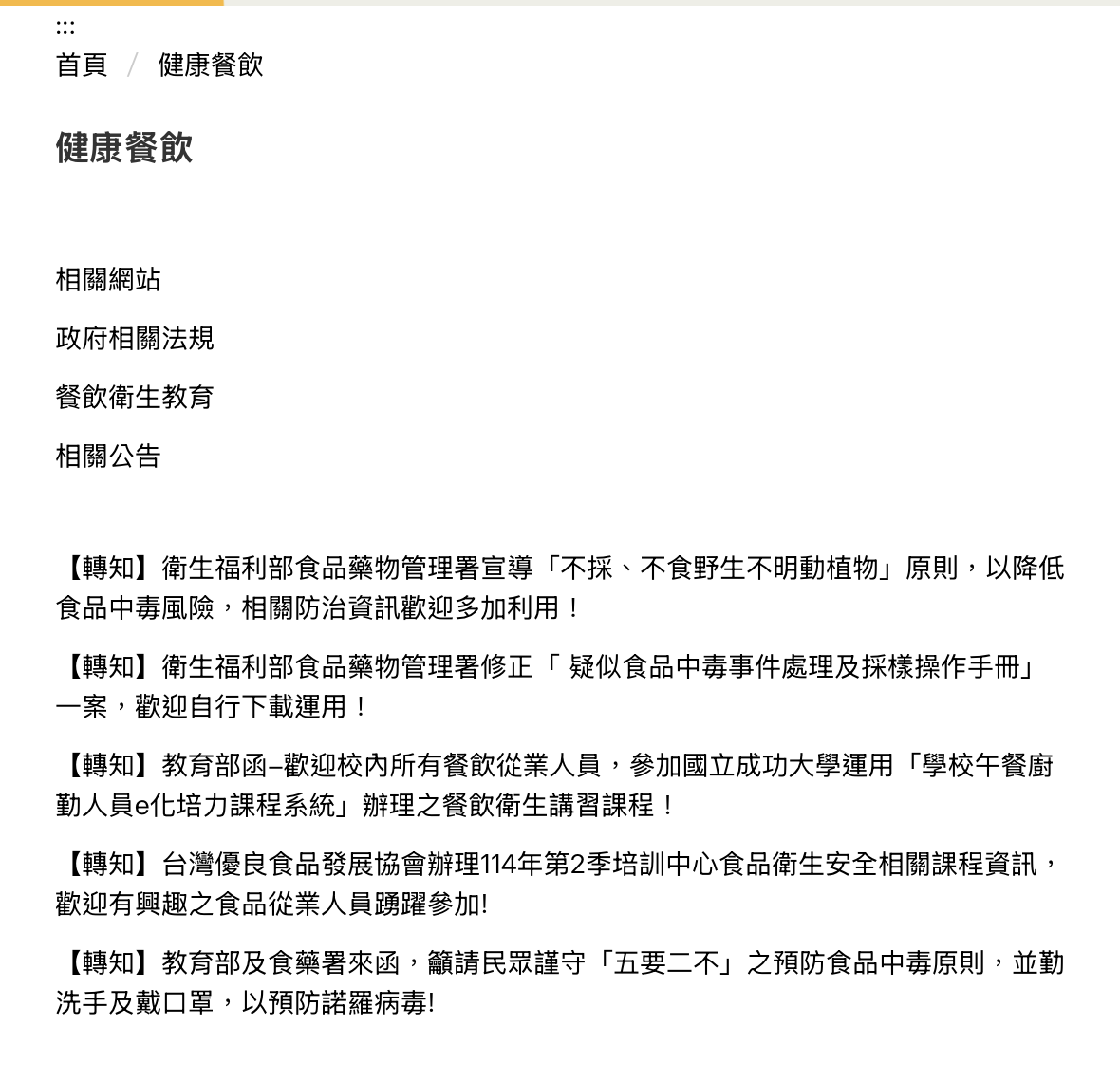 The NCKU Health Division actively enforces campus food safety through its "Food Service Sanitation Education" section. The platform integrates the latest regulations from the Ministry of Health and Welfare and the Ministry of Education, promoting principles like the "Five Keys and Two Don'ts" to prevent food poisoning. Furthermore, the university encourages food service staff to participate in professional training programs to enhance their sanitation management expertise. By systematically disseminating health education information, NCKU strives to build a safe dining environment and safeguard the health of all faculty and students.
- E-Learning Strengthening System for School Lunch Kitchen Staff
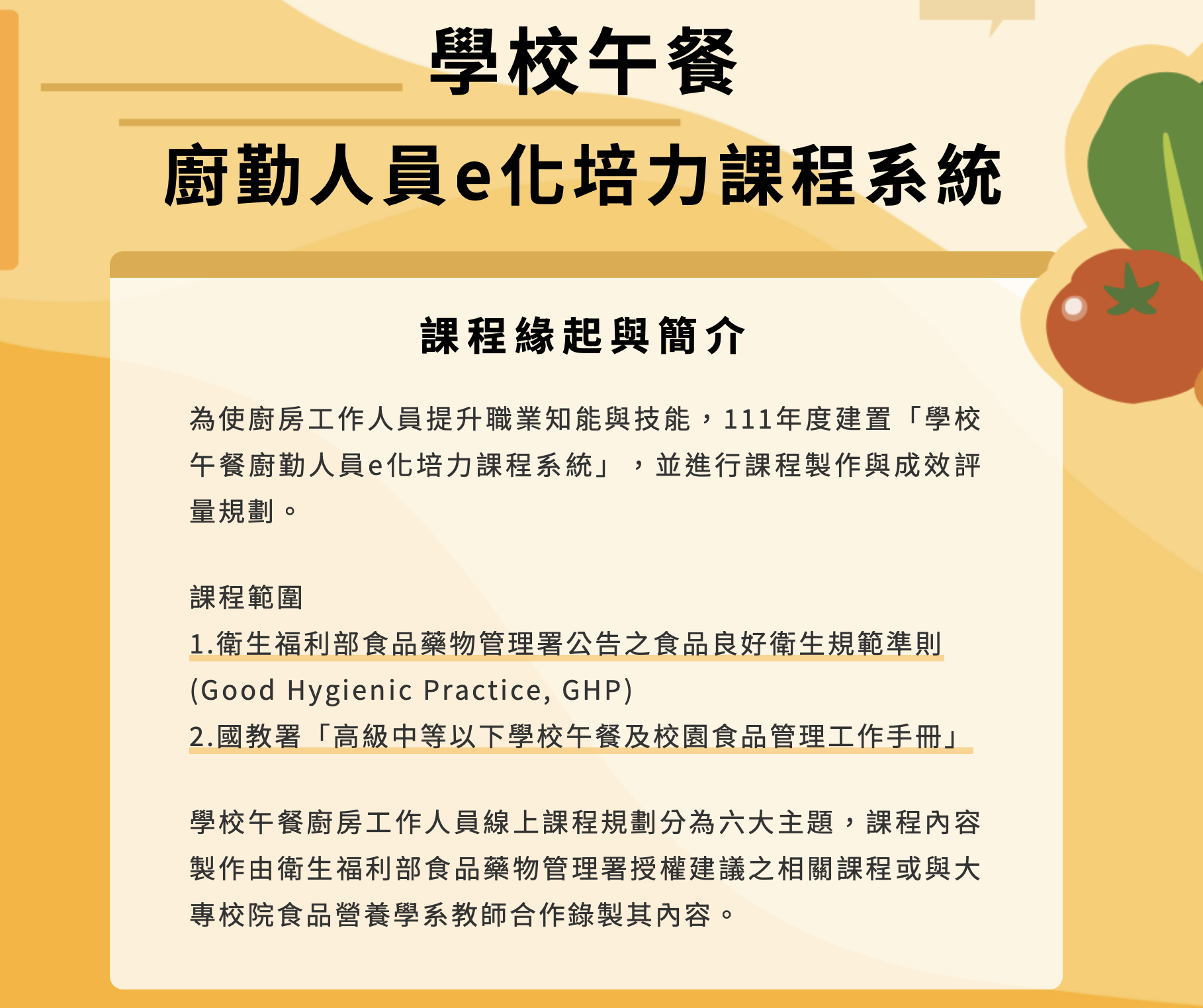 To enhance the skills of campus kitchen staff, the Ministry of Education established the "E-Learning Strengthening System for School Lunch Kitchen Staff." This system integrates "Good Hygienic Practices (GHP)" and campus food management manuals into six major video themes, offering flexible online learning for frontline workers. By collaborating with food and nutrition experts from universities, the system ensures professional instructional quality, strengthening campus food safety management and safeguarding the health and dining quality for all faculty and students.
- Recruitment Contract for Food and Beverage Vendors
- Guidelines for the Establishment of the NCKU Catering Committee
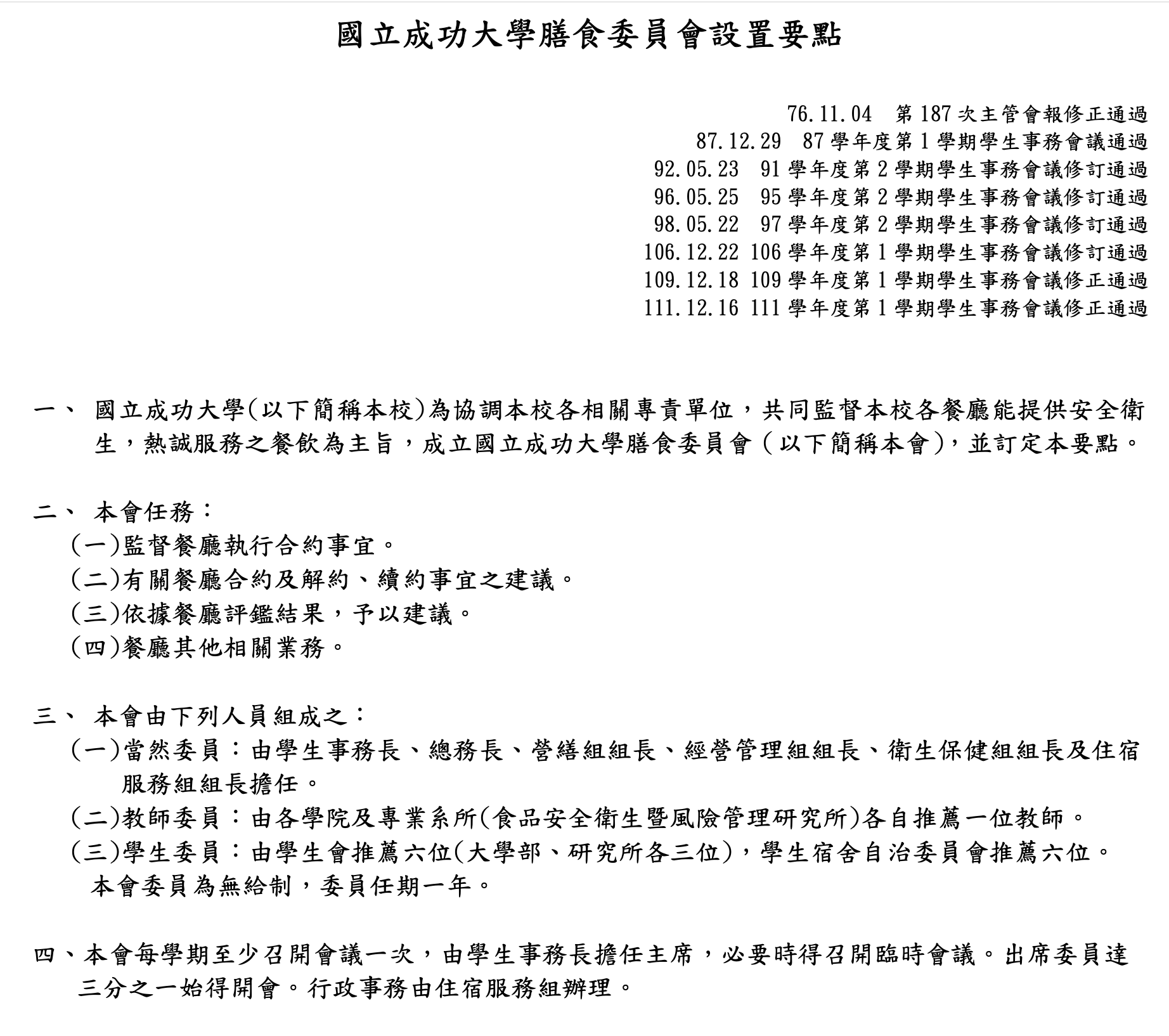 NCKU established the "Catering Committee" to ensure campus food safety and supervise restaurant operations and contract compliance. The committee consists of administrative heads, faculty members, and student representatives, ensuring diverse campus voices are included in dining management decisions. Through regular semester meetings and strict evaluation mechanisms, the committee provide professional advice on vendor renewals and quality improvements, implementing quality control and participatory management for the campus dining environment.
- GHP Grading Evaluation System for Food Service Management
 NCKU supports the Ministry of Health and Welfare's "GHP Grading Evaluation System" by encouraging faculty and students to choose dining establishments with "Excellent" or "Good" ratings. Through the Health Division's website, the university provides transparent evaluation information and search tools to strengthen supervision of food hygiene around the campus. This initiative not only ensures food safety for the university community but also encourages vendors to maintain high standards, collectively building a safe and healthy dining environment.
- Campus Dining and Food Services
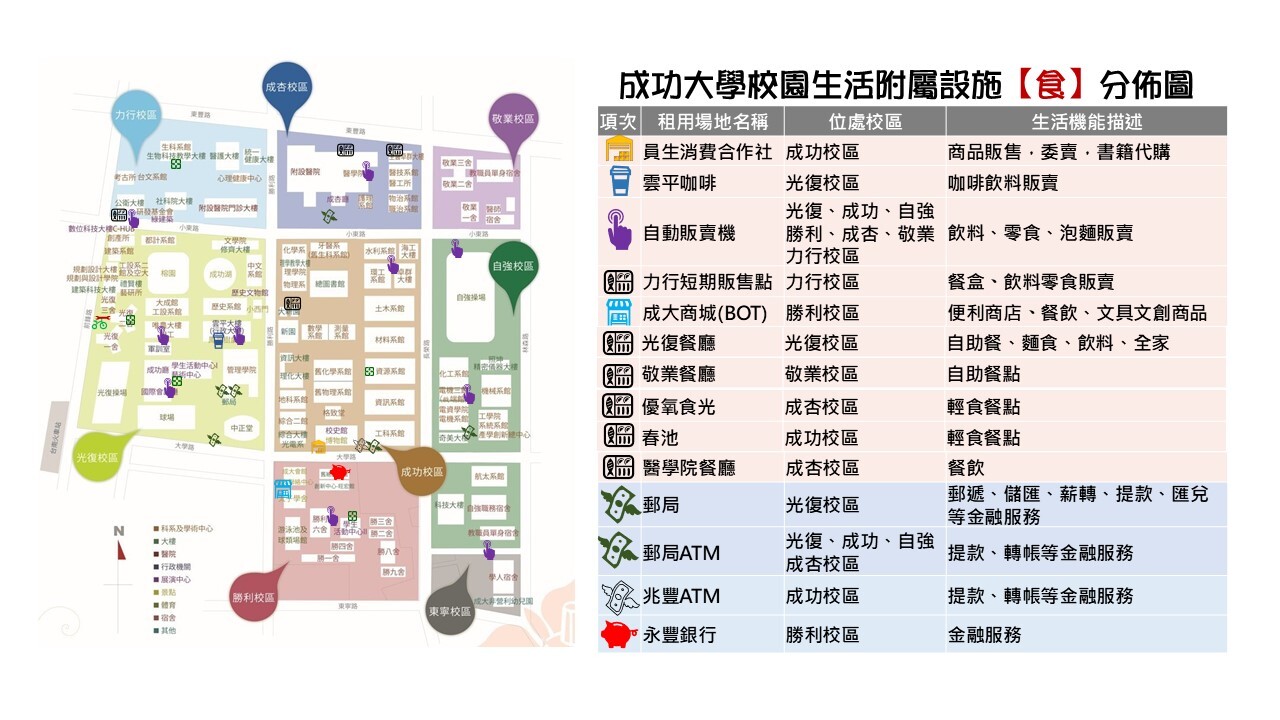 NCKU offers a wide range of campus dining facilities across various campuses to meet the diverse needs of faculty and students. The Kuang-Fu and Ching-Yeh campuses feature large dormitory restaurants serving buffet and noodle dishes, while the Cheng-Hsing and Medical campuses provide light meals and general dining. Additionally, the university integrates cooperatives, convenience stores, and cafés with accessible financial services and vending machines, creating a highly functional and convenient campus living environment.
- Free Lunch Boxes Provided at Campus Seminars
 NCKU’s Office of International Affairs hosted a Career Exploration Seminar titled "Find the Right Way to Beat Yesterday," designed to assist students in future career planning. The event took place at Zenda Suites and offered free lunch boxes to pre-registered participants. By combining professional insights with catering services, the university created a relaxing and motivating environment, encouraging students to gain career experience while experiencing campus care, thereby increasing engagement and practical takeaways from the seminar.
- NCKU Hospital Health Market
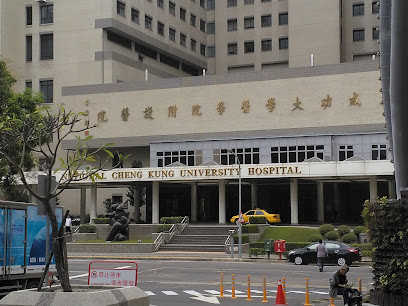 NCKU Hospital regularly hosts the "Health Market," extending medical services into community life. The market invites local farmers and social welfare groups to promote the concept of "medicine and food from the same source." By utilizing the hospital plaza, it provides patients, families, and students convenient access to fresh produce and nutritional education. This initiative not only supports local agriculture but also strengthens the hospital's role as a platform for preventive medicine and humanistic care, fostering a holistic health campus and medical ecosystem.
- Vegetarian Buffet
 Located in the NCKU Hospital Food Court, "Ming Xiang Vegetarian Buffet" is a popular healthy dining option within the campus community. The restaurant offers a wide variety of plant-based dishes, including fresh seasonal vegetables and soy products, catering to the low-oil, high-fiber dietary needs of patients, medical staff, and students. Through social media promotion, it has become a key spot for vegetarian culture in the NCKU area, reflecting the diversity and nutritional focus of campus food services.
- Staff and Consumer Cooperative
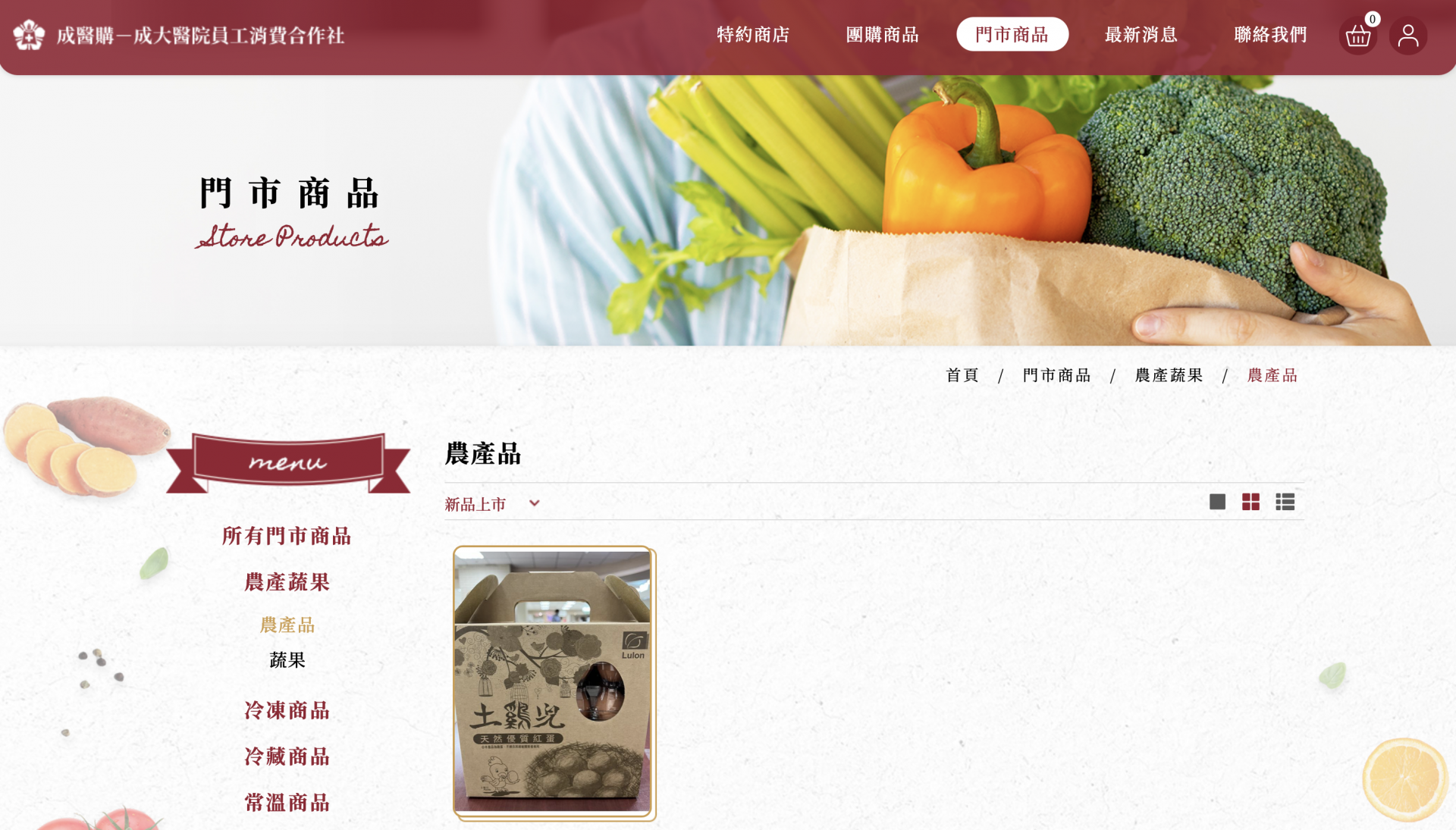 The "NCKU Hospital Staff and Consumer Cooperative" has established a dedicated online platform, "NCKUH-Buy," to provide a diverse range of products for university and hospital staff. The platform integrates fresh agricultural produce, seasonal fruits and vegetables, and various frozen and dry goods, emphasizing quality control and shopping convenience. Through systematic category management, the cooperative not only meets the daily needs of faculty and staff but also promotes healthy eating. It serves as a vital support unit within the NCKU medical and living community, enhancing the overall convenience of campus life.
- Dormitory Canteens Undergo Monthly Inspections
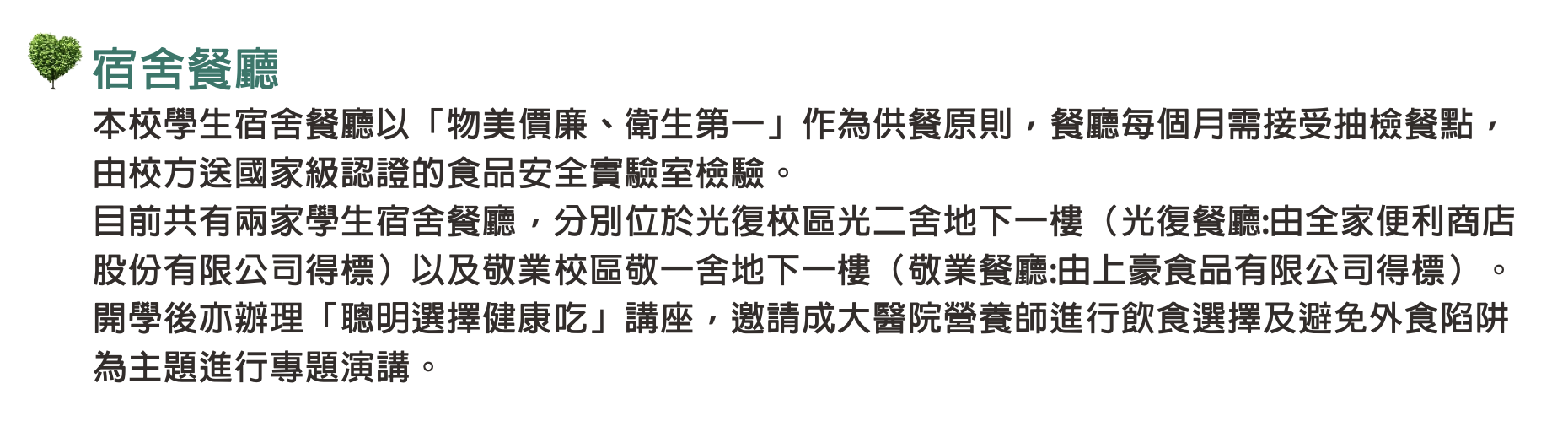 NCKU implements a strict hygiene management system for its student dormitory restaurants, adhering to the "Sanitation First" principle by conducting monthly food samplings for national-level laboratory testing. Currently, the Kuang-Fu and Ching-Yeh campus canteens are operated by established vendors to ensure food quality. The university also promotes healthy eating education by inviting professional dietitians from NCKU Hospital to host seminars. These efforts aim to teach students balanced dietary habits and safeguard their food safety and health literacy within campus life.
- Campus Food Ingredients Registration
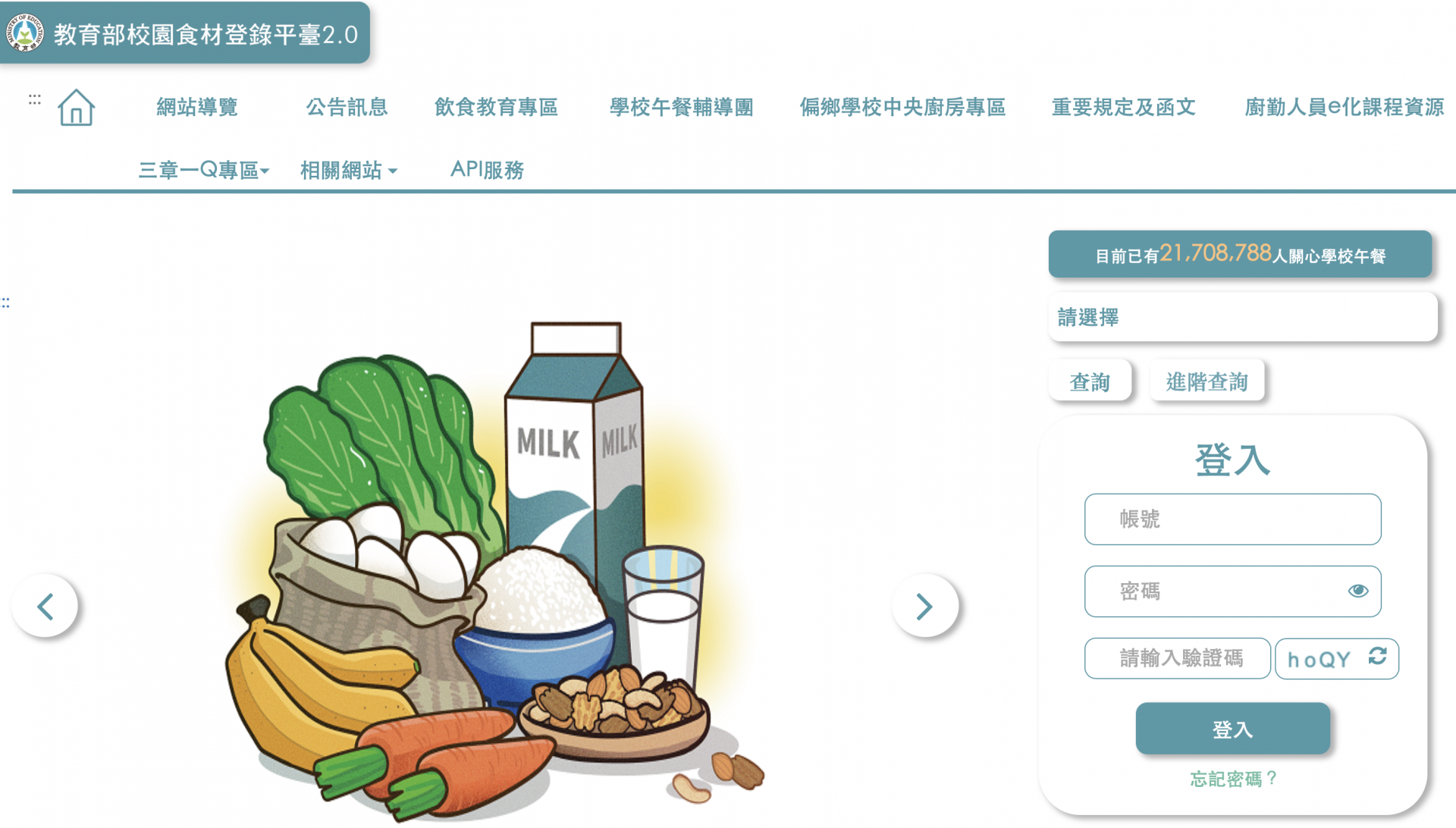 The Ministry of Education launched the "Campus Food Ingredients Registration Platform 2.0" to enhance transparency in school meal information and ensure student food safety. This platform integrates ingredient sources, nutritional analysis, and health education resources from schools nationwide, allowing parents and students to monitor meal quality in real-time. By implementing digital management and information disclosure, this mechanism achieves effective food traceability while promoting nutritional knowledge and healthy eating habits through its educational sections, creating a secure food safety environment on campus.
- Exclusive Discounts with NCKU Student ID
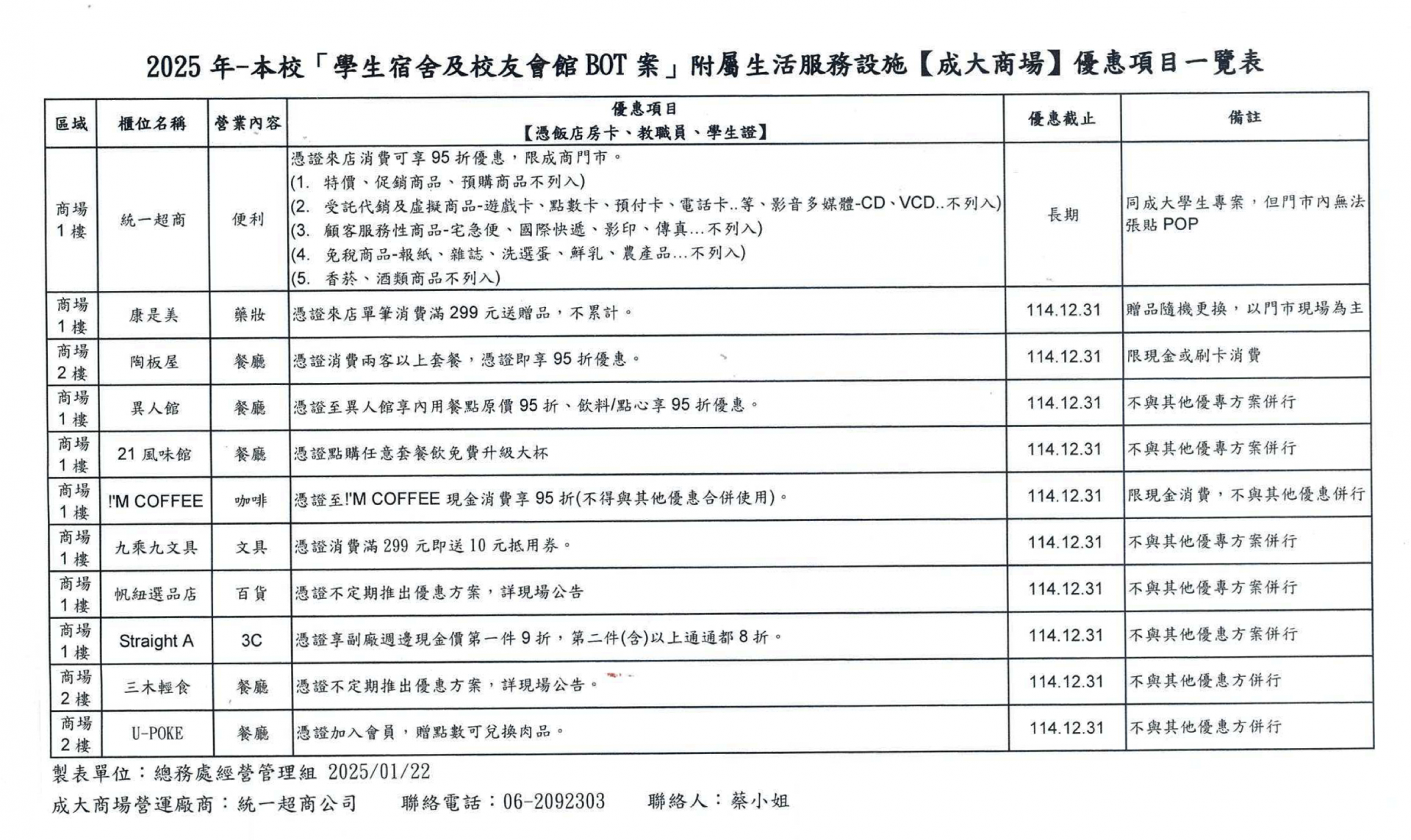 The NCKU Office of General Affairs has announced the 2025 discount programs for the NCKU Shopping Mall. Students, faculty, and hotel cardholders can enjoy exclusive discounts at various outlets within the mall. Offers include 5% off at select restaurants, gifts with minimum purchases, and discounts on 3C accessories, most valid through the end of 2025. This initiative integrates campus and corporate resources, providing the university community with more affordable lifestyle options while enhancing the convenience and functionality of the campus living environment.
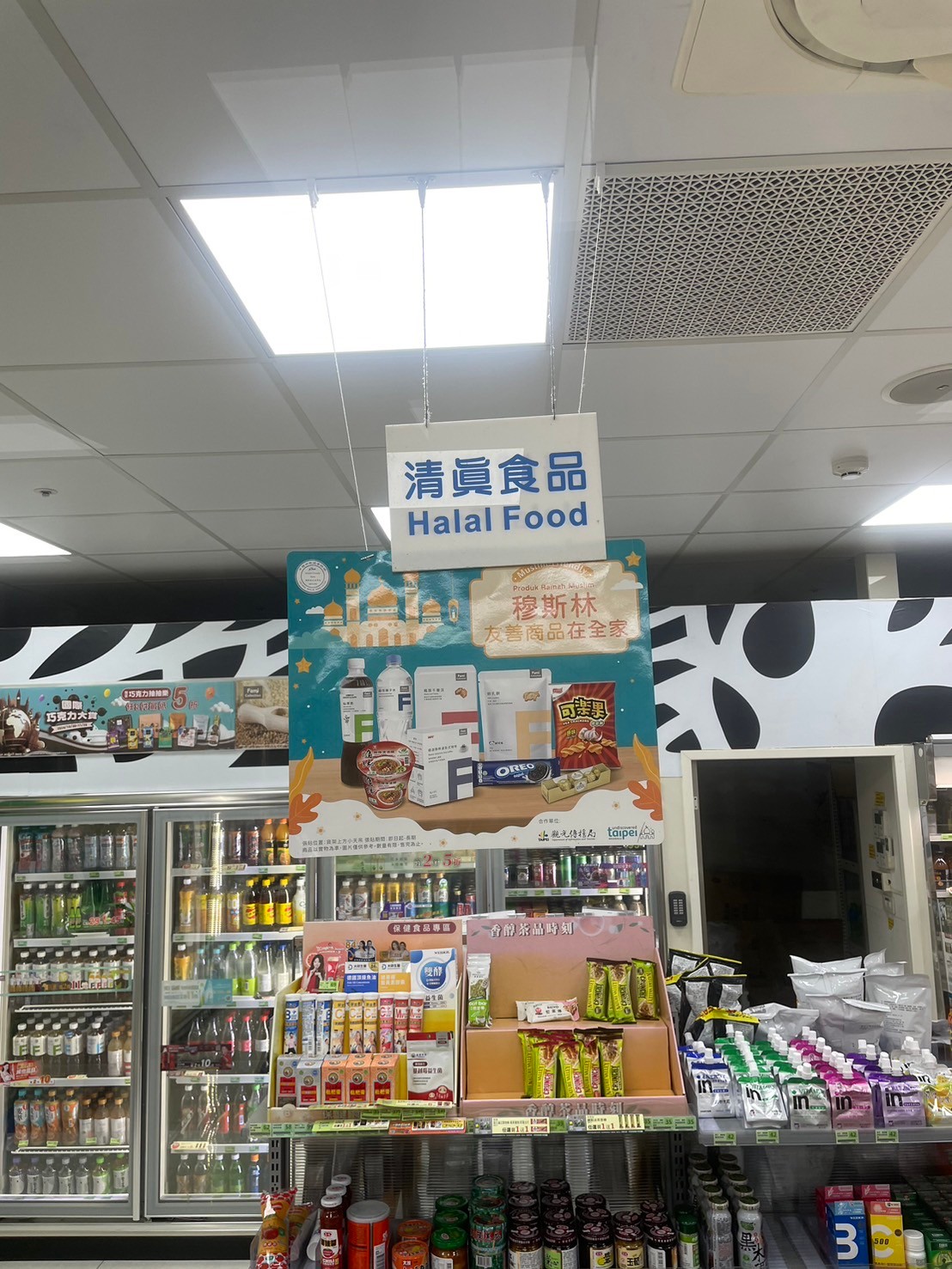
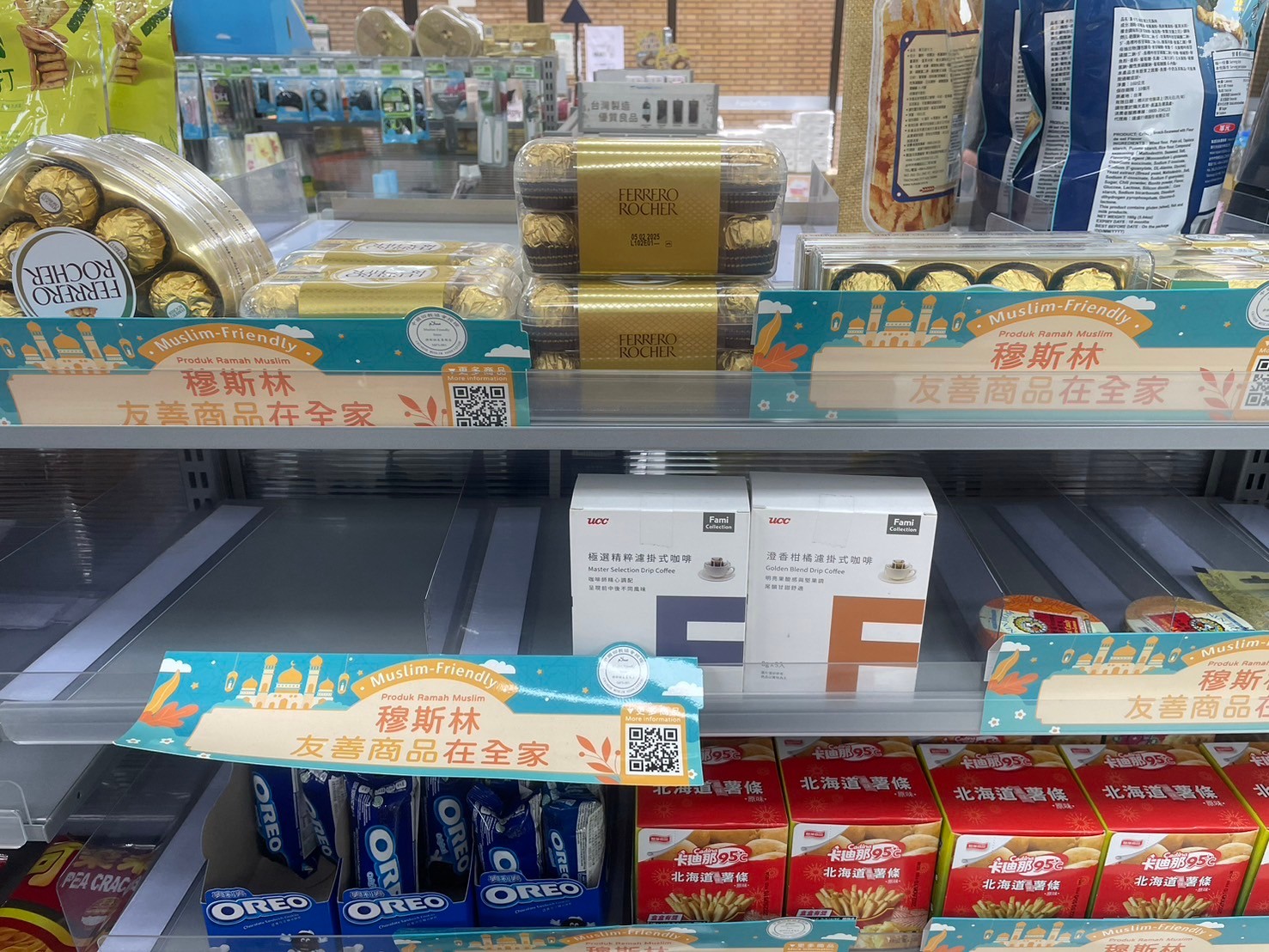
- Halal-Friendly
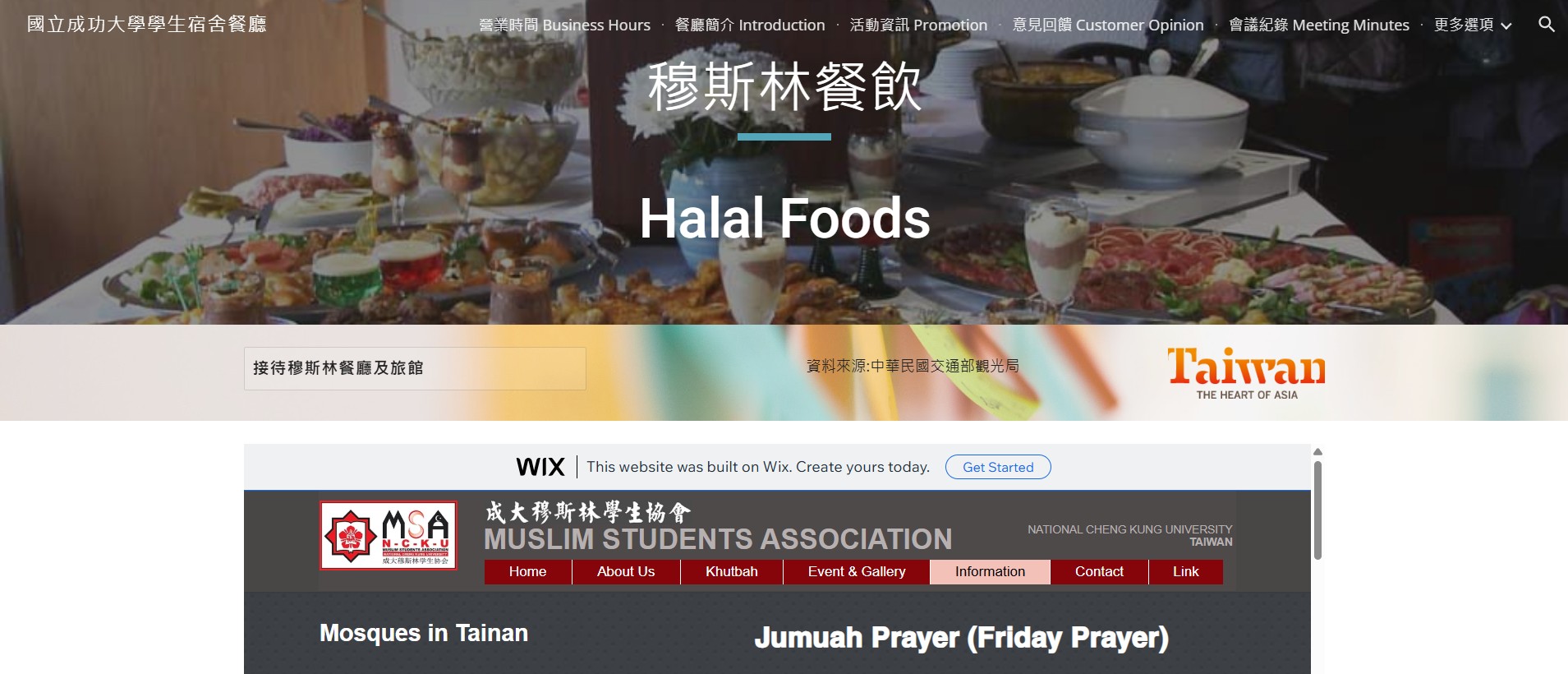 NCKU has established a Muslim Student Association and designated Halal Foods website. It also produces Halal Cards to label relevant dietary information and compiles a list of many Muslim-friendly restaurants and hotels on its website for students to use.