



National Cheng Kung University (NCKU) remains steadfast in addressing global climate challenges by integrating its dual mission of education and pioneering research. In alignment with national net-zero policies and the UN Sustainable Development Goals (SDGs), NCKU has institutionalized its sustainability governance through the Office of Sustainability and Strategic Development (OSSD). NCKU reaffirms its《 Carbon Neutrality Commitment》with the following milestones:
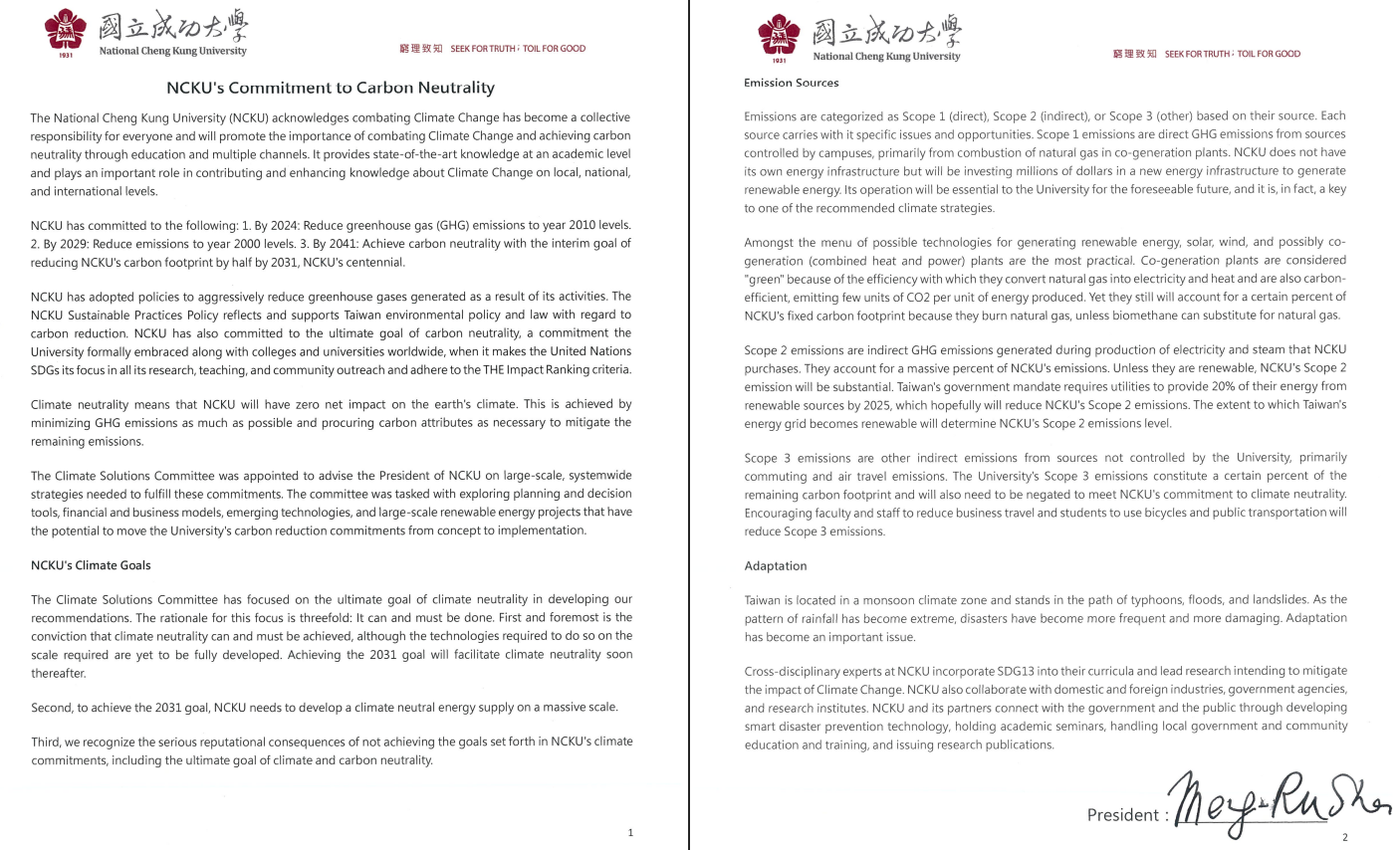
2031 (Centennial Anniversary):
Achieve a 50% reduction in carbon emissions.
2041:
2041:
Accomplish comprehensive campus carbon neutrality.
2050:
Realize the ultimate goal of Net-Zero Emissions.
By synergizing interdisciplinary research with green campus operations, NCKU is transforming its carbon reduction vision into strategic actions, striving to be a global beacon of excellence in sustainable development.
Preliminary Achievements
2050:
Realize the ultimate goal of Net-Zero Emissions.
By synergizing interdisciplinary research with green campus operations, NCKU is transforming its carbon reduction vision into strategic actions, striving to be a global beacon of excellence in sustainable development.
Preliminary Achievements
- Administrative and Digital Measures
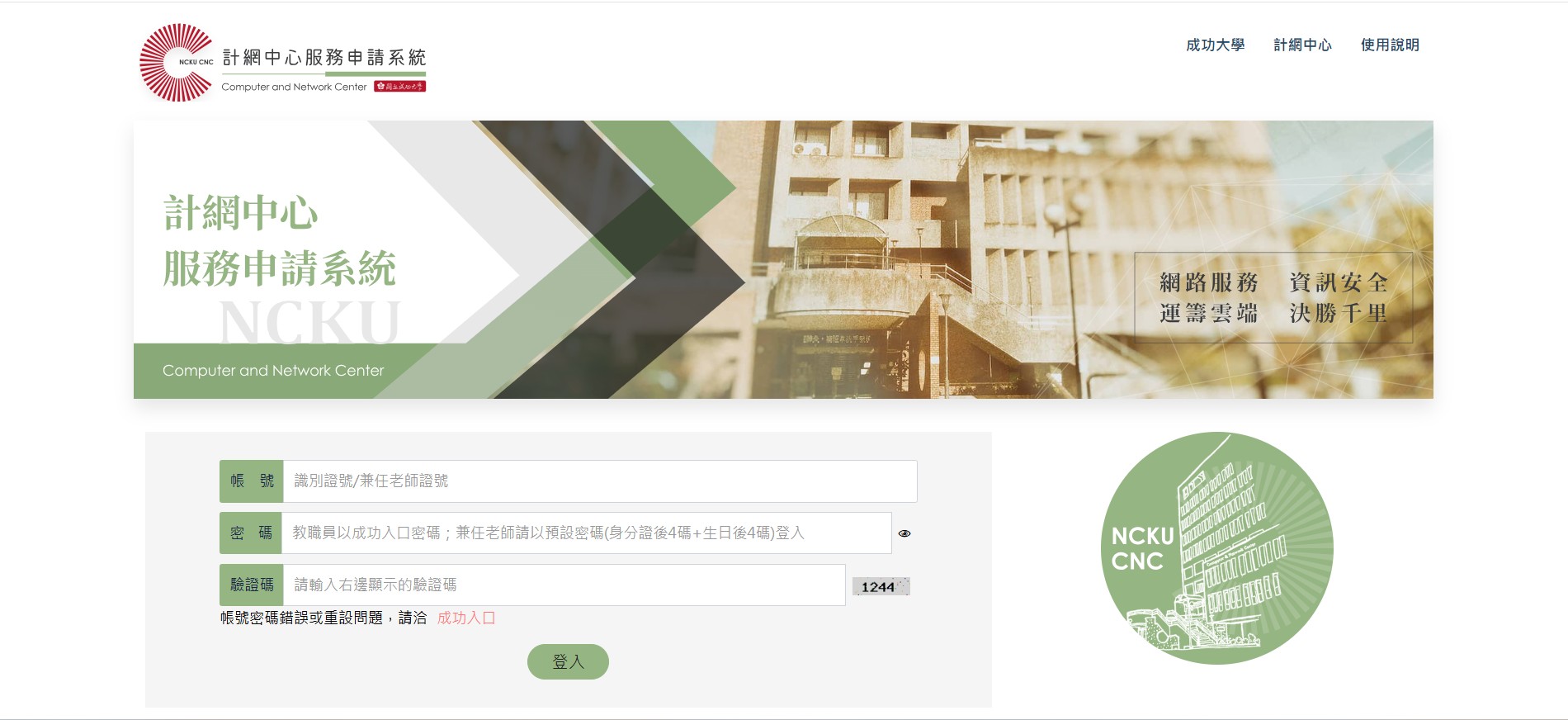
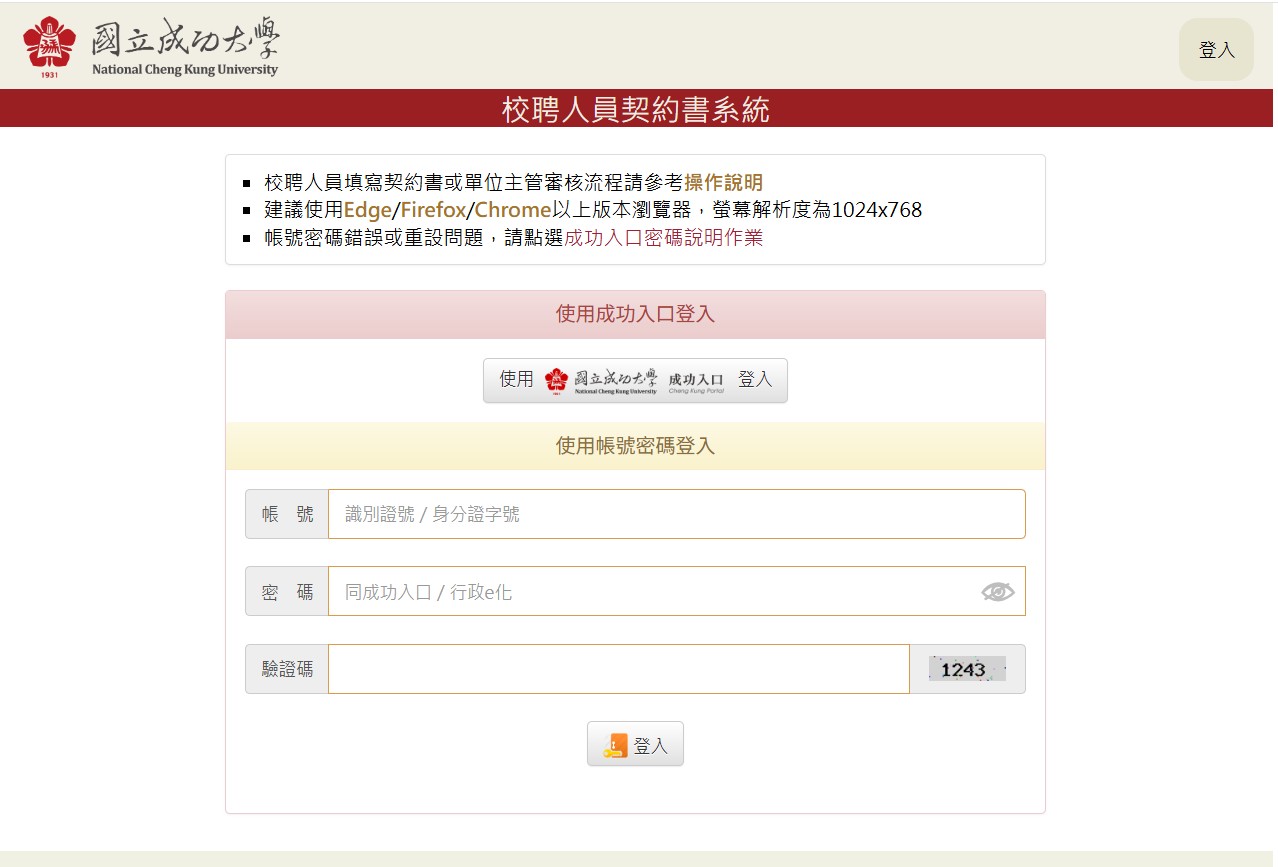
- - Established a digital appointment letter issuance system for faculty and developed an appointment system for project staff to reduce paper usage and streamline hiring processes.
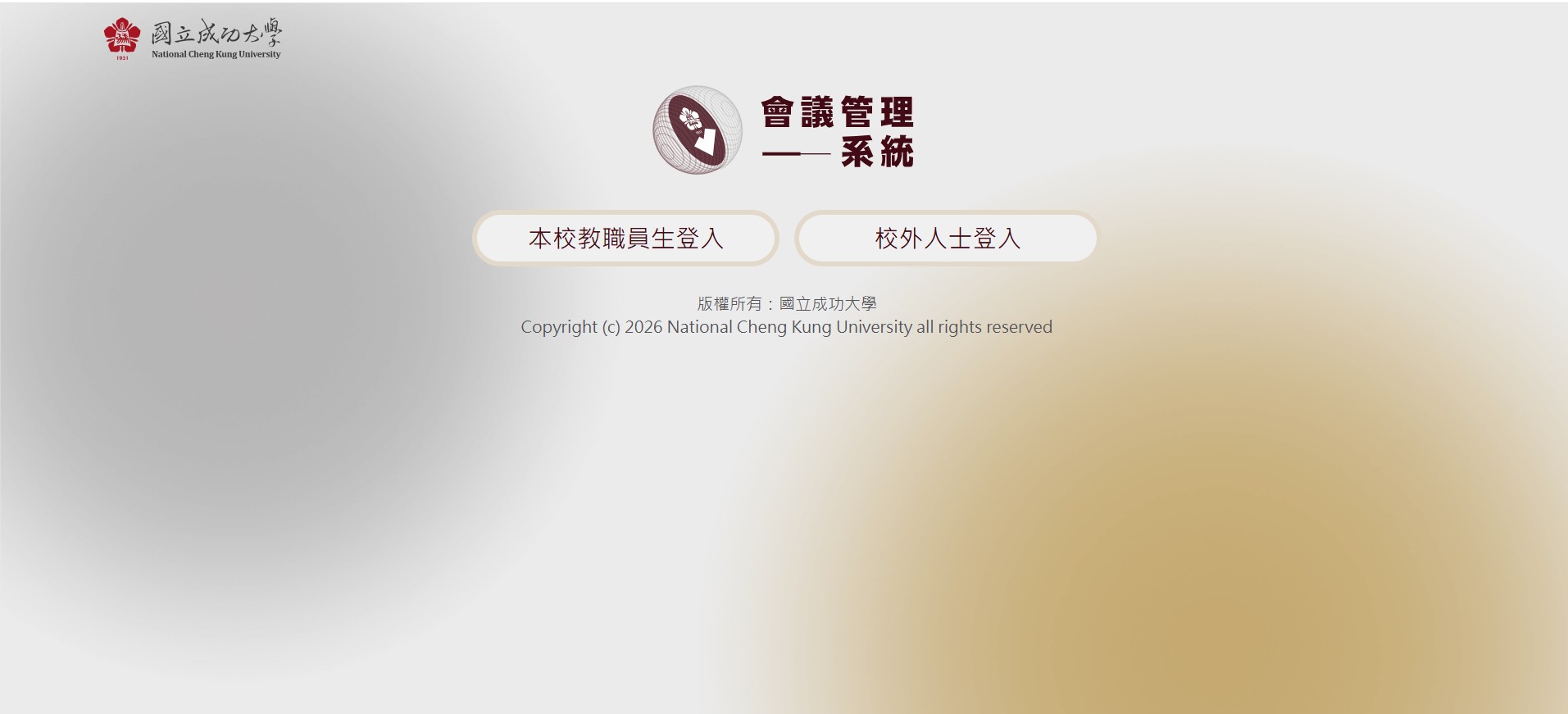
- - Introduced a meeting management system that integrates diverse search functions and supports online check-in, online voting, and data consolidation, reducing paperwork and enhancing administrative efficiency.
- Campus Buildings and Infrastructure Improvements
- - In 2008, NCKU established the Campus Energy Conservation Promotion Committee. All new buildings are required to follow energy-saving standards, while existing buildings undergo energy efficiency upgrades, with efforts focused on carbon reduction, renewable energy, and water reuse.
- - Implemented smart management for infrastructure, utilizing real-time digital monitoring to ensure stable supply and reduce waste.
- - Added license plate recognition and parking vacancy systems to reduce vehicle emissions.
- - From 2006 to the end of 2025, a total of 19 projects at the University (including campus sites and buildings) have been awarded Green Building Certifications. Moving forward, we will continue to proactively align with the green building regulations set by the Ministry of the Interior.
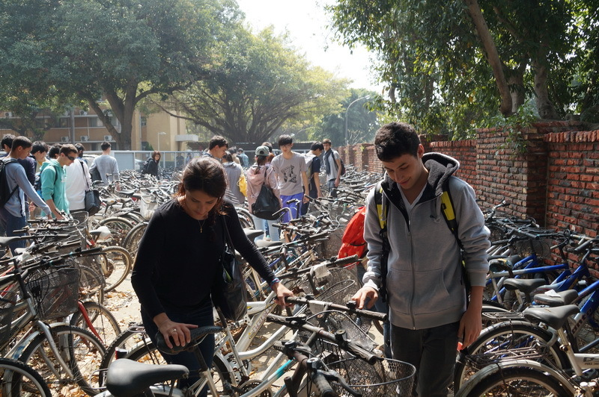
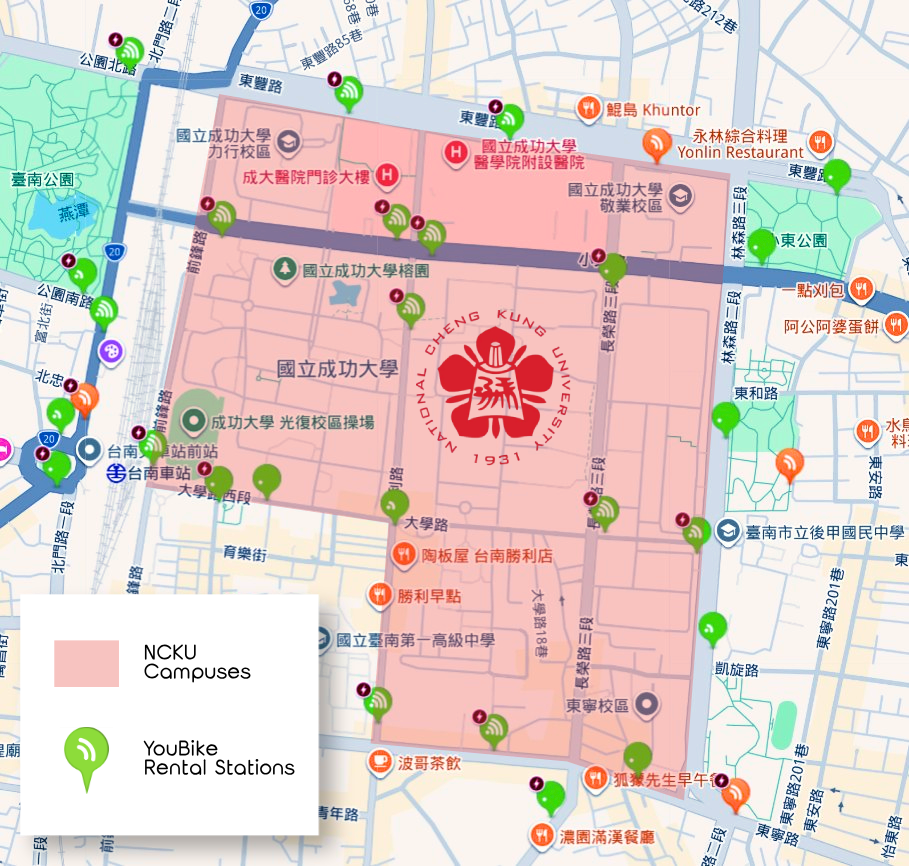
- - Establishment of Shared Bike Stations.
- - Implementation of Rainwater Harvesting Systems in Parking Lots.
- Carbon Inventory and Management System
- - NCKU has established a greenhouse gas (GHG) inventory system in accordance with ISO 14064-1:2018 and CNS 14064-1:2021 standards. With 2023 set as the base year, we have successfully completed third-party verification with reasonable assurance for both 2023 and 2024.
- - The data collection and inventory process for the 2025 fiscal year is currently in progress.
Future Pathways Toward Carbon Reduction and Carbon Neutrality
- Energy Transition and Smart Management
- - NCKU plans to expand the installation of solar panels and smart metering systems to enhance energy efficiency and enable real-time monitoring.
- - NCKU is also promoting a smart campus through the integration of an energy monitoring platform to implement effective energy management.
- Technological Innovation and R&D Applications
- - NCKU is developing negative carbon technologies and has partnered with China Steel Corporation to develop a microalgae carbon reduction system. After technology transfer, the system has been successfully operated at a pilot plant for over two years, achieving a CO₂ removal rate of over 60%.
- - In response to the nation's 12 Key Strategies for Net-Zero Emissions, we are actively promoting the research and development of related technologies.
- Education, Training, and Experimental Carbon Management
- - Systematically enhancing professional training and practical performance to deepen sustainability literacy.
- It is also assessing and managing the usage rates of large laboratory equipment, integrating them into carbon management and replacement plans.
- Daily Carbon Reduction Practices and Circular Economy
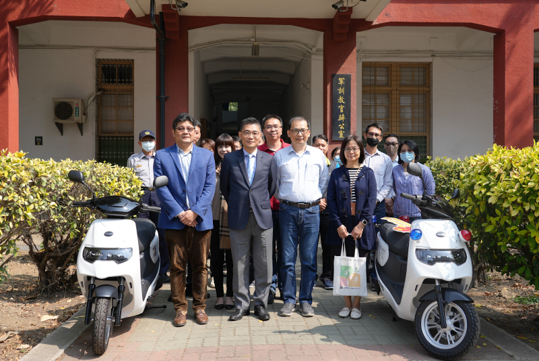
- - To promote low-carbon transportation, NCKU has installed YouBike stations and EV charging facilities, and is encouraging the use of electric scooters.
- - For food waste and resource recycling, a food waste collection system and smart recycling machines have been introduced, with plans to build a composting facility in the future.
- - In line with government policies, NCKU is implementing sustainable procurement by purchasing environmentally friendly products and promoting a circular economy.
- - Comprehensive campus energy management and renewable energy efficiency have been strengthened by replacing outdated lighting, air conditioning, and water dispensing equipment with high-efficiency products, alongside the installation of solar power and rainwater harvesting systems.
- - NCKU successfully recycled 38.25 tons of food waste and introduced automated recycling machines for batteries and bottles, effectively promoting waste reduction and the practice of resource circulation on campus.
- - By expanding tree planting to enhance greenbelt carbon sequestration, the university integrates hardware upgrades with environmental governance, striving to establish a model for a low-carbon and sustainable campus.
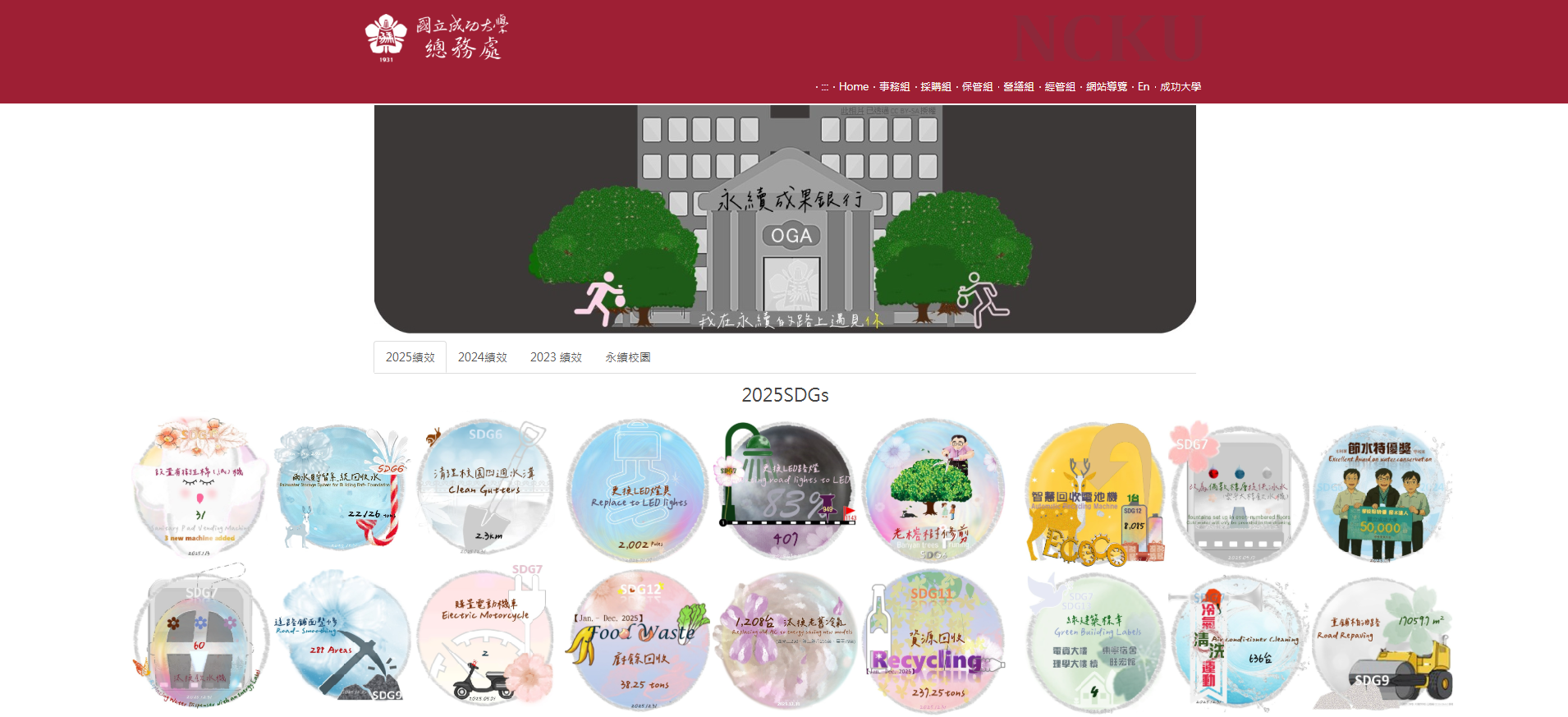
NCKU's Specific Achievements in 2025
- Carbon Capture, Utilization, and Storage Technology Cooperation: NCKU Leads the Charge in Geothermal and CCS Research to Achieve Dual Decarbonization Goals
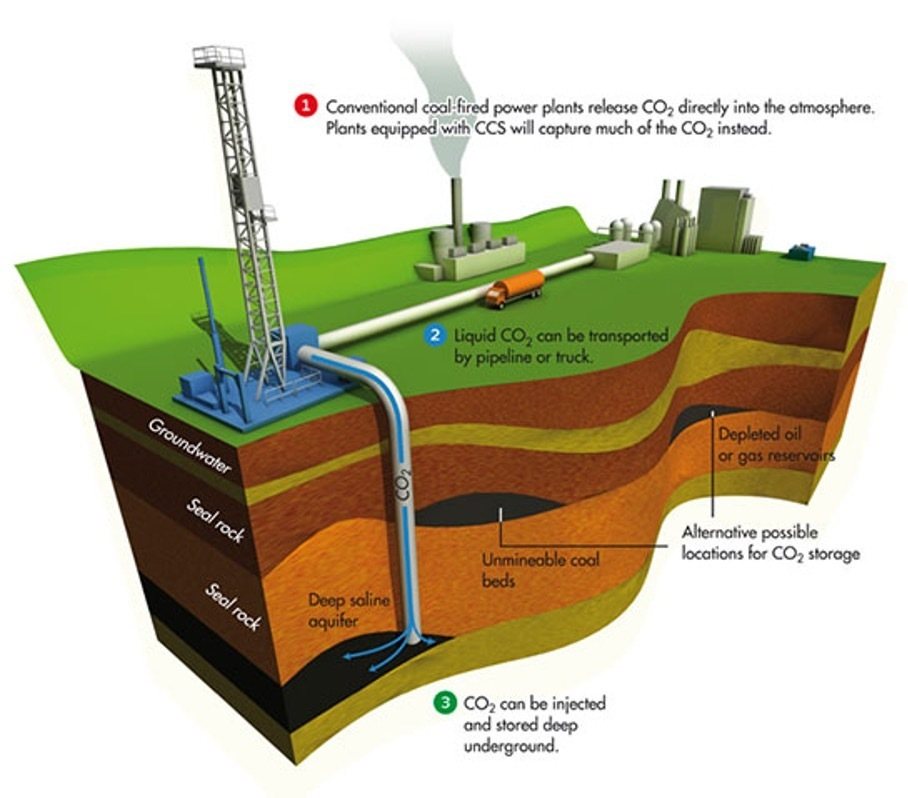 NCKU Resource Engineering Professor Hsieh has long focused on geothermal energy and carbon dioxide storage technology development, promoting Taiwan’s energy independence and low-carbon transition. The research team integrates petroleum engineering techniques with geothermal development, using directional and horizontal drilling along with reservoir evaluation to enhance geothermal power generation potential and expand diverse energy applications.
At the same time, the team promotes carbon capture and geological storage (CCS/CCUS) technologies, planning offshore carbon storage sites in the Taisi Basin to develop million-ton-scale carbon storage capacity. In addition to technological innovation, the team also emphasizes social communication and policy integration, improving public acceptance through science education and public–private collaboration to accelerate the commercialization and practical deployment of net-zero technologies.
- Green Transformation in industry: NCKU Wins 11 "Future Tech Awards": Pioneering Innovations in Green Hydrogen, Carbon Sequestration, and Sustainable Aviation Fuel
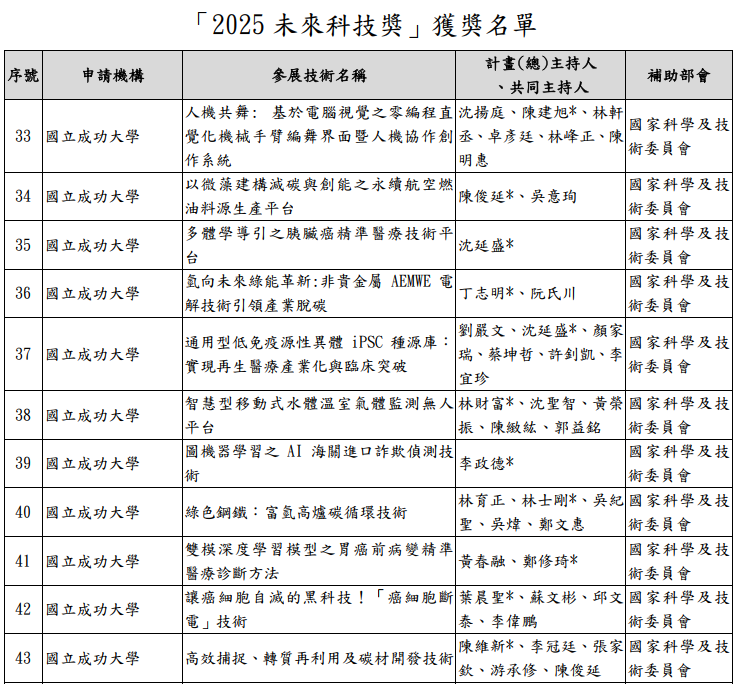 NCKU is actively advancing net-zero technologies, demonstrating strong cross-disciplinary integration in carbon reduction innovation. From a smart unmanned surface vehicle platform for monitoring greenhouse gas emissions in freshwater bodies, to a microalgae-based sustainable aviation fuel system that integrates carbon fixation and bio-oil production; from non-precious metal AEMWE green hydrogen electrolysis technology driving industrial decarbonization, to hydrogen-enriched blast furnace carbon recycling technology reducing emissions in steelmaking processes, and further to integrated carbon capture and carbon material development technologies combining chemical absorption and microalgae-based sequestration, NCKU connects energy, biofuels, heavy industry, and advanced materials through innovative research. These efforts establish comprehensive decarbonization solutions that accelerate industrial transformation and the realization of net-zero goals.
- Carbon Trading and Net-Zero Education: NCKU Launches "Satoyama Scepter Initiative": Promoting Human-Nature Harmony and a Sustainable Future
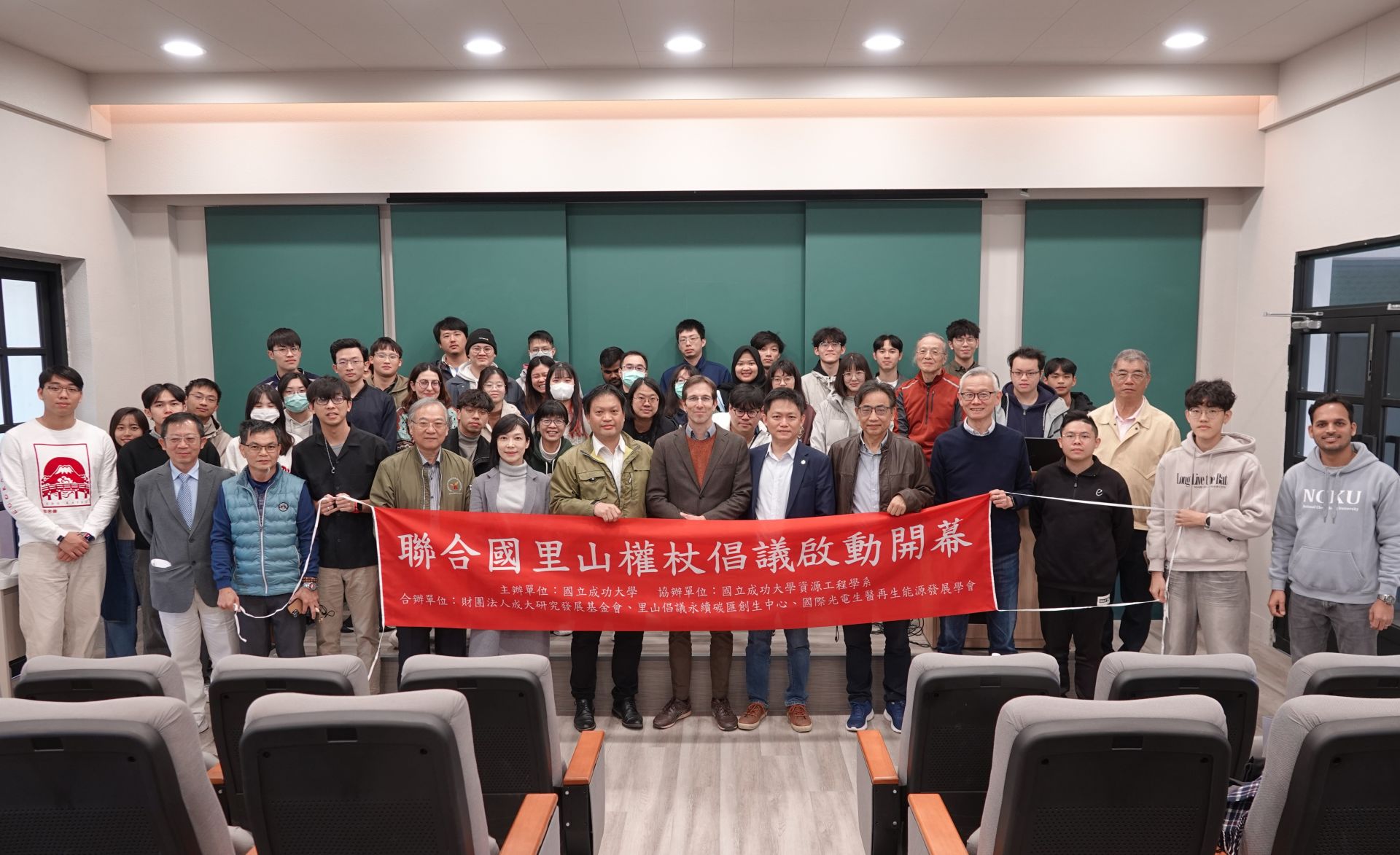 NCKU is implementing a six-year “Satoyama Scepter Initiative” project aimed at promoting and developing carbon reduction technologies aligned with the United Nations’ Satoyama biodiversity concept, while also integrating rural revitalization and local creative development activities. The project aims to achieve a total carbon sink increase of 60 million tons of CO2 between 2024 and 2030. Through the development of agricultural bio-carbon reduction technologies and biodiversity-based carbon credit development, the initiative seeks to promote international carbon credit cooperation and support cross-national biodiversity-based carbon reduction programs and carbon sequestration assessment.
- Promotion of Renewable Energy: NCKU Releases Taiwan’s First Integrated Resource Planning Guidelines for Power Utilities
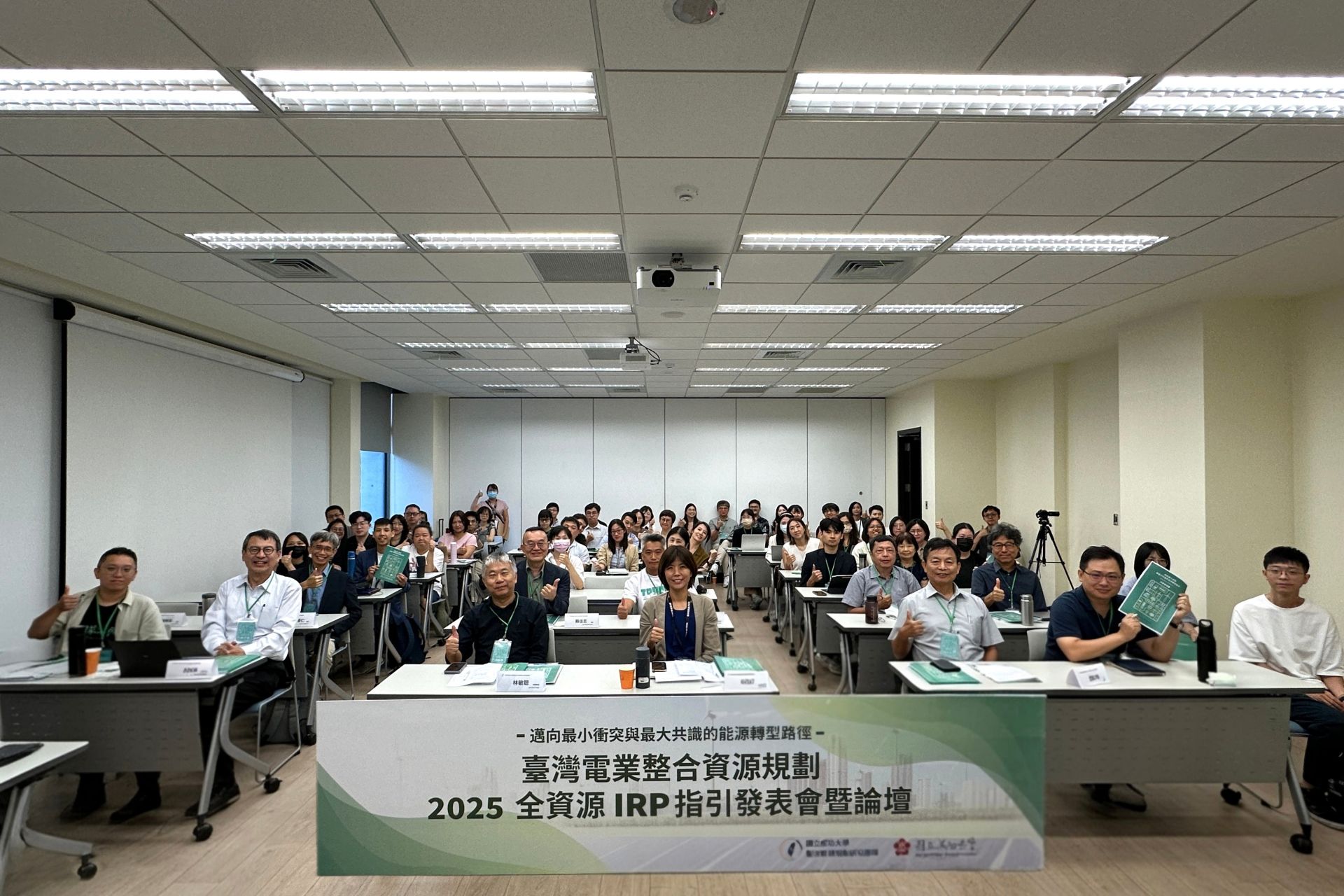 NCKU plays an important role in Taiwan’s net-zero transition through innovations in energy governance. The research team has proposed Taiwan’s first Integrated Resource Planning (IRP) guideline, combining scientific simulation and social participation mechanisms to shift energy policy from a supply-oriented approach to an integrated planning framework that also considers environment, land use, and climate risks. Through multi-scenario decarbonization pathway analysis, the research provides policy references for 2030 carbon reduction targets and helps build consensus for energy transition.
In terms of technology, the team promotes the transformation of the power system from a centralized to a distributed energy structure, proposing regional electricity pricing and energy self-sufficiency strategies to enhance grid resilience. The research also strengthens cross-department data integration and public participation to promote transparent energy governance, supporting Taiwan’s transition toward a fair and sustainable net-zero energy future.
- Low-carbon Industrial Transition and Sustainable Competitiveness: Net-Zero Tech Strategy × Industrial Sustainability Summit: Jointly Organized by MOENV and NCKU
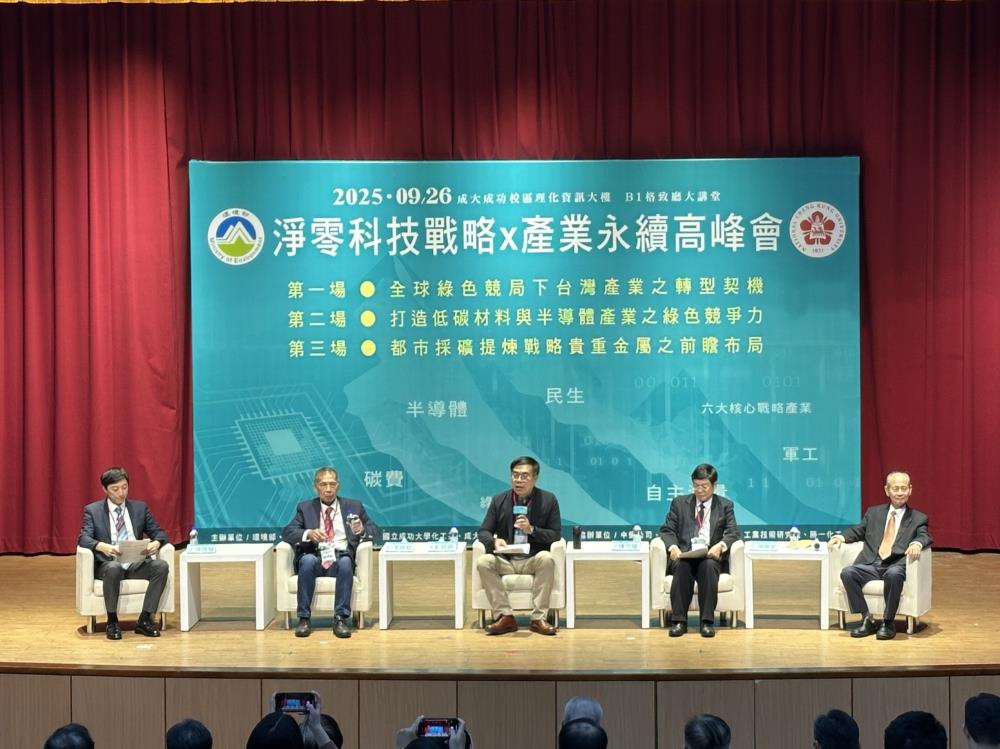 This summit focused on Taiwan’s low-carbon industrial transition and sustainable competitiveness, exploring three major themes. The first theme analyzed opportunities for Taiwan’s industrial transformation under global green competition, focusing on low-carbon materials, circular utilization, and net-zero technologies. The second theme discussed the integration of low-carbon materials into semiconductor supply chains to enhance green competitiveness. The third theme examined urban mining and strategic metal recycling to reduce import dependence and improve resource resilience. Through cross-disciplinary exchange, the summit highlighted Taiwan’s industrial advantages in semiconductors, green chemistry, and strategic metals. The government will continue integrating policy and technological resources to promote low-carbon transformation and the development of a clean industrial sector.
- International Collaboration and Academic Exchange: 2024 HIGEM International Conference (4th Edition)
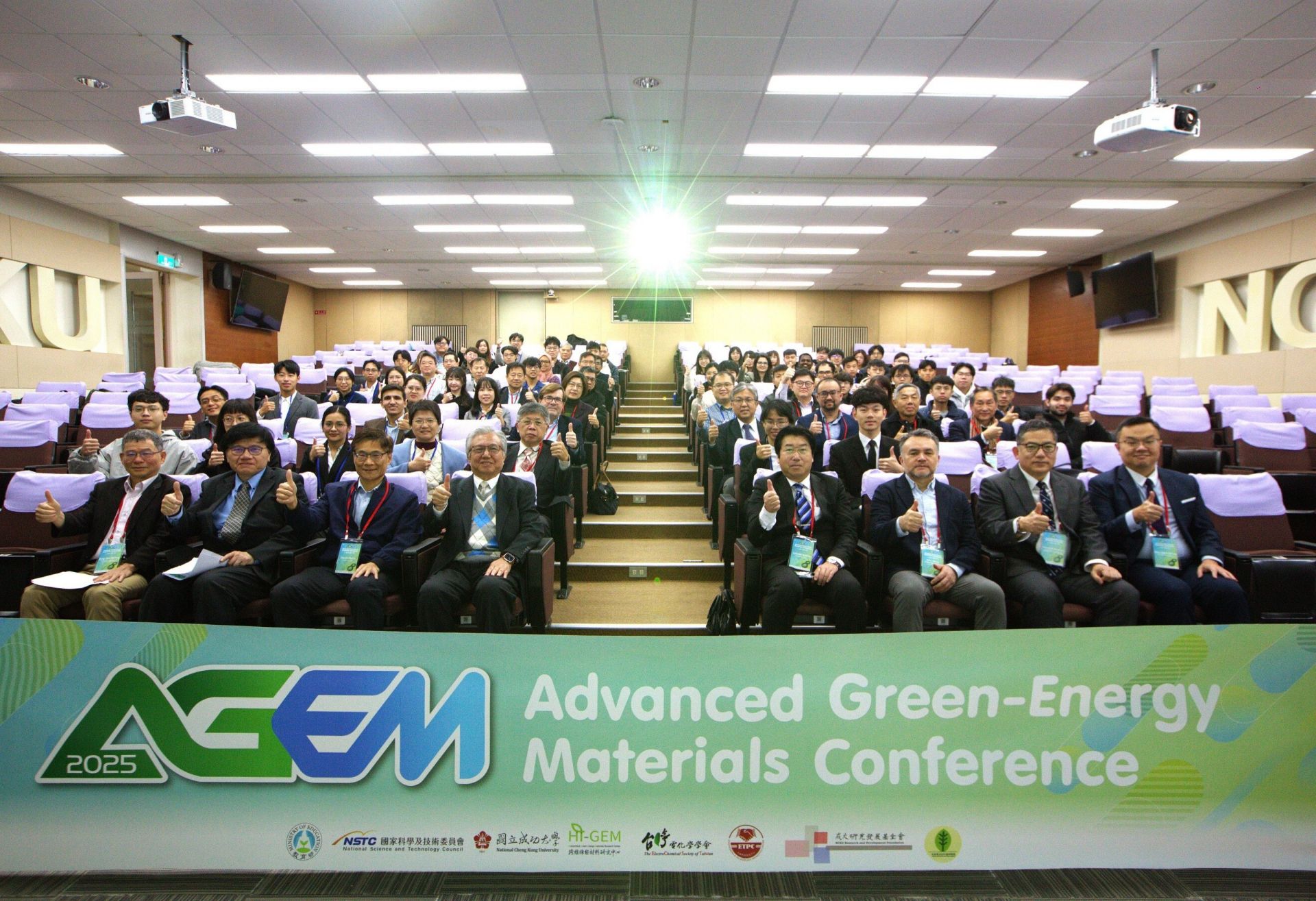 NCKU hosted the AGEM International Conference, focusing on two core themes: advanced energy storage materials and the circular economy. The conference aimed to promote international collaboration, share the latest research findings and practical experiences, and support the global industrial supply chain’s transition toward low-carbon development. It also seeks to improve resource efficiency, reduce carbon footprints, and foster a resilient and sustainable economic model to address climate change challenges.
- Industry-Academia Collaboration: NCKU and SLB Forge Strategic Partnership to Drive Future Innovation
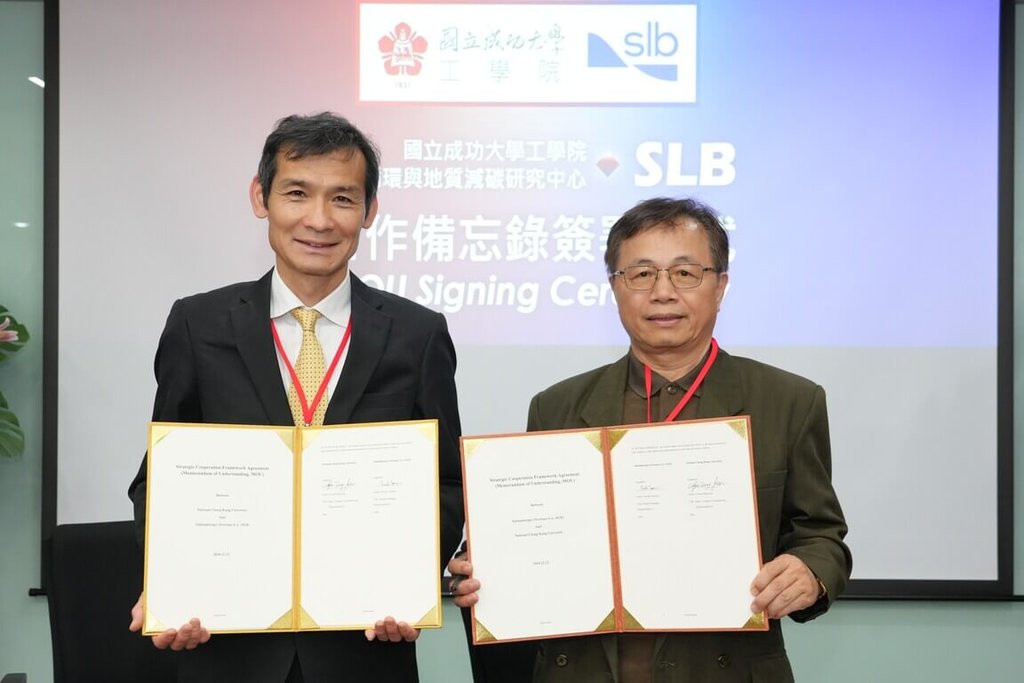 Facing the severe global challenges of climate change and carbon emissions, the College of Engineering at NCKU and SLB are planning to jointly promote Taiwan’s carbon reduction engineering initiatives. The collaboration will cover research and development in geological carbon storage, geothermal energy development, carbon reduction engineering, and talent cultivation. The project aims to explore Taiwan’s geological structures and establish safe, economical, and efficient CO₂ storage systems, promote energy diversification and sustainability in Taiwan, and strengthen industry–academia collaboration while cultivating a new generation of engineering and research talents.
- Strategizing NDC 3.0 Carbon Reduction Goals: NCKU Net-Zero Forum Unites Industry, Government, Academia, and Youth
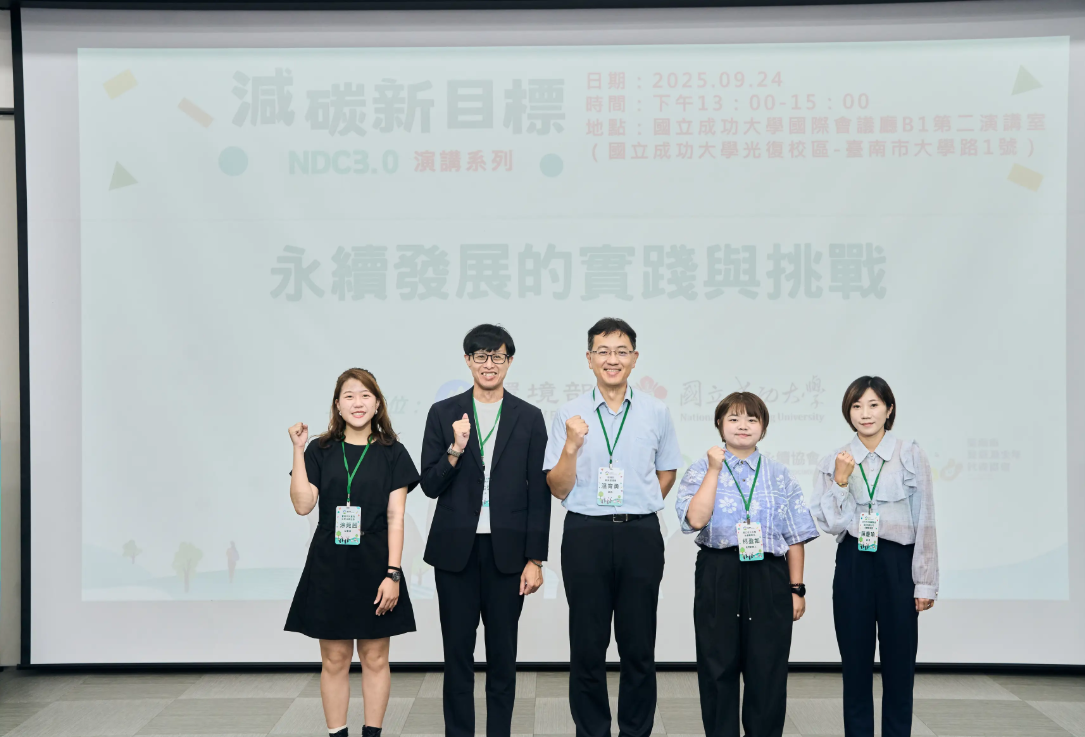 This activity utilized the En-ROADS climate simulator developed by the Massachusetts Institute of Technology (MIT) to guide young participants in adjusting policies from a global decision-maker’s perspective, including energy supply, carbon pricing, energy efficiency, carbon removal, and agricultural emission reduction. Results from 27 youth participants showed strong support for clean energy, transport efficiency, and forest protection policies, and moderate support for carbon pricing. Simulation results indicated that global temperature rise by the end of the century could be reduced from an estimated 3.3°C to 2°C.
Professor Chih-Ta Wu from the Department of Geomatics and Geospatial Information at National Cheng Kung University applied Geo-AI and remote sensing technologies for carbon management. Using drones to estimate carbon sequestration in campus and urban green spaces, he also helped establish a carbon sink data platform to promote industry–government–academia collaboration and support the goal of achieving net-zero emissions by 2050.
- Driving the Future of Digital Paper: NCKU ID Hosts the 2025 E-Ink Electronic Paper Innovation Design Workshop
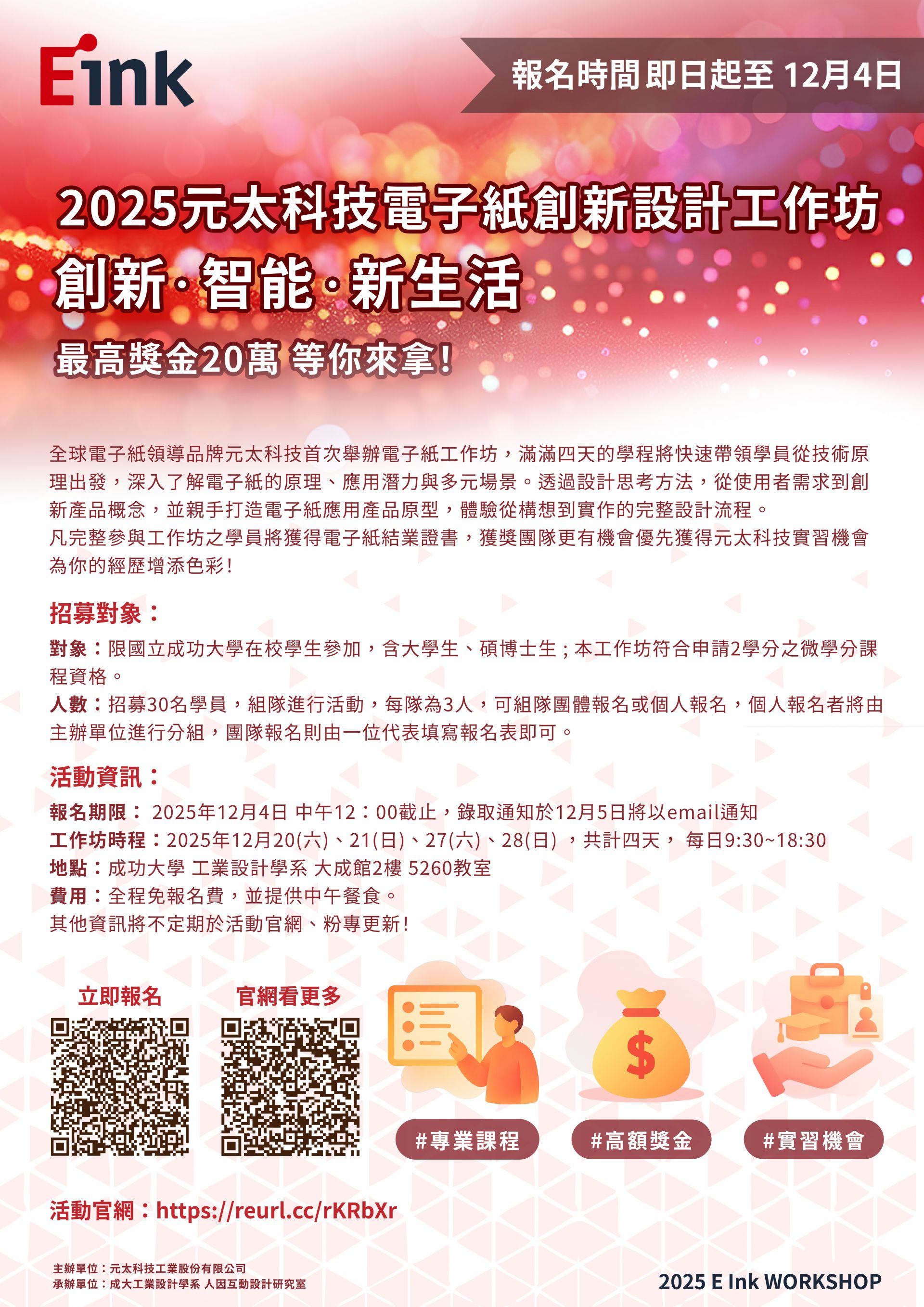 The Ergo Lab of the NCKU Department of Industrial Design and E Ink have jointly organized the "2025 E-Ink Electronic Paper Innovation Design Workshop." This four-day intensive workshop is tailored for NCKU students, deeply integrating academic research with industrial practice. Participants will begin with the technical principles of electronic paper and transition into user-centered product prototyping, achieving technical translation and interdisciplinary innovation. In addition to receiving a certificate of completion, outstanding teams will have the opportunity to secure corporate internships, directly channeling campus R&D energy into the global leading industry of electronic paper applications.