




SDG 7 Affordable And Clean Energy
- NCKU Releases the Nation’s First Integrated Resource Planning Guidelines for the Power Sector
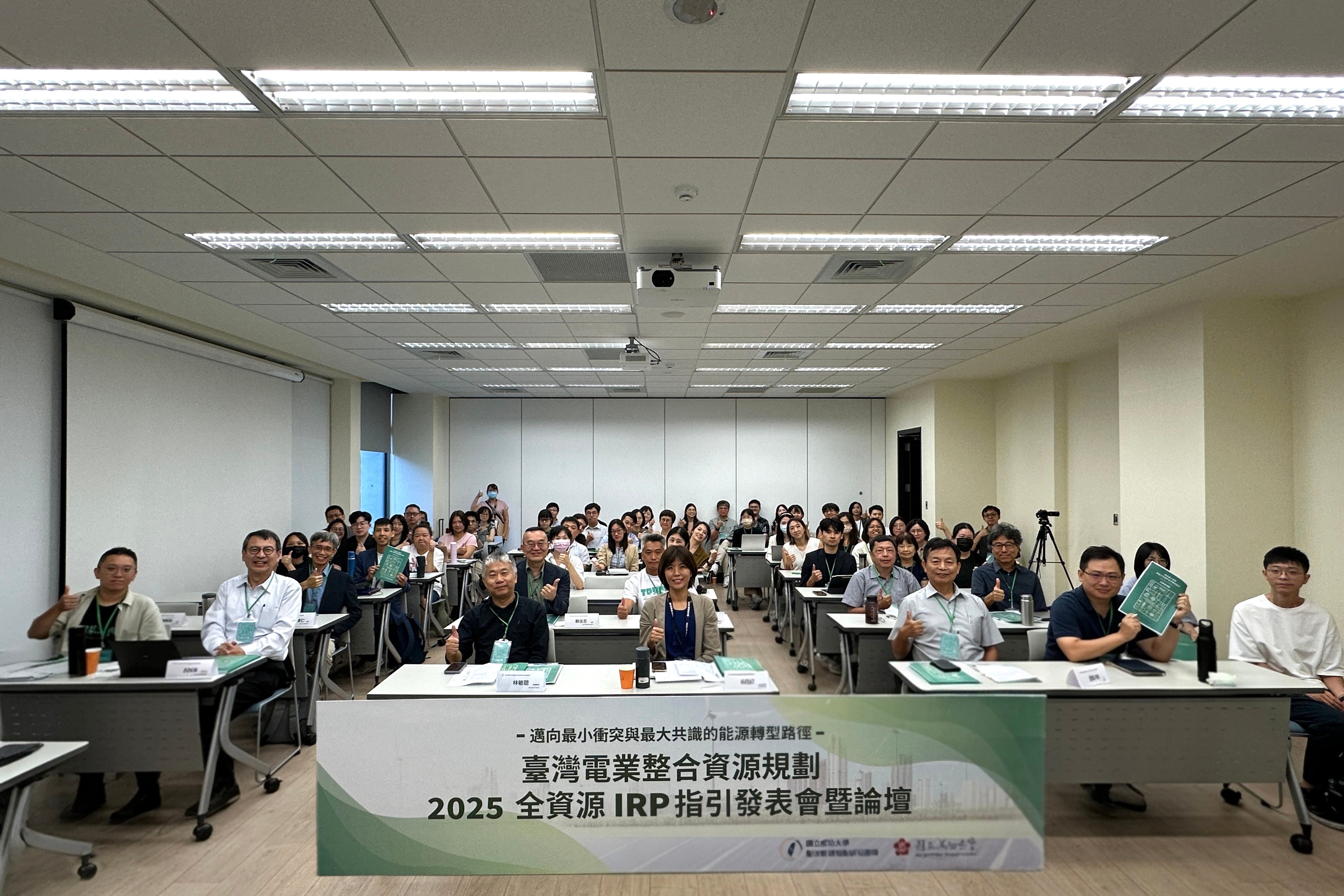 Researchers at National Cheng Kung University have published Taiwan’s first "Integrated Resource Planning (IRP) Guidelines for the Power Sector". Combining scientific data with public participation, the guidelines outline a 4-stage, 10-step process using scenario modeling to help address regional grid imbalances and cross-departmental integration challenges. This initiative creates a transparent, consensus-driven platform for energy governance to advance Taiwan’s 2050 net-zero transition goals.
- NCKU Materials Science Team Wins Silver at 2025 MTE for Thermoelectric Self-Powered Tech in Wearables & Healthcare
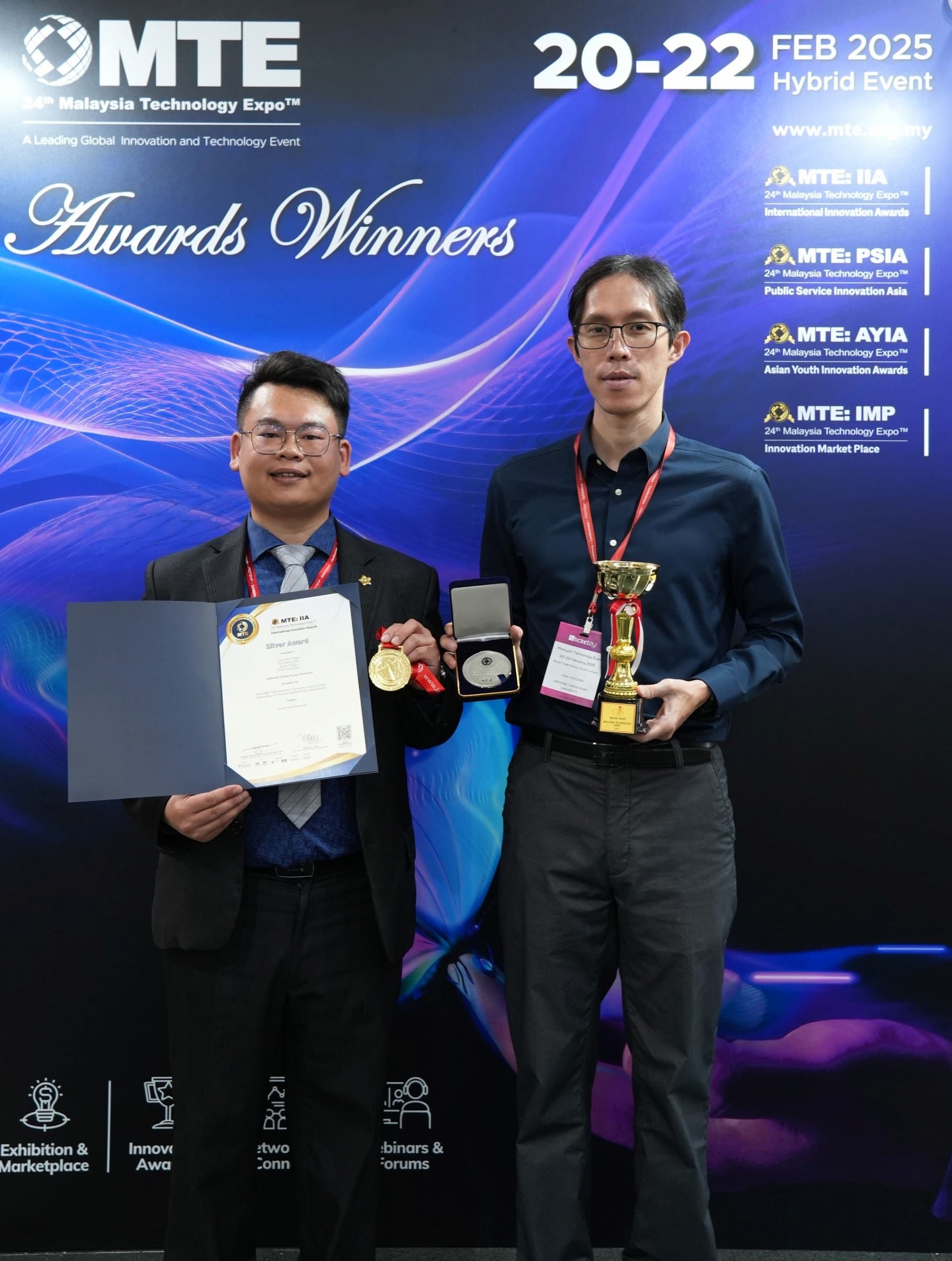
Professor Chia-Yun Chen's team from National Cheng Kung University (NCKU) won the Silver Award at the 2025 Malaysia MTE International Invention Exhibition. Their innovation, "Wearable Thermoelectric Emerging Green Energy Technology for Telemedicine Care," addresses battery limitations in wearable medical devices by providing self-powered thermoelectric technology, supporting the rapidly growing telemedicine market projected to reach $400 billion by 2026.
- NCKU Launches EV Charging Station for Blood Donation Bus, Marking a Milestone in Public Welfare and Green Energy
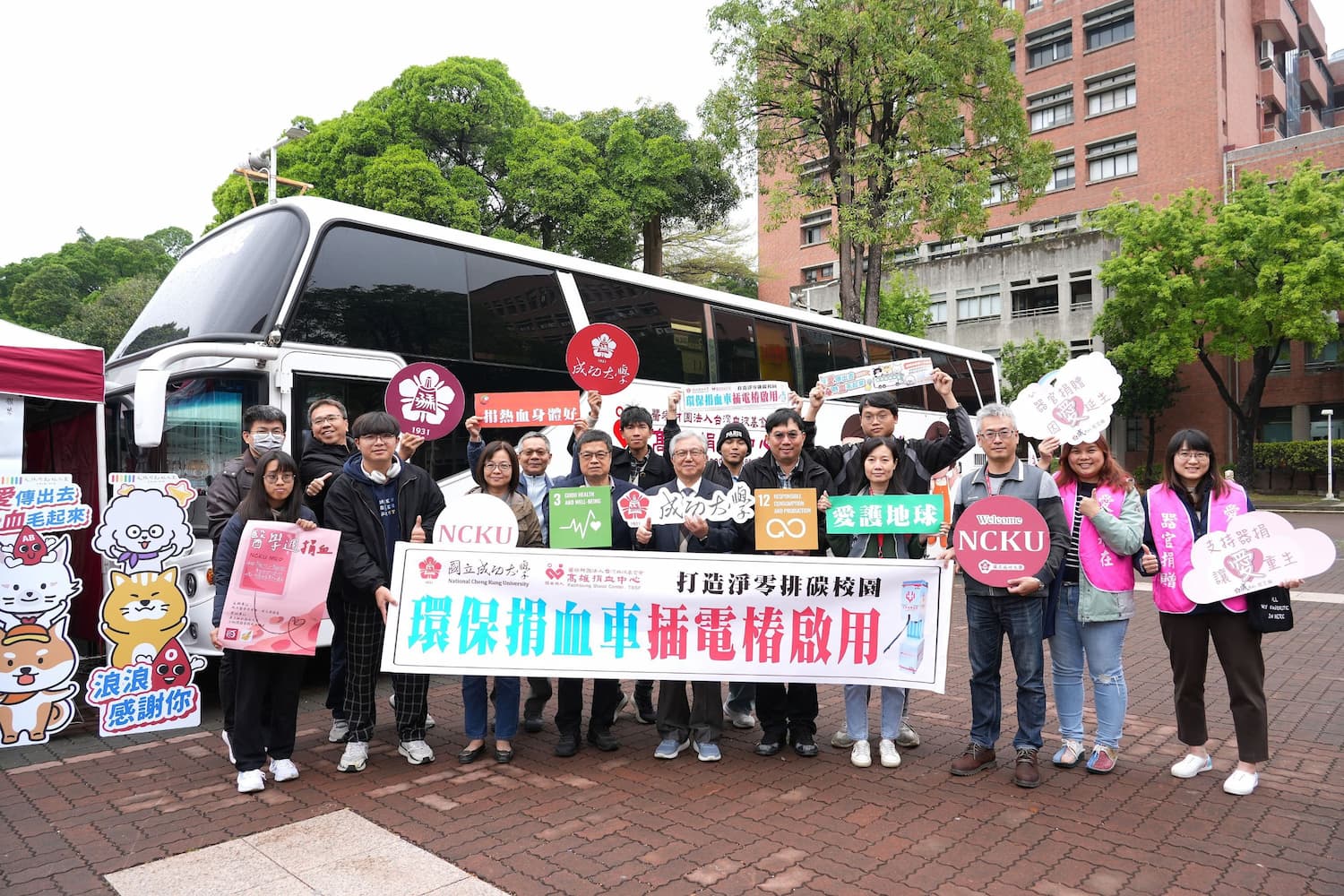
National Cheng Kung University (NCKU) launched an electric vehicle charging station for its blood donation bus on March 18th. This initiative replaces traditional diesel generators with clean electricity, reducing noise and air pollution during blood donation drives. The project marks a significant milestone in integrating public welfare with environmental sustainability and green energy practices on campus.
- NCKU Materials Science Pioneers Hydrogen-Resistant Steel, Advancing Hydrogen Vehicle Technology
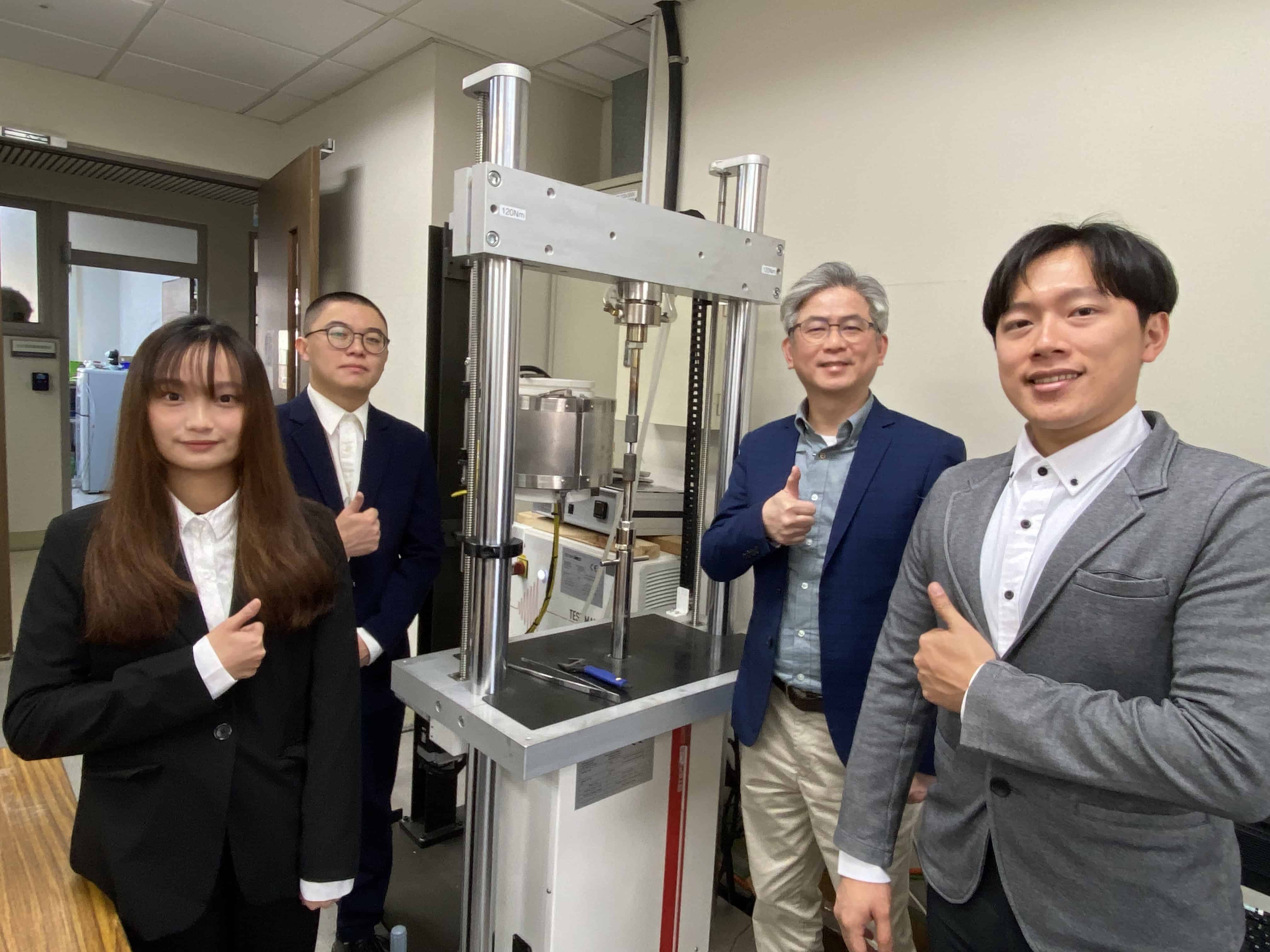 The research team led by Distinguished Professor Fei-Yi Hung at NCKU has developed "Non-Hydrogen Steel" (416B), a breakthrough stainless steel resistant to hydrogen embrittlement and tunneling attacks. Paired with weldable 420L, these materials significantly advance hydrogen vehicle technology and safety. Patent applications are currently underway.