



- NCKU hosts international workshops on soil, water, and sustainable environments, leading the Asia-Pacific toward sustainable soil and water resource management.
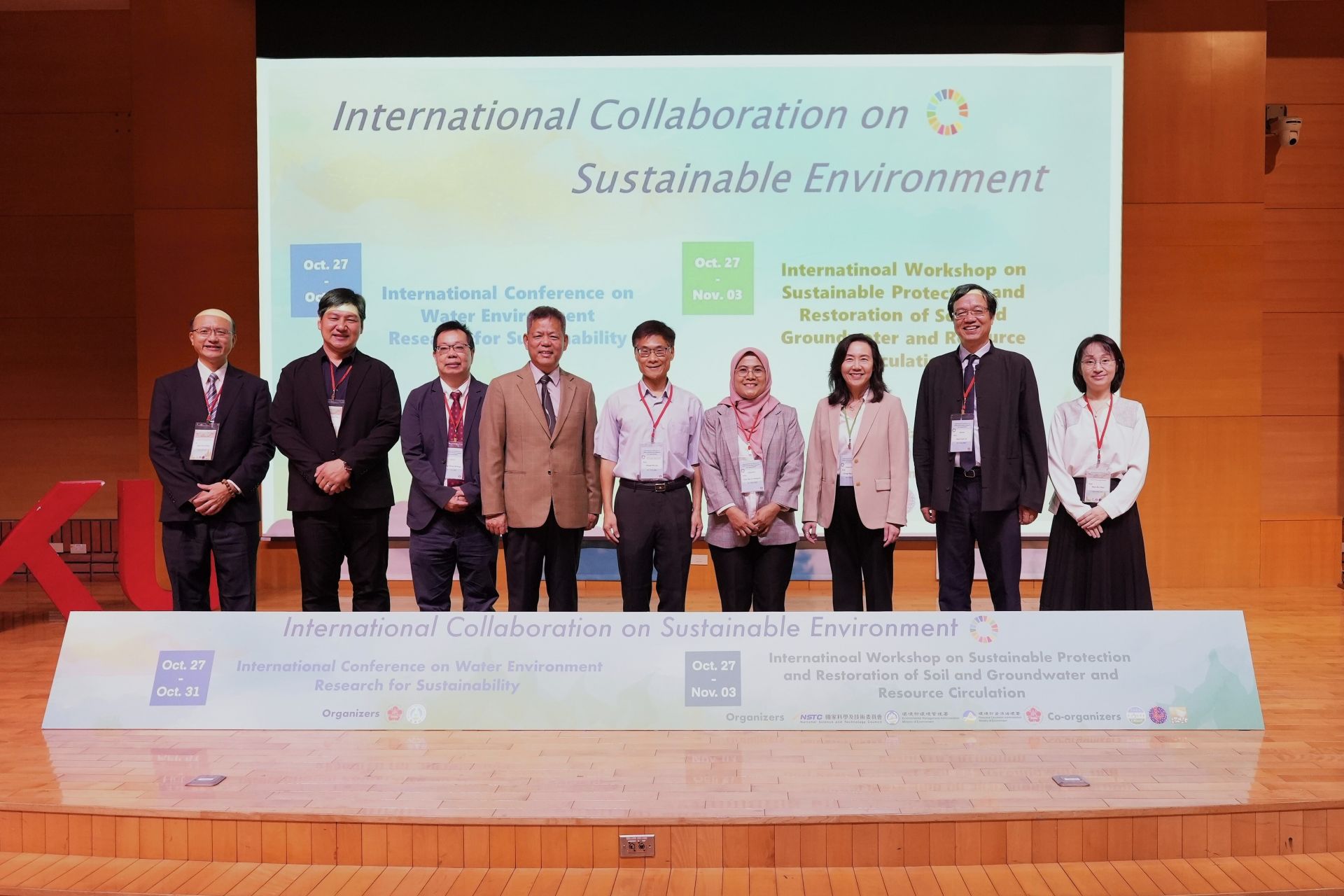
NCKU hosted the International Workshop on Soil and Water Remediation and Resource Recycling and the International Symposium on Sustainable Water Environment, drawing nearly 50 participants from 13 countries across academia, industry, and government sectors. Organized by NCKU’s Department of Environmental Engineering and Institute of Environmental Sustainability, with support from the National Science and Technology Council, Ministry of Environment, and multiple international partner universities, the events demonstrated NCKU’s strong commitment to advancing the United Nations Sustainable Development Goals (SDGs).Focusing on SDG 6 (Clean Water and Sanitation), SDG 13 (Climate Action), SDG 15 (Life on Land), and SDG 17 (Partnerships for the Goals), the programs fostered global collaboration and technology exchange. The six-day workshop covered key topics including soil, groundwater, waste management, and resource recycling, featuring lectures and field training led by experts from the United States, Indonesia, and other countries. The three-day symposium gathered researchers from NCKU’s seven global partner institutions—such as Georgia Tech, Tohoku University, and Korea University—who jointly presented 26 research papers.Vice President for Research and Development Chuan-Pu Liu emphasized that NCKU remains dedicated to environmental sustainability through education and research, striving to strengthen international partnerships and promote sustainable water management and climate resilience across the Asia-Pacific region.
- Principals from Malaysian Chinese Independent High Schools and Kuala Lumpur Taipei School visit NCKU to sign an agreement for recommending outstanding students for admission.
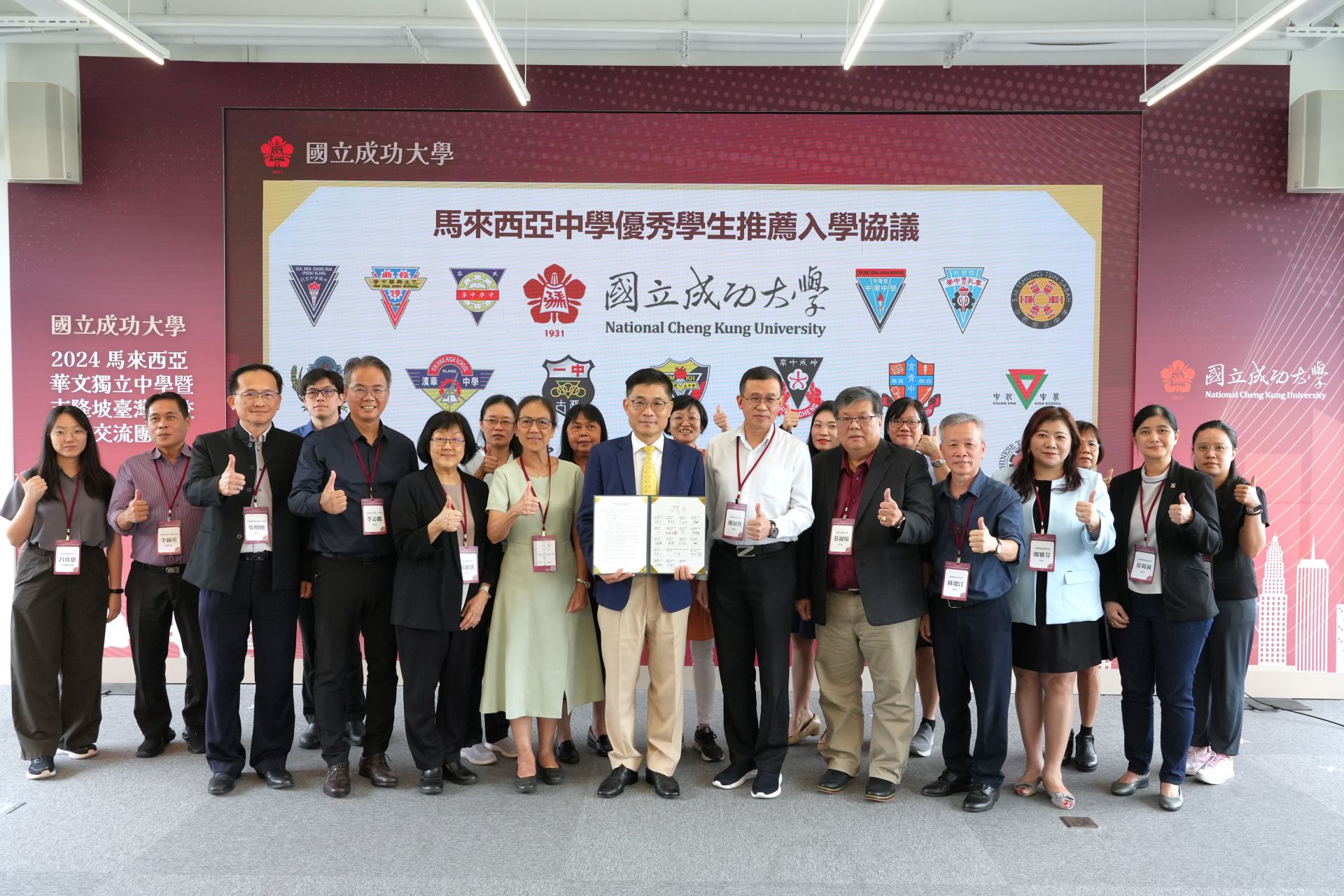
NCKU continues to advance the United Nations Sustainable Development Goals (SDGs) through education, international collaboration, and talent cultivation. From September 19 to 22, 2024, NCKU hosted 31 principals and counselors from 19 Malaysian Chinese independent high schools and the Taipei School in Kuala Lumpur, holding a signing ceremony for the Malaysia Outstanding Student Admission Recommendation Agreement to strengthen Taiwan–Malaysia educational partnerships and attract outstanding students to study at NCKU.President Meng-Ru Shen emphasized that education is central to sustainable development. Through academic excellence and industry collaboration, NCKU aims to nurture globally minded talents equipped with sustainability-oriented thinking. The university also signed an international talent development MoU with ASE Semiconductor in Penang, offering overseas students internship and career opportunities to promote sustainable growth within the semiconductor sector.The Malaysian delegation engaged in student exchange sessions and campus visits, gaining deeper insights into NCKU’s research achievements, sustainability initiatives, and inclusive learning environment. These efforts embody NCKU’s active realization of SDG 4 (Quality Education), SDG 8 (Decent Work and Economic Growth), and SDG 17 (Partnerships for the Goals) through international educational cooperation and cross-cultural dialogue.
- NCKU hosts the International Design Forum on Aging Society, fostering sustainable and inclusive environments for aging communities and cultivating interdisciplinary talents.
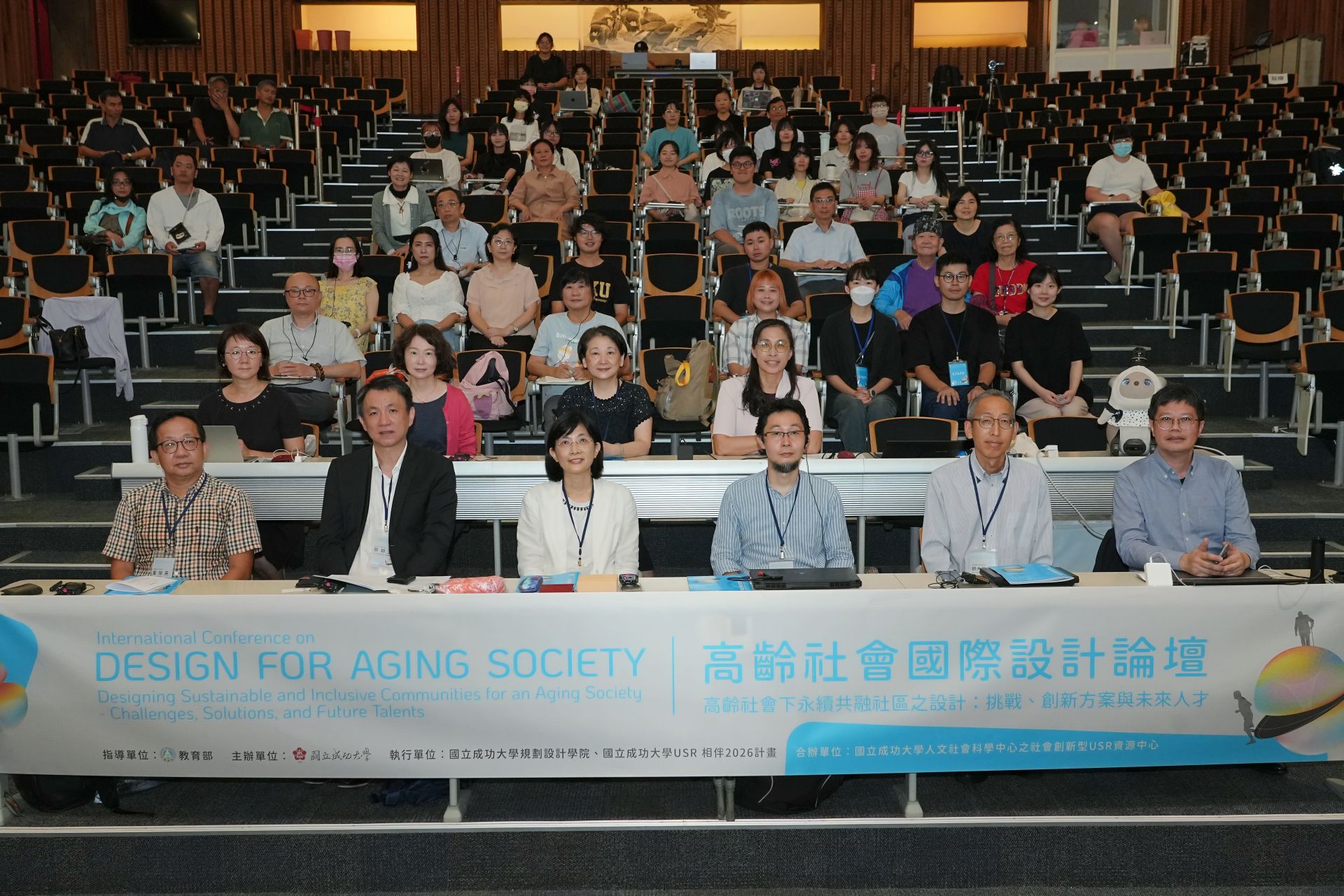
In response to the global challenge of population aging, NCKU hosted the International Design Forum on Aging Society from August 8 to 9, 2024. The event brought together more than 30 scholars and experts from the United States, Japan, Singapore, and other countries to discuss “Designing Sustainable and Inclusive Communities for Aging Societies” and “Talent Cultivation under University Social Responsibility (USR).” Co-organized by NCKU’s College of Planning and Design and the USR Project “Together 2026,” the forum focused on age-friendly cities, innovative eldercare design, and cross-cultural experiential learning. Vice President Yu-Nu Chen highlighted that as Taiwan approaches a super-aged society in 2025, NCKU actively integrates education, research, and community engagement to advance the UN Sustainable Development Goals—particularly SDG 3 (Good Health and Well-being), SDG 4 (Quality Education), SDG 11 (Sustainable Cities and Communities), and SDG 17 (Partnerships for the Goals). Through case sharing and cross-national collaboration, the forum showcased best practices in eldercare design, community regeneration, and interdisciplinary education. NCKU reaffirmed its role as a leading academic platform connecting global expertise and local action, promoting sustainable and inclusive environments for aging societies.
- The 3rd NCKU Semiconductor Summer School opens, uniting Taiwan and global partners to cultivate next-generation chip design talents.
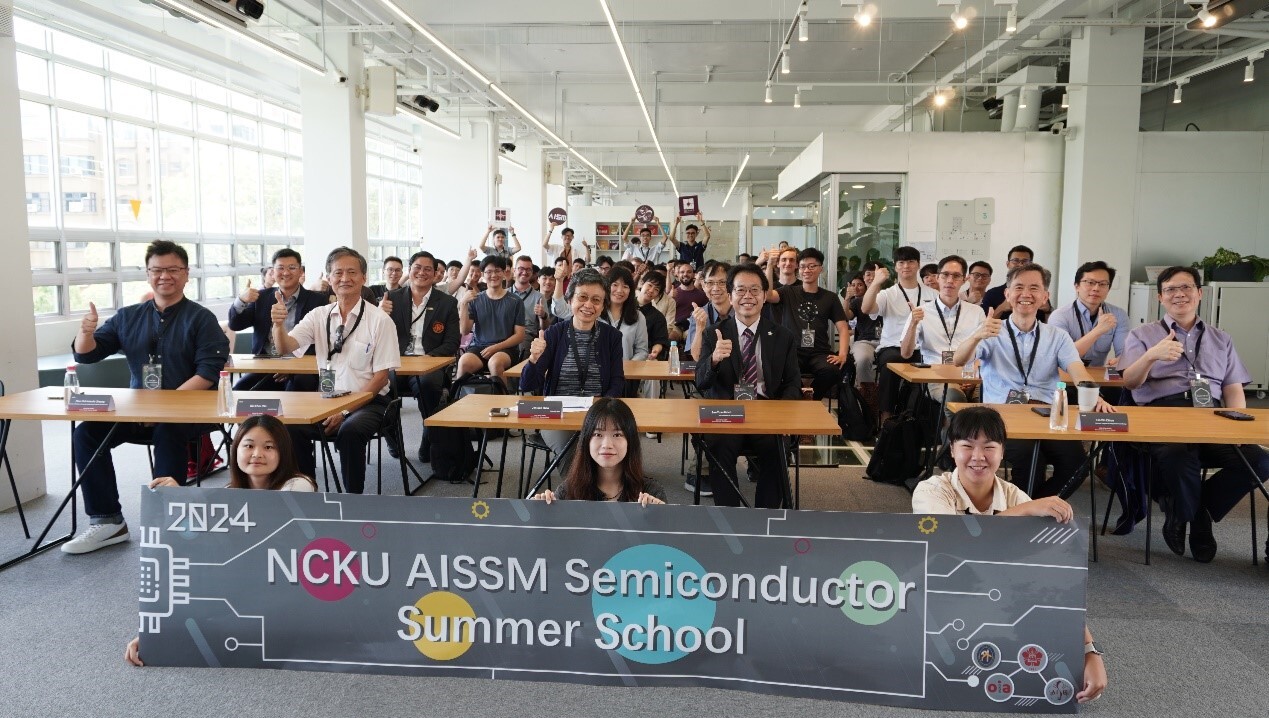
To cultivate globally minded semiconductor professionals, NCKU hosted its third annual English-Taught International Summer Program in Semiconductor Engineering in 2024, attracting 79 students from 14 countries. The program featured two modules: Integrated Circuit (IC) Design, covering digital and analog chip design with practical EDA training, and Semiconductor Supply Chain Technologies, integrating technical learning with cultural exchange. Vice Dean of NCKU College of Semiconductor and Sustainable Manufacturing Chen Chen-Su and Vice President for International Affairs Sun-Yuan Hsieh emphasized that semiconductor education is essential to national sustainability and technological innovation. NCKU actively contributes to the UN Sustainable Development Goals (SDGs)—including SDG 4 (Quality Education), SDG 8 (Decent Work and Economic Growth), SDG 9 (Industry, Innovation and Infrastructure), and SDG 17 (Partnerships for the Goals)—through education, research, and industry collaboration. NCKU continues to strengthen global partnerships, signing MoUs with institutions such as Ho Chi Minh City National University (Vietnam), Eindhoven University of Technology (Netherlands), Kumamoto University (Japan), and leading Thai universities. These collaborations expand academic exchanges, joint research, and dual-degree opportunities. Through its international summer programs, NCKU demonstrates its global leadership in advancing sustainable semiconductor education and international cooperation.
- Prime Minister Russell Dlamini of Eswatini visits NCKU to exchange insights on disaster education and management systems.
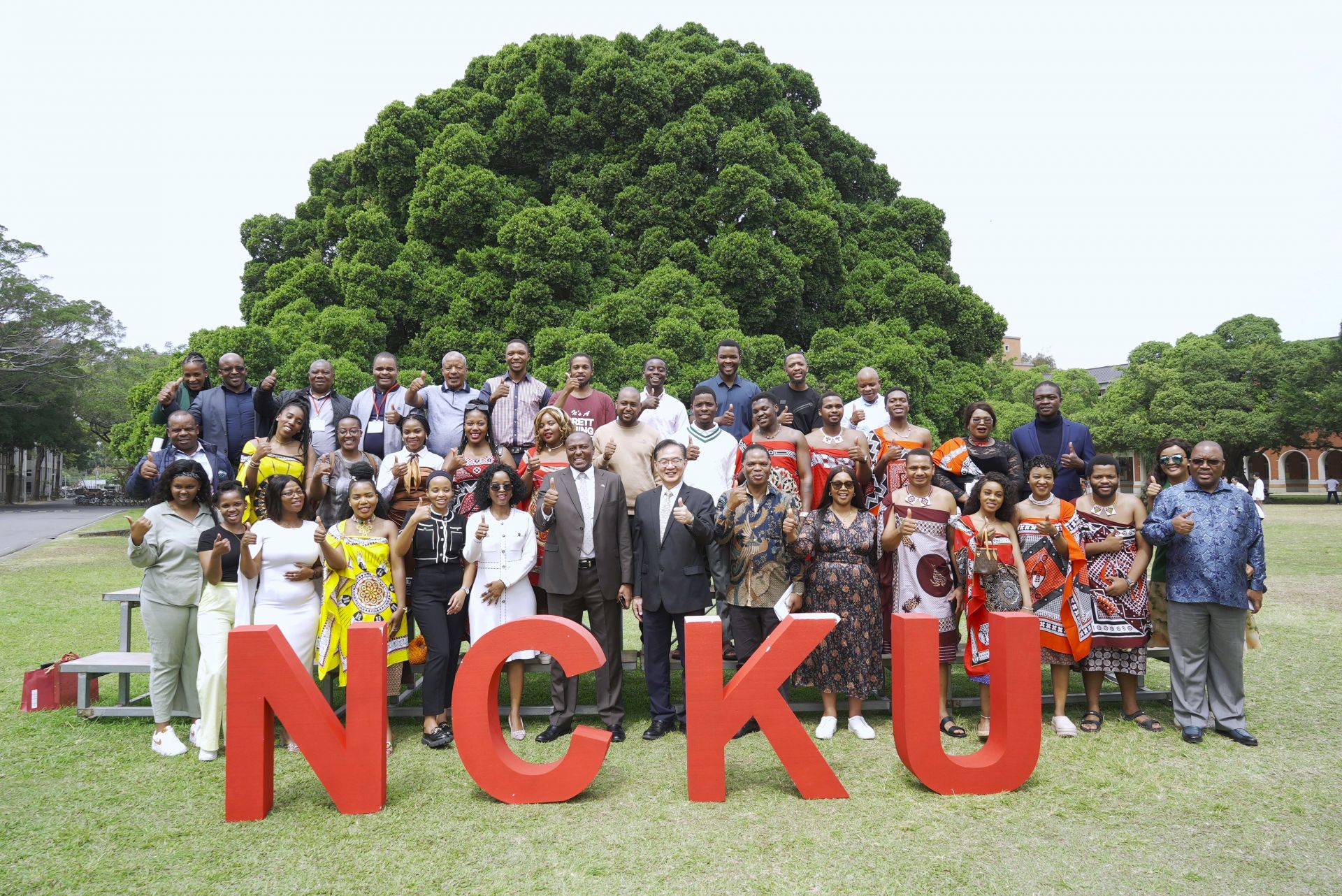
On March 22, 2024, NCKU welcomed H. E. Russell Dlamini, Prime Minister of the Kingdom of Eswatini, and his delegation. The visit focused on disaster education and risk management, with Vice President Hong-Jen Chen and university leaders engaging in dialogue to strengthen international collaboration in disaster resilience and sustainable development. Vice President Chen noted that NCKU has maintained strong ties with Eswatini, with 70 students from the country studying at the university over the past five years, many in civil engineering and nursing. Through the Executive Training Program on Disaster Risk Management, jointly organized with the Taiwan ICDF, NCKU continues to build Eswatini’s capacity in disaster response and mitigation—advancing SDG 11 (Sustainable Cities and Communities), SDG 13 (Climate Action), and SDG 17 (Partnerships for the Goals). Prime Minister Dlamini expressed appreciation for NCKU’s dedication to education and disaster collaboration, emphasizing the value of Taiwan’s experience in early-warning systems and risk governance. The NCKU Disaster Prevention Research Center presented its global cooperation efforts, underscoring the need to cultivate a culture of risk awareness. This visit further deepened Taiwan–Eswatini relations, reinforcing mutual commitment to sustainable development and knowledge exchange.