



- Science Avenue Expo
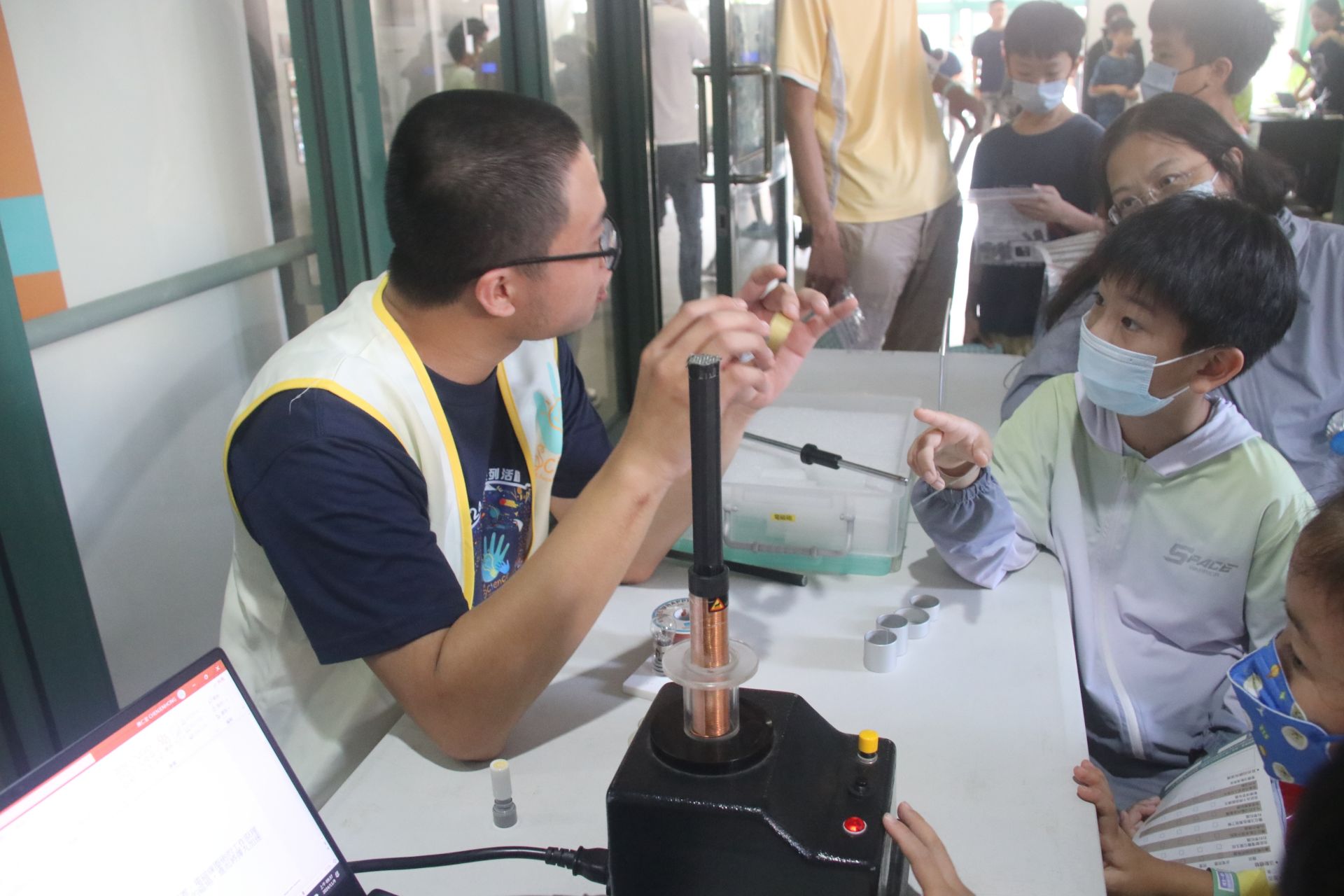
The College of Science at NCKU organized the “Science Avenue Expo”, bringing together various departments and units to host a science fair at the College of Science Teaching Building. The event featured interactive hands-on science workshops alongside static and dynamic exhibitions that translated complex scientific concepts into accessible language for the public. Through these activities, NCKU fulfilled its social responsibility, allowing students and the community to gain a deeper understanding of the university while enhancing scientific literacy among Tainan residents.
- NCKU’s Marine Biology and Cetacean Research Center
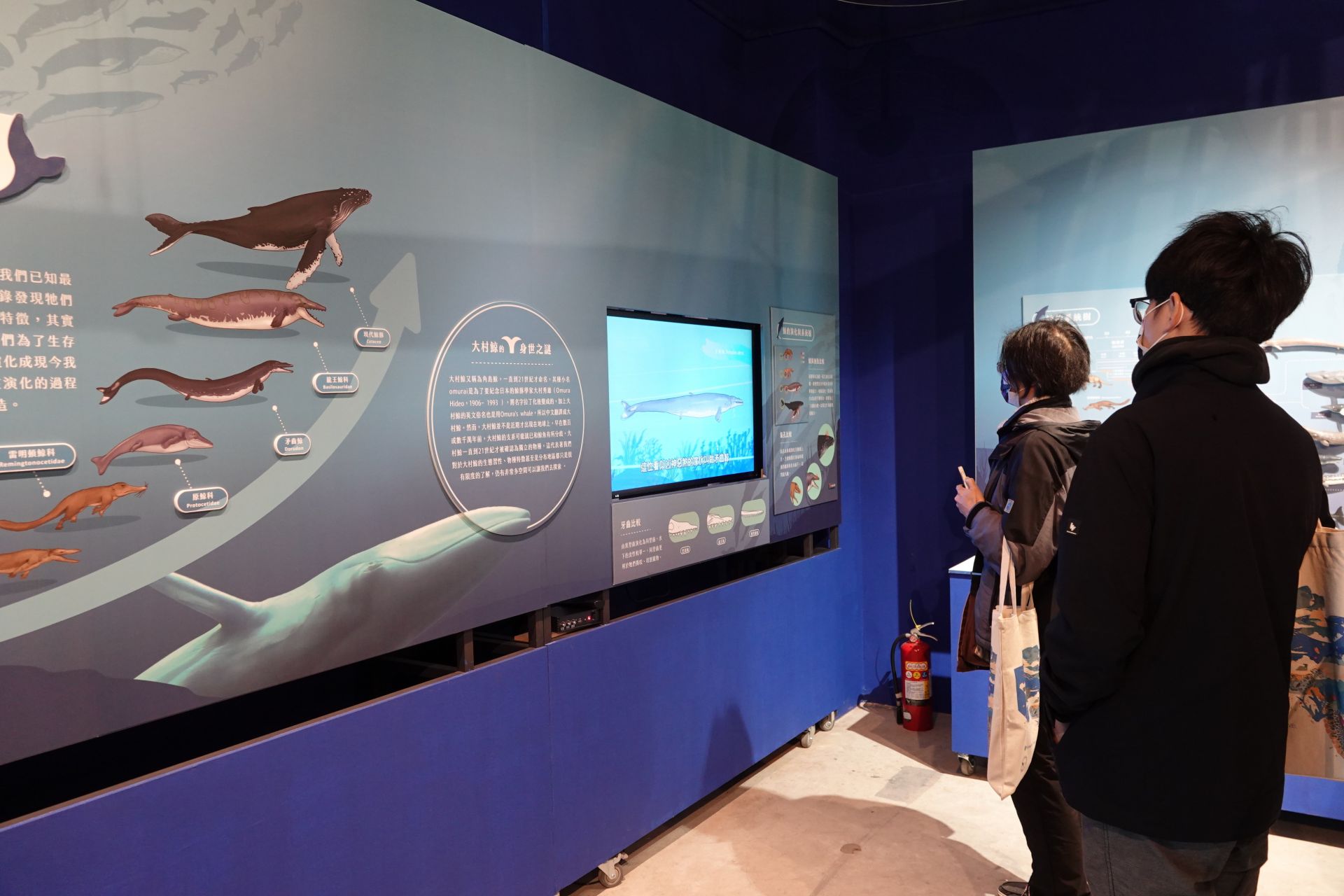
NCKU’s Marine Biology and Cetacean Research Center (MBCRC) actively promotes sustainability education and was certified by Taiwan’s Ministry of Environment in 2024 as Tainan City’s 23rd Environmental Education Facility. It is also the first center in Taiwan dedicated to whale and dolphin rescue education. Integrating education, research, and real-world rescue practices, the center offers courses on marine ecology, cetacean conservation, and environmental action, helping participants understand marine biodiversity, rescue procedures, and proper reporting mechanisms. The facility features Taiwan’s largest sperm whale specimen, accompanied by interactive exhibits and experiential workshops that guide participants from observation to hands-on learning, inspiring responsible environmental stewardship. The certification of the MBCRC highlights NCKU’s strong commitment to environmental education, marine conservation, and social responsibility. Through immersive learning and community engagement, NCKU advances the United Nations Sustainable Development Goals — particularly SDG 4 (Quality Education), SDG 13 (Climate Action), and SDG 14 (Life Below Water) — fostering public environmental literacy and a shared culture of ocean sustainability.
- NCKU [Books] One City-Mobile Library
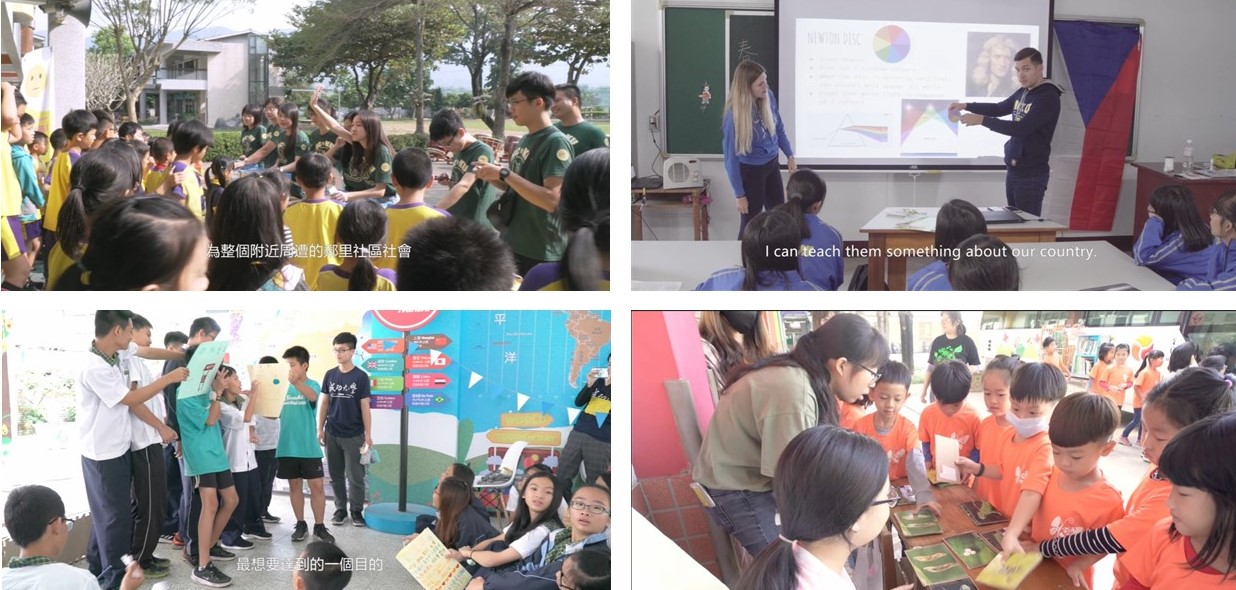
Since 2019, the NCKU Library has run the “NCKU [Books] One City-Mobile Library" General Education Course, integrating reading promotion with service learning to advance the Sustainable Development Goals (SDG 4: Quality Education, SDG 10: Reduced Inequalities, and SDG 17: Partnerships for the Goals). In 2024, the program involved 12 faculty members and 78 students from various colleges, partnering with enterprises and educational foundations to bring knowledge and creativity to eight schools across Tainan, Chiayi, and Kaohsiung. Through innovative lesson plans, educational tools, and interactive games, NCKU students became “living textbooks,” fostering reading habits and curiosity among children. By designing and delivering these lessons, students developed empathy, creativity, and communication skills while practicing social engagement. The project promotes equitable access to education by extending university resources to local communities and strengthening academic-social collaboration. As an exemplary University Social Responsibility (USR) initiative, NCKU’s Mobile Library not only bridges educational gaps but also builds a culture of lifelong learning—making education a driving force for a sustainable and inclusive society.
- International Disaster Risk Management Course
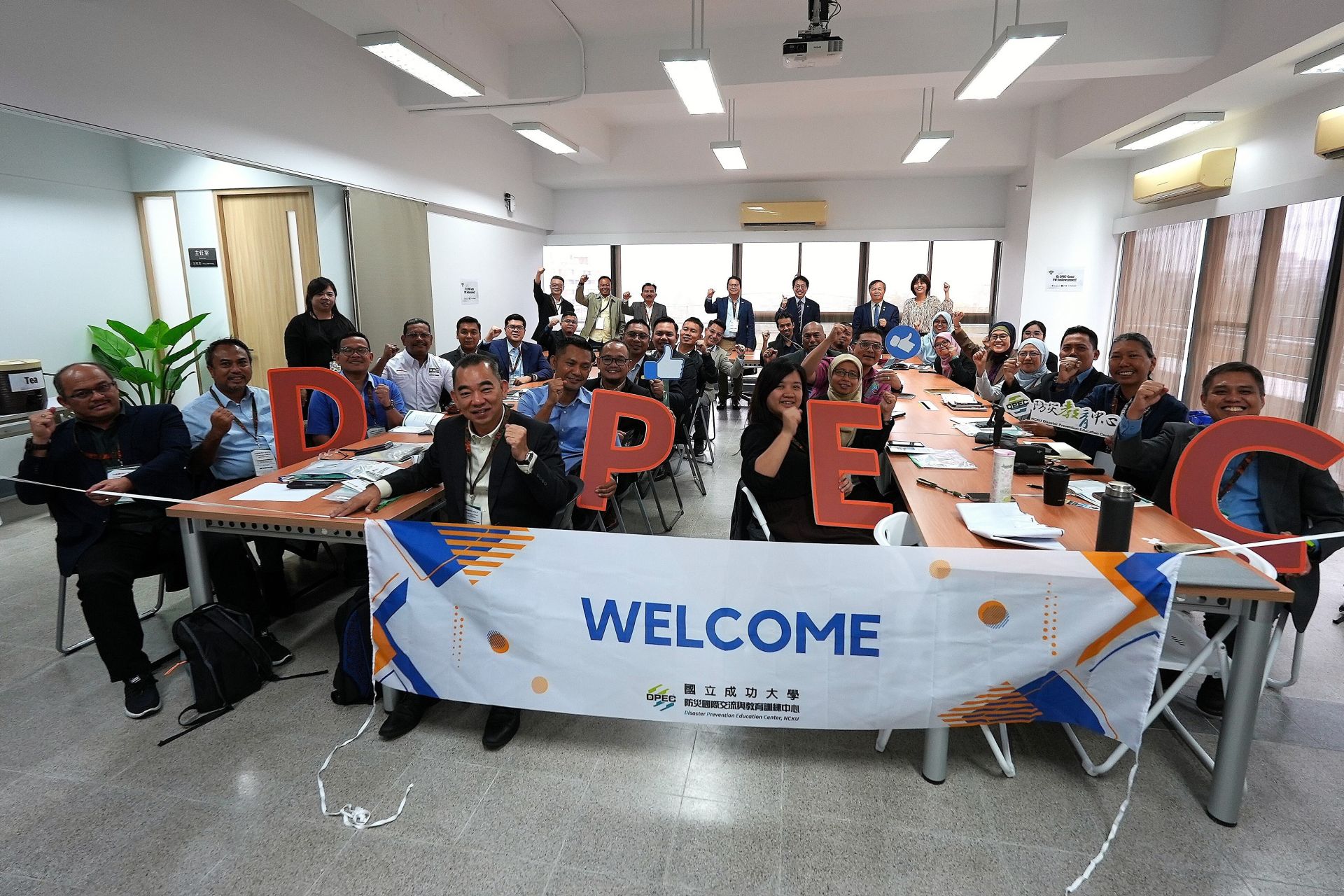
The Disaster Prevention Education Center (DPEC) at NCKU, in collaboration with the Disaster Prevention and Management Center (DPPC) of Universiti Teknologi Malaysia (UTM), hosted the International Disaster Risk Management Short-Term Course from November 12–16, 2024. Thirty Malaysian government officials, scholars, and researchers participated in the program, which focused on Taiwan’s advanced disaster prevention practices. The curriculum covered key topics such as soil and water conservation, community-based disaster risk reduction, sediment and flood management, and post-disaster recovery, complemented by field visits to Taiwan’s Disaster Prevention Education Park and National Science and Technology Center for Disaster Reduction. The course promoted international educational collaboration and knowledge exchange, strengthening resilience and policy implementation in both nations. NCKU has long been dedicated to advancing disaster education and technology across Southeast Asia, cultivating professionals with interdisciplinary skills. This initiative aligns with the UN Sustainable Development Goals—SDG 4 (Quality Education), SDG 13 (Climate Action), and SDG 17 (Partnerships for the Goals)—highlighting NCKU’s leadership in regional disaster resilience and sustainable development.
- Land Subsidence and Water Industry
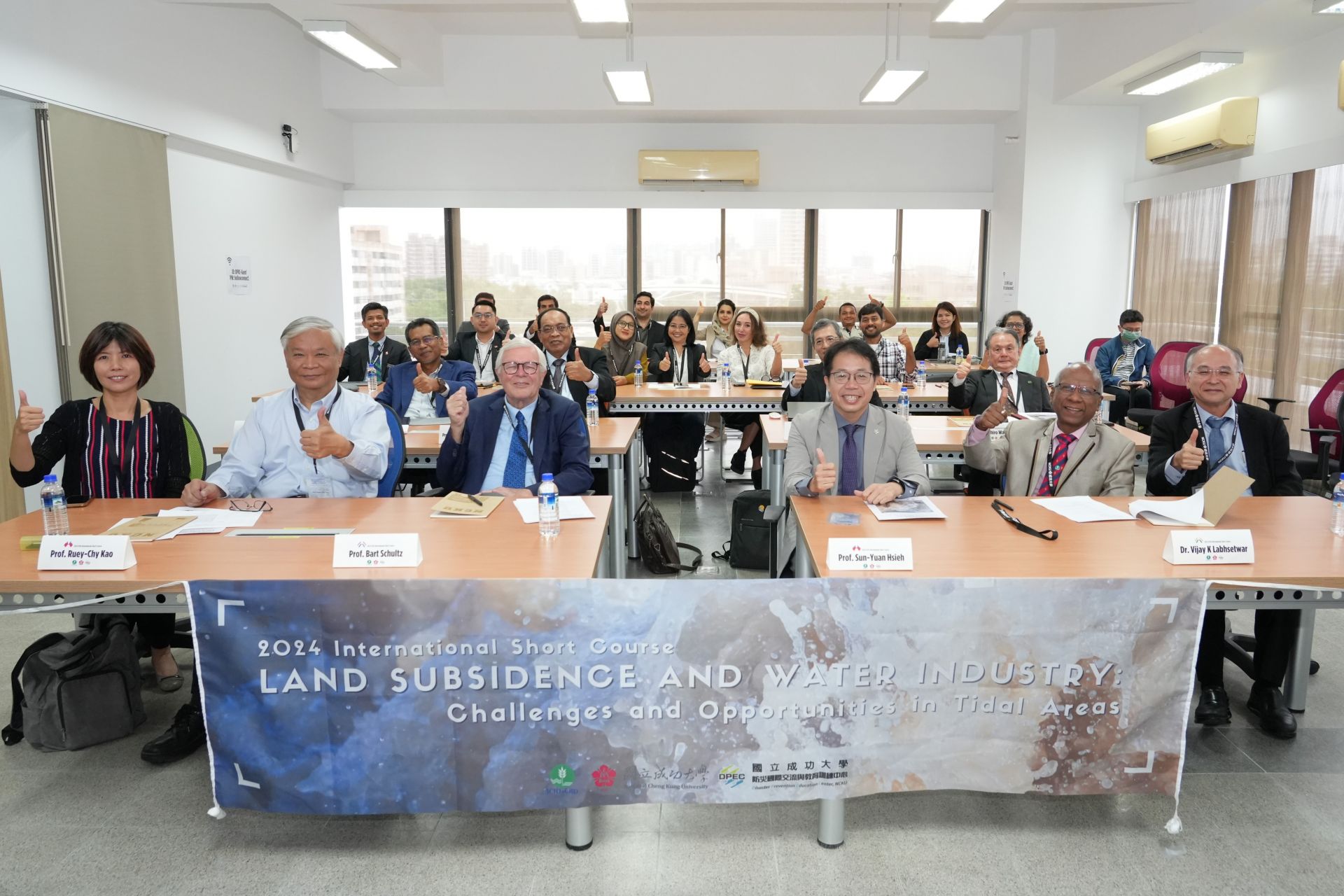
The Disaster Prevention Education Center (DPEC) at NCKU hosted the international short-term course “Land Subsidence and Water Industry: Challenges and Opportunities in Tidal Areas” from November 18–23, 2024. The program gathered 30 experts and scholars from the Netherlands, Japan, Iran, India, Indonesia, Nigeria, Ukraine, Malaysia, the Philippines, and Taiwan to explore sustainable solutions for land subsidence and water management challenges in coastal regions affected by climate change. Co-organized with the International Commission on Irrigation and Drainage (ICID) and its Working Group on Sustainable Coastal Environment Regeneration (WG-SCER), the course featured academic lectures, group discussions, and field visits to sites showcasing Taiwan’s achievements in flood prevention and coastal protection. Participants shared best practices from their respective countries, addressing sea-level rise, saltwater intrusion, and land loss issues. The course strengthened interdisciplinary and international collaboration in climate adaptation and disaster risk reduction, aligning with the United Nations Sustainable Development Goals (SDG 4: Quality Education, SDG 13: Climate Action, SDG 17: Partnerships for the Goals). NCKU continues to play a leading role in the Asia-Pacific region, advancing global sustainability through education and innovation.