



As a key institution in water governance and sustainability, National Cheng Kung University (NCKU) integrates its interdisciplinary research capacity to collaborate closely with government and industry in addressing water security challenges. Through advanced technologies, sustainable groundwater management, and public education, NCKU comprehensively supports national and community water resilience.
I. Strategic Partnerships in Water Resource Management
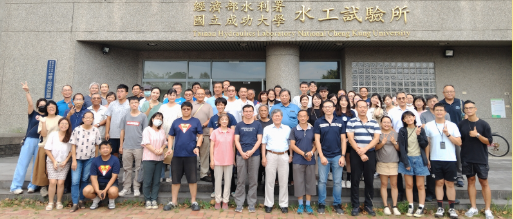
NCKU actively collaborates with government agencies, industry partners, and local communities to ensure water security and mitigate flood risks. Through interdisciplinary teams from the Department of Environmental Engineering and the Department of Hydraulic and Ocean Engineering, NCKU leads the development of advanced technologies in water monitoring, modeling, extraction, and flood control to achieve efficient and low-impact water utilization.
Key Collaborative Projects:
Yongkang Water Reclamation Project: NCKU’s Environmental Engineering Department partners with the Tainan City Government and ASUS to implement the “Yongkang Water Reclamation Center 5G Smart Management Demonstration Project.” This initiative integrates AIoT, 5G, blockchain, and AI technologies to reclaim wastewater from the Yongkang treatment plant into high-quality water for the high-tech industry. The project establishes a non-traditional water source, significantly reducing industrial dependence on natural sources (such as reservoirs and groundwater) and enhancing overall water supply stability.
Tong-Gang River Source Water Improvement Project (2020–2023): Led by NCKU’s Environmental Engineering Department in collaboration with the Industrial Technology Research Institute (ITRI), this demonstration project employs low-energy biological treatment to improve the raw water quality of Fengshan Reservoir, ensuring safe drinking water for Kaohsiung. The completed plant increases the city’s drinking water capacity by up to 300,000 tons per day (around 20% of total supply), enhancing water security and stability.
International Collaboration:
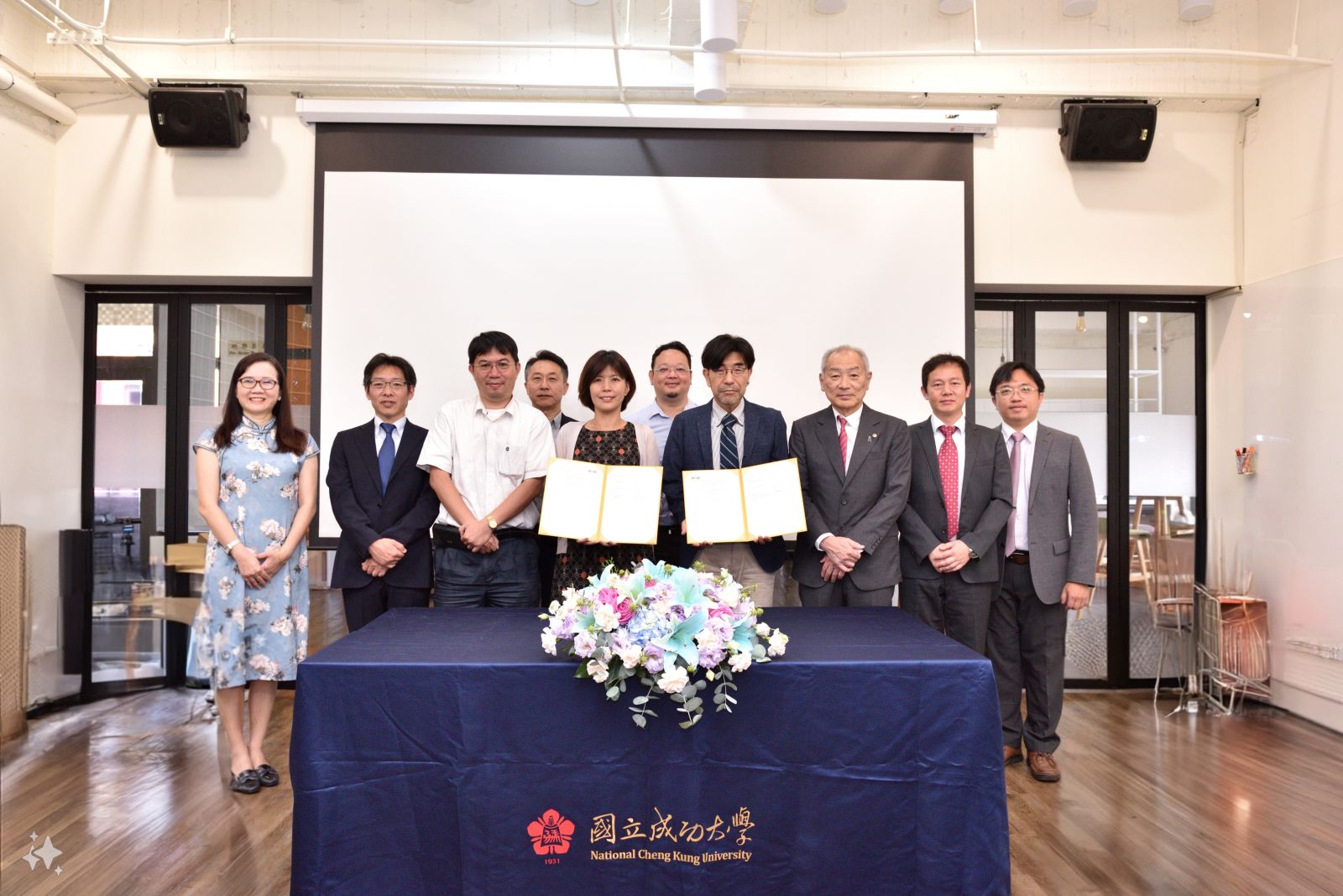
The NCKU Disaster Prevention Research Center signed a Memorandum of Understanding (MOU) with the Center for Water Cycle and Disaster Mitigation Education and Research at Kumamoto University, Japan. The agreement marks future collaboration in disaster prevention, risk reduction, academic exchange, and talent development, establishing a model platform for the Asia-Pacific region.
NCKU also promotes the “Advanced Communication Platform for Disaster Prevention and Response”, jointly operated by the Disaster Prevention Research Center, Disaster Prevention Education Center, Center for Geographic Information Science, Center for Medicine, Technology and Society, and Fire Safety Research Center. The platform regularly shares the latest disaster prevention technologies and practices, fosters interdisciplinary collaboration, and strengthens global engagement through social media and international partnerships, enhancing NCKU’s global leadership in disaster and water security.
II. Sustainable Water Extraction and Groundwater Monitoring
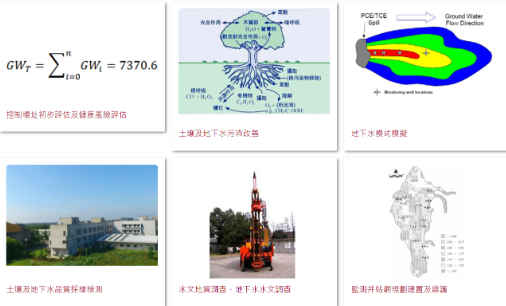
NCKU is deeply committed to sustainable groundwater management through its long-term Groundwater Monitoring and Land Subsidence Prevention Program. Using technologies such as geological drilling, micro-hydraulic testing, and geoelectric surveys, the university conducts continuous and high-precision monitoring of groundwater levels, quality, and flow patterns.
This long-term monitoring enables early detection of pollution and rapid response to prevent contamination spread, ensuring the long-term health of groundwater systems. The Hydraulics Laboratory also applies the Water-Electricity Ratio Estimation Method to quantify groundwater pumping across multiple counties and uses smart metering and intelligent control apps for distributed pumping management, effectively conserving water, maintaining aquifer balance, and preventing land subsidence.
III. Community Outreach in Water Safety and Disaster Preparedness
NCKU actively extends its expertise to local communities and government units, focusing on water safety and disaster risk reduction education.
Coastal Safety and Protection:
The Department of Hydraulic and Ocean Engineering promotes water safety and disaster prevention knowledge through field-based research and training for local communities and government agencies. Research outcomes such as marine water quality surveys, seawall risk assessments, and disaster information systems directly support coastal water safety and environmental management.
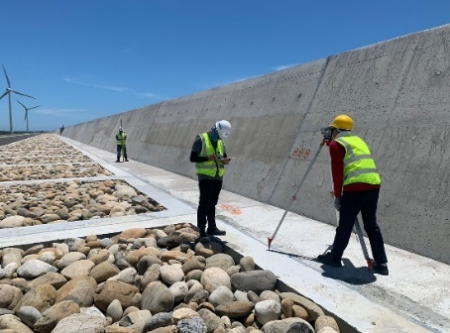
The department has also established a “Coastal Seawall Safety Monitoring System”, which utilizes ground-penetrating radar, drones, and real-time monitoring technology to assess seawall stability and detect scouring. The data are publicly available for communities, fisheries, and emergency units, helping prevent coastal disasters and saltwater intrusion while raising public awareness of coastal protection.
Disaster Preparedness and Training:
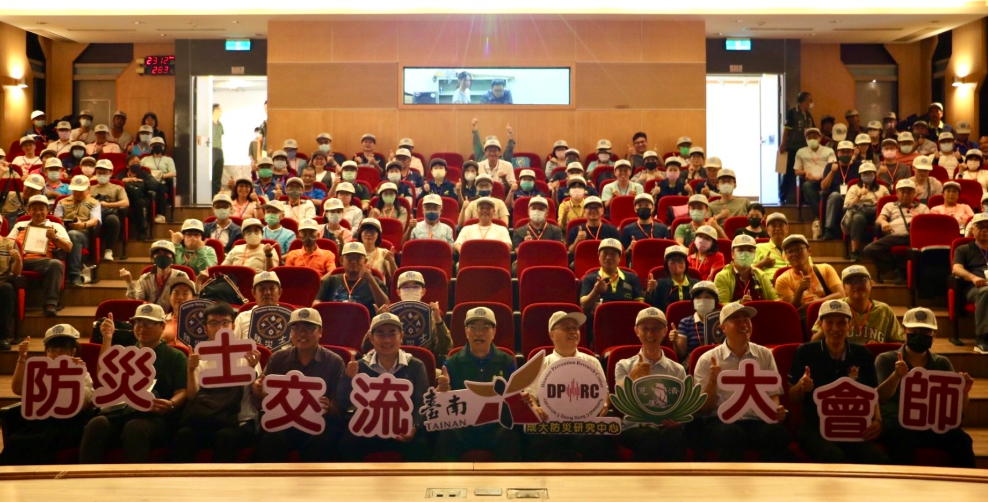
NCKU’s Disaster Prevention Research Center cooperates with local governments to organize joint training programs. In collaboration with the Tainan City Fire Department, the university hosted the “Disaster Prevention Specialist Forum,” which shared experiences in disaster coordination and offered emergency response and first-aid training. These initiatives ensure that certified disaster specialists maintain professional readiness and actively prevent and respond to water-related emergencies.
I. Strategic Partnerships in Water Resource Management
NCKU actively collaborates with government agencies, industry partners, and local communities to ensure water security and mitigate flood risks. Through interdisciplinary teams from the Department of Environmental Engineering and the Department of Hydraulic and Ocean Engineering, NCKU leads the development of advanced technologies in water monitoring, modeling, extraction, and flood control to achieve efficient and low-impact water utilization.
Key Collaborative Projects:
Yongkang Water Reclamation Project: NCKU’s Environmental Engineering Department partners with the Tainan City Government and ASUS to implement the “Yongkang Water Reclamation Center 5G Smart Management Demonstration Project.” This initiative integrates AIoT, 5G, blockchain, and AI technologies to reclaim wastewater from the Yongkang treatment plant into high-quality water for the high-tech industry. The project establishes a non-traditional water source, significantly reducing industrial dependence on natural sources (such as reservoirs and groundwater) and enhancing overall water supply stability.
Tong-Gang River Source Water Improvement Project (2020–2023): Led by NCKU’s Environmental Engineering Department in collaboration with the Industrial Technology Research Institute (ITRI), this demonstration project employs low-energy biological treatment to improve the raw water quality of Fengshan Reservoir, ensuring safe drinking water for Kaohsiung. The completed plant increases the city’s drinking water capacity by up to 300,000 tons per day (around 20% of total supply), enhancing water security and stability.
International Collaboration:
The NCKU Disaster Prevention Research Center signed a Memorandum of Understanding (MOU) with the Center for Water Cycle and Disaster Mitigation Education and Research at Kumamoto University, Japan. The agreement marks future collaboration in disaster prevention, risk reduction, academic exchange, and talent development, establishing a model platform for the Asia-Pacific region.
NCKU also promotes the “Advanced Communication Platform for Disaster Prevention and Response”, jointly operated by the Disaster Prevention Research Center, Disaster Prevention Education Center, Center for Geographic Information Science, Center for Medicine, Technology and Society, and Fire Safety Research Center. The platform regularly shares the latest disaster prevention technologies and practices, fosters interdisciplinary collaboration, and strengthens global engagement through social media and international partnerships, enhancing NCKU’s global leadership in disaster and water security.
II. Sustainable Water Extraction and Groundwater Monitoring
NCKU is deeply committed to sustainable groundwater management through its long-term Groundwater Monitoring and Land Subsidence Prevention Program. Using technologies such as geological drilling, micro-hydraulic testing, and geoelectric surveys, the university conducts continuous and high-precision monitoring of groundwater levels, quality, and flow patterns.
This long-term monitoring enables early detection of pollution and rapid response to prevent contamination spread, ensuring the long-term health of groundwater systems. The Hydraulics Laboratory also applies the Water-Electricity Ratio Estimation Method to quantify groundwater pumping across multiple counties and uses smart metering and intelligent control apps for distributed pumping management, effectively conserving water, maintaining aquifer balance, and preventing land subsidence.
III. Community Outreach in Water Safety and Disaster Preparedness
NCKU actively extends its expertise to local communities and government units, focusing on water safety and disaster risk reduction education.
Coastal Safety and Protection:
The Department of Hydraulic and Ocean Engineering promotes water safety and disaster prevention knowledge through field-based research and training for local communities and government agencies. Research outcomes such as marine water quality surveys, seawall risk assessments, and disaster information systems directly support coastal water safety and environmental management.
The department has also established a “Coastal Seawall Safety Monitoring System”, which utilizes ground-penetrating radar, drones, and real-time monitoring technology to assess seawall stability and detect scouring. The data are publicly available for communities, fisheries, and emergency units, helping prevent coastal disasters and saltwater intrusion while raising public awareness of coastal protection.
Disaster Preparedness and Training:
NCKU’s Disaster Prevention Research Center cooperates with local governments to organize joint training programs. In collaboration with the Tainan City Fire Department, the university hosted the “Disaster Prevention Specialist Forum,” which shared experiences in disaster coordination and offered emergency response and first-aid training. These initiatives ensure that certified disaster specialists maintain professional readiness and actively prevent and respond to water-related emergencies.