



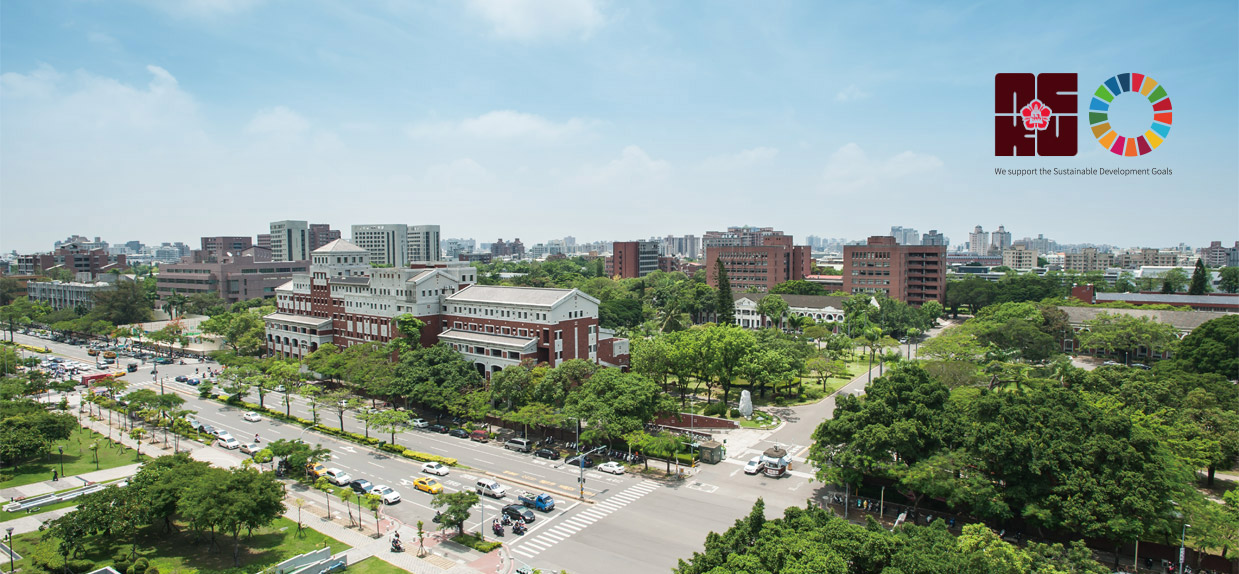
In response to the global 2050 carbon neutrality strategy, National Cheng Kung University (NCKU) has declared its goal to achieve carbon neutrality by 2041. Under the guidance of the university's Energy Conservation Committee, NCKU is promoting measures at all levels. Beyond comprehensively reducing on-campus carbon emissions at the source, the university is also focusing on converting and reusing CO2 through research and development. The aim is to progressively realize the vision of affordable, clean, and sustainable energy for all.
Carbon reduction and emission reduction process
7.2.3
SDG7
NCKU's Carbon Reduction and Emission Reduction Process
- NCKU Launches Carbon Neutrality Hub, Collaborates with Enterprises to Advance ESG Practices
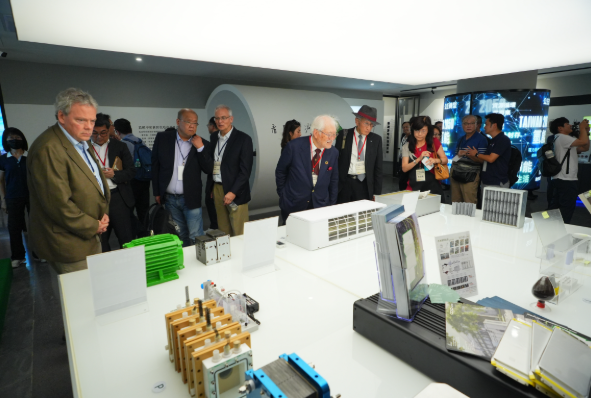 To help industries transition toward net-zero, NCKU has taken the lead in establishing the "Hub for Industrial Green, Low-Carbon Technology, and Talent Cultivation." This initiative directly serves key domestic industries such as Taipower and China Steel by providing technical support for energy efficiency improvement, industrial decarbonization, and clean energy applications. By integrating academic resources to offer concrete solutions, this hub serves as a crucial platform for the university to deliver energy efficiency services to local industries and drive a sustainable transformation.
- NCKU and China Steel Advance Towards 2050 Net-Zero with Symposium on Low-Carbon Ironmaking
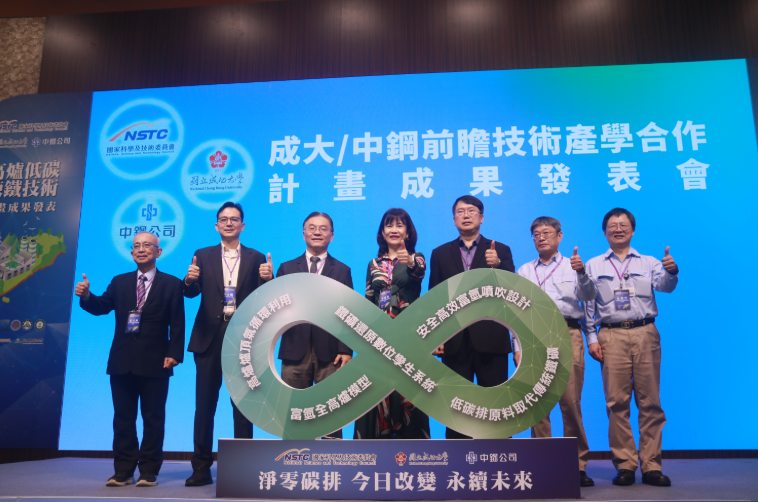 To facilitate the green transition of Taiwan's high-energy-consumption industries, NCKU has established a deep partnership with steel giant China Steel Corporation (CSC). Together, they are executing the "Low-Carbon Ironmaking Technology Development" project, a key initiative focused on pioneering cutting-edge solutions. By developing advanced technologies like hydrogen-based steelmaking, NCKU is providing the steel industry with tangible and effective decarbonization pathways. This crucial collaboration directly assists the sector in its ambitious journey to achieve the national 2050 net-zero emissions target, showcasing a powerful model of industry-academia synergy for sustainable development.
- Installation of ECOCO Smart Recycling Machines on Campus to Promote Green Sustainability
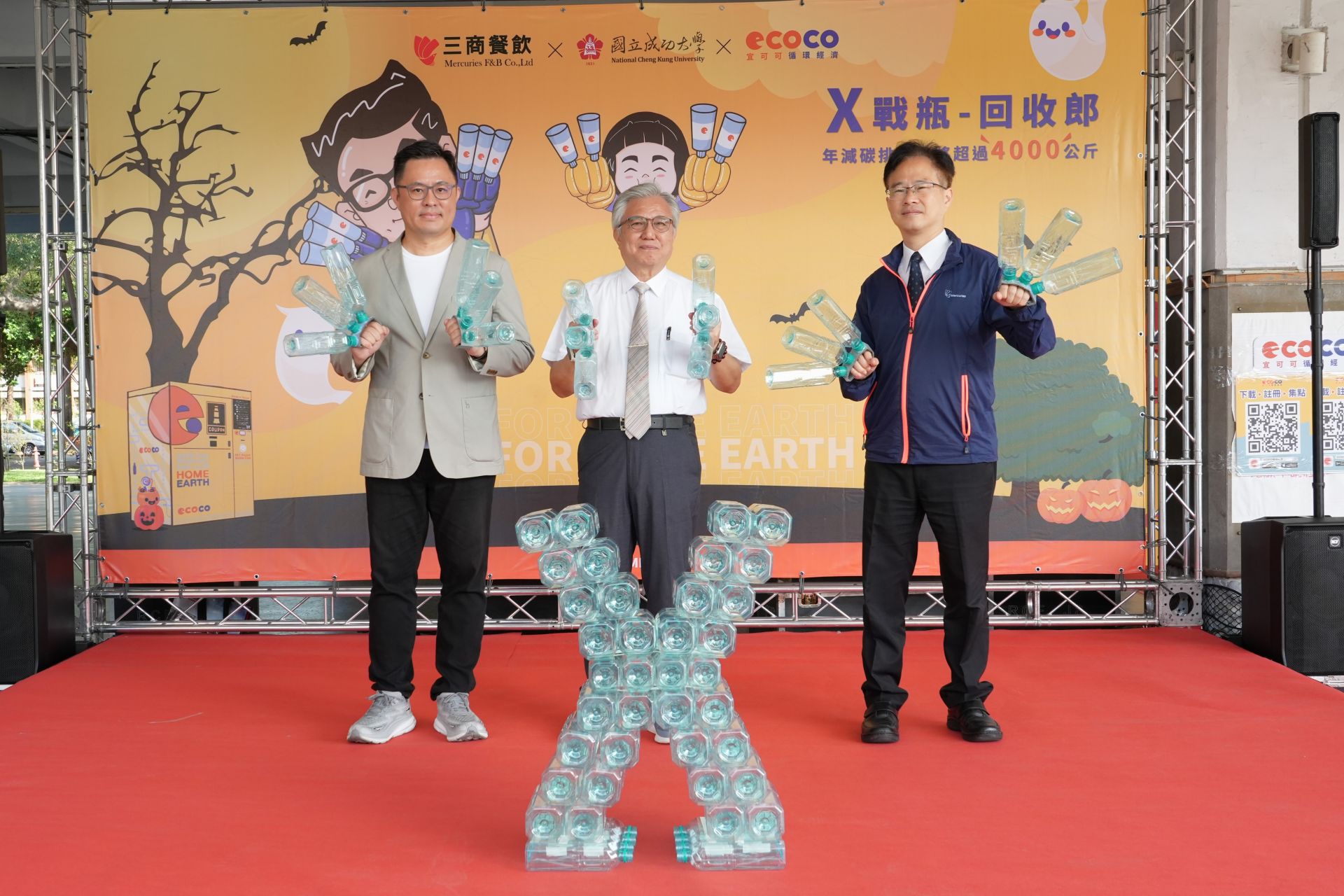 NCKU is building a sustainable campus in alignment with the United Nations Sustainable Development Goals (SDGs). In collaboration with Sun San Dining Group, the university has installed five ECOCO smart recycling machines on campus, officially launched on October 29. The machines are located across the Kuang-Fu, Cheng-Kung, Sheng-Li, and Li-Hsing campuses, encouraging students and staff to actively participate in resource recycling and reuse. It is estimated that the initiative will reduce over 4,000 kilograms of carbon emissions annually.
- Near-Zero Smart Construction: Creating the First Low-Carbon Structure Integrating Robotic Wood Fabrication and Concrete 3D Printing
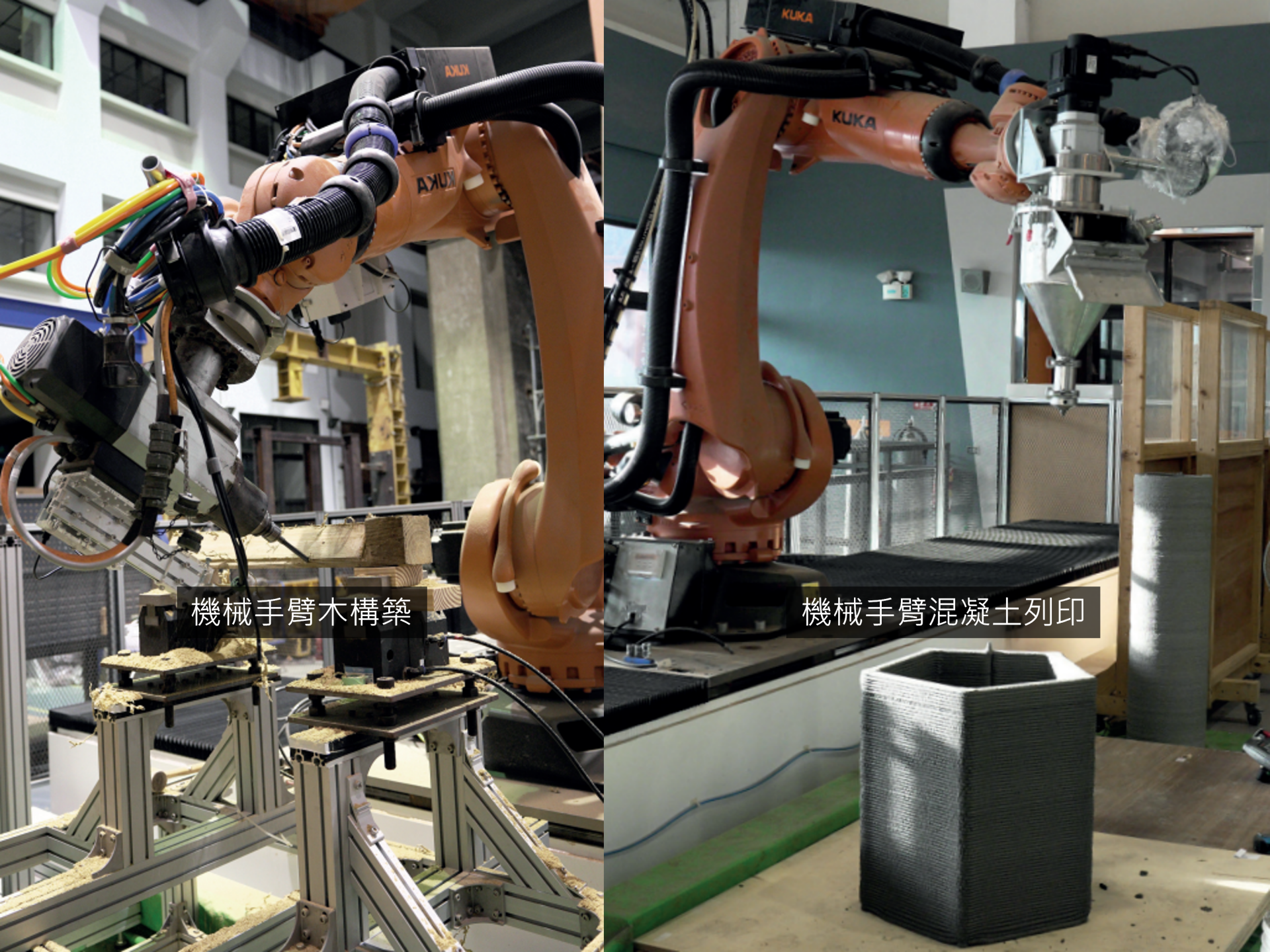 NCKU’s Department of Architecture created “Cocoon Pavilion” under the theme of Near-Zero Smart Construction. The project integrates robotic wood fabrication and concrete 3D printing using cement-free geopolymer concrete, significantly reducing carbon emissions. It demonstrates NCKU’s leadership in carbon management and low-carbon building innovation, advancing sustainable design and smart construction toward Taiwan’s net-zero future.
- 2024 Net Zero Technology International Competition – NCKU Interdisciplinary Team Wins Award
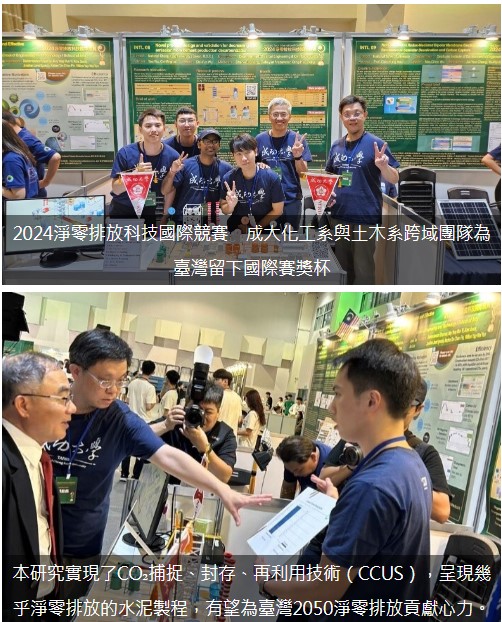 A NCKU team from Chemical Engineering and Civil Engineering won third place in the 2024 Net Zero Technology International Competition for developing an innovative cement decarbonization process integrating calcium looping and mineral carbonation. The research achieved CO₂ capture, storage, and utilization (CCUS), permanently sequestering 12.33% of CO₂ in cement and refining 85.56% into high-purity products, demonstrating NCKU’s leadership in carbon management and low-carbon innovation.
- 2024-2025 Sustainability Report
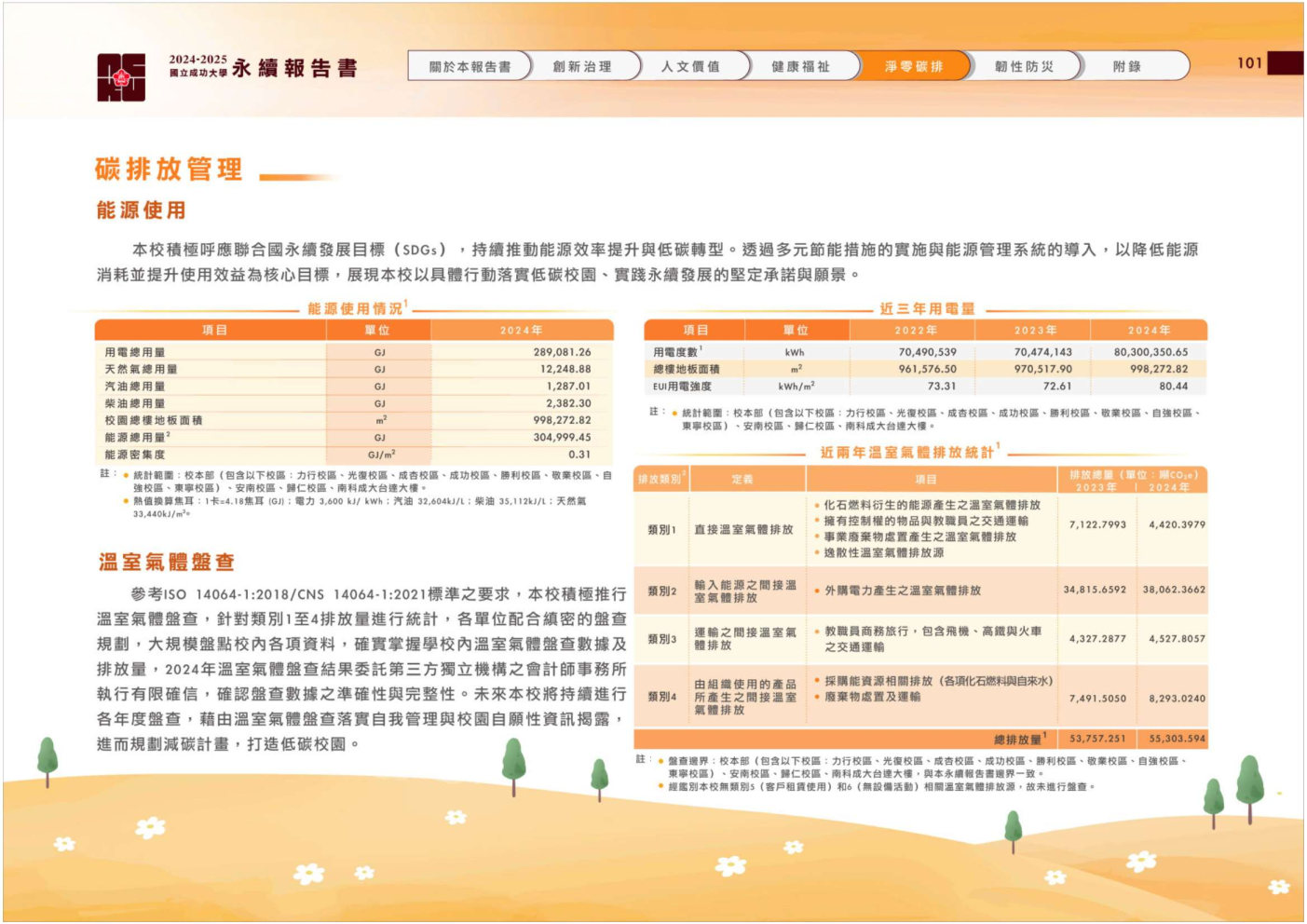 The NCKU Sustainability Report thoroughly documents the university's comprehensive carbon management and reduction processes. It details key initiatives, including greenhouse gas (GHG) inventories conducted in accordance with the ISO 14064-1 standard, the establishment of concrete reduction targets, the active promotion of a circular economy, and the implementation of systematic energy conservation programs. This report not only showcases tangible decarbonization achievements but, more importantly, serves as evidence that the university has instituted a robust framework for the continuous improvement of its carbon emissions management, strategically guiding its path toward the 2050 net-zero target.