





Alien species impact reduction (policies)
15.3.4
SDG15

NCKU’s policies towards alien species impact reduction
NCKU demonstrates a systematic and science-based approach to managing invasive alien species. On campus, for aggressive species that threaten native organisms—such as the lychee stink bug, fall armyworm, yellow crazy ant, and red imported fire ant—NCKU not only follows the Ministry of Agriculture’s control directives but also promotes awareness through publications, workshops, and educational activities for faculty and students. In addition, the university establishes internal control strategies in accordance with Ministry of Education regulations, ensuring that management measures are both policy-driven and scientifically grounded.
Campus Ecological Planning and Native Species Conservation
In practice, NCKU conducts regular inspections, species identification, reporting, and removal activities, proactively eliminating invasive species and closely integrating scientific research with campus management to form a traceable and evaluable process. Furthermore, campus ecological planning prioritizes native Taiwanese species, with extensive planting of indigenous trees and protection of habitats for native flora and fauna, maintaining biodiversity and enhancing the resilience of campus ecosystems.
Through multi-faceted efforts including policy formulation, educational outreach, monitoring, and ecological restoration, NCKU’s invasive species management not only effectively controls alien species but also raises ecological conservation awareness among faculty and students, demonstrating its leadership in sustainable ecosystem management and native species protection.
- Policy for Reducing Invasive Species
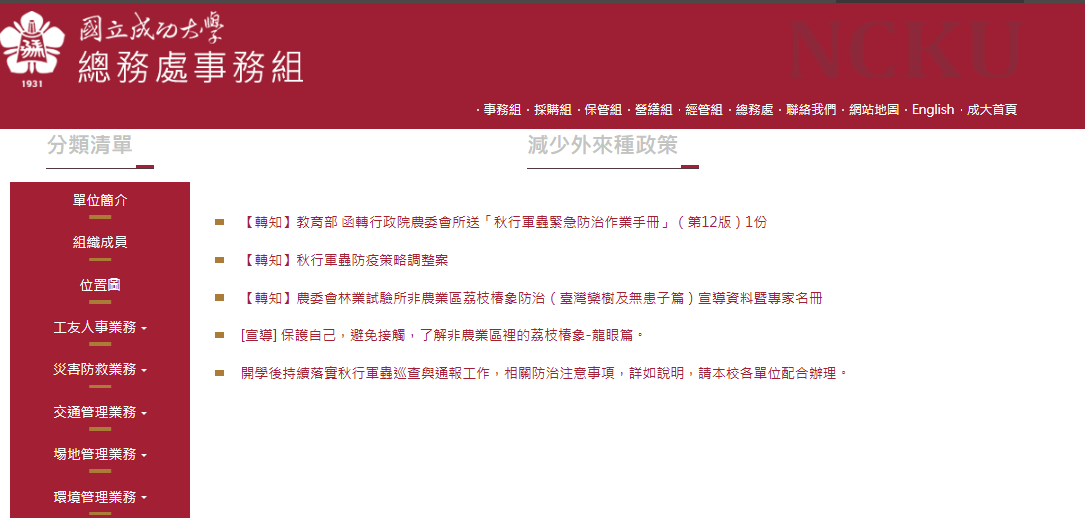 NCKU shares various invasive species management measures through its website, enabling campus faculty, students, and the general public to access information on invasive species. The university also organizes special lectures on plant pests, providing an overview of plant diseases and pests. Through these practical actions, NCKU aims to effectively reduce the impact of invasive species on native flora and fauna.
- Adjustment of Fall Armyworm Epidemic Prevention Strategy
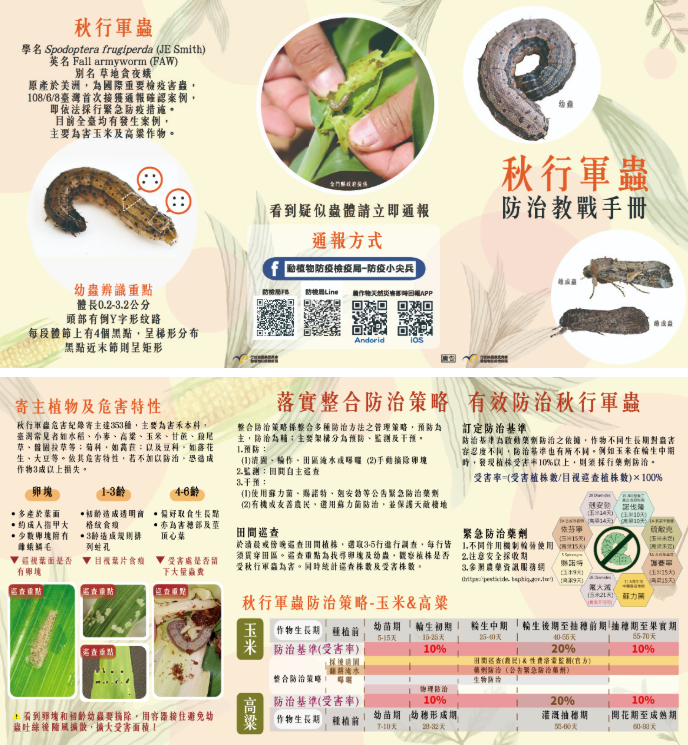 NCKU actively promotes the prevention and control of fall armyworm, providing identification methods, information on potential damage, and control measures to students, staff, and the public through campus announcements and website resources. These efforts demonstrate NCKU’s proactive role in managing invasive species and protecting ecosystems, raising awareness among the campus community and reducing the threat of biological invasions to native biodiversity.
- Protect Yourself: Avoid Contact and Learn About the Lychee Stink Bug in Non-Agricultural Areas – Longan Edition
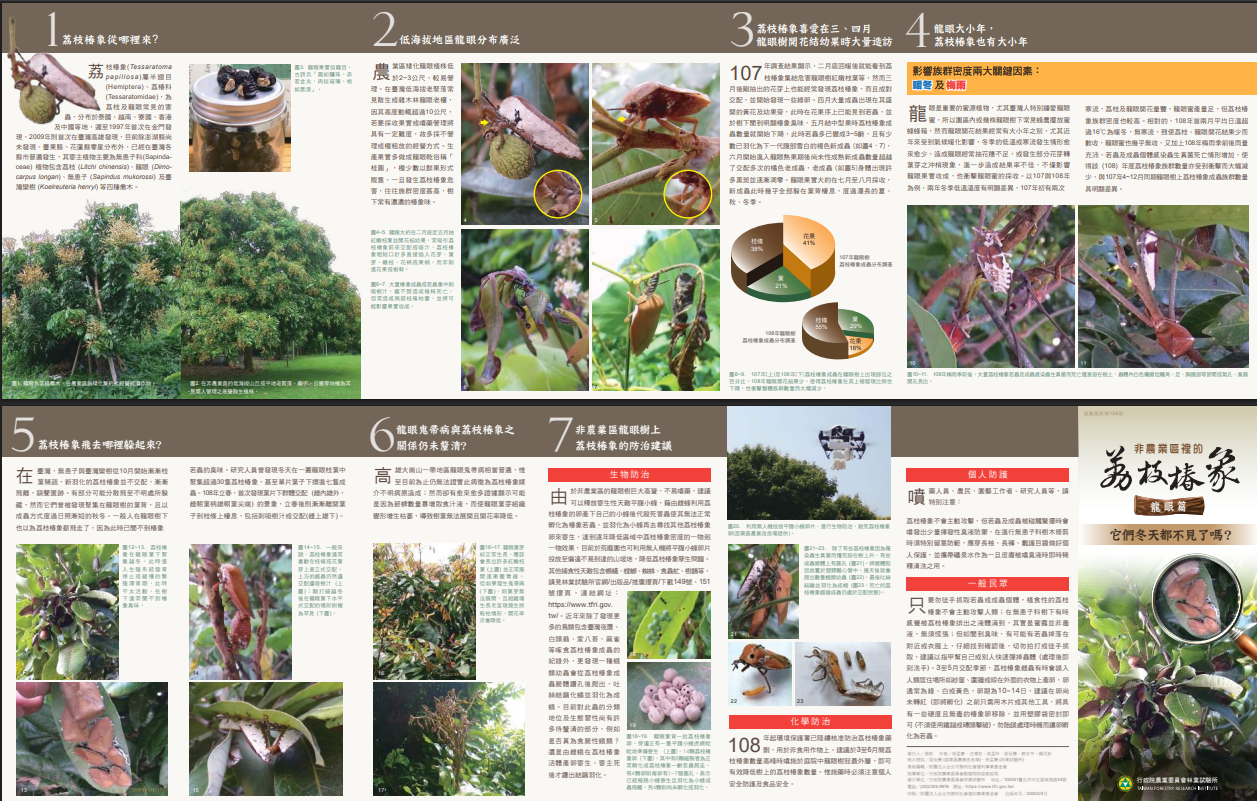 NCKU provides outreach on controlling the lychee stink bug, detailing its distribution, breeding season, and potential disease risks, while teaching faculty and students how to identify and handle it safely. Guidelines include avoiding direct contact with nymphs or adults, noting that honeydew is harmless, and that odors may come from fallen nymphs. During the mating season, females may lay eggs on outdoor clothing or window sills; removal with a wooden tool and sealing in a bag is recommended. This demonstrates NCKU’s proactive efforts in invasive species management and campus safety education.