



Sustainable management of land for agriculture (educational outreach)
15.2.5
SDG15
Sustainable management of land for agriculture (educational outreach)
In 2024, National Cheng Kung University (NCKU) hosted an international short-term course focusing on land subsidence and water resource challenges in tidal areas. The program attracted experts from 10 countries and combined classroom learning with field visits to explore issues such as land subsidence, water quality degradation, and the loss of agricultural land under climate change. Through keynote lectures, site visits, and collaboration with organizations such as the International Commission on Irrigation and Drainage, NCKU actively promoted the integration of scientific knowledge with sustainable practices. The course strengthened participants’ understanding of environmental change risks and their ability to respond, while highlighting the importance of sustainable agricultural land management in the face of climate change and fostering global cooperation in developing solutions.
Mobile Library and Children’s Sustainability Education
NCKU, through its General Education curriculum, has launched the “Mobile Library” initiative, which not only brings educational resources to elementary schools in rural areas but also integrates core concepts of sustainable agriculture and energy education. During the program, NCKU faculty and students use engaging and interactive methods to teach children about the sources and selection of sustainable food, while demonstrating ways to reduce food waste and the use of single-use packaging. This approach fosters an early awareness of resource conservation and environmentally friendly living habits among children. The initiative not only helps bridge the educational resource gap between urban and rural areas but also plants the seeds of sustainable agriculture in young minds, promoting tangible actions toward social well-being and environmental protection.
- NCKU Hosts International Short-Term Course to Promote Sustainable Development in Tidal Areas
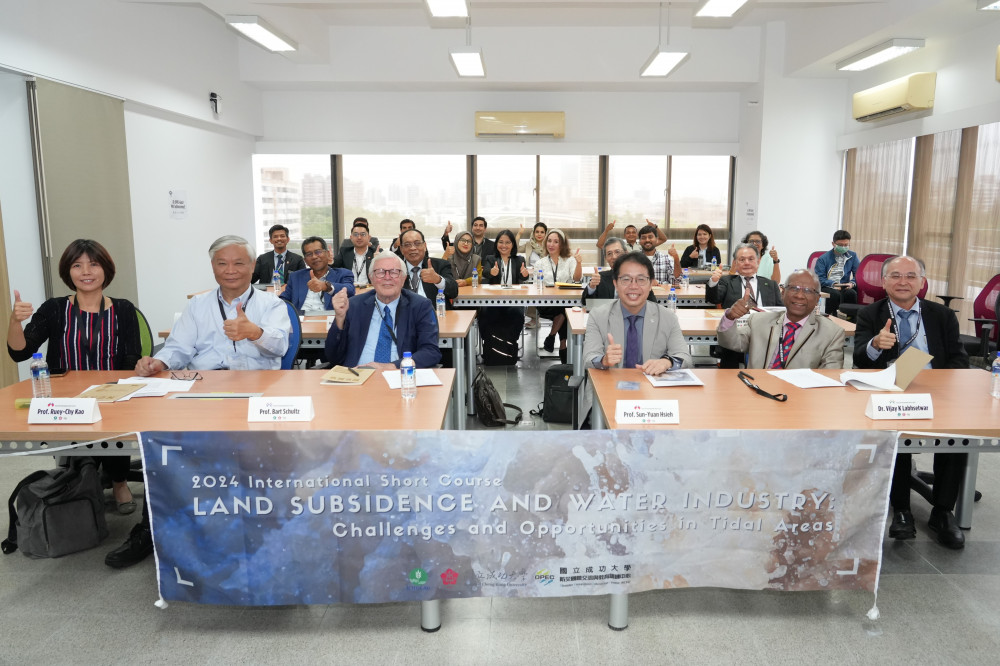 This course was jointly organized by the Disaster Prevention Education Center (DPEC) of National Cheng Kung University, the International Commission on Irrigation and Drainage (ICID), and its Working Group on Sustainable Coastal Environment Restoration (WG-SCER). It aims to promote knowledge exchange between academia and industry and to explore in depth how to address risks in low-lying coastal areas under extreme weather events and rising sea levels.
- NCKU Mobile Library – Food and Agriculture Education & Environmental Sustainability
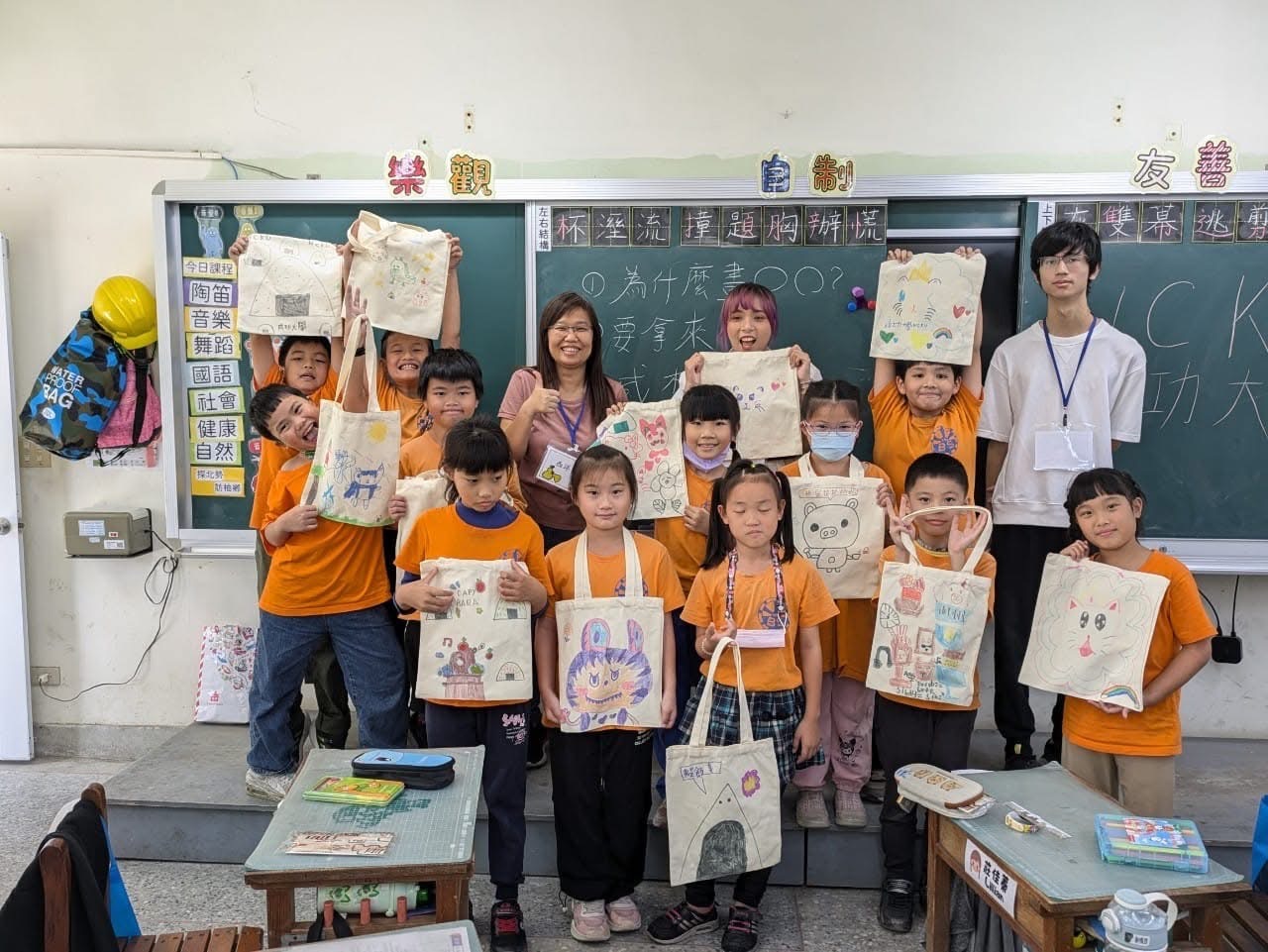 Through general education courses, NCKU students, guided by their instructors, visit rural elementary schools to not only share textbook knowledge but also integrate core concepts of sustainable agriculture and energy education, cultivating in children from an early age the habits of valuing resources and living in an environmentally friendly way.
- Microbial Farming Connects Local Farmers: NCKU Life Sciences' Third USR Project Drives Sustainable Agricultural Development
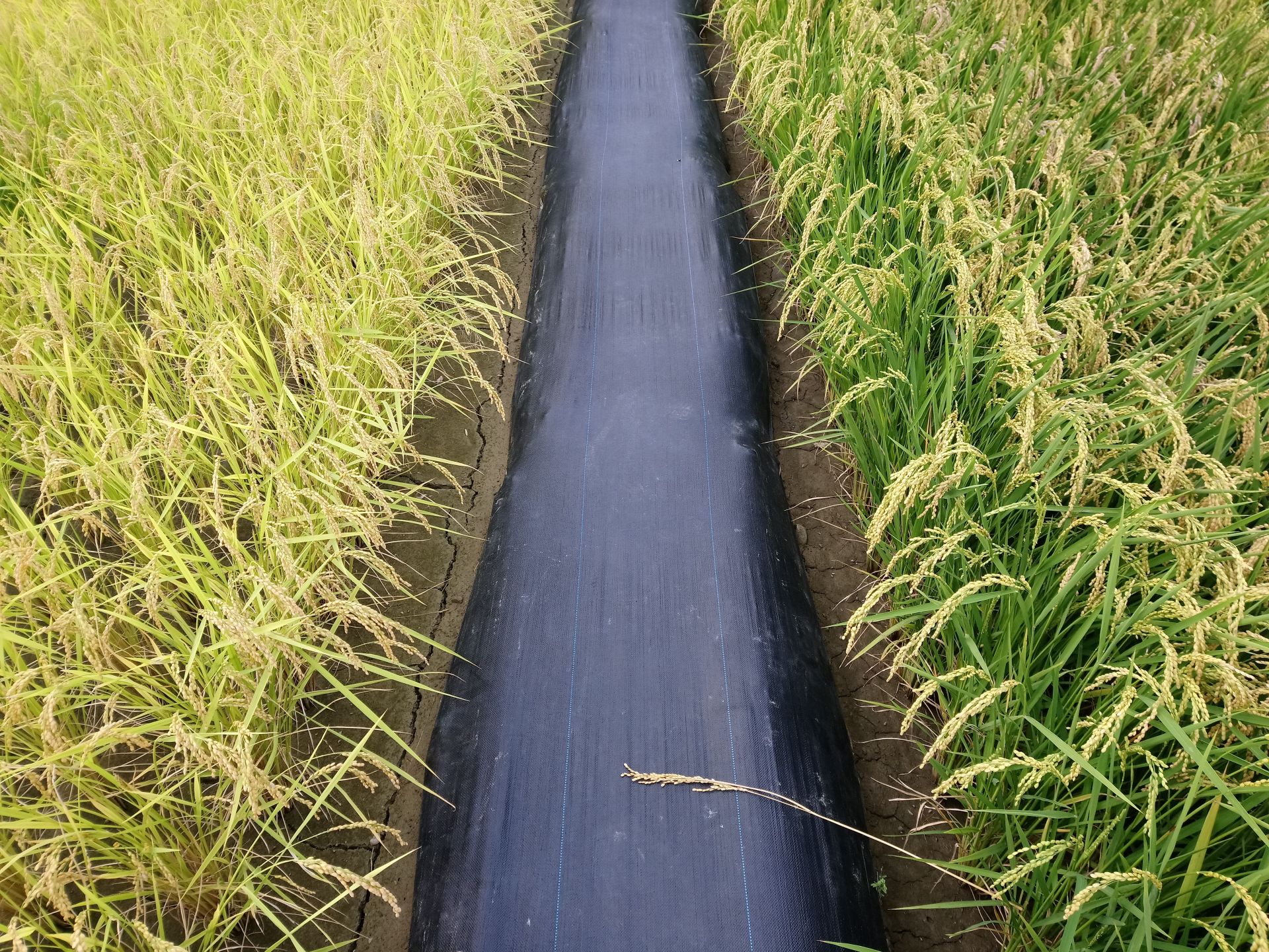 NCKU promotes natural farming and microbial farming to reduce reliance on chemical pesticides and fertilizers, thereby mitigating the negative impacts of agriculture on soil, ecosystems, and biodiversity. The team further integrates hillside agriculture with disaster prevention measures, addressing the challenges of extreme climate and geographic conditions by conducting slope stabilization, water resource management, and ecological conservation to ensure the long-term productivity of agricultural land.
- NCKU Collaborative Badlands Project focuses on rural agricultural industries, fostering regional collaboration and sustainable development
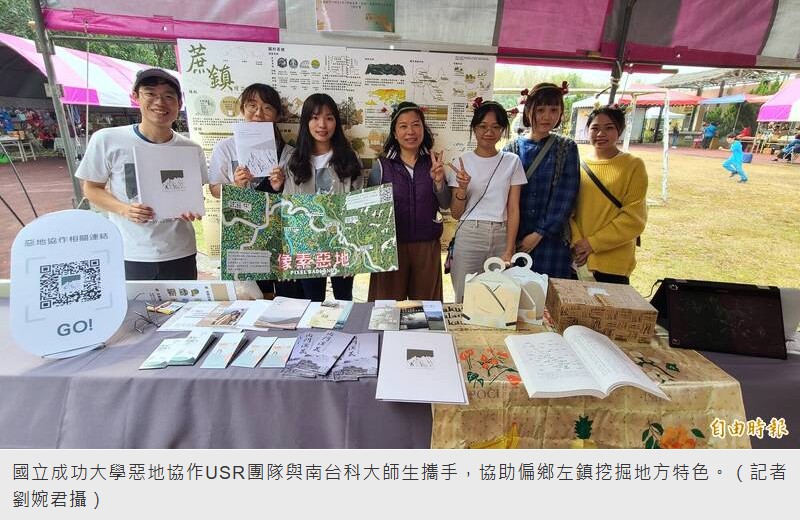 The Collaborative Badlands Project at NCKU promotes rural agricultural innovation and sustainable regional development through cross-regional and interdisciplinary collaboration. By connecting local communities and integrating inter-agency resources, the project deepens both teaching and practical engagement. In Zuozhen, the team revitalizes the Arrowroot industry through food promotion, nutritional analysis, online marketing, and waste reuse experiments.