




Monitoring IUCN and other conservation species (policies)
15.3.2
SDG15

Monitoring IUCN and other conservation species (policies)
National Cheng Kung University (NCKU) is dedicated to the conservation of Taiwan’s native species, continuously monitoring and protecting endemic species—including birds, butterflies, bats, amphibians—and other flora and fauna listed on the IUCN Red List. To promote systematic long-term observation, NCKU organizes butterfly citizen science monitoring workshops, connecting butterfly communities and experts across Taiwan to accumulate data on species changes under climate change and habitat development, demonstrating the university’s leadership and commitment in wildlife conservation and ecological education.
Marine Conservation Centers and Educational Outreach
Through the Annan Campus Marine Biology and Cetacean Research Center and the Nanying Marine Conservation Education Center, NCKU actively monitors IUCN-listed and other protected species, handling the rescue and management of live or deceased stranded cetaceans in Taiwan, including medical care, rehabilitation, release, as well as necropsy, sampling, and follow-up research. These centers integrate exhibition halls, multimedia theaters, specimen archives, and dissection facilities, providing both static displays, hands-on learning, and practical experience, allowing visitors to deeply understand cetacean ecology and conservation needs, and demonstrating NCKU’s translation of scientific research into education and social engagement.
Migratory Bird Habitat Protection and Hydrological Management
Additionally, in response to the declining habitats of migratory birds in Taijiang National Park, the park management commissioned the NCKU Research and Development Foundation to implement hydrological data collection and regulation programs, providing stable food sources and habitats, and informing future habitat management strategies.
Translating Ecological Research into Education and Social Engagement
Through these initiatives, NCKU demonstrates long-term commitment to Taiwan’s native and endangered species while successfully transforming research outcomes into platforms for education and social engagement. Through interdisciplinary collaboration, scientific monitoring, and local implementation, NCKU continues to advance ecological conservation and sustainable development, contributing significantly to the preservation of Taiwan’s biodiversity and global environmental sustainability.
- Butterfly Citizen Science Monitoring Workshop
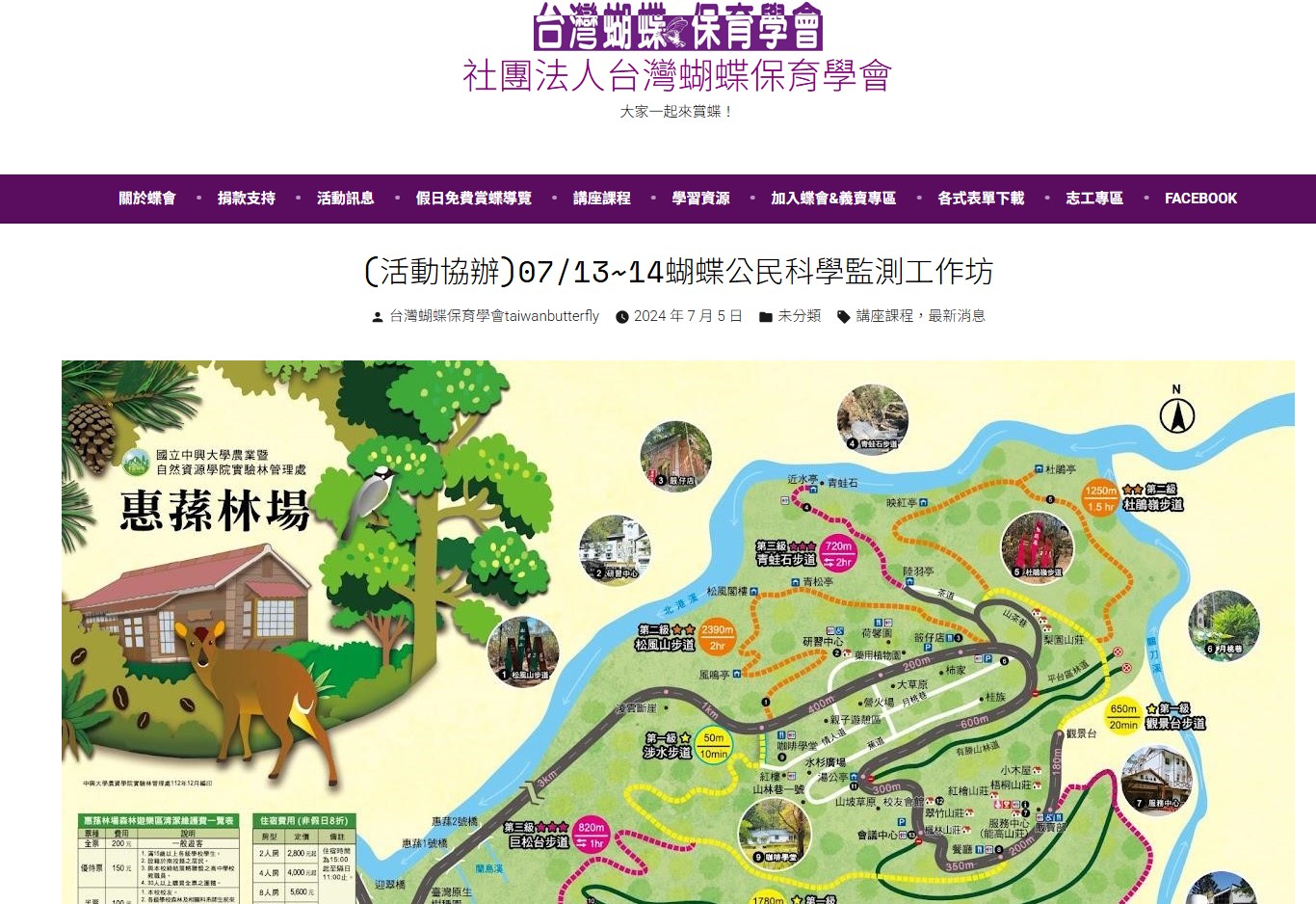 NCKU organizes butterfly citizen science monitoring workshops, connecting butterfly communities and experts across Taiwan to collect data on butterfly population changes under climate change and habitat development. This demonstrates NCKU’s dedication and leadership in animal conservation and ecological education.
- NCKU Nanying Marine Conservation Education Center
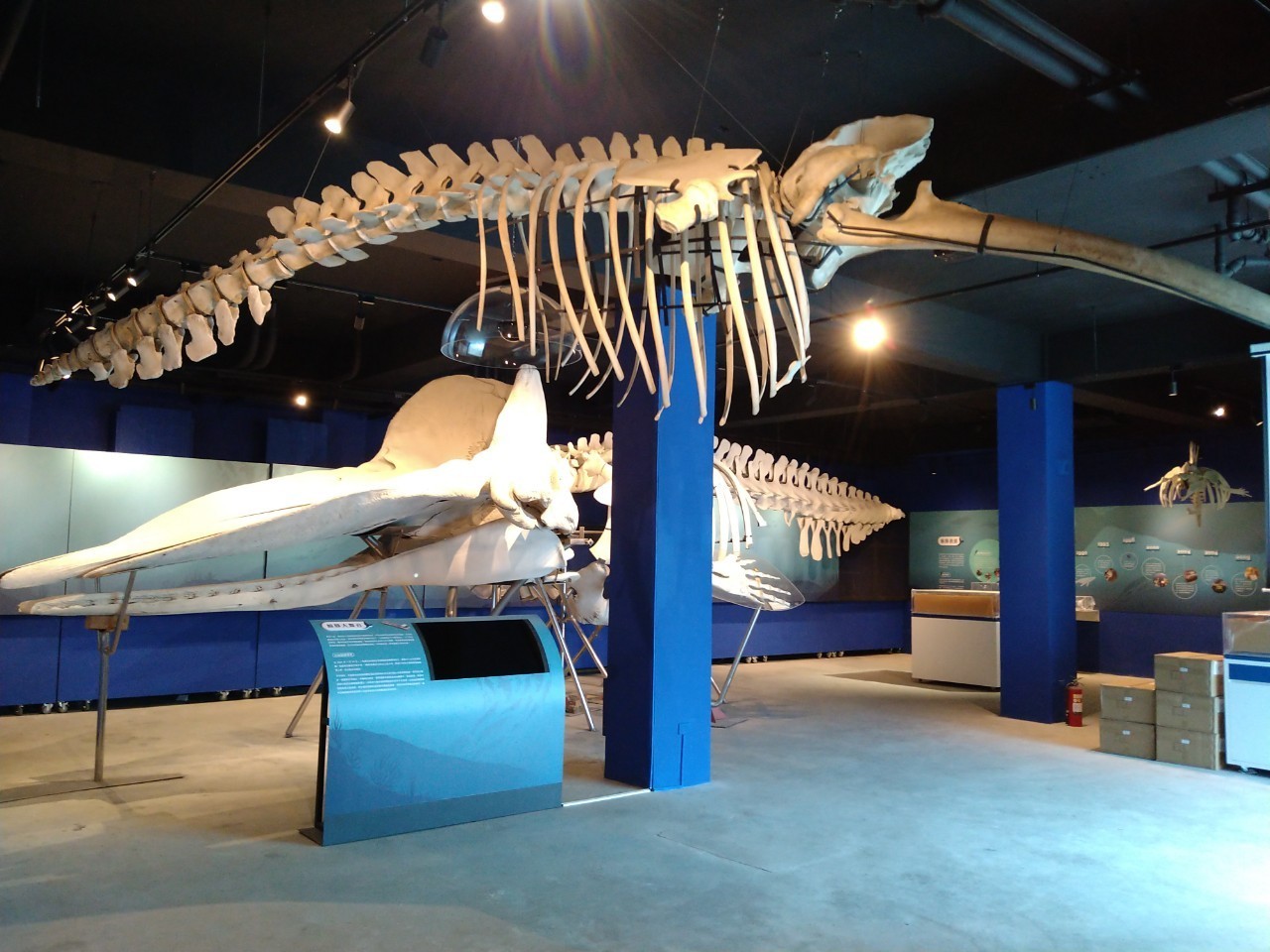 The Nanying Marine Conservation Education Center actively monitors IUCN-listed and other protected species. In collaboration with the Cetacean Research Center, it utilizes facilities such as a specimen collection room and a dissection room for cetacean specimen processing and preparation, creating diverse educational displays. Through these resources, the center provides visitors with opportunities for both knowledge acquisition and hands-on learning, promoting cetacean conservation within marine biodiversity efforts and encouraging active participation from schools and the wider community.
- NCKU Marine Biology and Cetacean Research Center dedicated to cetacean rescue
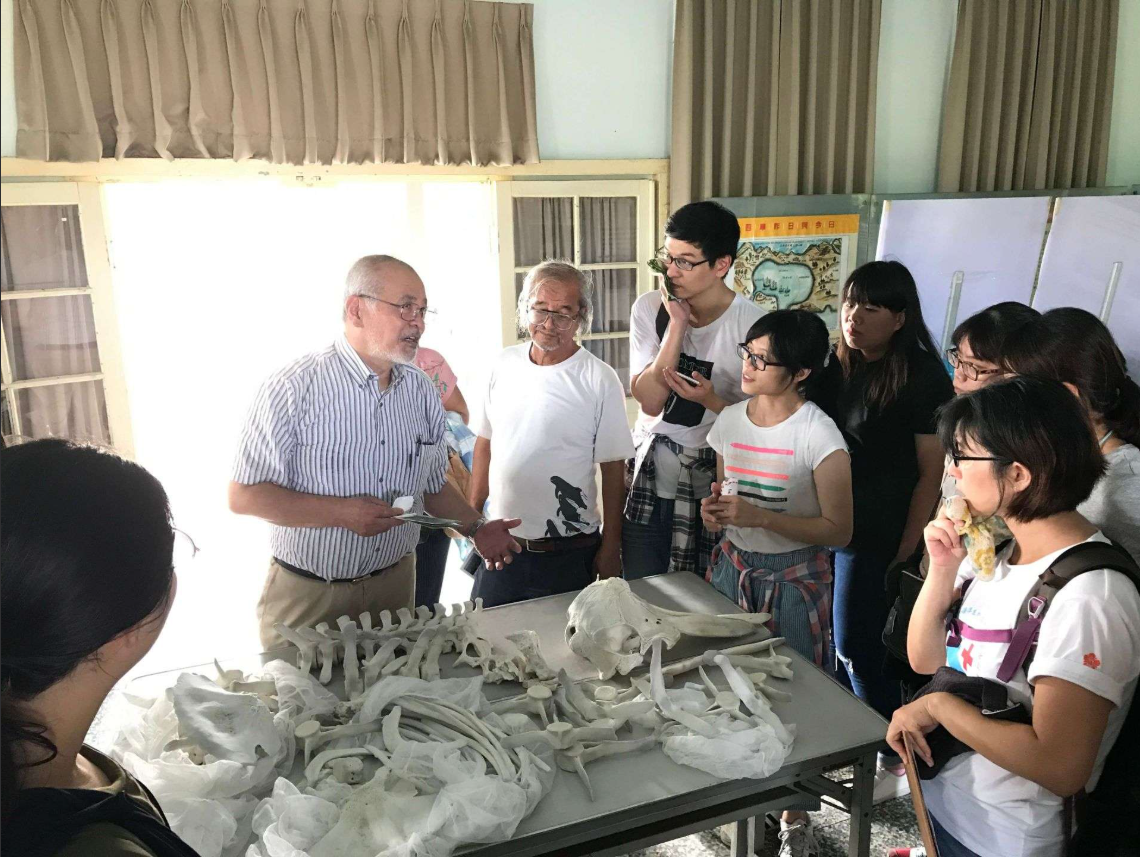 The NCKU Marine Biology and Cetacean Research Center is responsible for rescuing and handling live or deceased stranded dolphins in Taiwan, covering rescue, medical care, rehabilitation, release, as well as the dissection, sampling, and subsequent research of deceased individuals. The center adopts different dissection and analysis procedures based on the condition of each individual and systematically preserves skeletons and valuable specimens for scientific research, ensuring the continuous advancement of dolphin conservation and ecological monitoring.
The NCKU Marine Biology and Cetacean Research Center is responsible for rescuing and handling live or deceased stranded dolphins in Taiwan, covering rescue, medical care, rehabilitation, release, as well as the dissection, sampling, and subsequent research of deceased individuals. The center adopts different dissection and analysis procedures based on the condition of each individual and systematically preserves skeletons and valuable specimens for scientific research, ensuring the continuous advancement of dolphin conservation and ecological monitoring.