



- Diodes Incorporated and Bank SinoPac Empower NCKU's Formula Racing Team’s Transformation
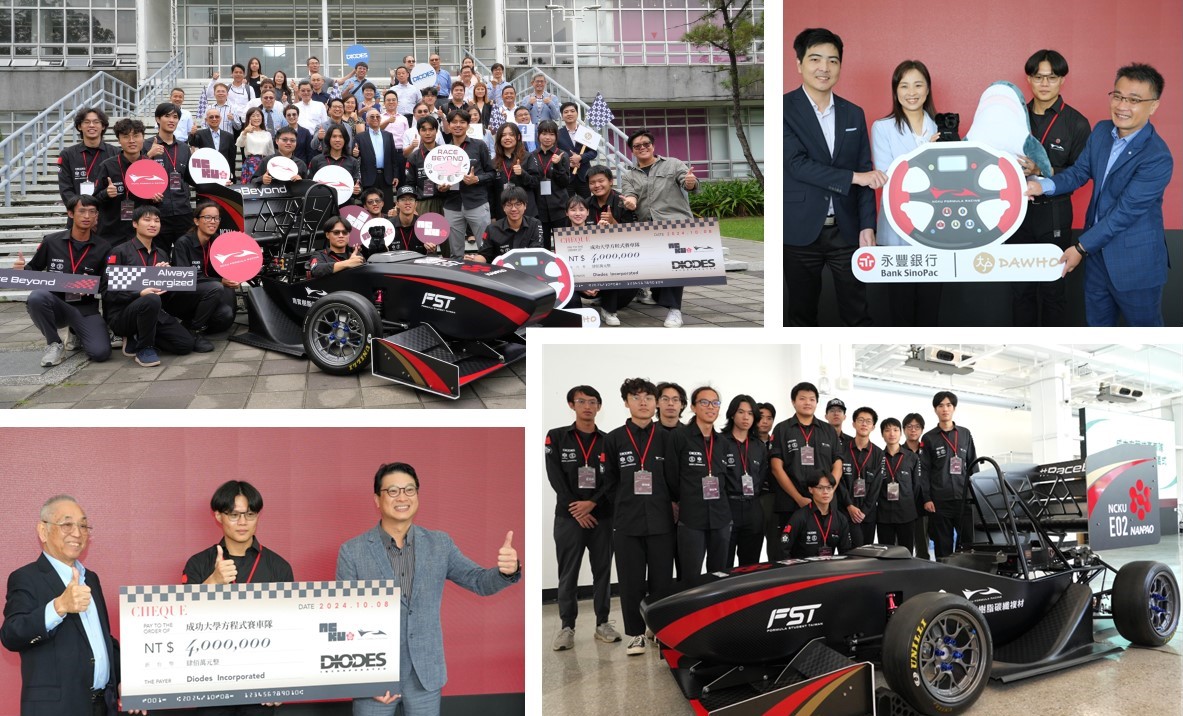
NCKU’s Formula Racing Team has been dedicated to innovation and sustainable mobility. On August 8, 2024, the team announced a strategic industry–academia partnership with Diodes Incorporated and SinoPac Bank, exemplifying collaboration between academia, industry, and NGOs for sustainable development.
Diodes Inc. will provide automotive semiconductor technology and engineering resources to enhance the team’s electric power system efficiency and reliability, while SinoPac Bank, through its Corporate Accelerator Program, will offer guidance in operations, financial management, and long-term sustainability.
Vice President Wei-Che Chuang emphasized that the Formula Racing Team is more than an engineering project—it is a talent cultivation platform linking innovation, education, and industrial application. The collaboration aligns with the UN Sustainable Development Goals (SDG 4: Quality Education, SDG 9: Industry, Innovation, and Infrastructure, and SDG 17: Partnerships for the Goals), promoting youth innovation and low-carbon technology development.
Through this partnership, NCKU strengthens its sustainable innovation ecosystem, integrating academia, business, and civil sectors to empower students with hands-on experience, sustainability awareness, and global competitiveness for a greener future.
- NCKU and Global Views–CommonWealth Leadership Academy Sign Memorandum of Understanding to Cultivate Executive Management Talent in the Semiconductor Industry
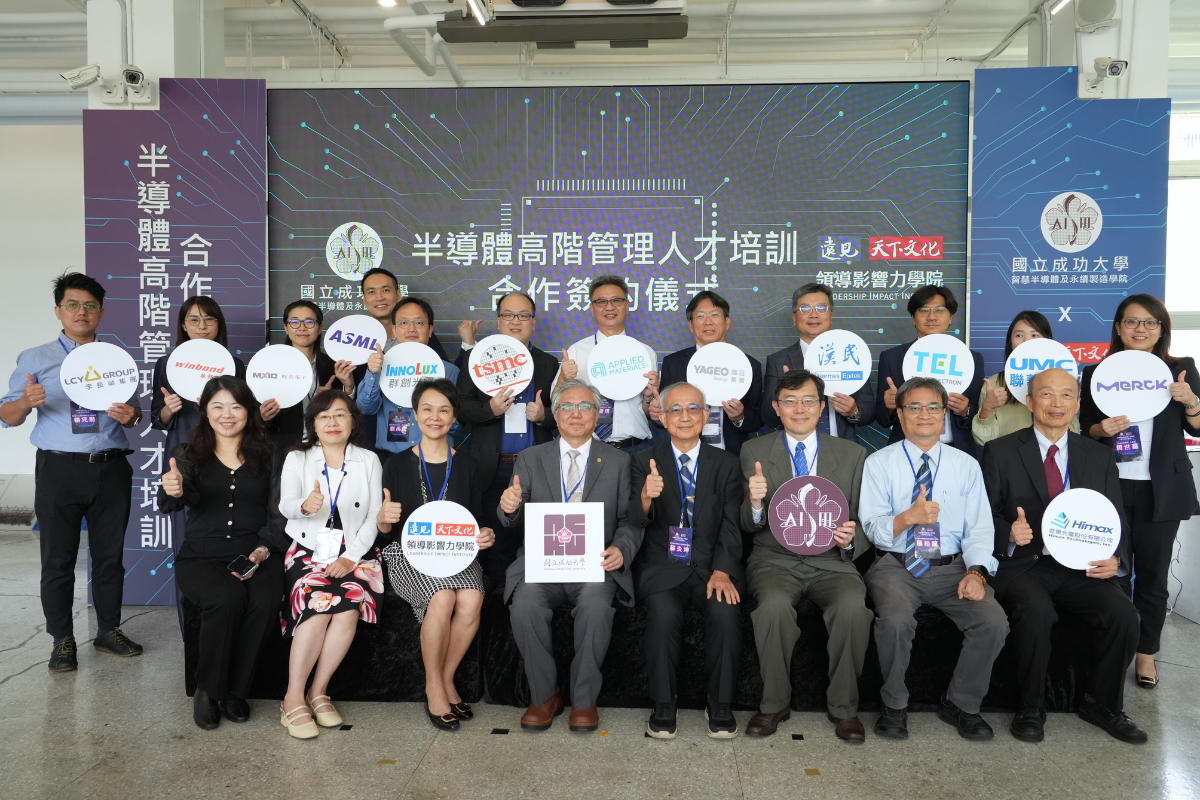
In response to the growing global demand for sustainable leadership in the semiconductor industry, NCKU’s College of Semiconductor and Sustainable Manufacturing (NCKU) signed a Memorandum of Understanding (MoU) on June 20, 2024, with the CommonWealth Leadership Academy (CWA) to jointly launch the Taiwan Semiconductor Master of Management (TSMM) program.
This collaboration integrates NCKU’s strengths in technology and management education with CWA’s expertise in sustainability and leadership development. Together, the two institutions aim to cultivate executives with global vision, innovation capacity, and sustainability-driven leadership in AI and semiconductor industries.
Vice President Chun-Chang Lee emphasized that this partnership reinforces NCKU’s commitment to the UN Sustainable Development Goals (SDG 4: Quality Education, SDG 8: Decent Work and Economic Growth, and SDG 17: Partnerships for the Goals) through education, research, and industry collaboration. The program, scheduled to begin in February 2025, will feature lectures by top semiconductor and AI industry leaders, focusing on strategic management, cross-cultural leadership, and sustainable innovation—empowering Taiwan’s semiconductor sector to maintain its global competitiveness and leadership in a rapidly evolving digital economy.
- BioAsia–Taiwan Exhibition: NCKU Showcases Academia–Industry Strength through Collaboration with Medical Alliance and Research Platforms
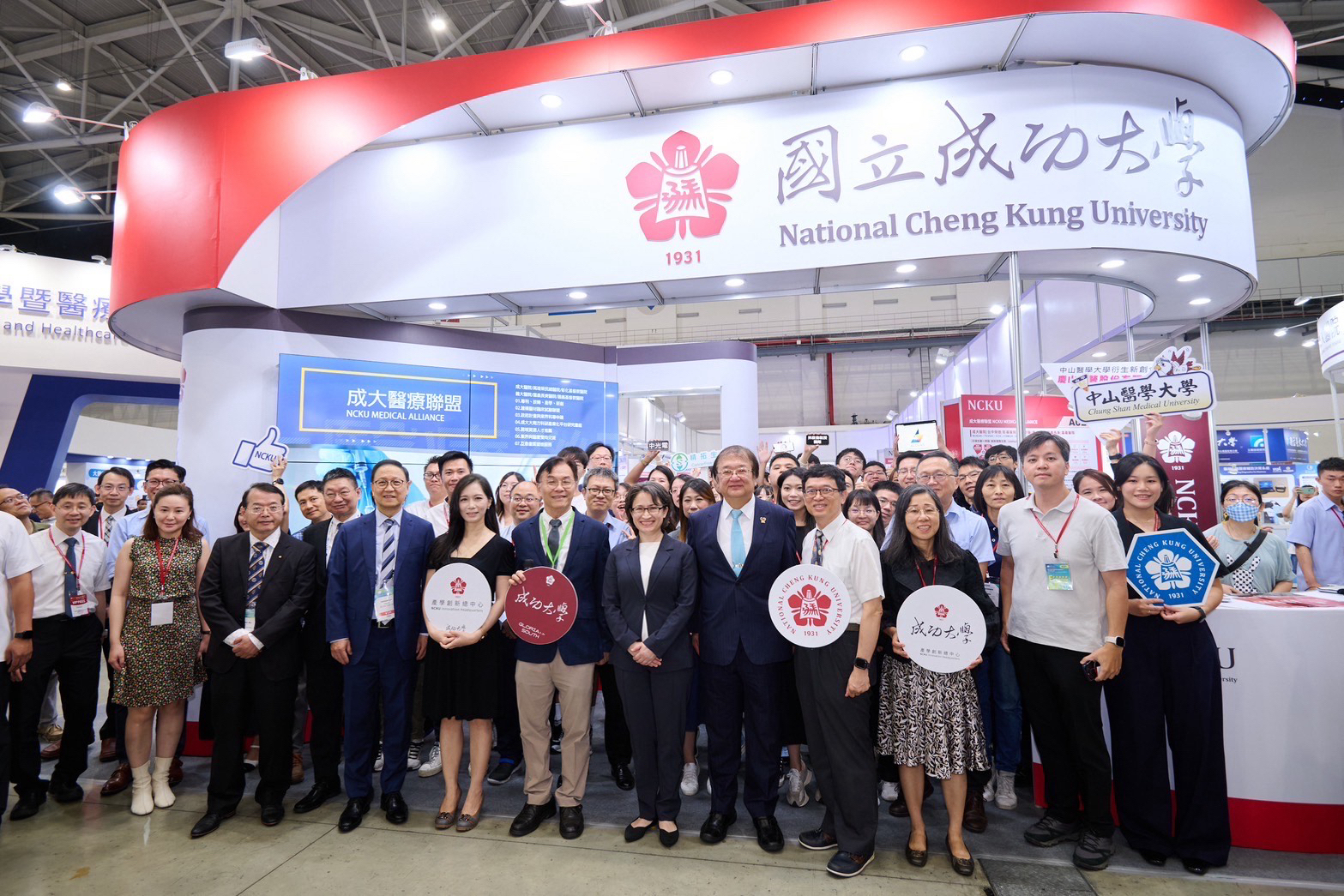
At the 2024 BIO Asia–Taiwan Exhibition, NCKU, led by President Meng-Ru Shen, showcased Taiwan’s southern biomedical innovation network. Partnering with the NCKU Medical Alliance (seven medical centers), the Greater Southern Research Commercialization Platform (12 universities), industry partners, and start-ups—nearly 30 teams presented cutting-edge research in AI precision health, drug discovery, smart medical devices, and aging technology.
The collaboration embodies NCKU’s leadership in uniting academia, industry, and NGOs to advance UN Sustainable Development Goals (SDG 3: Good Health and Well-being, SDG 9: Industry, Innovation and Infrastructure, and SDG 17: Partnerships for the Goals). By integrating regional medical and research capacities, NCKU fosters cross-sector innovation, accelerates clinical translation, and promotes sustainable development in health technology and biotechnology.
Vice President Bi-khim Hsiao and NSTC Deputy Minister Chen-Tsung Su visited the NCKU pavilion, commending the university’s pivotal role in linking southern Taiwan’s biomedical research ecosystem and realizing the national vision of a “Healthy Taiwan.” This collaboration highlights NCKU’s impact as a catalyst for sustainable innovation, bridging education, science, and industry toward a healthier and more resilient future.
- Taiwan–Thailand Science and Technology Innovation Center Inaugurated in Bangkok, Expanding the Depth and Breadth of Bilateral Cooperation
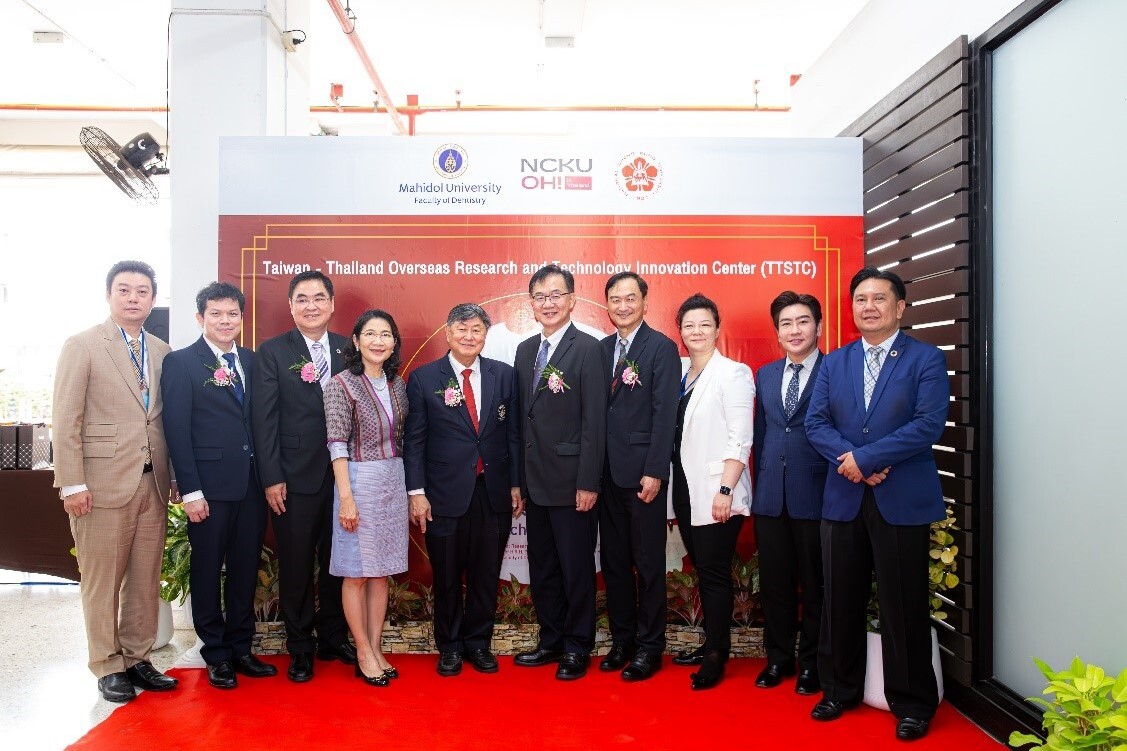
To strengthen bilateral collaboration in science and technology, the Taiwan–Thailand Science and Technology Innovation Center (TTSTC) was officially inaugurated in Bangkok on September 12, 2024, led by NCKU. Building upon the 2019 Taiwan–Thailand Smart Health Research Center (TCSMH), TTSTC has expanded its focus to four key areas—Health Technology, Smart Living, Resilient Society, and Sustainable Environment—aligning with the UN Sustainable Development Goals (SDG 3, SDG 9, SDG 13, and SDG 17).
The center supports Taiwan’s “5+2 Industrial Innovation Plan” and Thailand’s 2023–2027 Higher Education, Science, Research, and Innovation Strategy, promoting academic mobility, advanced research, and industrial collaboration in emerging technologies such as AI, Net-Zero Transition, Aging Tech, and 6G.
NCKU Vice President Hung-Chen Chen emphasized that TTSTC serves as a long-term international cooperation platform integrating research, education, and innovation. By combining resources and fostering mutual benefits, the partnership enhances the Taiwan–Thailand science and innovation ecosystem, nurtures regional talent, and contributes to sustainable global development. The initiative represents a milestone in Taiwan–Thailand relations and reaffirms NCKU’s role as a catalyst for sustainable innovation and international collaboration.
- NCKU and New Zealand’s GNS Science Collaborate on Geothermal Energy Exploration and Development
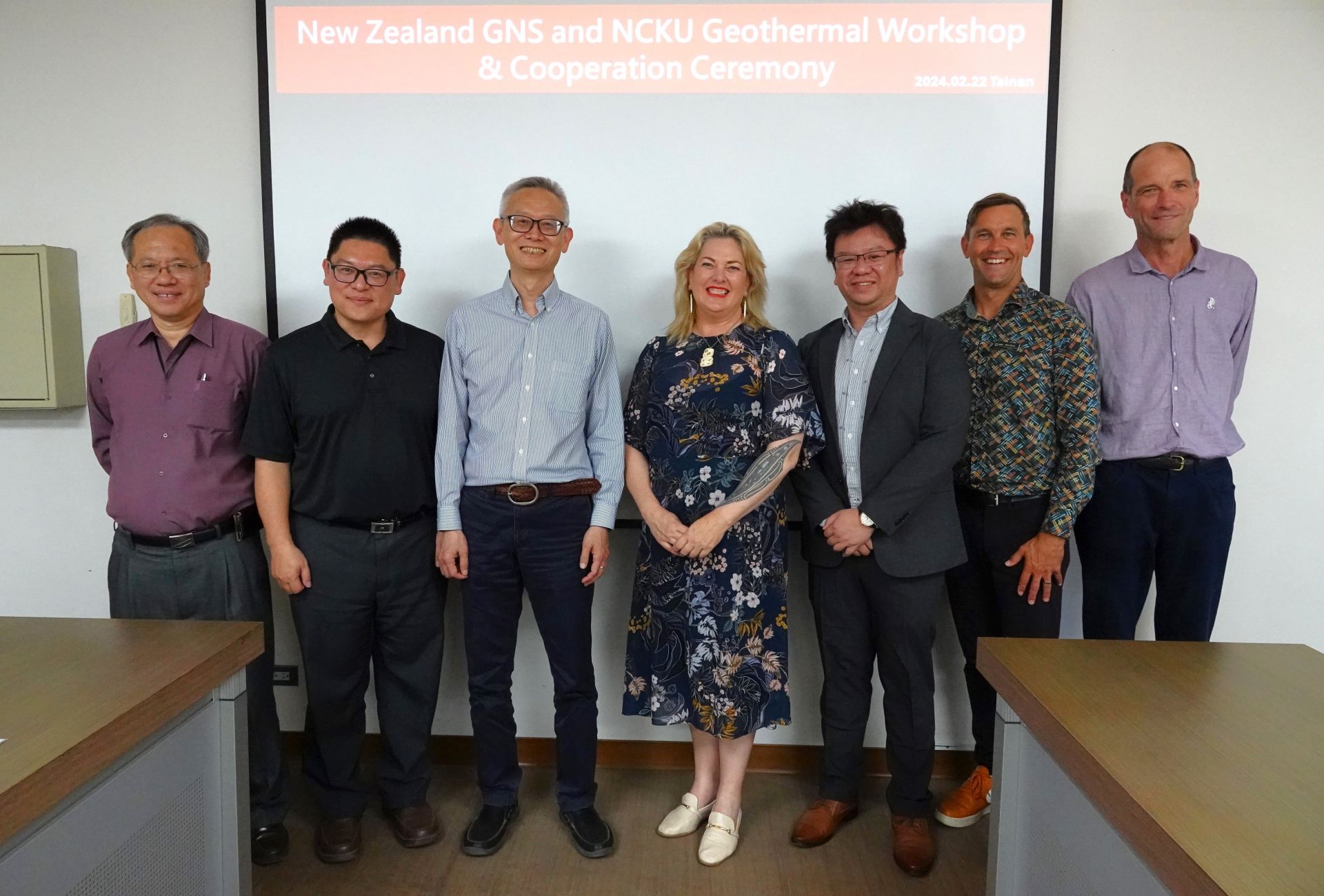
To support Taiwan’s 2050 Net-Zero Emissions Goal, the NCKU Geothermal, Carbon Sequestration and Petroleum Strategy Research Center signed a cooperation agreement with New Zealand’s Institute of Geological and Nuclear Sciences (GNS Science) on October 22, 2024, marking a major step in sustainable geothermal development. The ceremony, held at NCKU’s Yun-Ping Building, was witnessed by Tina Wilson, Director of the New Zealand Commerce and Trade Office.
The partnership integrates NCKU’s expertise in geothermal drilling, reservoir simulation, and resource management with GNS Science’s over 70 years of global geothermal experience. A joint technical team will be formed to launch a Taiwan Geothermal Injection–Production Simulation and Reservoir Management Project, offering consultancy on risk assessment, environmental monitoring, and sustainable resource management for geothermal developers.
This collaboration strengthens Taiwan–New Zealand academic and industrial ties, advancing low-carbon energy innovation and regional sustainability. It aligns with the UN Sustainable Development Goals (SDG 7: Affordable and Clean Energy, SDG 9: Industry and Innovation, SDG 13: Climate Action, and SDG 17: Partnerships). NCKU aims to leverage this partnership to accelerate geothermal technology innovation and contribute to Taiwan’s net-zero transition.