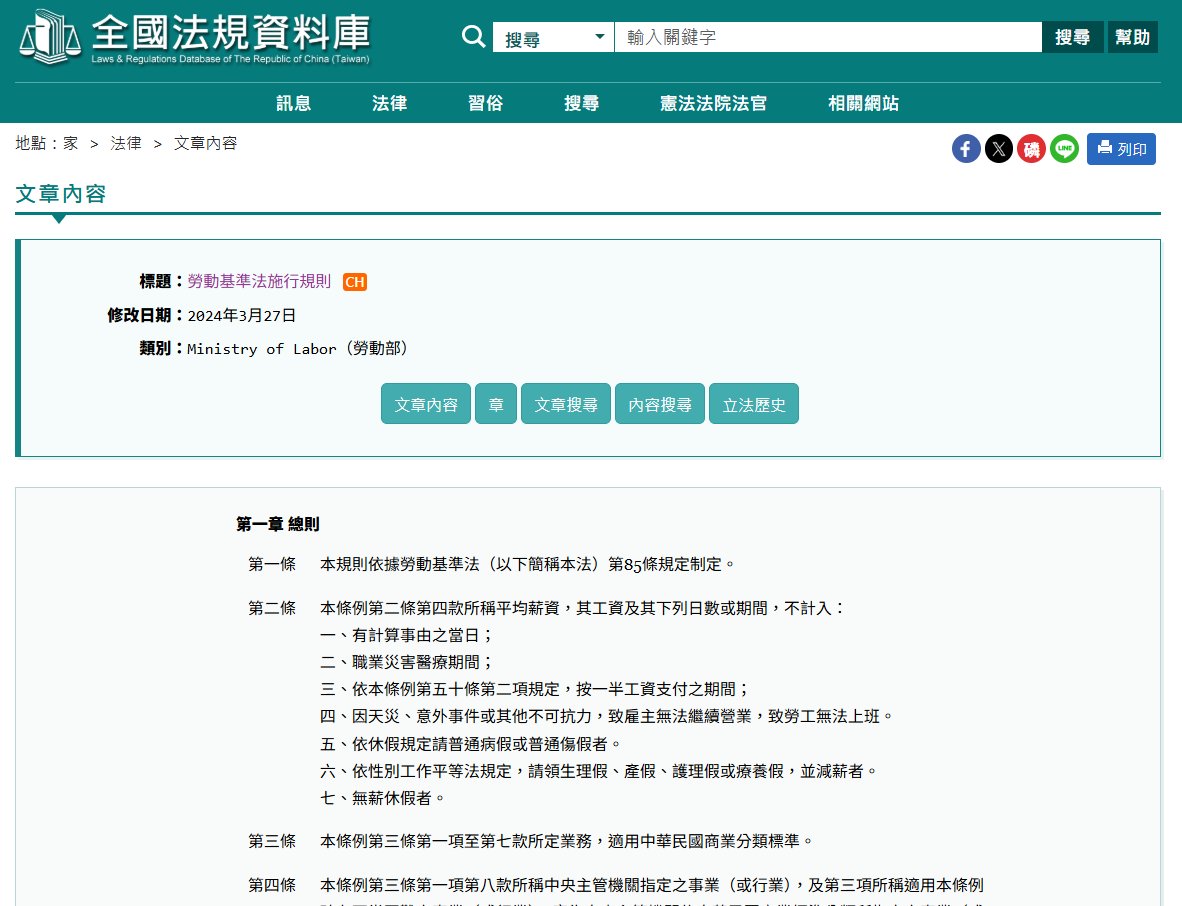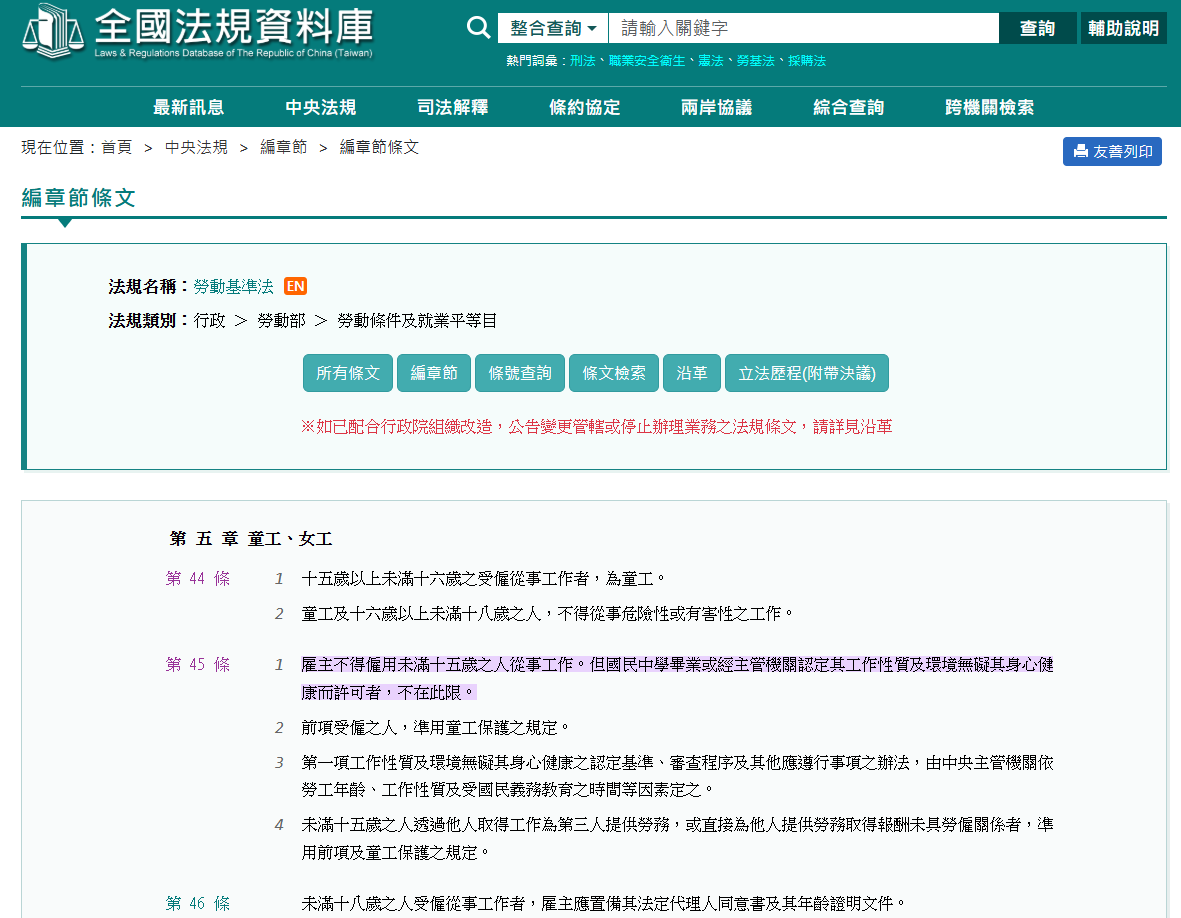




According to the Labor Standards Act, National Cheng Kung University (NCKU) is firmly committed to combating forced labor, modern slavery, human trafficking, and child labor. Our comprehensive policy ensures that every member of the university community, including staff, faculty, and students, is safeguarded against these severe human rights violations. This commitment permeates all facets of our operations and activities.
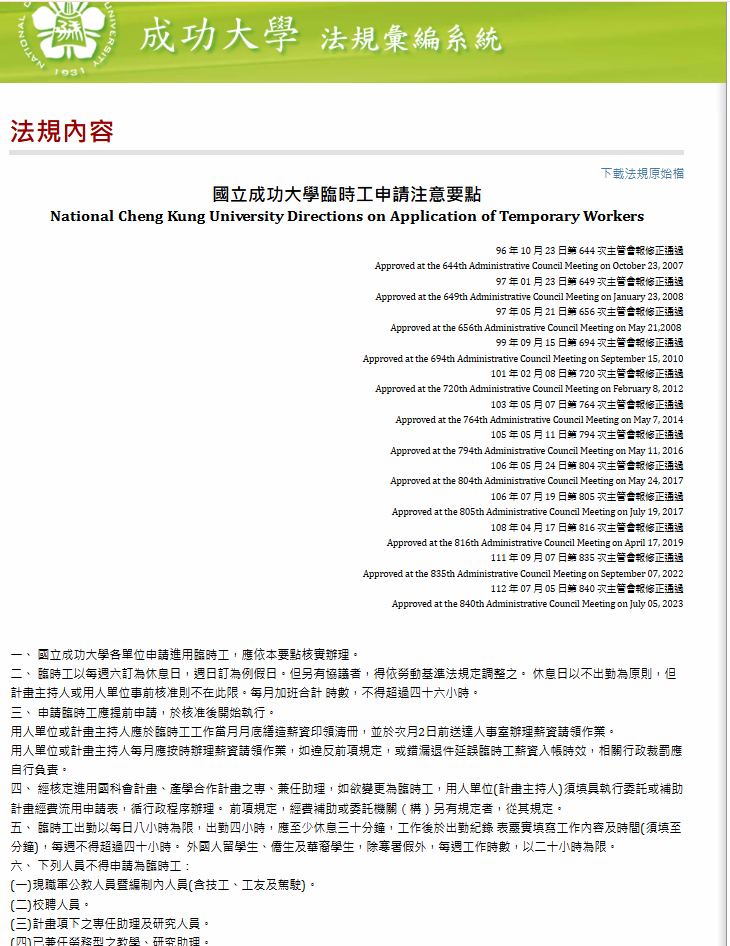
As an university with impact and an aim to fulfil its social responsibility, NCKU does not have any forced labor, slavery, or child labor and, to protect the faculty and staff members’ rights according to the principle of universality of human rights, has established a job evaluation system in its salary determination policy and procedure, which ensures that all workers in the same jobs are paid the same amount of salary regardless of their gender, sexual orientation, age, race, or religion. Through these efforts, NCKU ensures equal negotiation between employees and employers and protects the labor rights of employees.
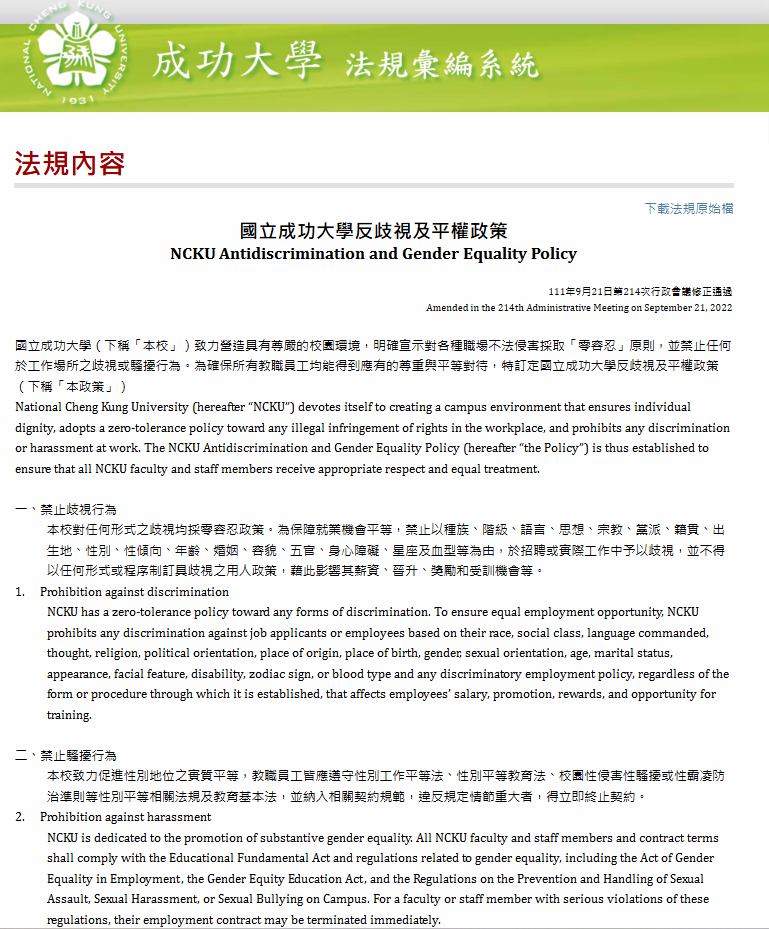
A crucial element of this dedication is NCKU’s Anti-Discrimination and Equality Policy, which clearly defines our stance against all forms of discrimination, particularly those related to forced labor, slavery, trafficking, and child labor. This policy underscores our unwavering resolve to uphold a safe, inclusive, and equitable environment for everyone.
As an university with impact and an aim to fulfil its social responsibility, NCKU does not have any forced labor, slavery, or child labor and, to protect the faculty and staff members’ rights according to the principle of universality of human rights, has established a job evaluation system in its salary determination policy and procedure, which ensures that all workers in the same jobs are paid the same amount of salary regardless of their gender, sexual orientation, age, race, or religion. Through these efforts, NCKU ensures equal negotiation between employees and employers and protects the labor rights of employees.
A crucial element of this dedication is NCKU’s Anti-Discrimination and Equality Policy, which clearly defines our stance against all forms of discrimination, particularly those related to forced labor, slavery, trafficking, and child labor. This policy underscores our unwavering resolve to uphold a safe, inclusive, and equitable environment for everyone.