



SDG11
NCKU ICID and SMU Partner in Sustainable Design to Reimagine Senior Living at Tainan Confucius Temple
This event marks the 6th consecutive year of international exchange between NCKU ICID and SMU. Past iterations have yielded successful collaborative designs targeting local landmarks and initiatives, including the Hayashi Department Store, the Tainan 400 celebrations, and environmental education at Taijiang National Park. The 2026 workshop saw intense competition, with nearly 50 SMU students applying and only 23 selected to travel to Taiwan. On the NCKU side, the program drew a diverse cohort of 19 students spanning multiple fields, including ICID, the Department of Architecture, the Institute of Gerontology, the Institute of Industrial Design, the International Master's Program in Interdisciplinary Sustainability Studies, and the Program in Interdisciplinary Studies.
Centering on the theme of "Confucius Temple Spatial Innovation," the workshop explored how traditional cultural sites can leverage design to redefine civic engagement amidst an aging society and global trends in cultural sustainability. Working in tight-knit, cross-cultural teams, students from both universities engaged in site observations, user interviews, conceptual brainstorming, and prototype modeling to deliver design blueprints that seamlessly fuse culture, senior care, and sustainability.
To help the Singaporean students grasp the context of Taiwan's history and culture, the curriculum featured curated excursions to prominent historical sites, including the National Museum of Taiwan History, the National Museum of Taiwan Literature, Anping Old Fort, Chihkan Tower, and the Grand Matsu Temple. The cohorts also conducted fieldwork throughout the surrounding neighborhoods of the Confucius Temple, establishing a localized understanding of Tainan through the lenses of history, literature, and urban culture.
Throughout the workshop, NCKU organized several cultural immersion and cross-domain exchange activities. Jing-Jie and Yang Yue-lin, both doctoral students at ICID, hosted hands-on craft workshops that introduced SMU students to traditional instrument-making and hand-painted silkscreen printing. These tactile, interactive experiences allowed students from both institutions to bond over craftsmanship and understand the vital connection between cultural creativity and local industries outside of design debates. Additionally, the workshop invited Huang You-cheng, founder of "Grandpa & Grandma Command," and Lin Yu-ting, founder of "O-Lang Sports Studio"—both alumni of the NCKU Institute of Gerontology—to share their senior-centric startup journeys. They provided multi-dimensional design frameworks covering elder health, community engagement, and sustainable business models.
Following five days of intensive co-creation, the final project presentation was evaluated by a distinguished panel of judges who provided expert feedback: Yeh Chung-li, Executive Director of the Tainan Confucius Temple Cultural Foundation; Professor Cheng Ki-ying from the SMU Department of Psychology; Professor Yang Chia-han, Director of NCKU ICID; Dr. Liu Chieh-hsiu from the Department of Geriatrics and Gerontology at NCKU Hospital; and Professor Wang Yi-hsuan from the NCKU Department of Architecture. The teams pitched a wide array of solutions, including barrier-free access facilities, a "New Six Arts" activity lineup, 3C-free meditation spaces, tea-tasting experiences, and community interaction mechanisms. Students even staged interactive rollouts of their "Self-Cultivation" tea-tasting and "Mind-Purifying" fortune-stick proposals, prompting judges to capture the presentations on their phones. Executive Director Yeh Chung-li remarked that completing site analysis, problem diagnosis, and prototype pitching in just a few days was an incredible feat, adding that many blueprints were refined enough to be deployed immediately. Notably, an SMU team drew on Singapore's urban design expertise to propose a "Vertical Garden" in front of the Confucius Temple’s Wenchang Pavilion—a concept evaluated as having "nearly 90% completeness."
Professor Cheng Ki-ying from the SMU Department of Psychology noted that while this year's prompt was more challenging than in previous years, the final outcomes far exceeded expectations. She emphasized that the friction and synergy generated by cross-cultural and cross-disciplinary collaboration are deeply enriching, offering immense educational value. She added warmly, "I hope the SMU students take these wonderful memories and lifelong friendships back to Singapore."
Professor Yang Chia-han, Director of NCKU ICID, encouraged the students, noting that when one acquires new methodologies and perspectives, they should contemplate how these tools can be used to re-solve historical problems from a fresh angle, as well as tackle unprecedented challenges that were previously insurmountable. Dr. Liu Chieh-hsiu from NCKU Hospital approached the presentations from a medical standpoint, emphasizing that the core of design lies in addressing real human needs. He expressed hope that through this cross-border, cross-disciplinary alliance, students could deepen their empathy for the living conditions and diverse needs of different demographic groups.
Joanne Pang, an SMU psychology student participating in the workshop, shared that Tainan is a city brimming with vibrant culture and energy. She added that crafting models and engaging in debates alongside NCKU peers provided fresh inspiration drawn from vastly different life experiences. NCKU industrial design student Zheng Yu-qin observed that the Singaporean students displayed a high level of dedication and rapid communication efficiency, which pushed her to rethink how people from different cultural backdrops envision senior living and public spaces. Tainan native Huang Yu-ting, a student in the sustainability master's program, reflected that while his childhood impression of the Confucius Temple was strictly traditional, the workshop revealed its active pursuit of modern innovation. His team aimed to design an open, intergenerational learning space, embodying the spirit of the Analects of Confucius: "To provide security for the aged, and to nurture the young."
This workshop not only strengthens the enduring international alliance between NCKU ICID and SMU but also bridges Tainan’s cultural heritage with pressing eldercare issues. By doing so, it continues to deepen the nexus between design education, cultural longevity, and international exchange, building a vital foundation of empirical experience for future cross-cultural partnerships.
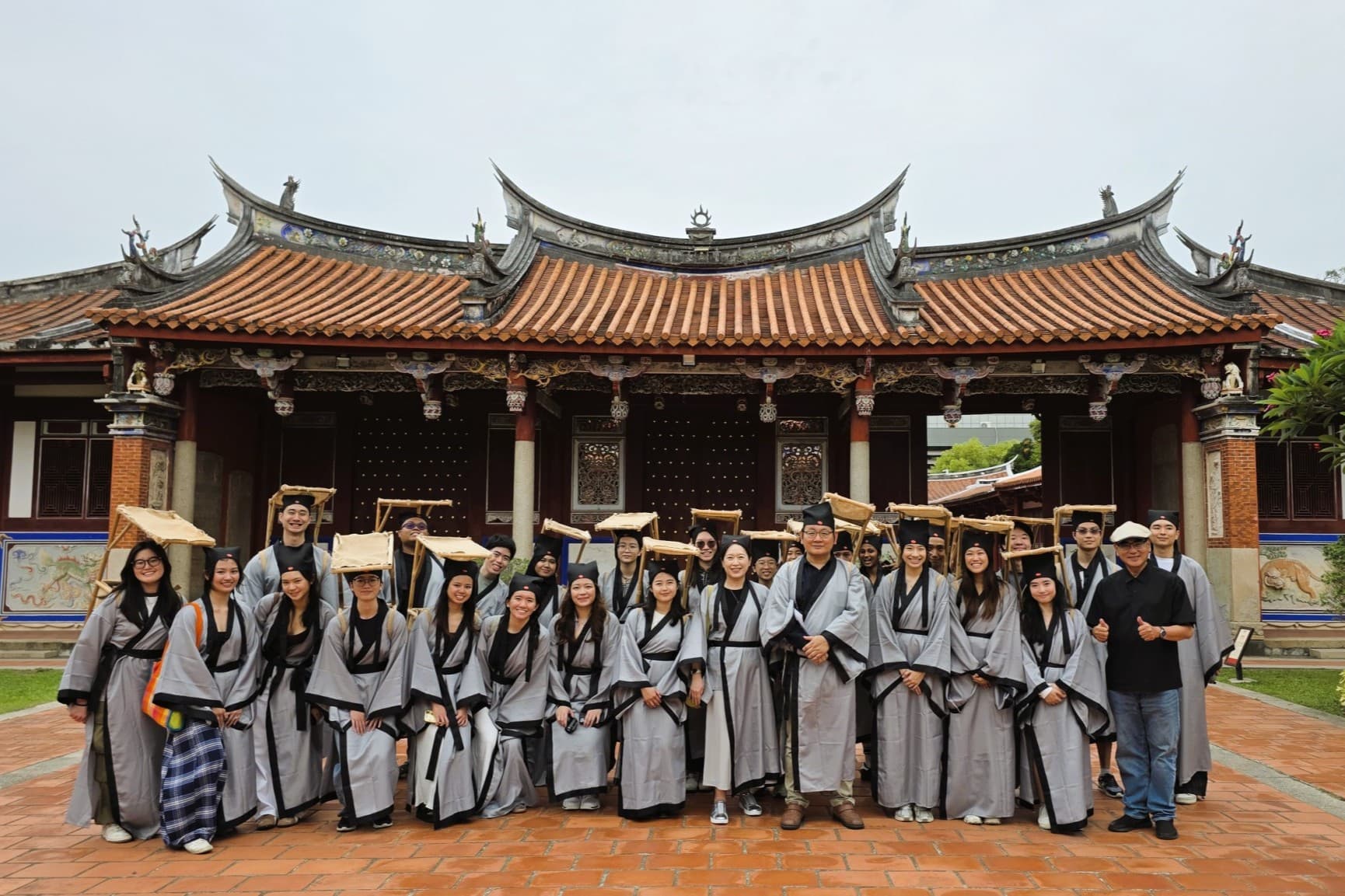
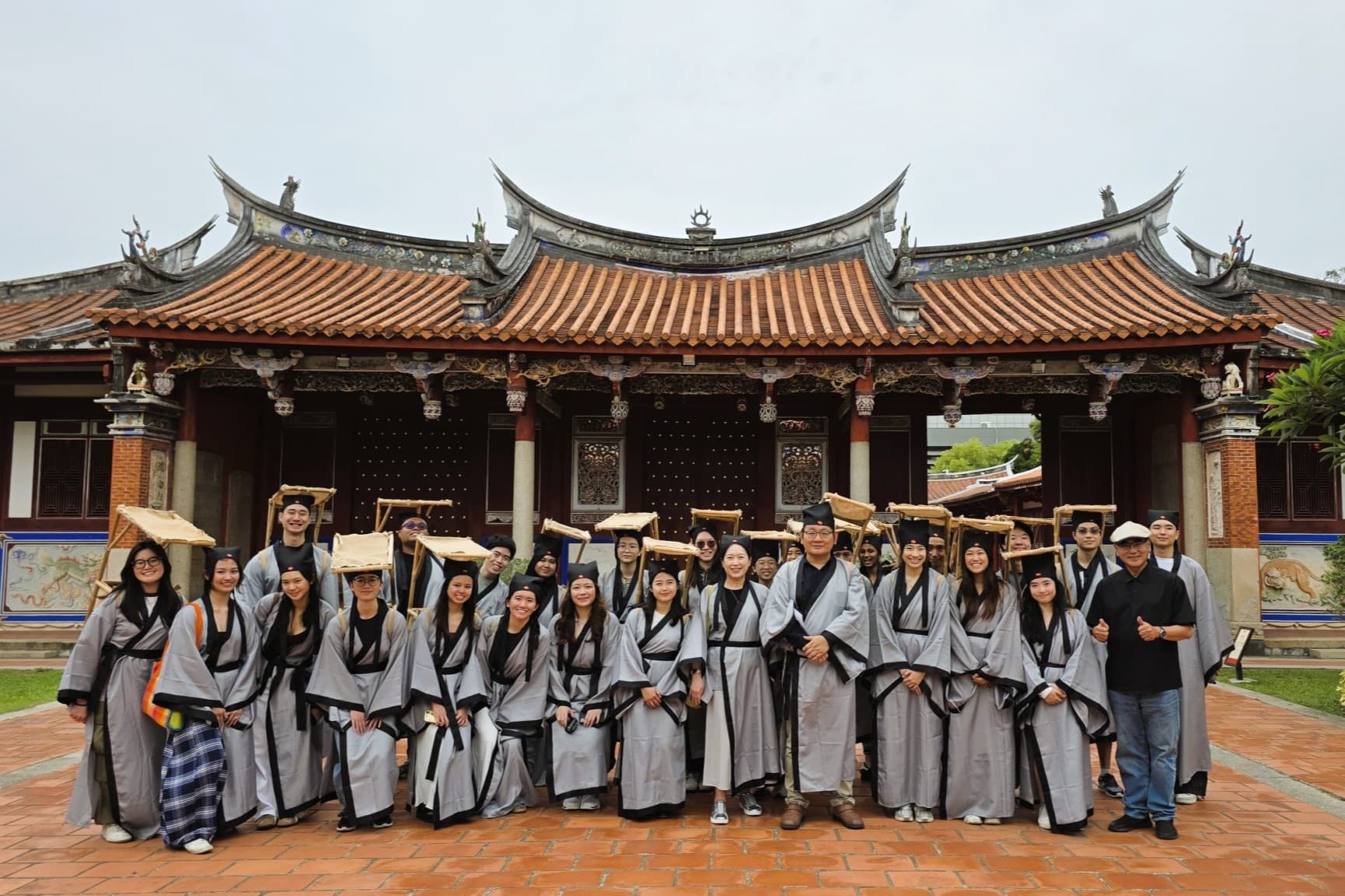
During their fieldwork at the Tainan Confucius Temple, the Singaporean faculty and students immersed themselves in a unique cultural experience by dressing in traditional scholar robes and carrying bamboo backpacks.
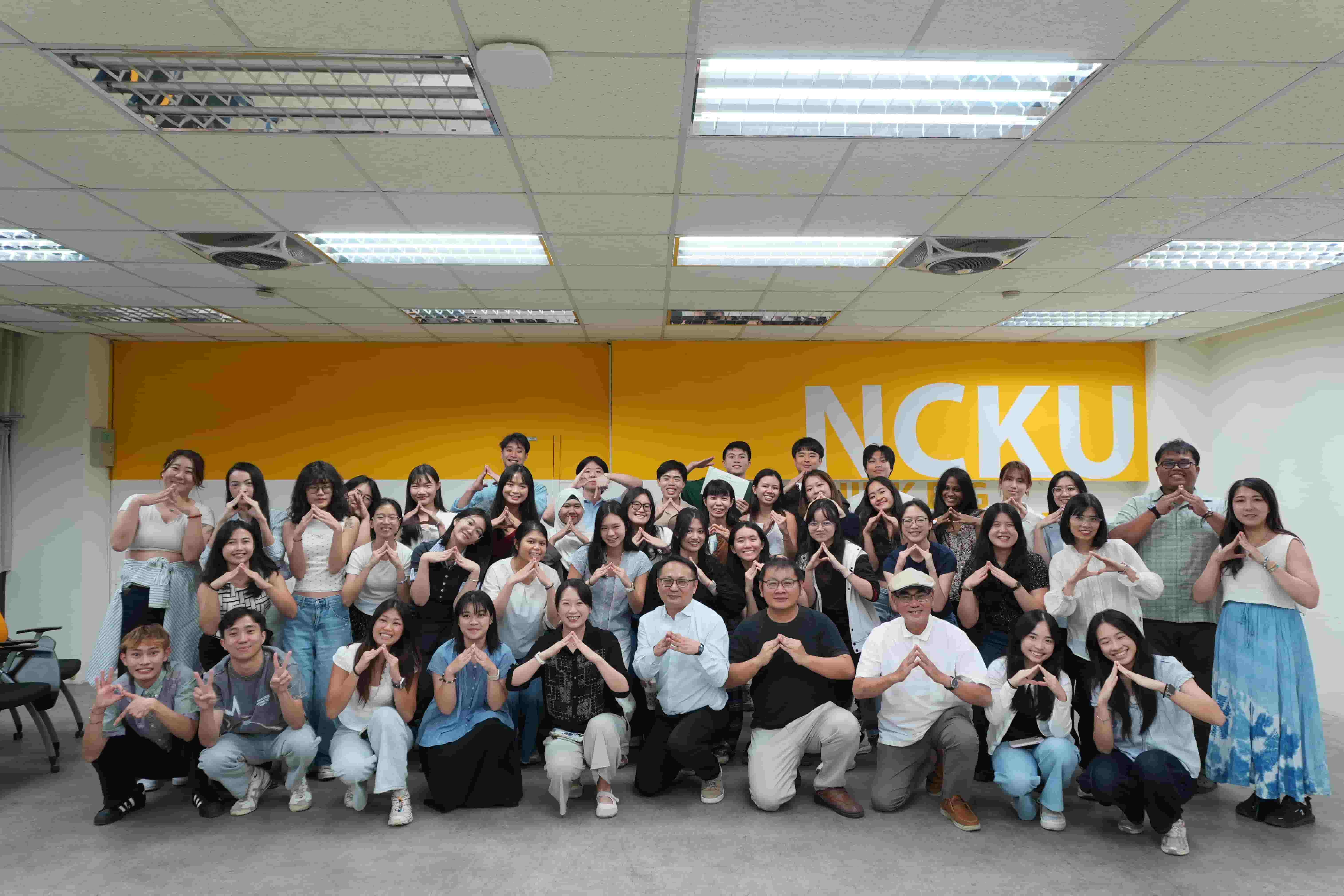
The ICID at NCKU partnered with SMU to host the "International Sustainable Design Workshop," kicking off a dynamic cross-border and cross-disciplinary co-creation exchange.
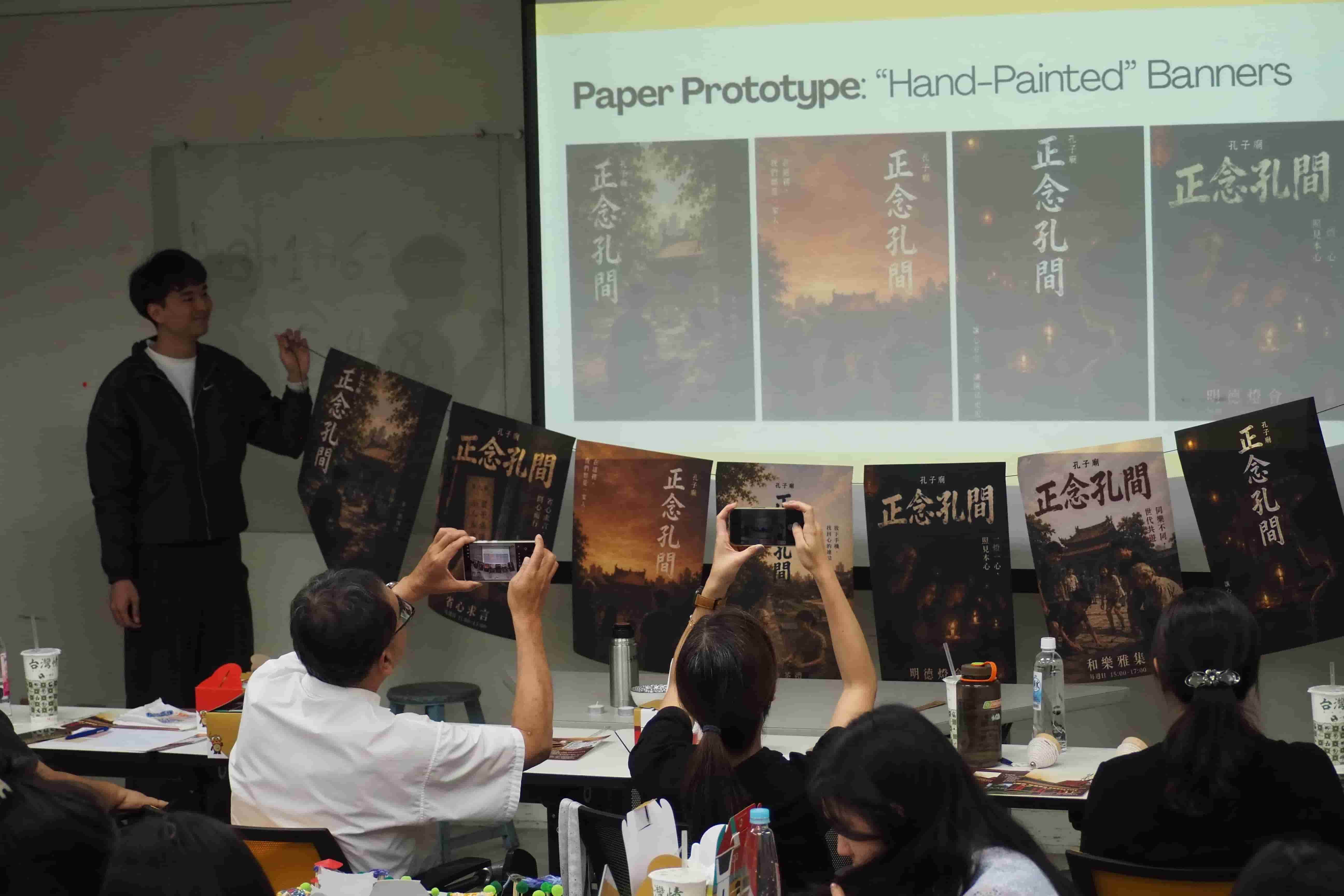
Students delivered an interactive, live performance showcasing their proposals: "Self-Cultivation" tea tasting and "Mind-Purifying" fortune-stick drawing.
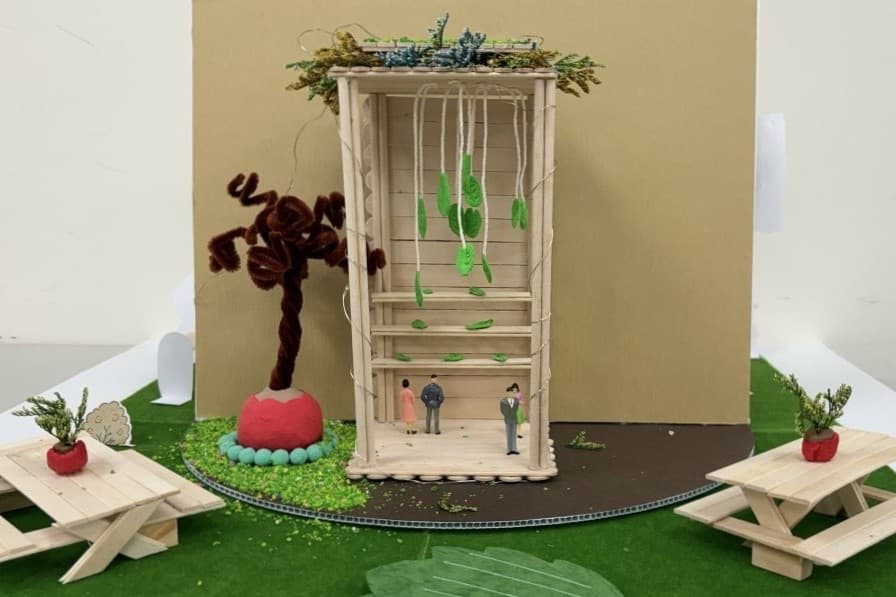
Drawing on Singapore’s urban expertise, SMU students proposed the concept of a "Vertical Garden," which earned high praise and was evaluated as having "nearly 90% completeness."

Professor Cheng Ki-ying from the Department of Psychology at SMU

Professor Chia-Han Yang, Director of ICID at NCKU
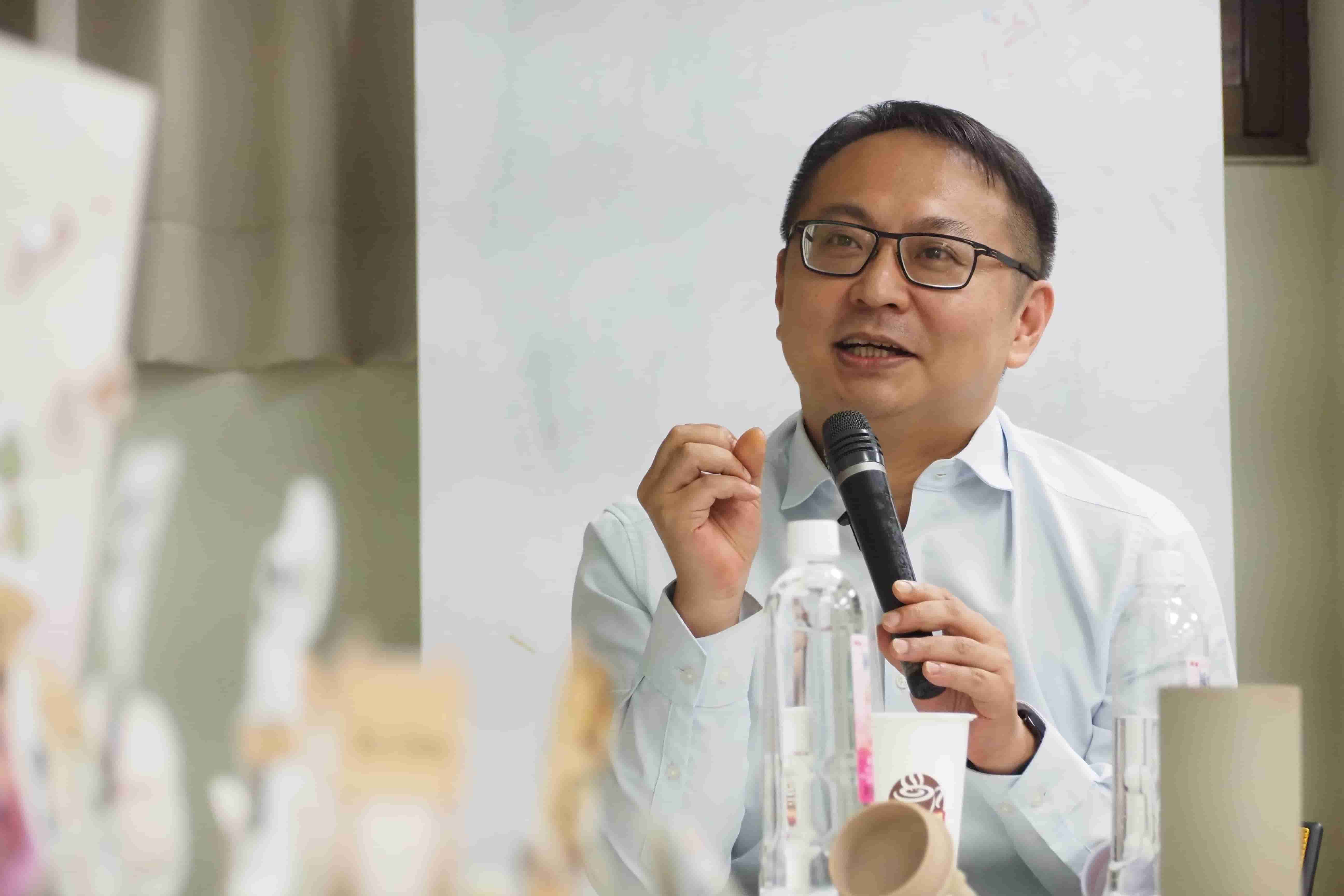
Dr. Chieh-Hsiu Liu from the Department of Geriatrics and Gerontology at NCKU Hospital
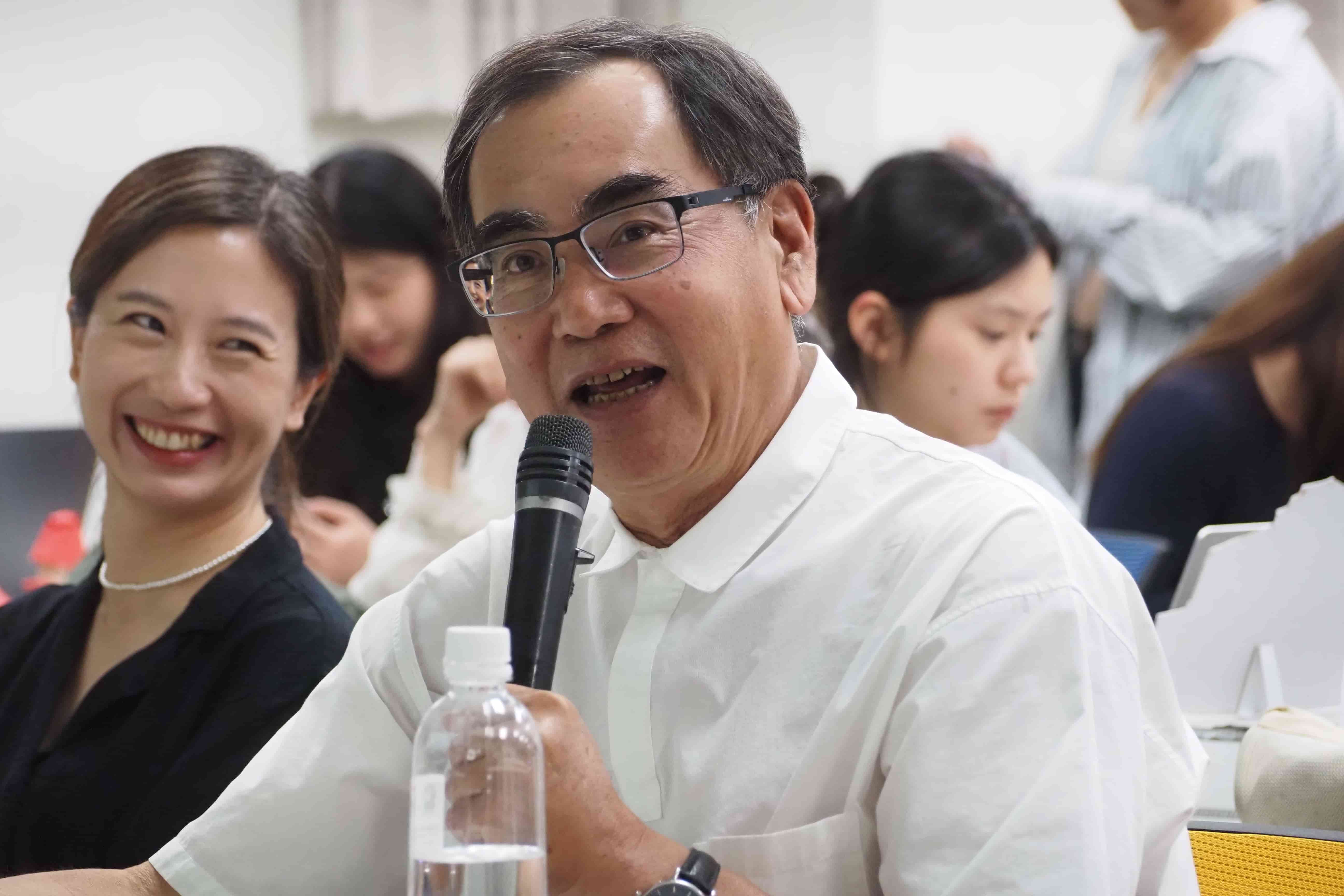
Chung-li Yeh, Executive Director of the Tainan Confucius Temple Cultural Foundation
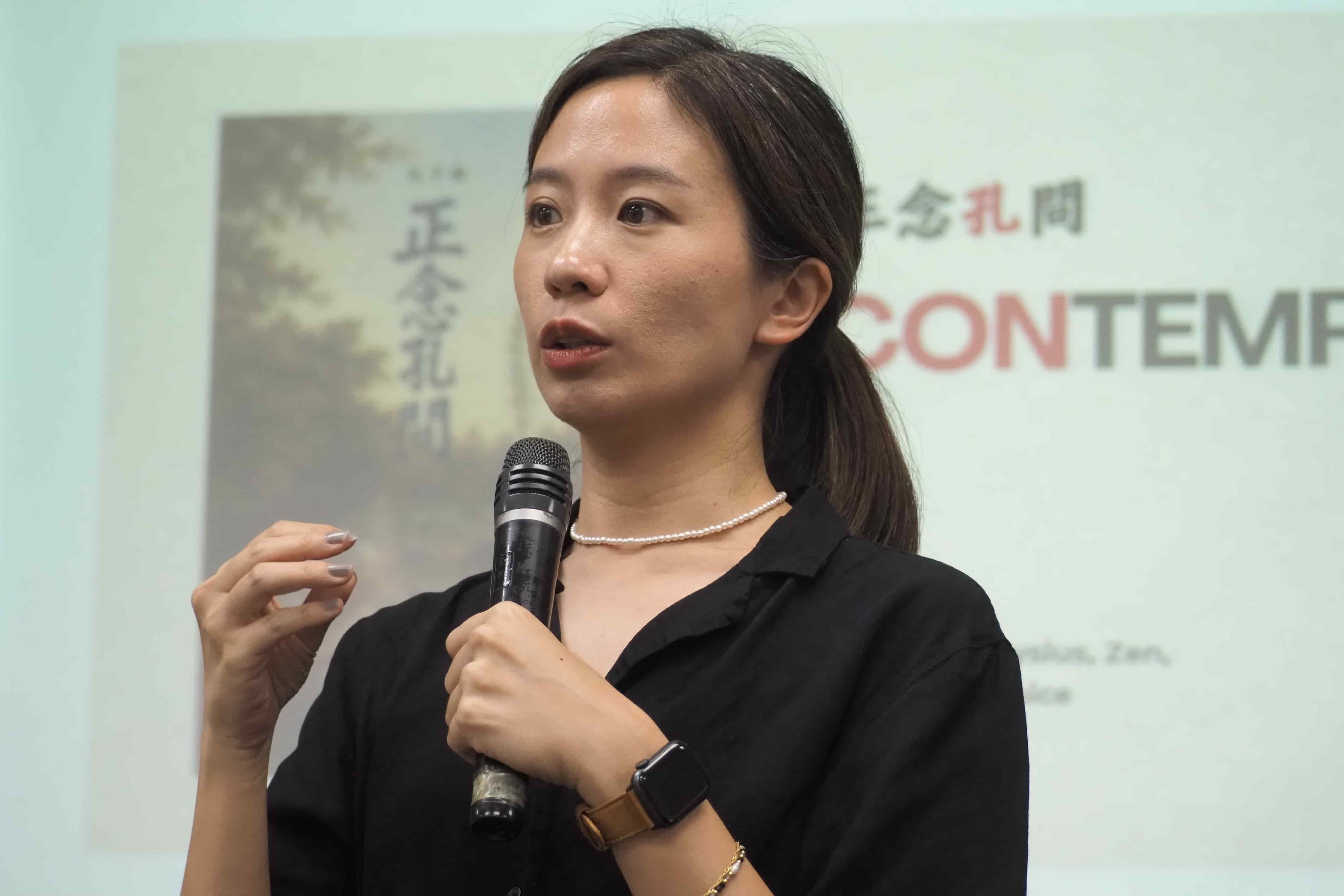
Professor Yi-Hsuan Wang from the Department of Architecture at NCKU
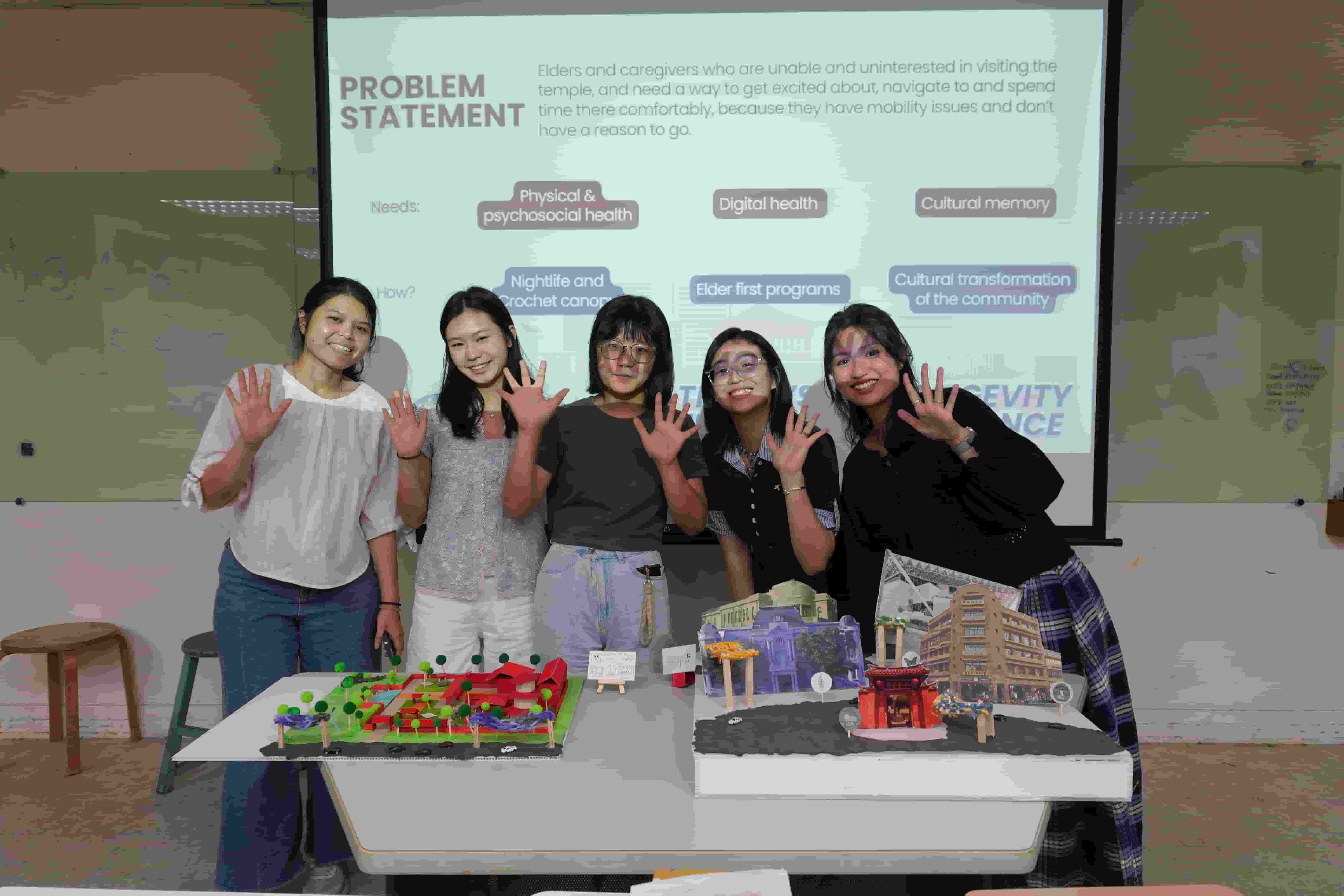
Joanne Pang (far right), an SMU psychology student, shared that Tainan is a city brimming with culture and energy. She added that collaborating with NCKU peers on prototype modeling and discussions provided fresh inspiration drawn from vastly different life experiences.
SDG11The NCKU Museum’s exhibition "Reading NCKU: Campus Buildings Constructed During the US Aid Period" and Campus Bookstore Opening
View more
SDG11NCKU Unveils New Dongning Student Dormitory, Setting a New Model for Campus Living that Connects the Community and the City
View more