

SDG3
From Smart Hospitals to Smart Cities: NCKU Hospital Draws on Japanese Experience to Drive Innovation at NCKU Shalun Medical Park
Faced with challenges such as aging populations, medical staffing shortages, and extreme weather, the deep integration of smart technology and healthcare services has become a key direction for healthcare system development. On October 5, Superintendent Keng-Fu Hsu of National Cheng Kung University Hospital led a delegation to Japan for on-site visits to medical institutions, research institutes, technology companies, architectural design firms, and smart cities, as well as to attend Medical Japan. The delegation gained insights into trends in AI smart healthcare, caregiving robots, hospital automation, and healthcare building resilience, hoping to draw on Japan's experience as an important reference for advancing smart healthcare transformation and planning the NCKU Shalun Medical Service and Innovation Park.
Combining AI and Automation to Enhance Medical Efficiency and Care Quality
The delegation first visited Keio University Hospital to learn about applications such as medication-picking robots, WHILL autonomous wheelchairs, and AI-assisted specimen interpretation, exploring the potential of integrating smart technology into clinical workflows to improve medical efficiency and patient safety. They then visited the AIST Kashiwa Research Center to learn about caregiving robots and geriatric technology research, where a seal-shaped caregiving robot provides emotional companionship through voice, movement, and interaction, demonstrating the potential of applying technology to elder care and mental health.
In smart logistics, the delegation visited Mitsubishi Electric and St. Marianna University School of Medicine Hospital to learn about the MELDY hospital logistics transport robot and its integration with elevators, access controls, and hospital management systems. Through automated delivery and process optimization, it helps reduce repetitive tasks, allowing healthcare professionals to dedicate more time to patient care.
Strengthening Healthcare Building Resilience to Create a Safe and Sustainable Medical Environment
The delegation exchanged views with Nikken Sekkei on topics such as hospital seismic resistance, flood prevention, equipment redundancy, and flexible spatial layout, exploring how to incorporate disaster prevention, infection control, mechanical and electrical backup, and sustainable operations into overall healthcare building planning to enhance hospitals' ability to maintain services during disasters and emergencies.
In addition, the delegation visited Kashiwa-no-ha Smart City (UDCK) and Takanawa KDDI Gateway to observe applications of cross-sector collaboration, smart management, robotics, and data analytics in urban governance and infrastructure, and attended Medical Japan to grasp industry development trends in artificial intelligence, smart care, medical equipment, and hospital automation, broadening their international perspective on smart healthcare.
Integrating Industry-Academia-Research Strengths to Chart the Blueprint for the Shalun Medical Innovation Park
NCKU Hospital stated that the core of smart healthcare lies not only in introducing advanced equipment, but also in integrating clinical needs, information systems, and operational processes, using evidence-based evaluation so technology genuinely translates into medical quality and service effectiveness. Moving forward, it will combine National Cheng Kung University's research strengths in medicine, engineering, information technology, and artificial intelligence to deepen industry-academia-research collaboration and explore opportunities in age-friendly care, smart logistics, and innovative medical services.
NCKU Hospital emphasized that the NCKU Shalun Medical Service and Innovation Park is not only an expansion of medical space and service capacity, but also a vital opportunity to advance smart healthcare, technology validation, and cross-disciplinary innovation. Going forward, it will draw on Japan's experience to incorporate smart technology, healthcare building resilience, elder care, and sustainability concepts into the overall planning stage, gradually building a smart healthcare environment that combines clinical care, research innovation, industry linkages, and community health services to continuously improve medical quality and service effectiveness and fulfill patient-centered holistic care.

Visiting Kashiwa-no-ha Smart City (UDCK) to gain experience in smart cities and cross-sector collaboration
Meeting with Nikken Sekkei to explore healthcare building resilience and sustainable development

Visiting Keio University Hospital to exchange smart healthcare applications and clinical experience
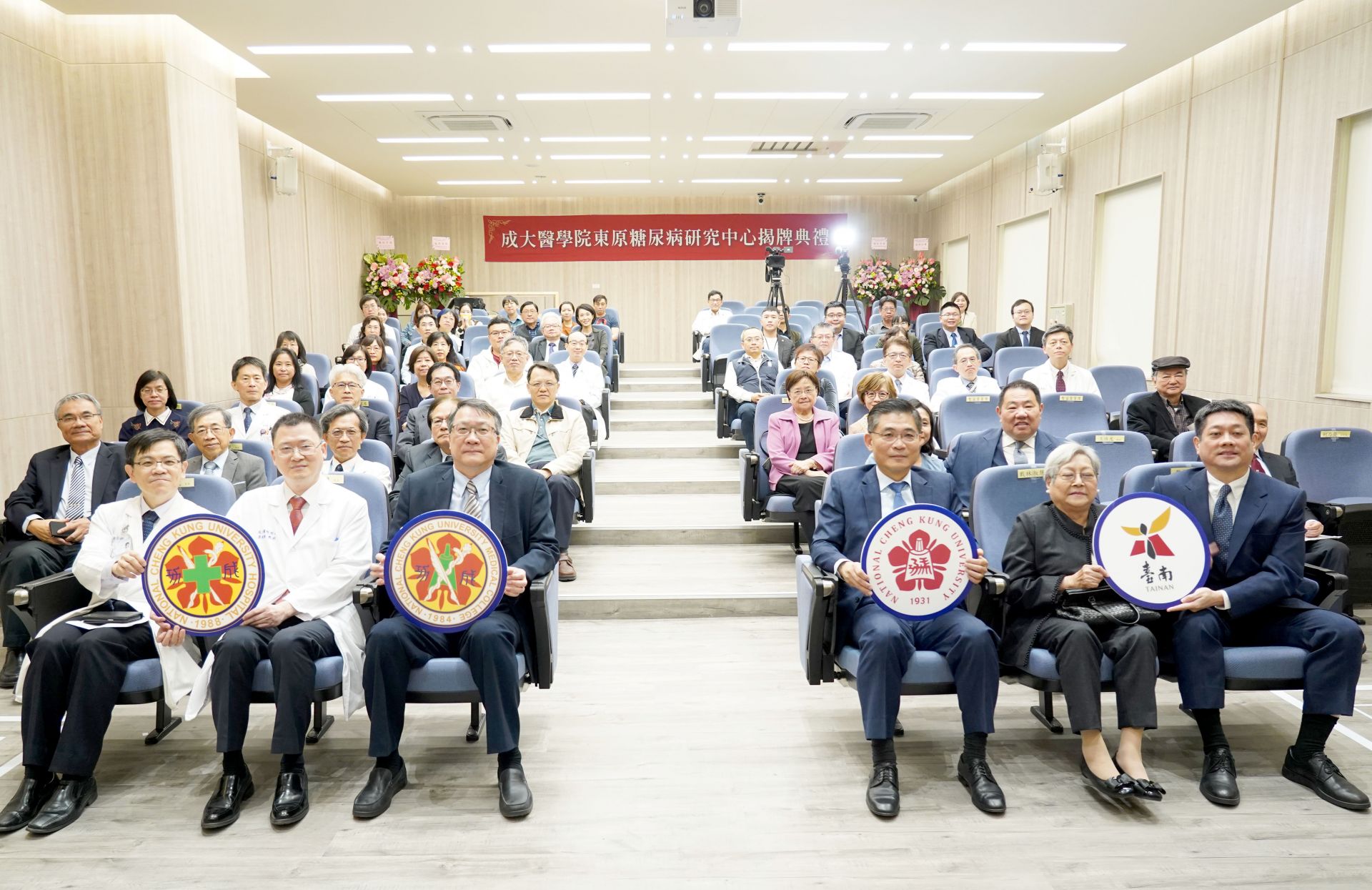
SDG3NCKU College of Medicine Unveils "Tongyuan Diabetes Research Center": Linking Research and Clinical Practice
View more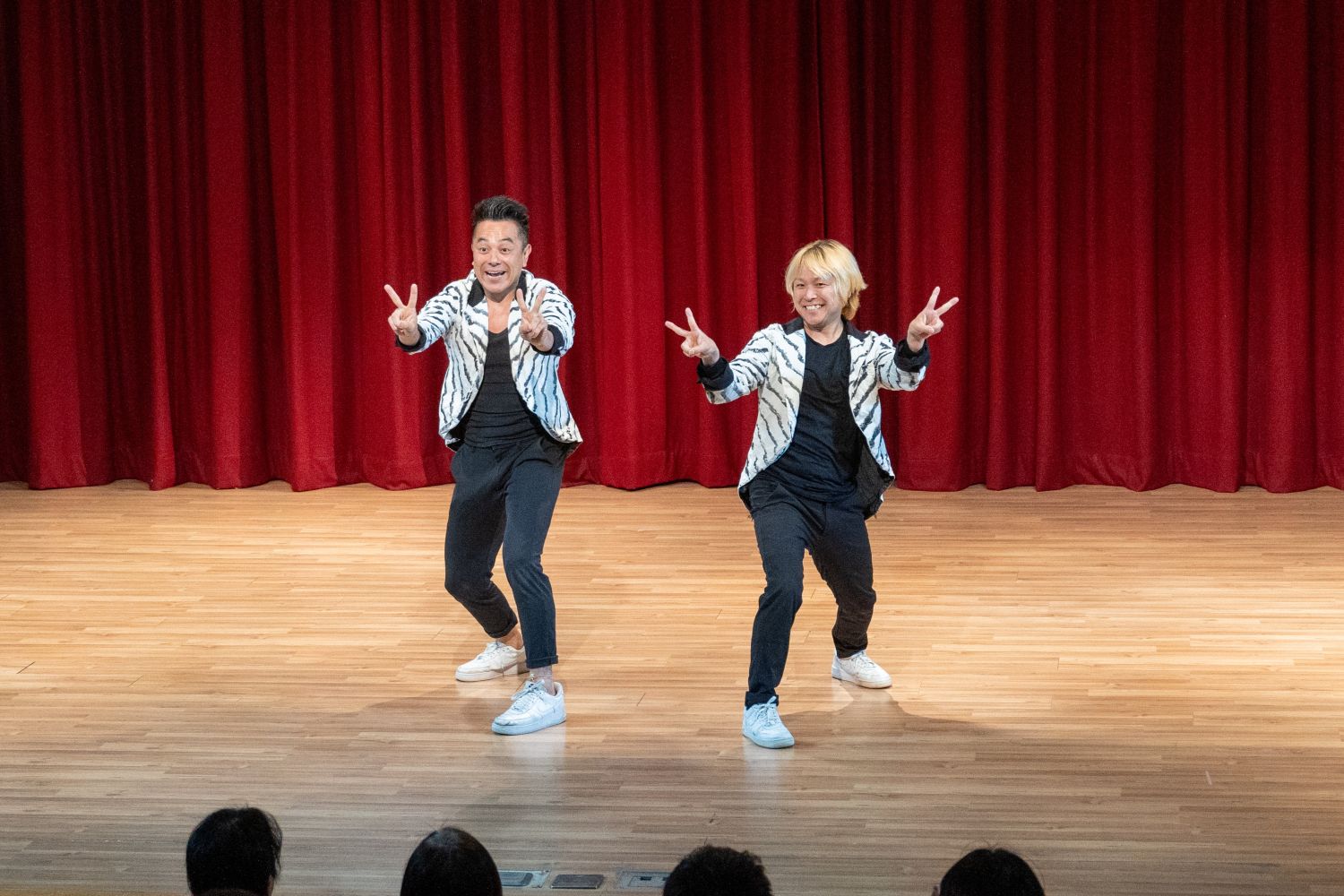
SDG3Japanese GABEZ Dance Mime Performs at NCKU, Sparking Imagination Through Physical Expression
View more