



SDG3
Striving for Better Sleep—Sleep Foresight and Health Sustainability Forum to Advocate New Perspectives on Sleep Health Policy
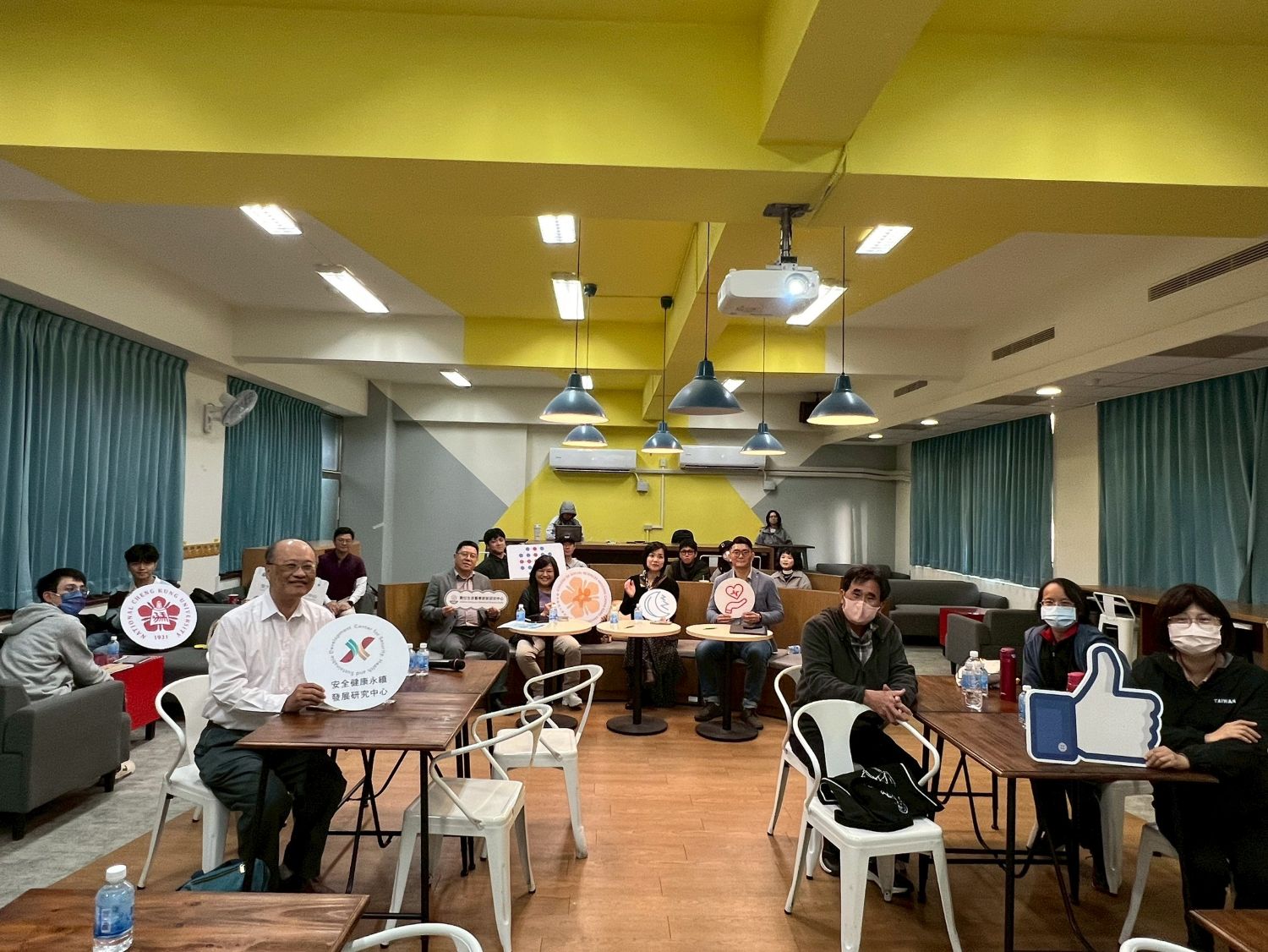
Sleep is the cornerstone of health and a critical factor for building a sustainable society. In response to the growing severity of sleep issues in modern society, the NCKU Center for Safety, Sustainability, and Health Development and the Center for Digital Biotechnology and Medical Innovation, in collaboration with the NCKU Sleep Medicine Center, held the Striving for Better Sleep: Sleep Foresight and Health Sustainability Forum on December 14. Centered on “Sleep Medicine and Health Sustainability,” the forum facilitated a cross-age, cross-domain dialogue spanning clinical care, community practices, and national policy, aiming to build consensus and promote more comprehensive sleep health policies.
The forum invited interdisciplinary experts including Dr. Tsung-Hua Lu (呂宗樺), Attending Physician at the Department of Psychiatry, NCKU Hospital; Associate Professor Yan-Chin Chen (陳嬿今) from the Department of Nursing, National Sun Yat-sen University; and Distinguished Professor Fu-Ren Hsiao (蕭富仁) from NCKU’s Department of Psychology, who shared frontline clinical experience and forward-looking research insights.
The event opened with Dr. Tsung-Hua Lu’s lecture titled “Day and Night in the Brain — Precision Assessment and Non-Pharmacological Treatment of Insomnia.” Dr. Lu emphasized that insomnia is not merely a physiological issue but highly interactive with psychological states, with each influencing the other. He further introduced sleep-related devices developed through interdisciplinary collaboration with NCKU’s Department of Computer Science and Department of Psychology and discussed common symptoms of insomnia along with practical recommendations for non-pharmacological interventions, offering diverse approaches to sleep medicine.
Associate Professor Yan-Chin Chen approached the topic from a public health perspective, stressing that sleep is a vital issue for population health and should be integrated into public health policy. Using the “3T Sleep Health Education” framework, she presented real-life clinical cases to illustrate simple and practical ways to improve sleep quality. She also guided participants in mindfulness breathing exercises to promote relaxation and facilitate sleep, emphasizing that consistency is the core of sleep health. To make sleep education more accessible and engaging, Professor Chen introduced innovative community outreach methods, including a self-designed sleep education game, which conveys health knowledge in an approachable and enjoyable way.
Distinguished Professor Fu-Ren Hsiao highlighted the neuroscience perspective, reminding participants that the brain is an irreplaceable organ and that chronic insomnia can lead to a range of neurological, psychiatric, and physiological comorbidities, with long-term impacts on overall health. He emphasized that sleep issues intersect medical, psychological, technological, and policy domains. Globally and domestically, many healthcare and national policies underestimate the economic loss caused by sleep disorders. Beyond long-term care policy, there is a need for targeted sleep health support and industry-related policy. Professor Hsiao stressed that only through integration across medical specialties and collaboration between industry, government, and academia can modern society’s sleep challenges be effectively addressed.
At the conclusion of the forum, participants actively engaged in discussion, raising questions on topics such as sleep-related depression and potential policy interventions, reflecting strong interest and interaction. The forum aimed to foster collaboration among medical professionals, researchers, and policymakers, raise public awareness of sleep health, and collectively contribute to building a healthier, more sustainable society.
The forum invited interdisciplinary experts including Dr. Tsung-Hua Lu (呂宗樺), Attending Physician at the Department of Psychiatry, NCKU Hospital; Associate Professor Yan-Chin Chen (陳嬿今) from the Department of Nursing, National Sun Yat-sen University; and Distinguished Professor Fu-Ren Hsiao (蕭富仁) from NCKU’s Department of Psychology, who shared frontline clinical experience and forward-looking research insights.
The event opened with Dr. Tsung-Hua Lu’s lecture titled “Day and Night in the Brain — Precision Assessment and Non-Pharmacological Treatment of Insomnia.” Dr. Lu emphasized that insomnia is not merely a physiological issue but highly interactive with psychological states, with each influencing the other. He further introduced sleep-related devices developed through interdisciplinary collaboration with NCKU’s Department of Computer Science and Department of Psychology and discussed common symptoms of insomnia along with practical recommendations for non-pharmacological interventions, offering diverse approaches to sleep medicine.
Associate Professor Yan-Chin Chen approached the topic from a public health perspective, stressing that sleep is a vital issue for population health and should be integrated into public health policy. Using the “3T Sleep Health Education” framework, she presented real-life clinical cases to illustrate simple and practical ways to improve sleep quality. She also guided participants in mindfulness breathing exercises to promote relaxation and facilitate sleep, emphasizing that consistency is the core of sleep health. To make sleep education more accessible and engaging, Professor Chen introduced innovative community outreach methods, including a self-designed sleep education game, which conveys health knowledge in an approachable and enjoyable way.
Distinguished Professor Fu-Ren Hsiao highlighted the neuroscience perspective, reminding participants that the brain is an irreplaceable organ and that chronic insomnia can lead to a range of neurological, psychiatric, and physiological comorbidities, with long-term impacts on overall health. He emphasized that sleep issues intersect medical, psychological, technological, and policy domains. Globally and domestically, many healthcare and national policies underestimate the economic loss caused by sleep disorders. Beyond long-term care policy, there is a need for targeted sleep health support and industry-related policy. Professor Hsiao stressed that only through integration across medical specialties and collaboration between industry, government, and academia can modern society’s sleep challenges be effectively addressed.
At the conclusion of the forum, participants actively engaged in discussion, raising questions on topics such as sleep-related depression and potential policy interventions, reflecting strong interest and interaction. The forum aimed to foster collaboration among medical professionals, researchers, and policymakers, raise public awareness of sleep health, and collectively contribute to building a healthier, more sustainable society.
Striving for Better Sleep: Sleep Foresight and Health Sustainability Forum
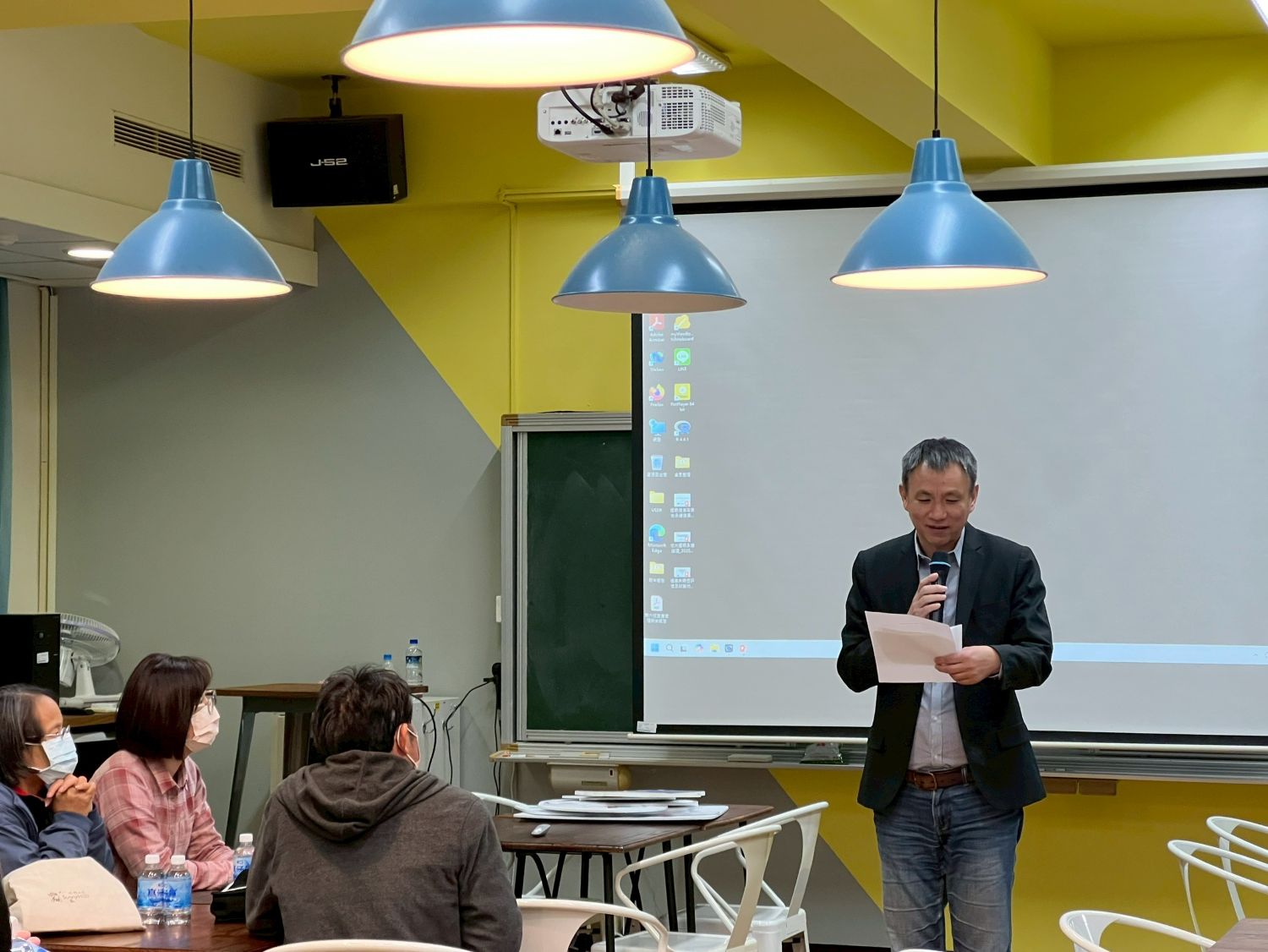
Dean Chun-Li Tsai of the College of Social Sciences delivered the opening remarks.
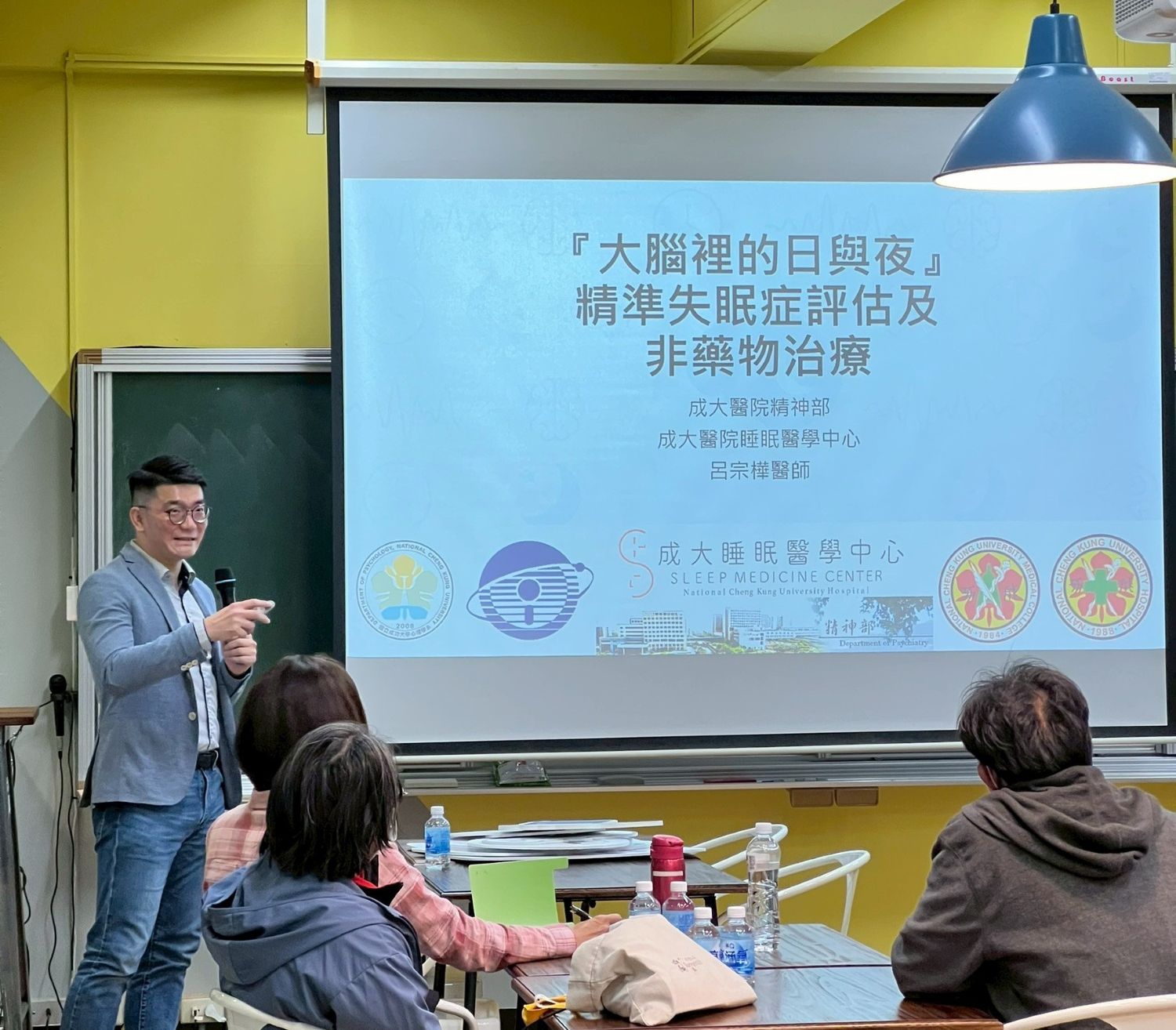
Dr. Tsung-Hua Lu delivered a lecture titled “Day and Night in the Brain — Precision Assessment and Non-Pharmacological Treatment of Insomnia.”
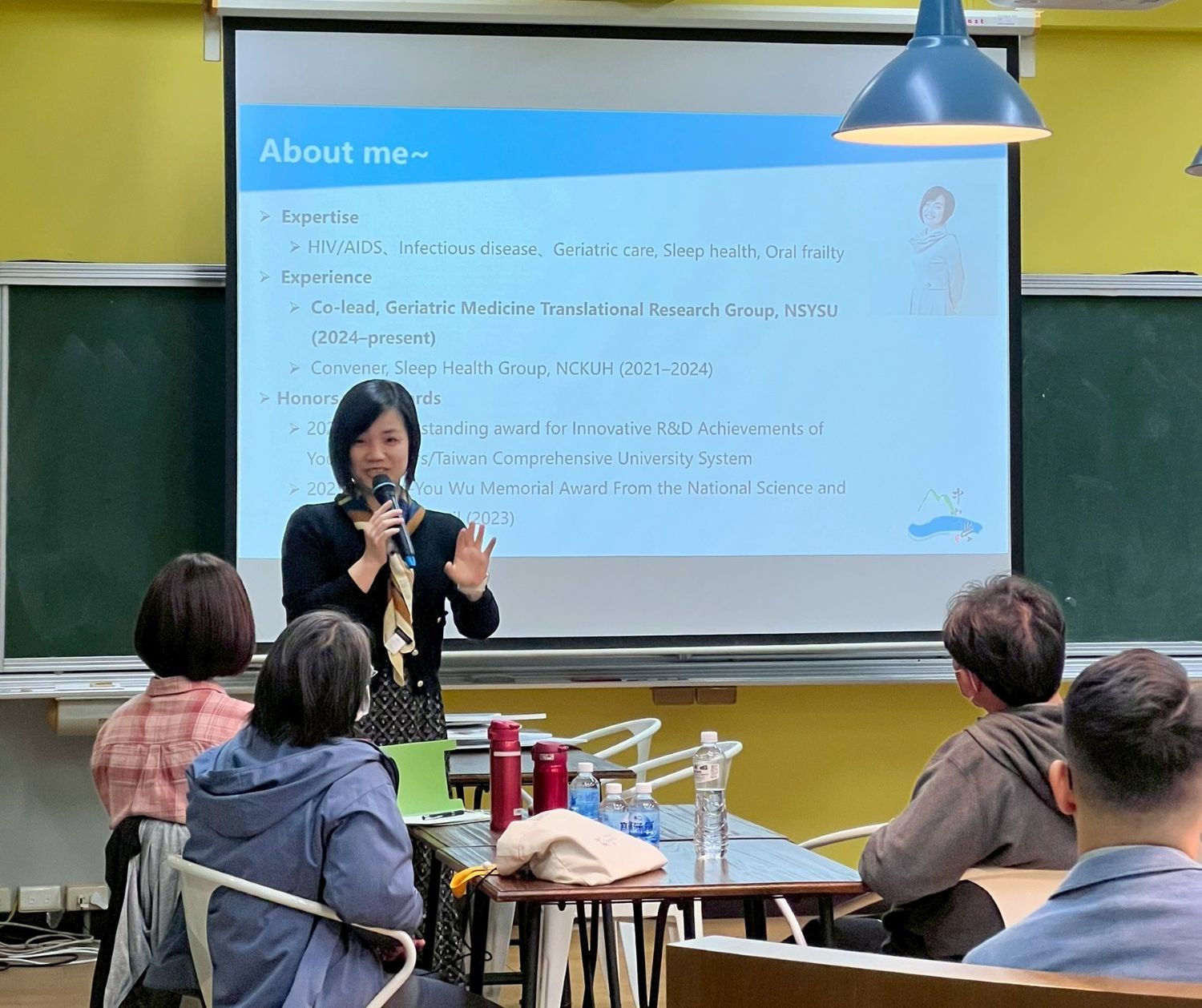
Associate Professor Yan-Chin Chen delivered a lecture titled “Driving Sustainable Health Through Sleep: From Clinical Evidence to Community Innovation.”
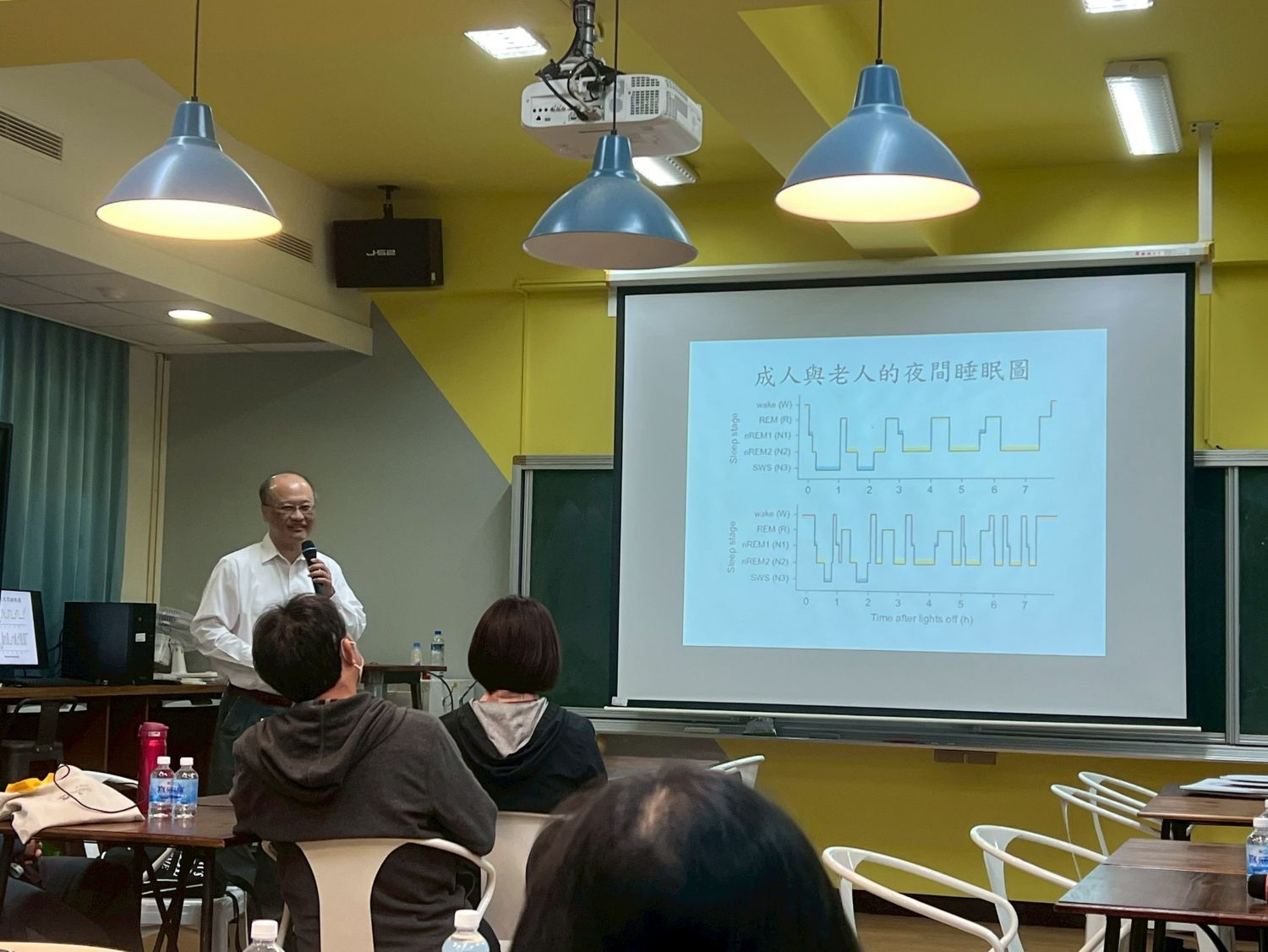
Distinguished Professor Fu-Ren Hsiao from NCKU’s Department of Psychology delivered a lecture titled “Advocating Sleep Medicine Policy in Sustainable Health Care.”