



SDG11
Ethnography Beyond the Classroom: Showcasing Multimodal Translational Learning in the Community through “Human & Object Studies”
Led by Professor Hui-Wen Lin of the Graduate Institute of Creative Industry Design at National Cheng Kung University (NCKU), the course project titled “Exploring University Social Responsibility through Collaborative Self-Ethnography: A Creative Project-Based Study on Cross-Cultural Identity in Lowland Hilly Areas” centered on the “Creative Ethnography” curriculum. Together with local partners—including the Neimen Muzha Ji-She Workshop, Tainan Zuozhen Gongguan Community Development Association, and the Neimen Muzha Branch of Kaohsiung Public Library—the team held an exhibition from January 10 to 17 at the Neimen Muzha Branch of the Kaohsiung Public Library. The event, themed “Siraya Delicacies Most Cherished”—a micro-exhibition of “Human & Object Studies” with shared tea tasting—kicked off on January 10, bringing Siraya culture and life stories into a public reading space for close engagement with the community.
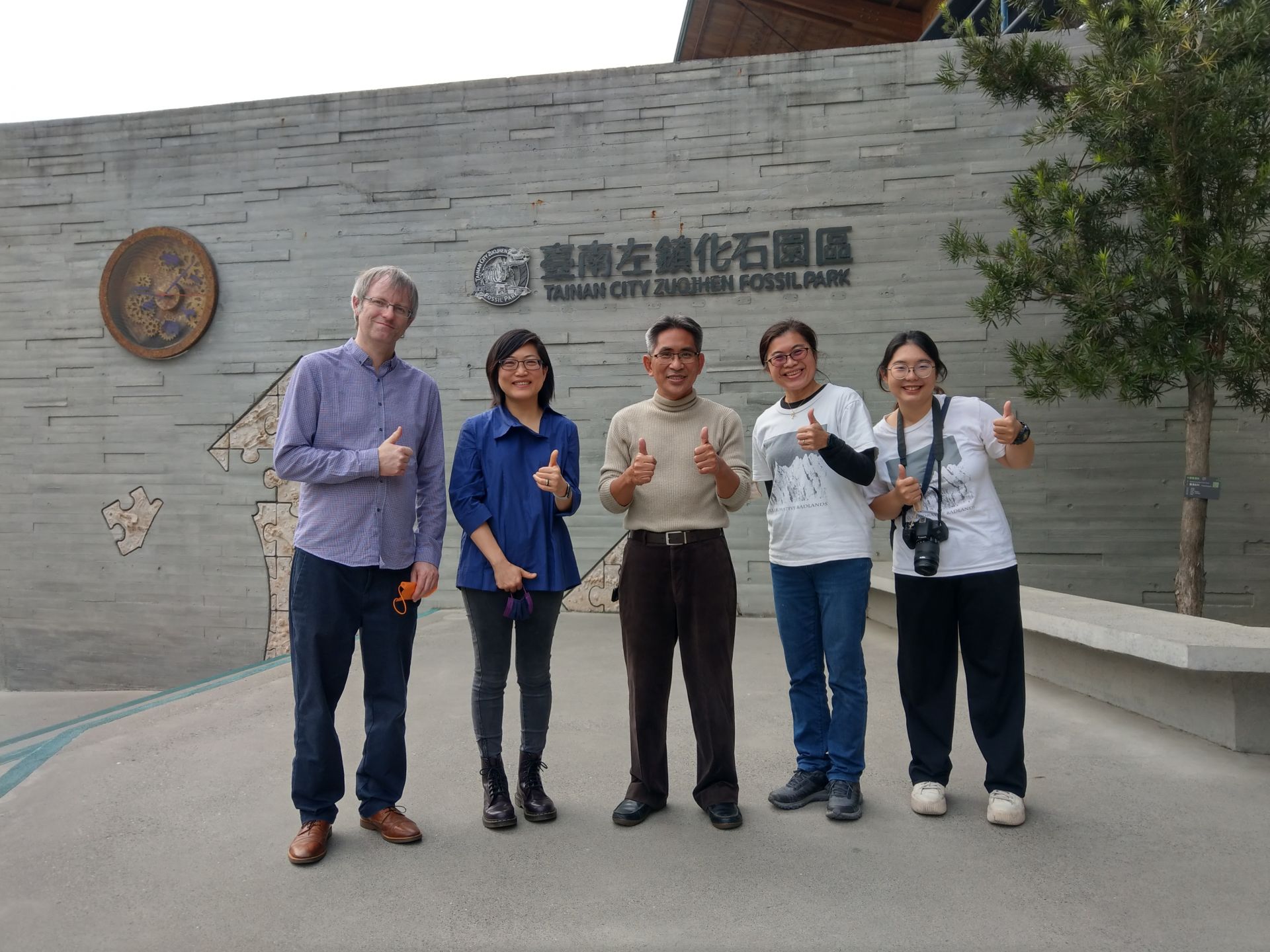
The project team, composed of graduate and undergraduate students from Taiwan and countries including Germany, Croatia, Turkey, Indonesia, Hong Kong, and China, conducted in-depth fieldwork in the lowland hilly areas of Neimen, Kaohsiung, and Zuozhen, Tainan. Through ethnographic methods, the collection of interactive data, and creative practices, students, in collaboration with local residents, explored cultural memory, life experiences, and cross-cultural identity. While understanding the life histories of others, students also reflected on their own growth and cultural identities, making the process a journey of self-reflection and dialogue. The exhibition was inspired by 16th–17th century symbolic still life painting (vanitas) and the work of New York artist Jeanette May, particularly her Tech Vanitas photography series, using multimodal approaches from technology, craft, and art to present contemporary human narratives.
The exhibition features the Siraya cultural contexts of Neimen Muzha, Kaohsiung, and Zuozhen, Tainan. Students collaborated with local elders and young adults to create the Human & Object Studies Micro-Exhibition, presenting miniature life stories of 12 local elders, tribal youth, and returning migrants. These works document individual life journeys as well as historical memory and lived experience, highlighting the deep connections among people, objects, and memory.
Hong-Wei Lin, Acting District Chief of Neimen, commented that the exhibition resembles a microcosm of the United Nations and praised NCKU students and faculty for deeply uncovering local stories. Neimen is a place of diverse cultures, where ethnic groups, industries, and lifestyles shape a unique local landscape. By integrating Siraya culture, local narratives, and creative design, the exhibition not only highlights local culture but also demonstrates Neimen’s distinctive charm, helping visitors better understand the land and its life stories.
The Neimen Muzha Branch of Kaohsiung Public Library noted that the library serves not only as a place to read books but also as a public space that connects local culture and preserves life memories. Through collaboration with academic institutions and local communities, residents’ life stories are seen and heard, making the library a platform for intergenerational exchange and cultural sharing, further strengthening its role in local service and cultural promotion.
Professor Hui-Wen Lin, course project leader and curator, expressed her gratitude for the support from the Ministry of Education, which allows continued local engagement through teaching practice research grants. The NCKU “Lowland Hilly Areas Collaborative USR” project provided additional funding to effectively connect resources and networks. Professor Lin emphasized that community work requires depth and trust, and each engagement presents multiple challenges. Throughout the collaboration, students and faculty reflect on university social responsibility and their roles, asking: “In entering the community, what is my positional identity?” and “As university faculty and students, how can we appropriately enact and practice our roles in the community?” She summarized the exhibition: “The micro-exhibition serves as a mirror, allowing the community to see themselves through the students’ perspectives. The two communities see each other reflected in this mirror, and students reflect on their own identities within a multicultural context, creating a co-learning process that empowers all participants.”
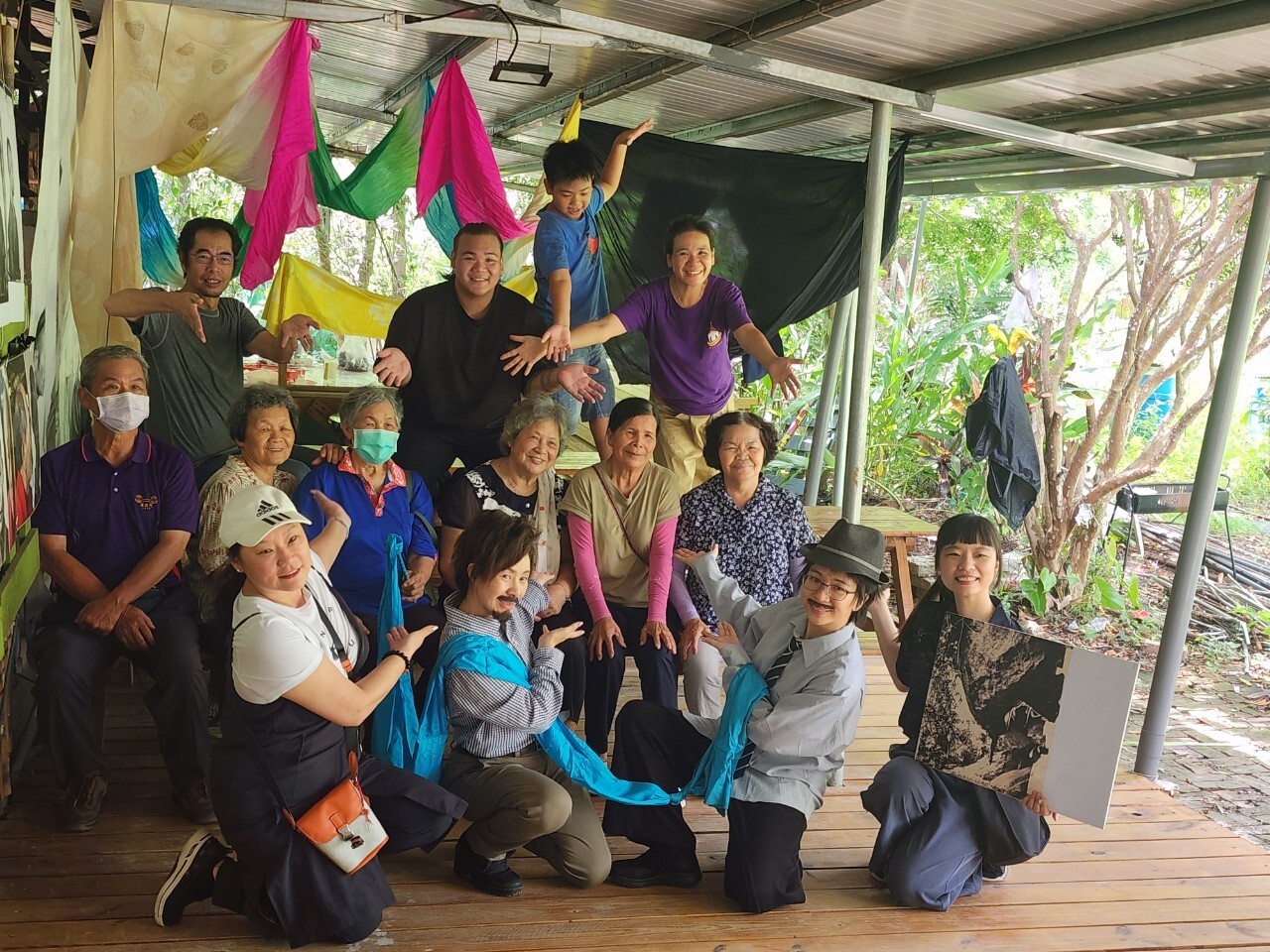
On the day of the exhibition, community members, faculty, students, and guests were invited to enjoy local handmade delicacies from Neimen and Zuozhen, using taste and conversation to bring people closer. The event not only showcased course learning outcomes but also embodied a cross-generational cultural journey, moving from the field to the library, from ‘you’ to ‘we’, and amplifying the life stories of Neimen and Zuozhen.
“Siraya Delicacies Most Cherished” – Neimen & Zuozhen Dual-Community “Human & Object Studies” Micro-Exhibition
Exhibition Dates: January 10–17, 2026, 9:00 AM – 5:00 PM
Venue: Neimen Muzha Branch, Kaohsiung Public Library (No. 3-1, Muzha Village, Neimen District, Kaohsiung City)
The project team, composed of graduate and undergraduate students from Taiwan and countries including Germany, Croatia, Turkey, Indonesia, Hong Kong, and China, conducted in-depth fieldwork in the lowland hilly areas of Neimen, Kaohsiung, and Zuozhen, Tainan. Through ethnographic methods, the collection of interactive data, and creative practices, students, in collaboration with local residents, explored cultural memory, life experiences, and cross-cultural identity. While understanding the life histories of others, students also reflected on their own growth and cultural identities, making the process a journey of self-reflection and dialogue. The exhibition was inspired by 16th–17th century symbolic still life painting (vanitas) and the work of New York artist Jeanette May, particularly her Tech Vanitas photography series, using multimodal approaches from technology, craft, and art to present contemporary human narratives.
The exhibition features the Siraya cultural contexts of Neimen Muzha, Kaohsiung, and Zuozhen, Tainan. Students collaborated with local elders and young adults to create the Human & Object Studies Micro-Exhibition, presenting miniature life stories of 12 local elders, tribal youth, and returning migrants. These works document individual life journeys as well as historical memory and lived experience, highlighting the deep connections among people, objects, and memory.
Hong-Wei Lin, Acting District Chief of Neimen, commented that the exhibition resembles a microcosm of the United Nations and praised NCKU students and faculty for deeply uncovering local stories. Neimen is a place of diverse cultures, where ethnic groups, industries, and lifestyles shape a unique local landscape. By integrating Siraya culture, local narratives, and creative design, the exhibition not only highlights local culture but also demonstrates Neimen’s distinctive charm, helping visitors better understand the land and its life stories.
The Neimen Muzha Branch of Kaohsiung Public Library noted that the library serves not only as a place to read books but also as a public space that connects local culture and preserves life memories. Through collaboration with academic institutions and local communities, residents’ life stories are seen and heard, making the library a platform for intergenerational exchange and cultural sharing, further strengthening its role in local service and cultural promotion.
Professor Hui-Wen Lin, course project leader and curator, expressed her gratitude for the support from the Ministry of Education, which allows continued local engagement through teaching practice research grants. The NCKU “Lowland Hilly Areas Collaborative USR” project provided additional funding to effectively connect resources and networks. Professor Lin emphasized that community work requires depth and trust, and each engagement presents multiple challenges. Throughout the collaboration, students and faculty reflect on university social responsibility and their roles, asking: “In entering the community, what is my positional identity?” and “As university faculty and students, how can we appropriately enact and practice our roles in the community?” She summarized the exhibition: “The micro-exhibition serves as a mirror, allowing the community to see themselves through the students’ perspectives. The two communities see each other reflected in this mirror, and students reflect on their own identities within a multicultural context, creating a co-learning process that empowers all participants.”
On the day of the exhibition, community members, faculty, students, and guests were invited to enjoy local handmade delicacies from Neimen and Zuozhen, using taste and conversation to bring people closer. The event not only showcased course learning outcomes but also embodied a cross-generational cultural journey, moving from the field to the library, from ‘you’ to ‘we’, and amplifying the life stories of Neimen and Zuozhen.
“Siraya Delicacies Most Cherished” – Neimen & Zuozhen Dual-Community “Human & Object Studies” Micro-Exhibition
Exhibition Dates: January 10–17, 2026, 9:00 AM – 5:00 PM
Venue: Neimen Muzha Branch, Kaohsiung Public Library (No. 3-1, Muzha Village, Neimen District, Kaohsiung City)
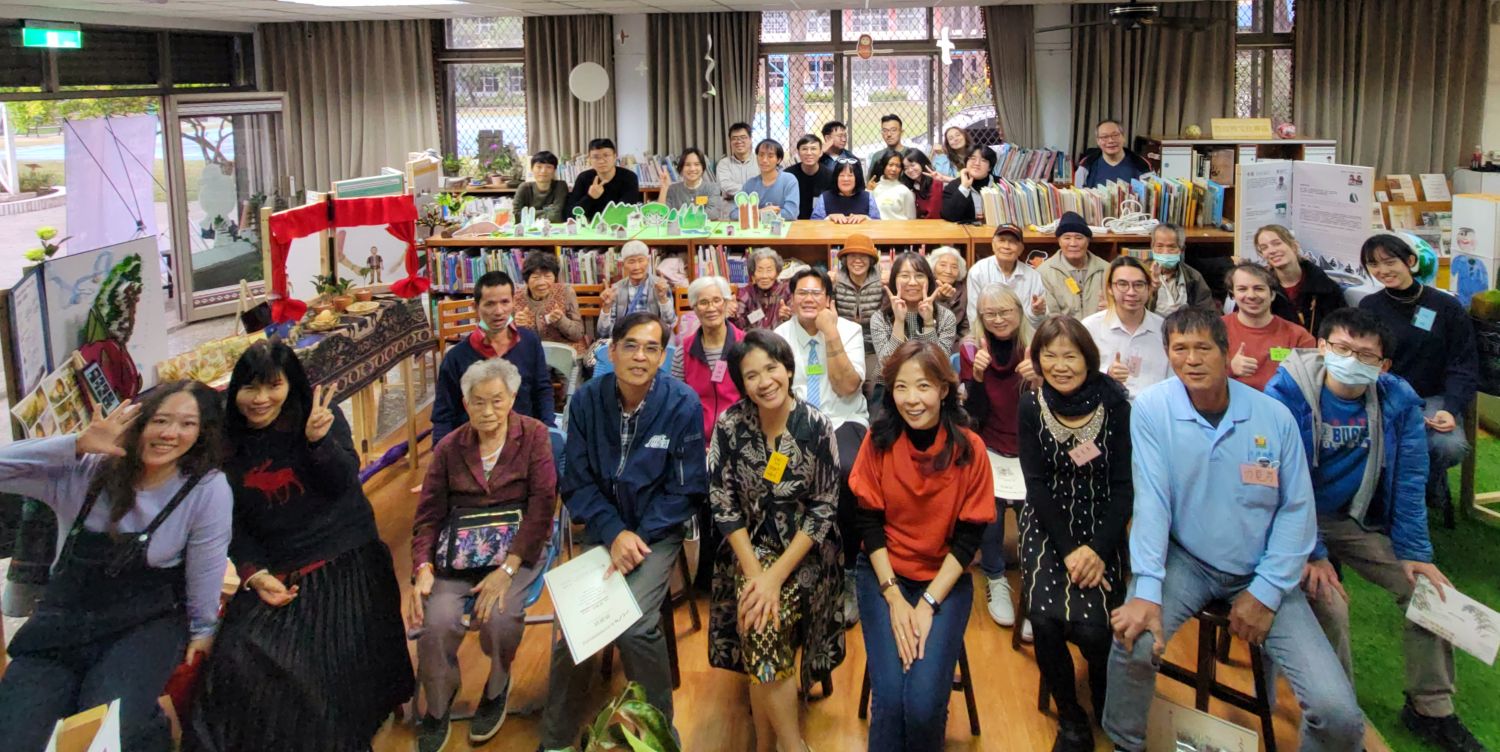
Group photo at the event opening.
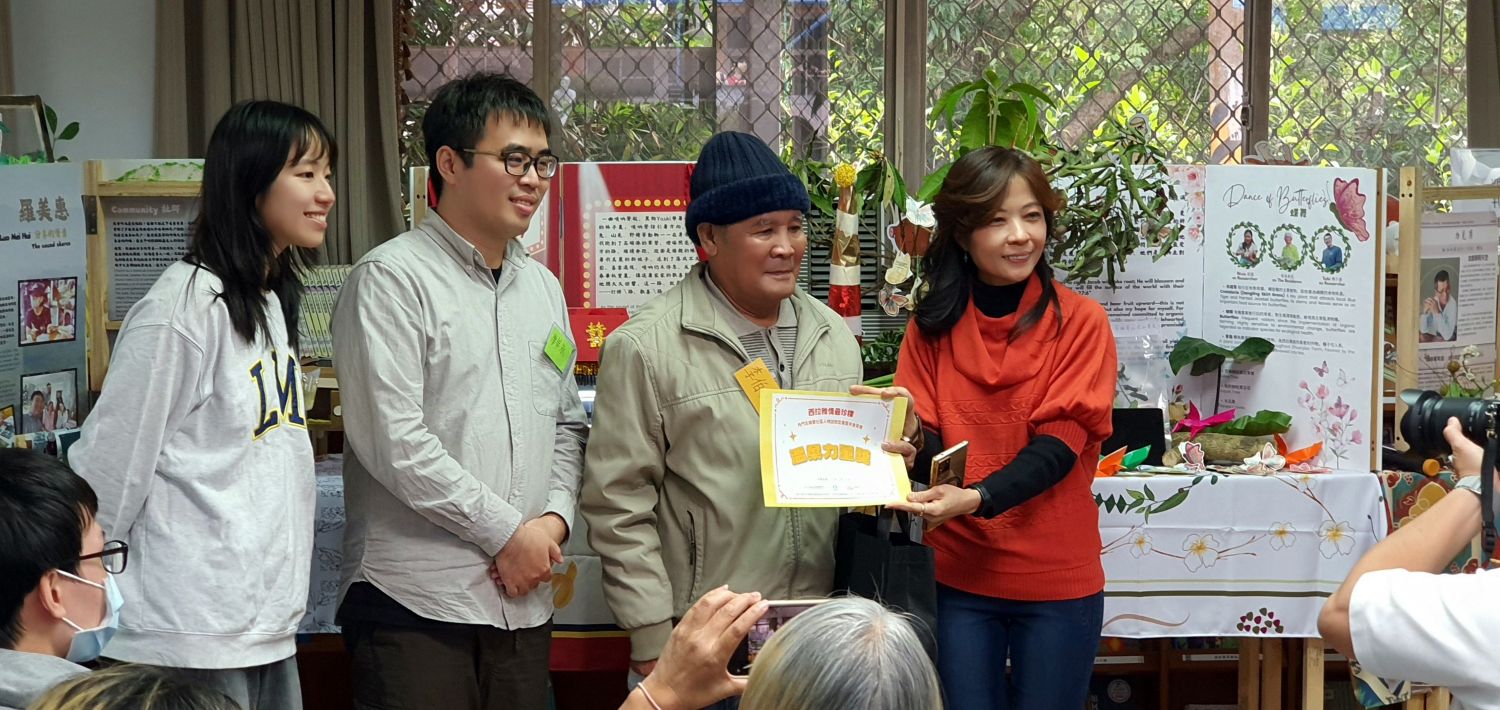
A representative from the Zuozhen community won the on-site popular vote award.
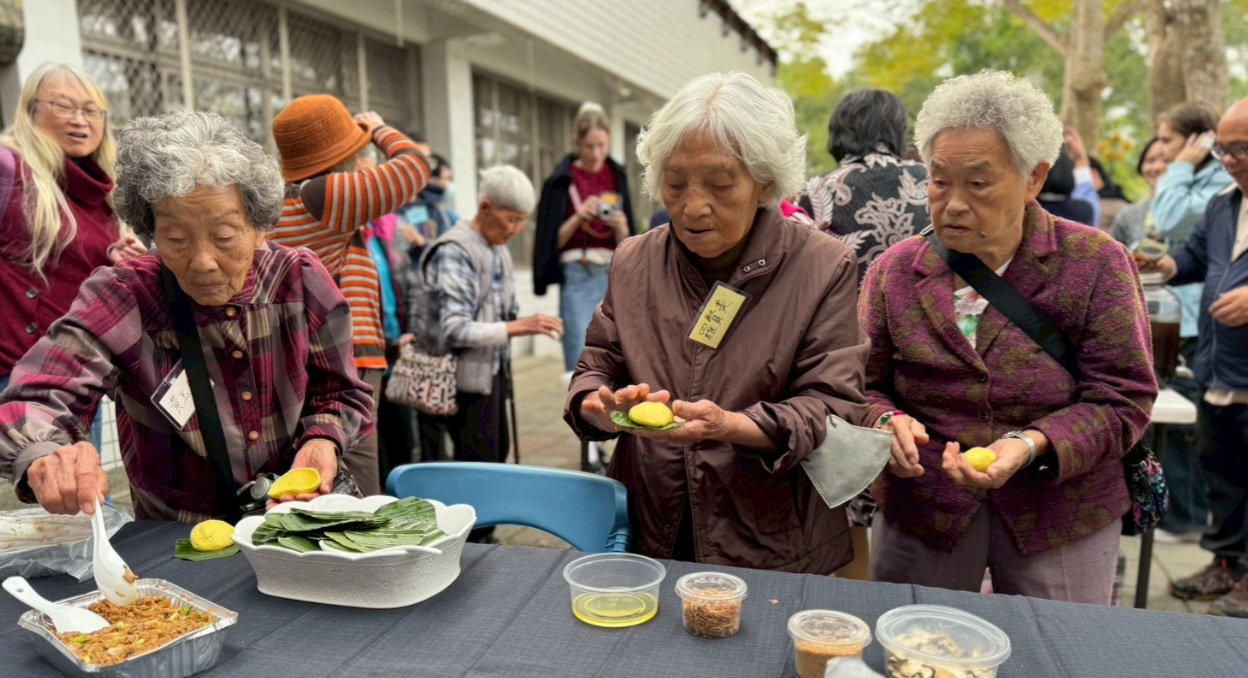
Elders from different communities demonstrated and exchanged local culinary secrets with one another.