



SDG4
Rooted Above the Clouds, Illuminating Chiayi Xiding: Co-Learning for Community Sustainability and Local Revitalization
Xi-ding (隙頂) refers to the top of a gap between two mountains. When clouds and mist flow into this 1,300-meter-high pass, what we see is not only the breathtaking scenery along the Alishan Highway but also how a local settlement struggles to carve out a livable space amidst changing times and regulatory constraints.
1. Origin: From “Passerby” to “Relational Residents”
This course was not merely a theoretical exercise on paper, but a university social responsibility practice rooted in genuine “understanding.”
Taught jointly by Dean Chun-Li Tsai (蔡群立) of the College of Social Sciences and Chair Wan-Ju Yeh (葉婉如) of the Department of Law at National Cheng Kung University (NCKU), the course Mountain City Co-Learning: Sustainable Development and Local Revitalization Practice in Chiayi Xi-ding Community brought together faculty, students, and experts from multiple disciplines and sectors. The core question of the course was sharp and direct: Xi-ding has long been regarded merely as a “transit stop” on the way to Alishan—how can it become a “destination” where people are willing to linger?
Before starting, students were guided by Huang Chun-Wei, Secretary-General of the Xi-ding Community Development Association, and Chair Chen Shan-Hong to confront the structural challenges behind Xi-ding’s picturesque landscape:
(1). Aging population: Limited medical resources, with mobile clinics visiting only once a week, making aging a burden.
(2). Invisible industry: Although Xi-ding produces high-quality tea, its identity is long overshadowed by the “Alishan Tea (阿里山茶)” brand, lacking local recognition.
(3). Land constraints: 90% of the land is owned by the National Property Administration, imposing strict regulatory limits on transformation and public construction.
(4). Environmental risk: Situated in a high-risk landslide zone, survival safety and economic development are constantly in tension.
The course’s aim was not to “save” the community from a position of superiority but to learn how to listen and show respect before taking action.
2. Preparation: Using Data and Technology as the Eyes of Action
Prior to fieldwork, two professional lectures were arranged to equip students with foundational “method preparation.”
The first lecture, delivered by Section Chief Huang of the Youth Affairs Section at the Tainan City Government Research, Development, and Evaluation Commission, focused on practical aspects of local revitalization proposals. Huang emphasized that the era of merely seeking activity and spectacle is over; what matters is whether proposals address core local issues and can sustain over the long term. Projects must focus clearly, identify stakeholders, and understand who benefits and who bears costs. He repeatedly stressed that all judgments must be evidence-based, supported by data, interviews, or field observations, and must honestly confront execution, funding, regulations, and sustainability, rather than aiming for one-off “firework-like results.”
The second lecture, given by Analyst Xiu-Chi from the Tainan Smart Development Center, was titled “AI Connecting Urban and Rural Areas: Reshaping Mountain Governance and Sustainable Thinking.” From urban governance to rural realities, the lecture emphasized that AI is not for show—it is a tool to ensure that rural needs are seen and addressed. Technology can organize data and amplify understanding but cannot replace human value judgment nor speak for local communities.
Both lectures reinforced the same principle: understanding and respecting the community must precede action, while providing essential baseline knowledge before entering the field.
3. Fieldwork: Immersing in Life Amidst Clouds and Mist
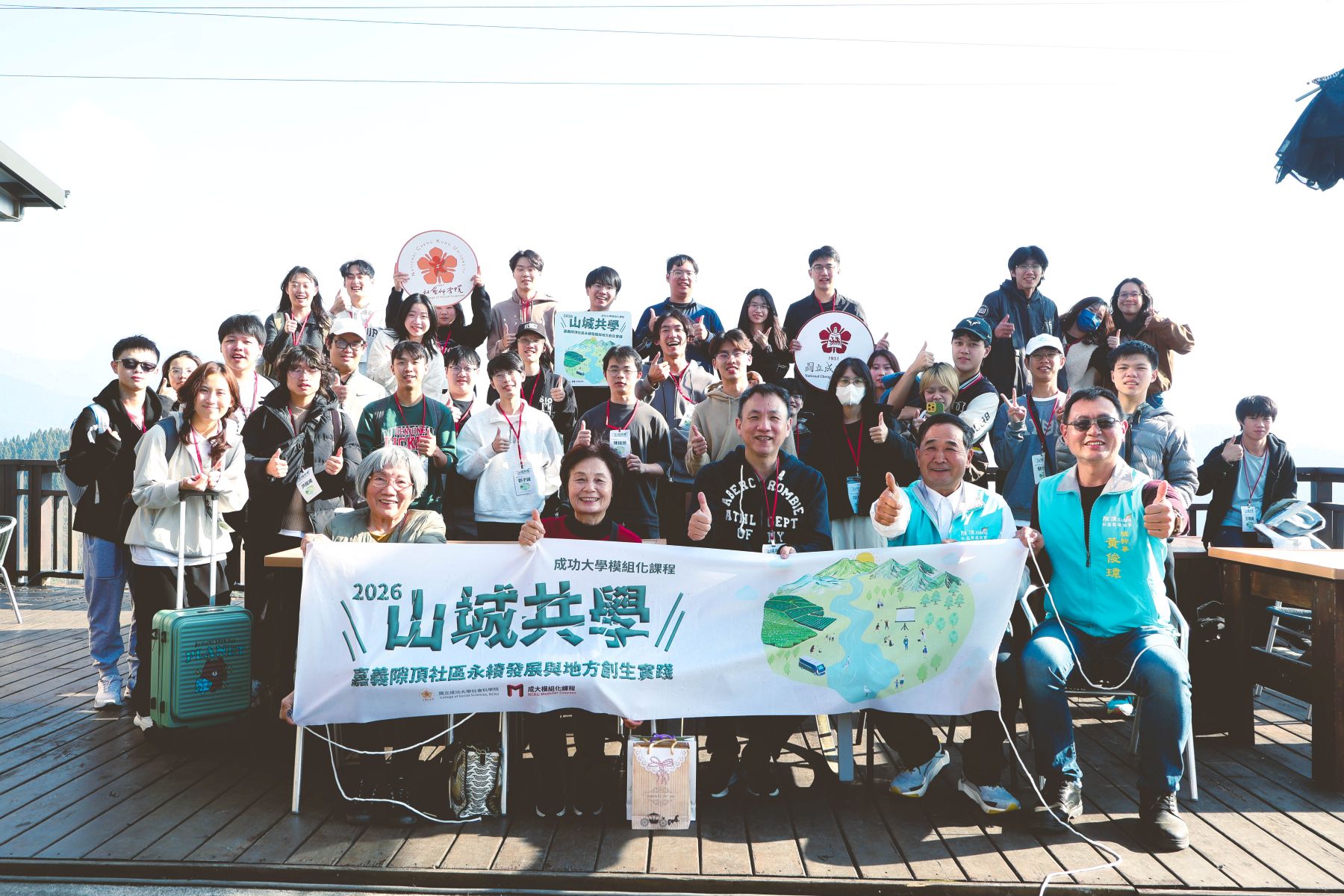
From January 13 to 14, NCKU faculty and students ascended along the Alishan Highway for a two-day, one-night field study. As the sea of clouds surged and the sunset turned Er-Yan-Ping Mountain golden, eight student groups explored four major topics, visiting health clinics, tea plantations, and local households. They observed the challenges faced by local medical facilities and experienced firsthand the labor and market negotiations behind every cup of tea.
Through this journey, Xi-ding transformed from a cold geographic term in a presentation to a tangible, lived reality. Students realized that the scenery is compelling precisely because it is inseparable from residents’ daily lives, and every problem to be solved affects real people.
4. Response: Finding Gentle Solutions Within Constraints
After fieldwork and data analysis, the January 16 presentation became a deep, cross-sector dialogue among industry, government, academia, and residents. Under the review of Dean Chun-Li Tsai, former Deputy Director Mei-Ling Hsiao (蕭美玲), Secretary-General Chun-Wei Huang (黃俊偉), Longevity Association Chair Hsiu-Mei Luo (羅秀梅), and Business Circle Chair Ching-Shan Liu (劉青山), the eight student groups proposed creative and feasible solutions across four main topics.
Community Population and Health Care: Students observed that nearly 60% of Xi-ding’s population is elderly, yet medical and transportation resources are limited to the once-weekly “Thursday mobile clinic.” One group proposed reorganizing this day around the rhythm of elderly life: morning activities at the community center and school, communal lunch, and afternoon medical visits, integrating care into social life. To address transportation challenges and digital divides, they suggested an AI-optimized “Happiness Bus” complemented by low-tech “Health Markers” for volunteers to check on isolated seniors.
Reframing the Role of the Elderly: Some groups proposed having elders become community tour guides or share tea culture and life experience with children on campus, fostering intergenerational learning. Students realized that what seniors often need most is not care itself, but to feel needed.
Industrial Transformation: Xi-ding has long been a transit stop, with visitors stopping briefly but rarely lingering. Students proposed a digital tourism map centered on Xi-ding, integrating scattered shop information, establishing 24-hour unmanned stores, and introducing a stamp collection program to make visits purposeful and enjoyable. They calculated that converting tea purchases into stay-and-experience itineraries could boost local economic output beyond agricultural products alone.
Product Innovation: Students suggested lowering the entry barrier to tea culture for younger generations with concepts like tea-infused desserts and hand-shaken tea beverages.
Environment and Disaster Prevention: Tea residues and pruned waste, long seen as burdens, could be converted into catechin-based cosmetics or cleaning products, with remaining residues returned to tea gardens in a circular approach. For dying bamboo forests, students proposed biochar technology to reduce wildfire risk and improve soil quality. Regarding landslide-prone areas, they emphasized that transparent data and community briefings can replace one-way restrictions, using science to ease anxiety. For monkey-human conflicts, students suggested electric fencing, sound deterrents, and food dispersal to reduce encounters.
5. Conclusion: Rooted Above the Clouds
During the feedback session, community representatives added another layer of weight to the event. Business Circle Chair Ching-Shan Liu noted that students accurately highlighted structural pain points like land regulations and insufficient public facilities, providing valuable reference for future government advocacy. Longevity Association Chair Hsiu-Mei Luo shared her experience combining agriculture with international branding, appreciating the students’ understanding of storytelling and cultural productization, and thanked them for bringing long-awaited vitality to the community.
Former Deputy Director Hsiao summarized by emphasizing the concepts of “relational residents” and “dual-place living,” hoping students need not permanently stay in Xi-ding but can act as long-term “seeds,” contributing expertise and companionship over time.
At the close of the presentation, students reflected on their experiences. Some realized that the problems they studied were not in handouts but embedded in people’s daily lives; others found being embraced by residents’ warmth the most memorable part. As one student remarked:
"Rooted above the clouds, illuminating Xi-ding’s reverse migration path with starry tea."
The presentation was not only a showcase of learning outcomes but also a collective exercise in imagining the future. Between the mountains, answers are still forming—but dialogue has already begun.
1. Origin: From “Passerby” to “Relational Residents”
This course was not merely a theoretical exercise on paper, but a university social responsibility practice rooted in genuine “understanding.”
Taught jointly by Dean Chun-Li Tsai (蔡群立) of the College of Social Sciences and Chair Wan-Ju Yeh (葉婉如) of the Department of Law at National Cheng Kung University (NCKU), the course Mountain City Co-Learning: Sustainable Development and Local Revitalization Practice in Chiayi Xi-ding Community brought together faculty, students, and experts from multiple disciplines and sectors. The core question of the course was sharp and direct: Xi-ding has long been regarded merely as a “transit stop” on the way to Alishan—how can it become a “destination” where people are willing to linger?
Before starting, students were guided by Huang Chun-Wei, Secretary-General of the Xi-ding Community Development Association, and Chair Chen Shan-Hong to confront the structural challenges behind Xi-ding’s picturesque landscape:
(1). Aging population: Limited medical resources, with mobile clinics visiting only once a week, making aging a burden.
(2). Invisible industry: Although Xi-ding produces high-quality tea, its identity is long overshadowed by the “Alishan Tea (阿里山茶)” brand, lacking local recognition.
(3). Land constraints: 90% of the land is owned by the National Property Administration, imposing strict regulatory limits on transformation and public construction.
(4). Environmental risk: Situated in a high-risk landslide zone, survival safety and economic development are constantly in tension.
The course’s aim was not to “save” the community from a position of superiority but to learn how to listen and show respect before taking action.
2. Preparation: Using Data and Technology as the Eyes of Action
Prior to fieldwork, two professional lectures were arranged to equip students with foundational “method preparation.”
The first lecture, delivered by Section Chief Huang of the Youth Affairs Section at the Tainan City Government Research, Development, and Evaluation Commission, focused on practical aspects of local revitalization proposals. Huang emphasized that the era of merely seeking activity and spectacle is over; what matters is whether proposals address core local issues and can sustain over the long term. Projects must focus clearly, identify stakeholders, and understand who benefits and who bears costs. He repeatedly stressed that all judgments must be evidence-based, supported by data, interviews, or field observations, and must honestly confront execution, funding, regulations, and sustainability, rather than aiming for one-off “firework-like results.”
The second lecture, given by Analyst Xiu-Chi from the Tainan Smart Development Center, was titled “AI Connecting Urban and Rural Areas: Reshaping Mountain Governance and Sustainable Thinking.” From urban governance to rural realities, the lecture emphasized that AI is not for show—it is a tool to ensure that rural needs are seen and addressed. Technology can organize data and amplify understanding but cannot replace human value judgment nor speak for local communities.
Both lectures reinforced the same principle: understanding and respecting the community must precede action, while providing essential baseline knowledge before entering the field.
3. Fieldwork: Immersing in Life Amidst Clouds and Mist
From January 13 to 14, NCKU faculty and students ascended along the Alishan Highway for a two-day, one-night field study. As the sea of clouds surged and the sunset turned Er-Yan-Ping Mountain golden, eight student groups explored four major topics, visiting health clinics, tea plantations, and local households. They observed the challenges faced by local medical facilities and experienced firsthand the labor and market negotiations behind every cup of tea.
Through this journey, Xi-ding transformed from a cold geographic term in a presentation to a tangible, lived reality. Students realized that the scenery is compelling precisely because it is inseparable from residents’ daily lives, and every problem to be solved affects real people.
4. Response: Finding Gentle Solutions Within Constraints
After fieldwork and data analysis, the January 16 presentation became a deep, cross-sector dialogue among industry, government, academia, and residents. Under the review of Dean Chun-Li Tsai, former Deputy Director Mei-Ling Hsiao (蕭美玲), Secretary-General Chun-Wei Huang (黃俊偉), Longevity Association Chair Hsiu-Mei Luo (羅秀梅), and Business Circle Chair Ching-Shan Liu (劉青山), the eight student groups proposed creative and feasible solutions across four main topics.
Community Population and Health Care: Students observed that nearly 60% of Xi-ding’s population is elderly, yet medical and transportation resources are limited to the once-weekly “Thursday mobile clinic.” One group proposed reorganizing this day around the rhythm of elderly life: morning activities at the community center and school, communal lunch, and afternoon medical visits, integrating care into social life. To address transportation challenges and digital divides, they suggested an AI-optimized “Happiness Bus” complemented by low-tech “Health Markers” for volunteers to check on isolated seniors.
Reframing the Role of the Elderly: Some groups proposed having elders become community tour guides or share tea culture and life experience with children on campus, fostering intergenerational learning. Students realized that what seniors often need most is not care itself, but to feel needed.
Industrial Transformation: Xi-ding has long been a transit stop, with visitors stopping briefly but rarely lingering. Students proposed a digital tourism map centered on Xi-ding, integrating scattered shop information, establishing 24-hour unmanned stores, and introducing a stamp collection program to make visits purposeful and enjoyable. They calculated that converting tea purchases into stay-and-experience itineraries could boost local economic output beyond agricultural products alone.
Product Innovation: Students suggested lowering the entry barrier to tea culture for younger generations with concepts like tea-infused desserts and hand-shaken tea beverages.
Environment and Disaster Prevention: Tea residues and pruned waste, long seen as burdens, could be converted into catechin-based cosmetics or cleaning products, with remaining residues returned to tea gardens in a circular approach. For dying bamboo forests, students proposed biochar technology to reduce wildfire risk and improve soil quality. Regarding landslide-prone areas, they emphasized that transparent data and community briefings can replace one-way restrictions, using science to ease anxiety. For monkey-human conflicts, students suggested electric fencing, sound deterrents, and food dispersal to reduce encounters.
5. Conclusion: Rooted Above the Clouds
During the feedback session, community representatives added another layer of weight to the event. Business Circle Chair Ching-Shan Liu noted that students accurately highlighted structural pain points like land regulations and insufficient public facilities, providing valuable reference for future government advocacy. Longevity Association Chair Hsiu-Mei Luo shared her experience combining agriculture with international branding, appreciating the students’ understanding of storytelling and cultural productization, and thanked them for bringing long-awaited vitality to the community.
Former Deputy Director Hsiao summarized by emphasizing the concepts of “relational residents” and “dual-place living,” hoping students need not permanently stay in Xi-ding but can act as long-term “seeds,” contributing expertise and companionship over time.
At the close of the presentation, students reflected on their experiences. Some realized that the problems they studied were not in handouts but embedded in people’s daily lives; others found being embraced by residents’ warmth the most memorable part. As one student remarked:
"Rooted above the clouds, illuminating Xi-ding’s reverse migration path with starry tea."
The presentation was not only a showcase of learning outcomes but also a collective exercise in imagining the future. Between the mountains, answers are still forming—but dialogue has already begun.
The modular course “Mountain City Co-Learning: Sustainable Development and Local Revitalization Practice in Chiayi Xi-ding Community” guides interdisciplinary faculty and students to engage deeply with the Xi-ding community in Chiayi.
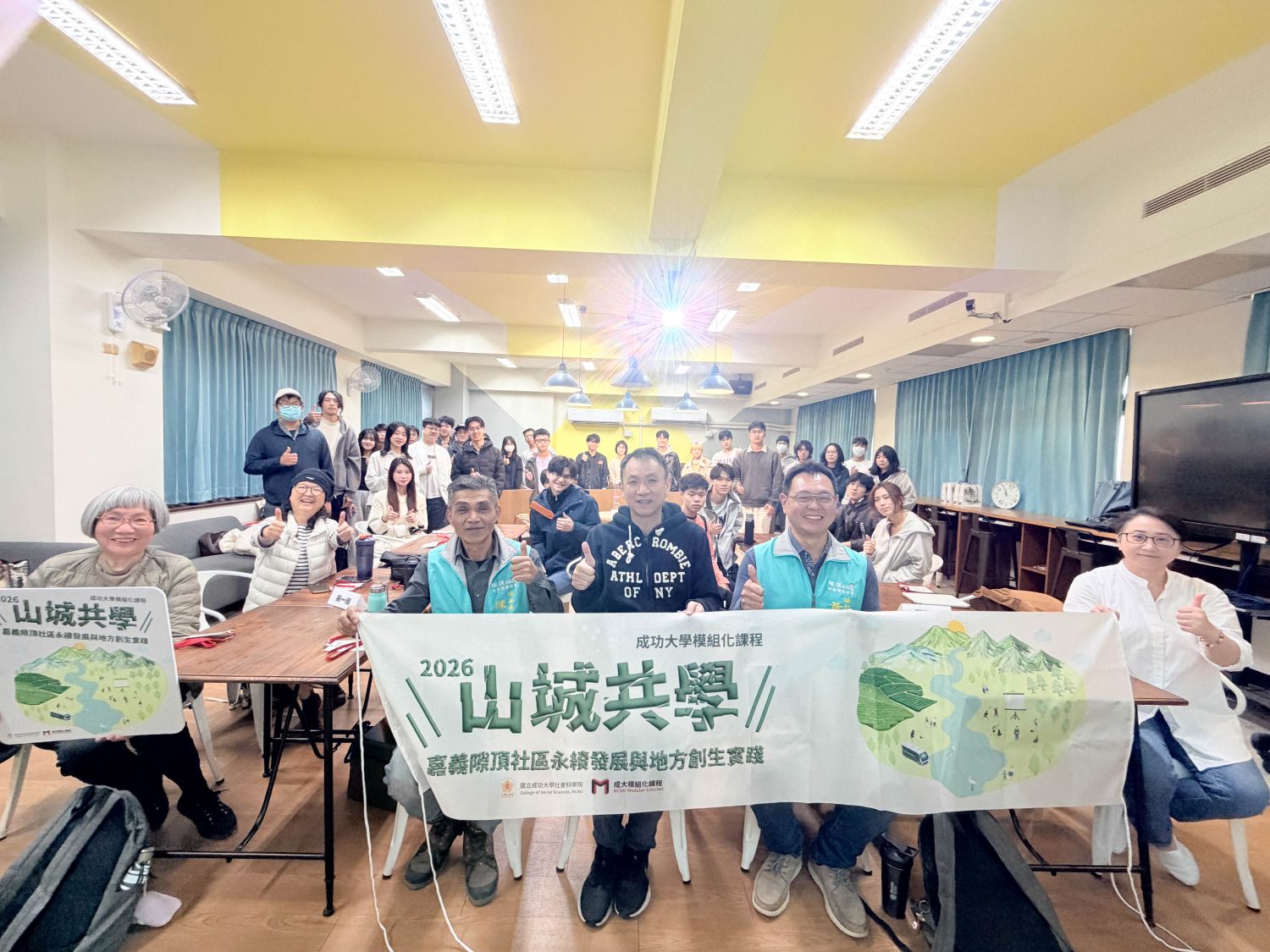
The course centers on “University Social Responsibility in Practice,” integrating local revitalization initiatives with AI-driven governance thinking to foster multi-stakeholder dialogue among industry, government, academia, and the community.
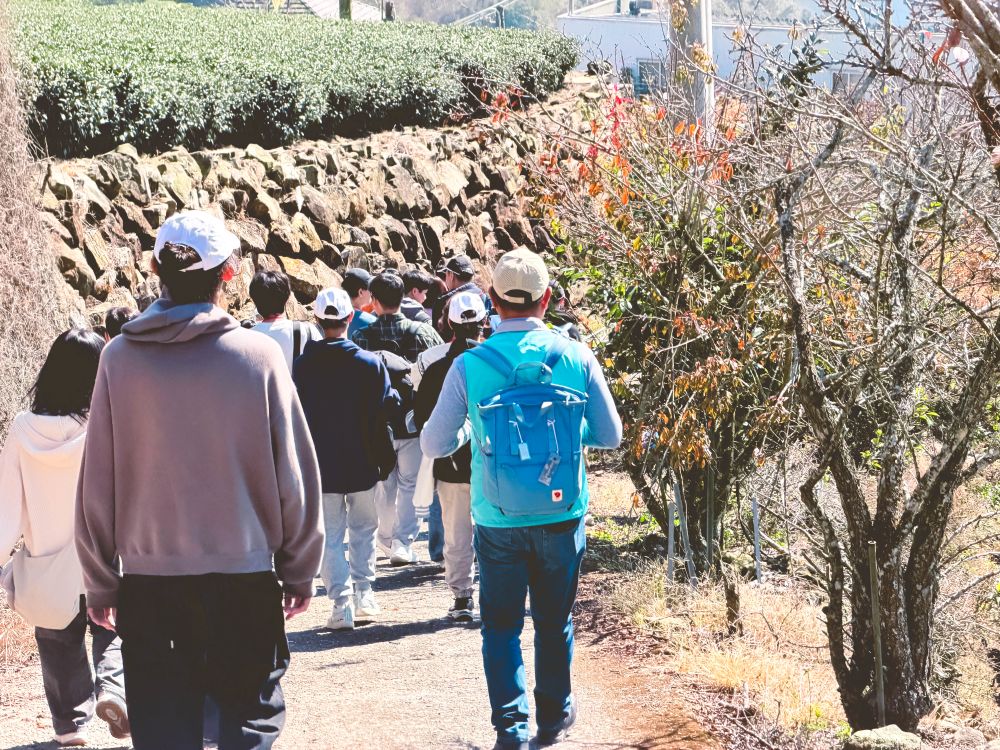
Faculty and students went deep into Xi-ding, Chiayi, conducting fieldwork and action-based learning to address key local issues such as an aging population, invisible industries, land regulation constraints, and environmental risks.
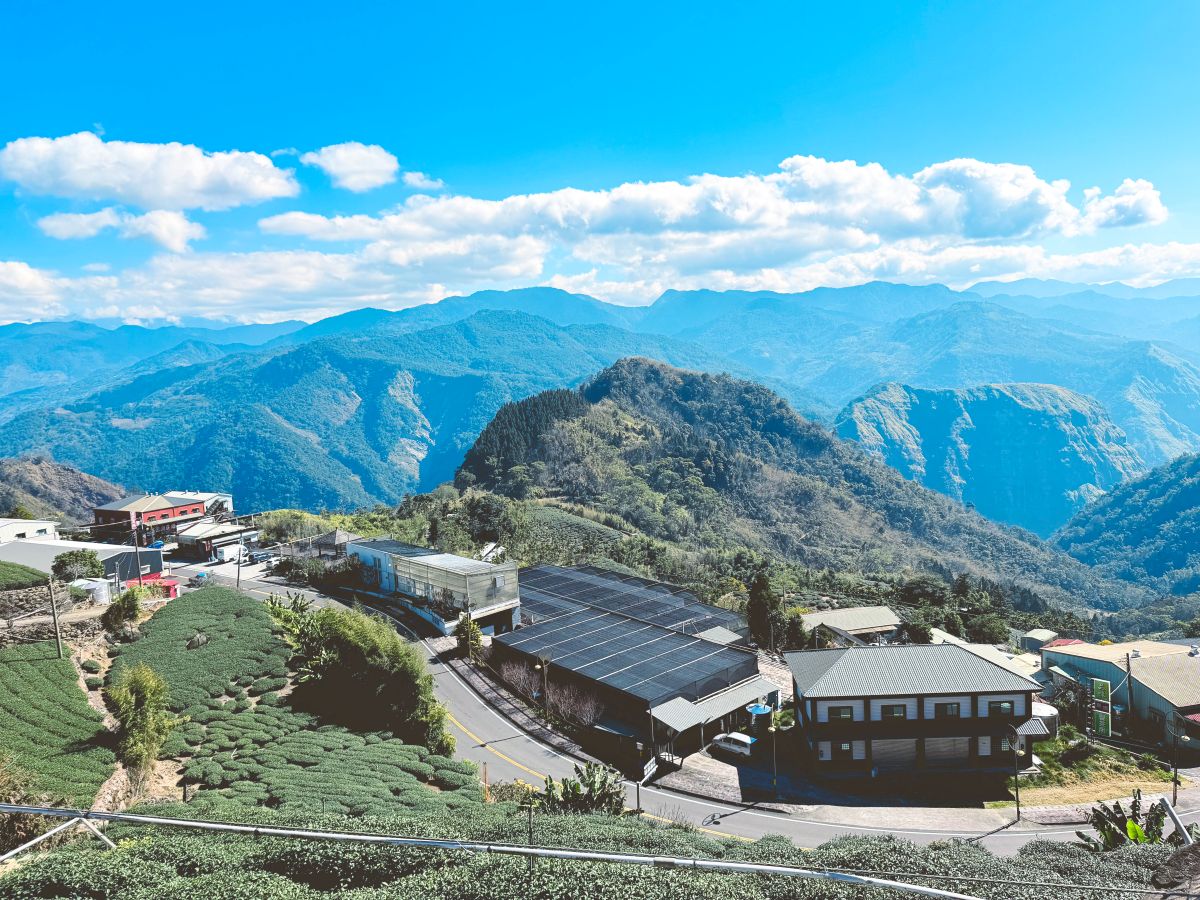
This journey transformed “Xi-ding” from a cold geographic term on a presentation slide into a tangible, lived experience.
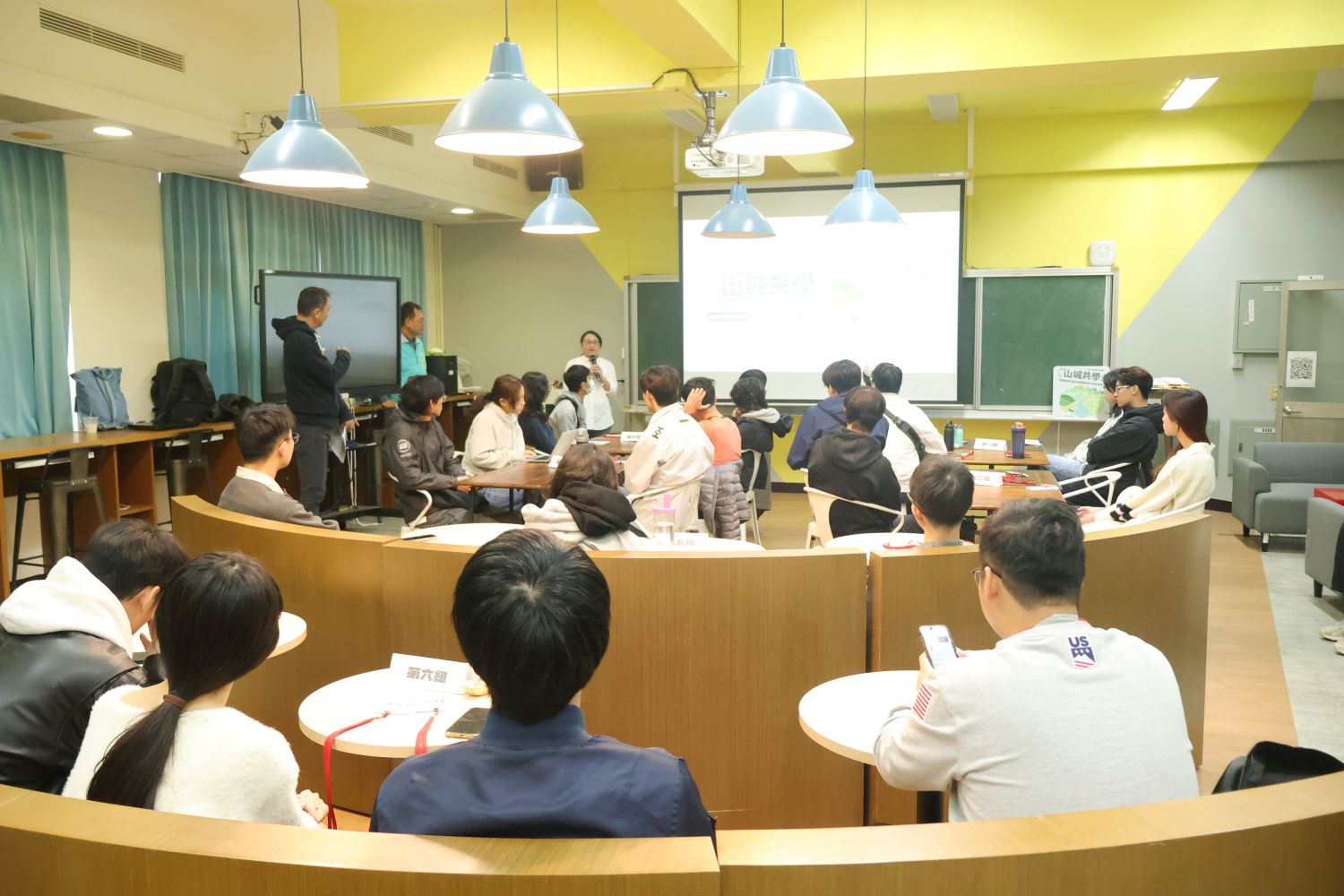
During the feedback session of the presentation, the responses from community representatives added an additional layer of significance to the event.
SDG4NCKU Promotes Flexible Cross-Disciplinary Education System, Launching a New Learning Paradigm
View more
SDG4NCKU Museum Exhibition Showcases the Cultivation of Chemical Engineering Talent and Contributions to Society and the Nation
View more