



SDG4
NCKU Promotes Flexible Cross-Disciplinary Education System, Launching a New Learning Paradigm
With the release of the results of the 2026 General Scholastic Ability Test (GSAT) in Taiwan, as the Star Recommendation and Personal Application admission processes begin, choosing a university that truly supports self-exploration, cross-disciplinary development, and long-term career aspirations has become a key concern for outstanding students.
National Cheng Kung University (NCKU) stated that in the era of rapid advancement in artificial intelligence, net-zero transformation, and digital innovation, relying solely on a single academic discipline is no longer sufficient to address future challenges. Starting from the 2024 academic year, NCKU officially launched its Flexible Cross-Disciplinary Academic System, centered on the concept of “Customized 128 Credits.” The system integrates resources from 11 colleges and 47 departments and institutes, breaking traditional disciplinary boundaries and providing students with more flexible, highly autonomous, and institutionally supported learning pathways.
In 2025, the university further promoted a flexible academic system centered on domain expertise development. Students can independently design cross-college course combinations according to their interests and career goals. Upon graduation, students may obtain cross-disciplinary university bachelor’s degrees, allowing them to develop personalized professional competencies rather than being limited to a single departmental identity, instead cultivating their own unique academic and professional profiles within NCKU’s rich academic environment.
A student majoring in Chinese Literature shared that due to strong interest in artificial intelligence and cross-disciplinary learning, she began self-studying AI applications in her sophomore year and attempted to develop chatbots and websites, which led her to apply for the flexible cross-disciplinary academic program. She admitted feeling nervous at first, worrying that students from non-technical backgrounds might face skepticism. However, she found that professors strongly encouraged interdisciplinary communication and collaboration. Through coursework and project-based learning, she stepped out of her comfort zone, made friends from different colleges, and gradually built confidence in cross-disciplinary learning.
She also said, “My humanities background allows me to pay attention not only to technological implementation but also to its social and cultural impacts. When participating in projects, I do not only think about how to realize something, but also why we should do it. For example, when working on an MRI medical image segmentation project, I began considering whether similar image recognition methods could be applied to oracle bone script interpretation, and discussed feasibility with my professors.” NCKU’s cross-disciplinary learning system has helped transform seemingly distant ideas into practical actions and research directions, turning uncertainty into confidence and courage. She expressed gratitude for the university’s diverse resources, professional cross-disciplinary mentors, and support from faculty and peers across different disciplines.
In addition, the flexible academic system also provides Double Bachelor Degree Programs and Specialized Bachelor Programs. The double bachelor program allows students to pursue an additional domain micro-program while completing their original major to obtain dual bachelor degrees. The specialized bachelor program allows for highly flexible personalized academic planning to cultivate unique professional competencies.
The three learning pathways operate in parallel, demonstrating NCKU’s forward-looking and highly flexible educational system design. The university simultaneously promotes both disciplinary depth and interdisciplinary breadth, encouraging dialogue among science, engineering, medicine, management, and humanities, and fostering the integration of creativity and technology.
In the future, the key is not limited to choosing a single discipline, but lies in the diverse possibilities created through cross-disciplinary learning. Through its flexible academic system, NCKU helps students transform uncertainty into confidence and interests into professional capabilities, preparing them to face future challenges.
National Cheng Kung University (NCKU) stated that in the era of rapid advancement in artificial intelligence, net-zero transformation, and digital innovation, relying solely on a single academic discipline is no longer sufficient to address future challenges. Starting from the 2024 academic year, NCKU officially launched its Flexible Cross-Disciplinary Academic System, centered on the concept of “Customized 128 Credits.” The system integrates resources from 11 colleges and 47 departments and institutes, breaking traditional disciplinary boundaries and providing students with more flexible, highly autonomous, and institutionally supported learning pathways.
In 2025, the university further promoted a flexible academic system centered on domain expertise development. Students can independently design cross-college course combinations according to their interests and career goals. Upon graduation, students may obtain cross-disciplinary university bachelor’s degrees, allowing them to develop personalized professional competencies rather than being limited to a single departmental identity, instead cultivating their own unique academic and professional profiles within NCKU’s rich academic environment.
A student majoring in Chinese Literature shared that due to strong interest in artificial intelligence and cross-disciplinary learning, she began self-studying AI applications in her sophomore year and attempted to develop chatbots and websites, which led her to apply for the flexible cross-disciplinary academic program. She admitted feeling nervous at first, worrying that students from non-technical backgrounds might face skepticism. However, she found that professors strongly encouraged interdisciplinary communication and collaboration. Through coursework and project-based learning, she stepped out of her comfort zone, made friends from different colleges, and gradually built confidence in cross-disciplinary learning.
She also said, “My humanities background allows me to pay attention not only to technological implementation but also to its social and cultural impacts. When participating in projects, I do not only think about how to realize something, but also why we should do it. For example, when working on an MRI medical image segmentation project, I began considering whether similar image recognition methods could be applied to oracle bone script interpretation, and discussed feasibility with my professors.” NCKU’s cross-disciplinary learning system has helped transform seemingly distant ideas into practical actions and research directions, turning uncertainty into confidence and courage. She expressed gratitude for the university’s diverse resources, professional cross-disciplinary mentors, and support from faculty and peers across different disciplines.
In addition, the flexible academic system also provides Double Bachelor Degree Programs and Specialized Bachelor Programs. The double bachelor program allows students to pursue an additional domain micro-program while completing their original major to obtain dual bachelor degrees. The specialized bachelor program allows for highly flexible personalized academic planning to cultivate unique professional competencies.
The three learning pathways operate in parallel, demonstrating NCKU’s forward-looking and highly flexible educational system design. The university simultaneously promotes both disciplinary depth and interdisciplinary breadth, encouraging dialogue among science, engineering, medicine, management, and humanities, and fostering the integration of creativity and technology.
In the future, the key is not limited to choosing a single discipline, but lies in the diverse possibilities created through cross-disciplinary learning. Through its flexible academic system, NCKU helps students transform uncertainty into confidence and interests into professional capabilities, preparing them to face future challenges.
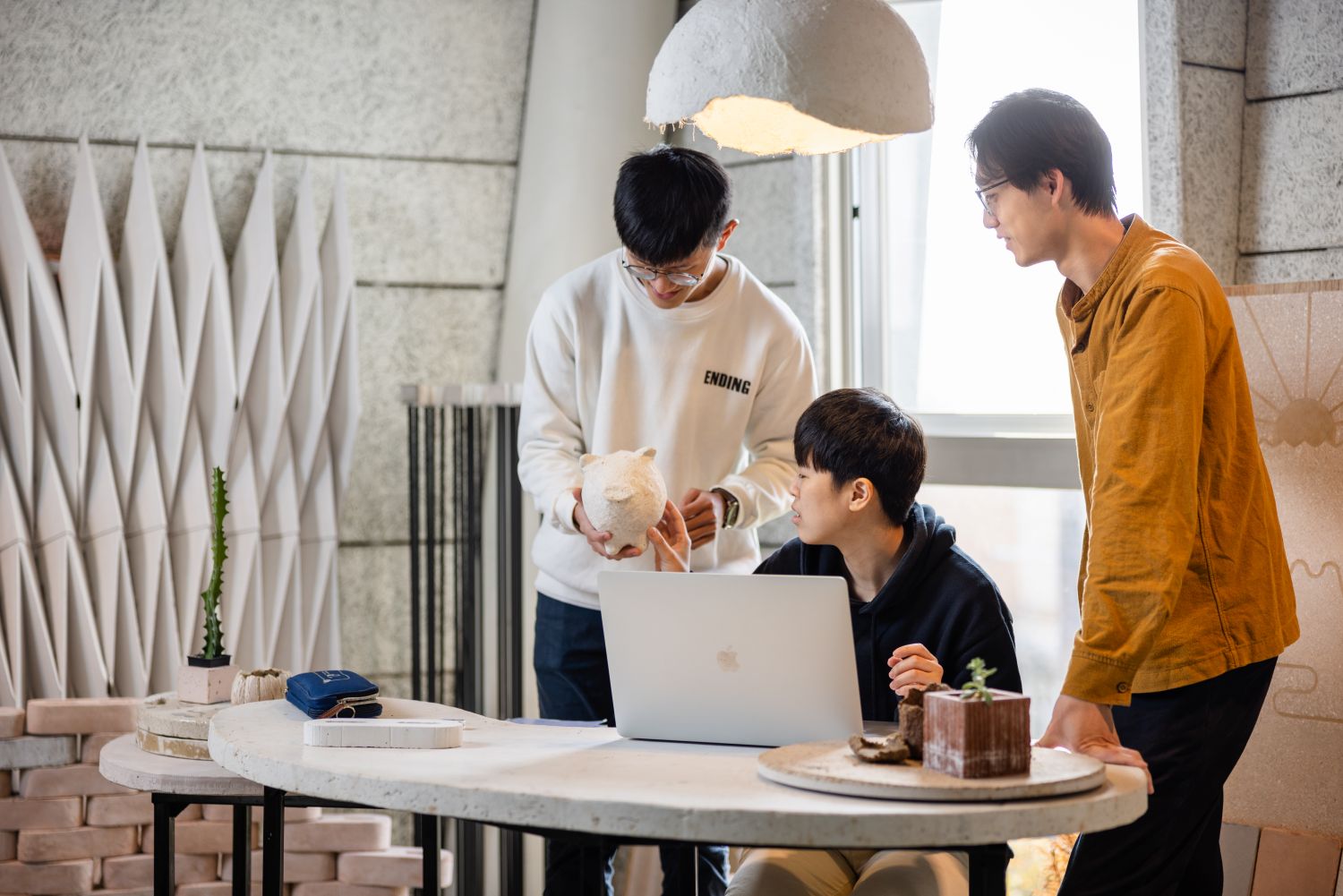
NCKU’s Flexible Cross-Disciplinary Education System breaks traditional academic boundaries and provides students with more flexible, highly autonomous, and institutionally supported learning pathways.
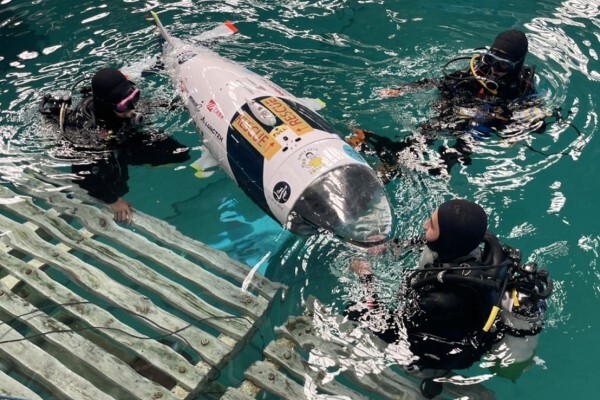
SDG4NCKU’s Human Powered Submarine “sat-ba̍k-hî” Won the Best Newcomer Award in Europe International Submarine Races
View more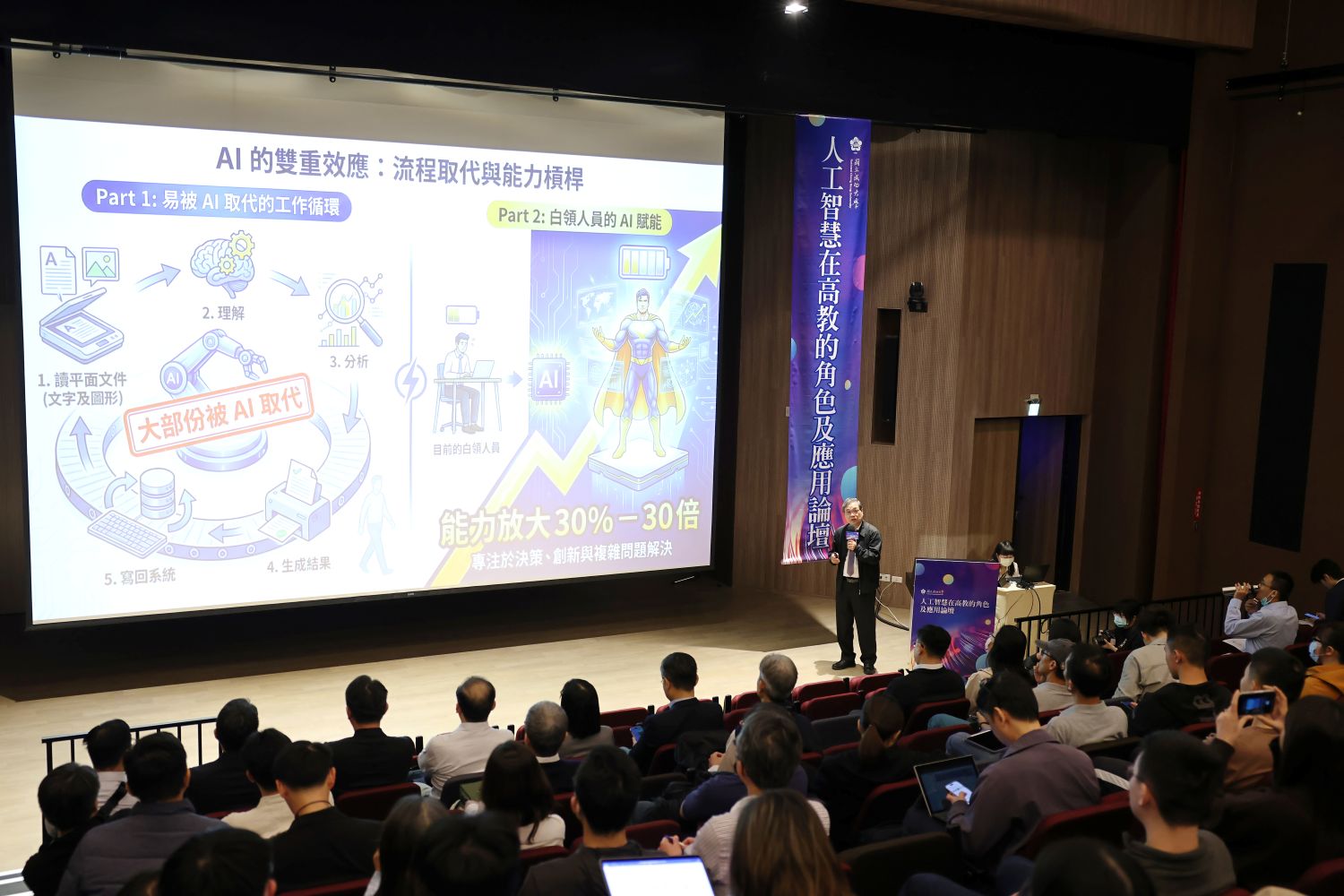
SDG4NCKU Hosts AI Forum, Advocating the Co-Development of Critical Reflection to Lead the New Wave of AI in Higher Education
View more