



SDG11
Tainan Greenway East District Station Opens: Promoting Citizen Participation in Reimagining the City’s Future
With the Tainan Railway Underground Project expected to begin operations by the end of the year, the former railway surface tracks will be transformed into a landmark "Greenway." In response to this significant urban transformation, the NCKU Department of Architecture, the NCKU Architecture Cultural and Educational Foundation, and J.M. Lin Architect / The Archi-Lab have launched the "Tainan Greenway: Civic Action" project. The "Tainan Greenway East District Station" officially opened on April 18. Through this local hub and community participation mechanisms, the project aims to involve citizens in discussing and reimagining future life along the greenway, turning public infrastructure into a new opportunity for urban co-creation.
The opening event featured expert short talks and local exchange sessions. Distinguished guests included Yi-Chun Lin, Chief Secretary of the East District Office, and Cheng-Luen Hsueh, Chairperson of the NCKU Department of Architecture. Chou-Min Lin, the architect leading the greenway design team, shared insights into the project's design philosophy and practical experience, guiding the public in envisioning the future of the corridor. Local partner organizations—including Tainan Sprout, the Green Transportation Research Club of Tainan Open University, and the Institute of Historical Resource Preservation and Restoration (IHRPR)—also shared perspectives on urban resilience, walkability, historical urban patterns, and the challenges of a super-aging society as they relate to the greenway project.
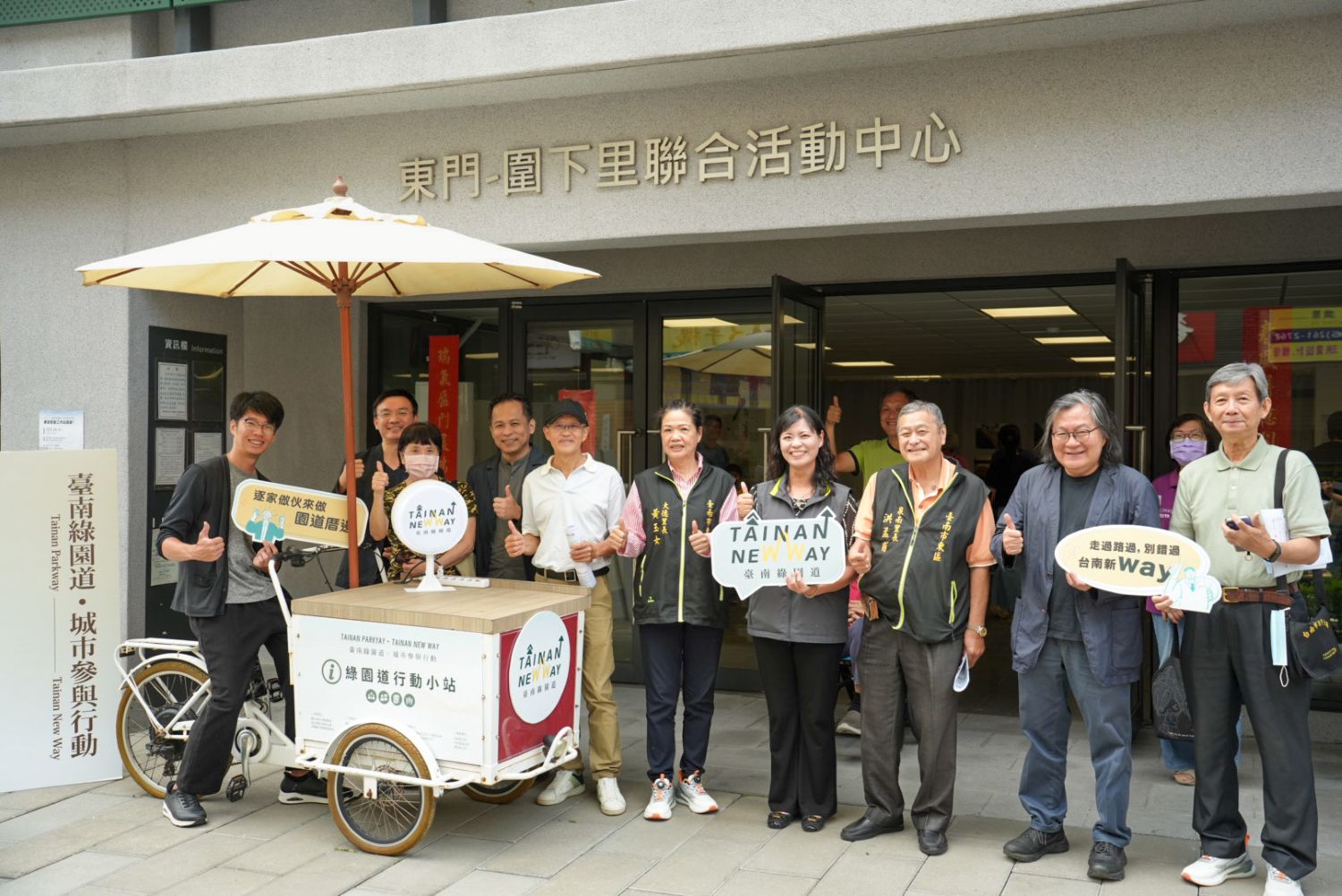
The Greenway is a vital open space emerging from the railway undergrounding. The project team stated that the Tainan Greenway is not merely an engineering project but a proposal for a new way of urban living. The East District Station will serve as a key communication hub along the greenway route. Planned activities include "Mobile Stations," community walkthroughs, workshops, and various engagement actions. The station features a "Parent-Child LEGO Reimagining Experience" and the "Greenway Mobile Information Vehicle," designed to bring information and engagement directly into surrounding neighborhoods. This ensures that the station is not just a static display center, but an open venue for activity, discussion, and a gateway for long-term public action.
"We sincerely invite citizens to actively participate and step into the reimagined future of the Greenway," the project team stated. By accumulating local knowledge and fostering public discourse, the project serves as a new starting point for the university and the city to witness Tainan’s transformation together.
The core of the Greenway project lies in "Urban Stitching" and "Human-Centric Transformation." It is more than just a green space; it is a multi-functional corridor integrating transportation, recreation, historical remains, and hydrological restoration. While the blueprint for the Greenway is already taking shape, the project is targeted to begin construction in late 2027, with a two-year planning phase and a four-year construction period.
The opening event featured expert short talks and local exchange sessions. Distinguished guests included Yi-Chun Lin, Chief Secretary of the East District Office, and Cheng-Luen Hsueh, Chairperson of the NCKU Department of Architecture. Chou-Min Lin, the architect leading the greenway design team, shared insights into the project's design philosophy and practical experience, guiding the public in envisioning the future of the corridor. Local partner organizations—including Tainan Sprout, the Green Transportation Research Club of Tainan Open University, and the Institute of Historical Resource Preservation and Restoration (IHRPR)—also shared perspectives on urban resilience, walkability, historical urban patterns, and the challenges of a super-aging society as they relate to the greenway project.
The Greenway is a vital open space emerging from the railway undergrounding. The project team stated that the Tainan Greenway is not merely an engineering project but a proposal for a new way of urban living. The East District Station will serve as a key communication hub along the greenway route. Planned activities include "Mobile Stations," community walkthroughs, workshops, and various engagement actions. The station features a "Parent-Child LEGO Reimagining Experience" and the "Greenway Mobile Information Vehicle," designed to bring information and engagement directly into surrounding neighborhoods. This ensures that the station is not just a static display center, but an open venue for activity, discussion, and a gateway for long-term public action.
"We sincerely invite citizens to actively participate and step into the reimagined future of the Greenway," the project team stated. By accumulating local knowledge and fostering public discourse, the project serves as a new starting point for the university and the city to witness Tainan’s transformation together.
The core of the Greenway project lies in "Urban Stitching" and "Human-Centric Transformation." It is more than just a green space; it is a multi-functional corridor integrating transportation, recreation, historical remains, and hydrological restoration. While the blueprint for the Greenway is already taking shape, the project is targeted to begin construction in late 2027, with a two-year planning phase and a four-year construction period.
Guests take photos at the "Greenway Mobile Information Vehicle" to commemorate the event.
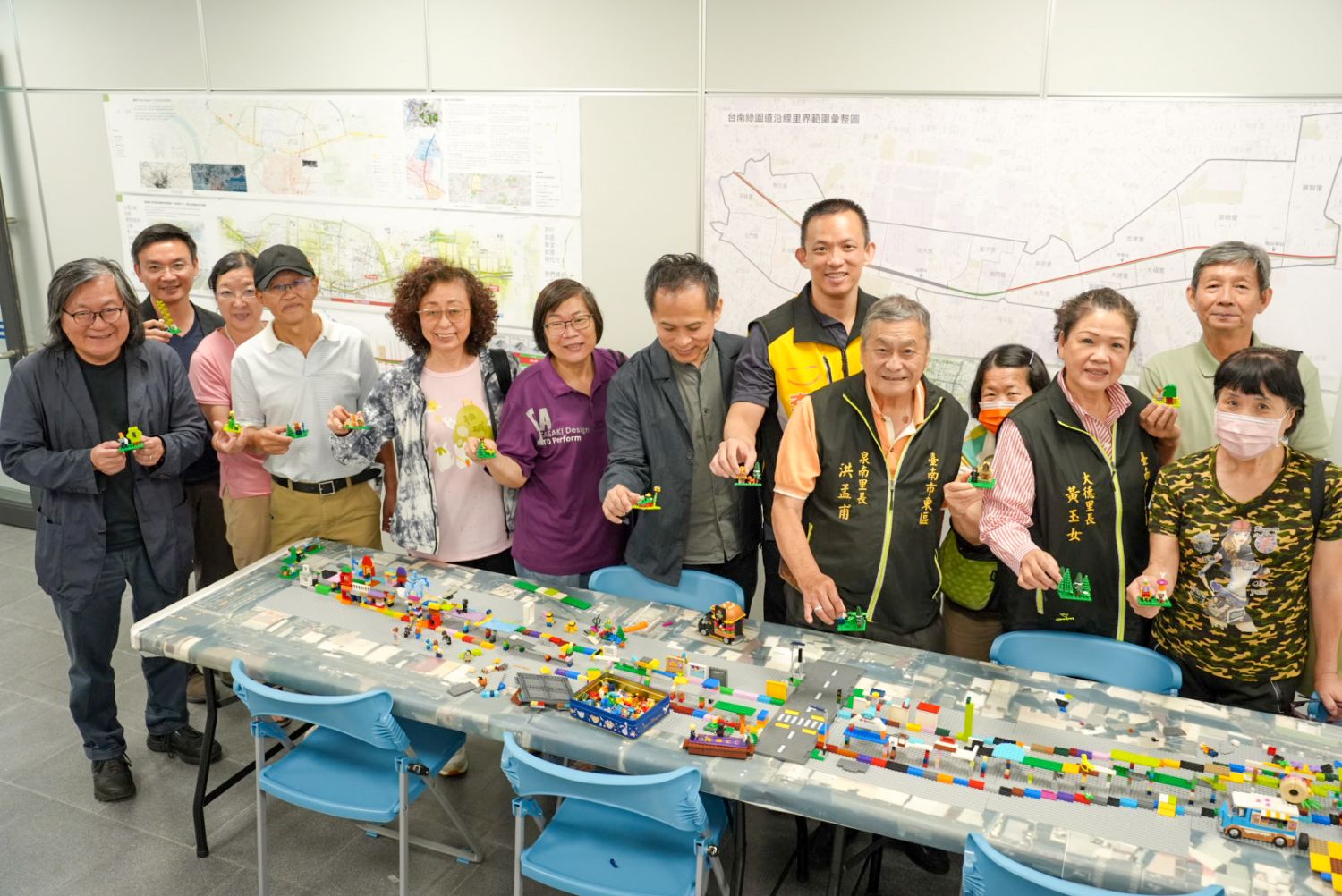
Using LEGO as a tool to guide citizens in envisioning future life scenarios along the Green Greenway.
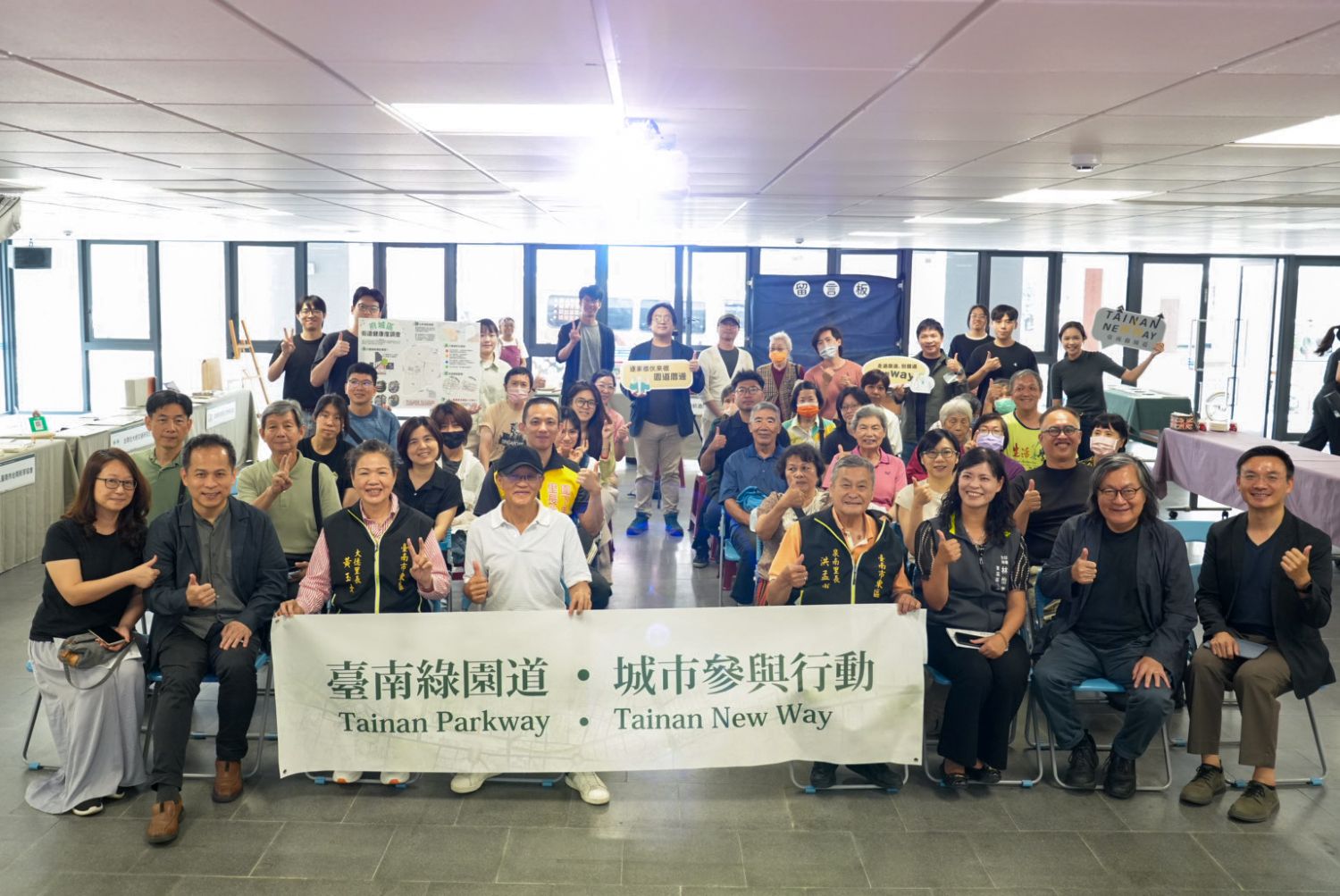
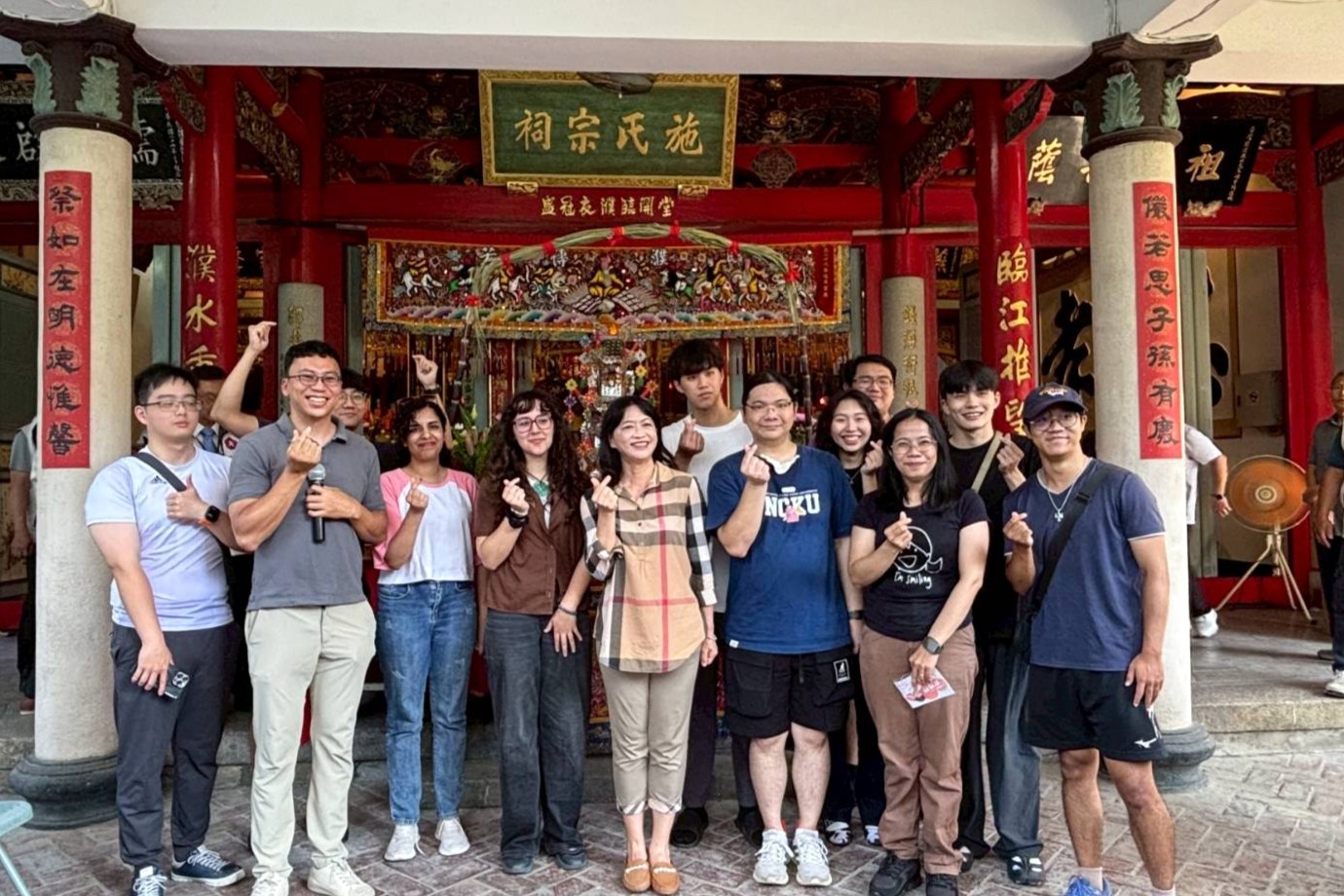
Group photo.
SDG11Ethnography Beyond the Classroom: Showcasing Multimodal Translational Learning in the Community through “Human & Object Studies”
View more
SDG11Cheng-Kung Lake Dredging Project: Integrates Sustainable Development and Ecological Education
View more