




SDG10
NCKU Law Graduate Yu-Chen Kuo Overcomes Cerebral Palsy to Complete His Studies
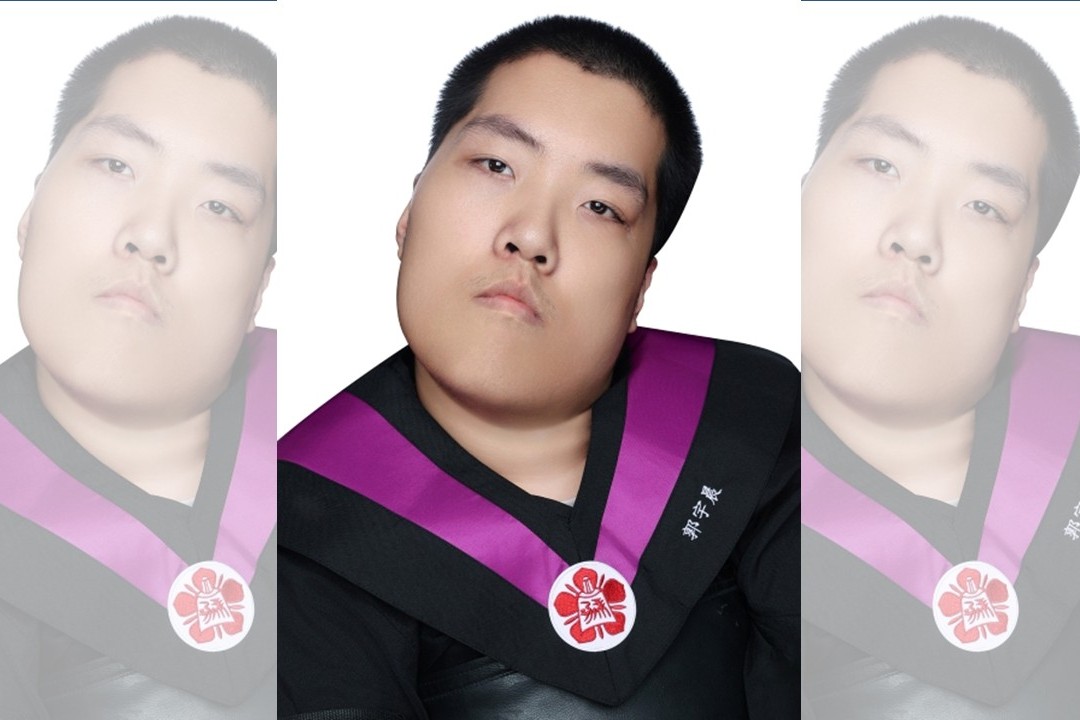
Yu-Chen Kuo, a graduating student from the Department of Law at National Cheng Kung University (NCKU), has lived with cerebral palsy since early childhood. Faced with physical limitations, academic challenges, and even the sudden passing of his father, he has never given up on his dreams. With the support of his family, teachers, and classmates, he has steadily overcome difficulties with unwavering determination. At this year’s NCKU Class of 2026 graduation ceremony, he insisted on walking onto the stage to receive his degree hooding and diploma. The university also specially arranged an accessible ramp to ensure he could proceed smoothly onto the stage. After graduation, Kuo hopes to enter legal practice and combine his lived experience to advocate for persons with disabilities, ensuring they are understood, respected, and able to participate equally in society.
Kuo shared that since his second year of high school, rehabilitation sessions often left him in severe pain that prevented him from sleeping, which in turn affected his studies. As the effectiveness of rehabilitation eventually reached its limit, he decided to stop formal therapy. At present, he only performs light stretching of his arms when his mother assists him with dressing. The involuntary muscle tone caused by cerebral palsy remains a constant challenge, and daily care largely falls on his mother, who even wakes up at night to help him turn over or manage toileting needs. Kuo said, “What I can do is learn to coexist with my body, gradually adapt, and try to control it.”
During his four years at university, Kuo received extensive support. NCKU’s Counseling and Resource Room provided academic assistance and coordination services, and government subsidies helped him obtain a laptop and related equipment, making his studies more manageable. NCKU’s spin-off startup “OOPS (吾不私)” also helped him learn how to operate assistive devices for computer use, gradually building his independence. “These supports are not only about equipment,” he said, “but also a sense that I have not been abandoned.”
One of the most difficult moments in his academic journey came during his third year, when his father passed away unexpectedly in his sleep, leaving him with a profound sense of loss. With the support of his mother, grandmother, nephew, niece, and uncle, he gradually worked through his grief, although the pain of losing a loved one remains. He added with a smile that during that year, his grandmother’s cooking was so good that he became “even rounder than before.”
Throughout his studies, his parents were his strongest pillars of support. From his first to third year, his father drove him to school and attended classes with him every day. After his father’s passing, his mother took over this responsibility. Kuo fondly recalled that his father was even more diligent than he was, joking that his father “just couldn’t write essay questions,” and at times even had a deeper understanding of law than he did. He once jokingly suggested, “Why don’t we take the bar exam together?”—a conversation that can no longer be realized. Kuo admitted that in his youth, he took his parents’ devotion for granted, but now deeply understands the sacrifice and love behind their actions.
Faculty members and classmates in the law department also provided significant support. The involuntary vocalizations and physical movements caused by his condition once made him worry about disturbing classes. Fortunately, most instructors showed understanding and allowed accommodations such as proxy writing, extended examination time, and other adjustments to ensure a fair learning environment.
He also expressed gratitude to the department office staff and resource room counselors for helping arrange examinations, coordinate administrative matters, and manage various learning needs. He thanked classmates who studied and worked on projects with him. Due to limitations in hand movement, much of the heavy typing and presentation design work was completed by his strongest support—his mother—who spent countless nights discussing and assisting him.
When asked how he coped with physical limitations and academic pressure, Kuo said he tends to maintain an optimistic personality and chooses to face difficulties with a smile. He emphasized that the belief sustaining him throughout his journey is: “Do not give up on your life because of your limitations.” Although he admits there were moments of low mood and self-doubt, he always reminds himself not to dwell too long in negative emotions.
After graduation, Kuo plans to take national examinations, aiming to become a civil servant or obtain a lawyer qualification. He hopes to engage in legal practice and gain experience, while continuing research that integrates his lived experience to improve fairness and inclusiveness in legal and social systems. “I do not want to be merely someone who is helped by the system,” he said, “but someone who can help change the system.”
To students facing similar difficulties or living with disabilities, Kuo offered encouragement: “Everyone has their own pace. Even if we walk slower or face more hardship, it does not mean we lack value.” He also hopes society will not always view persons with disabilities as inspirational templates. “We are simply people trying to live well within our limitations.” He added that they experience sadness, fatigue, emotions, and vulnerability like anyone else. “We are not superheroes, nor are we people who should only be pitied. Like everyone else, we want to be understood, respected, and given equal opportunities to participate in society.”
Kuo shared that since his second year of high school, rehabilitation sessions often left him in severe pain that prevented him from sleeping, which in turn affected his studies. As the effectiveness of rehabilitation eventually reached its limit, he decided to stop formal therapy. At present, he only performs light stretching of his arms when his mother assists him with dressing. The involuntary muscle tone caused by cerebral palsy remains a constant challenge, and daily care largely falls on his mother, who even wakes up at night to help him turn over or manage toileting needs. Kuo said, “What I can do is learn to coexist with my body, gradually adapt, and try to control it.”
During his four years at university, Kuo received extensive support. NCKU’s Counseling and Resource Room provided academic assistance and coordination services, and government subsidies helped him obtain a laptop and related equipment, making his studies more manageable. NCKU’s spin-off startup “OOPS (吾不私)” also helped him learn how to operate assistive devices for computer use, gradually building his independence. “These supports are not only about equipment,” he said, “but also a sense that I have not been abandoned.”
One of the most difficult moments in his academic journey came during his third year, when his father passed away unexpectedly in his sleep, leaving him with a profound sense of loss. With the support of his mother, grandmother, nephew, niece, and uncle, he gradually worked through his grief, although the pain of losing a loved one remains. He added with a smile that during that year, his grandmother’s cooking was so good that he became “even rounder than before.”
Throughout his studies, his parents were his strongest pillars of support. From his first to third year, his father drove him to school and attended classes with him every day. After his father’s passing, his mother took over this responsibility. Kuo fondly recalled that his father was even more diligent than he was, joking that his father “just couldn’t write essay questions,” and at times even had a deeper understanding of law than he did. He once jokingly suggested, “Why don’t we take the bar exam together?”—a conversation that can no longer be realized. Kuo admitted that in his youth, he took his parents’ devotion for granted, but now deeply understands the sacrifice and love behind their actions.
Faculty members and classmates in the law department also provided significant support. The involuntary vocalizations and physical movements caused by his condition once made him worry about disturbing classes. Fortunately, most instructors showed understanding and allowed accommodations such as proxy writing, extended examination time, and other adjustments to ensure a fair learning environment.
He also expressed gratitude to the department office staff and resource room counselors for helping arrange examinations, coordinate administrative matters, and manage various learning needs. He thanked classmates who studied and worked on projects with him. Due to limitations in hand movement, much of the heavy typing and presentation design work was completed by his strongest support—his mother—who spent countless nights discussing and assisting him.
When asked how he coped with physical limitations and academic pressure, Kuo said he tends to maintain an optimistic personality and chooses to face difficulties with a smile. He emphasized that the belief sustaining him throughout his journey is: “Do not give up on your life because of your limitations.” Although he admits there were moments of low mood and self-doubt, he always reminds himself not to dwell too long in negative emotions.
After graduation, Kuo plans to take national examinations, aiming to become a civil servant or obtain a lawyer qualification. He hopes to engage in legal practice and gain experience, while continuing research that integrates his lived experience to improve fairness and inclusiveness in legal and social systems. “I do not want to be merely someone who is helped by the system,” he said, “but someone who can help change the system.”
To students facing similar difficulties or living with disabilities, Kuo offered encouragement: “Everyone has their own pace. Even if we walk slower or face more hardship, it does not mean we lack value.” He also hopes society will not always view persons with disabilities as inspirational templates. “We are simply people trying to live well within our limitations.” He added that they experience sadness, fatigue, emotions, and vulnerability like anyone else. “We are not superheroes, nor are we people who should only be pitied. Like everyone else, we want to be understood, respected, and given equal opportunities to participate in society.”
Yu-Chen Kuo Perseveres Through Adversity to Complete His University Studies
A photo of Yu-Chen Kuo with his father at Tainan Baseball Stadium before his father’s passing, marking a meaningful memory of his family’s support throughout his life and studies.
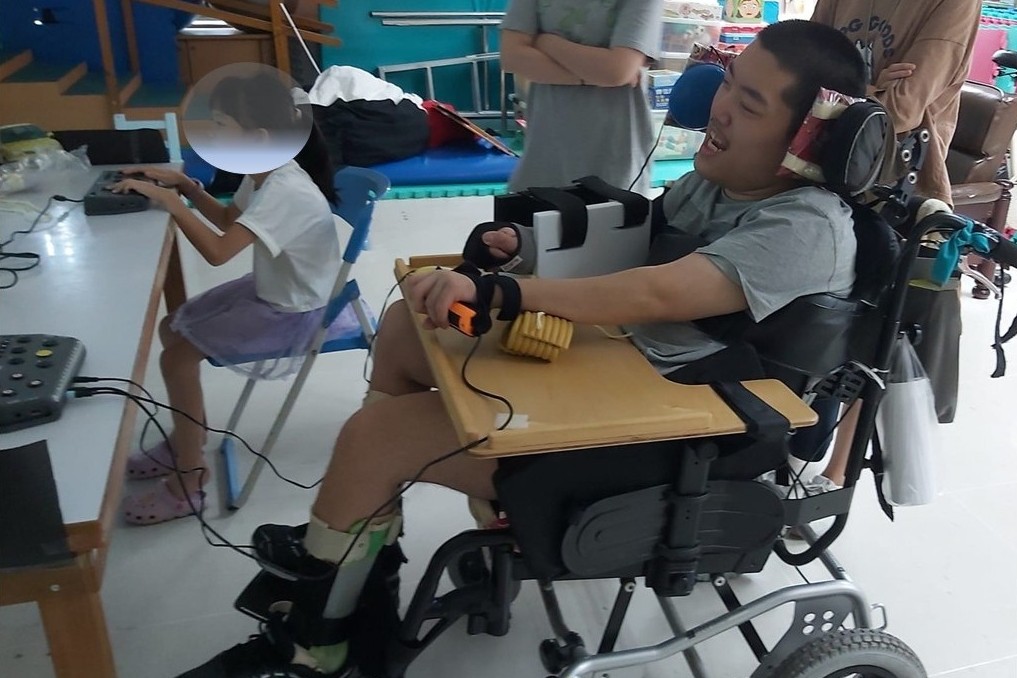
Yu-Chen Kuo trained with assistive devices for gaming and has since learned to operate a computer using assistive technology.
SDG10NCKU Dental Skills Center Inaugurated to Train Govt-sponsored Students, Boost Rural Healthcare
View more
SDG10A Feast of International Flavors and Culture! – 2025 NCKU World Cultural & Food Festival
View more