




SDG17
NCKU and ARDWS Collaborate in a Public–Private Partnership to Revitalize Rural Arts and Culture in Ditougang
To promote rural cultural revitalization and local placemaking, a team led by Associate Professor Wei-Chien Ma from the Graduate Institute of Art Studies and Master’s Program in Drama at National Cheng Kung University (NCKU) has received funding from Agency of Rural Development and Soil and Water Conservation (ARDWS). The team is implementing the project “Rural Arts Revitalization and Local Cultural Walks (產學共創促進農村文化與教育發展)” in Ditougang (坔頭港), Yanshui District, Tainan City. Centered on the concept of “industry–academia co-creation for rural cultural and educational development,” the project integrates academic resources with community participation. Through artistic practice, cultural walks, and educational outreach, it aims to revitalize rural cultural assets and inject new momentum into local development.
Ditougang is rich in agricultural landscapes and deep cultural heritage. Historical sites such as Jiutian Fenghuo Yuan (九天風火院) and Juntian Temple (俊天宮) embody generations of residents’ faith and collective memory. However, facing challenges such as population aging and youth outmigration, the transmission of rural culture and community vitality has been increasingly tested. In response, the NCKU team adopts the concept of “coexisting memories and regenerating stories,” reorganizing rural narratives through local guided walks, cultural documentation, and artistic creation. This approach allows cultural assets to be re-presented and traditional values to continue evolving in contemporary contexts.
The project follows a development pathway centered on “landscape memory and folk performing arts.” A two-day program was held from June 6 to 7, featuring local revitalization lectures, arts workshops, and community cultural walks. NCKU collaborated with faculty and students from National Taiwan College of Performing Arts to engage in artistic practice. Through intergenerational co-creation and community collaboration, the project gradually builds a local development model of “Performance Arts, Field Engagement, and a Co-prosperous Community.” Rooted in the century-long Song Jiang Battle Array tradition, and centered on rural land and cultural identity, the initiative fosters cross-generational exchange and envisions a sustainable community where youth participation, elder learning, and community co-prosperity coexist.
Village Chief Shuo-Jin Chang of Ditougang expressed gratitude to the NCKU team for bringing young artists from across Taiwan into the community, accompanying residents in exploring their hometown and engaging in creative practice. By integrating field-based practice, embodied artistic creativity, and community revitalization, the project has brought energy and warmth to the locality while also aligning with the United Nations Sustainable Development Goals (SDGs). He remarked, “This is the most lively and meaningful period Ditougang has experienced. We welcome everyone to visit Ditougang and experience its warmth and cultural charm.”
Associate Professor Wei-Chien Ma noted that participating university students are not only performers but also field researchers and local tour guides. They conducted observations and interviews in temple courtyards, farmlands, and historic houses, collecting local memories and transforming them into creative actions and artistic outcomes. She expressed gratitude to NCKU participants Yi-Ting Chen, Pei-Chen Tsai, Yi-Zhen Yang, Hong-Yu Yang, and Ying-Cheng Lin from the Department of Aeronautics and Astronautics, as well as faculty and students from National Taiwan College of Performing Arts’ Department of Folk Arts, including Shu-Wei Chang, Han-Ya Tsai, Sheng-Chih Wang, and Wei-Hong Li. Through Song Jiang Battle Array performance and folk arts, they led intergenerational co-learning and co-exploration, making art an important medium connecting the community.
When young people bring creativity into rural areas, traditional culture gains renewed vitality through reinterpretation by new generations. The NCKU team hopes that through industry–academia collaboration and community co-creation, it can continue to inject cultural momentum into Ditougang, promote cultural inheritance, rural sustainability, and intergenerational integration, and ultimately enable tradition and innovation to coexist—allowing rural communities and youth to thrive together and jointly write a new chapter of local revitalization in Ditougang.
Ditougang is rich in agricultural landscapes and deep cultural heritage. Historical sites such as Jiutian Fenghuo Yuan (九天風火院) and Juntian Temple (俊天宮) embody generations of residents’ faith and collective memory. However, facing challenges such as population aging and youth outmigration, the transmission of rural culture and community vitality has been increasingly tested. In response, the NCKU team adopts the concept of “coexisting memories and regenerating stories,” reorganizing rural narratives through local guided walks, cultural documentation, and artistic creation. This approach allows cultural assets to be re-presented and traditional values to continue evolving in contemporary contexts.
The project follows a development pathway centered on “landscape memory and folk performing arts.” A two-day program was held from June 6 to 7, featuring local revitalization lectures, arts workshops, and community cultural walks. NCKU collaborated with faculty and students from National Taiwan College of Performing Arts to engage in artistic practice. Through intergenerational co-creation and community collaboration, the project gradually builds a local development model of “Performance Arts, Field Engagement, and a Co-prosperous Community.” Rooted in the century-long Song Jiang Battle Array tradition, and centered on rural land and cultural identity, the initiative fosters cross-generational exchange and envisions a sustainable community where youth participation, elder learning, and community co-prosperity coexist.
Village Chief Shuo-Jin Chang of Ditougang expressed gratitude to the NCKU team for bringing young artists from across Taiwan into the community, accompanying residents in exploring their hometown and engaging in creative practice. By integrating field-based practice, embodied artistic creativity, and community revitalization, the project has brought energy and warmth to the locality while also aligning with the United Nations Sustainable Development Goals (SDGs). He remarked, “This is the most lively and meaningful period Ditougang has experienced. We welcome everyone to visit Ditougang and experience its warmth and cultural charm.”
Associate Professor Wei-Chien Ma noted that participating university students are not only performers but also field researchers and local tour guides. They conducted observations and interviews in temple courtyards, farmlands, and historic houses, collecting local memories and transforming them into creative actions and artistic outcomes. She expressed gratitude to NCKU participants Yi-Ting Chen, Pei-Chen Tsai, Yi-Zhen Yang, Hong-Yu Yang, and Ying-Cheng Lin from the Department of Aeronautics and Astronautics, as well as faculty and students from National Taiwan College of Performing Arts’ Department of Folk Arts, including Shu-Wei Chang, Han-Ya Tsai, Sheng-Chih Wang, and Wei-Hong Li. Through Song Jiang Battle Array performance and folk arts, they led intergenerational co-learning and co-exploration, making art an important medium connecting the community.
When young people bring creativity into rural areas, traditional culture gains renewed vitality through reinterpretation by new generations. The NCKU team hopes that through industry–academia collaboration and community co-creation, it can continue to inject cultural momentum into Ditougang, promote cultural inheritance, rural sustainability, and intergenerational integration, and ultimately enable tradition and innovation to coexist—allowing rural communities and youth to thrive together and jointly write a new chapter of local revitalization in Ditougang.
The team led by Associate Professor Wei-Chien Ma of the Graduate Institute of Art Studies and the Master’s Program in Drama at NCKU.

The NCKU team collaborated with the Soil and Water Conservation Agency to revitalize Ditougang in Yanshui District, Tainan City.
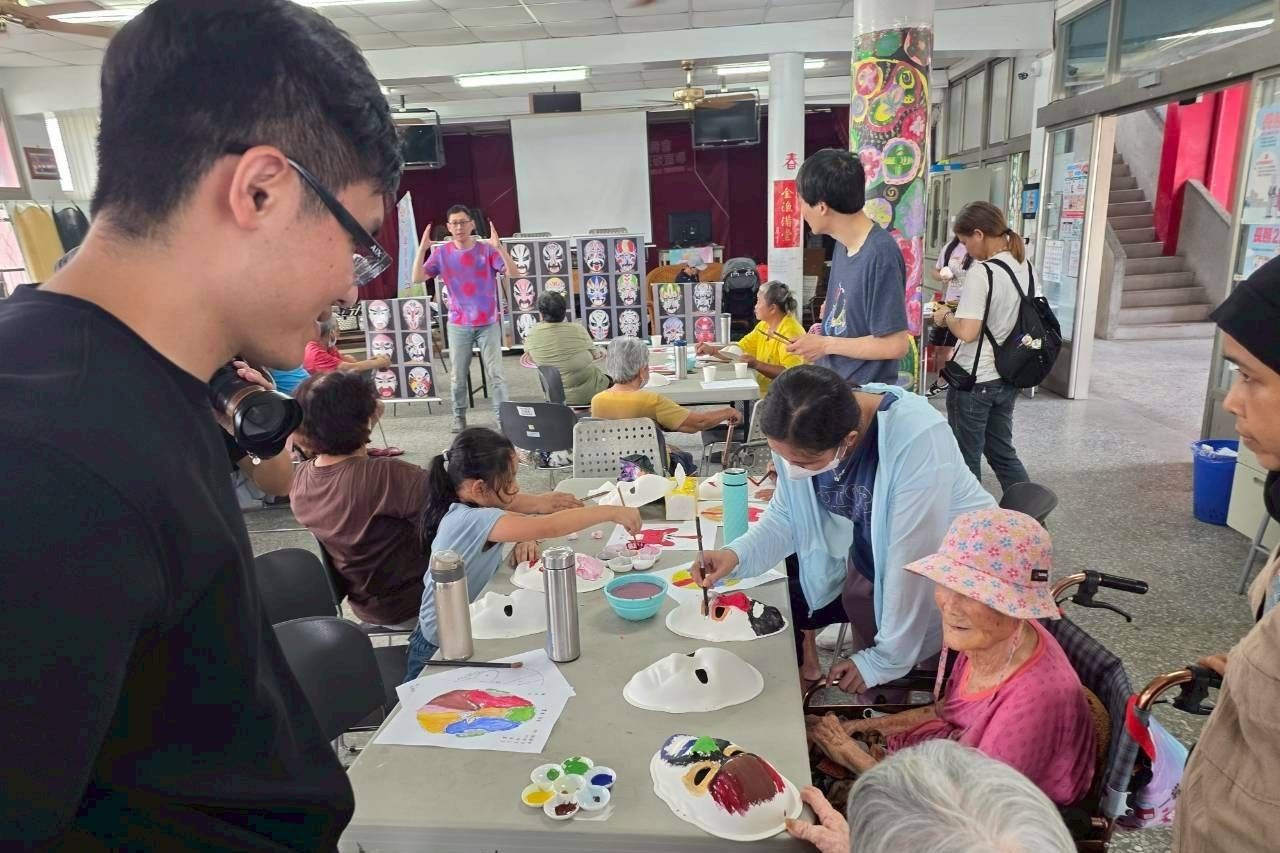
The NCKU team brought young artists from across Taiwan into the community, accompanying residents in exploring their hometown through guided local walks and participating in creative practice.
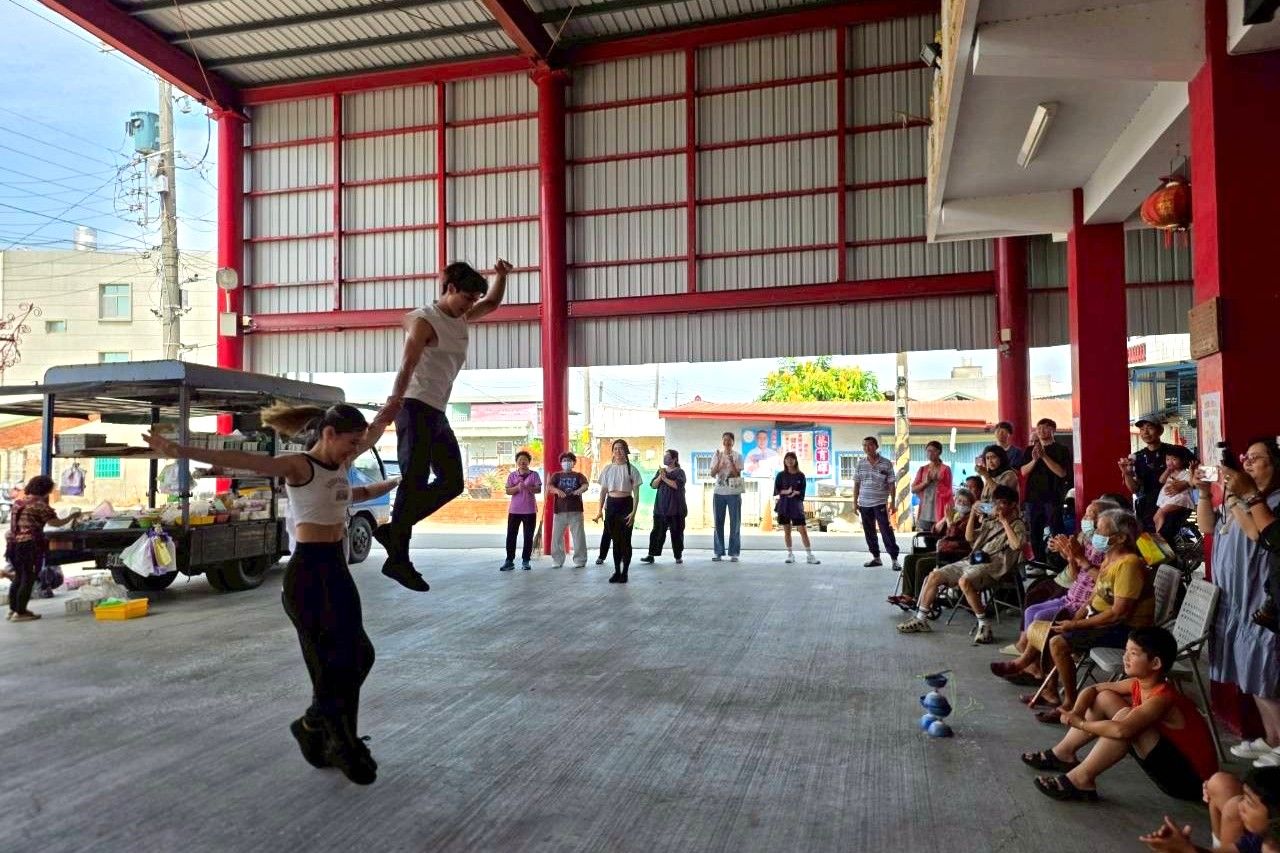
NCKU collaborated with faculty and students from National Taiwan College of Performing Arts to jointly engage in artistic practice.
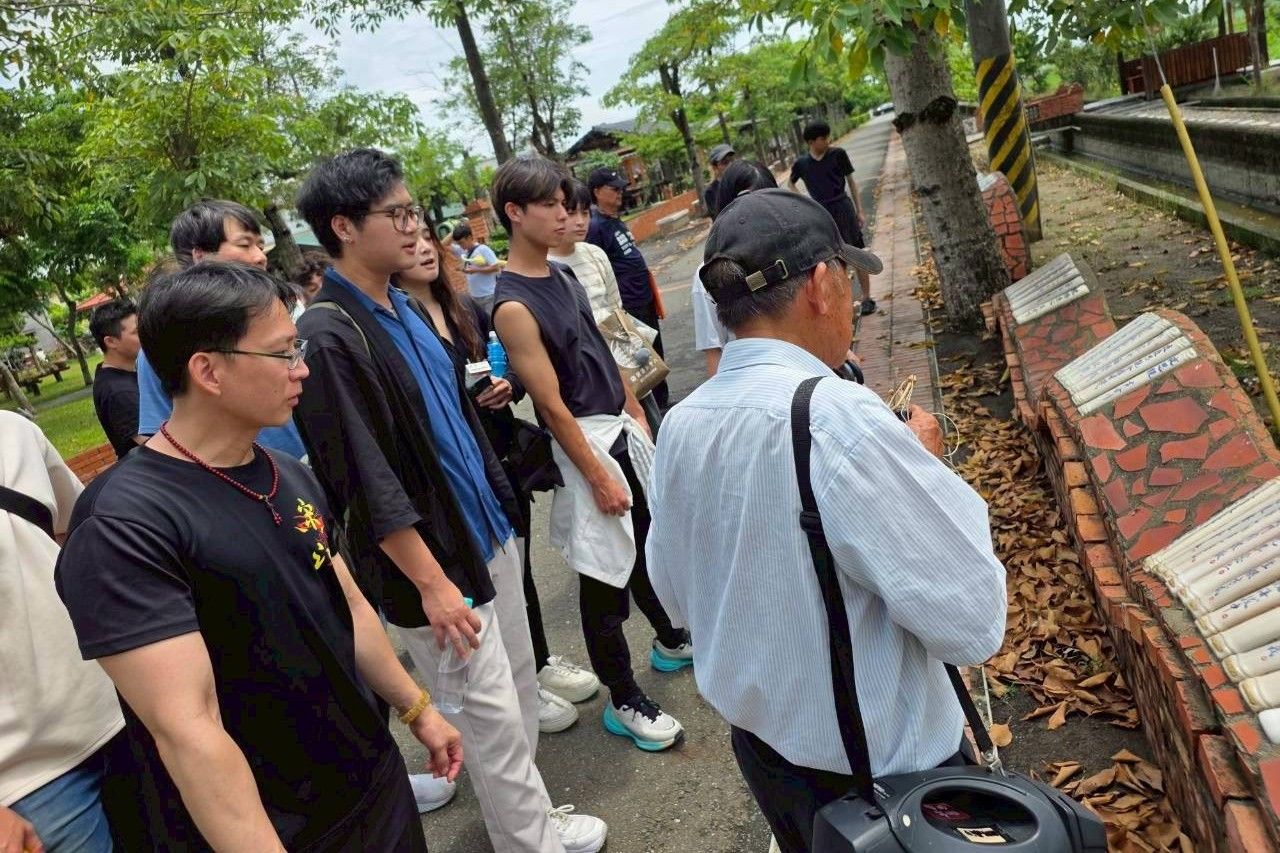
Guided local tours.
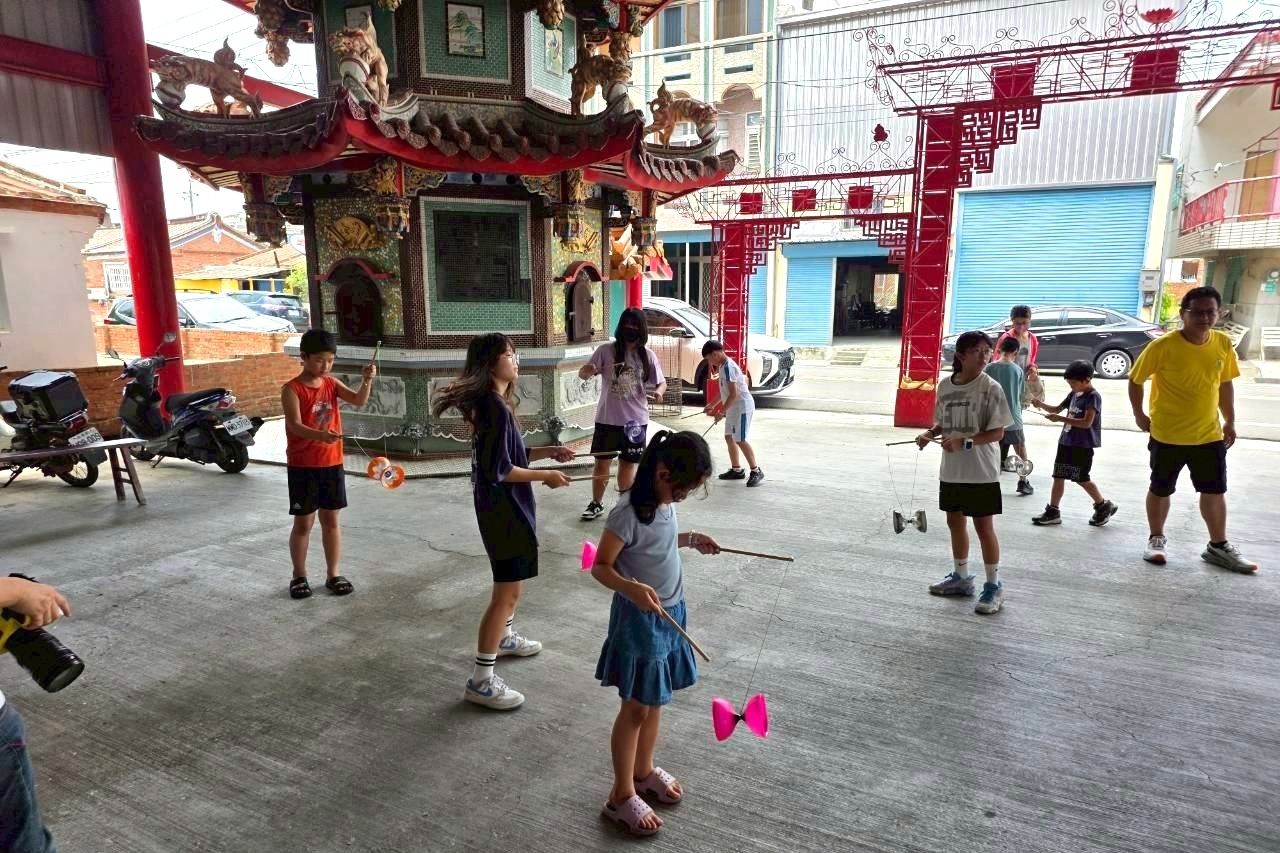
When young people bring creativity into rural communities, traditional culture is revitalized through reinterpretation by a new generation.