



SDG17
U.S. Department of State’s 2026 Critical Language Scholarship (CLS) Program Formally Commences at NCKU
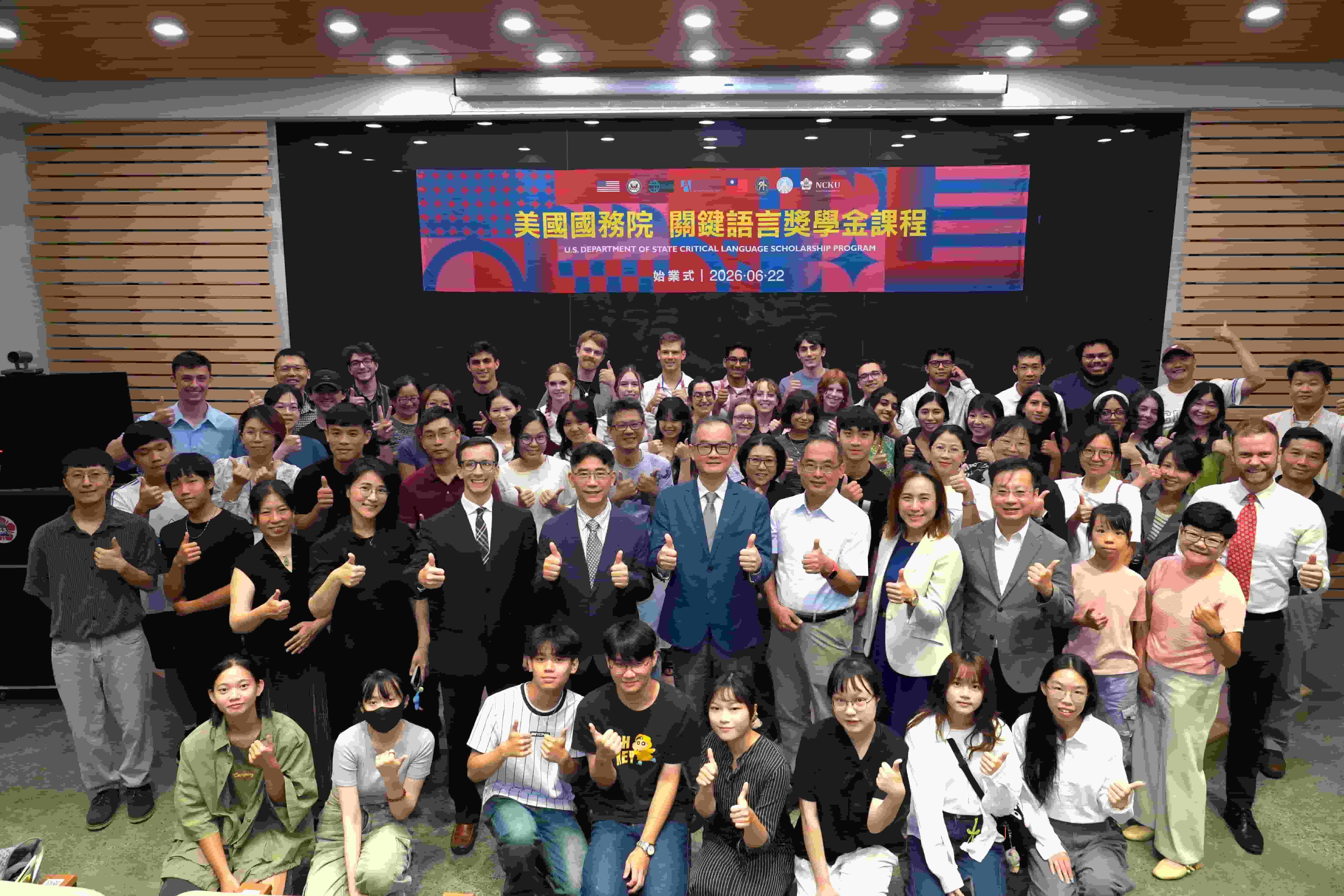
In 2026, the Chinese Language Center (CLC) under the College of Liberal Arts at National Cheng Kung University (NCKU) is hosting the U.S. Department of State’s Critical Language Scholarship (CLS) Program for the 11th consecutive year. An opening ceremony was held on the morning of June 22 at the Kuang-Fu Campus, welcoming 29 outstanding students from various American universities. Over the next eight weeks, these students will embark on an intensive and enriching journey of Chinese language learning and cultural immersion at NCKU.
To cultivate and build a reserve of foreign language talent, the U.S. Department of State launched the CLS Program in 2006. Currently, the program covers nine languages (including Chinese) and is implemented in respective native-speaking countries. In 2016, the NCKU Chinese Language Center was selected as the first partner institution in Taiwan. Now in its 11th year, NCKU continues to serve as a vital partner in promoting traditional Chinese language education through the CLS Program.
During the opening ceremony, several distinguished guests attended to offer encouragement and blessings to the participants. Vice President for International Affairs Wenchao Chiu welcomed the 29 CLS students on behalf of NCKU. He noted that the NCKU Chinese Language Center is renowned for its exceptional teaching quality. In addition to its deep engagement with the CLS Program, NCKU collaborates with four American universities through the "Taiwan Huayu BEST Program," which has attracted over a thousand American college students to NCKU over the past five years. He expressed hope that the intensive eight-week course would significantly enhance the students' language proficiency while building lifelong bonds with Tainan. He encouraged the CLS students to view their NCKU student partners as "eyes to see Taiwan," gaining deeper insights into local life through their interactions. He also extended special thanks to the host families in Tainan, stating that their warmth represents Taiwan's most beautiful scenery and makes a substantial contribution to grassroots diplomacy.
Harry Sullivan, Deputy Branch Chief of the American Institute in Taiwan (AIT) Kaohsiung Office, sentimentally shared that he had also applied for this program back in 2007, allowing him to deeply resonate with the students' passion for language learning. He stated that since its inception in 2006, the CLS Program has been a crucial platform for cultivating American language talent, promoting cultural respect, and exchanging perspectives. He expressed his heartfelt gratitude to the NCKU team for their professional execution and to the host families for their hospitality, believing that deep people-to-people exchanges will forge strong friendships, strengthen bonds between the peoples of Taiwan and the U.S., and provide students with a transformative learning experience.
Li-Ying Chen, Deputy Director-General of the Department of International and Cross-Strait Education at the Ministry of Education (MOE), pointed out that since the signing of the "Taiwan-U.S. Education Initiative" in 2020, educational connections at all levels have grown increasingly tight. Currently, approximately 23,000 Taiwanese students study in the U.S. each year. He mentioned that the MOE is joining forces with higher education partners to promote the "Taiwan-U.S. Semiconductor Education Coalition" to implement talent cultivation in semiconductors and AI. The coalition expects to offer short-term, mid-term (internship), and long-term (degree) programs, and he welcomed CLS students to return to Taiwan for further studies or careers in the future.
Mr. Kai Richter, the representative from the American Councils for International Education, remarked that "language learning is more than just grammar and vocabulary"; more importantly, it is a gateway to understanding different cultures and establishing genuine connections. He acknowledged that the CLS curriculum is both rigorous and challenging. As the resident director, he urged students to first feel proud of their choice and encouraged them to overcome challenges during the next two months of fast-paced learning to achieve personal growth.
Professor Shi-Mei Kao, the Academic Director of the NCKU CLS Program, expressed special gratitude to the faculty team for preparing lessons intensively late into the night over the past month, even during the Dragon Boat Festival long holiday. She introduced five main instructors and ten teaching assistants at the event, encouraging students not to be afraid when facing difficulties and to actively seek help from the teachers or the administrative team.
The 29 CLS students arriving in Taiwan this term come from 28 universities across 20 U.S. states, boasting diverse academic backgrounds. They represent prestigious institutions such as Columbia University, the University of Pennsylvania, Cornell University, Brown University, and Johns Hopkins University. Over the next eight weeks, they will undergo an intensive Chinese language program designed to achieve the equivalent of one full year of college-level Chinese coursework in the U.S. They will gain a profound understanding of local culture through host families, language partners, cultural courses, and field trips. Upon successful completion of the program, students will receive undergraduate credits certified by Bryn Mawr College.
Representing the students, CLS participant Fang Shang-ting thanked all parties for investing substantial resources and time to support this cross-cultural program. He believed that learning a language is not just about mastering grammar, but more importantly, about connecting with international friends and understanding diverse viewpoints. In an era where globalization faces challenges and perspectives are fragmented, the students' arrival in Taiwan represents a commitment to "building bridges," hoping to reduce future conflicts through mutual understanding. Additionally, he candidly shared his current challenges, including the nervousness of speaking on stage and adapting to Tainan's hot weather. Nonetheless, he viewed these difficulties as fuel for growth, looking forward to working hard, learning from his peers, and forging everlasting friendships with local Taiwanese friends over the next eight weeks.
Attending NCKU for the first time, CLS participant Shen Xiao-li was deeply impressed by the campus's lush natural landscape. She stated that learning Chinese would be highly beneficial for her future career in diplomacy and looked forward to the immersive learning experience ahead.
To cultivate and build a reserve of foreign language talent, the U.S. Department of State launched the CLS Program in 2006. Currently, the program covers nine languages (including Chinese) and is implemented in respective native-speaking countries. In 2016, the NCKU Chinese Language Center was selected as the first partner institution in Taiwan. Now in its 11th year, NCKU continues to serve as a vital partner in promoting traditional Chinese language education through the CLS Program.
During the opening ceremony, several distinguished guests attended to offer encouragement and blessings to the participants. Vice President for International Affairs Wenchao Chiu welcomed the 29 CLS students on behalf of NCKU. He noted that the NCKU Chinese Language Center is renowned for its exceptional teaching quality. In addition to its deep engagement with the CLS Program, NCKU collaborates with four American universities through the "Taiwan Huayu BEST Program," which has attracted over a thousand American college students to NCKU over the past five years. He expressed hope that the intensive eight-week course would significantly enhance the students' language proficiency while building lifelong bonds with Tainan. He encouraged the CLS students to view their NCKU student partners as "eyes to see Taiwan," gaining deeper insights into local life through their interactions. He also extended special thanks to the host families in Tainan, stating that their warmth represents Taiwan's most beautiful scenery and makes a substantial contribution to grassroots diplomacy.
Harry Sullivan, Deputy Branch Chief of the American Institute in Taiwan (AIT) Kaohsiung Office, sentimentally shared that he had also applied for this program back in 2007, allowing him to deeply resonate with the students' passion for language learning. He stated that since its inception in 2006, the CLS Program has been a crucial platform for cultivating American language talent, promoting cultural respect, and exchanging perspectives. He expressed his heartfelt gratitude to the NCKU team for their professional execution and to the host families for their hospitality, believing that deep people-to-people exchanges will forge strong friendships, strengthen bonds between the peoples of Taiwan and the U.S., and provide students with a transformative learning experience.
Li-Ying Chen, Deputy Director-General of the Department of International and Cross-Strait Education at the Ministry of Education (MOE), pointed out that since the signing of the "Taiwan-U.S. Education Initiative" in 2020, educational connections at all levels have grown increasingly tight. Currently, approximately 23,000 Taiwanese students study in the U.S. each year. He mentioned that the MOE is joining forces with higher education partners to promote the "Taiwan-U.S. Semiconductor Education Coalition" to implement talent cultivation in semiconductors and AI. The coalition expects to offer short-term, mid-term (internship), and long-term (degree) programs, and he welcomed CLS students to return to Taiwan for further studies or careers in the future.
Mr. Kai Richter, the representative from the American Councils for International Education, remarked that "language learning is more than just grammar and vocabulary"; more importantly, it is a gateway to understanding different cultures and establishing genuine connections. He acknowledged that the CLS curriculum is both rigorous and challenging. As the resident director, he urged students to first feel proud of their choice and encouraged them to overcome challenges during the next two months of fast-paced learning to achieve personal growth.
Professor Shi-Mei Kao, the Academic Director of the NCKU CLS Program, expressed special gratitude to the faculty team for preparing lessons intensively late into the night over the past month, even during the Dragon Boat Festival long holiday. She introduced five main instructors and ten teaching assistants at the event, encouraging students not to be afraid when facing difficulties and to actively seek help from the teachers or the administrative team.
The 29 CLS students arriving in Taiwan this term come from 28 universities across 20 U.S. states, boasting diverse academic backgrounds. They represent prestigious institutions such as Columbia University, the University of Pennsylvania, Cornell University, Brown University, and Johns Hopkins University. Over the next eight weeks, they will undergo an intensive Chinese language program designed to achieve the equivalent of one full year of college-level Chinese coursework in the U.S. They will gain a profound understanding of local culture through host families, language partners, cultural courses, and field trips. Upon successful completion of the program, students will receive undergraduate credits certified by Bryn Mawr College.
Representing the students, CLS participant Fang Shang-ting thanked all parties for investing substantial resources and time to support this cross-cultural program. He believed that learning a language is not just about mastering grammar, but more importantly, about connecting with international friends and understanding diverse viewpoints. In an era where globalization faces challenges and perspectives are fragmented, the students' arrival in Taiwan represents a commitment to "building bridges," hoping to reduce future conflicts through mutual understanding. Additionally, he candidly shared his current challenges, including the nervousness of speaking on stage and adapting to Tainan's hot weather. Nonetheless, he viewed these difficulties as fuel for growth, looking forward to working hard, learning from his peers, and forging everlasting friendships with local Taiwanese friends over the next eight weeks.
Attending NCKU for the first time, CLS participant Shen Xiao-li was deeply impressed by the campus's lush natural landscape. She stated that learning Chinese would be highly beneficial for her future career in diplomacy and looked forward to the immersive learning experience ahead.
The opening ceremony for the U.S. Department of State’s 2026 Critical Language Scholarship (CLS) Program was held at NCKU on June 22.
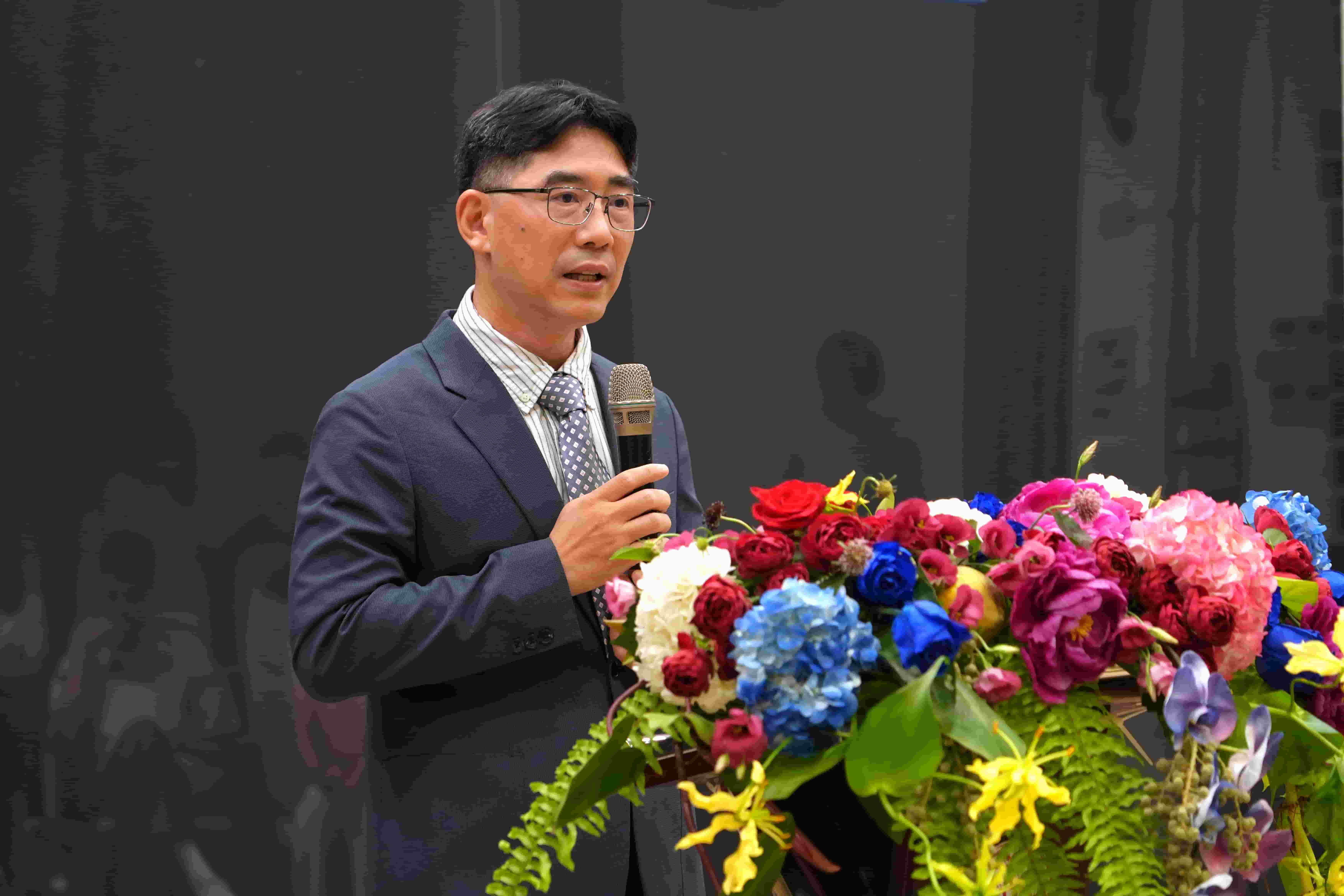
Wenchao Chiu, the Vice President for International Affairs at NCKU, welcomed the 29 CLS students on behalf of the university.
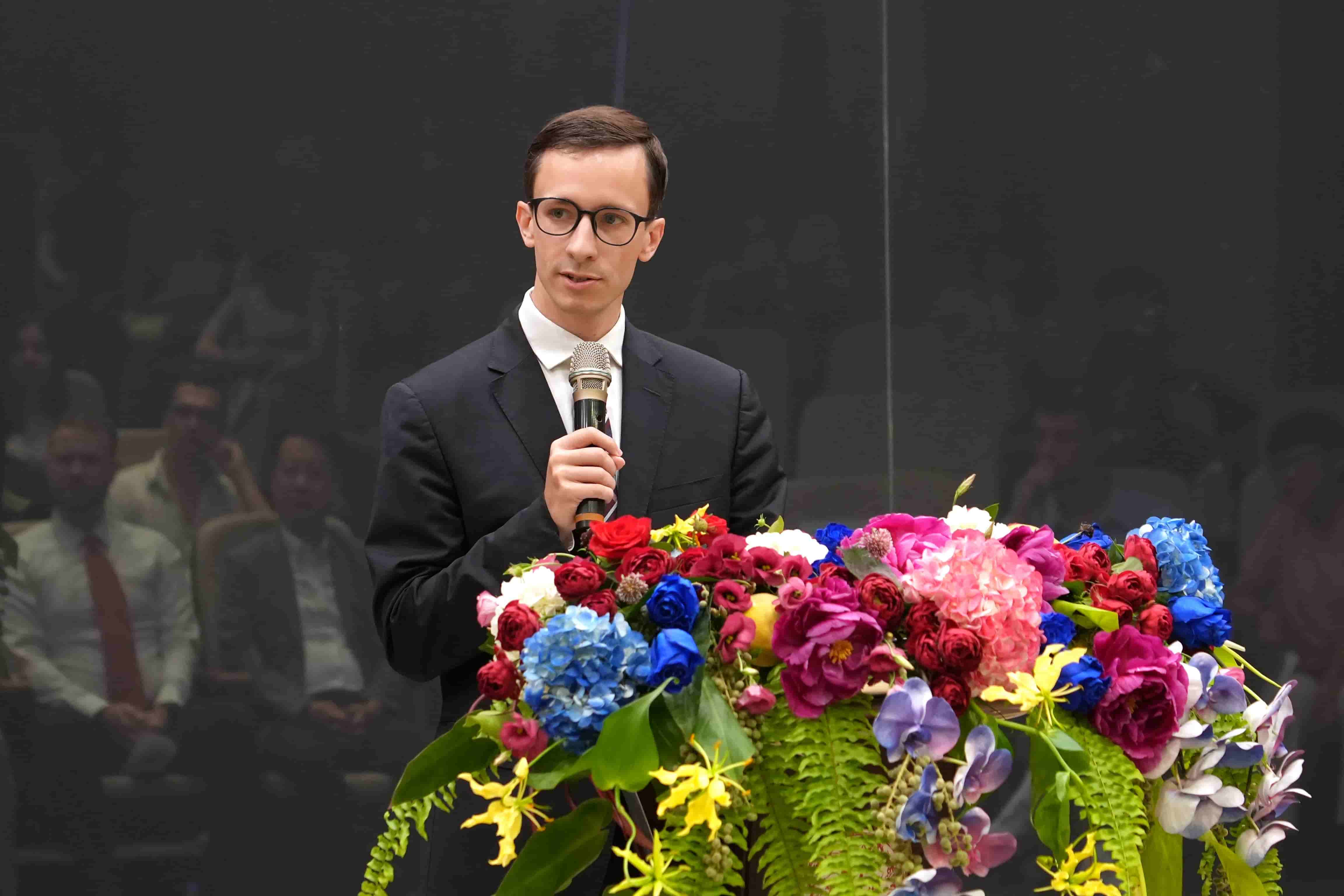
Harry Sullivan, the Deputy Branch Chief of the American Institute in Taiwan (AIT) Kaohsiung Office, delivered remarks to encourage the CLS students.
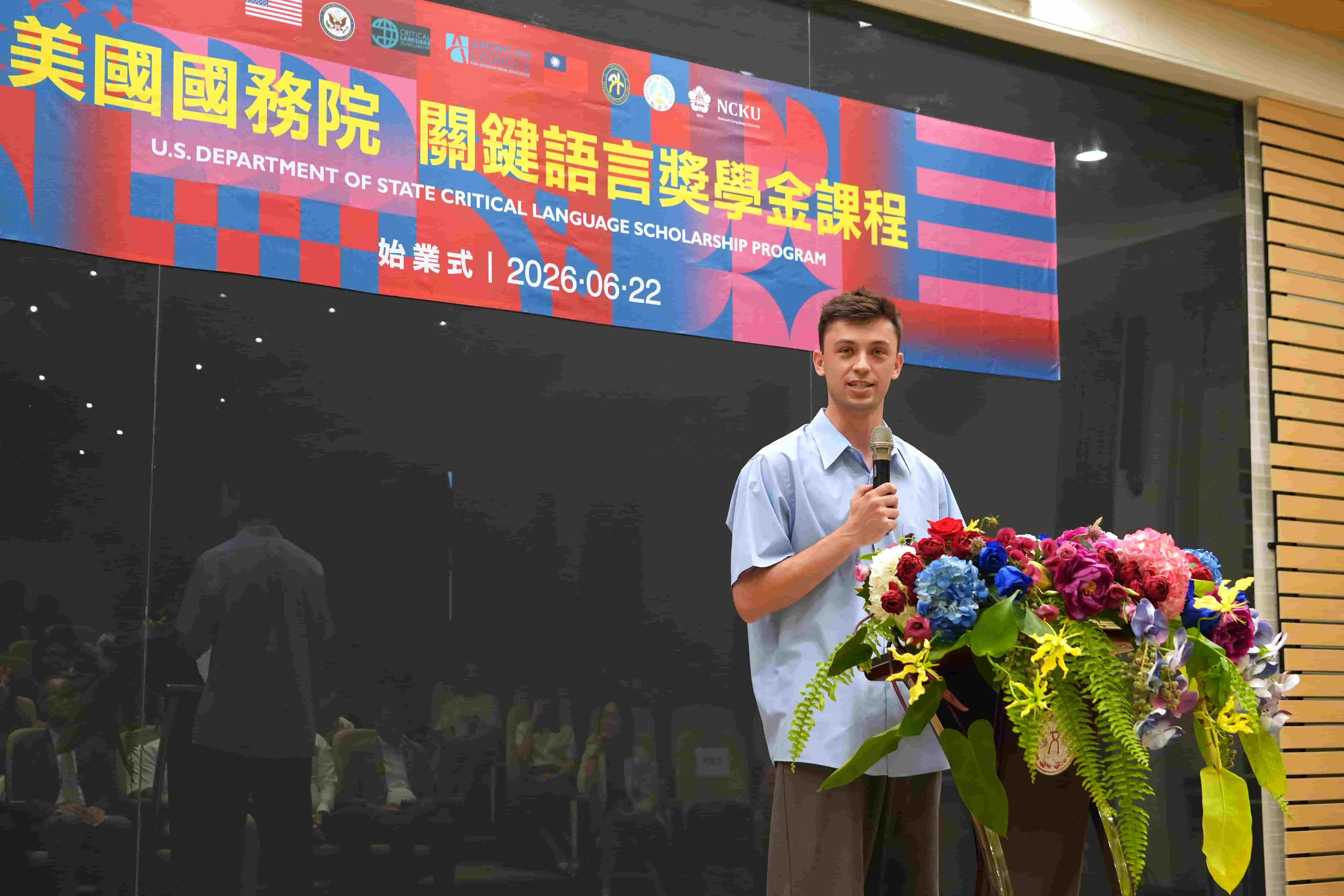
CLS Participant Fang Shang-ting Outlines Cohort's Expectations at Opening Ceremony
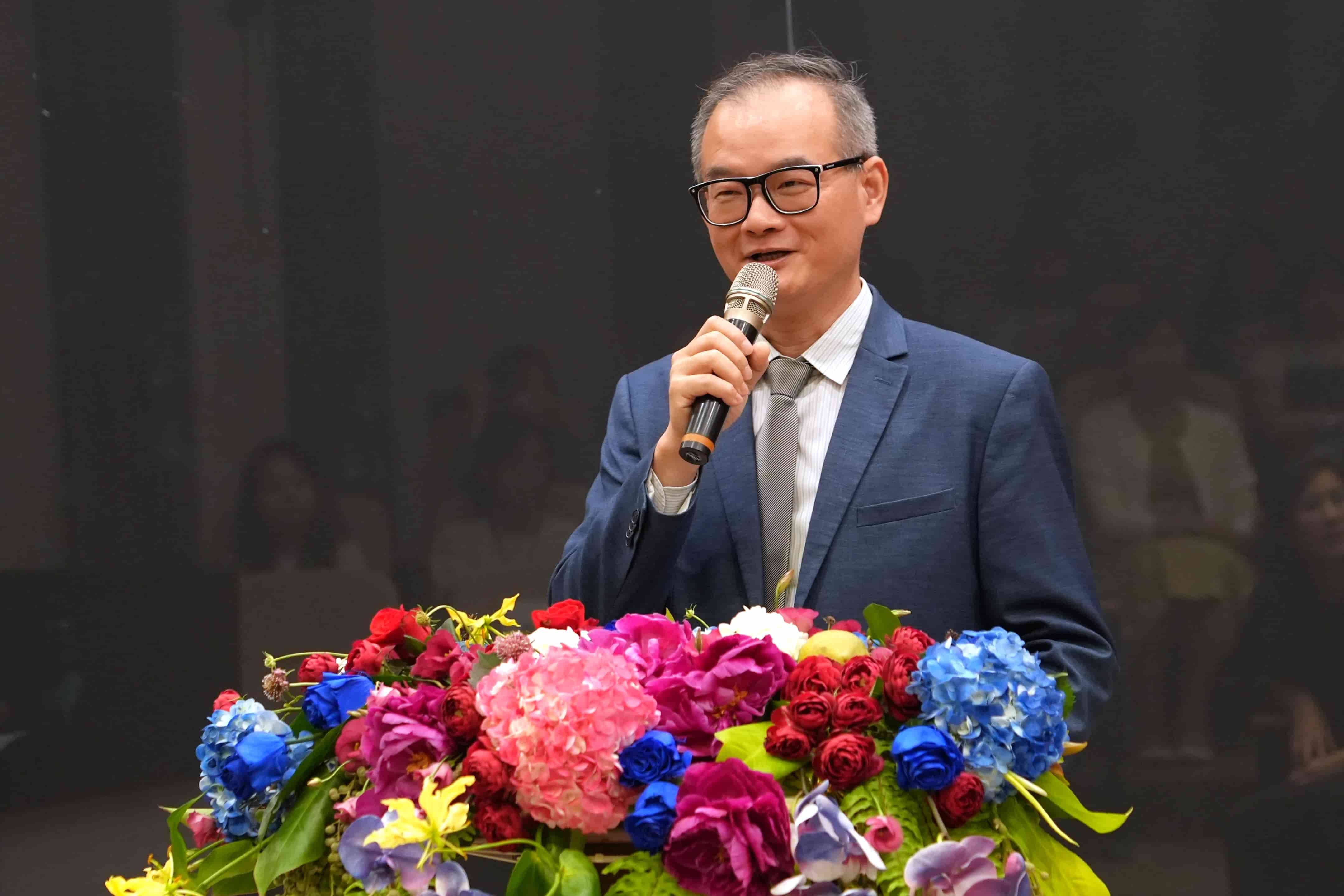
Li-Ying Chen, the Deputy Director-General of the Department of International and Cross-Strait Education at the Ministry of Education, welcomed CLS students to return to Taiwan for further studies or careers in the future.
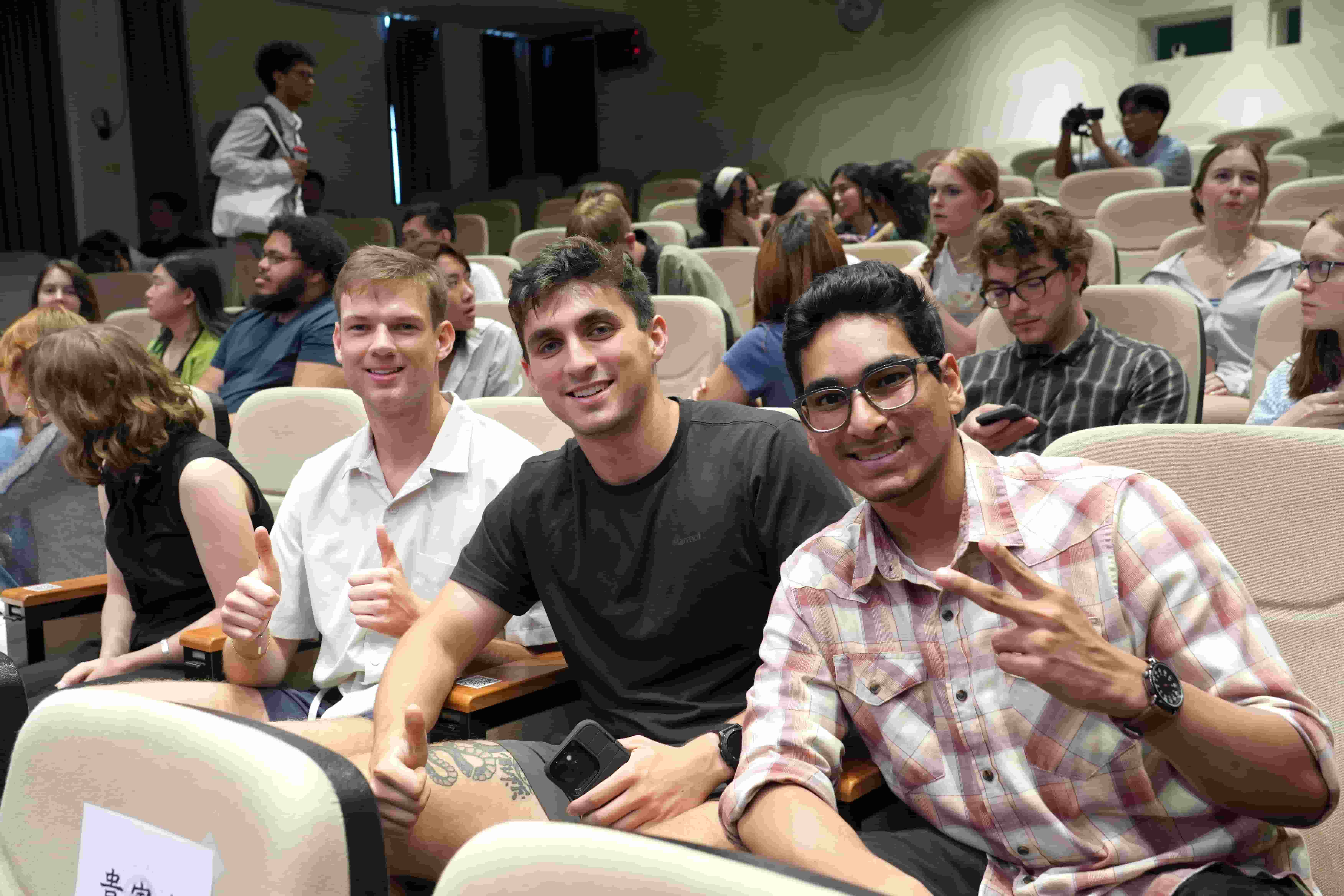
The 29 CLS students arriving in Taiwan this term represent 28 universities across 20 U.S. states and boast diverse academic backgrounds. Through host families, language partners, cultural courses, and field trips, they will gain a profound, firsthand understanding of local culture.
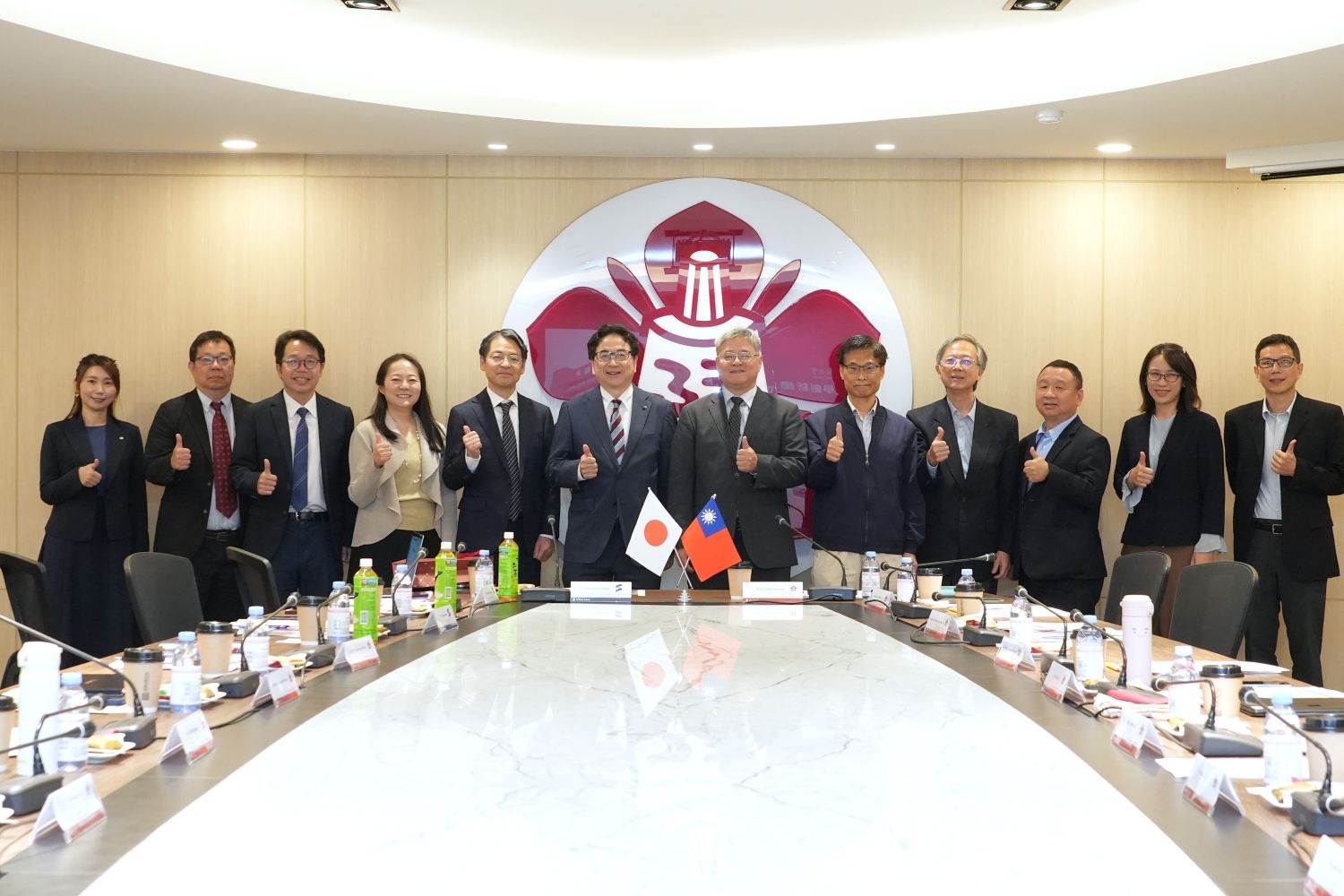
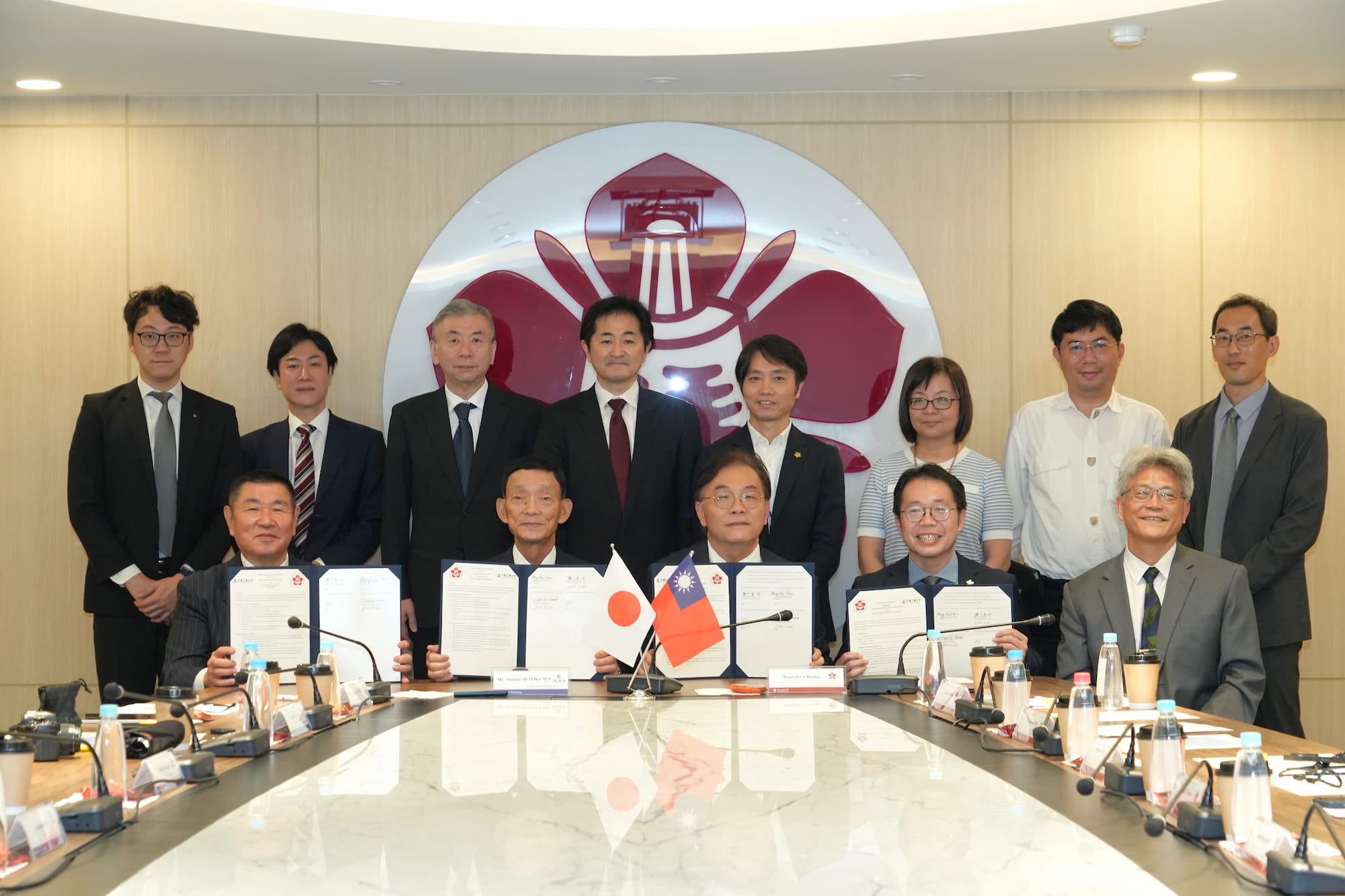
SDG17NCKU and Institute of Science Tokyo Jointly Build a Taiwan–Japan Industry–Academia Innovation Ecosystem
View more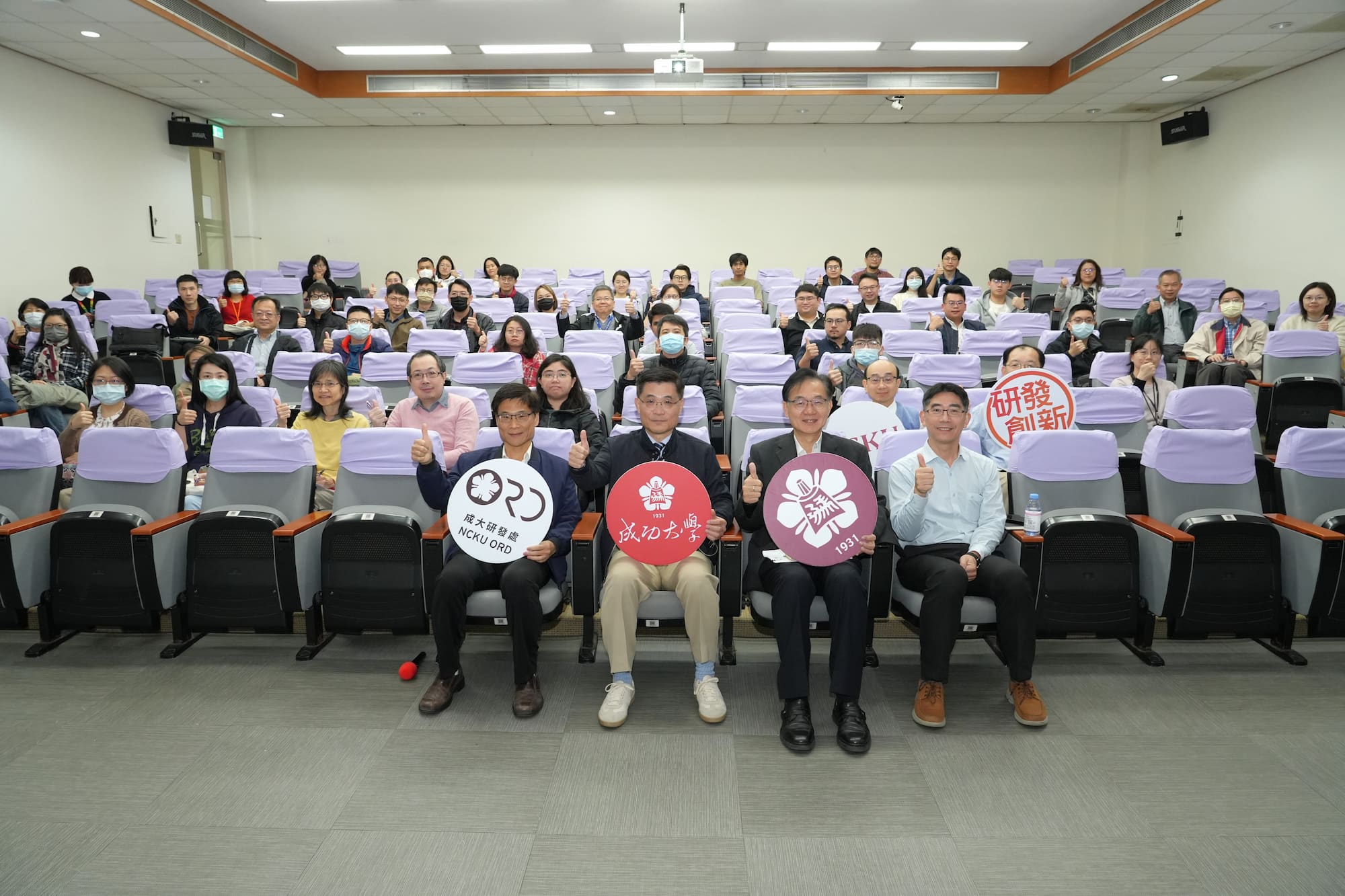
SDG17NCKU Launches Core Research Programs to Drive Interdisciplinary Innovation and Cultivate Top Talent
View more