



SDG11
NCKU USR 2026 International Forum: Cross-Cultural Dialogues on Local to Global Green Living
On August 7, the National Cheng Kung University (NCKU) University Social Responsibility (USR) project "Urban-Rural Partnership for Healthy and Sustainable Living: East Asia Network" hosted the 2026 International Forum titled "Green Living Across Contexts: Local Practices, Global Dialogues" at the C-Hub on the 1st floor of NCKU. Organized by the NCKU Humanities and Social Sciences Center, the forum convened scholars and experts from Japan’s Chiba University and Japan Women's University, Thailand’s Chiang Mai University and King Mongkut's University of Technology Thonburi, Universitas Indonesia, and NCKU. Centered around "green living," participants shared insights on public space, community engagement, age-friendliness, inclusive design, and local practice in Tainan, examining how sustainable lifestyles respond to environmental sustainability, health, and social connectedness across diverse urban and cultural contexts.
Opening the event, Hsing-Mei Chen, Head of the Education Division at the NCKU Humanities and Social Sciences Center, highlighted the interdisciplinary bridge between architecture and healthcare, noting that both fields share the goal of building a sense of security that fosters love and belonging. She also highlighted Thai case studies that merge health services with architectural design to create safe, caring spaces. Chen noted that since its establishment in 2007, the center has championed "cultural governance" in southern Taiwan, integrating NCKU’s academic research across humanities, social sciences, and technology into local communities across Tainan, Kaohsiung, and Pingtung.
Lung-Chuan Lu, Dean of Student Affairs at National Chung Cheng University, spoke on behalf of the USR Alliance, co-organizers of the forum. He commended NCKU for continuously integrating interdisciplinary expertise and collaborating with local governments, communities, and international partners to translate academic research into actionable social impact.
En-Yu Huang, Chair of NCKU’s Department of Architecture, emphasized that universities must respond to societal needs and practice public values. He noted that NCKU’s architecture program actively encourages students to apply their training to real-world scenarios—such as community building, healthy cities, and cultural preservation—demonstrating that architecture is a key medium for social connection and sustainable development.
Serving as a continuation and synthesis of the "Green Living for the Super-Aged Society" international workshop held from August 1 to 6, this forum marks the second consecutive year NCKU has partnered with Chiba University, Chiang Mai University, and King Mongkut's University of Technology Thonburi. Through these combined workshops and discussions, the project aims to deepen long-term academic and practical collaboration across East and Southeast Asia.
Opening the event, Hsing-Mei Chen, Head of the Education Division at the NCKU Humanities and Social Sciences Center, highlighted the interdisciplinary bridge between architecture and healthcare, noting that both fields share the goal of building a sense of security that fosters love and belonging. She also highlighted Thai case studies that merge health services with architectural design to create safe, caring spaces. Chen noted that since its establishment in 2007, the center has championed "cultural governance" in southern Taiwan, integrating NCKU’s academic research across humanities, social sciences, and technology into local communities across Tainan, Kaohsiung, and Pingtung.
Lung-Chuan Lu, Dean of Student Affairs at National Chung Cheng University, spoke on behalf of the USR Alliance, co-organizers of the forum. He commended NCKU for continuously integrating interdisciplinary expertise and collaborating with local governments, communities, and international partners to translate academic research into actionable social impact.
En-Yu Huang, Chair of NCKU’s Department of Architecture, emphasized that universities must respond to societal needs and practice public values. He noted that NCKU’s architecture program actively encourages students to apply their training to real-world scenarios—such as community building, healthy cities, and cultural preservation—demonstrating that architecture is a key medium for social connection and sustainable development.
Serving as a continuation and synthesis of the "Green Living for the Super-Aged Society" international workshop held from August 1 to 6, this forum marks the second consecutive year NCKU has partnered with Chiba University, Chiang Mai University, and King Mongkut's University of Technology Thonburi. Through these combined workshops and discussions, the project aims to deepen long-term academic and practical collaboration across East and Southeast Asia.
NCKU’s "Urban-Rural Partnership" project hosted the 2026 International Forum on August 7, focusing on "Green Living" to discuss addressing environmental sustainability, health, well-being, and social connectedness across diverse urban and cultural contexts. (Photo credit: NCKU Center for Humanities and Social Sciences)
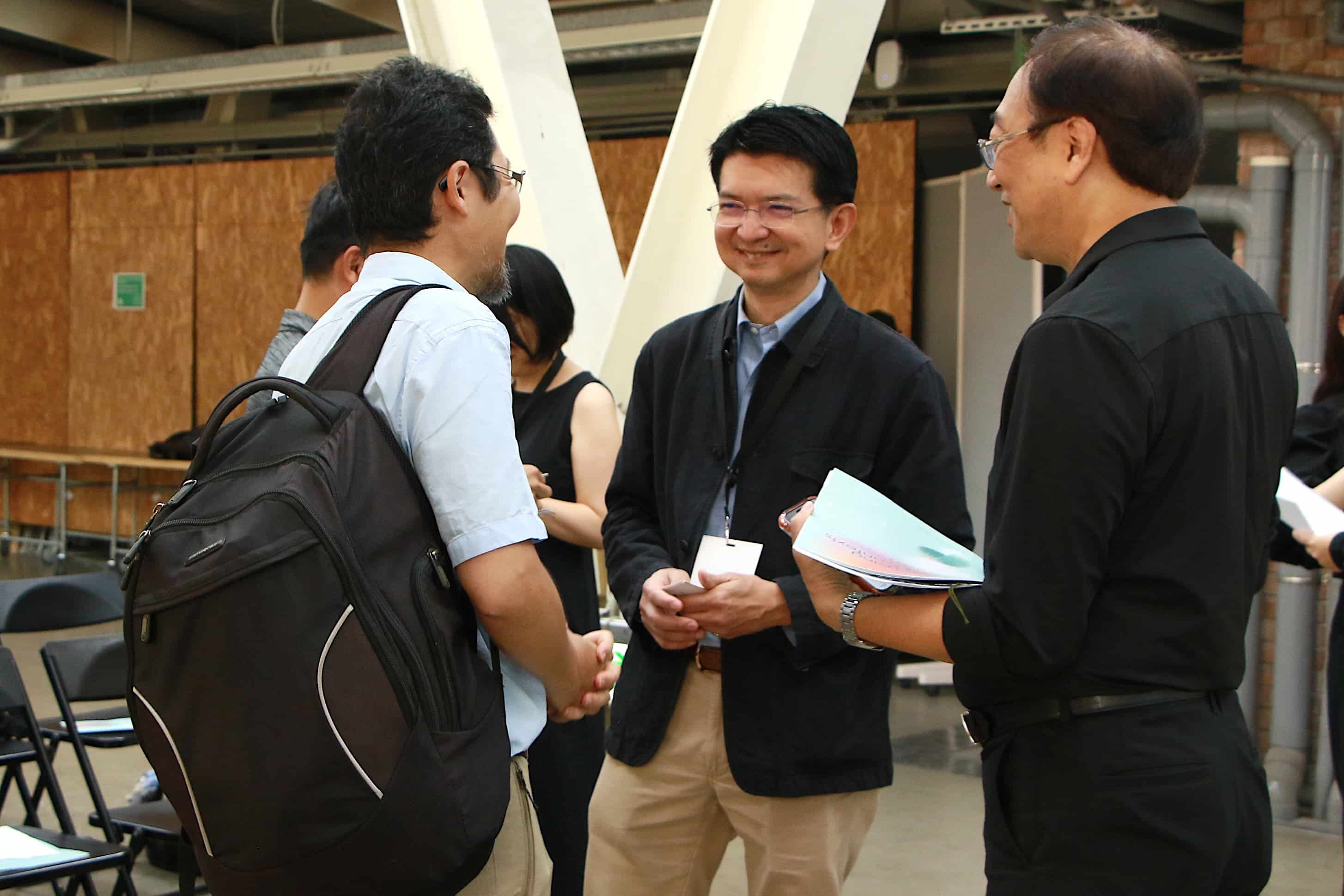
Scholars from Thailand, Japan, Indonesia, and Taiwan gather to share their knowledge and practical experience.
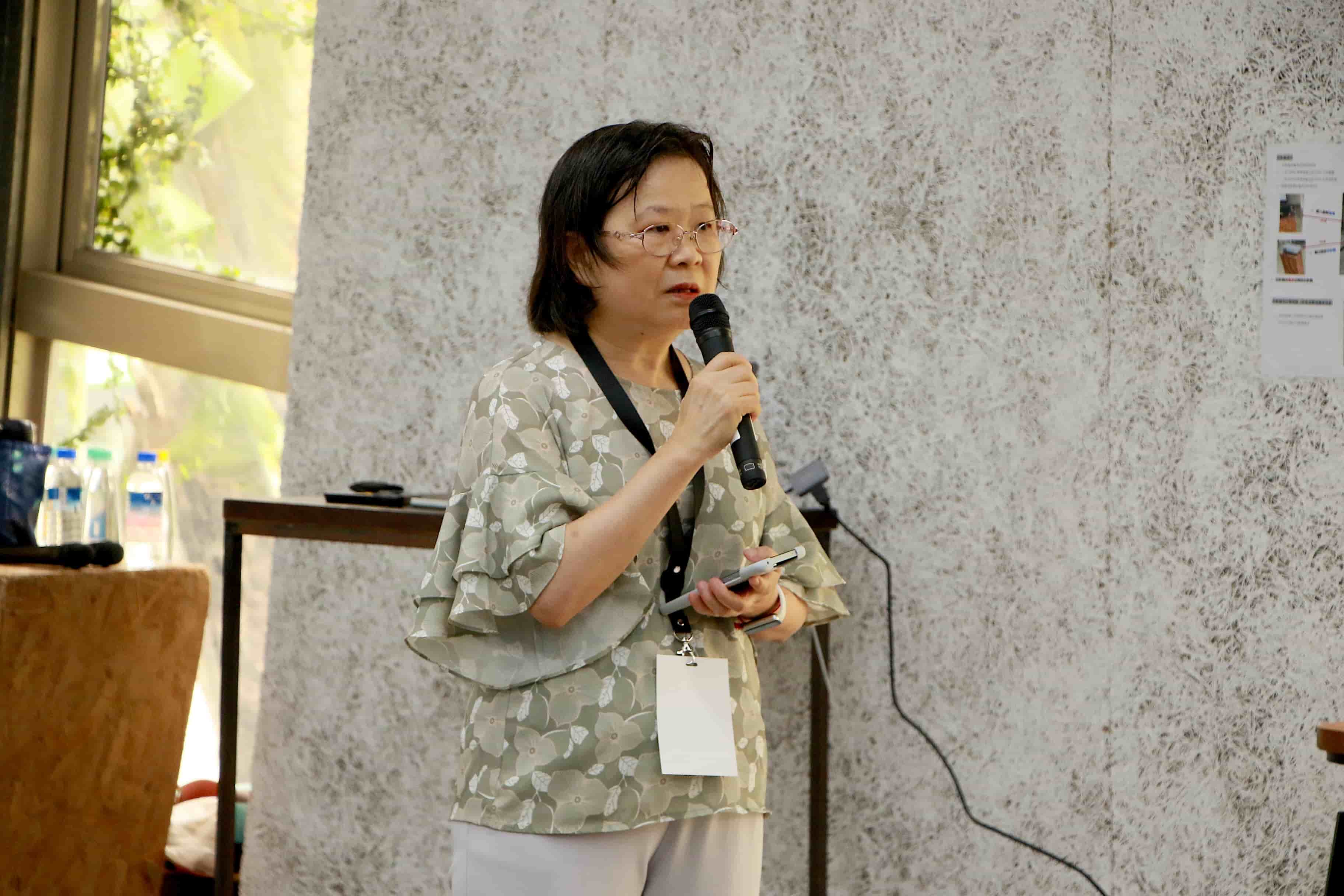
Hsing-Mei Chen, Head of the Education Division at the NCKU Center for Humanities and Social Sciences, emphasizes that this international collaboration is not only an exchange of knowledge and experience, but also a journey of mutual companionship and shared learning.
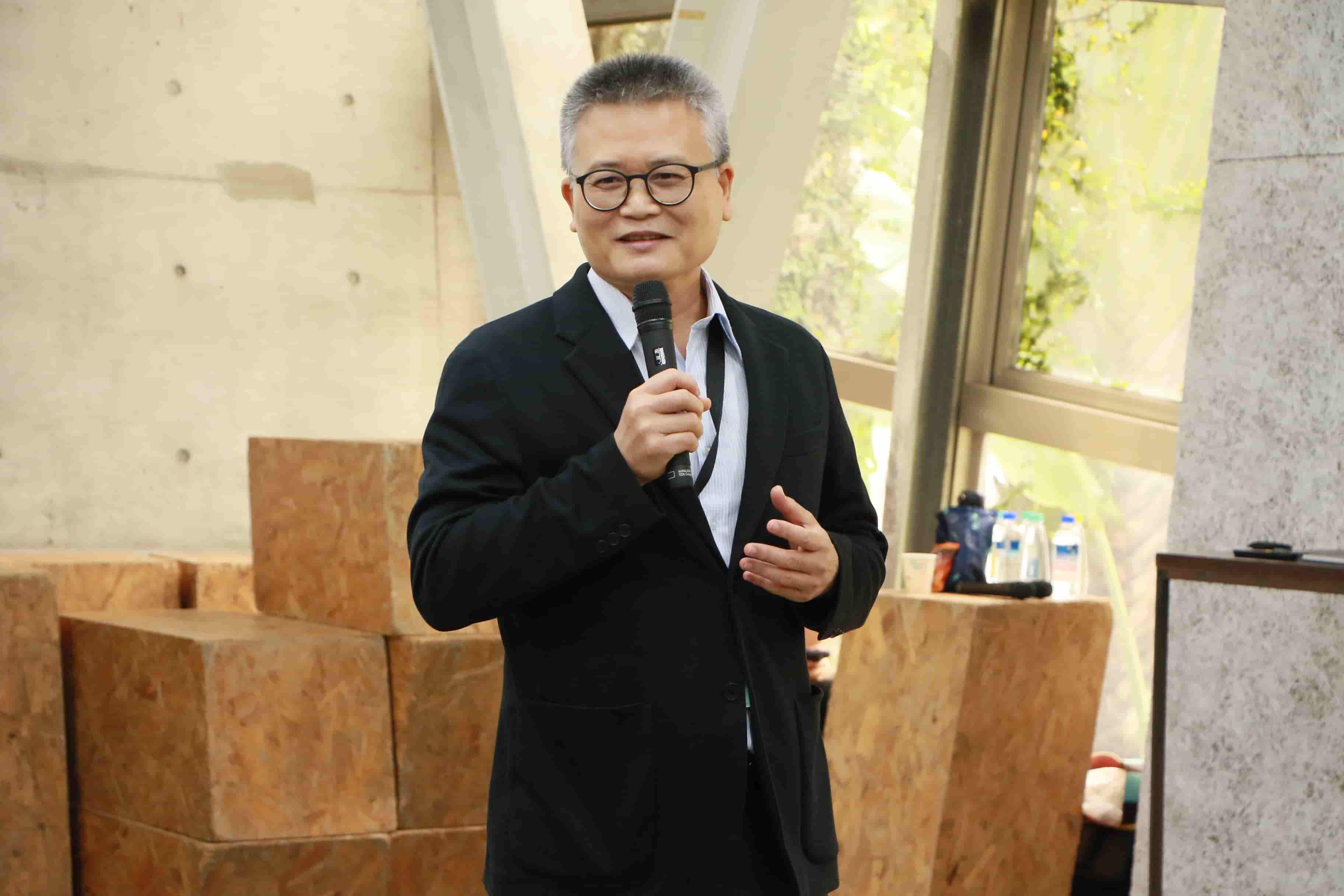
Lung-Chuan Lu, Dean of Student Affairs at National Chung Cheng University, expresses his belief that by sharing experiences, we can jointly create a better world.
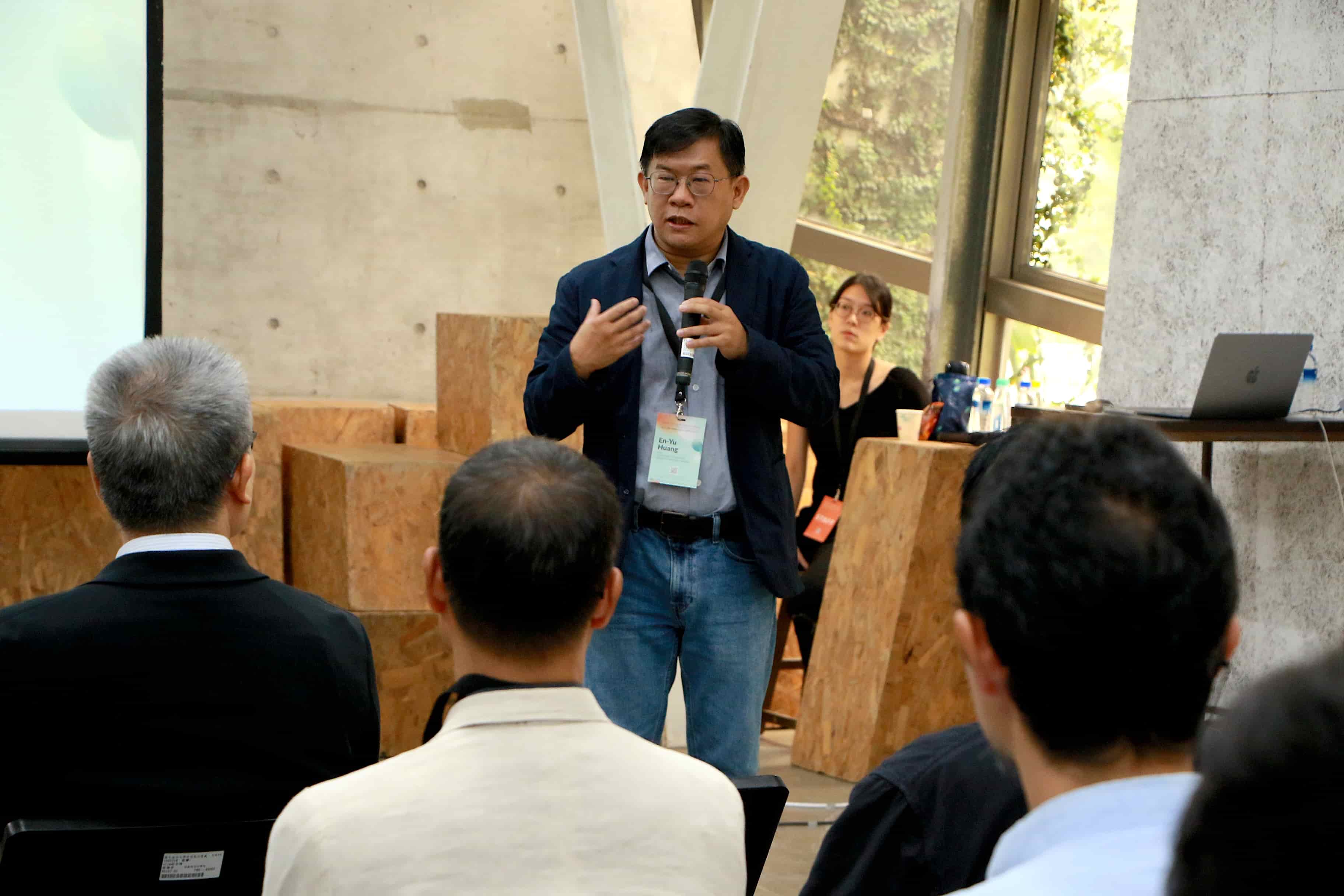
En-Yu Huang, Chair of NCKU’s Department of Architecture, remarks that universities serve not only as places of knowledge production, but also bear the vital mission of responding to societal needs, supporting local development, and fulfilling public values.
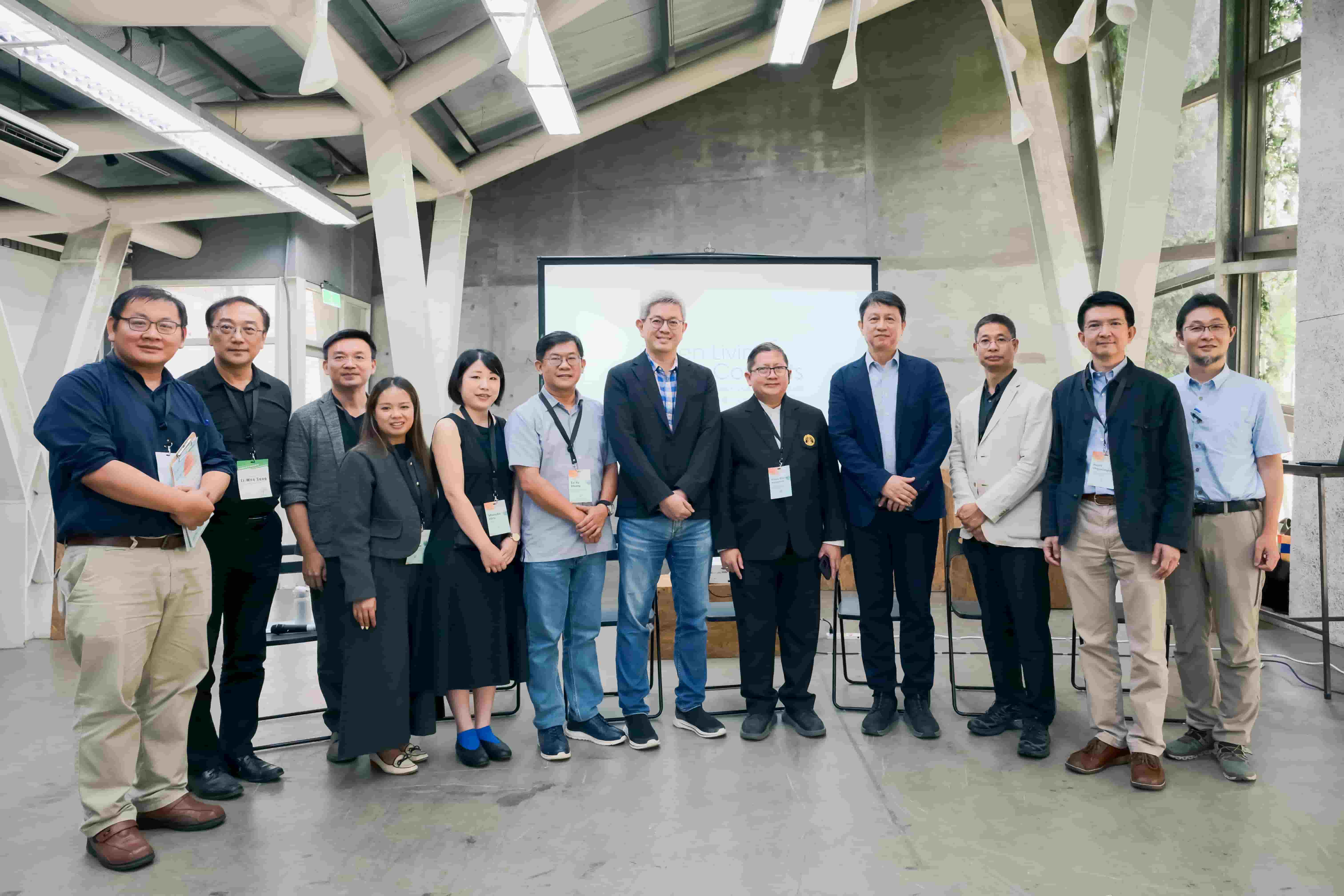
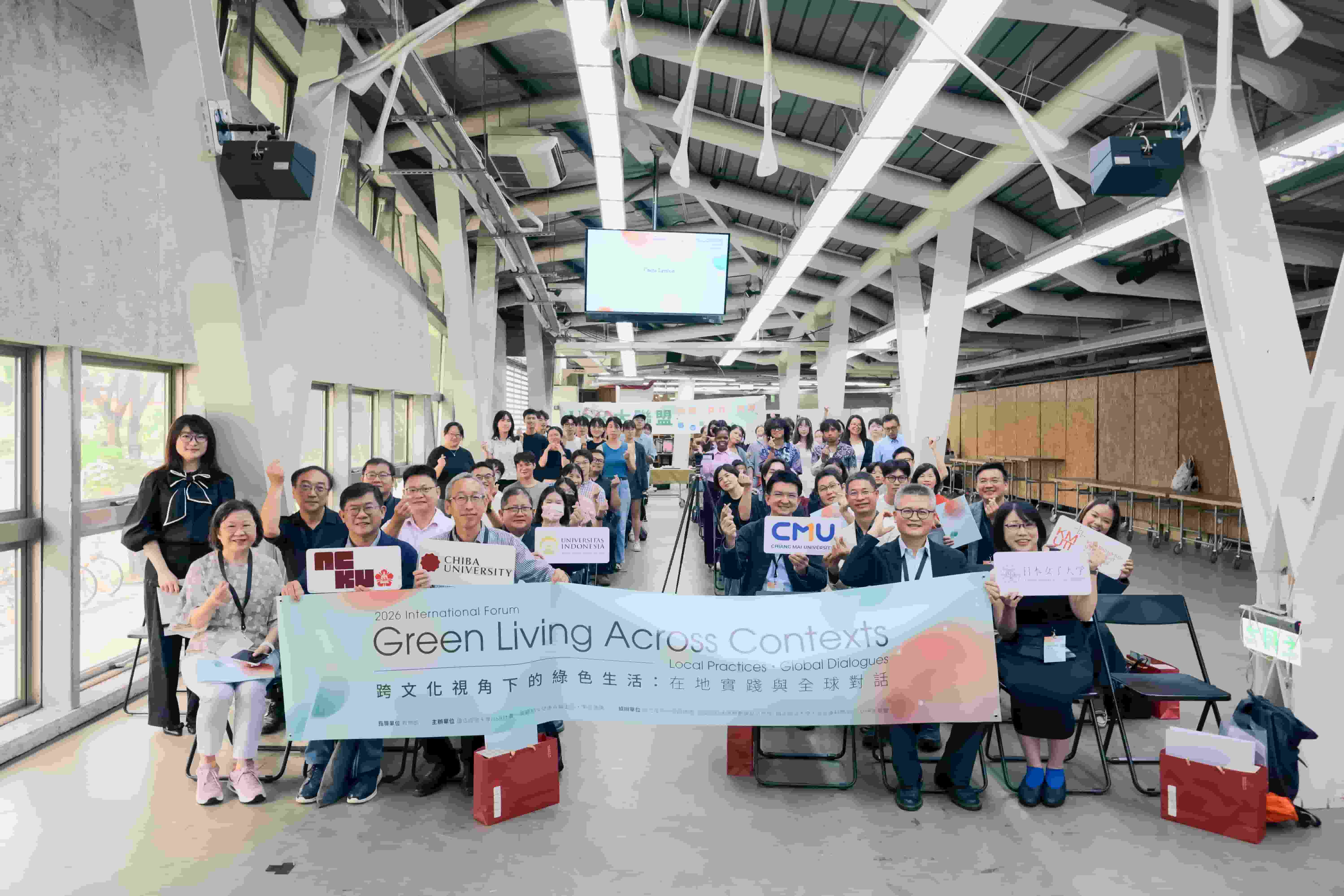
Group photo of participating scholars and honored guests. (Photo courtesy of NCKU Center for Humanities and Social Sciences)