



SDG9
NCKU Team’s Research Rocket “AfterLight 1” Successfully Completes Flight Test at Xuhai

Under the supervision of Professor Chih-Yung Wu (吳志勇教授) of the Department of Aeronautics and Astronautics at National Cheng Kung University (NCKU), the Combustion and Propulsion Laboratory, together with the NCKU Institute of Space Propulsion (ISP) student club, has been jointly participating in the Taiwan Space Agency (TASA) scientific research rocket program since 2024. Their collaboratively developed research rocket, AfterLight 1, successfully completed its first official launch at 6:30 a.m. on November 22, 2025, at the Xuhai Research Rocket Launch Site under the National Science and Technology Council (NSTC), following extensive ground tests, system verifications, and cross-team integration.
AfterLight 1 measures 210 cm in length with a diameter of 16 cm, and is designed to reach a maximum altitude of 1 km with a payload capacity of 4 kg. The rocket features a fiberglass composite airframe, a solid-fuel propulsion system, and a parachute recovery mechanism. The project involves nearly 30 team members, with students taking the lead in all aspects—from design and manufacturing to system testing and mission planning—making it a fully hands-on, interdisciplinary engineering experience.
In the division of tasks, ISP was responsible for the airframe structure, communications, and payload system integration, while the rocket engine was gradually refined under the guidance of the Combustion and Propulsion Laboratory. Close collaboration between the teams ensured that the rocket could carry out this mission in a stable and safe manner. The project aims to build experience in scientific research rocket launches, establish a comprehensive engineering framework, cultivate engineering ethics among students, and acquire flight data to validate simulation results—an essential foundation for future propulsion and flight control research.
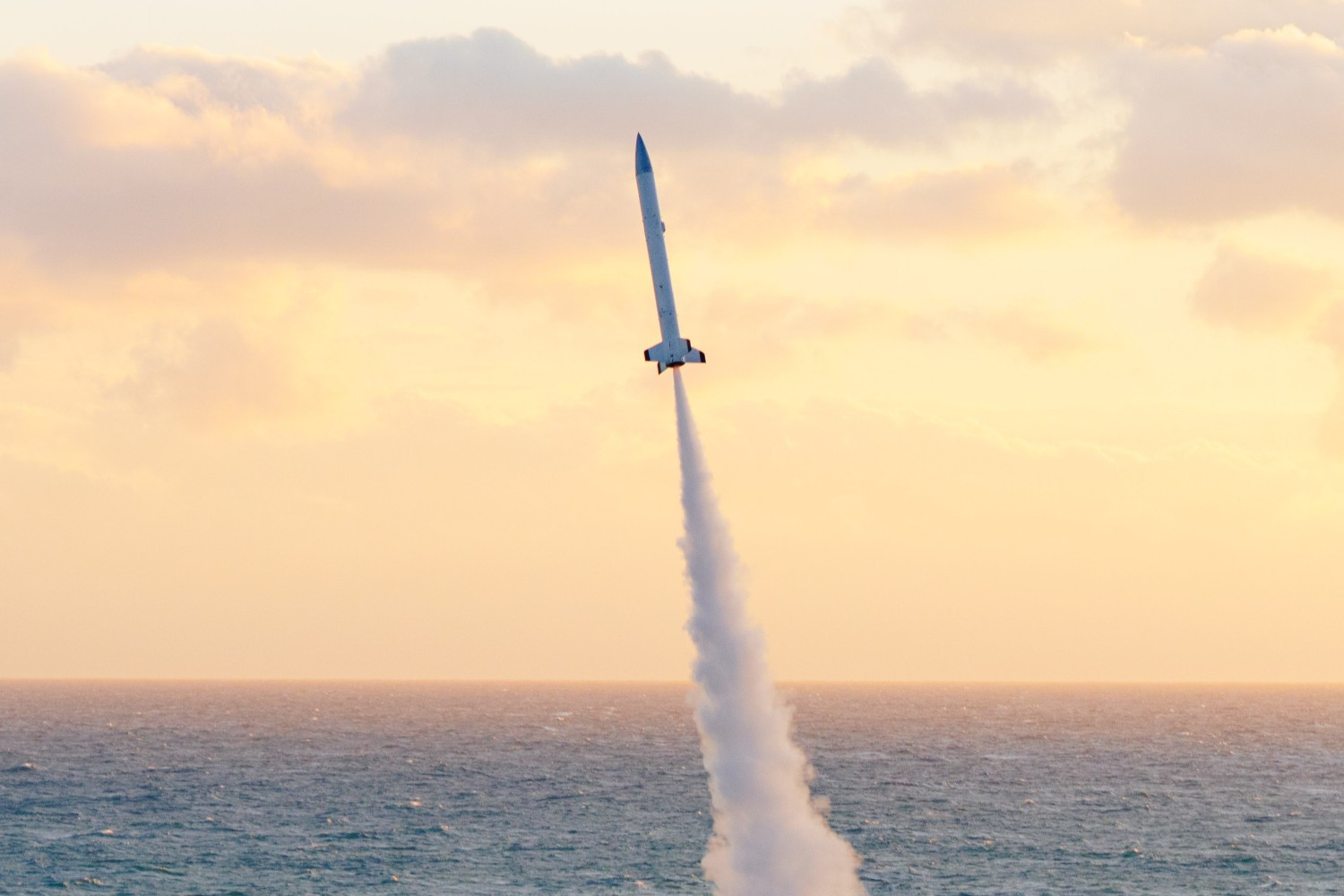
During this maiden flight, AfterLight 1’s propulsion phase operated for six seconds, completing a total of 60 seconds of flight time. The rocket successfully reached an altitude of 761 meters, fully meeting mission expectations. This success demonstrates the team’s strong capabilities across propulsion, attitude control, structural integration, and mission planning.
Professor Wu noted that students faced numerous challenges and occasional disagreements throughout the project, but the successful launch demonstrated the team’s ability to overcome difficulties and pressure. Witnessing the results of the students’ hard work, he believes each team member felt a level of joy that is difficult for outsiders to imagine. Chun-Hung Yu (游鈞閎), a senior in the Department of Mechanical Engineering and the Safety Officer for AfterLight 1, said he was overwhelmed with happiness at the moment of launch—making four years of effort feel entirely worthwhile.
Professor Wu emphasized that the successful launch is not only an important milestone for NCKU’s research rocket development, but also a sign of Taiwan’s steady progress in advancing indigenous space technology. He believes this accomplishment will attract more students passionate about space to join the Department of Aeronautics and Astronautics, and encourage interdisciplinary talents to join ISP and participate in hands-on rocket and space technology development. Moving forward, with support from TASA, the team will continue advancing scientific research rocket development, strengthening space systems engineering capabilities, and cultivating future space professionals with both integrative vision and practical engineering skills—contributing long-term momentum to Taiwan’s space industry.
AfterLight 1 measures 210 cm in length with a diameter of 16 cm, and is designed to reach a maximum altitude of 1 km with a payload capacity of 4 kg. The rocket features a fiberglass composite airframe, a solid-fuel propulsion system, and a parachute recovery mechanism. The project involves nearly 30 team members, with students taking the lead in all aspects—from design and manufacturing to system testing and mission planning—making it a fully hands-on, interdisciplinary engineering experience.
In the division of tasks, ISP was responsible for the airframe structure, communications, and payload system integration, while the rocket engine was gradually refined under the guidance of the Combustion and Propulsion Laboratory. Close collaboration between the teams ensured that the rocket could carry out this mission in a stable and safe manner. The project aims to build experience in scientific research rocket launches, establish a comprehensive engineering framework, cultivate engineering ethics among students, and acquire flight data to validate simulation results—an essential foundation for future propulsion and flight control research.
During this maiden flight, AfterLight 1’s propulsion phase operated for six seconds, completing a total of 60 seconds of flight time. The rocket successfully reached an altitude of 761 meters, fully meeting mission expectations. This success demonstrates the team’s strong capabilities across propulsion, attitude control, structural integration, and mission planning.
Professor Wu noted that students faced numerous challenges and occasional disagreements throughout the project, but the successful launch demonstrated the team’s ability to overcome difficulties and pressure. Witnessing the results of the students’ hard work, he believes each team member felt a level of joy that is difficult for outsiders to imagine. Chun-Hung Yu (游鈞閎), a senior in the Department of Mechanical Engineering and the Safety Officer for AfterLight 1, said he was overwhelmed with happiness at the moment of launch—making four years of effort feel entirely worthwhile.
Professor Wu emphasized that the successful launch is not only an important milestone for NCKU’s research rocket development, but also a sign of Taiwan’s steady progress in advancing indigenous space technology. He believes this accomplishment will attract more students passionate about space to join the Department of Aeronautics and Astronautics, and encourage interdisciplinary talents to join ISP and participate in hands-on rocket and space technology development. Moving forward, with support from TASA, the team will continue advancing scientific research rocket development, strengthening space systems engineering capabilities, and cultivating future space professionals with both integrative vision and practical engineering skills—contributing long-term momentum to Taiwan’s space industry.
The AfterLight 1 research rocket completed its first official launch at the Xuhai Research Rocket Launch Site (photo courtesy of the Taiwan Space Agency).

Pre-launch preparations

Group photo before launch (courtesy of the Taiwan Space Agency)