




SDG9
The 5th NCKU Electronics Forum Discusses Smart Manufacturing and Service Innovation in the Era of Digital Transformation

The 5th NCKU Electronics Forum (成電論壇) of National Cheng Kung University (NCKU) was grandly held on the morning of November 10, 2025, at the Xun-Hui Lecture Hall (迅慧講堂) of the Department of Electrical Engineering. The forum, themed “Smart Manufacturing and Service Innovation in the Era of Digital Transformation,” invited six distinguished alumni to return to campus during the anniversary celebrations to share their valuable experiences. Through practical cases, the forum explored how technologies such as big data and artificial intelligence (AI) can effectively transform data into actionable decisions, enhancing production efficiency and value, and driving breakthroughs in smart manufacturing and service innovation. The event attracted nearly 300 participants.
NCKU President Meng-Ru Shen (沈孟儒) delivered the opening remarks, emphasizing that a university is a place of hope, and that after-sales service ensures the campus continues to serve as a vital platform for knowledge exchange. He noted that the successful and enriching Electronics Forum has now entered its fifth year, alongside other campus forums such as the Materials Forum (成材論壇) and Mechanical Forum (成機論壇), all contributing to knowledge sharing. Highlighting the semiconductor industry’s extensive ecosystem, he noted that NCKU alumni play a key role and expressed the hope that next year’s anniversary could expand connections among similar forums to foster broader engagement.
Miin Wu (吳敏求), Chairman of Macronix International (旺宏電子) and Chairman of the NCKU Electronics Cultural and Educational Foundation (成電文教基金會), stated that the application of AI in smart manufacturing is crucial for advancing Taiwan’s industrial ecosystem. Reflecting on his entrepreneurial journey in Taiwan 37 years ago, he highlighted that he developed the world’s first fully computerized semiconductor production line and pioneered the use of big data in semiconductor AI systems, significantly improving Taiwan’s manufacturing quality. Macronix’s high-quality products have also been verified by global aerospace industries, with low-orbit satellites being among the first adopters. The Electronics Forum addresses the most critical technology topics annually, now in its fifth year. Wu also noted that the Macronix Jin-Si Awards (旺宏金矽獎) have been held for 25 consecutive years, cultivating young talent. He expressed hope that industry-academia exchange events like this would allow students to acquire new knowledge, foster innovation, explore the next 50 years of technological applications, and contribute to Taiwan’s industry and society.
Chi-Hung Chen (陳其宏), Chairman of Qisda Group (佳世達集團) and current Chairman of the NCKU Global Alumni Association, highlighted similar forums on campus, including the NCKU Engineering Forum (成工論壇) held on November 7. Responding to President Shen’s vision, Chen stated, “Next year, we will strive to connect the various department forums into a broader semiconductor industry forum, expanding its impact and letting the world see Taiwan and NCKU.” He then delivered a keynote titled “The Bright Future of Smart Manufacturing,” sharing insights on AI trends and strategic directions for smart manufacturing. Chen emphasized that Taiwan occupies a significant position in global manufacturing and should leverage its data advantages to ride the AI wave, integrating robotics and digital–physical convergence to achieve a bright future in smart manufacturing. He stressed that smart manufacturing is not merely automation—it requires AI to monitor, analyze, and make decisions in real time for autonomous operation. Deep integration of AI, data, and manufacturing sites enables factories to learn and predict, while digital–physical integration allows simulation and validation in the digital realm before real-world implementation. Chen noted that humanoid robots are best deployed in factories initially, as machine-to-machine communication can be more precise and efficient than service-oriented robots. He further emphasized that Taiwan’s extensive data accumulation in smart manufacturing, combined with investments in software algorithms and digital–physical integration, is key to maintaining its competitive edge.
The forum continued with a presentation by Dr. Hung Sun (孫弘), Chairman and CEO of Mirle Group (盟立集團). He highlighted that digital transformation is driving a paradigm shift in manufacturing from automation to intelligence. Enterprises are leveraging data-driven approaches and Internet of Things (IoT) technologies for real-time monitoring and analysis, combining AI and machine learning (ML) for predictive maintenance, quality control, and production optimization, thereby improving efficiency and safety. Digital–physical integration through digital twin technology allows the creation of virtual models of products, processes, or factories, enabling simulation, testing, and remote optimization, reducing costs and accelerating time-to-market. Mirle Group actively develops smart manufacturing and digital–physical integration, building a flexible, efficient, and customized production ecosystem. Future enterprise competitiveness will depend on digitalization and digital – physical integration, creating sustainable new value.
Next, Ching-Hsiung Tsai (蔡清雄), Vice General Manager of the Delta Electronics Mechatronics Business Group (台達機電事業群), shared insights on smart manufacturing initiatives. Since 2015, Delta has promoted intelligent manufacturing through digitalization to enhance production efficiency and quality. The company initially implemented a top-down strategy with goal-setting, current-state assessment, and dedicated execution teams, progressing through stages of rationalization, automation, digitalization, and intelligence with clearly defined targets. Guided by a human-centric philosophy, Delta encouraged employees to engage in higher-value work while gradually implementing “machine replacing manpower,” building automated smart production platforms to enhance ROI for indirect labor. Between 2018 and 2020, Delta established demonstration production lines, reviewed equipment automation capabilities, and defined the digital transformation framework. From 2020 to 2022, standardized data connection protocols and modular process station designs were introduced, reducing equipment operating costs. By 2023, Delta advanced full lifecycle planning from design to manufacturing, establishing a digital–physical integration platform aligned with “Smart Design for Smart Manufacture.” Through comprehensive data monitoring and process optimization, Delta has set up advanced smart factories worldwide, demonstrating leadership in intelligent manufacturing.
Ma Ta-Kang (馬大康), General Manager of Google Chrome OS R&D and a recipient of NCKU’s 114th Outstanding Alumni Achievement Award, introduced Google’s innovations in generative AI and the “Google University Exchange Program in Taiwan,” highlighting collaborations with NCKU. Speaking as an alumnus, he encouraged students to develop cross-disciplinary skills, global perspectives, maintain enthusiasm for learning, and adopt positive mindsets to create more opportunities. He emphasized that as technology rapidly evolves, Google shifted from mobile-first in 2017 to AI-first, innovating responsibly in AI to benefit everyone. With the rapid rise of generative AI, new cloud and edge AI chip development continues, positioning Taiwan competitively in semiconductor manufacturing, AI servers, and data centers. Google’s latest large language model, Gemini, supports autonomous intelligence and decision-making, is multimodal (text, audio, image, video, math, programming), and is designed for Agentic AI services. Gemini and associated applications, including NotebookLM, are driving new service directions. Responsible AI tools like SynthID watermarking and fraud-detection features on the latest Pixel smartphones have been deployed in the U.S., furthering safe and ethical AI use.
Chien-Cheng Lin (林建誠), Senior Vice President of AMD Taiwan Commercial Business, highlighted the unprecedented pace of AI innovation and the increasing demand for computational power and development efficiency, driven by large-scale training models and generative AI. He discussed how AMD provides a comprehensive end-to-end AI computing portfolio spanning data centers, edge computing, and personal devices. Leveraging open architecture and the ROCm software ecosystem, combined with Taiwan’s industrial strengths, AMD advances efficient AI platforms, enabling rapid deployment and optimization of AI models locally and globally.
The forum concluded with Dr. Kuan-Liang Liu (劉冠良), Senior Data Scientist at NVIDIA (輝達), who discussed the “explosion” era of generative AI in the physical world. He introduced the concept of Physical AI—models capable of understanding and interacting with the physical world—driving industries from static rule-based automation to adaptive autonomous systems. This revolution will redefine global industrial ecosystems, impacting sectors worth up to USD 50 trillion in GDP, including warehousing, factories, transportation, robotics, and autonomous vehicles. Liu showcased NVIDIA’s collaboration with Taiwan’s hardware, software, and robotics partners, leveraging DGX, OVX, AGX AI platforms, and foundational platforms like GR00T (humanoid robot base model) and Cosmos (physical intelligence platform) to advance industrial autonomy and usher in a new era of industrial AI.
During the panel discussion, the six speakers shared perspectives and practical experiences on how enterprises can not only enhance production efficiency but also understand market trends, customer needs, and leverage rapidly evolving technologies, especially AI, to stay competitive. They emphasized that digital transformation involves not only technology upgrades but also a shift in mindset, critical for sustainable and excellent development in a globalized market. The discussion also included interactive Q&A with the audience.
Department Chair Meng-Hsueh Chiang (江孟學) of the NCKU Department of Electrical Engineering stated that the forum relies on strong support from alumni every year. This year’s event, co-organized by the Department and the Electronics Cultural and Educational Foundation, was sponsored by Macronix (旺宏電子), ChipMos Tehnologies Inc. (南茂科技), Qisda (佳世達科技), and Genesys Logic Inc. (創惟科技). He expressed gratitude to all participants for providing valuable opportunities for students and faculty to learn the latest industry practices and technologies. The department will continue to strengthen cross-disciplinary learning and practical skills, integrating AI, smart manufacturing, and big data to create diverse courses and internship opportunities, attracting talented students with innovative potential.
At the same time, on the first floor courtyard of the department building, a special competition exhibition showcased students’ innovation and cross-disciplinary integration skills. Winning projects included: “DIBL Effects in Nano-sheet Transistors Operating at Ultra-low Voltage,” “MMPose Image Processing Combined with Indoor Bicycle Training Models,” “FSRCNN-based Model Improvement and Hardware Implementation,” “Wireless Custom BMS System on Electric Race Car,” “Net Zero Carbon Emissions and Neural Network Handwriting Recognition,” and “Fall Warning and Care Guidance System Combining Edge Computing and Large Language Models.” These works demonstrate NCKU Electrical Engineering students’ cutting-edge capabilities and innovative applications in AI, smart manufacturing, and sustainable technologies.
NCKU President Meng-Ru Shen (沈孟儒) delivered the opening remarks, emphasizing that a university is a place of hope, and that after-sales service ensures the campus continues to serve as a vital platform for knowledge exchange. He noted that the successful and enriching Electronics Forum has now entered its fifth year, alongside other campus forums such as the Materials Forum (成材論壇) and Mechanical Forum (成機論壇), all contributing to knowledge sharing. Highlighting the semiconductor industry’s extensive ecosystem, he noted that NCKU alumni play a key role and expressed the hope that next year’s anniversary could expand connections among similar forums to foster broader engagement.
Miin Wu (吳敏求), Chairman of Macronix International (旺宏電子) and Chairman of the NCKU Electronics Cultural and Educational Foundation (成電文教基金會), stated that the application of AI in smart manufacturing is crucial for advancing Taiwan’s industrial ecosystem. Reflecting on his entrepreneurial journey in Taiwan 37 years ago, he highlighted that he developed the world’s first fully computerized semiconductor production line and pioneered the use of big data in semiconductor AI systems, significantly improving Taiwan’s manufacturing quality. Macronix’s high-quality products have also been verified by global aerospace industries, with low-orbit satellites being among the first adopters. The Electronics Forum addresses the most critical technology topics annually, now in its fifth year. Wu also noted that the Macronix Jin-Si Awards (旺宏金矽獎) have been held for 25 consecutive years, cultivating young talent. He expressed hope that industry-academia exchange events like this would allow students to acquire new knowledge, foster innovation, explore the next 50 years of technological applications, and contribute to Taiwan’s industry and society.
Chi-Hung Chen (陳其宏), Chairman of Qisda Group (佳世達集團) and current Chairman of the NCKU Global Alumni Association, highlighted similar forums on campus, including the NCKU Engineering Forum (成工論壇) held on November 7. Responding to President Shen’s vision, Chen stated, “Next year, we will strive to connect the various department forums into a broader semiconductor industry forum, expanding its impact and letting the world see Taiwan and NCKU.” He then delivered a keynote titled “The Bright Future of Smart Manufacturing,” sharing insights on AI trends and strategic directions for smart manufacturing. Chen emphasized that Taiwan occupies a significant position in global manufacturing and should leverage its data advantages to ride the AI wave, integrating robotics and digital–physical convergence to achieve a bright future in smart manufacturing. He stressed that smart manufacturing is not merely automation—it requires AI to monitor, analyze, and make decisions in real time for autonomous operation. Deep integration of AI, data, and manufacturing sites enables factories to learn and predict, while digital–physical integration allows simulation and validation in the digital realm before real-world implementation. Chen noted that humanoid robots are best deployed in factories initially, as machine-to-machine communication can be more precise and efficient than service-oriented robots. He further emphasized that Taiwan’s extensive data accumulation in smart manufacturing, combined with investments in software algorithms and digital–physical integration, is key to maintaining its competitive edge.
The forum continued with a presentation by Dr. Hung Sun (孫弘), Chairman and CEO of Mirle Group (盟立集團). He highlighted that digital transformation is driving a paradigm shift in manufacturing from automation to intelligence. Enterprises are leveraging data-driven approaches and Internet of Things (IoT) technologies for real-time monitoring and analysis, combining AI and machine learning (ML) for predictive maintenance, quality control, and production optimization, thereby improving efficiency and safety. Digital–physical integration through digital twin technology allows the creation of virtual models of products, processes, or factories, enabling simulation, testing, and remote optimization, reducing costs and accelerating time-to-market. Mirle Group actively develops smart manufacturing and digital–physical integration, building a flexible, efficient, and customized production ecosystem. Future enterprise competitiveness will depend on digitalization and digital – physical integration, creating sustainable new value.
Next, Ching-Hsiung Tsai (蔡清雄), Vice General Manager of the Delta Electronics Mechatronics Business Group (台達機電事業群), shared insights on smart manufacturing initiatives. Since 2015, Delta has promoted intelligent manufacturing through digitalization to enhance production efficiency and quality. The company initially implemented a top-down strategy with goal-setting, current-state assessment, and dedicated execution teams, progressing through stages of rationalization, automation, digitalization, and intelligence with clearly defined targets. Guided by a human-centric philosophy, Delta encouraged employees to engage in higher-value work while gradually implementing “machine replacing manpower,” building automated smart production platforms to enhance ROI for indirect labor. Between 2018 and 2020, Delta established demonstration production lines, reviewed equipment automation capabilities, and defined the digital transformation framework. From 2020 to 2022, standardized data connection protocols and modular process station designs were introduced, reducing equipment operating costs. By 2023, Delta advanced full lifecycle planning from design to manufacturing, establishing a digital–physical integration platform aligned with “Smart Design for Smart Manufacture.” Through comprehensive data monitoring and process optimization, Delta has set up advanced smart factories worldwide, demonstrating leadership in intelligent manufacturing.
Ma Ta-Kang (馬大康), General Manager of Google Chrome OS R&D and a recipient of NCKU’s 114th Outstanding Alumni Achievement Award, introduced Google’s innovations in generative AI and the “Google University Exchange Program in Taiwan,” highlighting collaborations with NCKU. Speaking as an alumnus, he encouraged students to develop cross-disciplinary skills, global perspectives, maintain enthusiasm for learning, and adopt positive mindsets to create more opportunities. He emphasized that as technology rapidly evolves, Google shifted from mobile-first in 2017 to AI-first, innovating responsibly in AI to benefit everyone. With the rapid rise of generative AI, new cloud and edge AI chip development continues, positioning Taiwan competitively in semiconductor manufacturing, AI servers, and data centers. Google’s latest large language model, Gemini, supports autonomous intelligence and decision-making, is multimodal (text, audio, image, video, math, programming), and is designed for Agentic AI services. Gemini and associated applications, including NotebookLM, are driving new service directions. Responsible AI tools like SynthID watermarking and fraud-detection features on the latest Pixel smartphones have been deployed in the U.S., furthering safe and ethical AI use.
Chien-Cheng Lin (林建誠), Senior Vice President of AMD Taiwan Commercial Business, highlighted the unprecedented pace of AI innovation and the increasing demand for computational power and development efficiency, driven by large-scale training models and generative AI. He discussed how AMD provides a comprehensive end-to-end AI computing portfolio spanning data centers, edge computing, and personal devices. Leveraging open architecture and the ROCm software ecosystem, combined with Taiwan’s industrial strengths, AMD advances efficient AI platforms, enabling rapid deployment and optimization of AI models locally and globally.
The forum concluded with Dr. Kuan-Liang Liu (劉冠良), Senior Data Scientist at NVIDIA (輝達), who discussed the “explosion” era of generative AI in the physical world. He introduced the concept of Physical AI—models capable of understanding and interacting with the physical world—driving industries from static rule-based automation to adaptive autonomous systems. This revolution will redefine global industrial ecosystems, impacting sectors worth up to USD 50 trillion in GDP, including warehousing, factories, transportation, robotics, and autonomous vehicles. Liu showcased NVIDIA’s collaboration with Taiwan’s hardware, software, and robotics partners, leveraging DGX, OVX, AGX AI platforms, and foundational platforms like GR00T (humanoid robot base model) and Cosmos (physical intelligence platform) to advance industrial autonomy and usher in a new era of industrial AI.
During the panel discussion, the six speakers shared perspectives and practical experiences on how enterprises can not only enhance production efficiency but also understand market trends, customer needs, and leverage rapidly evolving technologies, especially AI, to stay competitive. They emphasized that digital transformation involves not only technology upgrades but also a shift in mindset, critical for sustainable and excellent development in a globalized market. The discussion also included interactive Q&A with the audience.
Department Chair Meng-Hsueh Chiang (江孟學) of the NCKU Department of Electrical Engineering stated that the forum relies on strong support from alumni every year. This year’s event, co-organized by the Department and the Electronics Cultural and Educational Foundation, was sponsored by Macronix (旺宏電子), ChipMos Tehnologies Inc. (南茂科技), Qisda (佳世達科技), and Genesys Logic Inc. (創惟科技). He expressed gratitude to all participants for providing valuable opportunities for students and faculty to learn the latest industry practices and technologies. The department will continue to strengthen cross-disciplinary learning and practical skills, integrating AI, smart manufacturing, and big data to create diverse courses and internship opportunities, attracting talented students with innovative potential.
At the same time, on the first floor courtyard of the department building, a special competition exhibition showcased students’ innovation and cross-disciplinary integration skills. Winning projects included: “DIBL Effects in Nano-sheet Transistors Operating at Ultra-low Voltage,” “MMPose Image Processing Combined with Indoor Bicycle Training Models,” “FSRCNN-based Model Improvement and Hardware Implementation,” “Wireless Custom BMS System on Electric Race Car,” “Net Zero Carbon Emissions and Neural Network Handwriting Recognition,” and “Fall Warning and Care Guidance System Combining Edge Computing and Large Language Models.” These works demonstrate NCKU Electrical Engineering students’ cutting-edge capabilities and innovative applications in AI, smart manufacturing, and sustainable technologies.
Group photo at the opening of the 5th NCKU Cheng-Dian Forum (from left: Chien-Cheng Lin, Senior Vice President of Commercial Business, AMD Taiwan; Kuo-Chao Wang, Chairman of Etron Technology, Inc.; Miin Wu, Chairman of Macronix International Co., Ltd.; Hong Sun, Chairman and President of M.O.E. Group; Meng-Ru Shen, President of NCKU; Chi-Hung Chen, Chairman of Qisda Group (佳世達集團); Ta-Kang Ma, General Manager of Google Chrome OS R&D; Ching-Hsiung Tsai, Vice President of Delta Mechatronics Business Group; Guan-Liang Liu, Senior Data Scientist at NVIDIA).
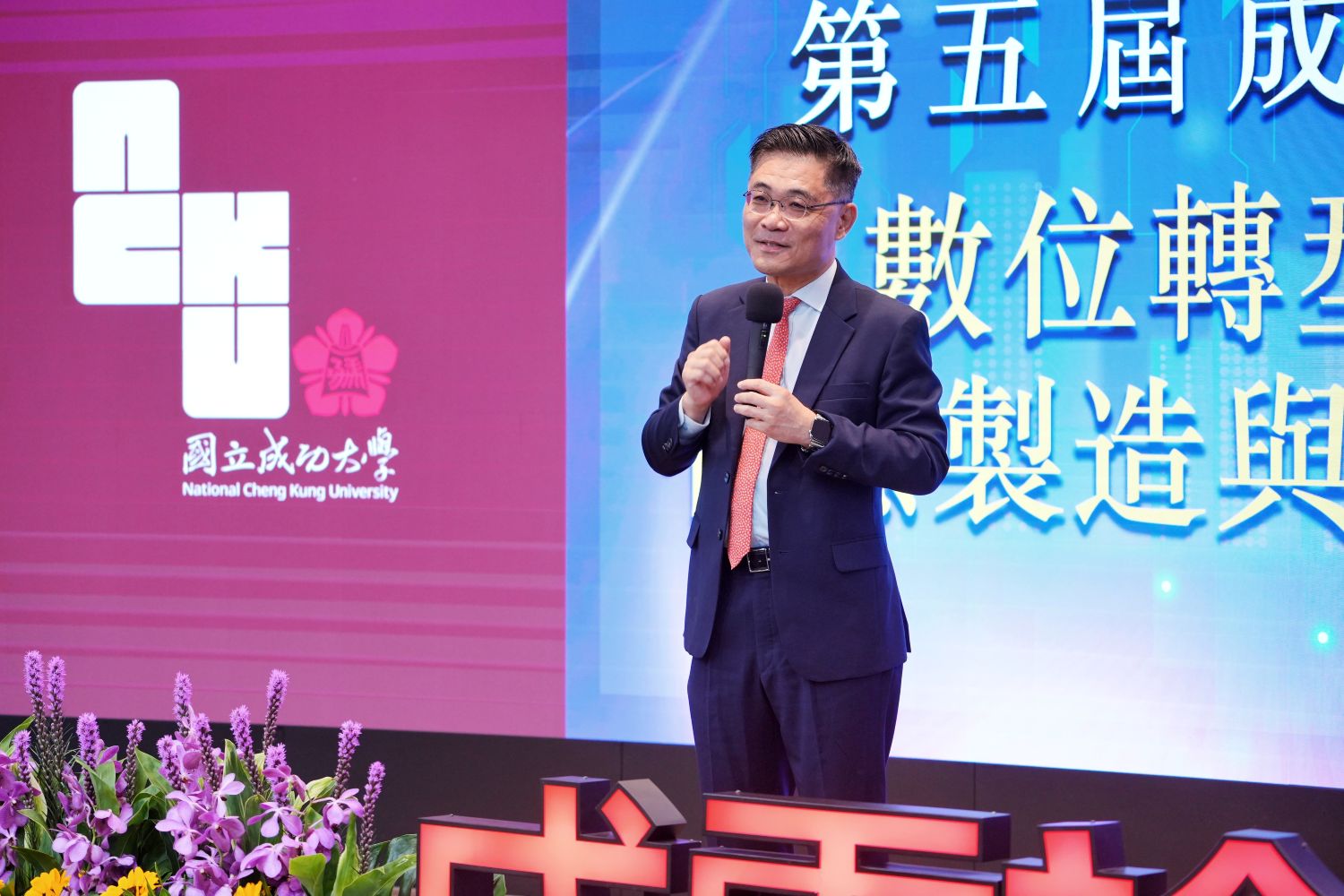
This November 2025, several exciting forums have taken place on the NCKU campus, including the Materials Forum, Engineering Forum, Mechanical Forum, and Electronics Forum. President Meng-Ru Shen expressed the hope that next year’s anniversary celebrations could bring together more of the university’s forums, fostering even greater exchanges across various sectors.
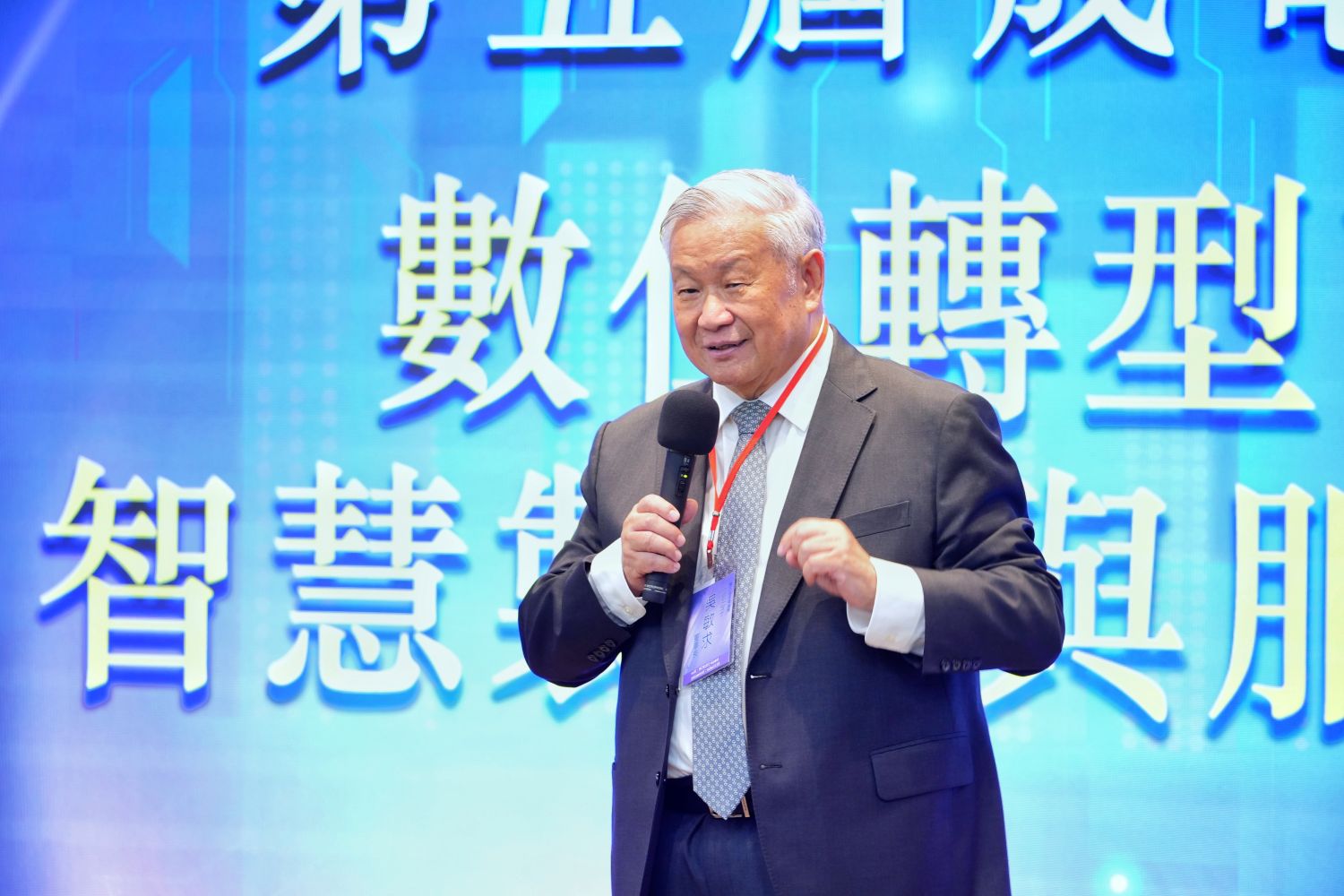
Miin Wu, Chairman of Macronix International Co., Ltd. and Chairman of the NCKU Electrical Engineering Cultural and Educational Foundation, hopes that by organizing these industry–academia exchange activities, young students can acquire more knowledge, cultivate innovation, explore new technological applications for the next 50 years, and contribute back to Taiwan’s industry and society.
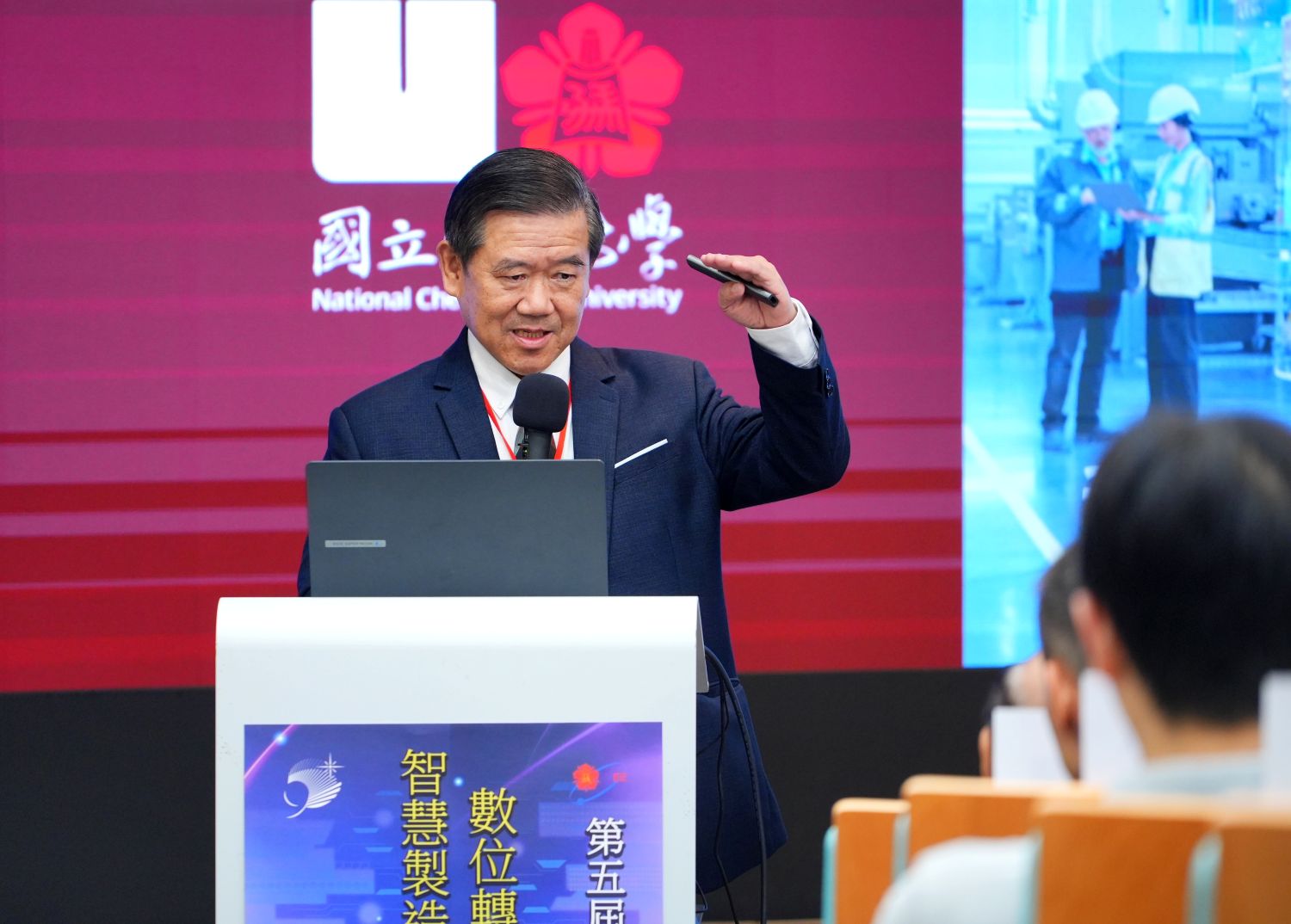
Chi-Hung Chen, Chairman of Qisda Group
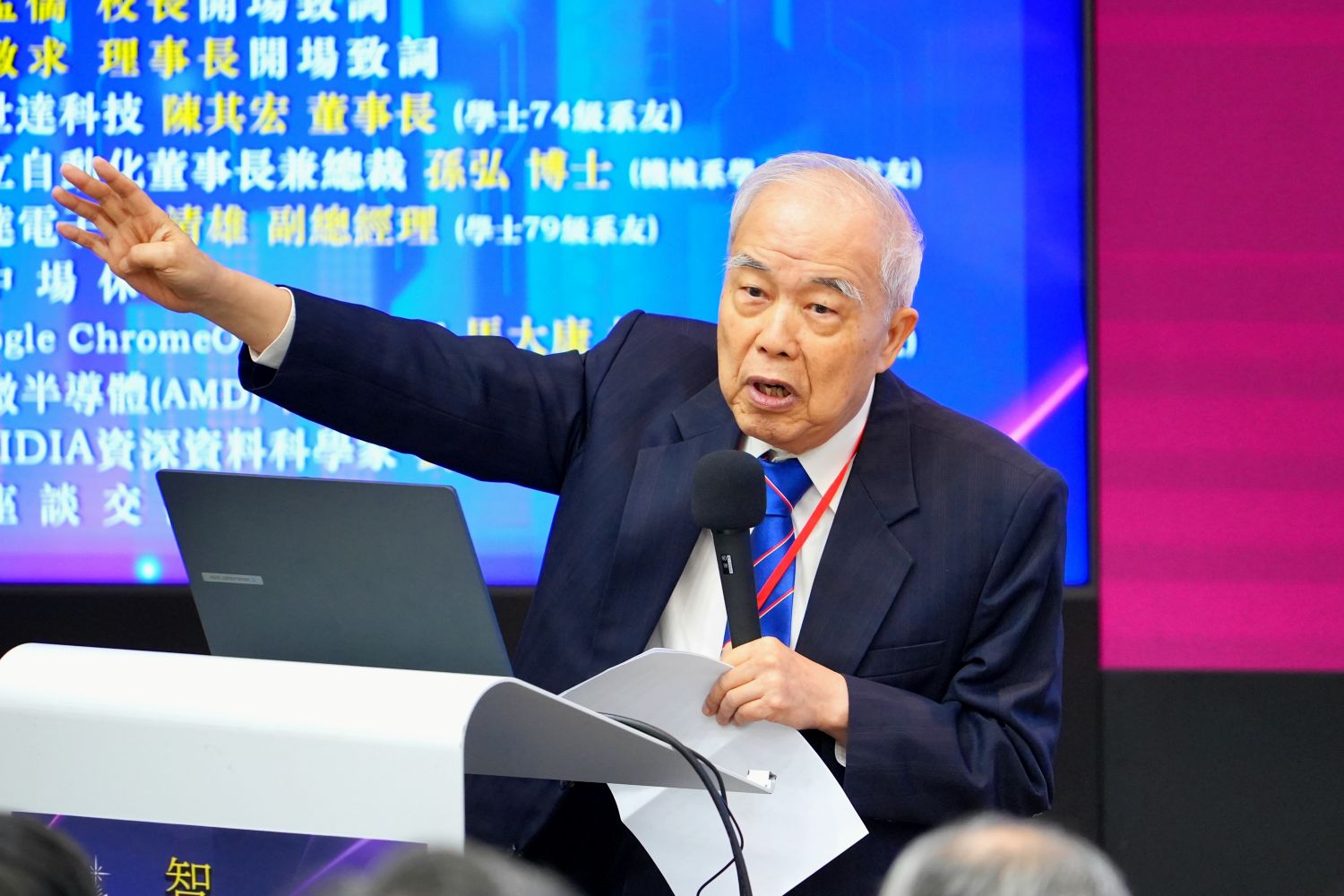
Dr. Hung Sun, Chairman and President of Mirle Group
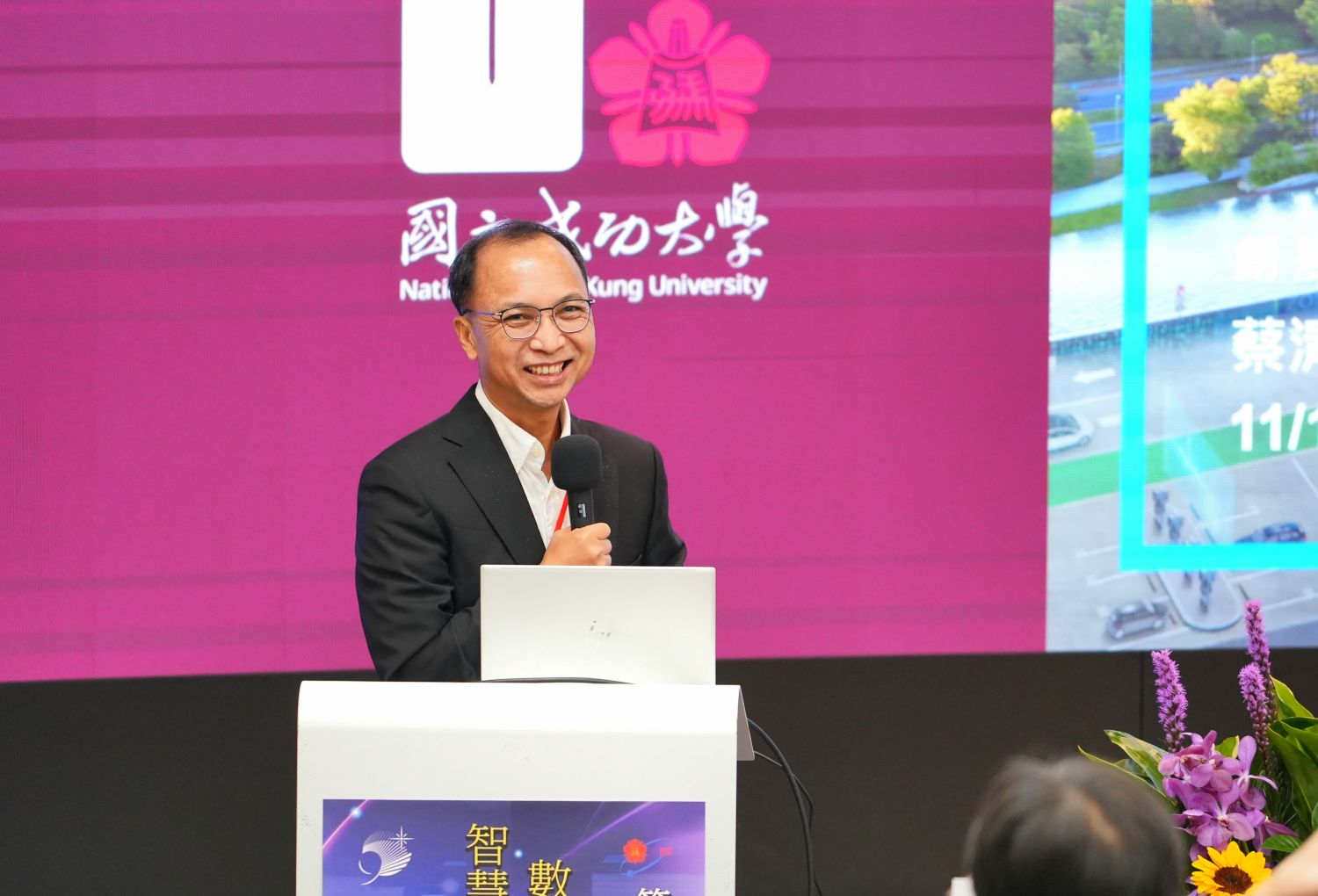
Ching-Hsiung Tsai, Vice President of the Mechatronics Business Group, Delta Electronics
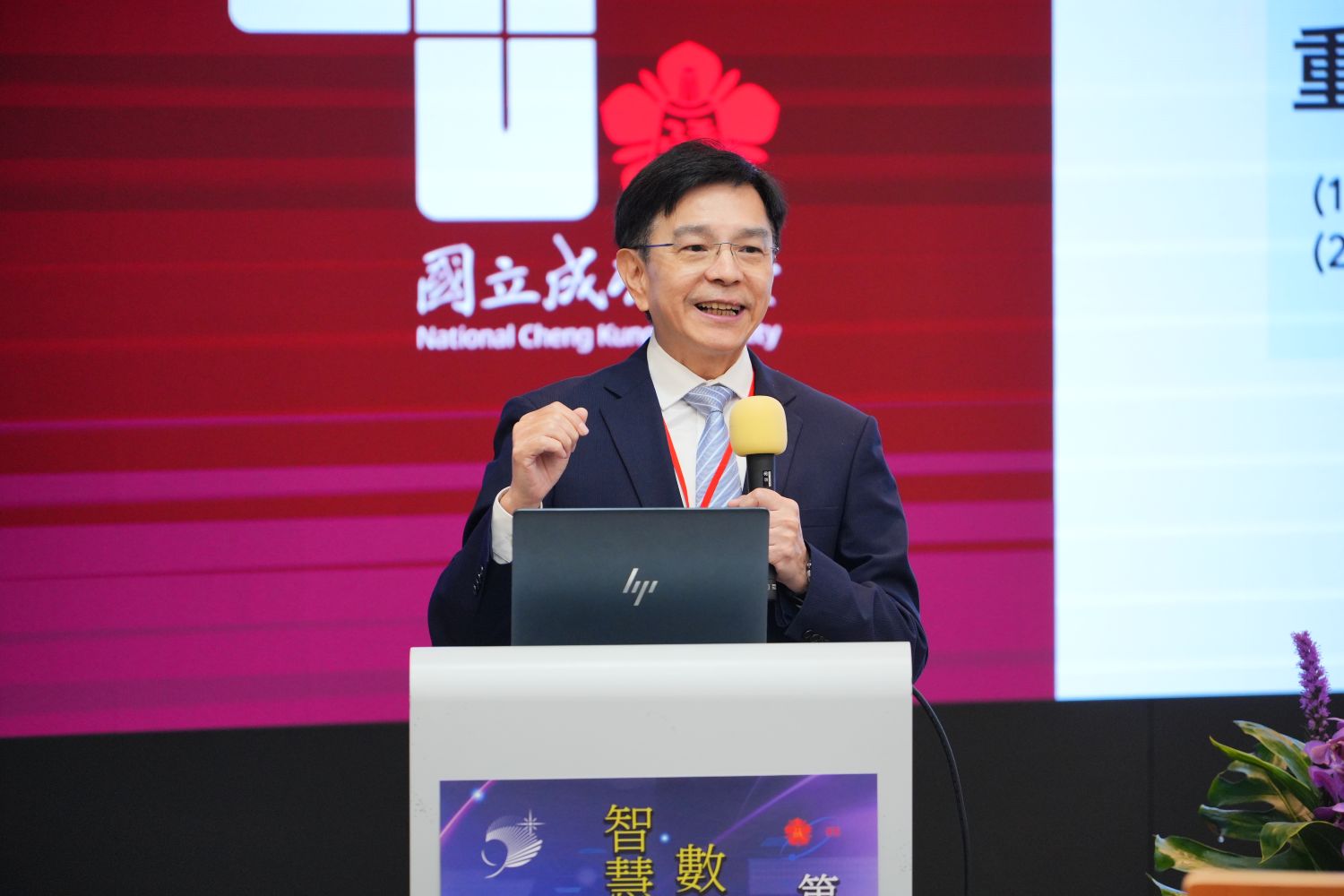
Da-Kang Ma, General Manager of Google Chrome OS Development
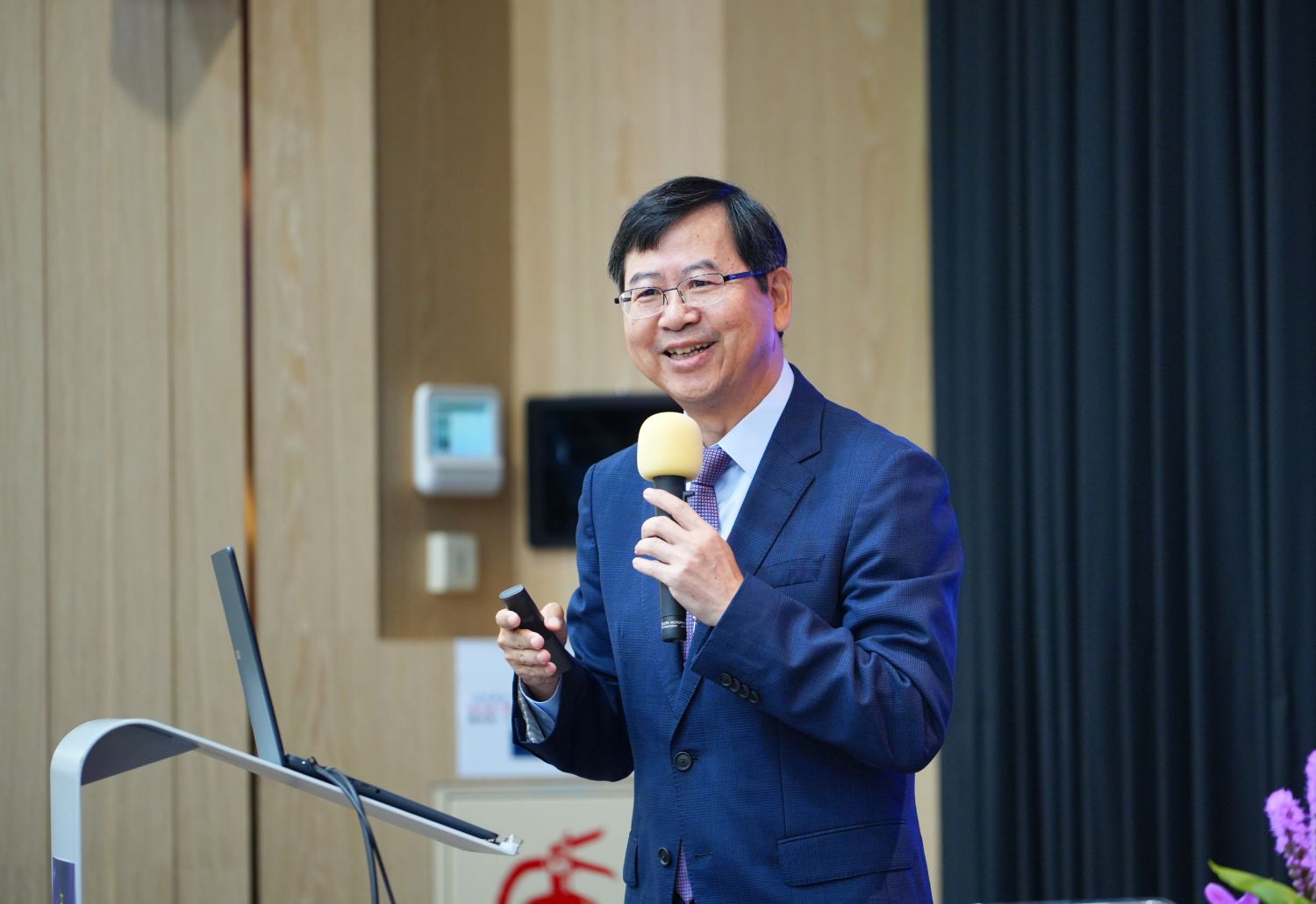
Jian-Cheng Lin, Senior Business Vice President, Taiwan Commercial Business Division, Advanced Micro Devices (AMD)
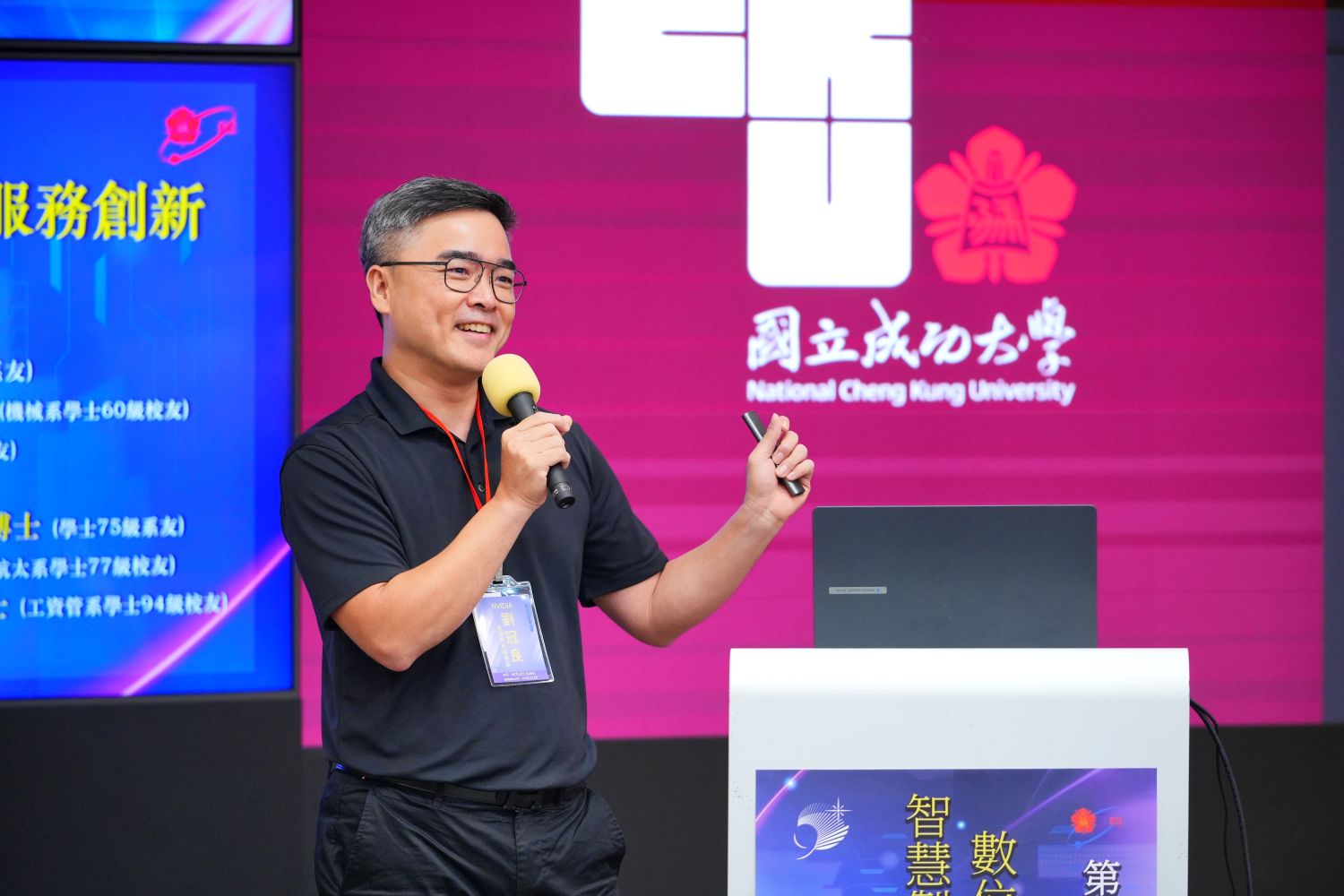
Dr. Guan-Liang Liu, Senior Data Scientist, NVIDIA
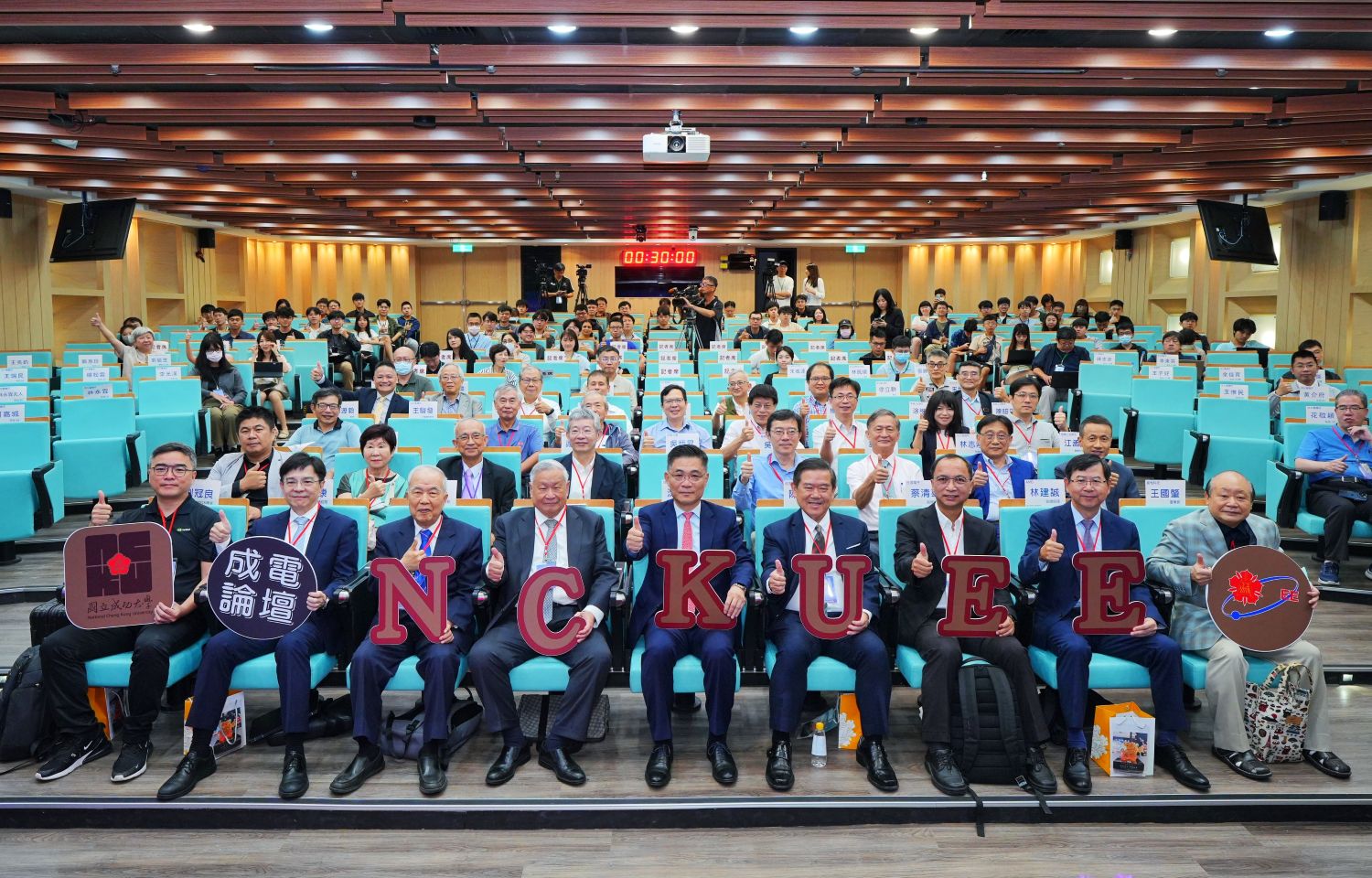
The NCKU Electronics Forum has entered its fifth year, with strong support and participation from numerous alumni every year.
SDG9Lithuanian Delegation Visits the NCKU College of Science to Strengthen Research Exchanges in Optics and Biomedicine
View more
SDG9NCKU’s Crystal Growth Lab Cultivates Over 100 Types of Rare Single Crystals, Publishes Four Nature Series Papers in a Year
View more