




SDG11
“Beauty in Imperfection: Japanese Kintsugi Exhibition” now on view at NCKU Historical Artifacts Museum


“Kintsugi: Turning Cracks into Stories, Gaps into Gateways.” Traditional Japanese craftsmanship comes to National Cheng Kung University (NCKU)! The “Beauty in Imperfection: Japanese Classical Kintsugi Restoration Exhibition” is now on display at the NCKU Historical Artifacts Museum through December 21, 2025. Globally renowned Japanese lacquer restoration master Hiroki Suesaki (Kiyokawa) will visit NCKU on December 3, offering an in-person demonstration and guided exhibition tour, followed by a lecture at the NCKU Phoenix Lecture Series. Visitors will have the opportunity to gain deeper insight into time-honored techniques dating back to Japan’s Edo period, appreciating the aesthetics and values of embracing imperfection.
Kintsugi, a branch of lacquer art, involves restoring broken objects with natural lacquer and powdered gold or silver. Emerging alongside Japan’s 15th-century tea culture, it embodies the wabi-sabi aesthetic. Through Kintsugi, the historical traces of broken objects are preserved while giving them new life, fostering an appreciation of imperfection’s inherent value and its sustainable significance. NCKU’s exhibition presents the story of ceramic restoration under the theme “Coming Broken, Returning Radiant,” showcasing collaborative Kintsugi works from Taiwan and Japan. The exhibit creates a cross-disciplinary dialogue between master artisans and NCKU students, blending history and art in a rich, immersive experience.
Lacquer restoration master Hiroki Suesaki (Kiyokawa) has devoted over 50 years to preserving traditional Edo-period lacquer techniques, restoring shrines, Buddhist temples, statues, ceramics, lacquerware, and ancient artworks. His work has been featured on BBC and NHK World. In 2022, he was invited to lecture at the Benedict XVI Hall in the Vatican and later held talks in Italy, Switzerland, and the UK to promote Japanese lacquer culture. Since 2024, he has taught specialized lacquer restoration courses at a training school in Venice, cultivating professional talent and advancing the preservation and transmission of Japanese lacquer techniques. He also runs studios in Kyoto and Tokyo to teach classical Kintsugi restoration, collaborates with corporations and non-profits to promote natural materials and craftsmanship, and contributes to the sustainable development of cultural heritage.
The NCKU Department of History notes that the Historical Artifacts Museum, established nearly 50 years ago, not only hosts collaborative exhibitions but also serves as an interactive space for interdisciplinary teaching, acting as a hub for university, city, and industry innovation. In early 2024, an alumnus donated a light environment renovation, making the museum the first campus building to feature light art. Ceramics form a major part of the museum’s collection. This year (2025), the Department of History’s higher education deepening project focuses on ceramic restoration, offering a classical Japanese Kintsugi course and inviting Hiroki Suesaki (Kiyokawa) for an on-site residency. Through the NCKU Phoenix Lecture Series, hands-on workshops, and a joint exhibition of Kintsugi works by Taiwanese artist Yi-Cheng Shih and NCKU students, the museum seeks to fulfill its mission of cultural heritage preservation, research, and transmission, while strengthening Taiwan–Japan cultural exchange. These efforts also aim to enhance the museum’s presence on campus and contribute to the university’s social responsibility and sustainability goals.
The NCKU Historical Artifacts Museum, located on the Kuang-Fu Campus near Cheng Kung Lake and the West Gate, was originally a Japanese-era military warehouse and later served as the College of Liberal Arts library. Its light environment is illuminated daily from 18:00 to 21:30. Visitors arriving in the late autumn and winter evenings may also enjoy the museum’s tranquil and elegant light-enhanced ambiance while viewing the exhibition.

The Beauty of Imperfection: Japanese Classical Kintsugi Restoration Works Exhibition
Exhibition Dates: November 27 (Thu) – December 21 (Sun), 2025
Opening Hours: Monday to Sunday, 09:00–18:00
Exhibition Venue: Museum of History and Artifacts, Kuang-Fu Campus, National Cheng Kung University (NCKU)
Hands-On Workshop: December 2 (Tue) at 10:10, 13:10, and 15:10 *Please register at the exhibition site
Display & Exchange Session: December 3 (Wed), 12:00–14:00
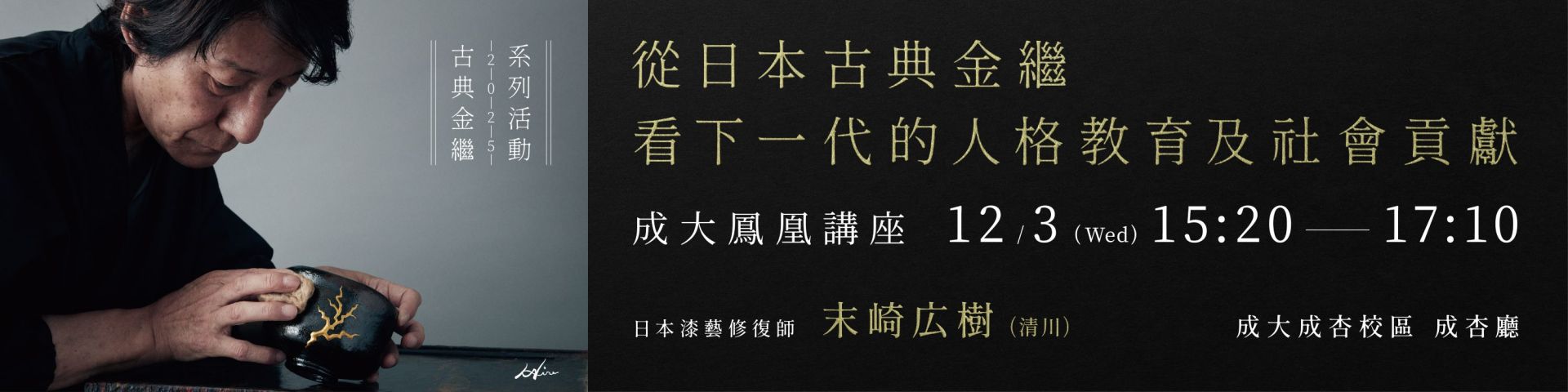
2025 NCKU Phoenix Lecture | December 3 Session
Speaker: Hiroki Suezaki, President of Urushi Art Company (Japanese Lacquer Art Restoration Specialist)
Lecture Topic: Exploring Character Education and Social Contribution for the Next Generation through Classical Japanese Kintsugi
Lecture Time: December 3 (Wed), 2025, 15:20–17:10
Venue: Cheng-Xing Hall, 1F, College of Medicine, Cheng-Xing Campus, National Cheng Kung University (NCKU)
Registration: Click here to register
Kintsugi, a branch of lacquer art, involves restoring broken objects with natural lacquer and powdered gold or silver. Emerging alongside Japan’s 15th-century tea culture, it embodies the wabi-sabi aesthetic. Through Kintsugi, the historical traces of broken objects are preserved while giving them new life, fostering an appreciation of imperfection’s inherent value and its sustainable significance. NCKU’s exhibition presents the story of ceramic restoration under the theme “Coming Broken, Returning Radiant,” showcasing collaborative Kintsugi works from Taiwan and Japan. The exhibit creates a cross-disciplinary dialogue between master artisans and NCKU students, blending history and art in a rich, immersive experience.
Lacquer restoration master Hiroki Suesaki (Kiyokawa) has devoted over 50 years to preserving traditional Edo-period lacquer techniques, restoring shrines, Buddhist temples, statues, ceramics, lacquerware, and ancient artworks. His work has been featured on BBC and NHK World. In 2022, he was invited to lecture at the Benedict XVI Hall in the Vatican and later held talks in Italy, Switzerland, and the UK to promote Japanese lacquer culture. Since 2024, he has taught specialized lacquer restoration courses at a training school in Venice, cultivating professional talent and advancing the preservation and transmission of Japanese lacquer techniques. He also runs studios in Kyoto and Tokyo to teach classical Kintsugi restoration, collaborates with corporations and non-profits to promote natural materials and craftsmanship, and contributes to the sustainable development of cultural heritage.
The NCKU Department of History notes that the Historical Artifacts Museum, established nearly 50 years ago, not only hosts collaborative exhibitions but also serves as an interactive space for interdisciplinary teaching, acting as a hub for university, city, and industry innovation. In early 2024, an alumnus donated a light environment renovation, making the museum the first campus building to feature light art. Ceramics form a major part of the museum’s collection. This year (2025), the Department of History’s higher education deepening project focuses on ceramic restoration, offering a classical Japanese Kintsugi course and inviting Hiroki Suesaki (Kiyokawa) for an on-site residency. Through the NCKU Phoenix Lecture Series, hands-on workshops, and a joint exhibition of Kintsugi works by Taiwanese artist Yi-Cheng Shih and NCKU students, the museum seeks to fulfill its mission of cultural heritage preservation, research, and transmission, while strengthening Taiwan–Japan cultural exchange. These efforts also aim to enhance the museum’s presence on campus and contribute to the university’s social responsibility and sustainability goals.
The NCKU Historical Artifacts Museum, located on the Kuang-Fu Campus near Cheng Kung Lake and the West Gate, was originally a Japanese-era military warehouse and later served as the College of Liberal Arts library. Its light environment is illuminated daily from 18:00 to 21:30. Visitors arriving in the late autumn and winter evenings may also enjoy the museum’s tranquil and elegant light-enhanced ambiance while viewing the exhibition.
The Beauty of Imperfection: Japanese Classical Kintsugi Restoration Works Exhibition
Exhibition Dates: November 27 (Thu) – December 21 (Sun), 2025
Opening Hours: Monday to Sunday, 09:00–18:00
Exhibition Venue: Museum of History and Artifacts, Kuang-Fu Campus, National Cheng Kung University (NCKU)
Hands-On Workshop: December 2 (Tue) at 10:10, 13:10, and 15:10 *Please register at the exhibition site
Display & Exchange Session: December 3 (Wed), 12:00–14:00
2025 NCKU Phoenix Lecture | December 3 Session
Speaker: Hiroki Suezaki, President of Urushi Art Company (Japanese Lacquer Art Restoration Specialist)
Lecture Topic: Exploring Character Education and Social Contribution for the Next Generation through Classical Japanese Kintsugi
Lecture Time: December 3 (Wed), 2025, 15:20–17:10
Venue: Cheng-Xing Hall, 1F, College of Medicine, Cheng-Xing Campus, National Cheng Kung University (NCKU)
Registration: Click here to register

“The Beauty of Imperfection: Joint Exhibition of Japanese Classical Kintsugi Restorations” is on display at the NCKU Museum of Historical Artifacts from now until December 21.
The exhibition features ceramic works restored using Japanese and Taiwanese Kintsugi techniques. Lacquer restoration master Hiroki Suetsaki (Kiyokawa) will be on-site for demonstrations and exchanges at the museum on December 3 at noon, followed by a lecture in the afternoon at NCKU’s Phoenix Lecture Hall.
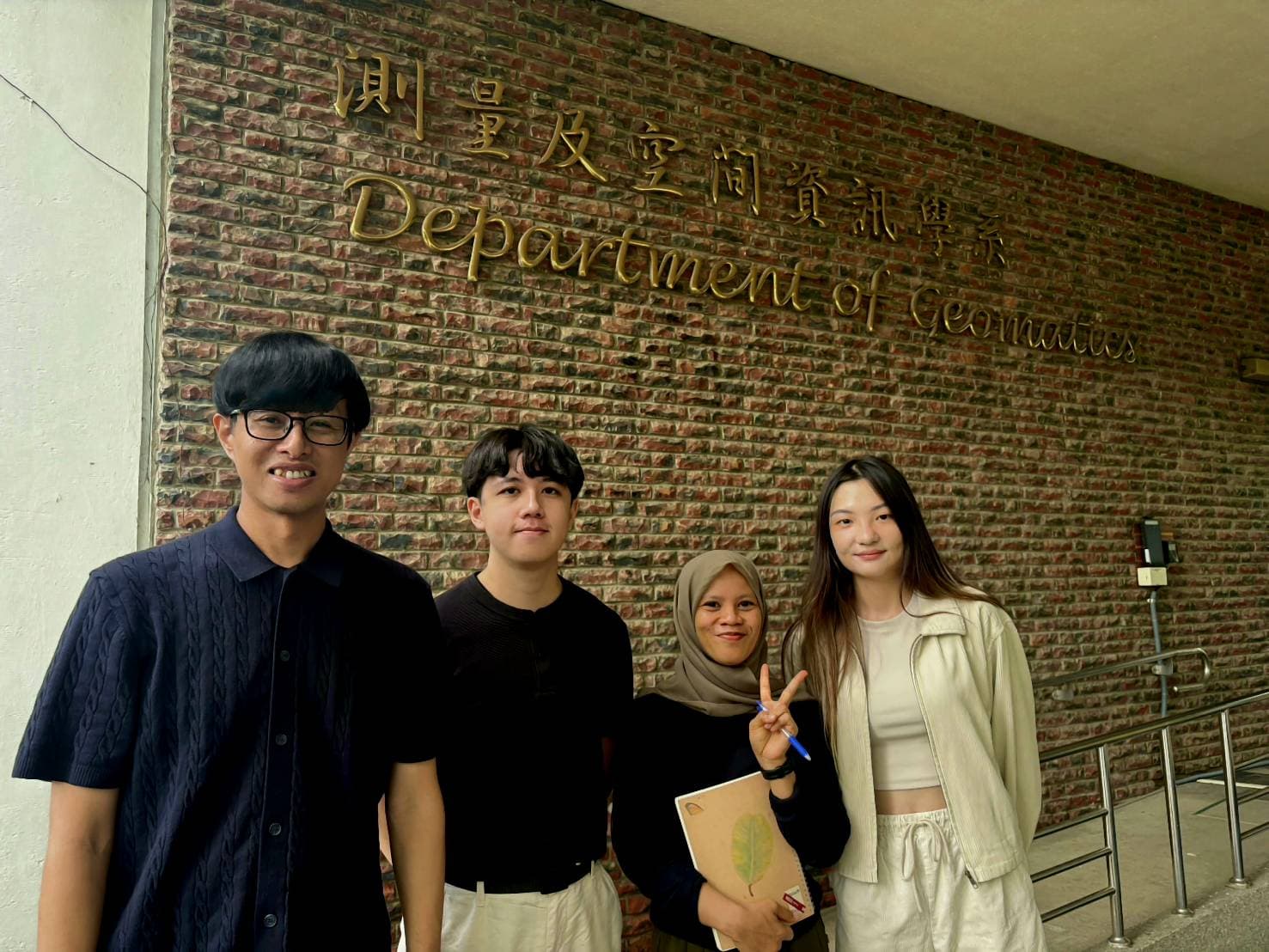
SDG11Finding the Healthiest Route Home: NCKU Team Wins Recognition for Intelligent Air Pollution Navigation System
View more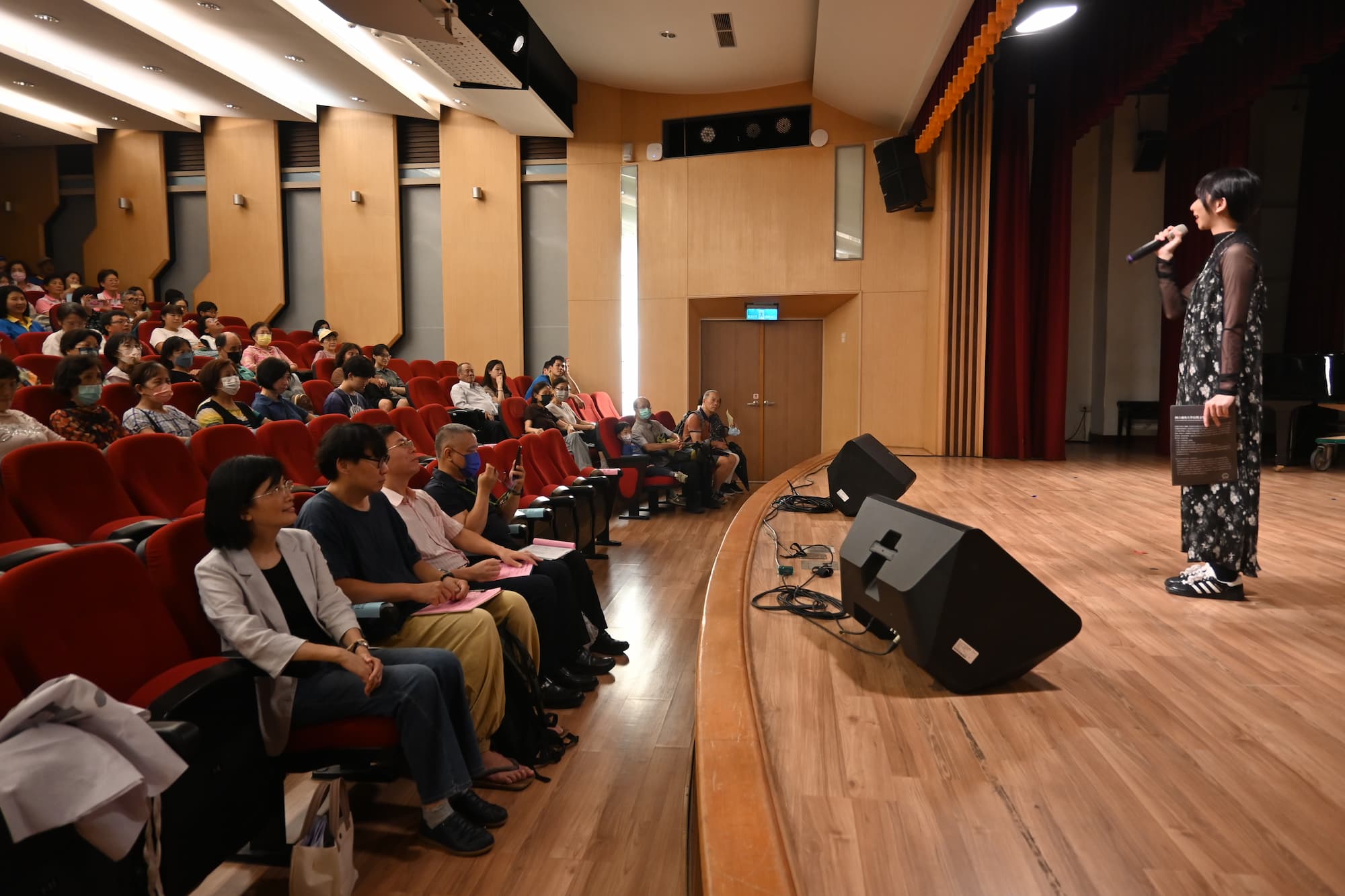
SDG11Cheng Kung People, Let's Speak Taiwanese Together: The 2nd Cheng Kung Taiwanese Variety Show Finals
View more