



SDG11
“Radiant Hymns: Faith and Era in the Art of Ming-Li Lee” Book Launch Promotes Research on Tainan Artists
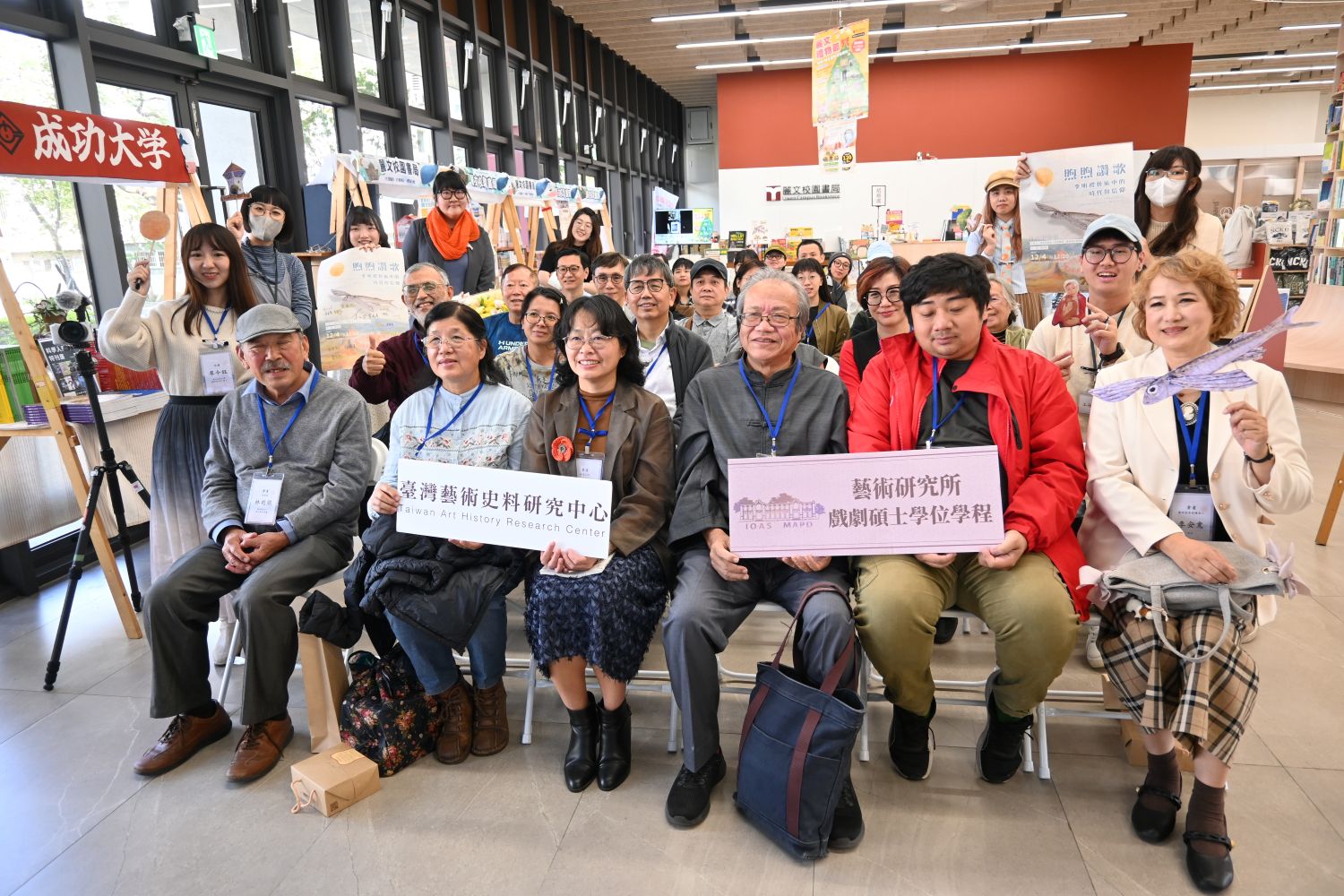
The book launch of Radiant Hymns: Faith and Era in the Art of Artist Ming-Li Lee, hosted by the Taiwan Art Historical Materials Research Center at National Cheng Kung University (NCKU) and co-organized by the Graduate Institute of Art Research and the Master’s Program in Theatre, took place on December 4 at Liwen Bookstore on NCKU’s Sheng-Li Campus. Through the works of artist Lee, the event aimed to introduce the cultural and historical significance of the period when Professor Po-Chuan Kuo (郭柏川) established the “Tainan Fine Arts Research Association” to the public.
The book’s author, Jin-Yu Liao (廖今鈺), noted that Tainan artist Lee (1925–2021), originally a teacher of English and crafts at Jiansing Junior High School, was a member of the Tainan Fine Arts Research Association. Primarily an oil painter, his works explore themes including Taiwanese Christian faith, Tainan cityscapes, and daily life memories. A devout Christian, his faith was one of the sources of his artistic inspiration. Although not formally trained, artist Lee developed a unique style through self-study, reflecting the postwar memories and humanistic landscapes of Taiwan. Liao expressed special thanks to the Ministry of Culture’s funding through the “Lee Ming-Li and Presbyterian Tainan Artists Research and Digital Museum Promotion Project,” which supported the documentation of artist Lee’s creative journey from his self-study beginning in 1925 to his local artistic contributions until his passing in 2021. In addition to the book launch, an online exhibition and public access to artist Lee’s research database were made available to highlight the deep connection between the artist and Tainan’s local culture.
Director Yi-Fang Wu (吳奕芳) of NCKU’s Taiwan Art Historical Materials Research Center expressed honor in guiding the writing of Radiant Hymns: Faith and Era in the Art of Artist Lee. The project integrates artwork images and interviews to complement local art history, contributing to the study of Southern Taiwanese artists. Although artist Lee was a modest figure in the art community, his works exhibit a self-aware “rustic charm,” reflecting profound personal experiences. Wu also thanked Professor Emerita Chiong-Rui Hsiao (蕭瓊瑞) from the Department of History for serving as an advisor. Students Yi-Hsuan Liang (梁怡萱) and Yi-Hsuan Lin (林易萱) co-curated the online exhibition, creating a “story map” interface through field surveys, image documentation, and painting comparisons to make the research more accessible to the public.
Professor Emerita Hsiao remarked that artist Lee, who began formal training in the studio of Zhe-Zai Shen (沈哲哉) at the age of 48, achieved remarkable results despite his non-traditional background. After years of dedication, he was awarded the highest honor, the “Nanmei Prize,” at the 29th Southern Taiwan Art Exhibition in 1981, reflecting recognition of Po-Chuan Kuo’s artistic concepts at the time. In 2001, a retrospective at the Tainan Municipal Art Center displayed numerous works documenting Tainan’s historical and contemporary life, revealing the city as a cradle of cultural history and allowing viewers to experience artist Lee’s devout faith and passion for art.
The project received strong support from artist Lee’s family, the Executive Secretary of the Tainan East Gate Barclay Memorial Church, members of the Canaan Church, NCKU Museum, the Science Education Center of the College of Science, the Department of Physics, and other faculty and institutions. The initiative was praised for contributing to local art research and cultural promotion through the photographing and cataloging of artworks, database development, online exhibition planning, and the publication of the book. It documents artist Lee’s creative trajectory and the cultural and historical significance embedded in his works.
Artist Lee’s friend, Mr. Ming-Chao Lin (林明照), attended and shared experiences visiting indigenous communities and engaging with wood carving, providing valuable insights into the historical context of artist Lee’s artistic practice. Curator Yi-Hsuan Liang introduced the online exhibition of the same name on the “Open Museum” platform, highlighting comparisons between artworks and real-world sites. The venue featured a special display of artist Lee’s Japanese art books, allowing attendees close-up access to the artist’s self-study materials and research documentation. Through this book launch and exhibition, the project aims to increase the visibility of artist Lee’s work and promote public understanding of Tainan and Taiwanese local culture. The outcomes of the project are expected to serve as a foundation for further research in local art history, encouraging continued documentation and discussion of related topics.
The book’s author, Jin-Yu Liao (廖今鈺), noted that Tainan artist Lee (1925–2021), originally a teacher of English and crafts at Jiansing Junior High School, was a member of the Tainan Fine Arts Research Association. Primarily an oil painter, his works explore themes including Taiwanese Christian faith, Tainan cityscapes, and daily life memories. A devout Christian, his faith was one of the sources of his artistic inspiration. Although not formally trained, artist Lee developed a unique style through self-study, reflecting the postwar memories and humanistic landscapes of Taiwan. Liao expressed special thanks to the Ministry of Culture’s funding through the “Lee Ming-Li and Presbyterian Tainan Artists Research and Digital Museum Promotion Project,” which supported the documentation of artist Lee’s creative journey from his self-study beginning in 1925 to his local artistic contributions until his passing in 2021. In addition to the book launch, an online exhibition and public access to artist Lee’s research database were made available to highlight the deep connection between the artist and Tainan’s local culture.
Director Yi-Fang Wu (吳奕芳) of NCKU’s Taiwan Art Historical Materials Research Center expressed honor in guiding the writing of Radiant Hymns: Faith and Era in the Art of Artist Lee. The project integrates artwork images and interviews to complement local art history, contributing to the study of Southern Taiwanese artists. Although artist Lee was a modest figure in the art community, his works exhibit a self-aware “rustic charm,” reflecting profound personal experiences. Wu also thanked Professor Emerita Chiong-Rui Hsiao (蕭瓊瑞) from the Department of History for serving as an advisor. Students Yi-Hsuan Liang (梁怡萱) and Yi-Hsuan Lin (林易萱) co-curated the online exhibition, creating a “story map” interface through field surveys, image documentation, and painting comparisons to make the research more accessible to the public.
Professor Emerita Hsiao remarked that artist Lee, who began formal training in the studio of Zhe-Zai Shen (沈哲哉) at the age of 48, achieved remarkable results despite his non-traditional background. After years of dedication, he was awarded the highest honor, the “Nanmei Prize,” at the 29th Southern Taiwan Art Exhibition in 1981, reflecting recognition of Po-Chuan Kuo’s artistic concepts at the time. In 2001, a retrospective at the Tainan Municipal Art Center displayed numerous works documenting Tainan’s historical and contemporary life, revealing the city as a cradle of cultural history and allowing viewers to experience artist Lee’s devout faith and passion for art.
The project received strong support from artist Lee’s family, the Executive Secretary of the Tainan East Gate Barclay Memorial Church, members of the Canaan Church, NCKU Museum, the Science Education Center of the College of Science, the Department of Physics, and other faculty and institutions. The initiative was praised for contributing to local art research and cultural promotion through the photographing and cataloging of artworks, database development, online exhibition planning, and the publication of the book. It documents artist Lee’s creative trajectory and the cultural and historical significance embedded in his works.
Artist Lee’s friend, Mr. Ming-Chao Lin (林明照), attended and shared experiences visiting indigenous communities and engaging with wood carving, providing valuable insights into the historical context of artist Lee’s artistic practice. Curator Yi-Hsuan Liang introduced the online exhibition of the same name on the “Open Museum” platform, highlighting comparisons between artworks and real-world sites. The venue featured a special display of artist Lee’s Japanese art books, allowing attendees close-up access to the artist’s self-study materials and research documentation. Through this book launch and exhibition, the project aims to increase the visibility of artist Lee’s work and promote public understanding of Tainan and Taiwanese local culture. The outcomes of the project are expected to serve as a foundation for further research in local art history, encouraging continued documentation and discussion of related topics.
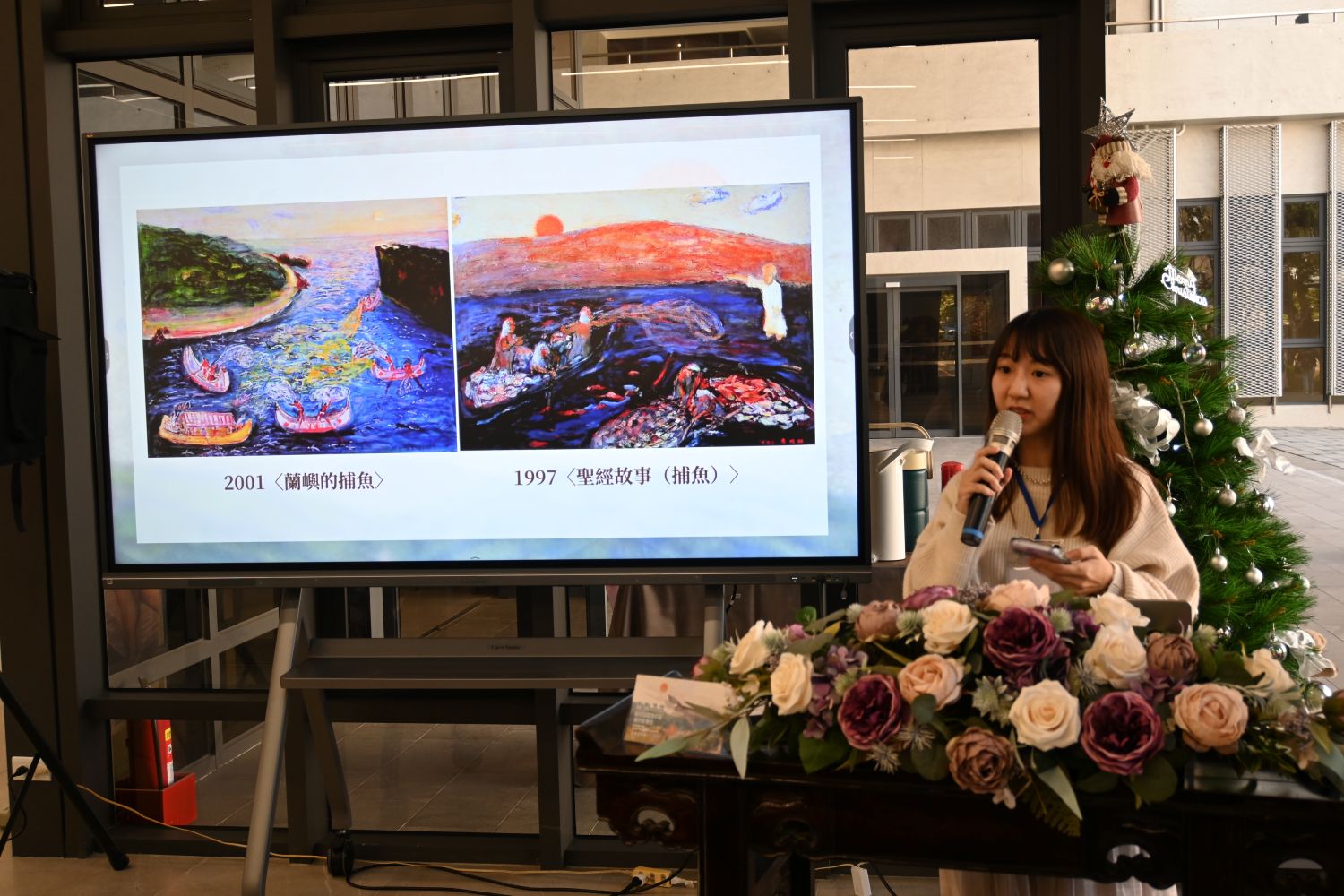
Jin-Yu Liao, author of Radiant Hymns: Faith and Era in the Art of Artist Ming-Li Lee, shared insights into artist Lee’s creative journey.
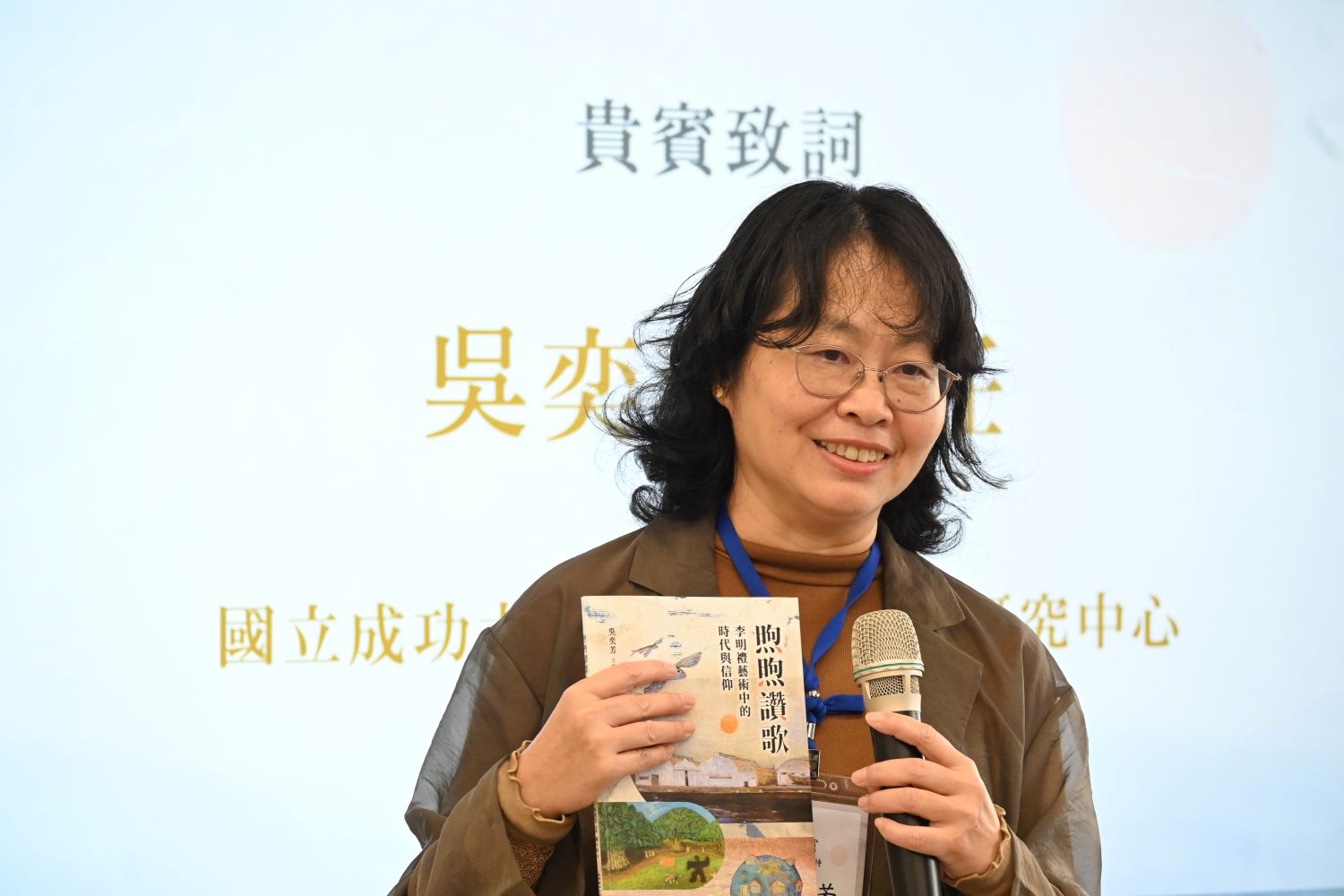
Yi-Fang Wu, Director of the Taiwan Art Historical Materials Research Center at NCKU, noted that artist Lee’s works exhibit a self-aware style of “rustic charm.”
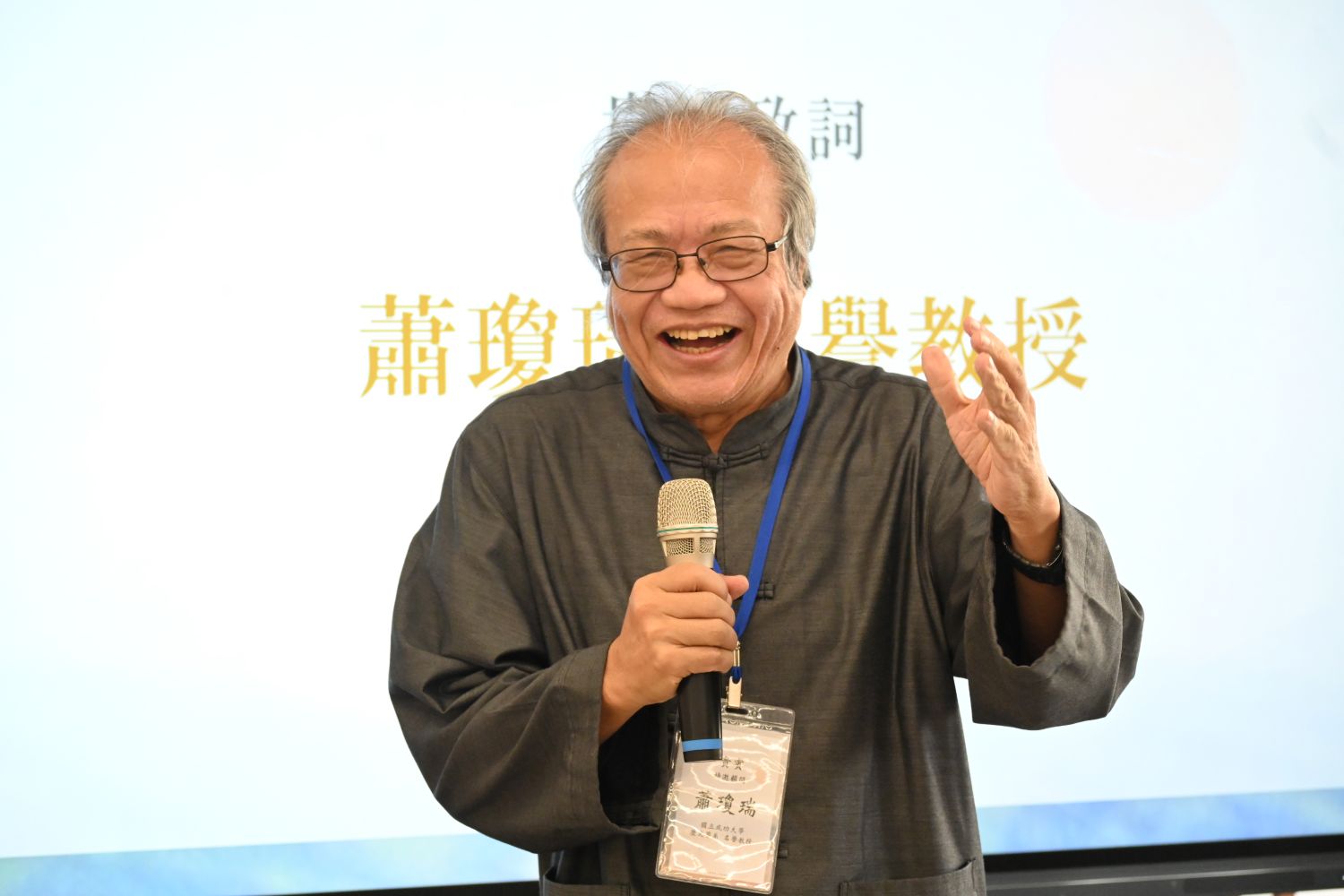
Professor Emerita Chiong-Rui Hsiao from the Department of History remarked that many of artist Lee’s works document Tainan’s past and present.
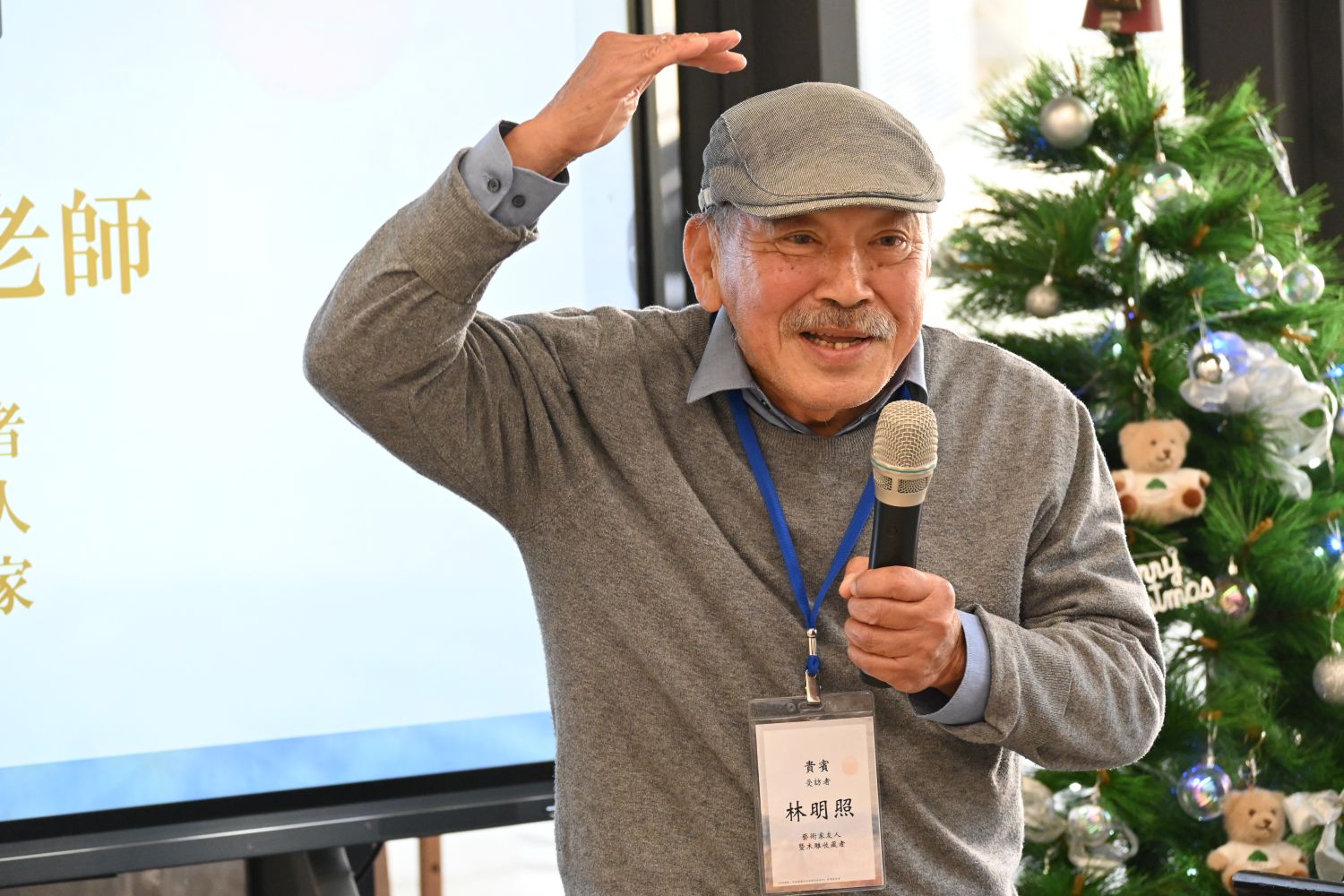
Artist Ming-Li Lee’s friend, Mr. Ming-Chao Lin, was invited to attend and shared his experiences of visiting indigenous communities and engaging with wood carving alongside artist Lee.
The book launch of *Radiant Hymns: Faith and Era in the Art of Artist Ming-Li Lee* took place on December 4 at Liwen Bookstore on NCKU’s Sheng-Li Campus.
SDG11Stakeholders Gather at NCKU to Rethink Landslide-Dammed Lake Risk Management: From Monitoring and Early Warning to Recovery
View more
SDG11The 'Tainan 400' Concert: Experience the Vibrancy and Charm of the Cultural Heritage of Tainan's 400 Years.
View more