



SDG11
Japanese Master of Urushi Restoration Hiroki Suesaki Explains the Kintsugi Philosophy of “The Beauty of Imperfection”



The NCKU Phoenix Lecture on December 3 afternoon was held spectacularly at Cheng-Hsing Hall on NCKU’s Cheng-Hsing Campus. Japanese master of urushi restoration, Hiroki Suesaki (末崎広樹, also known as Kiyokawa), personally shared insights from his 50-year career and his dedication to promoting the philosophy of Kintsugi. He also demonstrated the delicate and intricate Kintsugi restoration process on-site, captivating attendees with his craftsmanship and steadfast commitment to classical techniques, leaving the audience deeply impressed and enriched.
The NCKU Phoenix Lecture series, organized by the Office of Research and Development and recommended by various colleges, invites internationally renowned scholars and experts to share their valuable achievements. This session was recommended by the College of Liberal Arts. The invited speaker, Hiroki Suesaki (Kiyokawa), is distinguished for combining classical craft with philosophical insights, a contribution that transcends borders and languages. His lecture serves as a significant reminder for character education for the next generation and the preservation of important cultural heritage worldwide.
NCKU Vice President Yuh-Neu Chen (陳玉女) opened the lecture, noting that the beauty of Kintsugi embodies a spirit of tranquility and acceptance, particularly valuable in today’s fast-changing world. Kintsugi aesthetics are closely linked with wabi-sabi, reflecting an unadorned, natural state. Through Kintsugi, people can perceive the beauty of simplicity, experience the natural textures left by time, and embrace a lifestyle of modesty, serenity, and authenticity. This philosophy resonates with Buddhist and Zen teachings: recognizing impermanence as a natural phenomenon allows one to perceive its deeper meaning. NCKU’s History and Artifacts Museum currently hosts a Kintsugi joint exhibition under the theme “The Beauty of Imperfection,” interpreting the art form as a reflection of life. Through Kintsugi, viewers can appreciate imperfection as both a factual and phenomenological reality, fostering mindfulness, self-acceptance, and inner harmony.
As Japan’s only traditional restoration master to combine classical craft and philosophical discourse, Hiroki Suesaki (Kiyokawa) delivered his lecture on December 3 afternoon, titled “Japanese Classical Kintsugi and Character Education for the Next Generation: Social Contributions of Kintsugi.” The lecture emphasized not only technical skills but also philosophical reflection. He argued that Kintsugi is not merely object restoration; it represents a societal pursuit of sustainability and serves as a grassroots force shaping national development. By restoring broken items to functional use in daily life, Kintsugi breathes new life into objects and offers a metaphor for facing challenges and setbacks in life. As a custodian of this craft, he embraces the responsibility of passing on the tradition, promoting Kintsugi culture through diverse activities and dialogue with the public.
Japanese urushi culture dates back 12,000 years to the Jomon period and emphasizes using natural materials such as lacquer sap and rice paste to repair and prolong the life of objects, reflecting gratitude toward nature. Kintsugi, a technique within urushi restoration, relies on lacquer’s adhesive and waterproof properties and emerged around 400–500 years ago during the Edo period tea ceremony culture. It balances aesthetics and functionality, often extending an object’s usability by 300–400 years.
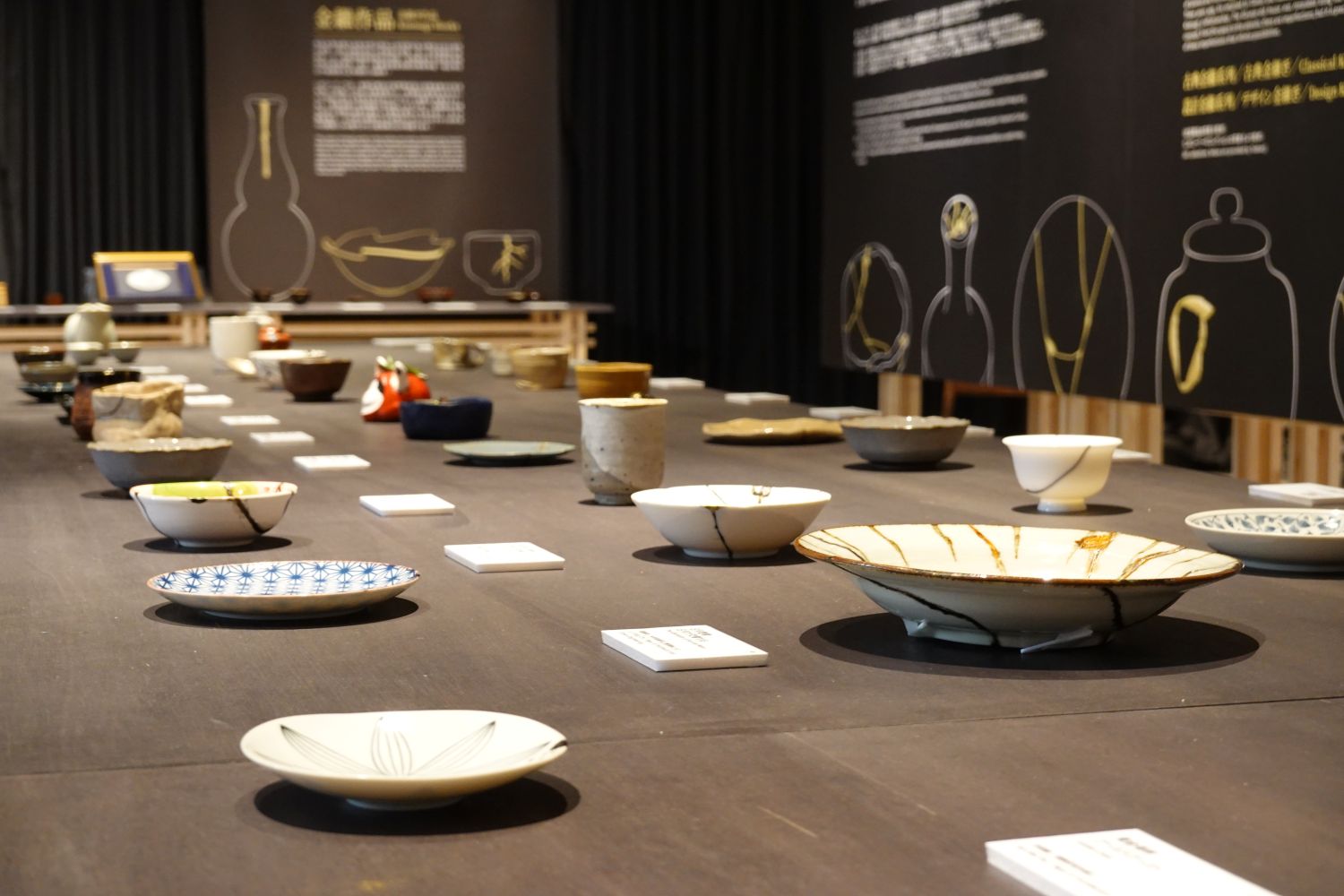
Tracing back to the Edo period, Hiroki Suesaki (Kiyokawa)’s Kintsugi works fall into two series: “Classical Kintsugi,” aiming to restore objects to their original form, and “Design Kintsugi,” which incorporates personal design elements such as exaggerated gold powder to highlight cracks, reflecting the philosophy of “not hiding scars, embracing them, and creating a renewed future,” as well as a unique life attitude.
Born in Osaka and trained in Nara, Hiroki Suesaki (Kiyokawa) has restored national treasures and important cultural properties—including shrines, temples (e.g., Kinkaku-ji, Byodoin), Buddhist statues, ceramics, and lacquerware—for over 50 years. Recently, he has combined classical restoration techniques with philosophical insights, actively promoting Kintsugi restoration to the general public. His craftsmanship and philosophy have been recognized both in Japan and internationally, featuring in media outlets such as BBC, NHK World, Nippon Broadcasting System, and Asahi Shimbun and through lectures arranged at institutions including the Vatican Museums, Oxford University Museums, and Italian ceramics museums. In 2021, he published Tsunagu: The Beauty and Spirit of Kintsugi, the only work elevating restoration from technical mastery to a philosophical level. This year (2025), the Japanese Ministry of Education included excerpts in junior high school Modern Japanese language textbooks, promoting the importance of character education to future generations.
The lecture was paired with the “The Beauty of Imperfection: Japanese Classical Kintsugi Restoration Works Joint Exhibition” at NCKU’s Guang-Fu Campus History and Artifacts Museum, along with workshops and display events, sparking enthusiasm among Taiwanese and Japanese audiences alike. The Kintsugi experience workshops on December 2 sold out instantly, and the December 3 exhibition and exchange event drew numerous students and faculty who participated even during lunch hours. The afternoon Phoenix Lecture attracted not only campus faculty and students but also visitors traveling from Taipei and fans arriving on chartered flights from Japan.
Before the December 3 lecture, Hiroki Suesaki (Kiyokawa) attended the exhibition’s exchange event and expressed surprise and gratitude for the beautiful presentation. He noted that the exhibition’s theme, “The Beauty of Imperfection,” almost perfectly embodied the Kintsugi philosophy he has pursued and promoted for 50 years, which deeply moved him. He was also delighted to engage with the younger generation at NCKU through workshops, exhibitions, and lectures.
NCKU students participating in the exhibition shared their experiences with Kintsugi restoration. History students noted that the craft requires immense patience and concentration, and while challenging, it allows damaged artifacts to gain a new life, carrying profound historical significance. Students from the Center for Innovation and Entrepreneurship reflected that Kintsugi restoration not only revitalizes imperfect objects but also fosters personal growth and interpersonal connections. One student described restoring a friend’s broken item and noted that the process encouraged reflection on relationships with friends, the classical craft, and the master himself, making it a highly engaging learning experience.
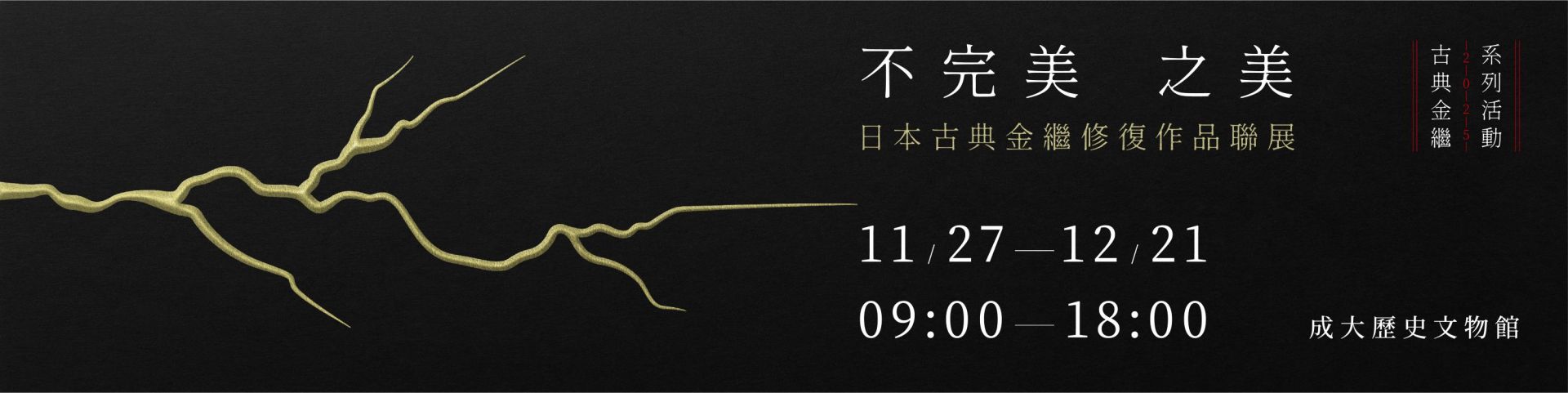
The Beauty of Imperfection: Japanese Classical Kintsugi Restoration Works Joint Exhibition
Exhibition Dates: Thursday, November 27, 2025 – Sunday, December 21, 2025
Exhibition Hours: Monday to Sunday, 9:00 AM – 6:00 PM
Exhibition Venue: History and Artifacts Museum, National Cheng Kung University, Kuang-Fu Campus
The NCKU Phoenix Lecture series, organized by the Office of Research and Development and recommended by various colleges, invites internationally renowned scholars and experts to share their valuable achievements. This session was recommended by the College of Liberal Arts. The invited speaker, Hiroki Suesaki (Kiyokawa), is distinguished for combining classical craft with philosophical insights, a contribution that transcends borders and languages. His lecture serves as a significant reminder for character education for the next generation and the preservation of important cultural heritage worldwide.
NCKU Vice President Yuh-Neu Chen (陳玉女) opened the lecture, noting that the beauty of Kintsugi embodies a spirit of tranquility and acceptance, particularly valuable in today’s fast-changing world. Kintsugi aesthetics are closely linked with wabi-sabi, reflecting an unadorned, natural state. Through Kintsugi, people can perceive the beauty of simplicity, experience the natural textures left by time, and embrace a lifestyle of modesty, serenity, and authenticity. This philosophy resonates with Buddhist and Zen teachings: recognizing impermanence as a natural phenomenon allows one to perceive its deeper meaning. NCKU’s History and Artifacts Museum currently hosts a Kintsugi joint exhibition under the theme “The Beauty of Imperfection,” interpreting the art form as a reflection of life. Through Kintsugi, viewers can appreciate imperfection as both a factual and phenomenological reality, fostering mindfulness, self-acceptance, and inner harmony.
As Japan’s only traditional restoration master to combine classical craft and philosophical discourse, Hiroki Suesaki (Kiyokawa) delivered his lecture on December 3 afternoon, titled “Japanese Classical Kintsugi and Character Education for the Next Generation: Social Contributions of Kintsugi.” The lecture emphasized not only technical skills but also philosophical reflection. He argued that Kintsugi is not merely object restoration; it represents a societal pursuit of sustainability and serves as a grassroots force shaping national development. By restoring broken items to functional use in daily life, Kintsugi breathes new life into objects and offers a metaphor for facing challenges and setbacks in life. As a custodian of this craft, he embraces the responsibility of passing on the tradition, promoting Kintsugi culture through diverse activities and dialogue with the public.
Japanese urushi culture dates back 12,000 years to the Jomon period and emphasizes using natural materials such as lacquer sap and rice paste to repair and prolong the life of objects, reflecting gratitude toward nature. Kintsugi, a technique within urushi restoration, relies on lacquer’s adhesive and waterproof properties and emerged around 400–500 years ago during the Edo period tea ceremony culture. It balances aesthetics and functionality, often extending an object’s usability by 300–400 years.
Tracing back to the Edo period, Hiroki Suesaki (Kiyokawa)’s Kintsugi works fall into two series: “Classical Kintsugi,” aiming to restore objects to their original form, and “Design Kintsugi,” which incorporates personal design elements such as exaggerated gold powder to highlight cracks, reflecting the philosophy of “not hiding scars, embracing them, and creating a renewed future,” as well as a unique life attitude.
Born in Osaka and trained in Nara, Hiroki Suesaki (Kiyokawa) has restored national treasures and important cultural properties—including shrines, temples (e.g., Kinkaku-ji, Byodoin), Buddhist statues, ceramics, and lacquerware—for over 50 years. Recently, he has combined classical restoration techniques with philosophical insights, actively promoting Kintsugi restoration to the general public. His craftsmanship and philosophy have been recognized both in Japan and internationally, featuring in media outlets such as BBC, NHK World, Nippon Broadcasting System, and Asahi Shimbun and through lectures arranged at institutions including the Vatican Museums, Oxford University Museums, and Italian ceramics museums. In 2021, he published Tsunagu: The Beauty and Spirit of Kintsugi, the only work elevating restoration from technical mastery to a philosophical level. This year (2025), the Japanese Ministry of Education included excerpts in junior high school Modern Japanese language textbooks, promoting the importance of character education to future generations.
The lecture was paired with the “The Beauty of Imperfection: Japanese Classical Kintsugi Restoration Works Joint Exhibition” at NCKU’s Guang-Fu Campus History and Artifacts Museum, along with workshops and display events, sparking enthusiasm among Taiwanese and Japanese audiences alike. The Kintsugi experience workshops on December 2 sold out instantly, and the December 3 exhibition and exchange event drew numerous students and faculty who participated even during lunch hours. The afternoon Phoenix Lecture attracted not only campus faculty and students but also visitors traveling from Taipei and fans arriving on chartered flights from Japan.
Before the December 3 lecture, Hiroki Suesaki (Kiyokawa) attended the exhibition’s exchange event and expressed surprise and gratitude for the beautiful presentation. He noted that the exhibition’s theme, “The Beauty of Imperfection,” almost perfectly embodied the Kintsugi philosophy he has pursued and promoted for 50 years, which deeply moved him. He was also delighted to engage with the younger generation at NCKU through workshops, exhibitions, and lectures.
NCKU students participating in the exhibition shared their experiences with Kintsugi restoration. History students noted that the craft requires immense patience and concentration, and while challenging, it allows damaged artifacts to gain a new life, carrying profound historical significance. Students from the Center for Innovation and Entrepreneurship reflected that Kintsugi restoration not only revitalizes imperfect objects but also fosters personal growth and interpersonal connections. One student described restoring a friend’s broken item and noted that the process encouraged reflection on relationships with friends, the classical craft, and the master himself, making it a highly engaging learning experience.
The Beauty of Imperfection: Japanese Classical Kintsugi Restoration Works Joint Exhibition
Exhibition Dates: Thursday, November 27, 2025 – Sunday, December 21, 2025
Exhibition Hours: Monday to Sunday, 9:00 AM – 6:00 PM
Exhibition Venue: History and Artifacts Museum, National Cheng Kung University, Kuang-Fu Campus
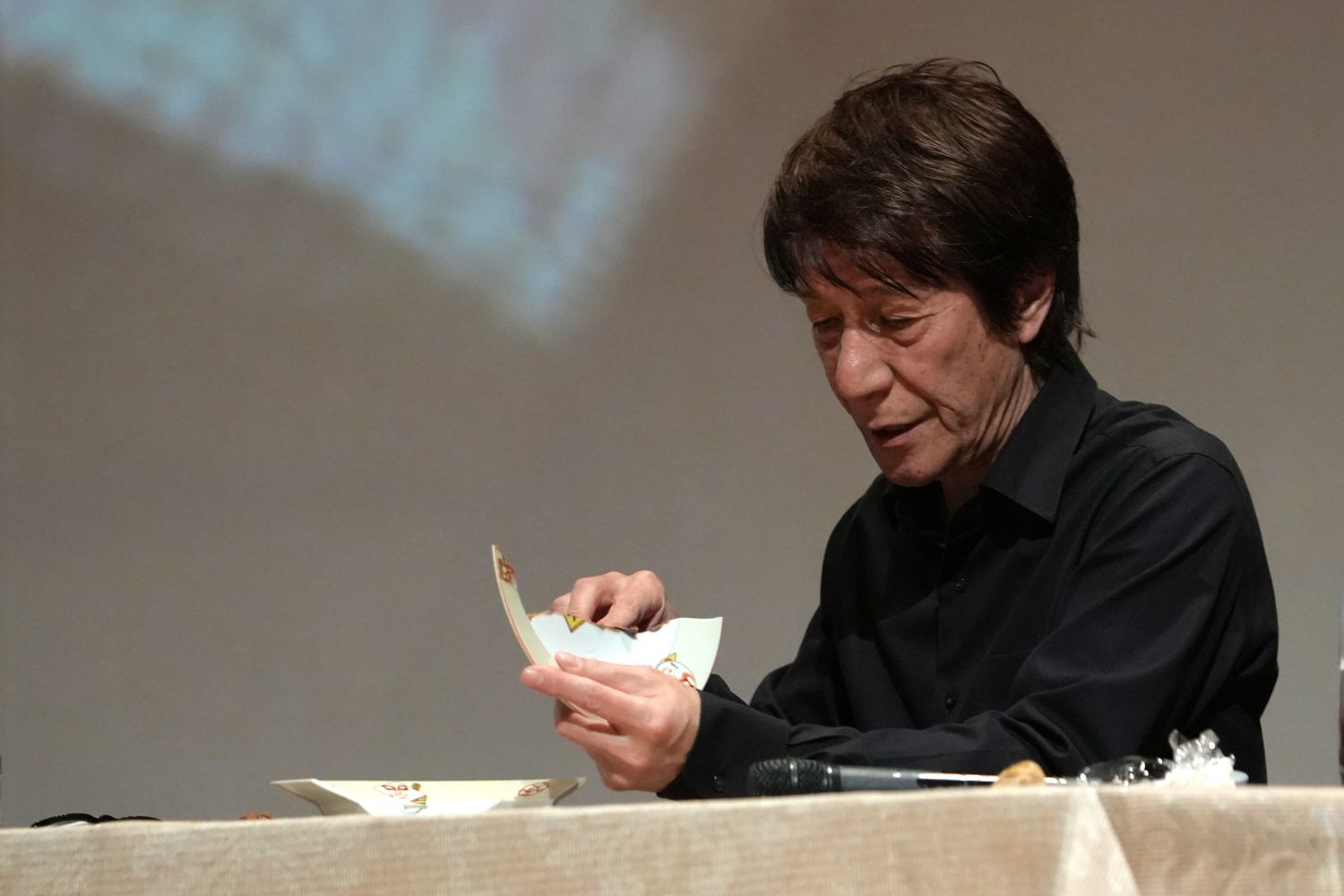
The NCKU Phoenix Lecture on December 3 invited Japanese urushi restoration master Hiroki Suesaki (Kiyokawa) to personally share insights from his 50-year career and his dedication to promoting the philosophy of Kintsugi.
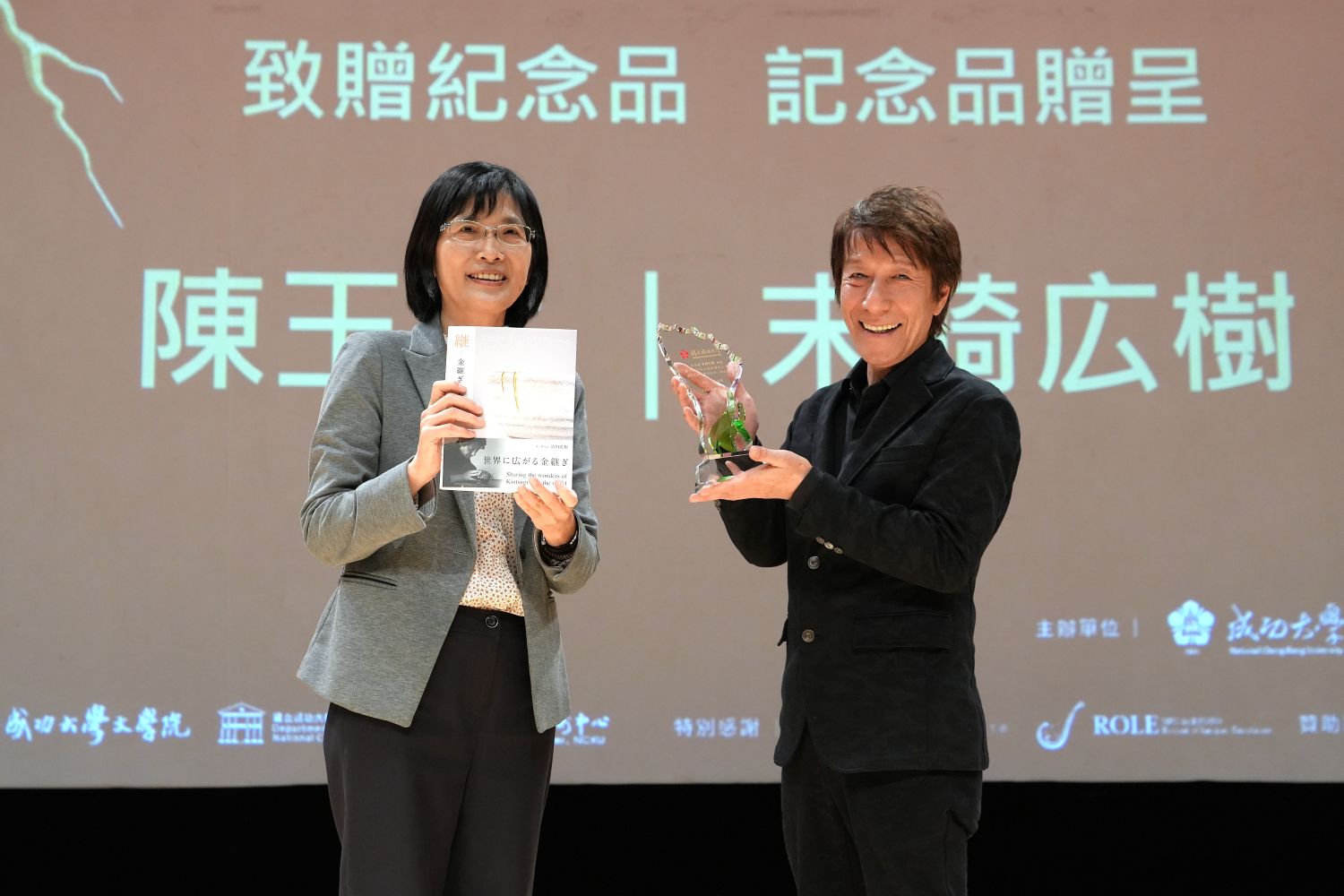
At the lecture, NCKU Vice President Yuh-Neu Chen (left) and Japanese urushi restoration master Hiroki Suesaki (Kiyokawa) exchanged commemorative gifts and posed for a photo together.
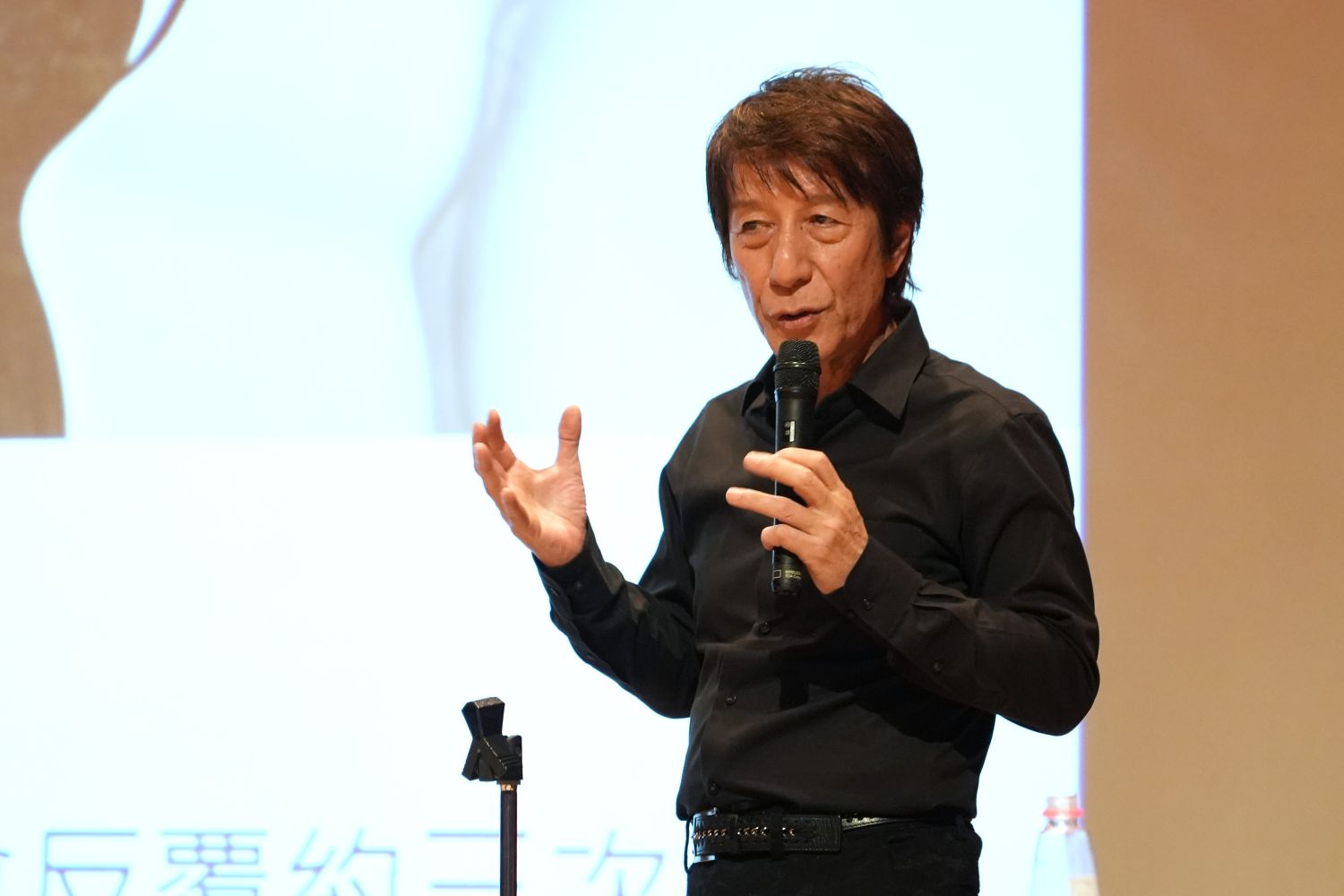
As Japan’s only traditional restoration master combining classical craftsmanship with philosophical discourse, Hiroki Suesaki (Kiyokawa)’s lecture emphasized not only technical instruction but also philosophical reflection.
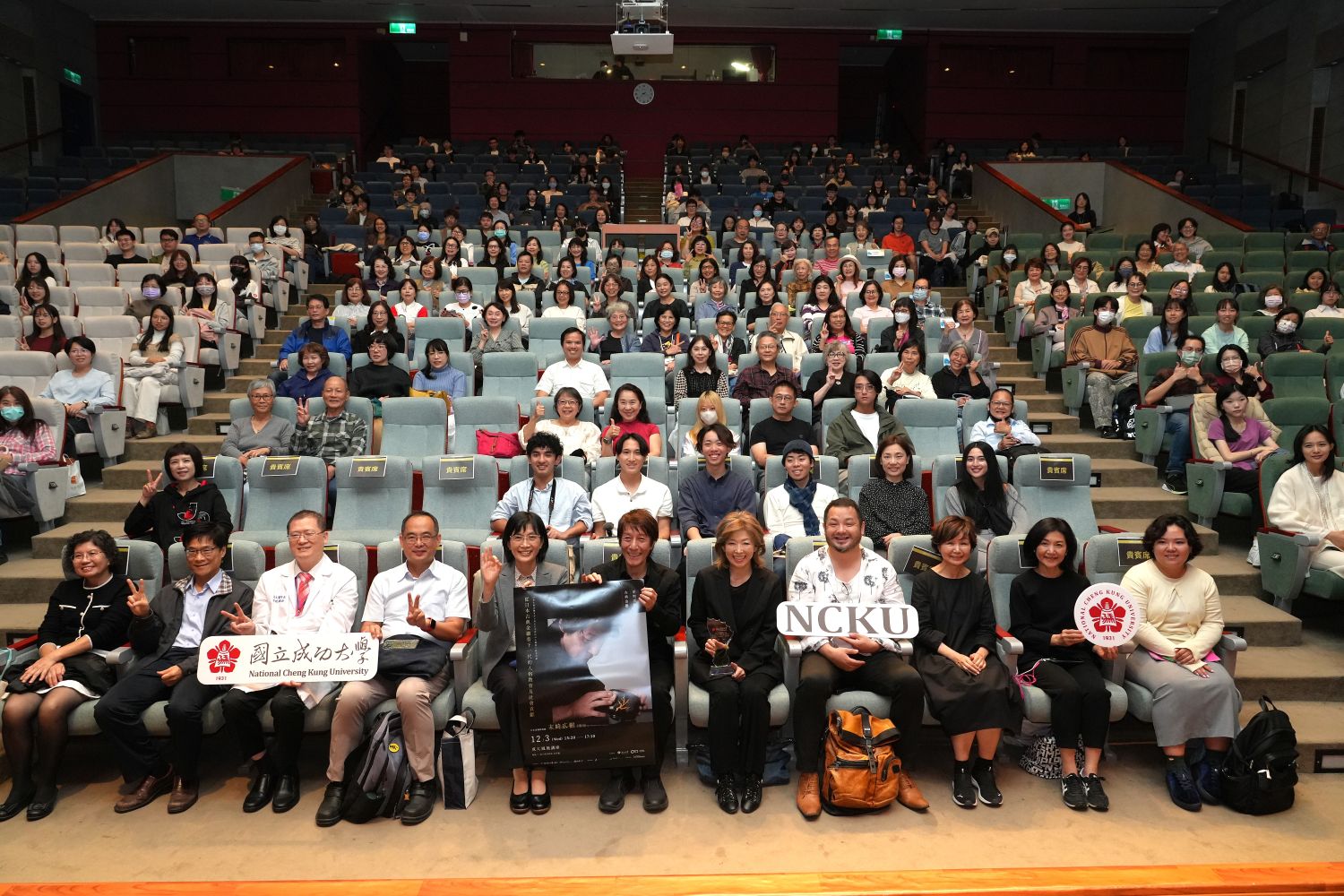
At the lecture, in addition to enthusiastic attendance by faculty and students from various NCKU colleges, there were also visitors who traveled from Taipei to attend, and even fans who chartered flights from Japan to show their support.
This lecture was held in conjunction with the exhibition “The Beauty of Imperfection: Japanese Classical Kintsugi Restoration Works Joint Exhibition” at NCKU’s Kuang-Fu Campus History and Artifacts Museum.
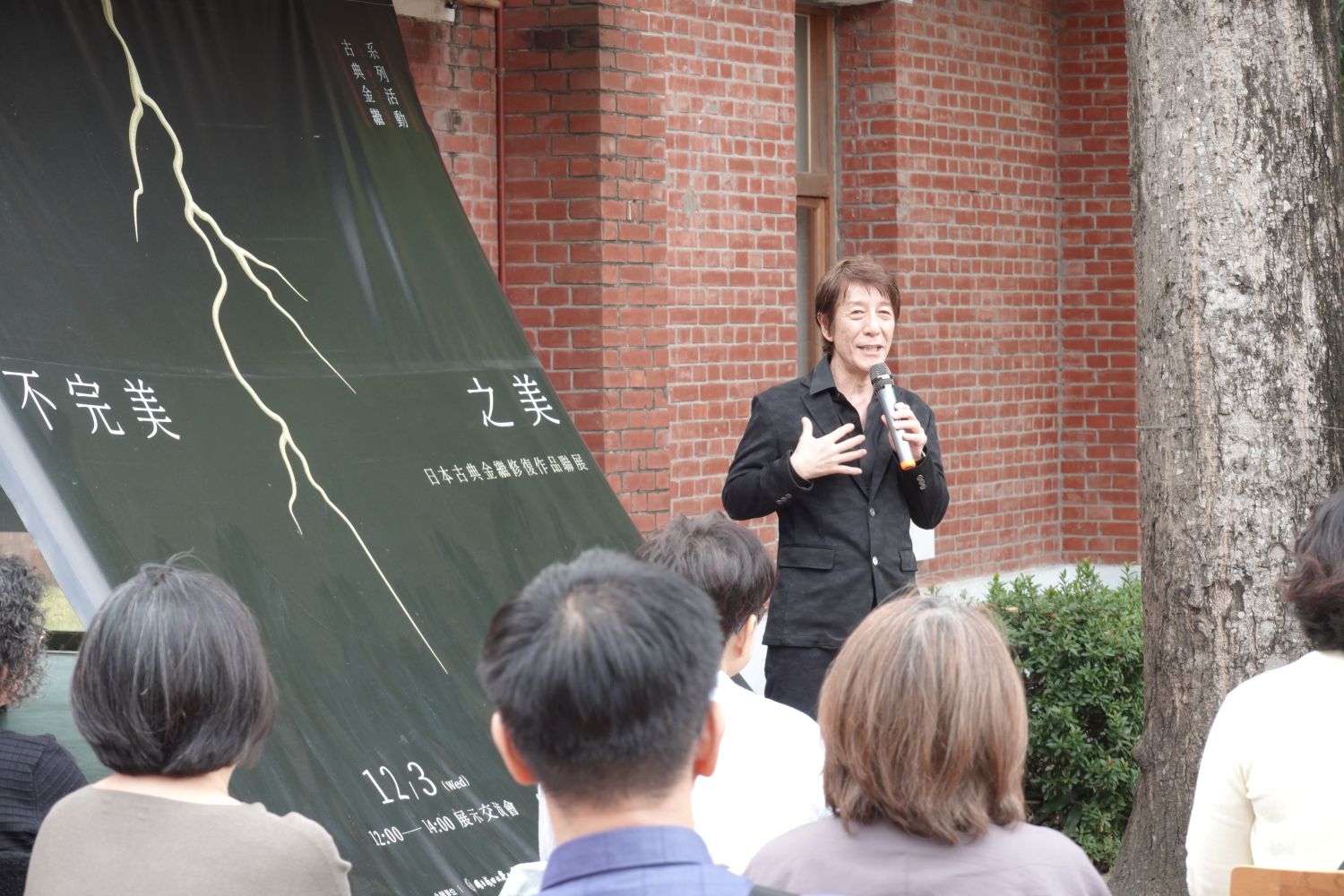
Hiroki Suesaki (Kiyokawa) was deeply surprised and grateful for the beautiful arrangement of the NCKU exhibition.
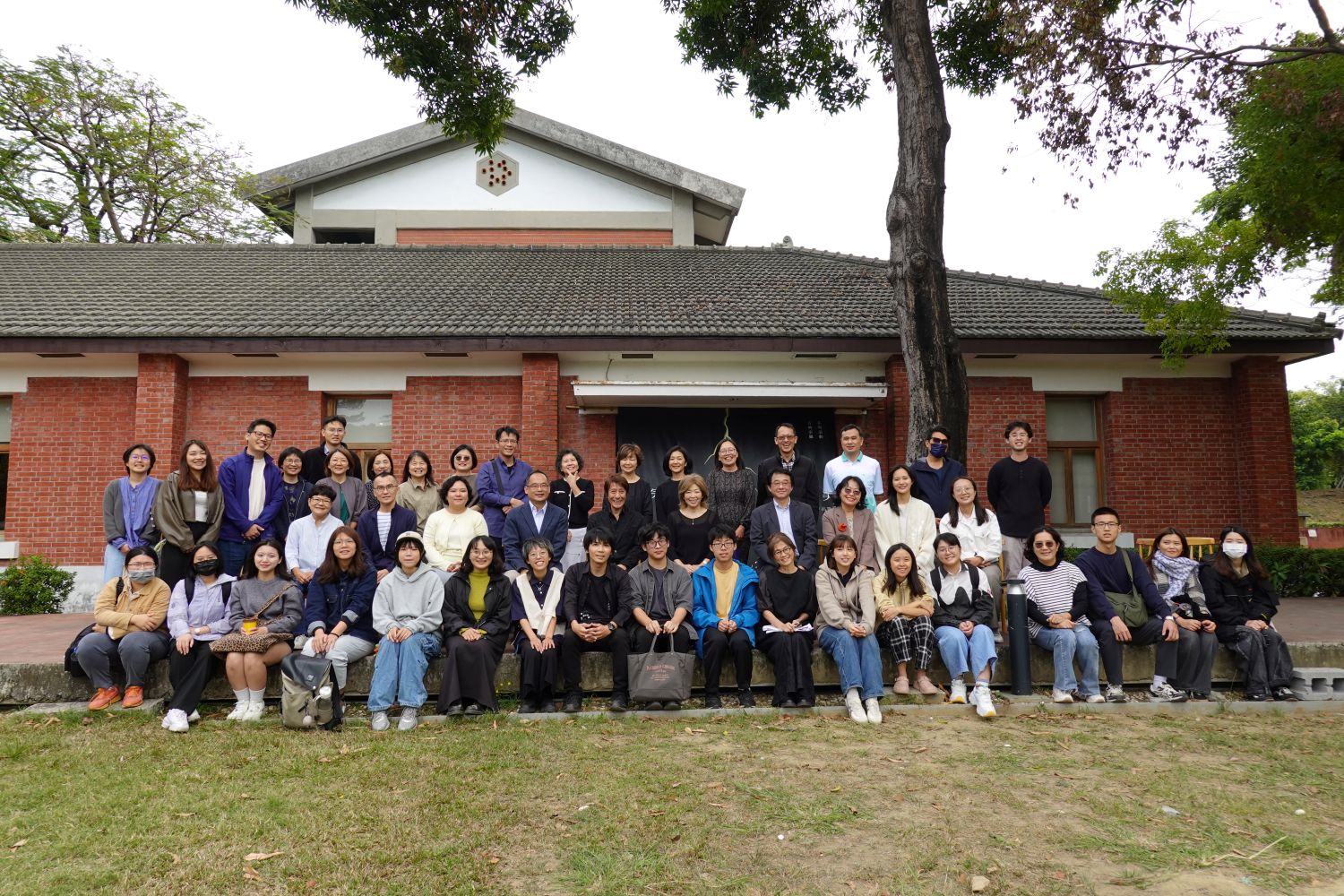
At the exhibition exchange event on the afternoon of December 3, participants together pronounced the Japanese word for Kintsugi, leaving a group photo full of smiles.
SDG11NCKU and Guangfu Township Host Post-Disaster Environmental & Medical Sampling Workshop to Drive Cross-Domain Governance
View more
SDG11"NCKU Wins Big Again: Takes Home 'Local Integration' and 'Welfare Coexistence' Awards for Second Year in a Row"
View more