



SDG9
Kumamoto University Revisits NCKU Deepen International Academic Exchange and Industry-Academia Collaboration
Written by NCKU Office of Internation Affairs. Image credit to NCKU News Center.
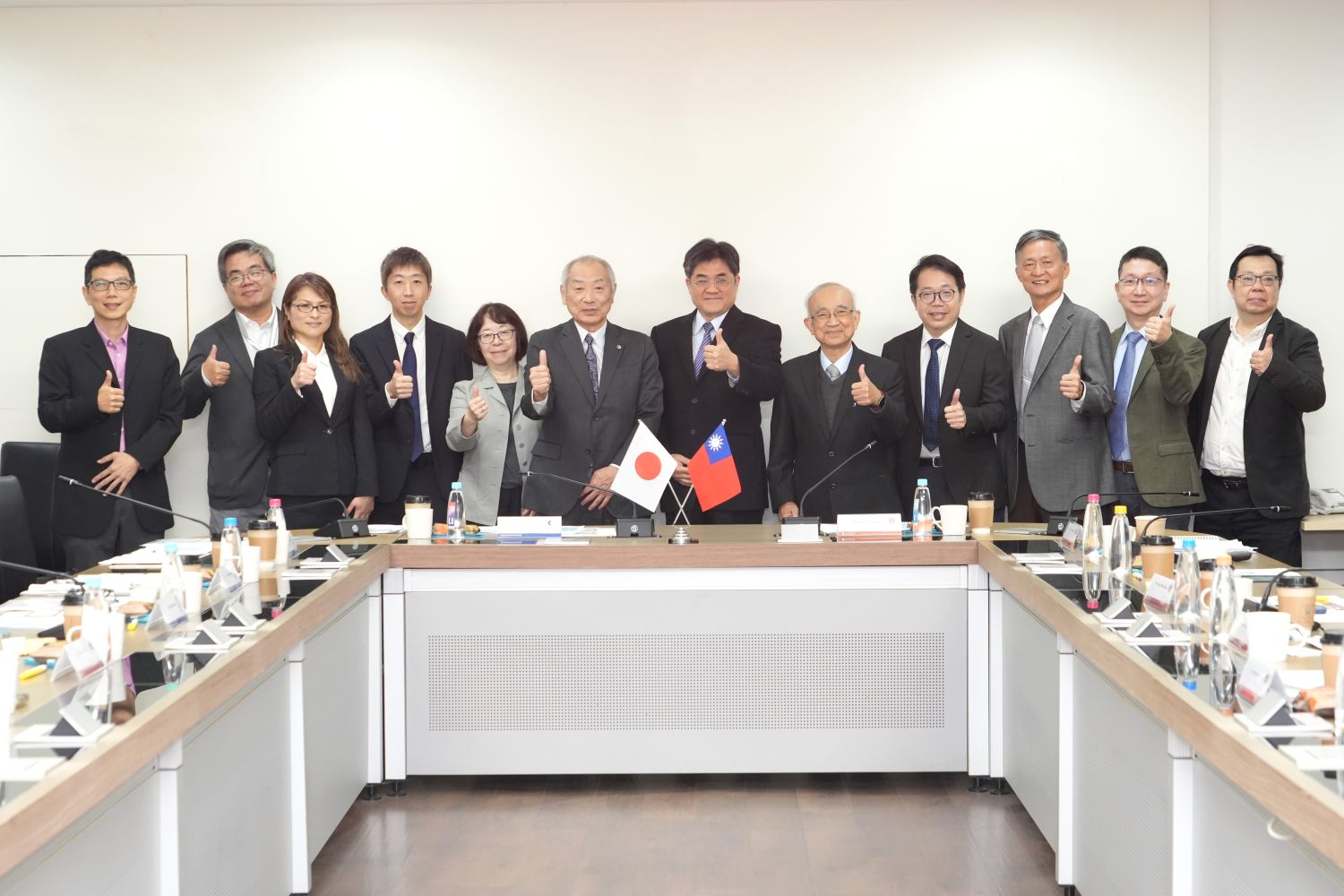
On January 20, 2026, Dr. Jun Otani, Executive Vice President of Kumamoto University (KU), led a delegation to revisit National Cheng Kung University (NCKU). Both parties engaged in in-depth discussions on core fields, such as semiconductors and disaster prevention, while conducting visits to research centers to pave the way for future industry-academia collaboration. Beyond talent cultivation, double degree program and joint appointment, these talks extended to research management cooperation. By aligning industry, academia, and research, both universities aim to establish a new collaboration model.
Executive Vice President Shyy-Woei Chang reviewed the history of cooperation between the two universities. Beyond the existing university-level and center-level Memorandums of Understanding (MOUs) and student exchange agreements, collaboration in semiconductors, disaster prevention, and medicine has been particularly prominent over the past five years. EVP Chang expressed his hope that these thorough discussions would build upon this solid foundation to establish an even more enduring partnership.
In his address, Executive Vice President Jun Otani expressed his gratitude for the warm reception at NCKU, highlighting a history of active collaboration that reached a new milestone with the 2024 signing of the university-level MOU and exchange agreements, further cementing their long-standing friendship. Beyond student and faculty exchanges, KU aims to progressively broaden this cooperation into administrative sectors, with a particular focus on fostering substantive professional engagement among University Research Administrators (URAs).
Chair Professor Sun-Yuan Hsieh, Vice President for International Affairs at NCKU, provided an introduction to NCKU, highlighting the university's world-class rankings and academic excellence. As an innovation hub in Southern Taiwan, NCKU maintains close ties with national research institutions. Building on the established cooperation in semiconductors and disaster prevention, Prof. Hsieh advocated for deeper talent cultivation, inviting KU students to participate in NCKU’s specialized academic programs and summer schools. He expressed his vision for NCKU and KU to collaborate on a new chapter in international academic research.
EVP Otani shared insights on two key areas: URA collaboration and student exchange. He noted that URAs are in charge of enhancing research and development (R&D) strategies, bridging faculty and administration, and fostering industry-academic linkages. To this end, KU proposed dispatching URAs to NCKU to facilitate research management and industry-academic cooperation, thereby strengthening the R&D and industrial connectivity of both institutions. In terms of student exchange, EVP Otani emphasized industry-academic alignment and assessing the feasibility of corporate-sponsored scholarships. As a recipient of the Japanese government's J-PEAKS program for top research universities, KU will utilize these resources to deepen talent cultivation and professional research collaboration with NCKU. Subsequently, Prof. Mitsuyo Kishida detailed the framework for double degree program covering application processes, academic requirements, graduation regulations, and scholarship support.
Prof. Liang-Ming Whang, Director General of the Innovation Headquarters (IHQ), presented NCKU’s industry-academic collaboration and the operational model of Joint Research Centers. He showcased NCKU’s outstanding performance and its strategic partnerships with global leaders like TSMC, demonstrating significant achievements in both institutional innovation and practical outcomes. Meanwhile, Prof. Wen-Chi Lai, Deputy Director of the Disaster Prevention Research Center (DPRC), reviewed the long-standing collaboration between the two universities and expressed the hope that both sides would continue learning from each other and identifying solutions through shared practical experiences in disaster management.
During the discussion session, EVP Chang suggested that the points of contact from both universities work together to advance the implementation of URA collaboration, double degree program, and joint appointment. Both institutions expressed their shared commitment to enhancing international research capacity and global visibility through increased faculty and student mobility.
The KU delegation included Dr. Jun Otani, Executive Vice President; Dr. Chikako Ueda, Senior Research Administrator (URA); Mr. Keisuke Senba, Research Administrator (URA); Prof. Mitsuyo Kishida, in charge of international affairs at Science and Engineering, former Vice President for International Affairs.
Representatives from NCKU included Distinguished Prof. Shyy-Woei Chang, Executive Vice President; Chair Prof. Sun-Yuan Hsieh, Vice President for International Affairs; Prof. Liang-Ming Whang, Director General of Innovation Headquarters (IHQ); Prof. Yan-Kuin Su, Honorary Dean of Academy of Innovative Semiconductor and Sustainable Manufacturing (AISSM); Prof. Wei-Chou Hsu, Dean of AISSM; Prof. Mitch M.C. Chou, Associate Dean of AISSM; Prof. Wen-Chi Lai, Deputy Director of Disaster Prevention Research Center (DPRC); Prof. Tsung-Lin Liu, Director of International Relations Division; Ms. Ya-Tsui Ellen Hsueh, Deputy Director of International Relations Division; Ms. Nina Fu, Manager of International Relations Division; Ms. Anna Wu, Manager of International Relations Division.
Founded in 1949, Kumamoto University (KU) remains a long-standing partner of NCKU. From 2020 to 2026, its academic output was primarily concentrated in Medicine (44%), Biochemistry, Genetics and Molecular Biology (22.5%), Engineering (13.3%), Chemistry (11.5%), and Material Science (11.4%).
Provider: NCKU News Center
Date: 2026-01-23
On January 20, 2026, Dr. Jun Otani, Executive Vice President of Kumamoto University (KU), led a delegation to revisit National Cheng Kung University (NCKU). Both parties engaged in in-depth discussions on core fields, such as semiconductors and disaster prevention, while conducting visits to research centers to pave the way for future industry-academia collaboration. Beyond talent cultivation, double degree program and joint appointment, these talks extended to research management cooperation. By aligning industry, academia, and research, both universities aim to establish a new collaboration model.
Executive Vice President Shyy-Woei Chang reviewed the history of cooperation between the two universities. Beyond the existing university-level and center-level Memorandums of Understanding (MOUs) and student exchange agreements, collaboration in semiconductors, disaster prevention, and medicine has been particularly prominent over the past five years. EVP Chang expressed his hope that these thorough discussions would build upon this solid foundation to establish an even more enduring partnership.
In his address, Executive Vice President Jun Otani expressed his gratitude for the warm reception at NCKU, highlighting a history of active collaboration that reached a new milestone with the 2024 signing of the university-level MOU and exchange agreements, further cementing their long-standing friendship. Beyond student and faculty exchanges, KU aims to progressively broaden this cooperation into administrative sectors, with a particular focus on fostering substantive professional engagement among University Research Administrators (URAs).
Chair Professor Sun-Yuan Hsieh, Vice President for International Affairs at NCKU, provided an introduction to NCKU, highlighting the university's world-class rankings and academic excellence. As an innovation hub in Southern Taiwan, NCKU maintains close ties with national research institutions. Building on the established cooperation in semiconductors and disaster prevention, Prof. Hsieh advocated for deeper talent cultivation, inviting KU students to participate in NCKU’s specialized academic programs and summer schools. He expressed his vision for NCKU and KU to collaborate on a new chapter in international academic research.
EVP Otani shared insights on two key areas: URA collaboration and student exchange. He noted that URAs are in charge of enhancing research and development (R&D) strategies, bridging faculty and administration, and fostering industry-academic linkages. To this end, KU proposed dispatching URAs to NCKU to facilitate research management and industry-academic cooperation, thereby strengthening the R&D and industrial connectivity of both institutions. In terms of student exchange, EVP Otani emphasized industry-academic alignment and assessing the feasibility of corporate-sponsored scholarships. As a recipient of the Japanese government's J-PEAKS program for top research universities, KU will utilize these resources to deepen talent cultivation and professional research collaboration with NCKU. Subsequently, Prof. Mitsuyo Kishida detailed the framework for double degree program covering application processes, academic requirements, graduation regulations, and scholarship support.
Prof. Liang-Ming Whang, Director General of the Innovation Headquarters (IHQ), presented NCKU’s industry-academic collaboration and the operational model of Joint Research Centers. He showcased NCKU’s outstanding performance and its strategic partnerships with global leaders like TSMC, demonstrating significant achievements in both institutional innovation and practical outcomes. Meanwhile, Prof. Wen-Chi Lai, Deputy Director of the Disaster Prevention Research Center (DPRC), reviewed the long-standing collaboration between the two universities and expressed the hope that both sides would continue learning from each other and identifying solutions through shared practical experiences in disaster management.
During the discussion session, EVP Chang suggested that the points of contact from both universities work together to advance the implementation of URA collaboration, double degree program, and joint appointment. Both institutions expressed their shared commitment to enhancing international research capacity and global visibility through increased faculty and student mobility.
The KU delegation included Dr. Jun Otani, Executive Vice President; Dr. Chikako Ueda, Senior Research Administrator (URA); Mr. Keisuke Senba, Research Administrator (URA); Prof. Mitsuyo Kishida, in charge of international affairs at Science and Engineering, former Vice President for International Affairs.
Representatives from NCKU included Distinguished Prof. Shyy-Woei Chang, Executive Vice President; Chair Prof. Sun-Yuan Hsieh, Vice President for International Affairs; Prof. Liang-Ming Whang, Director General of Innovation Headquarters (IHQ); Prof. Yan-Kuin Su, Honorary Dean of Academy of Innovative Semiconductor and Sustainable Manufacturing (AISSM); Prof. Wei-Chou Hsu, Dean of AISSM; Prof. Mitch M.C. Chou, Associate Dean of AISSM; Prof. Wen-Chi Lai, Deputy Director of Disaster Prevention Research Center (DPRC); Prof. Tsung-Lin Liu, Director of International Relations Division; Ms. Ya-Tsui Ellen Hsueh, Deputy Director of International Relations Division; Ms. Nina Fu, Manager of International Relations Division; Ms. Anna Wu, Manager of International Relations Division.
Founded in 1949, Kumamoto University (KU) remains a long-standing partner of NCKU. From 2020 to 2026, its academic output was primarily concentrated in Medicine (44%), Biochemistry, Genetics and Molecular Biology (22.5%), Engineering (13.3%), Chemistry (11.5%), and Material Science (11.4%).
Provider: NCKU News Center
Date: 2026-01-23
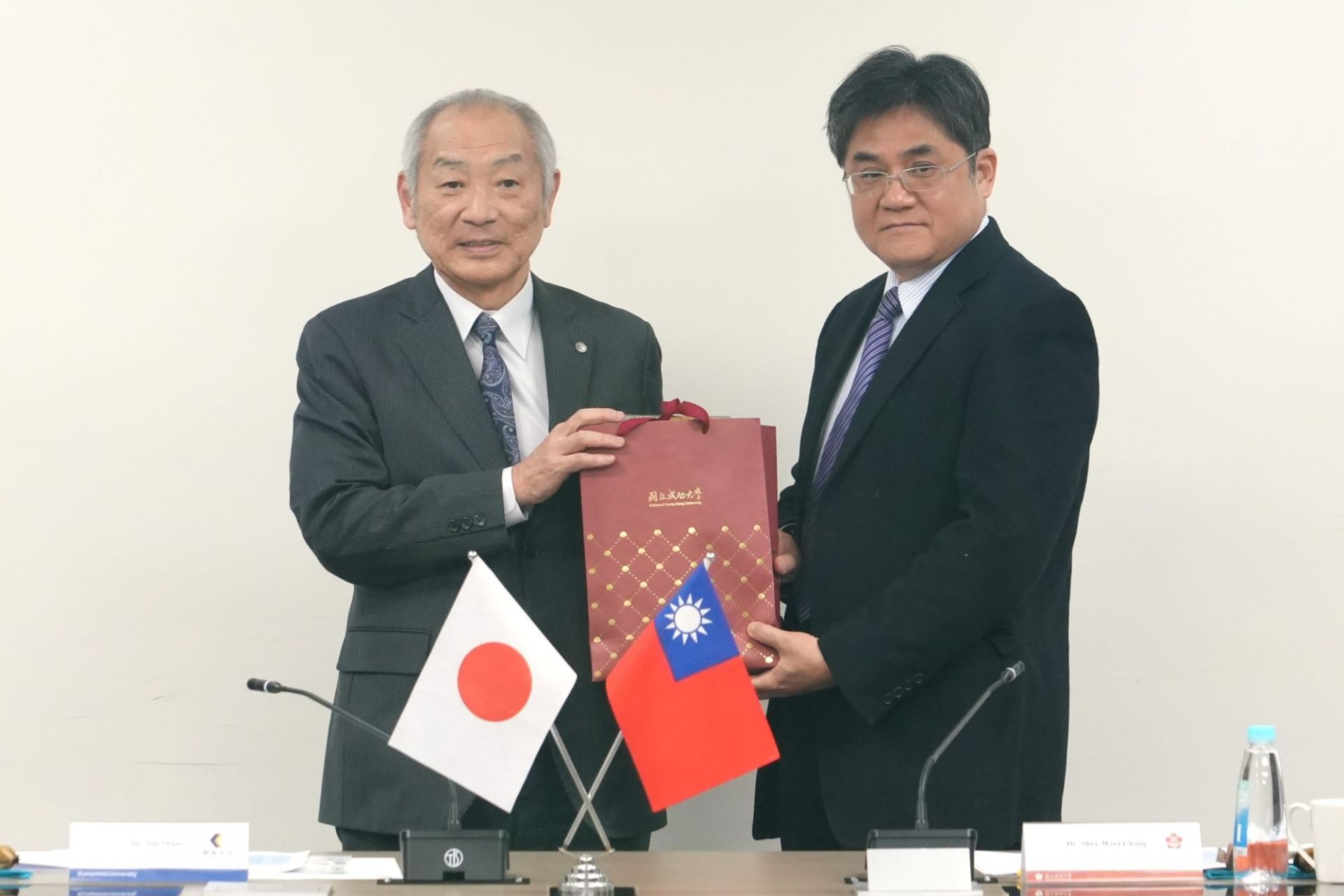
Executive Vice President Shyy-Woei Chang presents a gift to Executive Vice President Jun Otani, symbolizing the deep friendship between the two universities and a shared commitment to pioneering new collaborations.
Both universities engage in discussions on semiconductors and academic research.
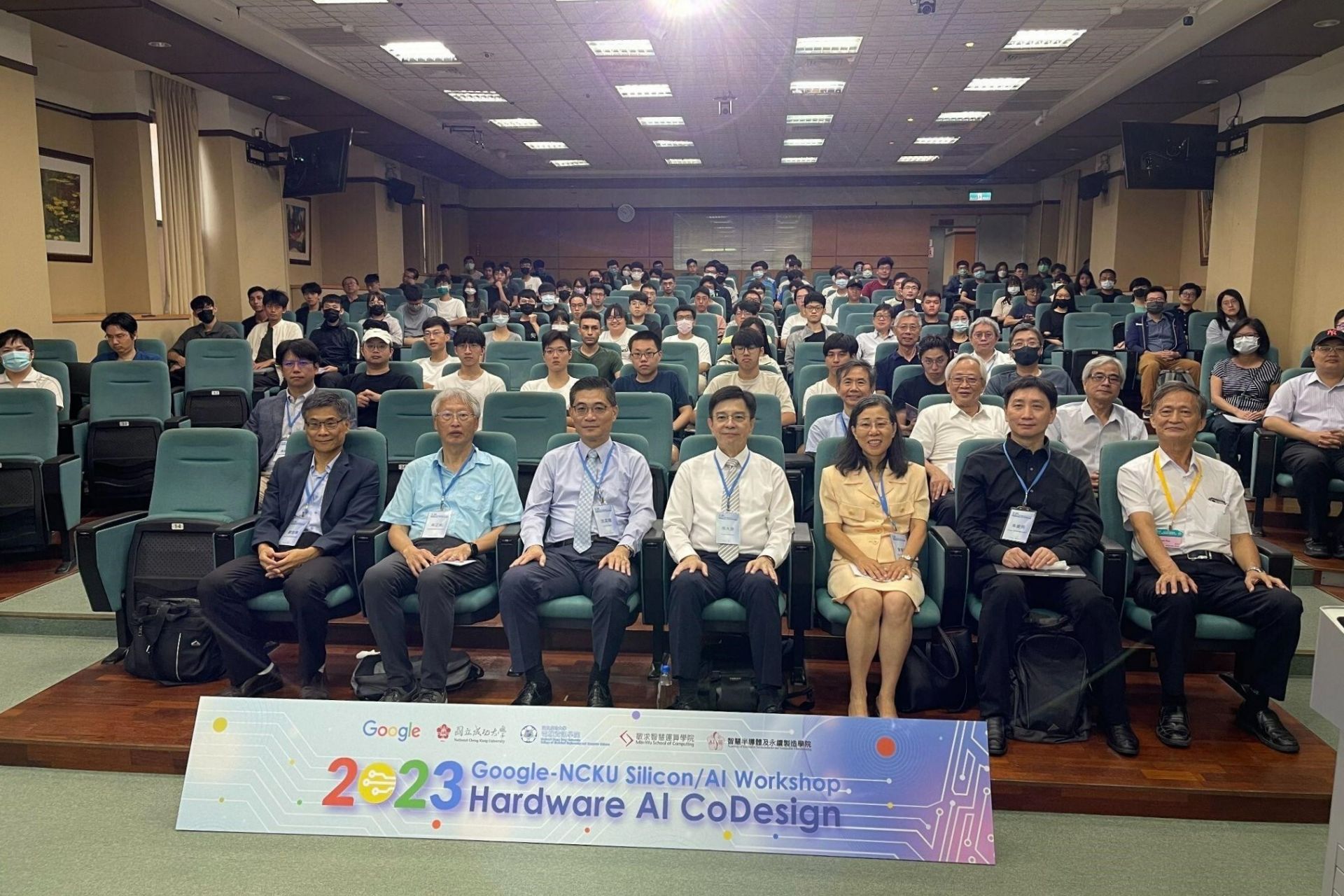
SDG9The 2023 NCKU Google Workshop focuses on exploring topics related to semiconductors and artificial intelligence.
View more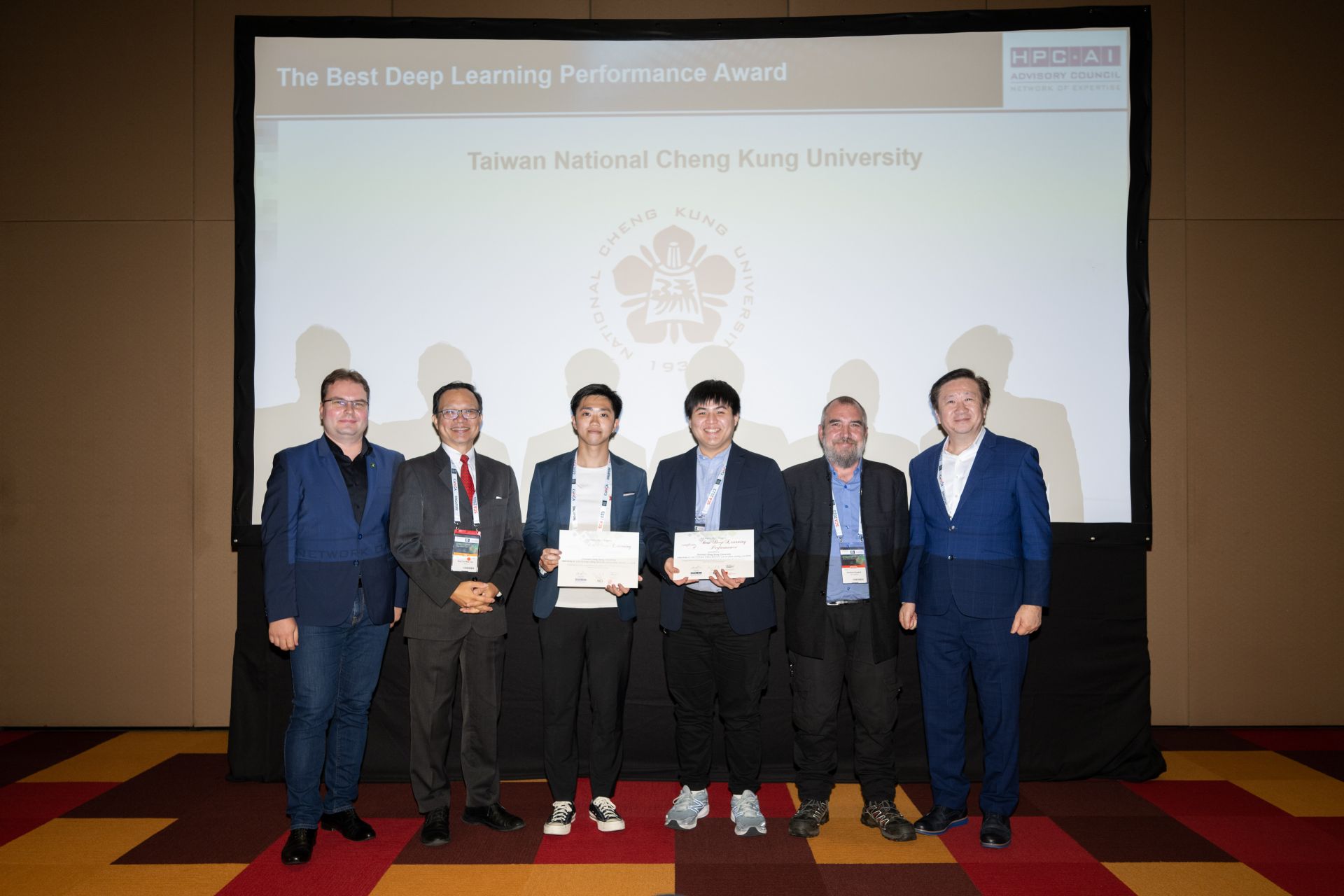
SDG9NCKU computer science students won two awards at the Singapore HPC-AI Computer Competition
View more