



SDG9
Global Policy Leader Gergreizer Urges People to Reclaim Human Judgment in the AI Era at NCKU Lecture


On February 10, as part of the “Master Lecture Series” organized by the Taiwan Comprehensive University System (TCUS), Professor Gerd Gigerenzer, a world-renowned authority in psychology and decision sciences, delivered a lecture at National Cheng Kung University (NCKU) titled “How to Stay Smart in a Smart World”. He shared insights on how humans can maintain wisdom in the age of artificial intelligence (AI), emphasizing that the true societal crisis is not the rise of intelligent machines, but the “dumbing down of humanity.” He encouraged the public to reclaim human agency and judgment.
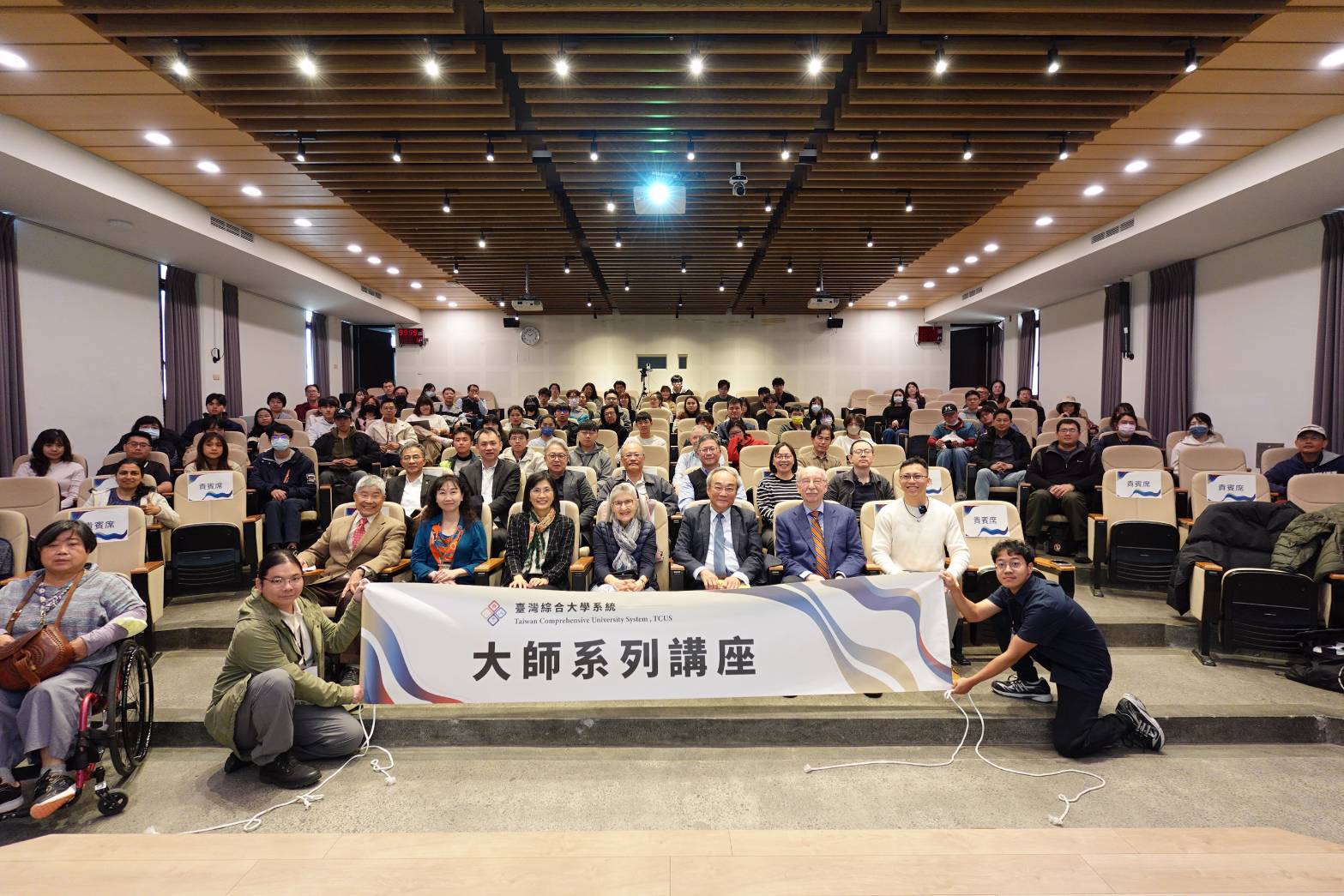
The lecture was organized by the National Science and Technology Council (NSTC), TCUS, and NCKU’s Research Center for Humanities and Social Sciences (CHASS), with co-sponsorship from NCKU’s College of Liberal Arts, Department of Psychology, and the Taiwan Psychological Association. The event attracted scholars and distinguished guests from both academia and society, filling the venue to capacity. Notable attendees included former Minister of Education Prof. Rong-Cun Huang (黃榮村教授), internationally renowned historian Prof. Lorraine Daston (Professor Gigerenzer’s spouse), and Academician Fan-Sen Wang (王汎森教授), Chair of TCUS and Deputy Director of Academia Sinica, among others. Over a hundred viewers also attended online, contributing to a lively atmosphere.
Prof. Cheng-Da Yang (楊政達主任), Director of CHASS at NCKU, expressed gratitude to Prof. Gigerenzer for bringing highly inspiring academic insights to students and faculty from the four TCUS universities (NCKU, NSYSU, NCHU, and CCU). His lecture helped attendees better understand the relationship between intuitive judgment, risk thinking, and decision-making patterns, and cultivated rational thinking skills in the face of uncertainty amidst the rapid development of AI.
During his talk, Prof. Gigerenzer introduced his core theory, The Stable-World Principle. He explained that algorithms perform exceptionally well in domains with clear rules, stable environments, and abundant historical data—such as chess. However, in the real world, which is highly uncertain, rapidly changing, and data-limited, human experience, intuition, and judgment retain irreplaceable advantages.
Prof. Gigerenzer illustrated his concepts with vivid examples to make abstract decision science principles more relatable. For instance, he humorously critiqued common dating platform claims like “1 person falls in love every 11 minutes,” pointing out that this does not mean a user will find love just 11 minutes after signing up. A deeper statistical analysis suggests that many users may wait decades before successfully matching. He reminded the audience that algorithms touted by many platforms often serve commercial purposes, and that cultivating the ability to understand the logic behind data and digital literacy is crucial for rational judgment in contemporary society.
He also discussed the famous Russian Tank Fallacy to illustrate the potential vulnerabilities of AI systems. In one case, an AI system trained and tested to perfectly recognize enemy tanks failed completely in the field, because it had actually learned to identify “cloud patterns” in photos rather than the tanks themselves, as most Russian tank photos were taken on cloudy days. Prof. Gigerenzer used this example to emphasize that most current AI and big data models remain at the “data-fitting” stage and lack human common sense and contextual understanding. Overreliance on algorithms in complex, uncertain situations can easily lead to poor decisions, highlighting the importance of transparent and effective heuristics as tools for decision-making.
Prof. Gigerenzer is a highly esteemed academic, having served as Director of the Max Planck Institute for Human Development in Germany. He currently directs the Harding Center for Risk Literacy at the University of Potsdam and serves as Vice President of the European Research Council (ERC). His research focuses on human decision-making under conditions of limited information and has profoundly influenced psychology, behavioral sciences, and public policy.
Prof. Gigerenzer’s lecture not only deepened the connection between NCKU and the global academic community but also fostered interdisciplinary dialogue, encouraging faculty and students to further reflect on the importance of human rationality, privacy, and dignity in the digital age.
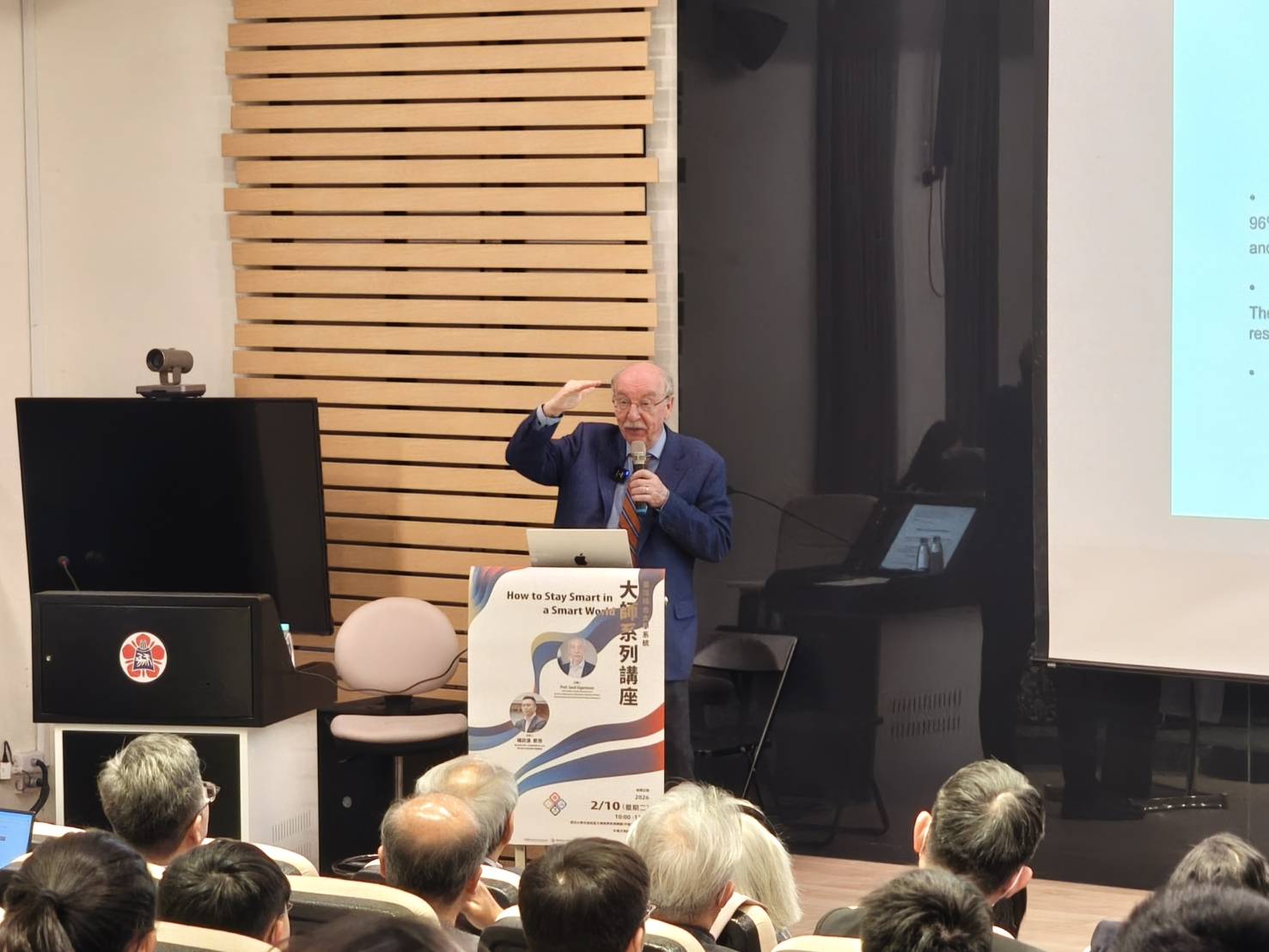
Global Decision-Making Expert Gerd Gigerenzer Gives Lecture at NCKU, Urges Public to Reclaim Human Agency and Judgment in the AI Era.
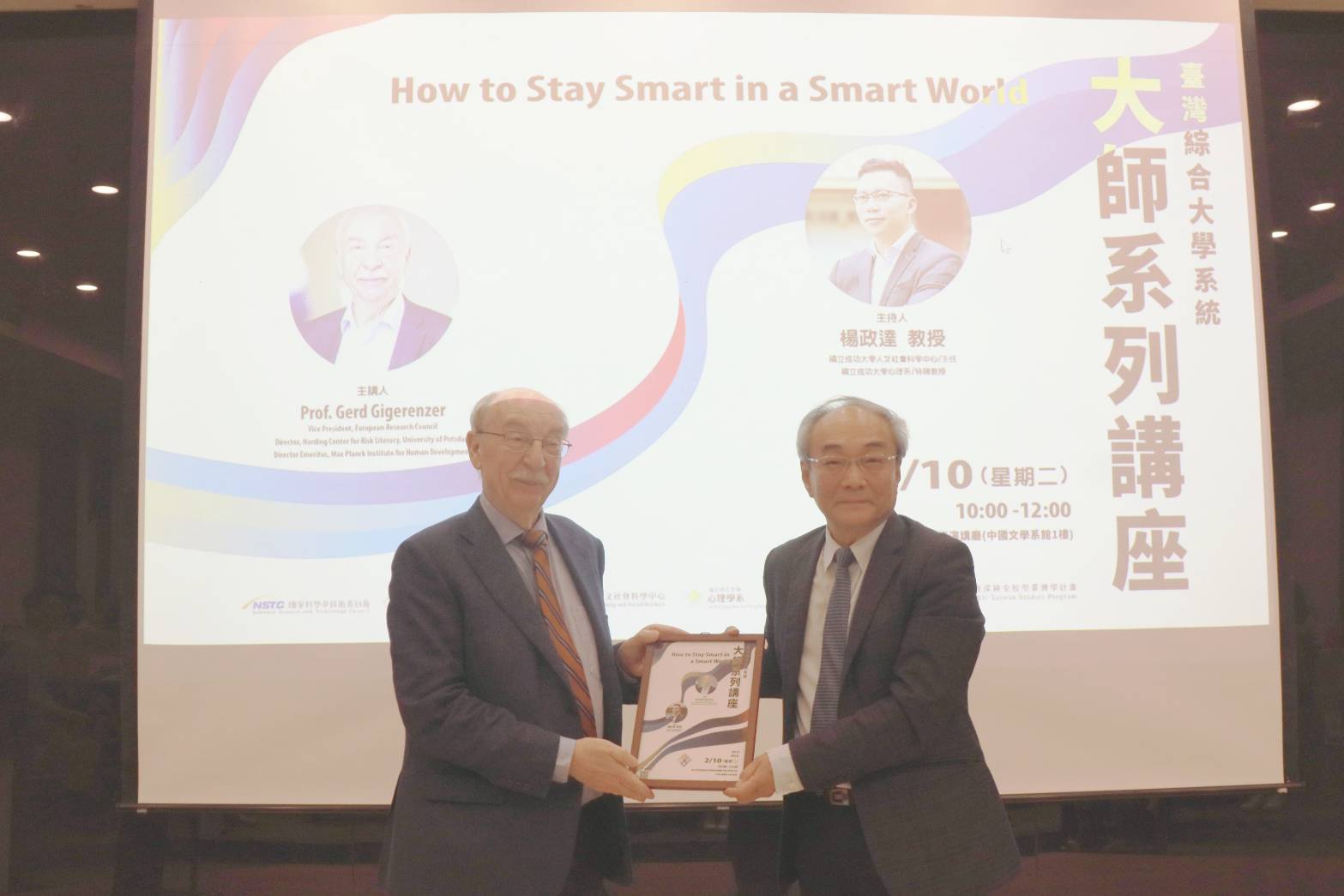
Academician Fan-Sen Wang presented a gift to Professor Gerd Gigerenzer as a token of appreciation.
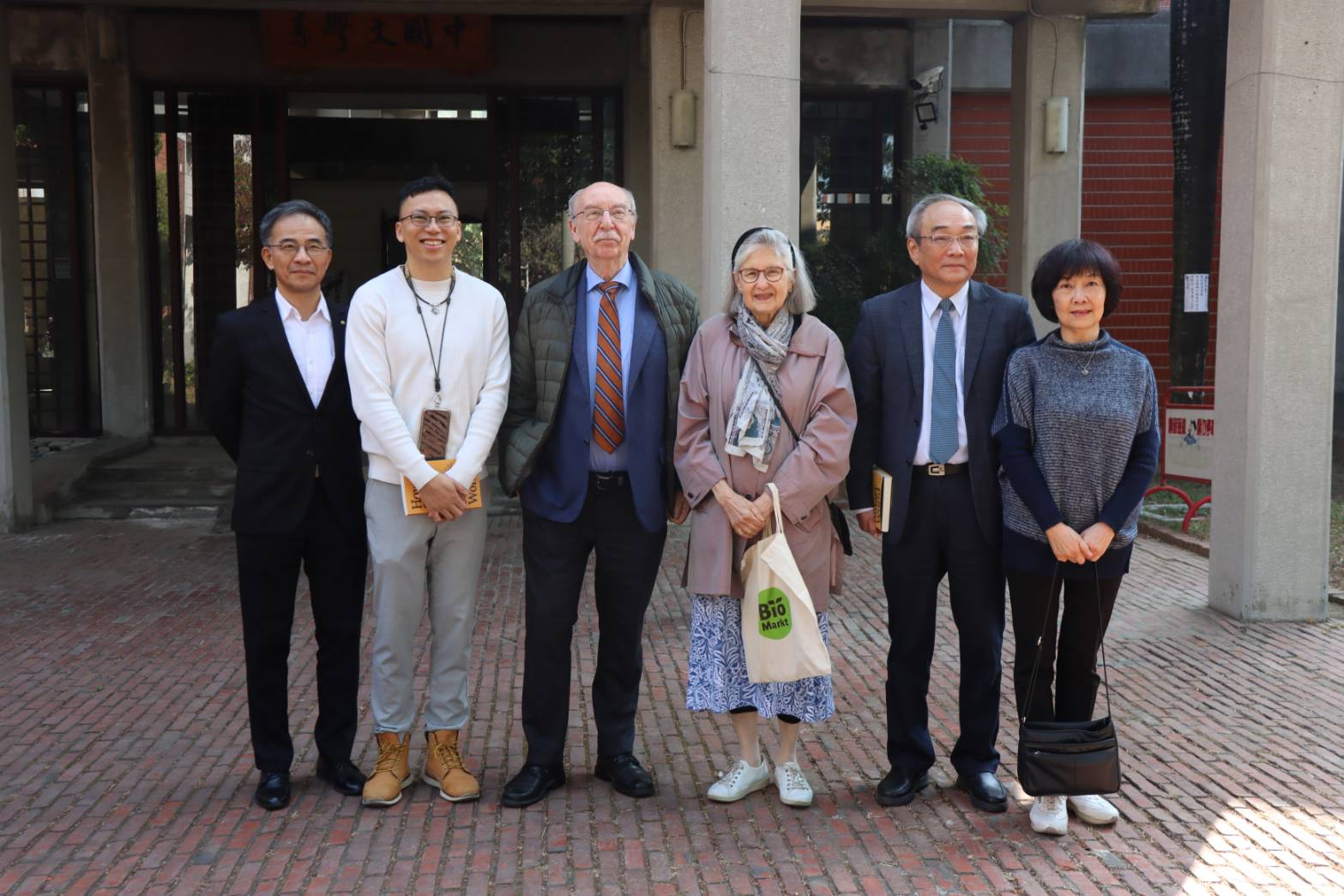
TestFrom left: Prof. Ku-Ming Chang (Academia Sinica), Prof. Cheng-Da Yang, Director of NCKU’s CHASS, Prof. Gerd Gigerenzer and his spouse, and Academician Fan-Sen Wang (Academia Sinica) with his spouse, Chair of the TCUS.
The Master Lecture was held to full capacity, creating a lively and energetic atmosphere.