



SDG8
NCKU Students Launch “Badland Pixels” Camp to Foster Children’s Foothill Identity
A student-initiated team from National Cheng Kung University (NCKU), titled “Slow Living Foothills × Badland Revitalization (漫活淺山×惡地再生),” with continued support from the university’s “Badland Collaboration USR (惡地協作 USR)” team, organized a three-day regional revitalization camp, “Badland Pixels: Documenting New Foothill Lives (堊地像素:記錄淺山新生活),” from February 2 to February 4, 2026, at Zuozhen Elementary School in Tainan. Through experiential and participatory learning approaches, the camp guided students to rediscover their local environment, lifestyles, and community development from their own perspectives.
NCKU’s “Badland Collaboration USR” team has long practiced University Social Responsibility (USR), cultivating partnerships in Zuozhen, Longqi, and Tianliao through educational initiatives and community engagement. After taking courses on Sustainable Cities and Marketing offered by the Department of Urban Planning, NCKU students continued to engage with local agricultural issues and formed the “Slow Living Foothills × Badland Revitalization” team, aspiring to contribute concrete actions to the Zuozhen Glory Leisure Agriculture Area.
Zuozhen Elementary School has been a long-term partner of the Badland Collaboration initiative. Since the 2022 academic year, the school has implemented digital innovation and technology courses. As collaboration with the community deepened, discussions emerged on how to further respond to broader local development issues beyond the existing curriculum. Supported by the Tainan City Government’s Participatory Democracy Action Grant, community partners jointly proposed the theme “The Zuozhen I Want to See in 2026.” The team engaged local stakeholders in discussions on neighborhood collaboration, agricultural tourism, and local industry development, transforming these dialogues into concrete educational actions. The project successfully secured funding from the Ministry of Education Youth Development Administration’s 2026 Youth Self-Initiated Volunteer Action Program, enabling the camp to take place.
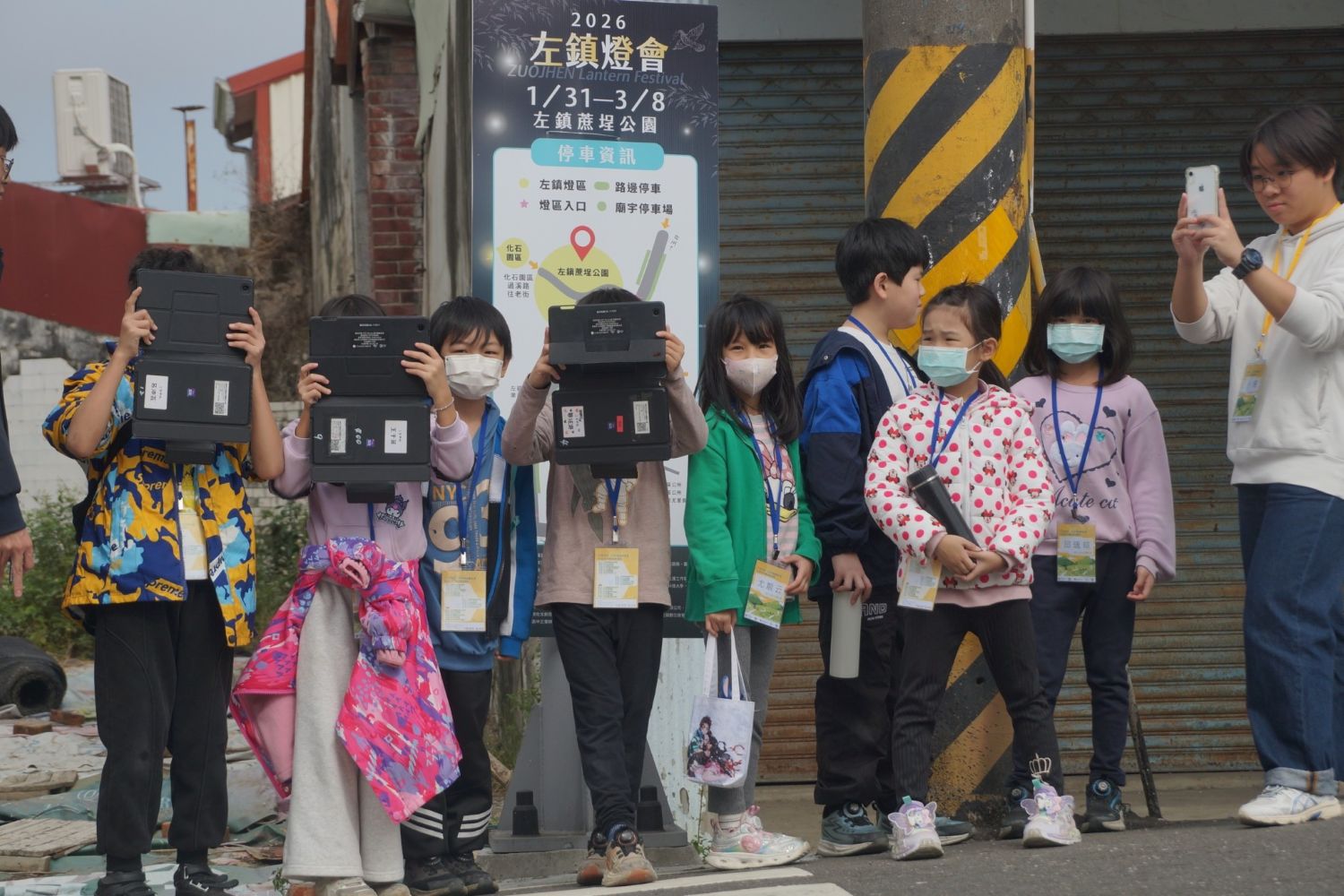
The three-day camp featured a comprehensive curriculum. On the first day, students conducted campus and community walking tours, visiting the Zuozhen Lantern Festival and local shops. Through field observation and visual documentation, they explored the people, events, and objects embedded in everyday life, followed by reflective artistic creation activities. On the second day, learning extended beyond the school grounds as students visited nearby orchards and farms to gain insight into agricultural practices and the cultural landscape of the foothill region. In the afternoon, a co-creation workshop helped students organize their experiences and develop story scripts. On the third day, students worked in grade-based groups to film and edit videos, culminating in a final presentation showcasing their three-day learning journey and perspectives.
Pedagogically, the camp adopted facilitation techniques that closely monitored student engagement and adjusted interaction strategies in real time. During art creation, workshops, and script development, students demonstrated remarkable creativity and expressive ability, illustrating that with appropriate guidance and support, elementary school students can meaningfully engage in in-depth discussions of local issues.
Chuan-Cheng Wang (王傳程), the NCKU graduate student leading the project, noted that the initiative not only leveraged existing resources but also brought together undergraduate students and corporate partners to expand public understanding of Zuozhen’s local context while accumulating experience in civic participation and interdisciplinary collaboration. In the final exhibition, students presented their observations and visions of Zuozhen through videos, drawings, and written narratives. The displayed works represented not only learning outcomes but also a locally grounded narrative shaped from children’s perspectives. Through differentiated instructional design, students of different grade levels were able to produce concrete documentation, demonstrating the potential of place-based education in fostering civic awareness and local identity.
“Badland Pixels: Documenting New Foothill Lives” was more than a short-term camp; it represents an evolving community platform. The “Slow Living Foothills × Badland Revitalization” and “Badland Collaboration USR” teams will continue to connect schools, youth, and local partners through education, research, and action, deepening university–community collaboration and expanding possibilities for sustainable development and regional revitalization in the Zuozhen foothill area.
NCKU’s “Badland Collaboration USR” team has long practiced University Social Responsibility (USR), cultivating partnerships in Zuozhen, Longqi, and Tianliao through educational initiatives and community engagement. After taking courses on Sustainable Cities and Marketing offered by the Department of Urban Planning, NCKU students continued to engage with local agricultural issues and formed the “Slow Living Foothills × Badland Revitalization” team, aspiring to contribute concrete actions to the Zuozhen Glory Leisure Agriculture Area.
Zuozhen Elementary School has been a long-term partner of the Badland Collaboration initiative. Since the 2022 academic year, the school has implemented digital innovation and technology courses. As collaboration with the community deepened, discussions emerged on how to further respond to broader local development issues beyond the existing curriculum. Supported by the Tainan City Government’s Participatory Democracy Action Grant, community partners jointly proposed the theme “The Zuozhen I Want to See in 2026.” The team engaged local stakeholders in discussions on neighborhood collaboration, agricultural tourism, and local industry development, transforming these dialogues into concrete educational actions. The project successfully secured funding from the Ministry of Education Youth Development Administration’s 2026 Youth Self-Initiated Volunteer Action Program, enabling the camp to take place.
The three-day camp featured a comprehensive curriculum. On the first day, students conducted campus and community walking tours, visiting the Zuozhen Lantern Festival and local shops. Through field observation and visual documentation, they explored the people, events, and objects embedded in everyday life, followed by reflective artistic creation activities. On the second day, learning extended beyond the school grounds as students visited nearby orchards and farms to gain insight into agricultural practices and the cultural landscape of the foothill region. In the afternoon, a co-creation workshop helped students organize their experiences and develop story scripts. On the third day, students worked in grade-based groups to film and edit videos, culminating in a final presentation showcasing their three-day learning journey and perspectives.
Pedagogically, the camp adopted facilitation techniques that closely monitored student engagement and adjusted interaction strategies in real time. During art creation, workshops, and script development, students demonstrated remarkable creativity and expressive ability, illustrating that with appropriate guidance and support, elementary school students can meaningfully engage in in-depth discussions of local issues.
Chuan-Cheng Wang (王傳程), the NCKU graduate student leading the project, noted that the initiative not only leveraged existing resources but also brought together undergraduate students and corporate partners to expand public understanding of Zuozhen’s local context while accumulating experience in civic participation and interdisciplinary collaboration. In the final exhibition, students presented their observations and visions of Zuozhen through videos, drawings, and written narratives. The displayed works represented not only learning outcomes but also a locally grounded narrative shaped from children’s perspectives. Through differentiated instructional design, students of different grade levels were able to produce concrete documentation, demonstrating the potential of place-based education in fostering civic awareness and local identity.
“Badland Pixels: Documenting New Foothill Lives” was more than a short-term camp; it represents an evolving community platform. The “Slow Living Foothills × Badland Revitalization” and “Badland Collaboration USR” teams will continue to connect schools, youth, and local partners through education, research, and action, deepening university–community collaboration and expanding possibilities for sustainable development and regional revitalization in the Zuozhen foothill area.
NCKU student-initiated team organized the “Badland Pixels: Documenting New Foothill Lives” regional revitalization camp during the 2026 winter vacation.
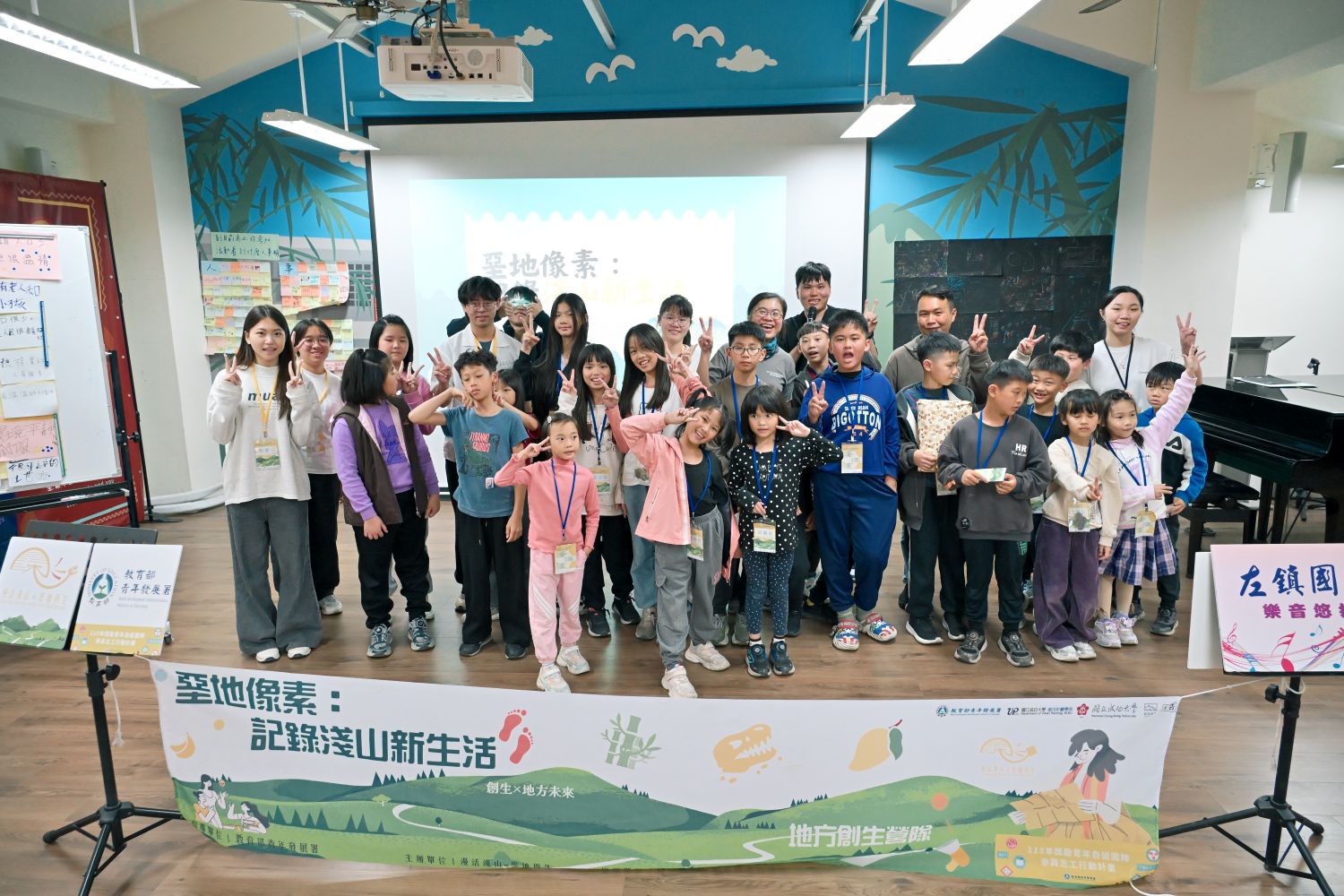
The purpose of this regional revitalization camp was to guide Zuozhen Elementary School students in exploring and strengthening their foothill-based local identity. During the final presentation, students not only shared their three-day learning experiences and perspectives but also happily took photos with their learning achievements
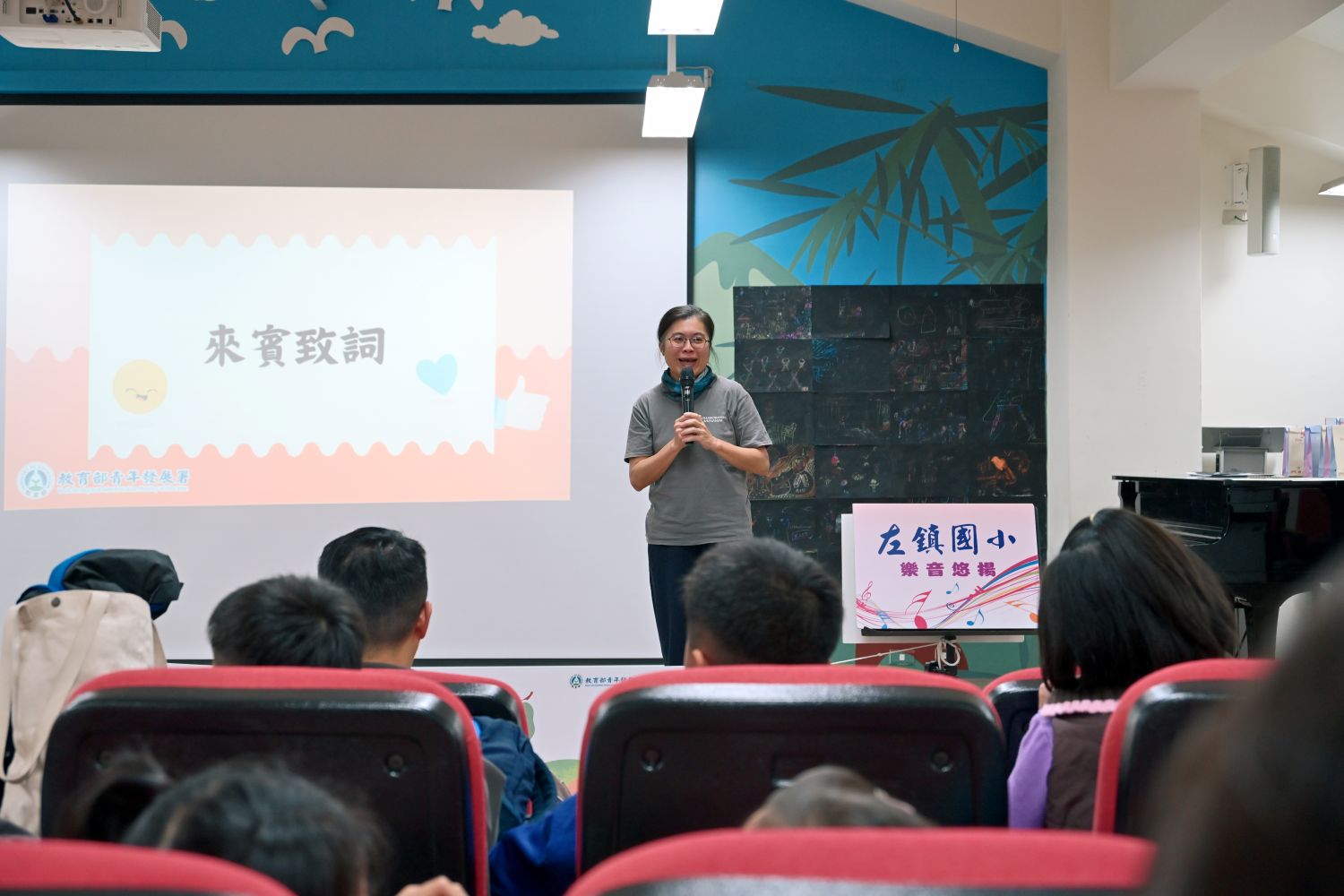
Prof. Hsiu-Tzu Chang (張秀慈), Principal Investigator of the NCKU “Badland Collaboration USR” project, delivers a speech.
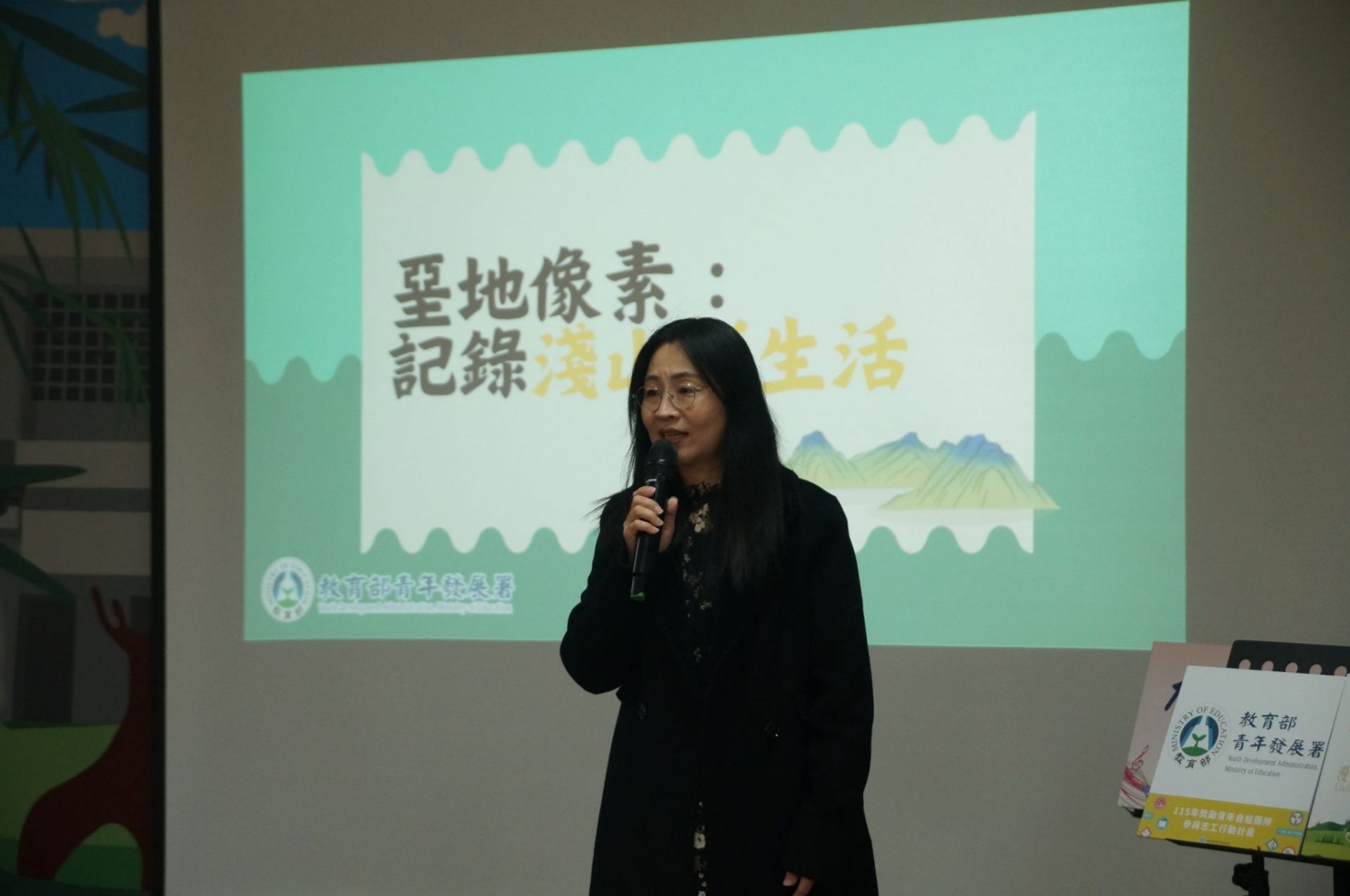
Zuozhen Elementary School is a long-term partner of the Badland Collaboration initiative. In the photo, Principal Yang Jing-Fang of Zuozhen Elementary School delivers an opening speech and words of encouragement.
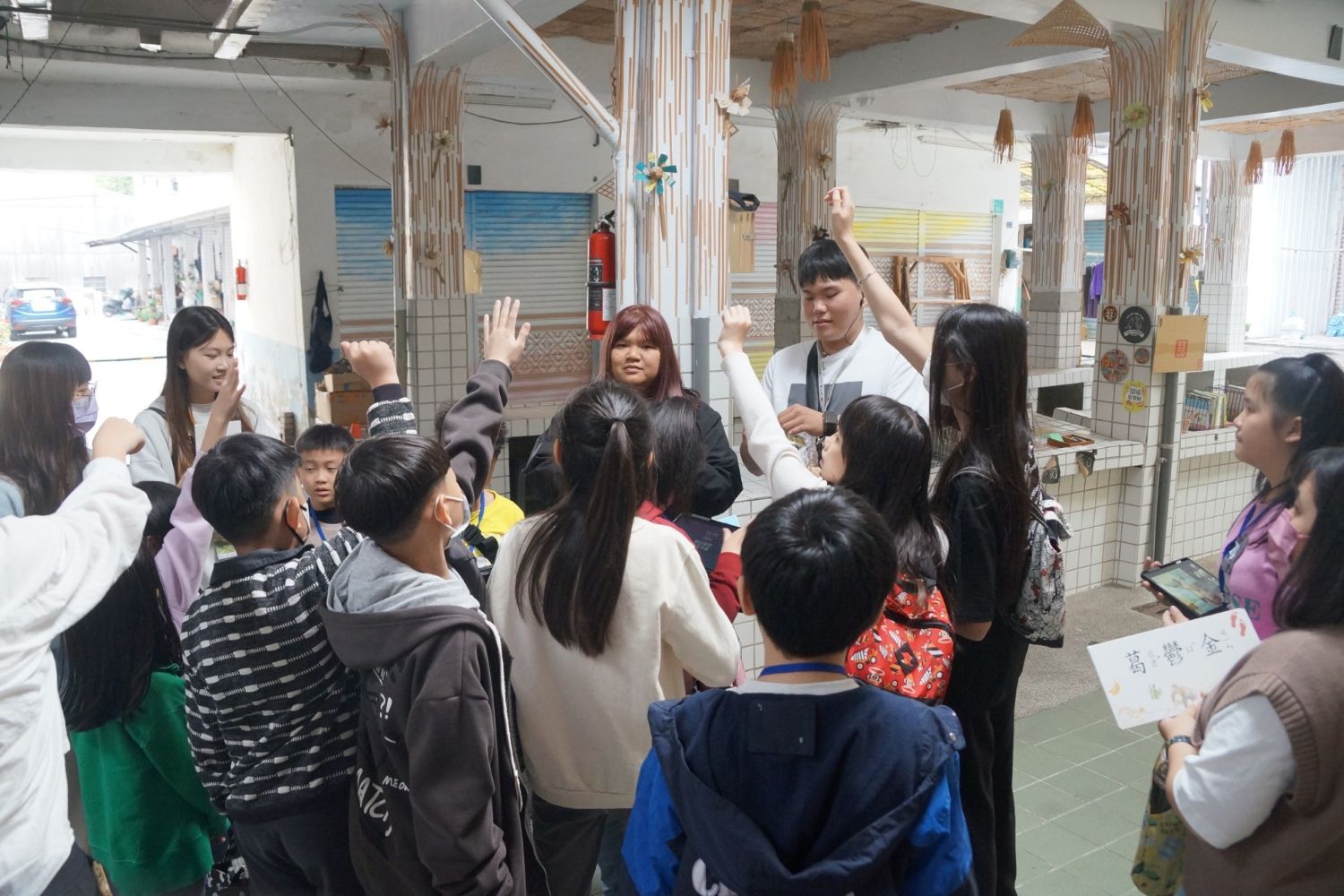
Students listen attentively to the Zuozhen community guided tour.
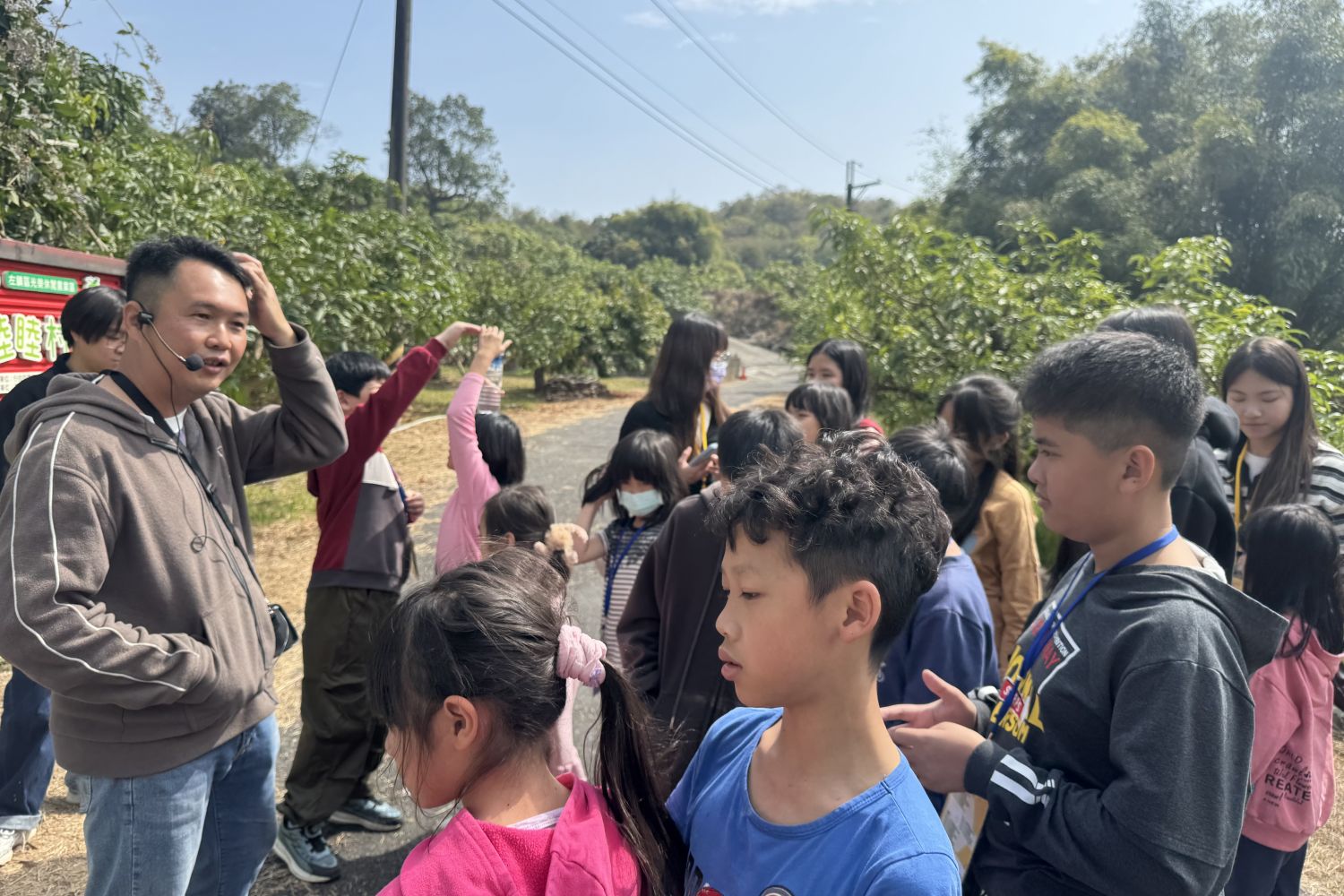
Orchard Manager Guan-Cheng Chen (陳冠丞) (left) from Mumu Village Orchard (睦睦村果園) introduces guava cultivation to the students.
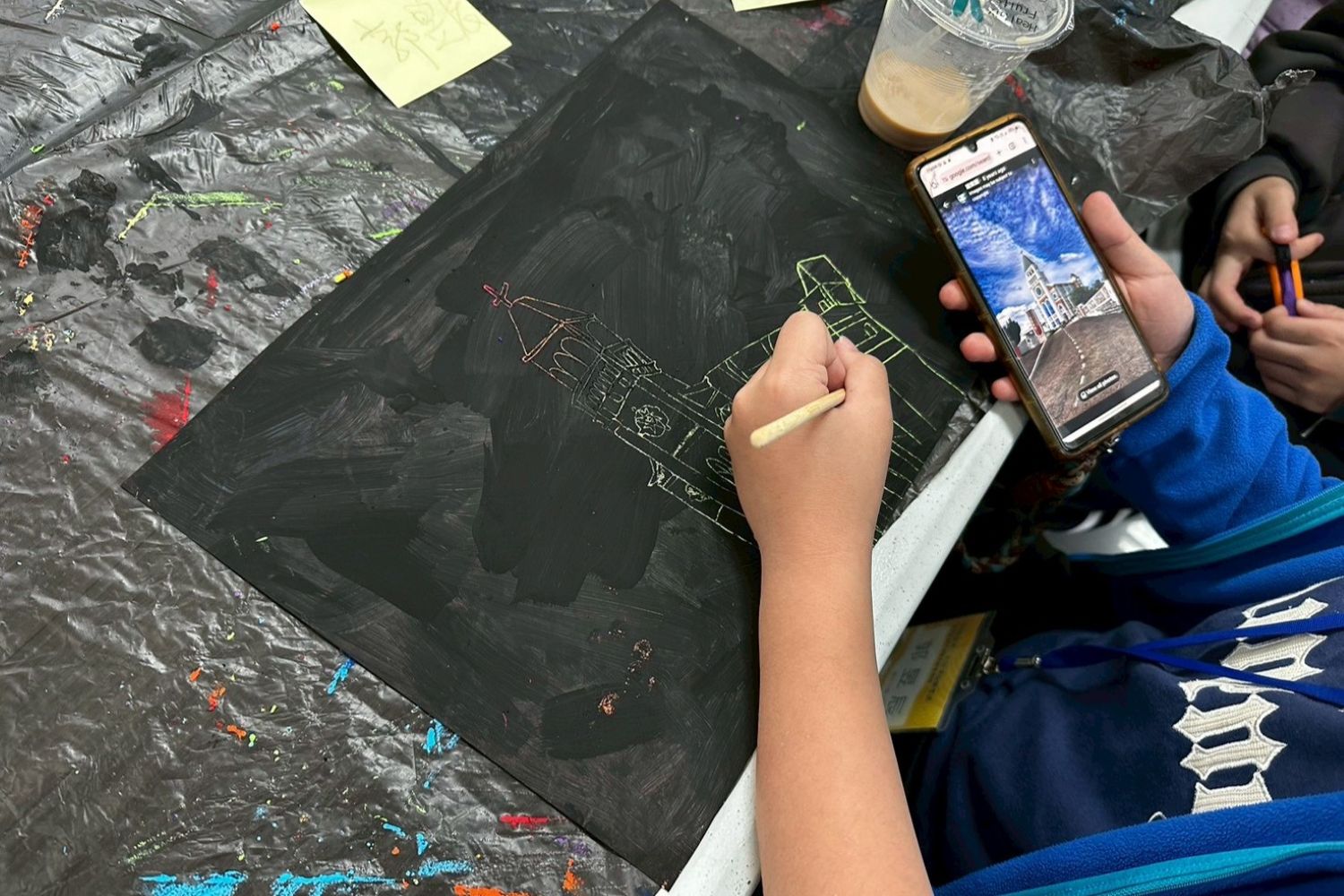
Through scratch art classes, the students drew and recorded the scenes they observed.
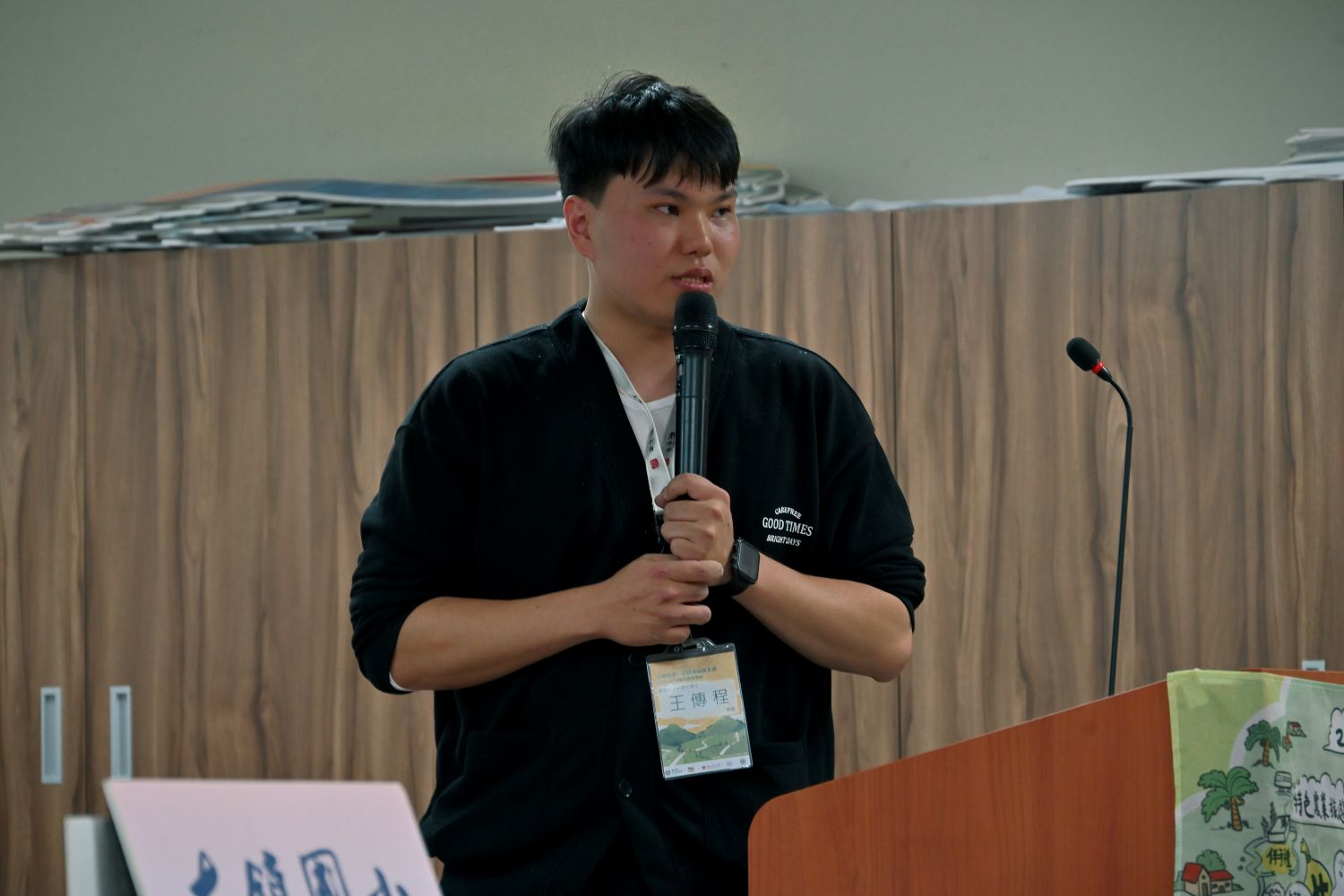
Chuan-Cheng Wang, NCKU graduate student and leader of the student team “Slow Living Foothills × Badland Revitalization”
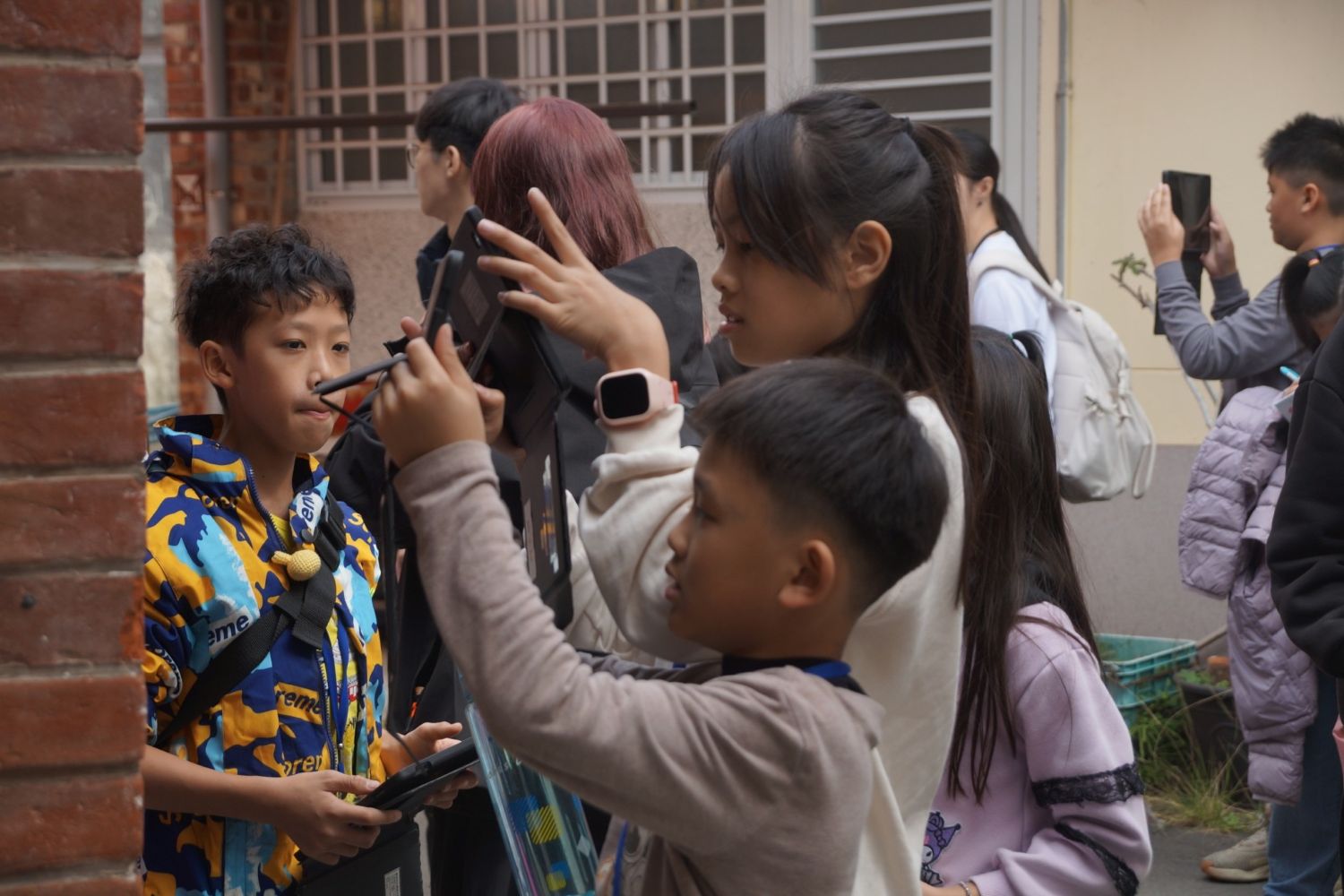
The NCKU student team “Slow Living Foothills × Badland Revitalization” will continue to collaborate with the “Badland Collaboration USR” team to create more possibilities for the sustainable development and regional revitalization of the Zuozhen foothill area.