



SDG11
"John Thomson & James Maxwell Cultural Path Workshop" Outlines a Sustainable Action Blueprint
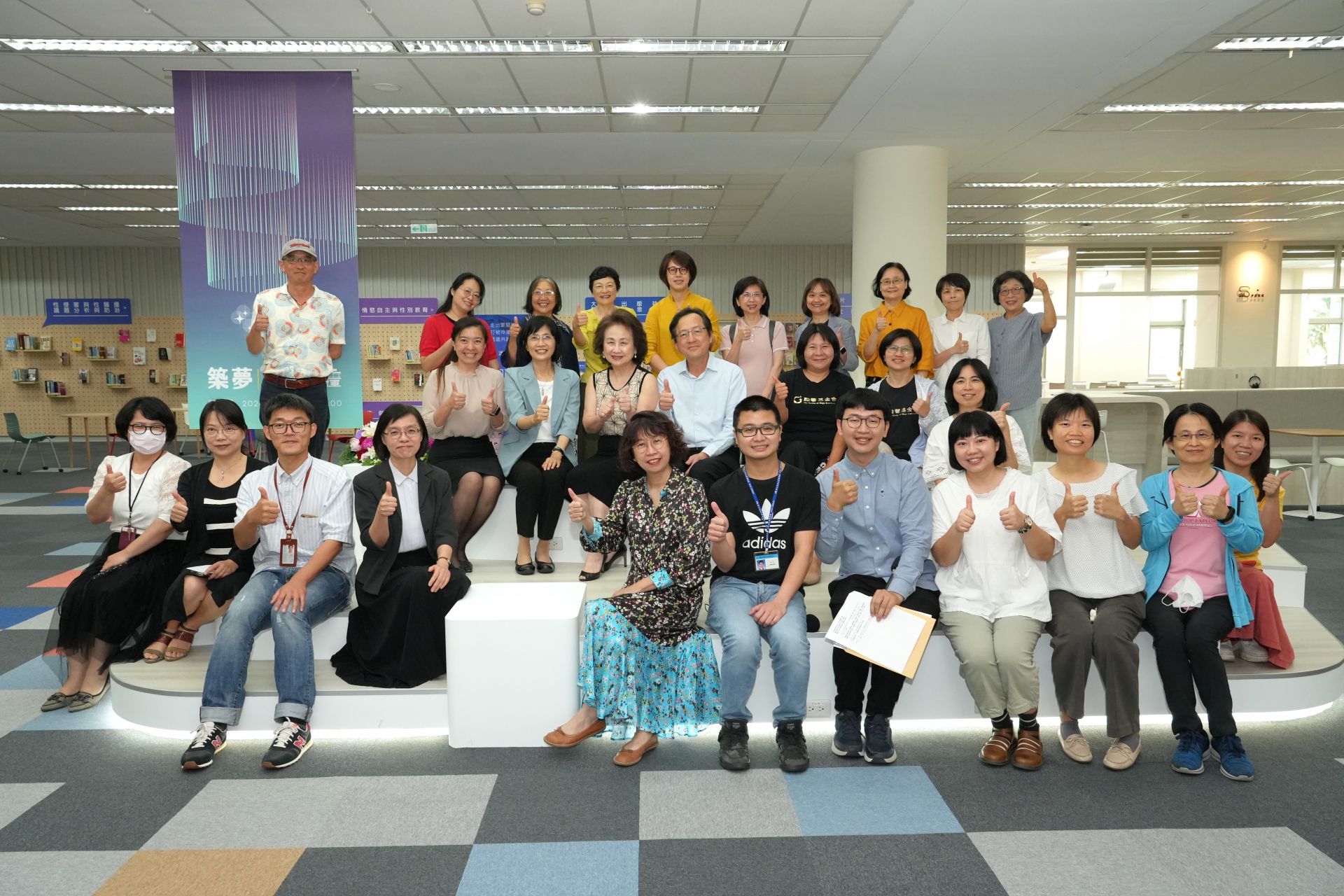
The Badlands Collaboration USR (University Social Responsibility) project team at National Cheng Kung University (NCKU) recently hosted the "John Thomson & James Maxwell and Taiwan’s Multi-ethnic Cultural Path Workshop." Led by youth student facilitators from the "Participatory Technology" course in the Department of Urban Planning, the event brought together partners from the cultural path—spanning Zuojin in Tainan to Neimen, Shanlin, and Jiaxian in Kaohsiung—along with participants from the public, private, academic, and research sectors to co-create an action blueprint for sustainable management.
The Ministry of Culture’s "Taiwan Cultural Path" social development initiative is built upon contextualized culture. It integrates cross-regional natural and human resources, historical facilities, and local narratives while connecting community organizations. By developing themed exploration routes that balance heritage preservation with innovation, the public can deeply explore Taiwan's culture through walking tours, immersive experiences, and interactive exchanges, collectively uncovering contemporary cultural significance. The "John Thomson & James Maxwell and Taiwan’s Multi-ethnic Cultural Path" is one of five pilot cultural paths in Taiwan and has now entered a new stage of localized management.
The workshop held on March 28 saw youth facilitators from the "Participatory Technology" course taking on the significant responsibility of leading partners from various districts in Tainan and Kaohsiung. Together, they reviewed the developmental journey of the cultural path and strategized on how local communities can mobilize resources for future actions as central government projects transition out.
Participants conducted an inventory of path assets and connection networks. By visualizing a "Victory Vision" and drafting action orientations, they established five specialized task forces: Public Relations & Planning, Research & Development, Digital Promotion, Environmental Preparation, and Community Cultivation. Based on these functional roles, they discussed implementation strategies for the next phase. At the conclusion of the workshop, participants chose task forces based on their professional interests and expertise, collectively stepping forward to guide this century-old "walking together" path toward its future blueprint.
This workshop served as a practical exercise for the NCKU Department of Urban Planning’s Participatory Technology course, showcasing the deep expertise accumulated through the "ICA × NCKU Youth Facilitator Project." Students applied the techniques of equal dialogue and co-creation learned in class to address complex issues during the cultural path’s transition period. Since 2018, Professors Hsiu-Tzu Chang and Wei-Ju Huang of the Department of Urban Planning, through an industry-academic partnership with the Institute of Cultural Affairs (ICA), have integrated facilitation methods that emphasize equitable dialogue and co-creation into their teaching. Now in its sixth year, the program includes both undergraduate and graduate students from various departments within the College of Planning and Design, with over 100 alumni to date.
By applying classroom knowledge to real-world issues, students reflect on the roles and competencies of professional planners while assisting local partners in integrating internal and external resources to form cooperative networks in the absence of central subsidies. Through the entire process—from planning and rehearsal to execution and reflection—students synthesize their learning to understand the application of facilitation technology in the planning field. This brings a culture of equitable discussion into the planning and design profession, responding to the contemporary need for cross-disciplinary and cross-sector collaboration.
The Ministry of Culture’s "Taiwan Cultural Path" social development initiative is built upon contextualized culture. It integrates cross-regional natural and human resources, historical facilities, and local narratives while connecting community organizations. By developing themed exploration routes that balance heritage preservation with innovation, the public can deeply explore Taiwan's culture through walking tours, immersive experiences, and interactive exchanges, collectively uncovering contemporary cultural significance. The "John Thomson & James Maxwell and Taiwan’s Multi-ethnic Cultural Path" is one of five pilot cultural paths in Taiwan and has now entered a new stage of localized management.
The workshop held on March 28 saw youth facilitators from the "Participatory Technology" course taking on the significant responsibility of leading partners from various districts in Tainan and Kaohsiung. Together, they reviewed the developmental journey of the cultural path and strategized on how local communities can mobilize resources for future actions as central government projects transition out.
Participants conducted an inventory of path assets and connection networks. By visualizing a "Victory Vision" and drafting action orientations, they established five specialized task forces: Public Relations & Planning, Research & Development, Digital Promotion, Environmental Preparation, and Community Cultivation. Based on these functional roles, they discussed implementation strategies for the next phase. At the conclusion of the workshop, participants chose task forces based on their professional interests and expertise, collectively stepping forward to guide this century-old "walking together" path toward its future blueprint.
This workshop served as a practical exercise for the NCKU Department of Urban Planning’s Participatory Technology course, showcasing the deep expertise accumulated through the "ICA × NCKU Youth Facilitator Project." Students applied the techniques of equal dialogue and co-creation learned in class to address complex issues during the cultural path’s transition period. Since 2018, Professors Hsiu-Tzu Chang and Wei-Ju Huang of the Department of Urban Planning, through an industry-academic partnership with the Institute of Cultural Affairs (ICA), have integrated facilitation methods that emphasize equitable dialogue and co-creation into their teaching. Now in its sixth year, the program includes both undergraduate and graduate students from various departments within the College of Planning and Design, with over 100 alumni to date.
By applying classroom knowledge to real-world issues, students reflect on the roles and competencies of professional planners while assisting local partners in integrating internal and external resources to form cooperative networks in the absence of central subsidies. Through the entire process—from planning and rehearsal to execution and reflection—students synthesize their learning to understand the application of facilitation technology in the planning field. This brings a culture of equitable discussion into the planning and design profession, responding to the contemporary need for cross-disciplinary and cross-sector collaboration.
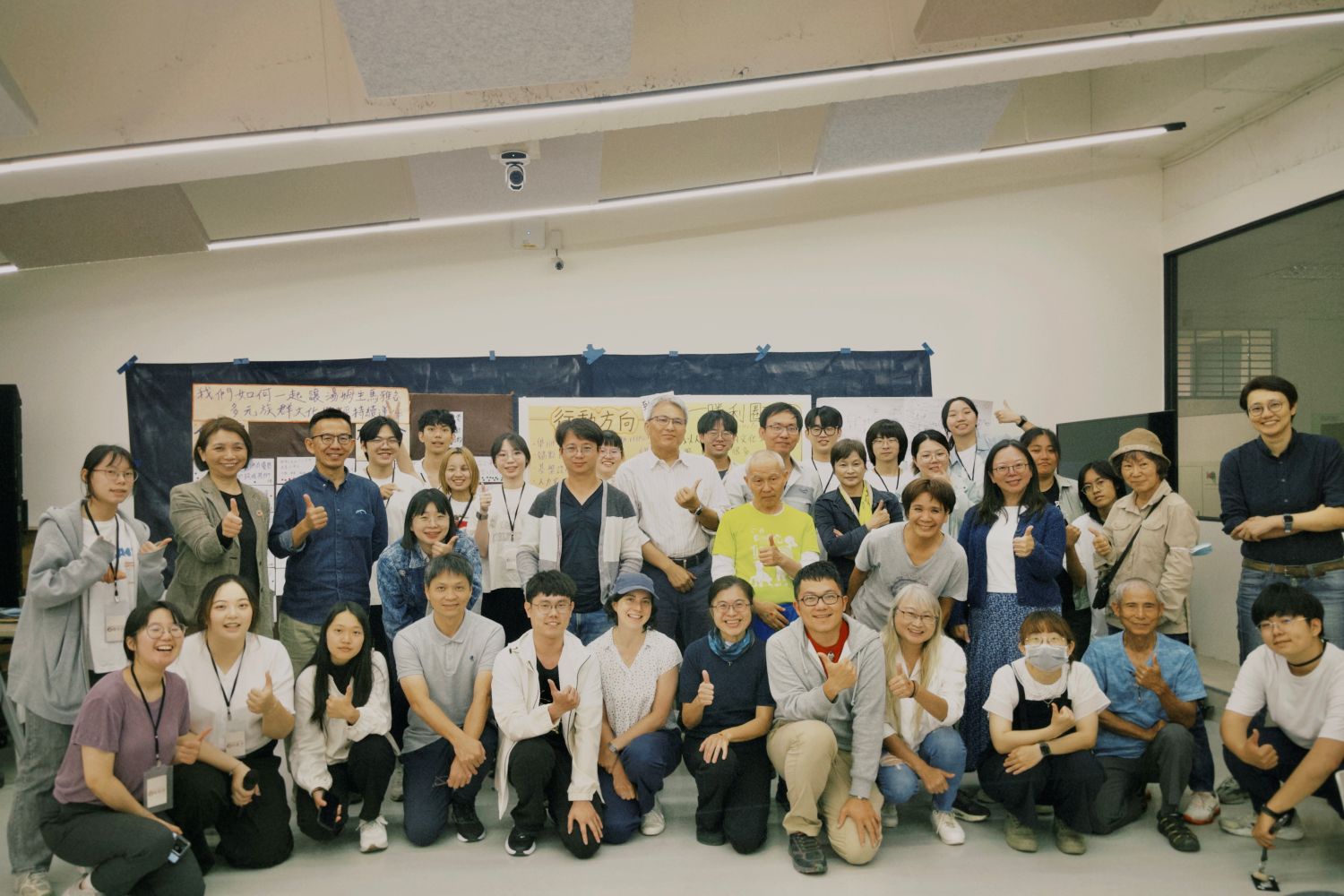
Workshop Participants and Youth Facilitators
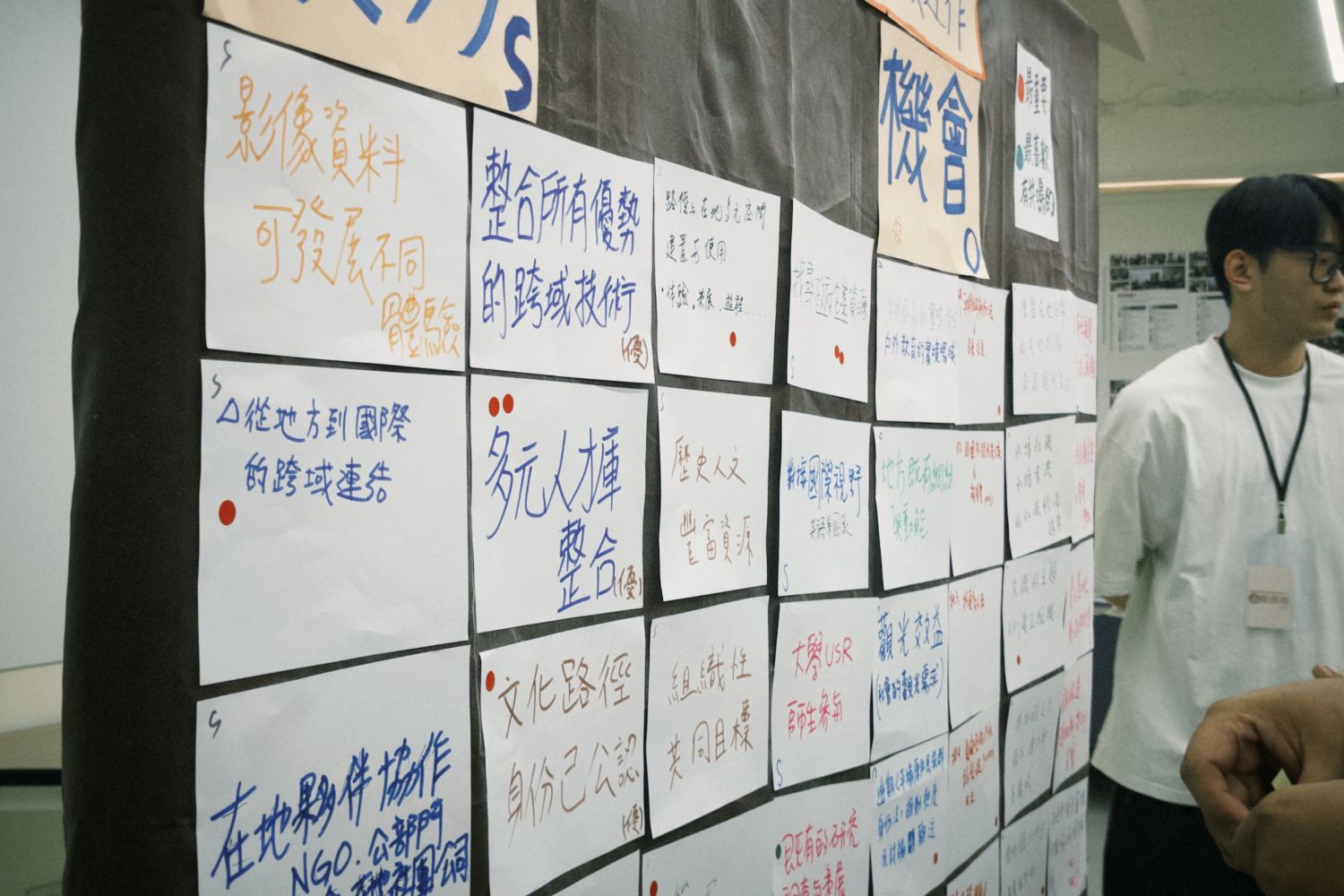
Inventorying Path Resources and Current Status

Youth facilitators joining participants' discussions.
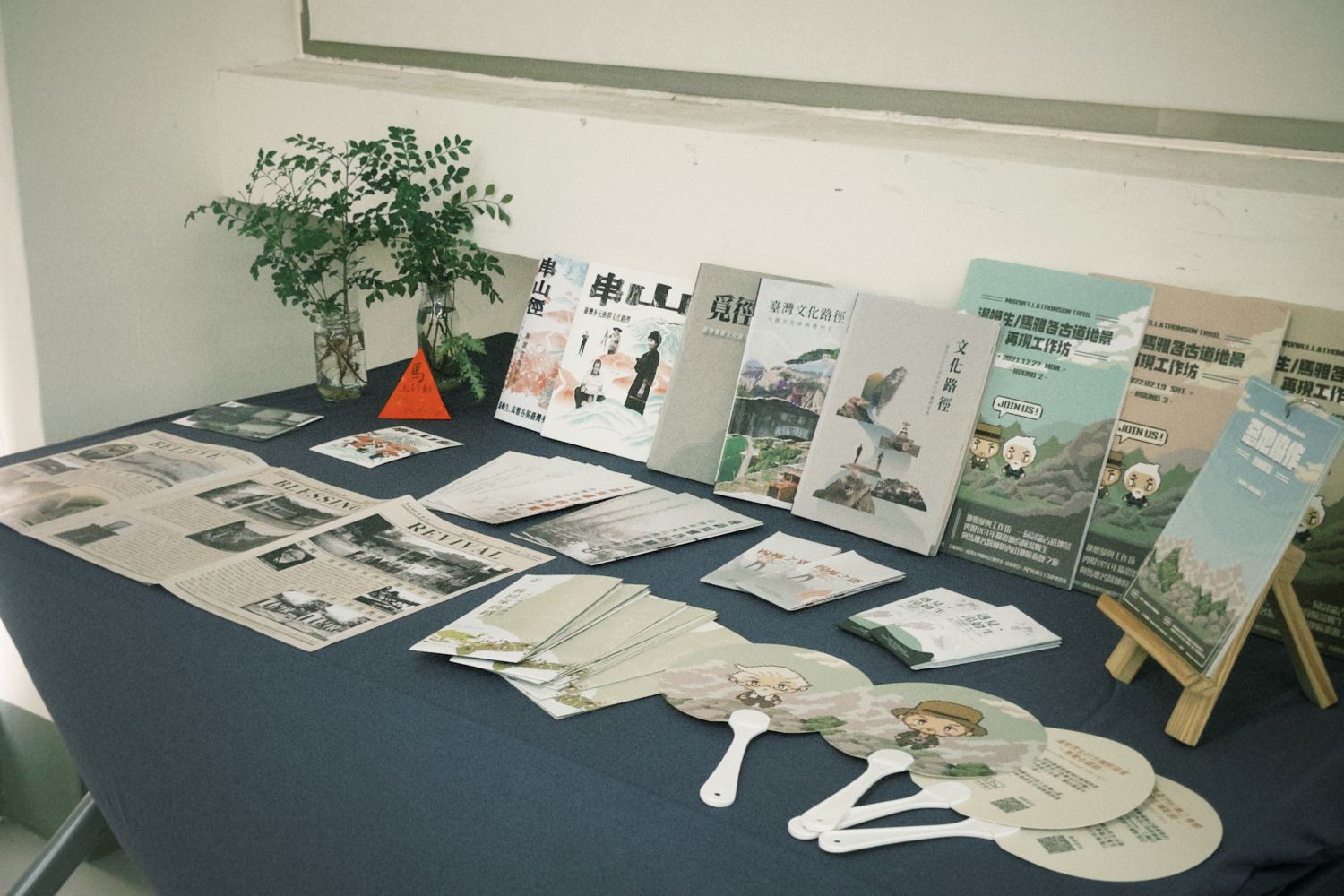
Exhibition of the Path’s Annual Achievements
SDG11First CAR Lab Opens – NCKU’s Connected and Autonomous Vehicle Passes Dynamic Test with Flying Colors
View more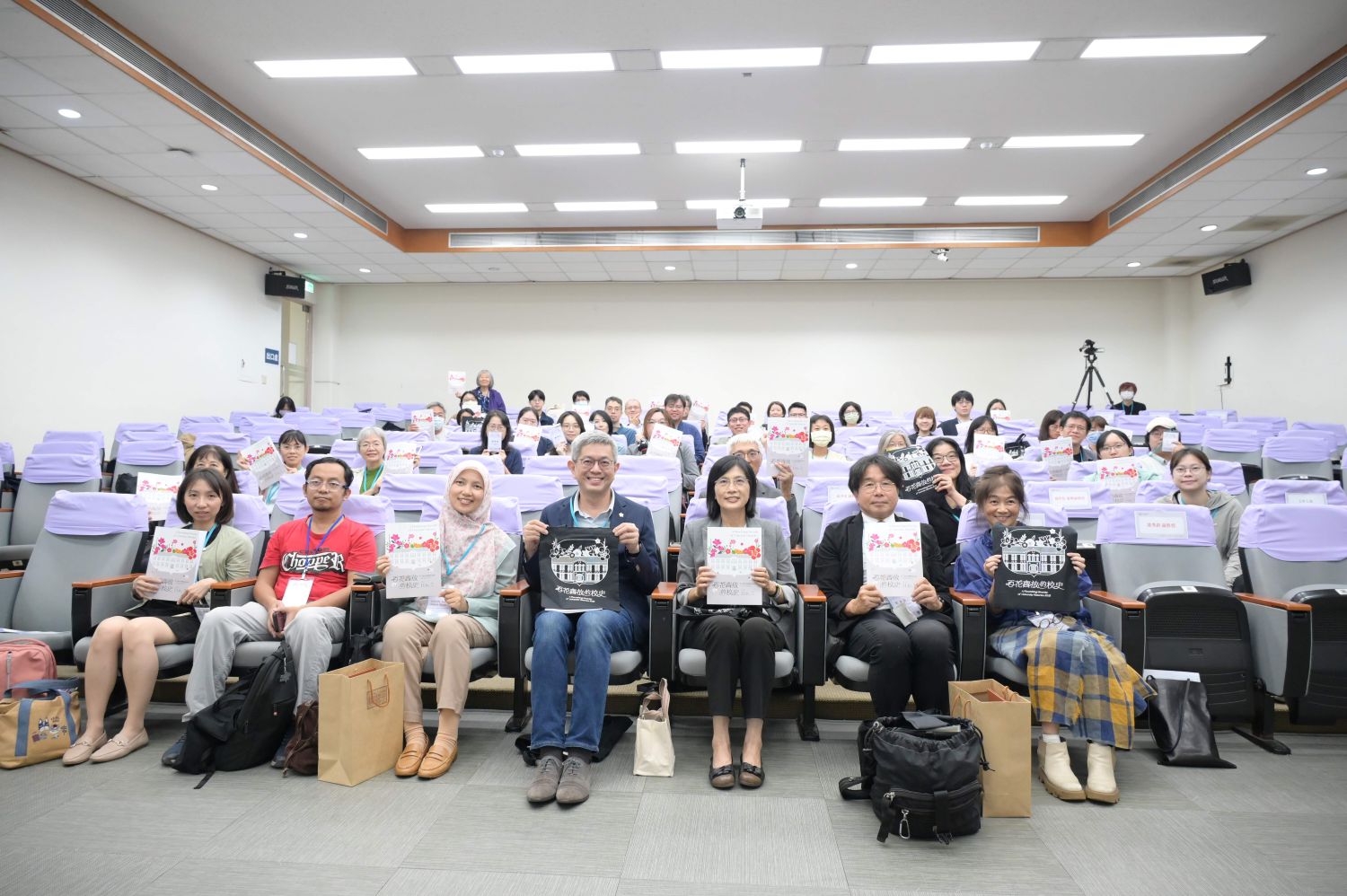
SDG11【94th Anniversary】NCKU Hosts Second Campus and Institutional History Symposium in Full Bloom
View more