



SDG11
30th National Territorial Planning Forum: Experts Discuss the Blueprint for Next-Generation Spatial Governance

National Cheng Kung University (NCKU) Department of Urban Planning and the NCKU Research and Development Foundation co-hosted the 30th National Territorial Planning Forum on April 18. Under the theme “A Memorandum for Next-Generation Spatial Governance: Thirty Years of Theoretical Trajectories and Practical Transitions,” the forum reviewed the theoretical evolution and practical development of Taiwan’s territorial planning over the past 30 years. Through intergenerational dialogue, participants explored current challenges in spatial governance and future directions for development.
The forum featured a diverse range of sessions, including keynote forums, paper presentations, and an educational workshop on territorial planning, fostering exchanges between academia and practice. The event was chaired by Professor Tai-Shan Hu, Chair of the Department of Urban Planning. Vice President Yong-Chun Lee of NCKU and Professor Emeritus Hung-Chih Shih, former chair of the department, delivered opening remarks to inaugurate the forum.
The morning keynote forum was moderated by Dean Hsueh-Sheng Chang of the College of Planning and Design. Professor Han-Liang Lin delivered a keynote speech titled “Urban Land Use Zoning Control from the Perspective of Finite and Infinite Games,” focusing on “original intention” and “core values.” He returned to fundamental questions in urban planning, reflecting on the essence of the discipline, directions for professional training, and the role academic institutions should play in responding to societal needs. He emphasized that urban planning must strike a balance between professional training and social practice in order to respond to rapidly changing urban development challenges.
Following the keynote, Professor Hsiang-Po Lin, Professor Hsien-Fa Kung, Director Wen-Yan Wu of the Urban Development Bureau of Kaohsiung City Government, General Manager Yi-Ling Ku of Yangu Development Consulting Co., and Northern Regional General Manager Yu-Wen Chen of Chang Feng Engineering Consultants Co. joined the panel discussion. Through the exchange of perspectives from industry, government, and academia, the session outlined possible pathways for future spatial governance development.
In the afternoon, paper presentations were held simultaneously at the C-Hub Creative Base and the Department of Urban Planning seminar rooms and Changfeng Lecture Hall, providing a platform for diverse academic exchange and research dissemination. The sessions examined how spatial governance can integrate socio-cultural factors, environmental sustainability, and technological applications to address multifaceted challenges in urban and rural development, advancing toward a resilient and sustainable territorial vision.
A student paper award was also presented at the forum. Among eight shortlisted papers, Chu-Chung Wang, advised by Professor Yen-Chung Chen of the Department of Urban Planning, received first place, demonstrating the research potential and professional competence of the new generation of planning scholars.
In addition, a special session of the “Territorial Planning Education Workshop” was held at the Yangu Lecture Hall of the Department of Urban Planning. Deputy Director Yen-Hsing Hsu of the Architecture and Building Research Institute, Ministry of the Interior, gave a presentation titled “Planning Education and Core Competencies,” discussing how territorial planning education should respond to the demands of professional capability development and public value formation amid rapid societal and industrial change. The session aimed to strengthen future planners’ integrative abilities and sense of social responsibility. Panelists included Dean Hsueh-Sheng Chang, Professor Chih-Hung Chen, Professor Hao-Teng Cheng, Professor Tzu-Feng Tseng from the Master Program in Smart City Management at Feng Chia University, Professor Kuei-Feng Chang from the Department of Real Estate Management at National Pingtung University, and Professor Hao-Ching Hsia from the Interdisciplinary Bachelor Program in Humanities and Technology at National Sun Yat-sen University. Together, they discussed long-term strategies for advancing territorial planning education from a teaching practice perspective, serving as a reference for cultivating planning professionals across different career pathways.
The forum featured a diverse range of sessions, including keynote forums, paper presentations, and an educational workshop on territorial planning, fostering exchanges between academia and practice. The event was chaired by Professor Tai-Shan Hu, Chair of the Department of Urban Planning. Vice President Yong-Chun Lee of NCKU and Professor Emeritus Hung-Chih Shih, former chair of the department, delivered opening remarks to inaugurate the forum.
The morning keynote forum was moderated by Dean Hsueh-Sheng Chang of the College of Planning and Design. Professor Han-Liang Lin delivered a keynote speech titled “Urban Land Use Zoning Control from the Perspective of Finite and Infinite Games,” focusing on “original intention” and “core values.” He returned to fundamental questions in urban planning, reflecting on the essence of the discipline, directions for professional training, and the role academic institutions should play in responding to societal needs. He emphasized that urban planning must strike a balance between professional training and social practice in order to respond to rapidly changing urban development challenges.
Following the keynote, Professor Hsiang-Po Lin, Professor Hsien-Fa Kung, Director Wen-Yan Wu of the Urban Development Bureau of Kaohsiung City Government, General Manager Yi-Ling Ku of Yangu Development Consulting Co., and Northern Regional General Manager Yu-Wen Chen of Chang Feng Engineering Consultants Co. joined the panel discussion. Through the exchange of perspectives from industry, government, and academia, the session outlined possible pathways for future spatial governance development.
In the afternoon, paper presentations were held simultaneously at the C-Hub Creative Base and the Department of Urban Planning seminar rooms and Changfeng Lecture Hall, providing a platform for diverse academic exchange and research dissemination. The sessions examined how spatial governance can integrate socio-cultural factors, environmental sustainability, and technological applications to address multifaceted challenges in urban and rural development, advancing toward a resilient and sustainable territorial vision.
A student paper award was also presented at the forum. Among eight shortlisted papers, Chu-Chung Wang, advised by Professor Yen-Chung Chen of the Department of Urban Planning, received first place, demonstrating the research potential and professional competence of the new generation of planning scholars.
In addition, a special session of the “Territorial Planning Education Workshop” was held at the Yangu Lecture Hall of the Department of Urban Planning. Deputy Director Yen-Hsing Hsu of the Architecture and Building Research Institute, Ministry of the Interior, gave a presentation titled “Planning Education and Core Competencies,” discussing how territorial planning education should respond to the demands of professional capability development and public value formation amid rapid societal and industrial change. The session aimed to strengthen future planners’ integrative abilities and sense of social responsibility. Panelists included Dean Hsueh-Sheng Chang, Professor Chih-Hung Chen, Professor Hao-Teng Cheng, Professor Tzu-Feng Tseng from the Master Program in Smart City Management at Feng Chia University, Professor Kuei-Feng Chang from the Department of Real Estate Management at National Pingtung University, and Professor Hao-Ching Hsia from the Interdisciplinary Bachelor Program in Humanities and Technology at National Sun Yat-sen University. Together, they discussed long-term strategies for advancing territorial planning education from a teaching practice perspective, serving as a reference for cultivating planning professionals across different career pathways.
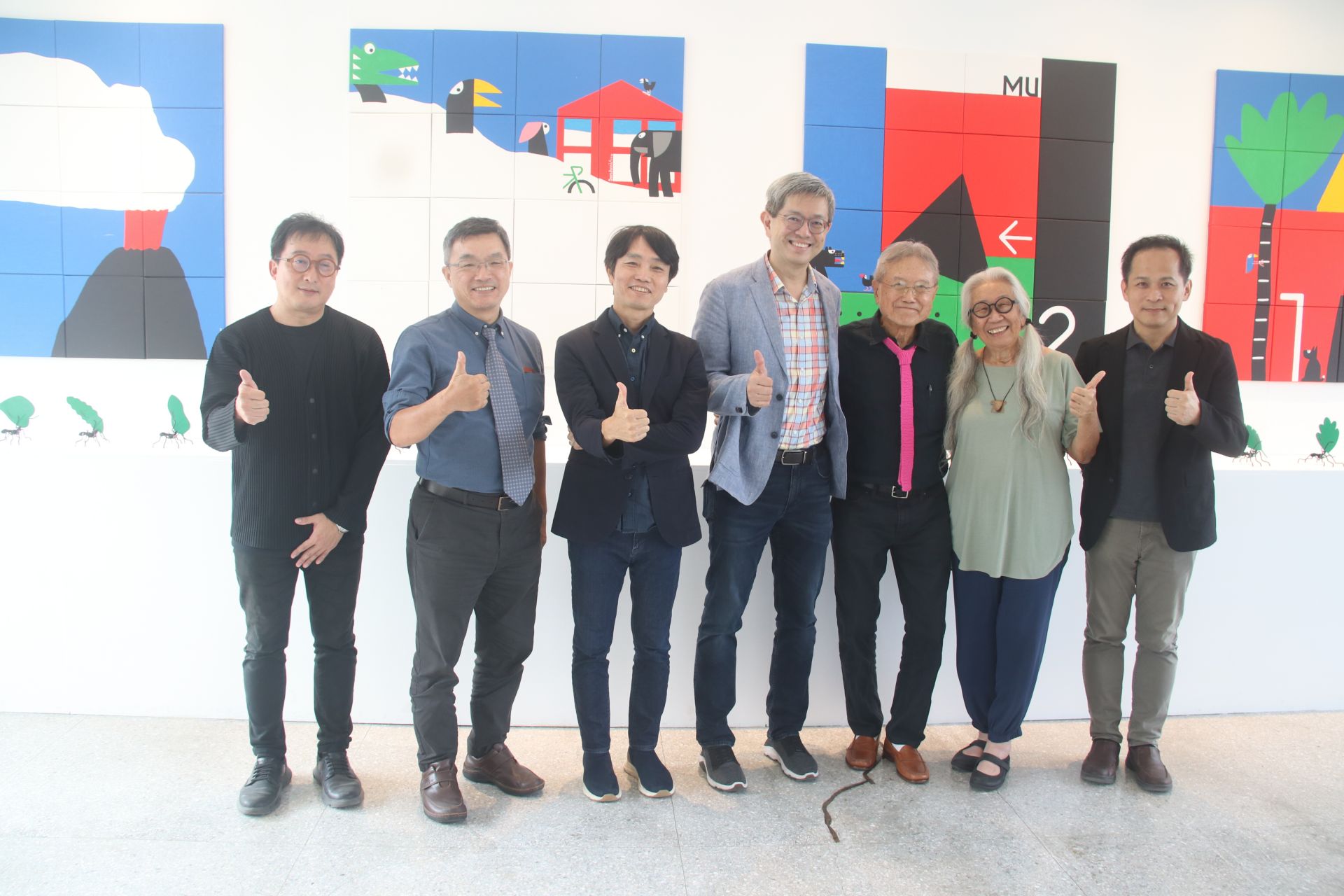
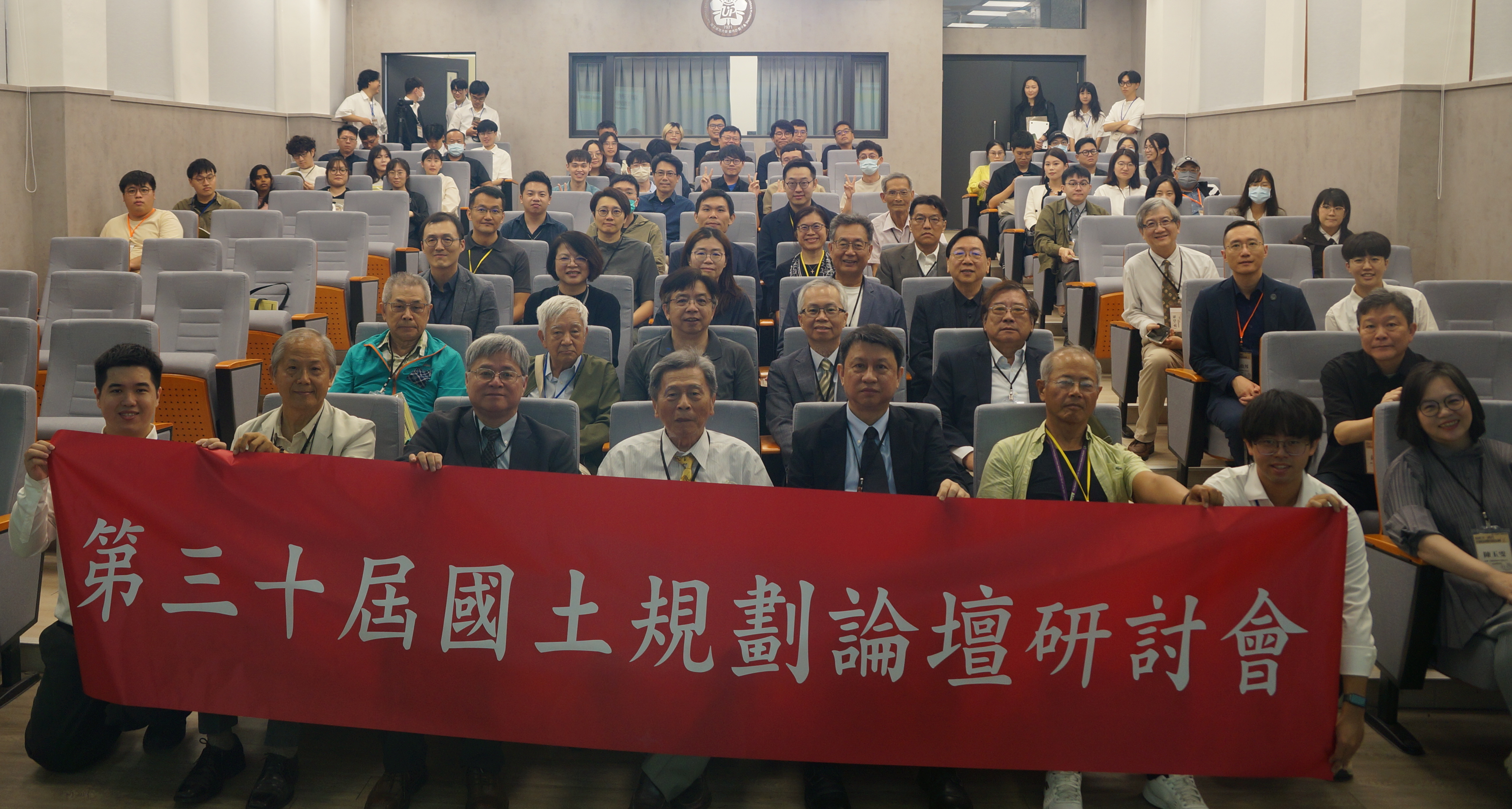
Group photo of participants at the 30th National Territorial Planning Forum held on the 18th.
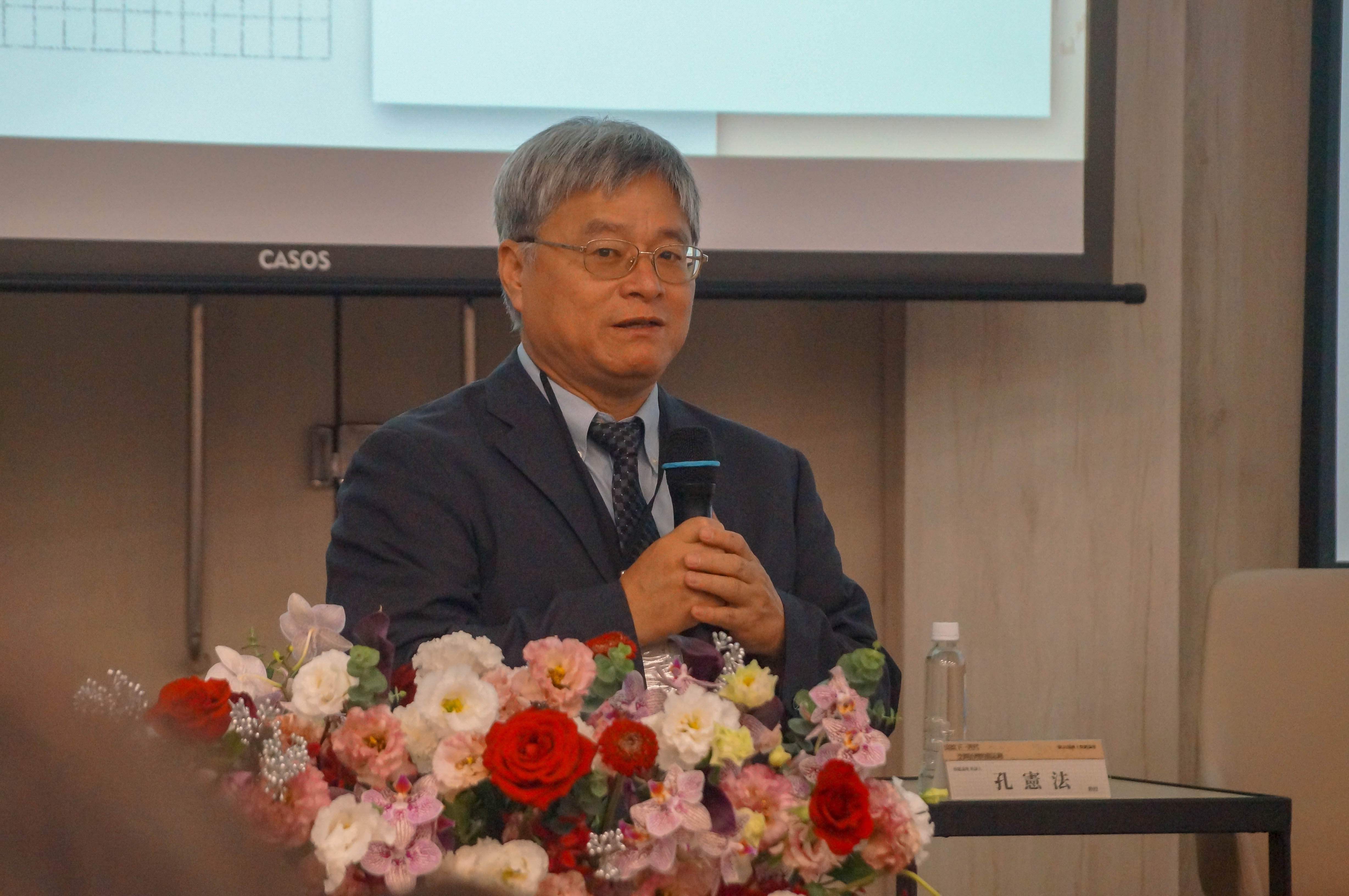
Vice President Yong-Chun Lee delivers remarks as a distinguished guest speaker.
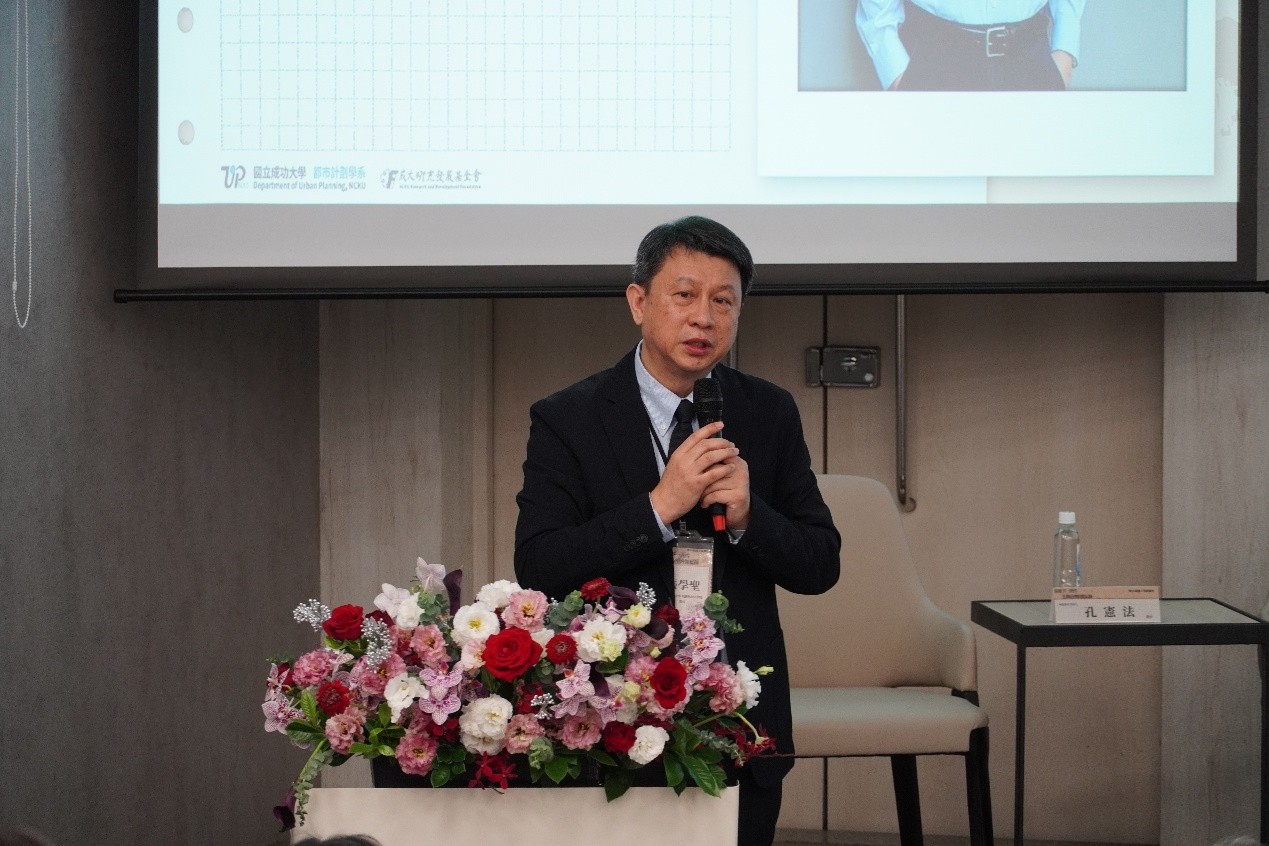
Dean Hsueh-Sheng Chang of the NCKU College of Planning and Design moderates the keynote speech session.
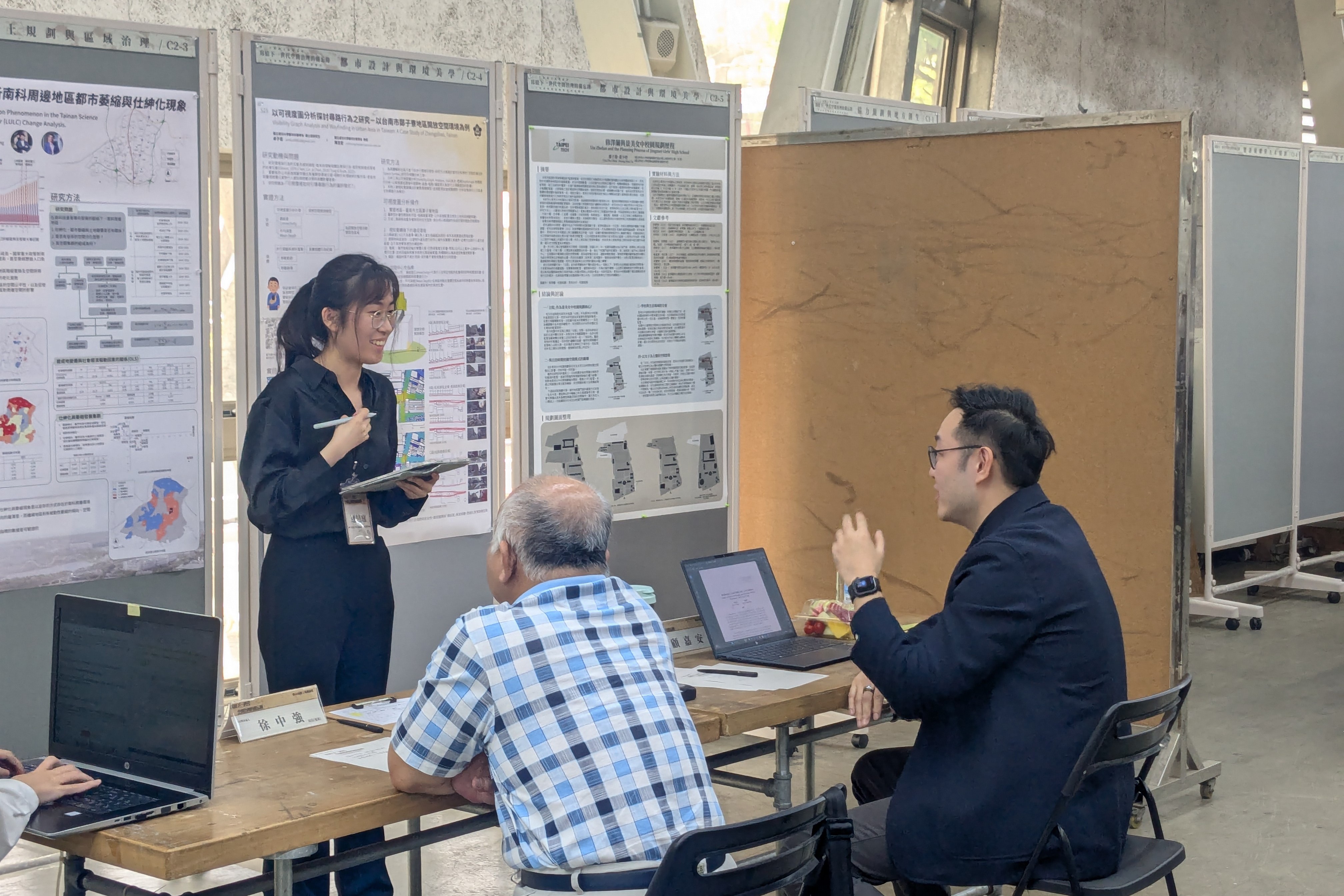
Paper presentation session at the National Territorial Planning Forum.