



SDG11
NCCU “Diversity and Inclusion, Wenshan Mutual Prosperity” Project Visits NCKU for In-Depth Exchange at Three USR Sites
National Cheng Kung University (NCKU) has long been committed to University Social Responsibility (USR), promoting local engagement and social innovation in a systematic and sustainable manner. The university has received wide national recognition, demonstrating a paradigm shift from being a producer of knowledge to becoming a practitioner of social co-prosperity as a leading research university. Upholding the spirit of openness, mutual benefit, and shared learning, NCKU warmly welcomes inter-university exchanges, aiming to deepen the positive connection between universities and society through bidirectional knowledge exchange.
To further strengthen cross-university social innovation collaboration, National Chengchi University (NCCU), which recently joined the Taiwan–Japan alliance in 2026, organized a visit under its “Diversity and Inclusion, Wenshan Mutual Prosperity” community co-creation initiative. The delegation was led by Professor Hsin-Shih Wang (Department of Economics) and Professor Jen-Te Pai (Department of Land Economics), accompanied by Professor Chih-Hui Chen (Department of Law), Professor Yi-Hui Lin (Institute of Social Work), and Professor Shih-Sheng Sun (Department of Computer Science). Together with students from the MEPA course “Design Thinking and Social Innovation Practice,” they visited three NCKU USR sites on April 25–26, including “Urban–Rural Co-prosperity (城鄉相伴),” “Badlands Collaboration (惡地協作),” and “Heartfelt Impact in Xingangdong (新港東的心感動),” with the aim of broadening understanding of diverse social innovation models.
Upon arriving in Tainan, the delegation first visited the “Heartfelt Impact in Xingangdong: Co-creating a Healing Eco-Art Village” USR project led by Professor Heng Chang of NCKU’s Department of Architecture. The group enjoyed a locally inspired low-carbon lunch at Xingangdong Activity Center, experiencing sustainable living through local cuisine. Afterward, the project team guided the NCCU delegation on a community walk through Xingangdong, showcasing achievements such as the creation of healing environments and the restoration and adaptive reuse of old houses, vividly illustrating the community’s transformation and the project’s social impact.
In the evening, the delegation visited Nanmei Village in Tainan City to engage with the “Urban–Rural Co-prosperity for Healthy and Sustainable Living: East Asia Collaboration” USR project led by Director Cheng-Ta Yang of NCKU’s Research Center for Humanities and Social Sciences. Director Yang first introduced the relationship between university development strategies and USR initiatives, providing a macro-level perspective on the university’s role in social responsibility. The team then joined local elders for a community walk through Nanmei Village, where the elders shared firsthand narratives, allowing visitors to deeply experience the village’s rich cultural and historical heritage. The visit also featured a podcast project introduction and documentary screenings, offering a more immersive understanding of the community’s stories and documentation efforts.
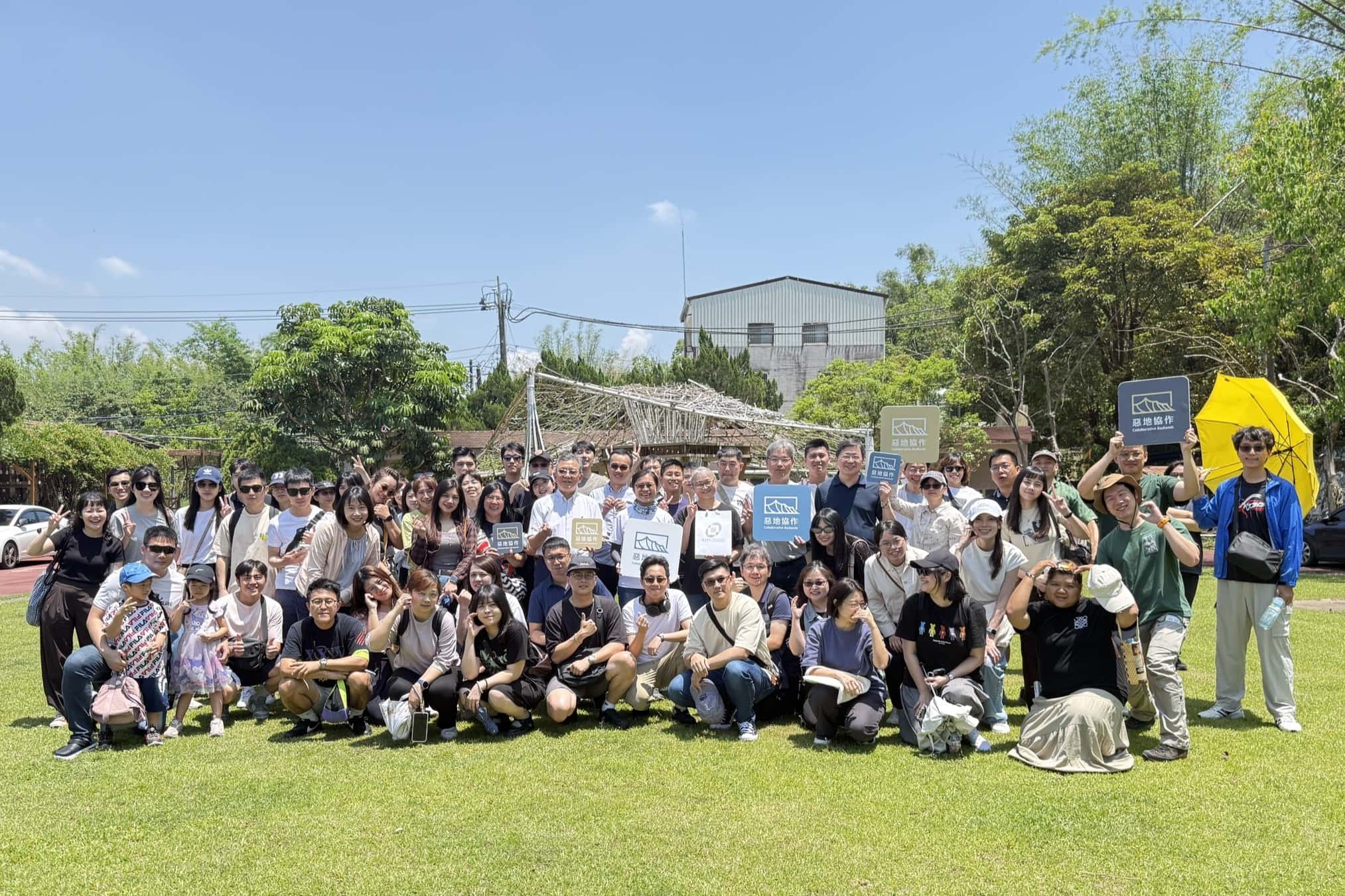
On the second day, the delegation visited the “Badlands Collaboration 3.0: G.R.E.A.T. Building a Regional Resilient and Green Network for an Inclusive Foothill Living Circle” USR project led by Professor Hsiu-Tzu Chang of the Department of Urban Planning, focusing on the Zuozhen area in Tainan. Local community partners guided the delegation through key sites including Zuozhen Old Street, Sugarcane Wharf Park, and the public market, helping participants gain a deeper understanding of the region’s cultural heritage and local characteristics, while witnessing the project’s long-term achievements in resilience building and ecological integration.
At midday, the delegation shared a locally sourced meal at the Zuozhen Gongguan Community, experiencing the vitality of the land through its cuisine and the project’s deep engagement with local development. A touching moment occurred when Professor Hsin-Shih Wang discovered that Zuozhen is his hometown, allowing him to reconnect with his roots and further strengthening the emotional and relational significance of the exchange.
NCKU USR programs have long been dedicated to fostering local development through university knowledge resources while actively sharing practical outcomes nationally and internationally. This exchange with NCCU’s Wenshan Mutual Prosperity team represents a concrete example of cross-university USR collaboration. Both sides also proposed future cooperation in cross-campus assistant exchanges and internships, laying the foundation for deeper collaboration. Looking ahead, NCKU aims to continue cultivating socially engaged talent through innovative and interdisciplinary approaches, expanding diverse learning environments, and nurturing practitioners with both local commitment and cross-domain integration capabilities.
To further strengthen cross-university social innovation collaboration, National Chengchi University (NCCU), which recently joined the Taiwan–Japan alliance in 2026, organized a visit under its “Diversity and Inclusion, Wenshan Mutual Prosperity” community co-creation initiative. The delegation was led by Professor Hsin-Shih Wang (Department of Economics) and Professor Jen-Te Pai (Department of Land Economics), accompanied by Professor Chih-Hui Chen (Department of Law), Professor Yi-Hui Lin (Institute of Social Work), and Professor Shih-Sheng Sun (Department of Computer Science). Together with students from the MEPA course “Design Thinking and Social Innovation Practice,” they visited three NCKU USR sites on April 25–26, including “Urban–Rural Co-prosperity (城鄉相伴),” “Badlands Collaboration (惡地協作),” and “Heartfelt Impact in Xingangdong (新港東的心感動),” with the aim of broadening understanding of diverse social innovation models.
Upon arriving in Tainan, the delegation first visited the “Heartfelt Impact in Xingangdong: Co-creating a Healing Eco-Art Village” USR project led by Professor Heng Chang of NCKU’s Department of Architecture. The group enjoyed a locally inspired low-carbon lunch at Xingangdong Activity Center, experiencing sustainable living through local cuisine. Afterward, the project team guided the NCCU delegation on a community walk through Xingangdong, showcasing achievements such as the creation of healing environments and the restoration and adaptive reuse of old houses, vividly illustrating the community’s transformation and the project’s social impact.
In the evening, the delegation visited Nanmei Village in Tainan City to engage with the “Urban–Rural Co-prosperity for Healthy and Sustainable Living: East Asia Collaboration” USR project led by Director Cheng-Ta Yang of NCKU’s Research Center for Humanities and Social Sciences. Director Yang first introduced the relationship between university development strategies and USR initiatives, providing a macro-level perspective on the university’s role in social responsibility. The team then joined local elders for a community walk through Nanmei Village, where the elders shared firsthand narratives, allowing visitors to deeply experience the village’s rich cultural and historical heritage. The visit also featured a podcast project introduction and documentary screenings, offering a more immersive understanding of the community’s stories and documentation efforts.
On the second day, the delegation visited the “Badlands Collaboration 3.0: G.R.E.A.T. Building a Regional Resilient and Green Network for an Inclusive Foothill Living Circle” USR project led by Professor Hsiu-Tzu Chang of the Department of Urban Planning, focusing on the Zuozhen area in Tainan. Local community partners guided the delegation through key sites including Zuozhen Old Street, Sugarcane Wharf Park, and the public market, helping participants gain a deeper understanding of the region’s cultural heritage and local characteristics, while witnessing the project’s long-term achievements in resilience building and ecological integration.
At midday, the delegation shared a locally sourced meal at the Zuozhen Gongguan Community, experiencing the vitality of the land through its cuisine and the project’s deep engagement with local development. A touching moment occurred when Professor Hsin-Shih Wang discovered that Zuozhen is his hometown, allowing him to reconnect with his roots and further strengthening the emotional and relational significance of the exchange.
NCKU USR programs have long been dedicated to fostering local development through university knowledge resources while actively sharing practical outcomes nationally and internationally. This exchange with NCCU’s Wenshan Mutual Prosperity team represents a concrete example of cross-university USR collaboration. Both sides also proposed future cooperation in cross-campus assistant exchanges and internships, laying the foundation for deeper collaboration. Looking ahead, NCKU aims to continue cultivating socially engaged talent through innovative and interdisciplinary approaches, expanding diverse learning environments, and nurturing practitioners with both local commitment and cross-domain integration capabilities.
NCCU’s USR project “Diversity and Inclusion, Wenshan Mutual Prosperity” is centered on the Ankang community, building a communication platform to promote inclusivity and sustainable community co-prosperity.
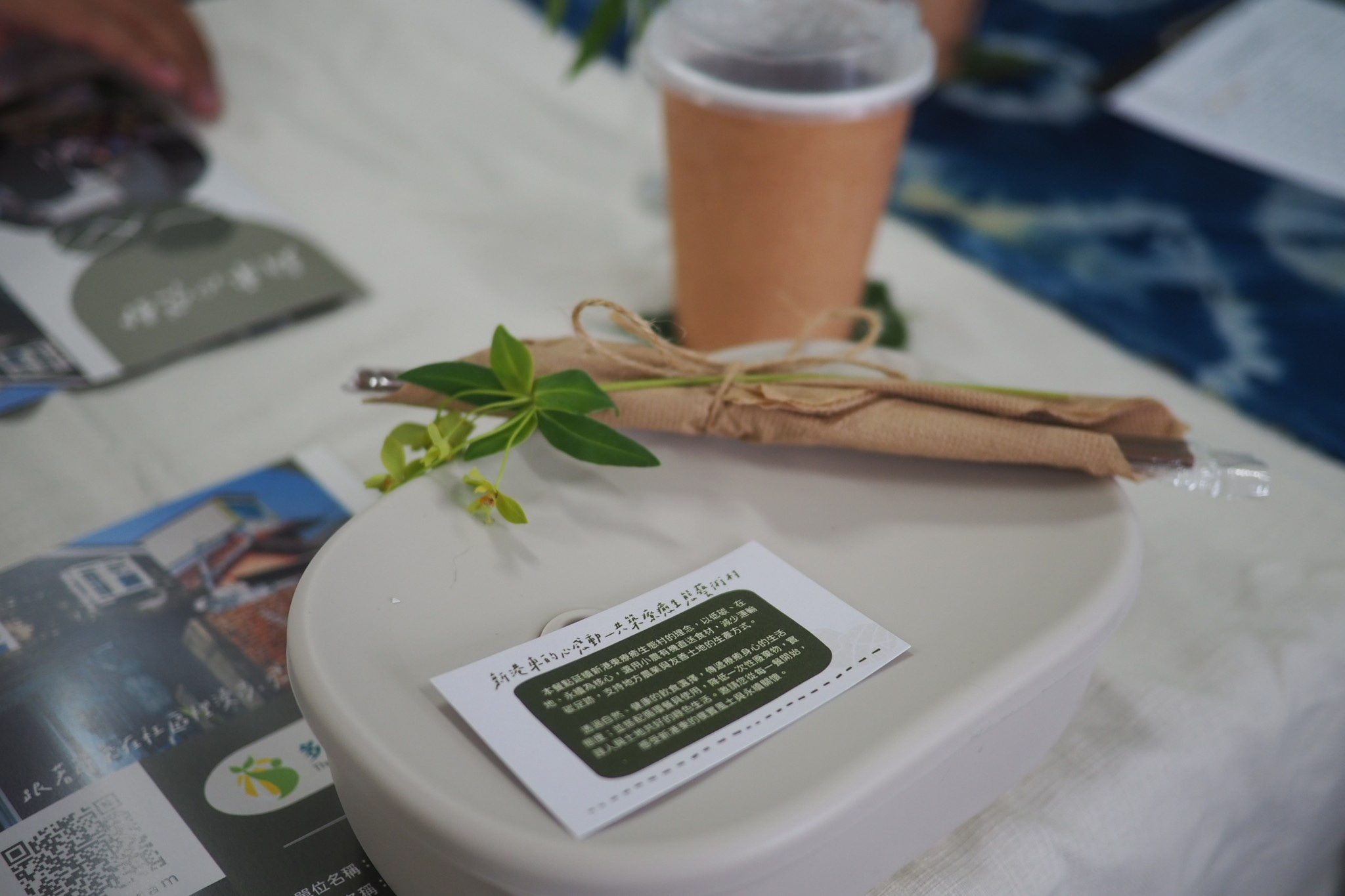
The “Xingangdong” USR project site provided locally feature low-carbon meals, putting the concept of carbon reduction and sustainability into practice.
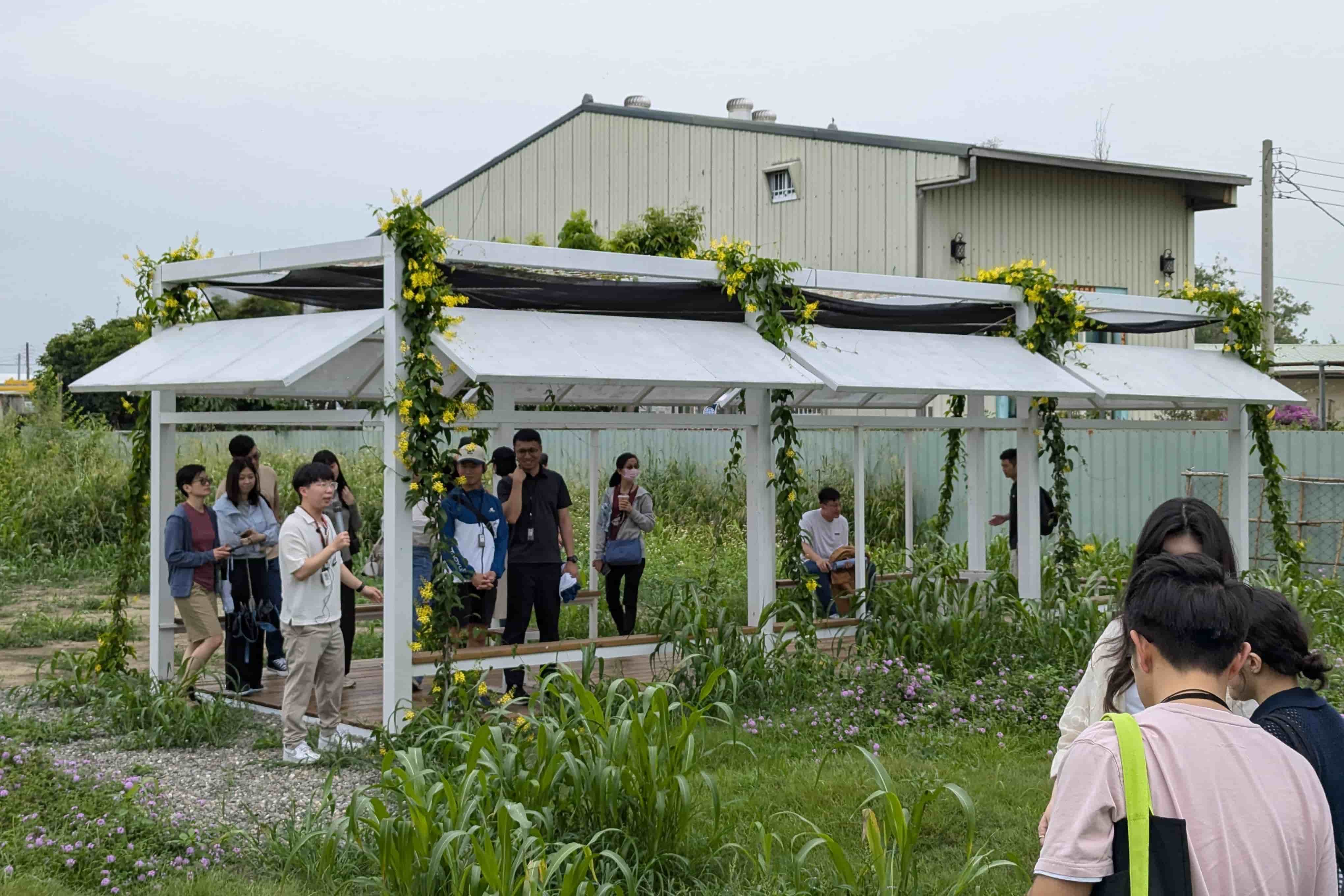
The “Xingangdong” project team guided students and faculty on a field visit through the Xindong community, showcasing on-site achievements in healing environment creation, old house restoration, and adaptive reuse and revitalization.
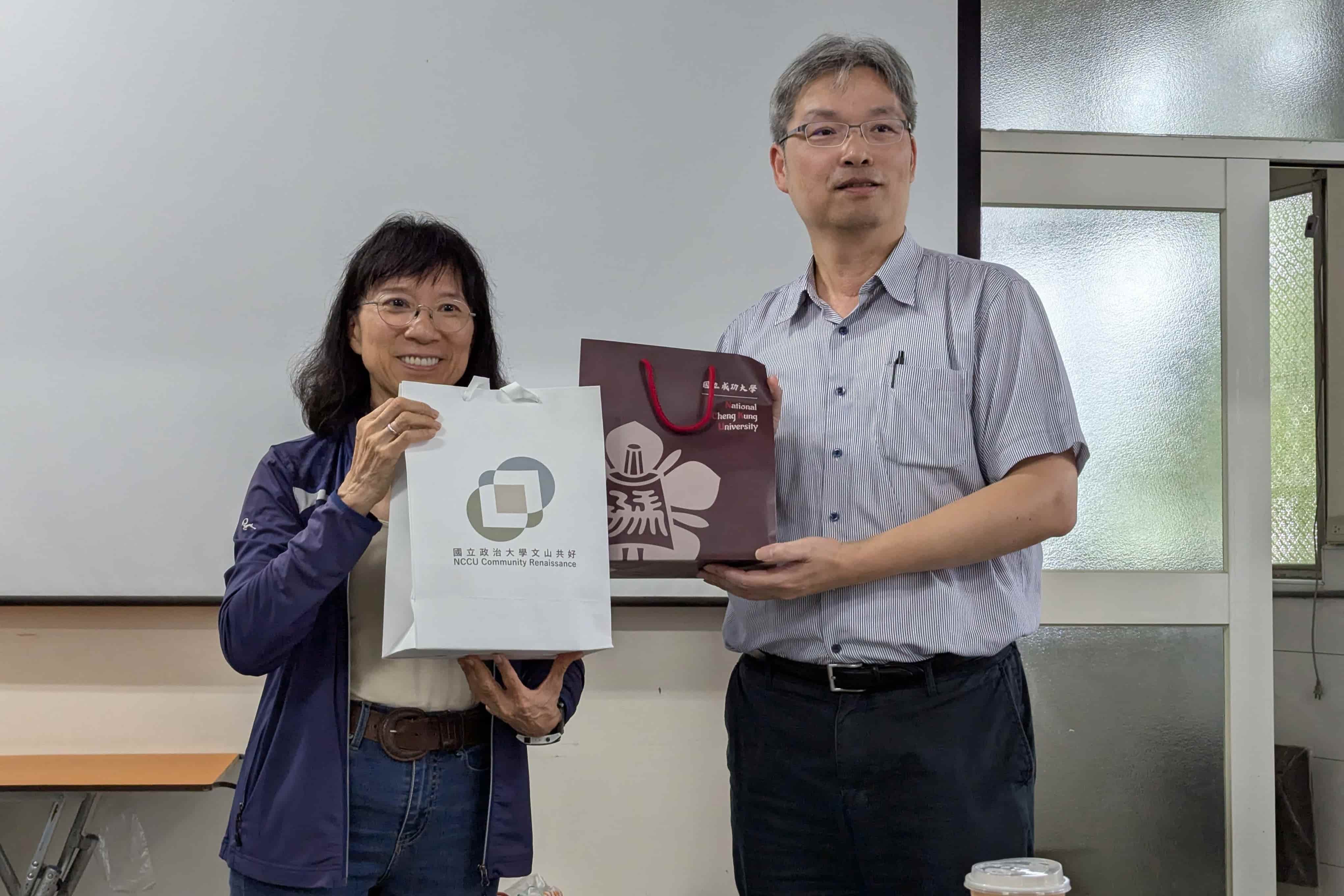
Professor Heng Chang, Principal Investigator of the “Xingangdong” project (left), and Professor Hsin-Shih Wang of National Chengchi University (right), exchanged commemorative gifts representing their respective projects, symbolizing the friendship and exchange between the two sides.
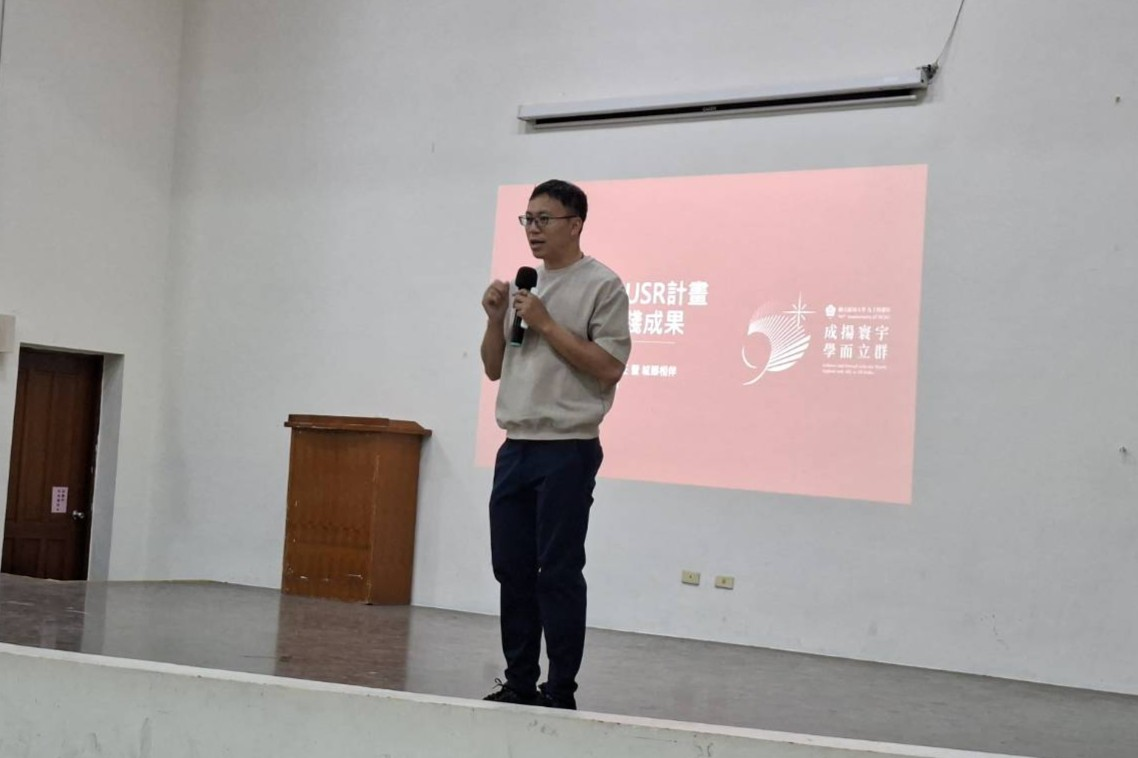
Distinguished Professor Cheng-Ta Yang, Principal Investigator of the “Urban–Rural Co-prosperity” project and Director of the Research Center for Humanities and Social Sciences (front), explained the relationship between the university’s institutional development context and the overall integration of USR initiatives.
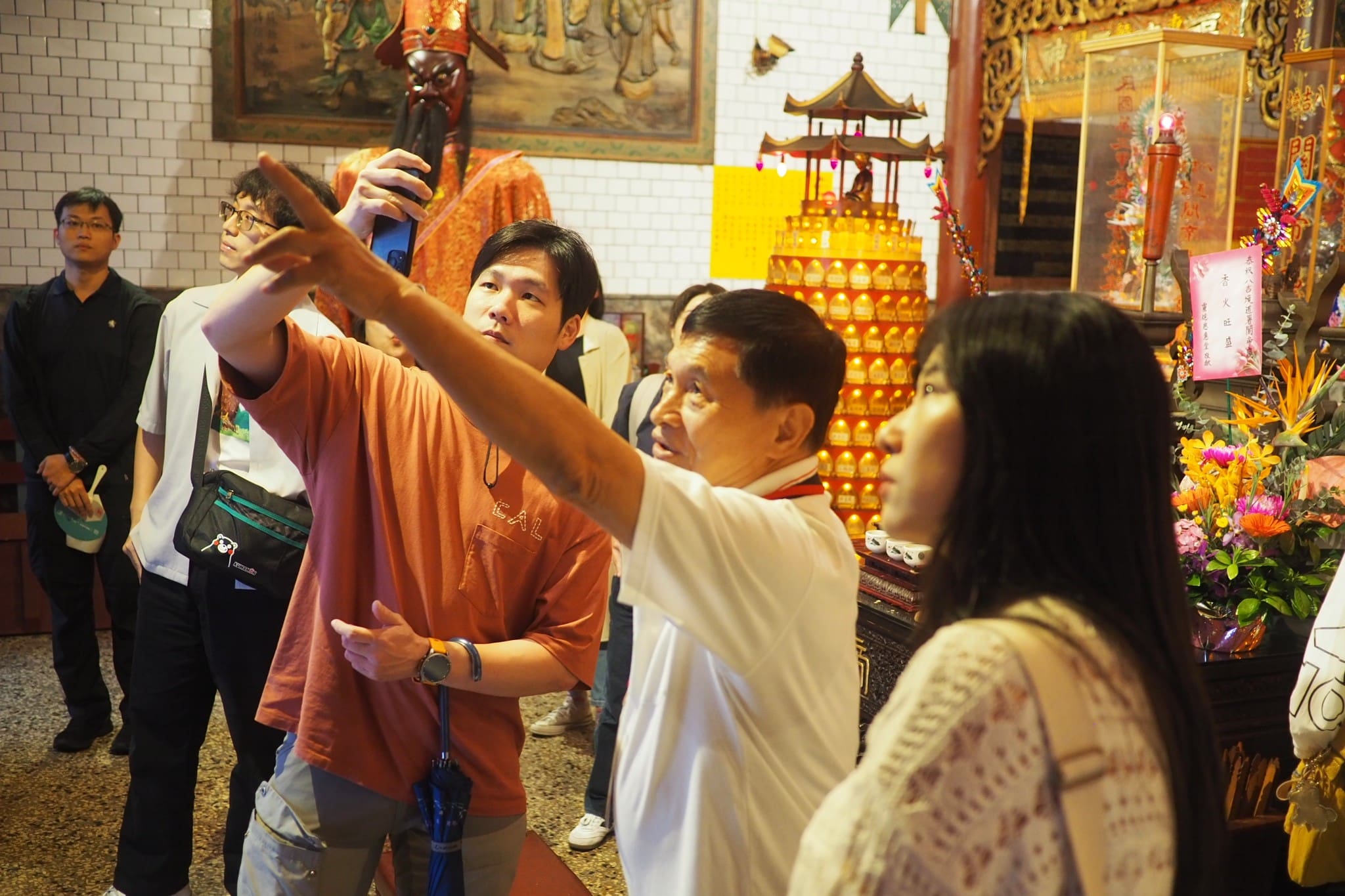
The “Urban–Rural Co-prosperity” project team, together with local elders, guided NCCU faculty and students on a community walk through Nanmei Village. Through the elders’ firsthand narration, participants gained a profound appreciation of the area’s rich cultural and historical heritage.
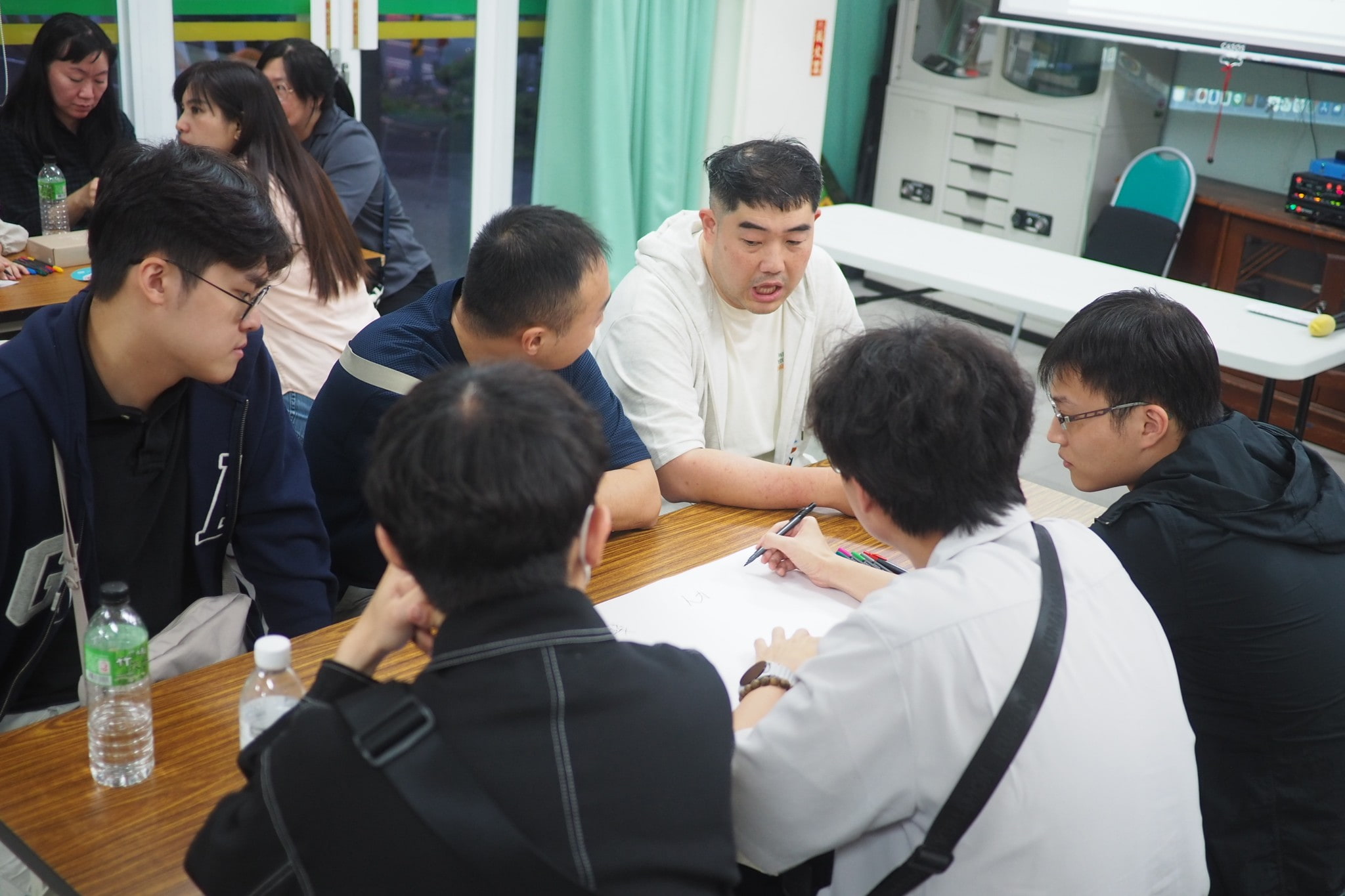
Through audio and visual materials, visiting students and faculty gained a vivid and multidimensional understanding of Nanmei Village’s community narratives and the project’s implementation process, followed by in-depth discussions.
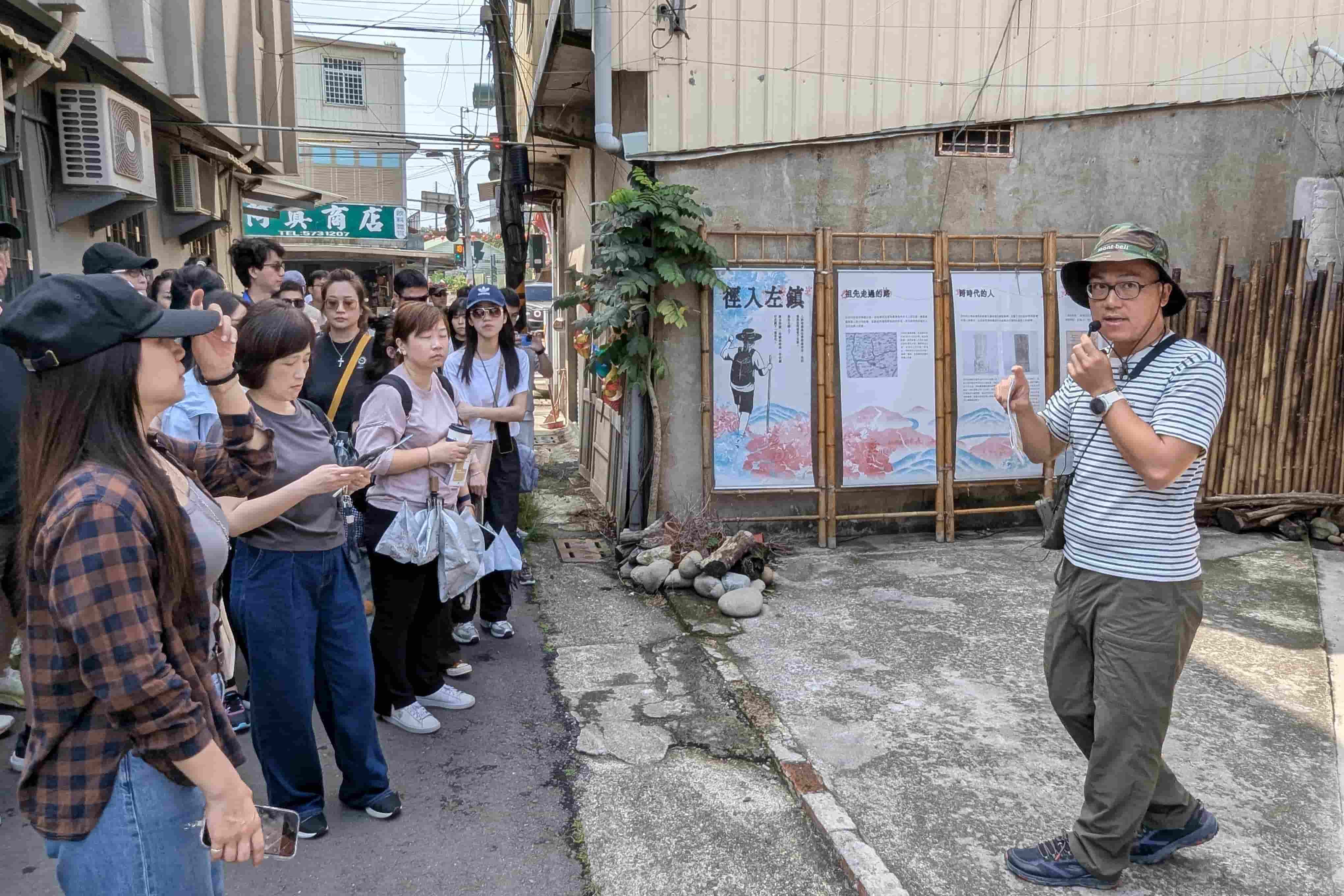
The “Badlands Collaboration” project, together with local community partners, guided visiting participants on a field tour of key sites including Zuozhen Old Street, Sugarcane Wharf Park, and the public market, allowing them to gain an in-depth understanding of Zuo-Zhen’s unique cultural history and local landscape.
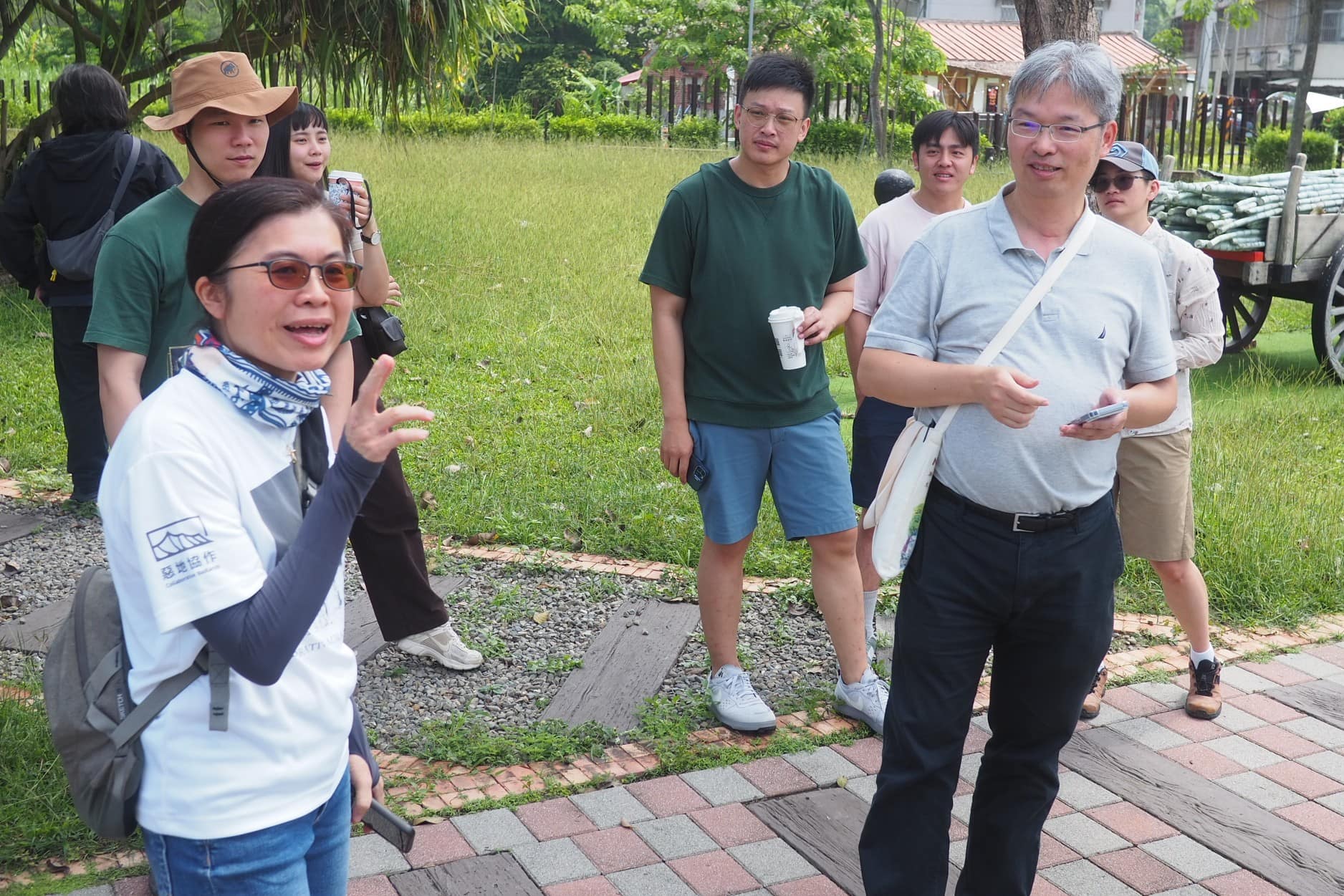
Professor Hsiu-Tzu Chang (front left), Principal Investigator of the “Badlands Collaboration” project, engaged in in-depth discussion with Professor Hsin-Shih Wang (front right) of National Chengchi University, who is originally from Zuo-Zhen, further strengthening the meaning and connection of this cross-university exchange.
The National Chengchi University delegation successfully completed their visit to the Zuozhen site, bringing the two-day field exchange program at NCKU to a successful conclusion.
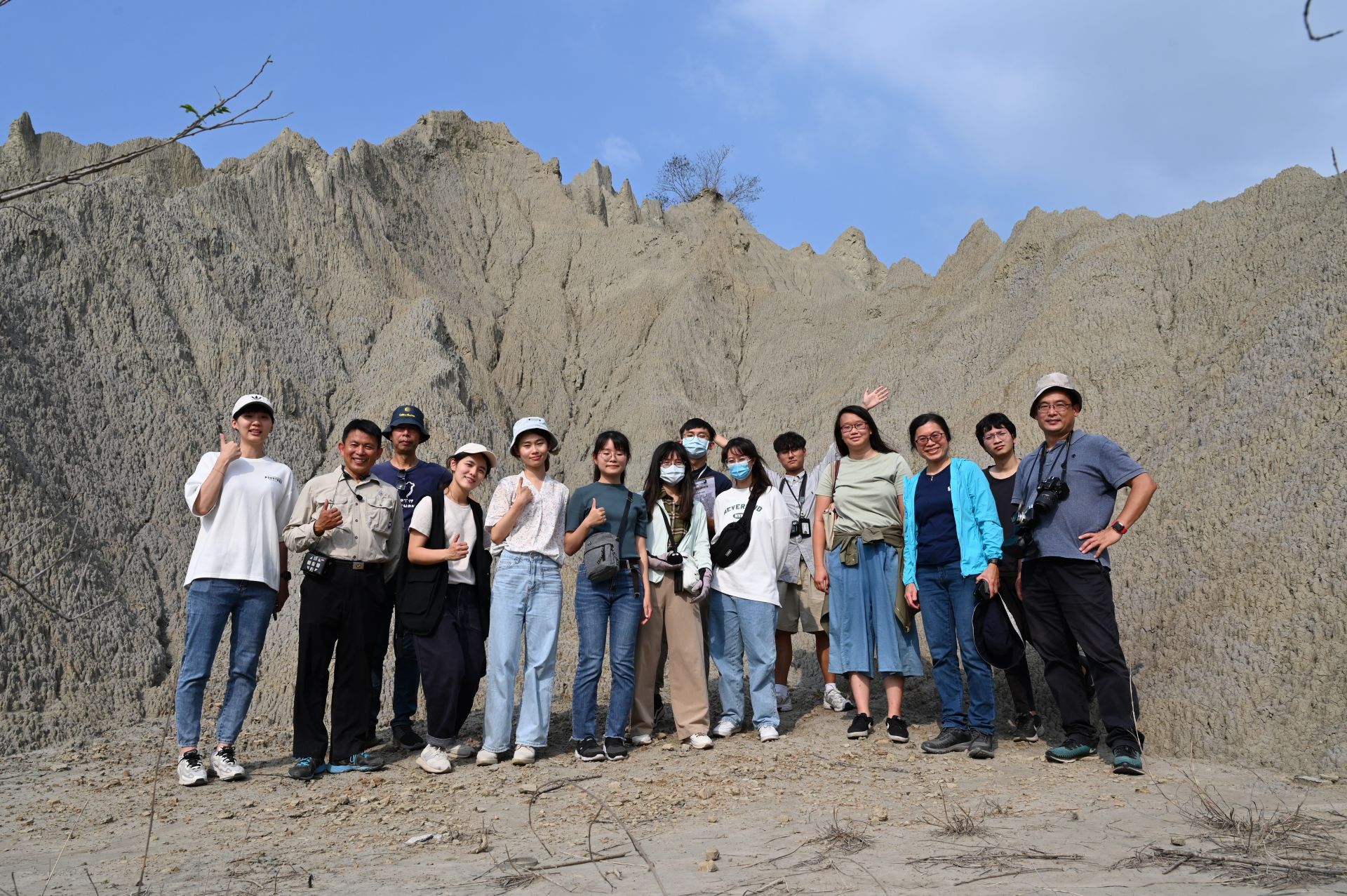
SDG11USR Series: Wasteland Collaboration for Shared Well-being, Fostering New Urban-Rural Relationships
View more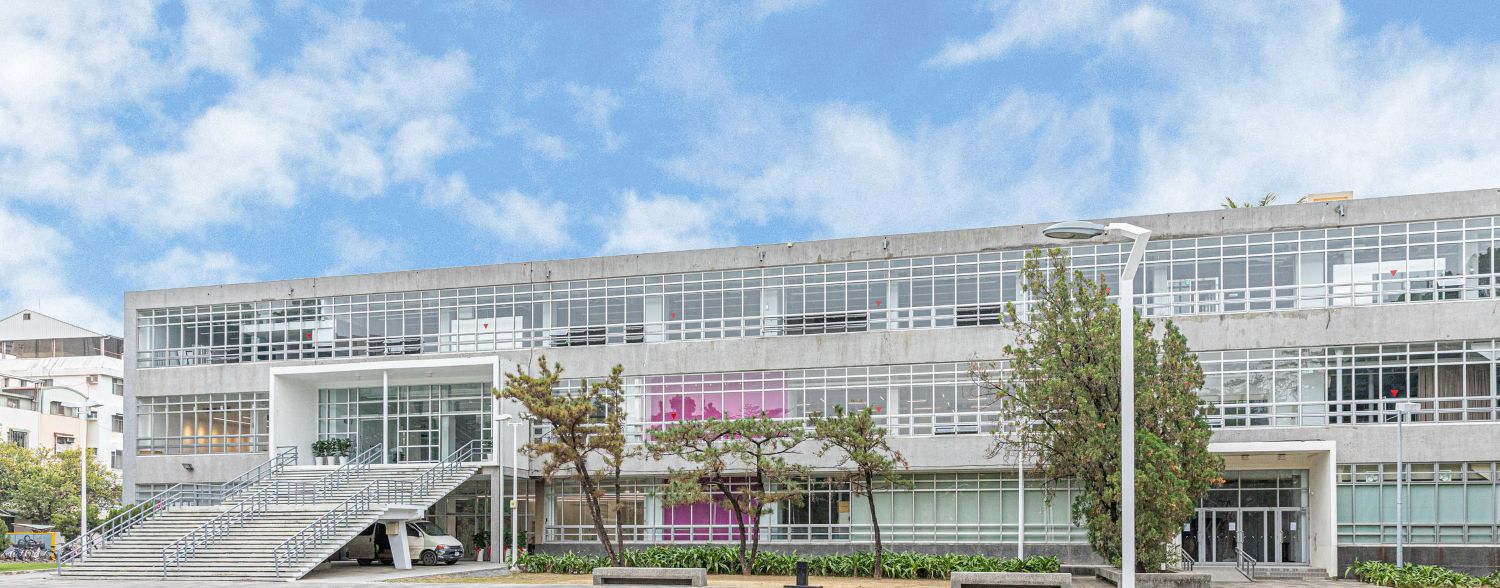
SDG11NCKU Museum’s “Main Library Design Drawings” Designated as Cultural Heritage of Tainan City
View more