



SDG16
NCKU Law “30th Anniversary”: Academician Ze-Jian Wang Discuss the Framework and Future Prospects of Civil Law and Special Laws
To celebrate the 30th anniversary of its founding, the Department of Law at National Cheng Kung University (NCKU) held the first event in the “Cheng Law 30 (成法三十)” academic series—the “Centennial Civil Law Forum: The Systematic Construction of Civil Law and Special Laws”—on April 24, 2026, at Room 1 of the International Conference Hall, Kuang-Fu Campus. The forum invited Academician Ze-Jian Wang of Academia Sinica to deliver the keynote introduction. Vice President Yong-Chun Lee of NCKU and Chairperson Wan-Ju Yeh of the Department of Law gave opening remarks, and several civil law scholars from Taiwan joined to discuss the systematic relationship and contemporary development of civil law and special laws.
In his remarks, Vice President Lee affirmed the Department of Law’s 30 years of achievements in legal education, academic research, and public service, and expressed expectations that the department will continue to strengthen interdisciplinary integration and public engagement to respond to emerging legal needs in a changing society. Chairperson Yeh stated that “Cheng Law 30” is not only an important milestone reflecting on the department’s development, but also a starting point for future innovation in legal education and institutional development. She noted that the forum’s focus on the systematic construction of civil law and special laws highlights the department’s academic commitment to foundational legal studies and social engagement.
Academician Ze-Jian Wang emphasized in his keynote that civil law forms the core of private law order and serves as a fundamental framework for understanding the entire legal system. In an era where special laws in areas such as labor, consumer protection, and healthcare continue to evolve, it remains essential to return to the fundamental concepts, value judgments, and systematic thinking of civil law in order to properly address emerging legal issues in modern society. He also encouraged young legal scholars to build a solid foundation in civil law during their studies and to cultivate strong skills in legal interpretation and systemic reasoning.
The forum featured three thematic lectures. Professor Wan-Ning Hsu from the College of Law at National Taiwan University presented on “The Legal Nature of Wages and Gratuities in Civil Law and Related Issues,” analyzing the boundaries between wages, discretionary benefits, and contractual obligations in labor relations. Professor Pin-Jie Tseng from the College of Law at National Chung Cheng University delivered a talk titled “Characteristics of the Development of Civil Law in Taiwan: The Interaction Between Civil Law and the Consumer Protection Act,” explaining how consumer protection law builds upon civil law to address modern transactional relationships and the protection of disadvantaged parties. Professor Ying-Ling Hou from the Department of Law at NCKU presented on “Allocation of Liability in Medical Malpractice Involving Patients with Multiple Comorbidities—A Study Centered on the Doctrine of ‘Comparative Negligence of the Patient’ in Practice and Comparative Law,” exploring issues of liability allocation, causation, and risk distribution in medical disputes. Faculty and students actively engaged in discussions on the relationship between civil law and special laws, the contemporary significance of civil law education, and how civil liability systems respond to risk society.
The event concluded with a book signing and exchange session with Academician Ze-Jian Wang, which received an enthusiastic response from participants. Many law students, long familiar with his scholarly works, had the opportunity to meet him in person and engage in direct exchange, making the forum not only an academic dialogue but also a meaningful moment of knowledge transmission and interaction between generations of legal scholars.
The forum demonstrated the continued vitality of civil law as the foundational framework of private law, while also highlighting the important role of special laws in addressing concrete social issues in modern society. Looking ahead, the Department of Law will continue to leverage the “Cheng Law 30” anniversary as an opportunity to host a series of academic events, further strengthening the integration of legal education, academic research, and social practice in southern Taiwan, and to cultivate a new generation of legal professionals with strong legal expertise and a commitment to public responsibility.
In his remarks, Vice President Lee affirmed the Department of Law’s 30 years of achievements in legal education, academic research, and public service, and expressed expectations that the department will continue to strengthen interdisciplinary integration and public engagement to respond to emerging legal needs in a changing society. Chairperson Yeh stated that “Cheng Law 30” is not only an important milestone reflecting on the department’s development, but also a starting point for future innovation in legal education and institutional development. She noted that the forum’s focus on the systematic construction of civil law and special laws highlights the department’s academic commitment to foundational legal studies and social engagement.
Academician Ze-Jian Wang emphasized in his keynote that civil law forms the core of private law order and serves as a fundamental framework for understanding the entire legal system. In an era where special laws in areas such as labor, consumer protection, and healthcare continue to evolve, it remains essential to return to the fundamental concepts, value judgments, and systematic thinking of civil law in order to properly address emerging legal issues in modern society. He also encouraged young legal scholars to build a solid foundation in civil law during their studies and to cultivate strong skills in legal interpretation and systemic reasoning.
The forum featured three thematic lectures. Professor Wan-Ning Hsu from the College of Law at National Taiwan University presented on “The Legal Nature of Wages and Gratuities in Civil Law and Related Issues,” analyzing the boundaries between wages, discretionary benefits, and contractual obligations in labor relations. Professor Pin-Jie Tseng from the College of Law at National Chung Cheng University delivered a talk titled “Characteristics of the Development of Civil Law in Taiwan: The Interaction Between Civil Law and the Consumer Protection Act,” explaining how consumer protection law builds upon civil law to address modern transactional relationships and the protection of disadvantaged parties. Professor Ying-Ling Hou from the Department of Law at NCKU presented on “Allocation of Liability in Medical Malpractice Involving Patients with Multiple Comorbidities—A Study Centered on the Doctrine of ‘Comparative Negligence of the Patient’ in Practice and Comparative Law,” exploring issues of liability allocation, causation, and risk distribution in medical disputes. Faculty and students actively engaged in discussions on the relationship between civil law and special laws, the contemporary significance of civil law education, and how civil liability systems respond to risk society.
The event concluded with a book signing and exchange session with Academician Ze-Jian Wang, which received an enthusiastic response from participants. Many law students, long familiar with his scholarly works, had the opportunity to meet him in person and engage in direct exchange, making the forum not only an academic dialogue but also a meaningful moment of knowledge transmission and interaction between generations of legal scholars.
The forum demonstrated the continued vitality of civil law as the foundational framework of private law, while also highlighting the important role of special laws in addressing concrete social issues in modern society. Looking ahead, the Department of Law will continue to leverage the “Cheng Law 30” anniversary as an opportunity to host a series of academic events, further strengthening the integration of legal education, academic research, and social practice in southern Taiwan, and to cultivate a new generation of legal professionals with strong legal expertise and a commitment to public responsibility.
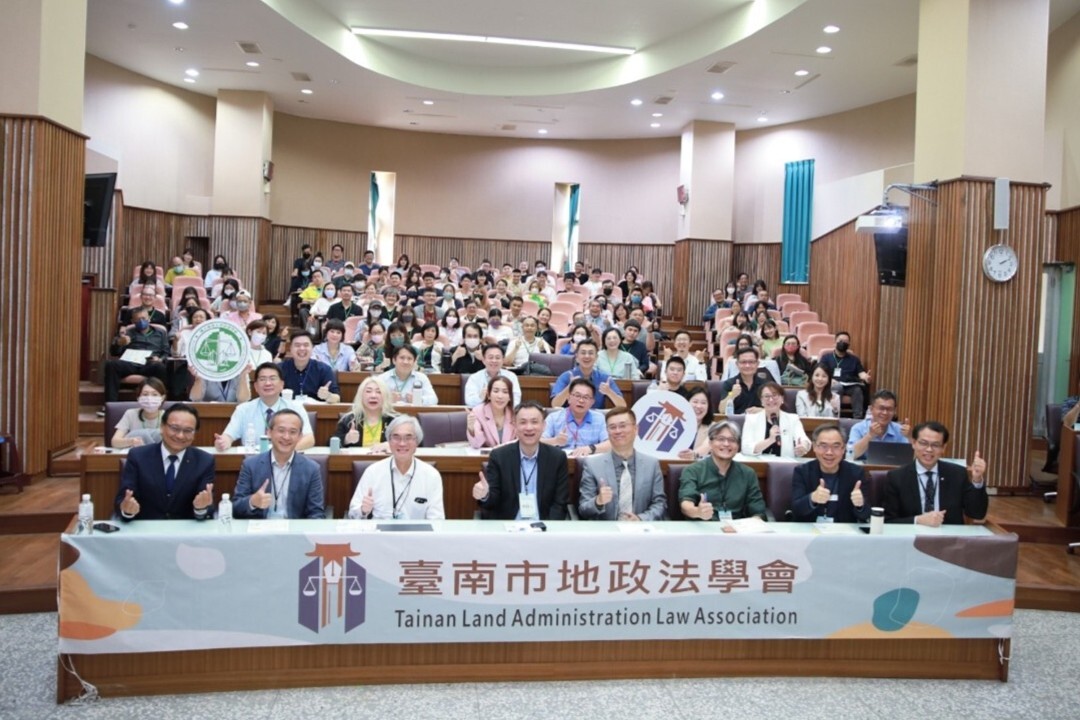
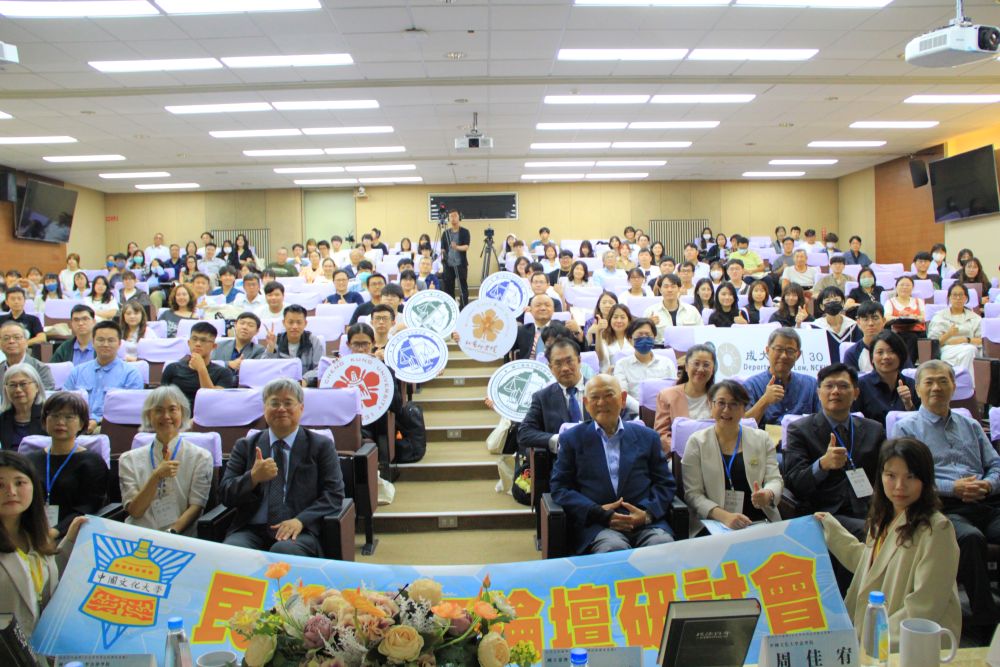
Group photo of participants at the “Cheng Law 30” anniversary event.
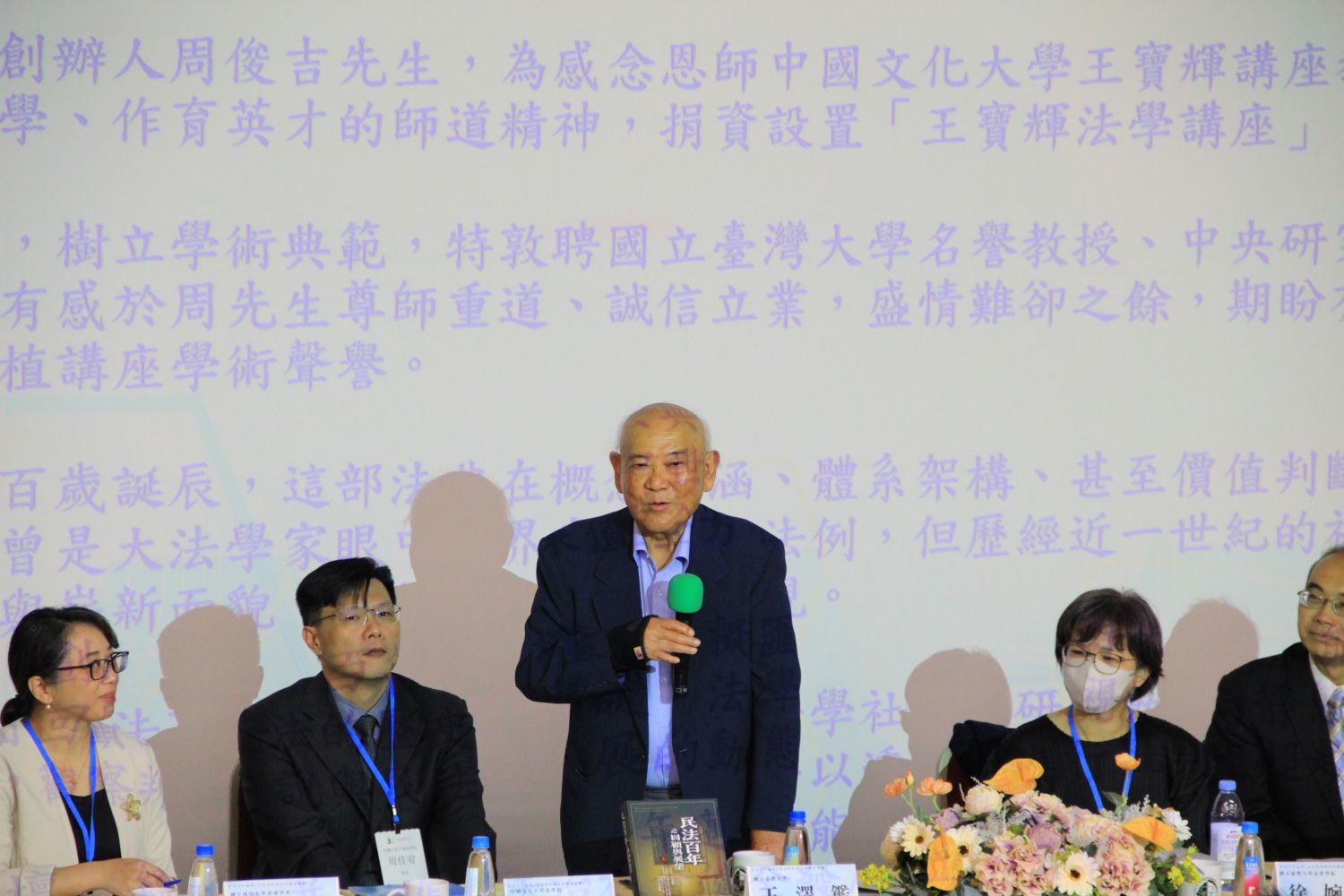
Academician Ze-Jian Wang stated during the forum that civil law is a fundamental basis for understanding private law and the overall legal system, and he encouraged young legal scholars to build a solid foundation in civil law and develop systematic legal thinking.
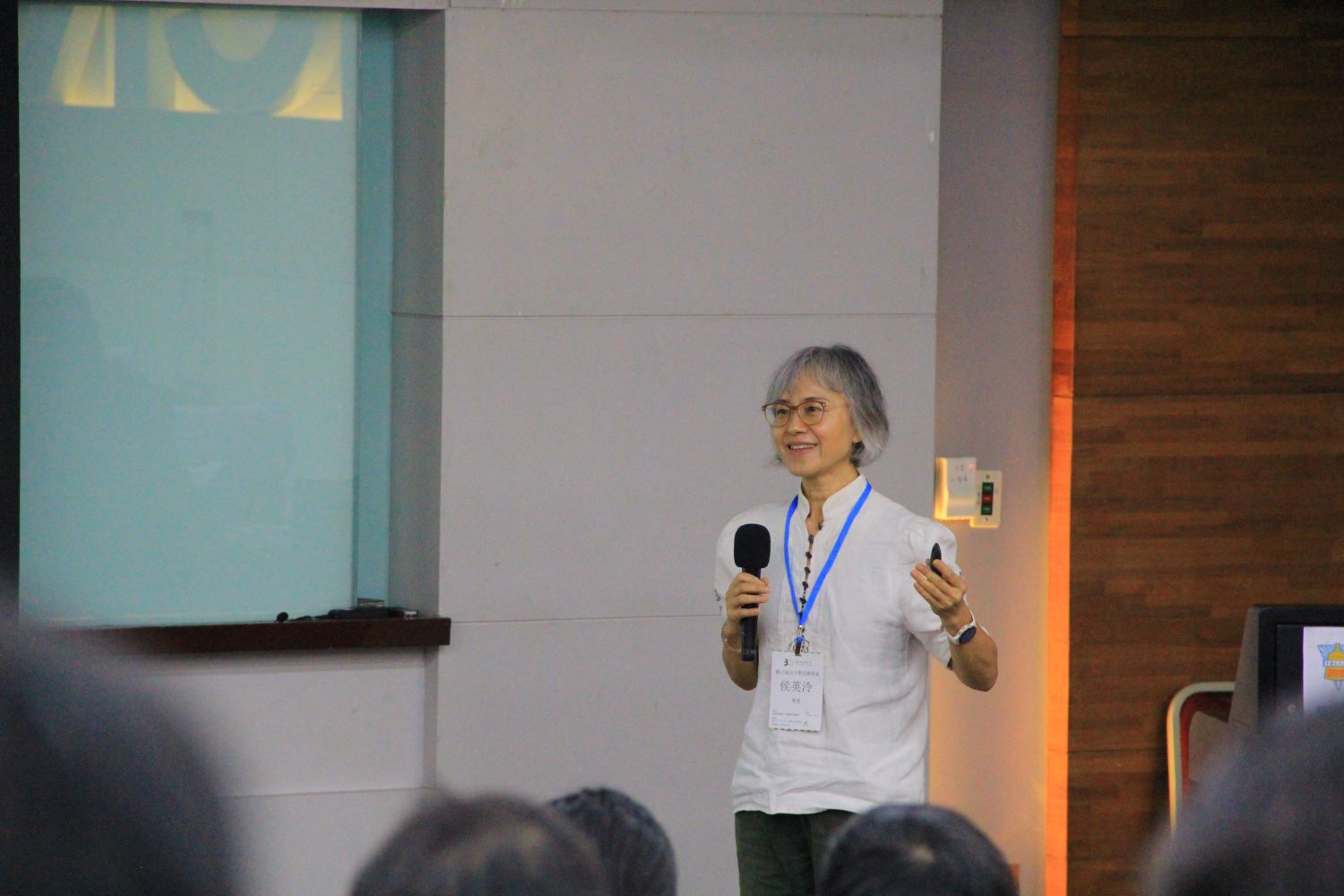
The forum speakers examined the interaction, supplementation, and systemic integration between civil law and special laws from the perspectives of labor relations, consumer protection law, and medical malpractice liability. The photo shows Professor Ying-Ling Hou, one of the speakers.
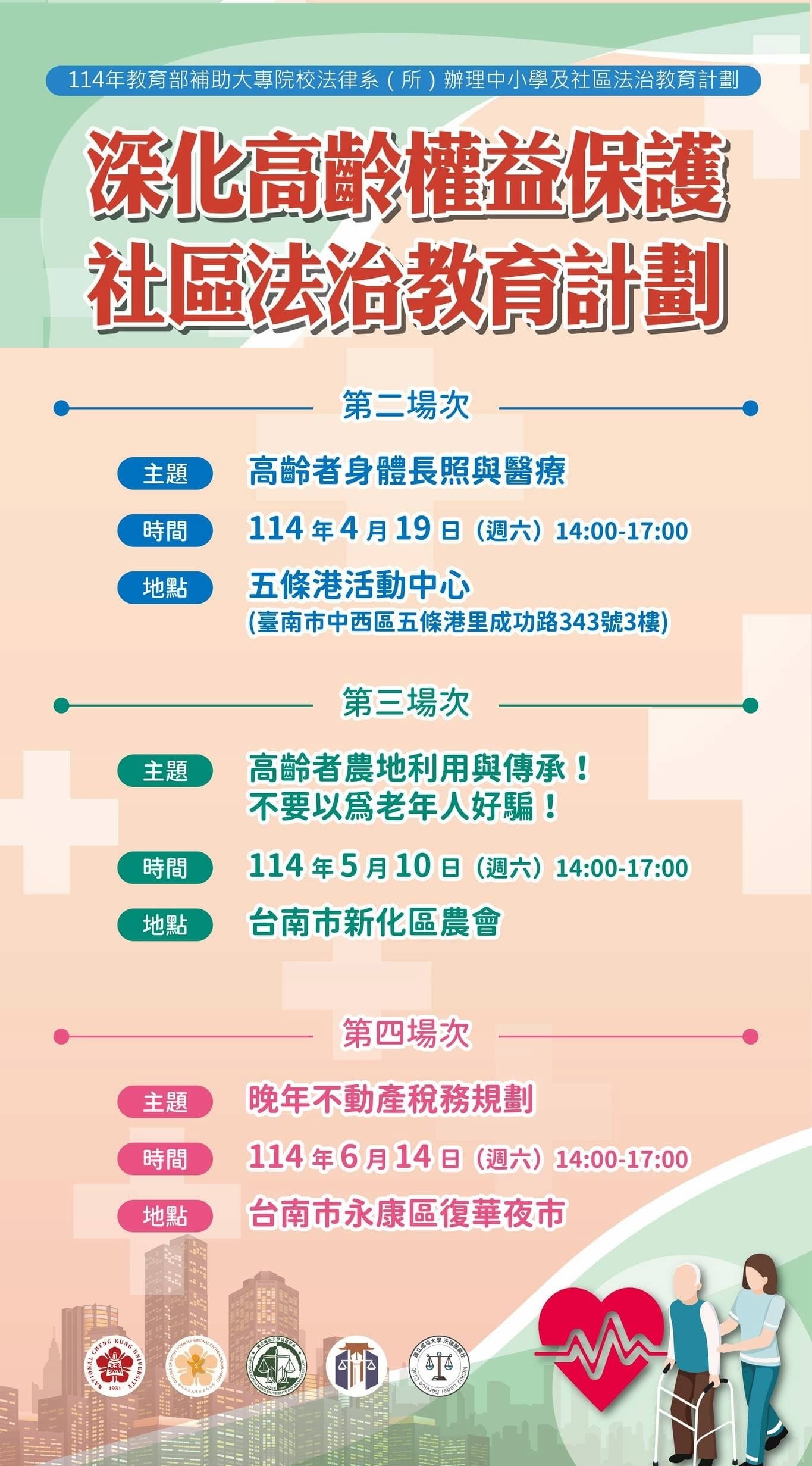
SDG16NCKU Law Department Promotes Legal Education on Elder Rights in the Community – All Are Welcome to Join
View more
SDG16The "Apartment Building Forward-Looking Legal Forum" discusses practical challenges in apartment management
View more