



SDG4
2026 Spring Chinese Language Center “I Am a Singer” Competition Brings Music and Mandarin Culture to Life Through Melody
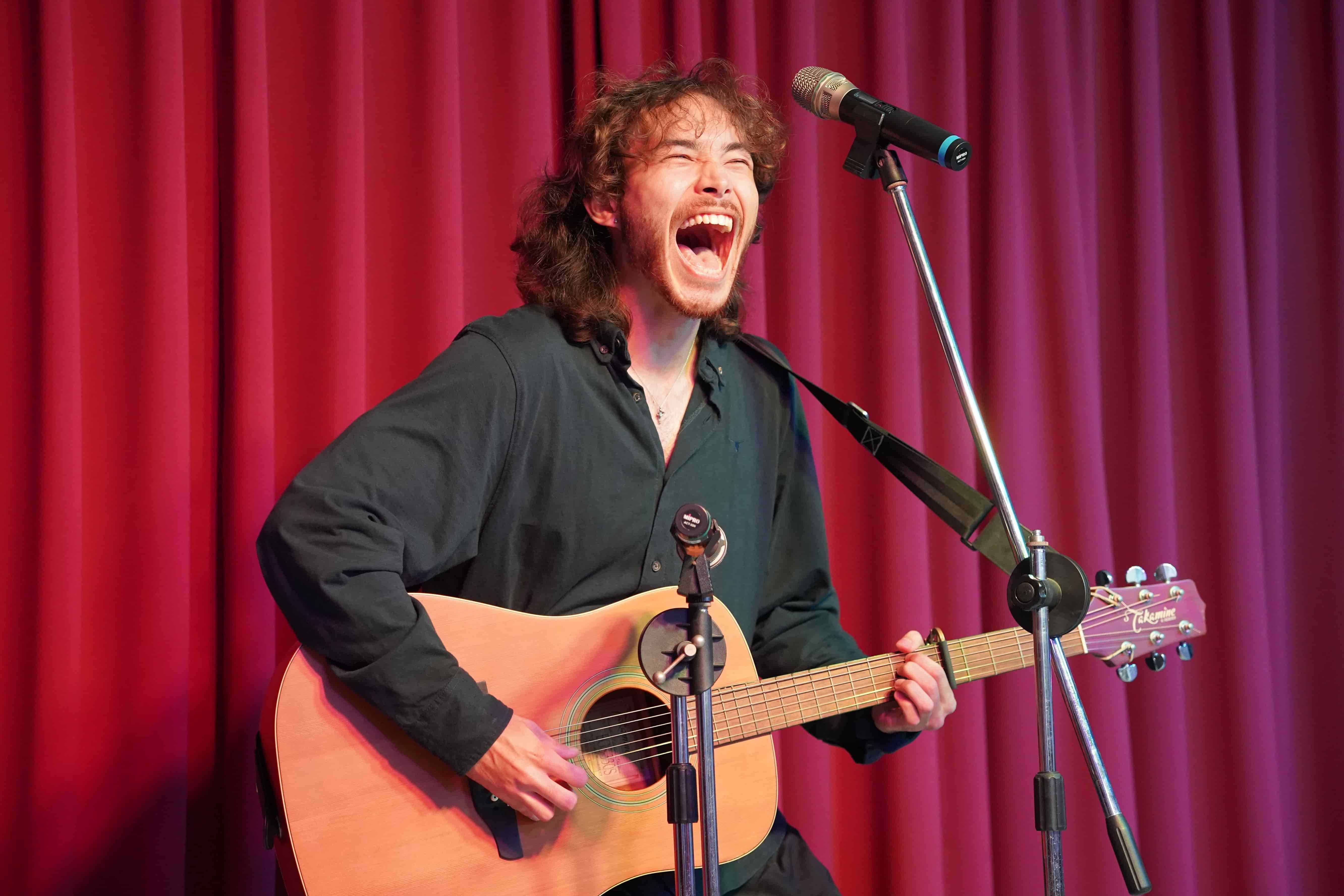
To inspire students’ enthusiasm for learning and make language study more lively and engaging, the annual “I Am a Singer” competition organized by the Chinese Language Center (CLC) of the College of Liberal Arts at National Cheng Kung University vibrantly took center stage from May 4 to 8. More than just a singing contest, the five-day event served as a dynamic stage for international students to showcase their Chinese-language proficiency. Students from all corners of the world, including Russia, Japan, Türkiye, India, and Thailand, interpreted Chinese culture through their unique voices and melodies, building bridges for cross-cultural exchange.
The atmosphere at the competition was electric. Contestants prepared a wide variety of creative costumes and props, incorporating carefully choreographed movements and stage presence that captivated the audience. Some students showcased remarkable musical talents by performing with live instruments like guitars and flutes. The venue was packed to capacity, with even the aisles filled with spectators eagerly anticipating the surprises each performance would bring.
The competition featured both solo and group categories, boasting a rich diversity of musical styles. In addition to classic and contemporary Mandopop, some participants boldly performed Taiwanese songs or challenged themselves with creative medleys. From heartfelt, emotional solos to lively, well-coordinated group choruses, the students expressed their deep appreciation for Mandarin and Taiwanese culture through diverse performance styles, demonstrating their immense passion for multilingual learning.
Vietnamese student Tran Meng-Qiao clinched first place in the solo category with her rendition of the popular Taiwanese song “Xin Hua Kai (心花開)” (Flowers of the Heart Bloom). She challenged herself with two songs in the competition: the group performance of “Blue and White Porcelain” and her award-winning solo. She shared that since many people in Taiwan speak Taiwanese, she wanted to use this opportunity to learn the language and better understand local culture. She noted that Taiwanese pronunciation and tones are particularly challenging, requiring her to listen intently to the original singers and constantly consult her teachers. Variations in regional accents also added an extra layer of difficulty—and fun—to her learning journey.
Meanwhile, top honors in the group category went to the team “Girl and Zhi-Xi.” Their performance of the song “Girl” featured dynamic choreography and expressive stage movements that earned high praise from the panel of judges. Team members expressed that participating in “I Am a Singer” was an incredibly joyful experience, though coordinating practice schedules beforehand proved to be a challenge. They added that learning Chinese songs for the event allowed them to naturally master many commonly used expressions and grammar structures that they can now readily apply in daily life.
The judging criteria seamlessly combined language proficiency with artistic expression. Before singing, contestants were required to introduce their selected songs entirely in Chinese, testing their public speaking skills and their emotional comprehension of the lyrics. The judges then evaluated participants based on tonal pronunciation, vocabulary usage, fluency, and overall stage performance.
Adding to the excitement, CLC students also took on the role of emcees, guiding the program smoothly in Mandarin. They wrote their own humorous scripts to energize the crowd, fully demonstrating the practical communication skills they have developed through their studies.
To maximize audience engagement, the event featured a “Daily Popularity Award” voting session, encouraging spectators to actively vote for their favorite performances. The CLC stated that by integrating singing competitions with language learning and cultural promotion, students can naturally internalize grammar and vocabulary through practice. This initiative successfully takes Chinese-language learning beyond the traditional classroom, transforming it into a cross-cultural celebration through the universal language of music.
The atmosphere at the competition was electric. Contestants prepared a wide variety of creative costumes and props, incorporating carefully choreographed movements and stage presence that captivated the audience. Some students showcased remarkable musical talents by performing with live instruments like guitars and flutes. The venue was packed to capacity, with even the aisles filled with spectators eagerly anticipating the surprises each performance would bring.
The competition featured both solo and group categories, boasting a rich diversity of musical styles. In addition to classic and contemporary Mandopop, some participants boldly performed Taiwanese songs or challenged themselves with creative medleys. From heartfelt, emotional solos to lively, well-coordinated group choruses, the students expressed their deep appreciation for Mandarin and Taiwanese culture through diverse performance styles, demonstrating their immense passion for multilingual learning.
Vietnamese student Tran Meng-Qiao clinched first place in the solo category with her rendition of the popular Taiwanese song “Xin Hua Kai (心花開)” (Flowers of the Heart Bloom). She challenged herself with two songs in the competition: the group performance of “Blue and White Porcelain” and her award-winning solo. She shared that since many people in Taiwan speak Taiwanese, she wanted to use this opportunity to learn the language and better understand local culture. She noted that Taiwanese pronunciation and tones are particularly challenging, requiring her to listen intently to the original singers and constantly consult her teachers. Variations in regional accents also added an extra layer of difficulty—and fun—to her learning journey.
Meanwhile, top honors in the group category went to the team “Girl and Zhi-Xi.” Their performance of the song “Girl” featured dynamic choreography and expressive stage movements that earned high praise from the panel of judges. Team members expressed that participating in “I Am a Singer” was an incredibly joyful experience, though coordinating practice schedules beforehand proved to be a challenge. They added that learning Chinese songs for the event allowed them to naturally master many commonly used expressions and grammar structures that they can now readily apply in daily life.
The judging criteria seamlessly combined language proficiency with artistic expression. Before singing, contestants were required to introduce their selected songs entirely in Chinese, testing their public speaking skills and their emotional comprehension of the lyrics. The judges then evaluated participants based on tonal pronunciation, vocabulary usage, fluency, and overall stage performance.
Adding to the excitement, CLC students also took on the role of emcees, guiding the program smoothly in Mandarin. They wrote their own humorous scripts to energize the crowd, fully demonstrating the practical communication skills they have developed through their studies.
To maximize audience engagement, the event featured a “Daily Popularity Award” voting session, encouraging spectators to actively vote for their favorite performances. The CLC stated that by integrating singing competitions with language learning and cultural promotion, students can naturally internalize grammar and vocabulary through practice. This initiative successfully takes Chinese-language learning beyond the traditional classroom, transforming it into a cross-cultural celebration through the universal language of music.
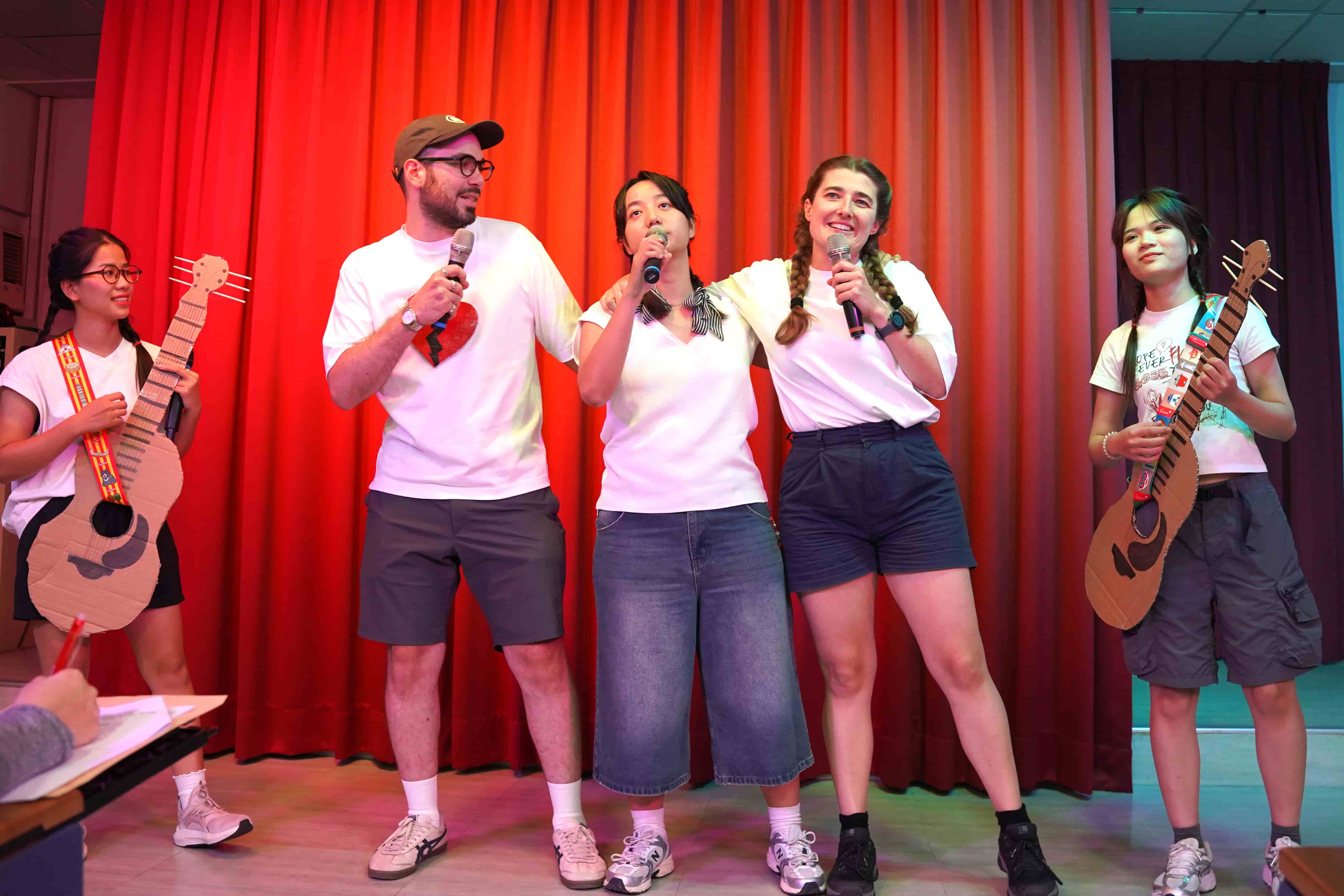
Contestants performed with handmade cardboard guitars as props.
“I Am a Singer” is more than just a music competition—it is also a stage for international students to showcase their achievements in Chinese-language learning.
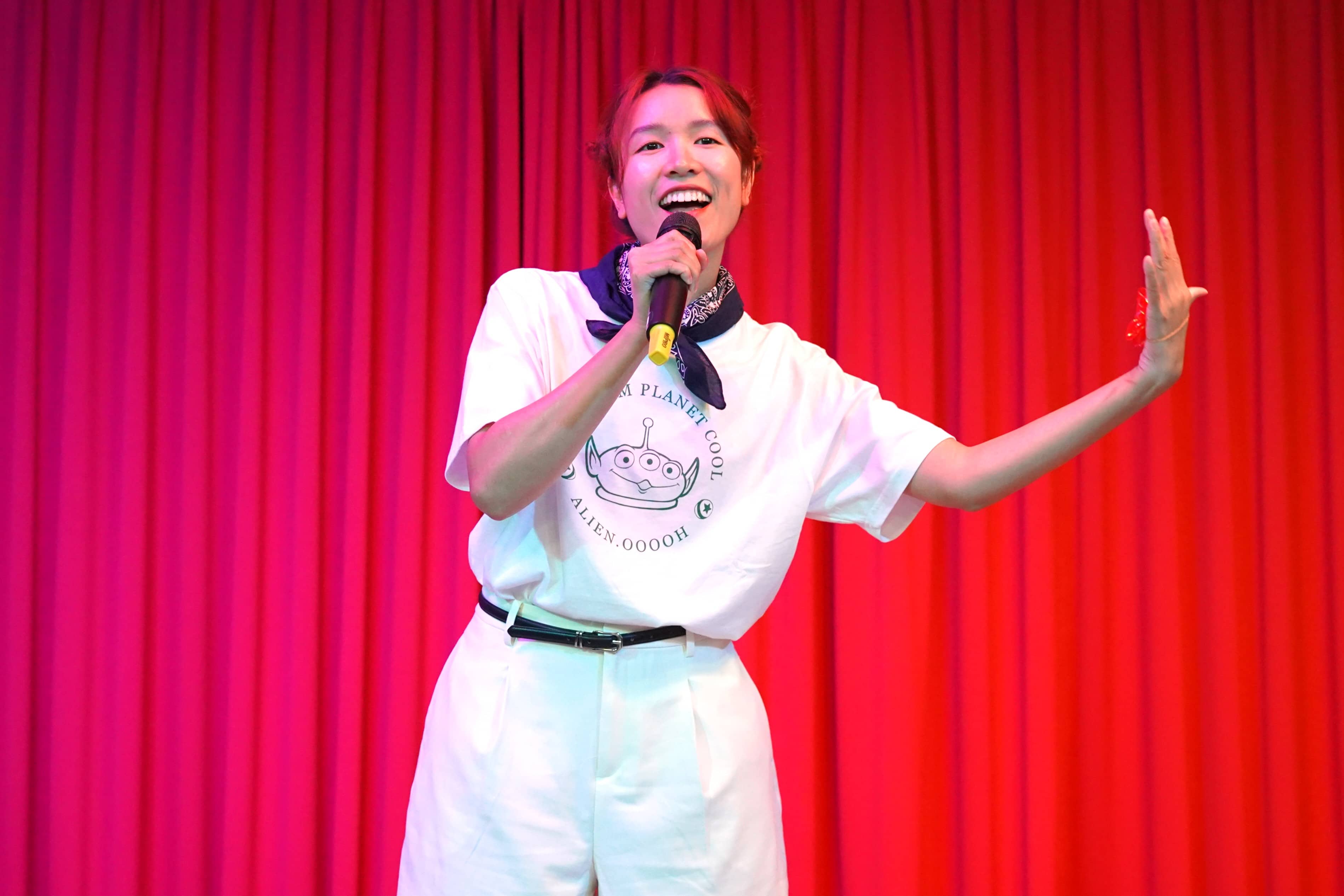
Vietnamese student Tran Meng-Qiao won first place in the solo category with the Taiwanese Hokkien song “Xin Hua Kai” (“Flowers of the Heart Bloom”).
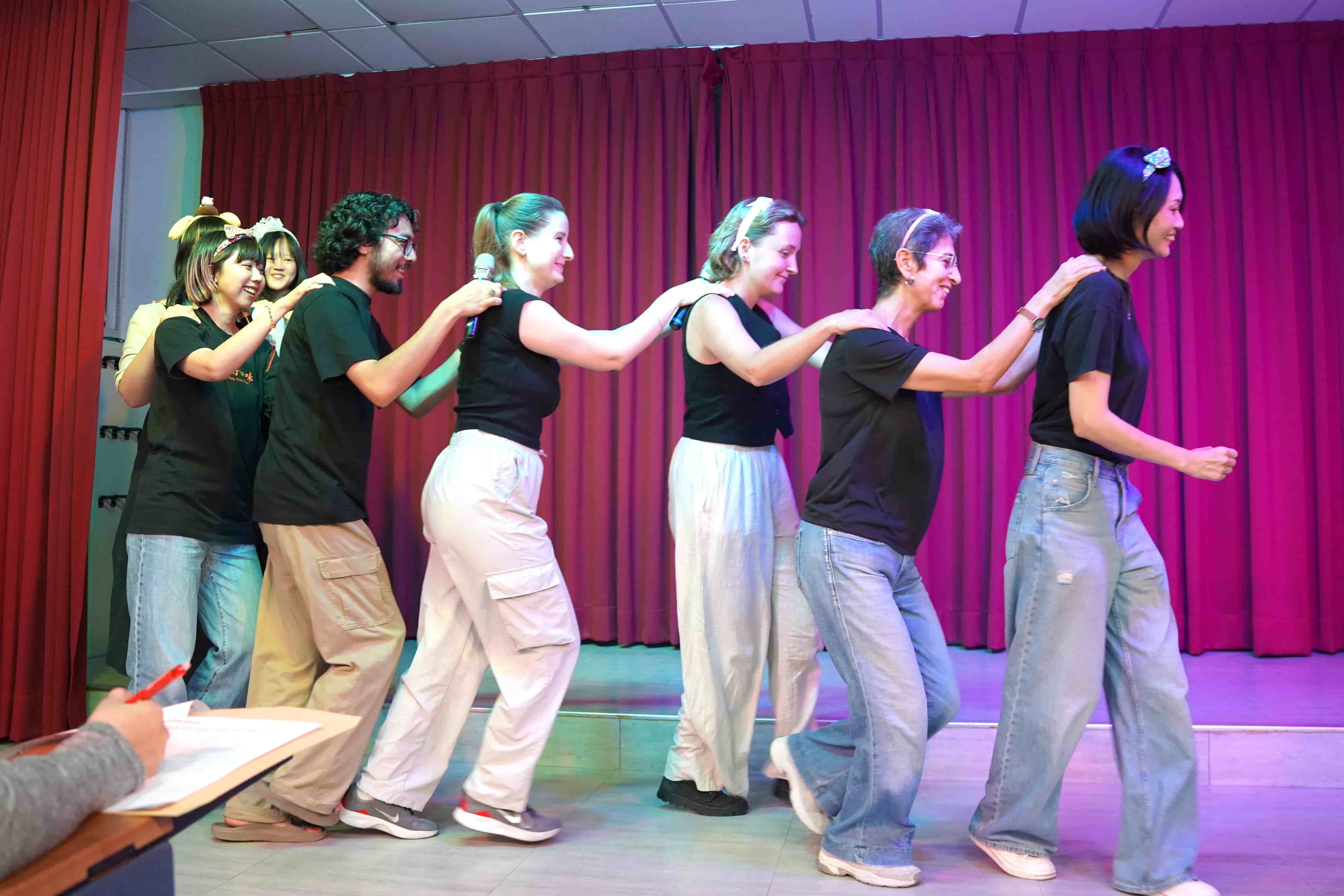
The group-category team “Girls and Zhi-Xi” incorporated lively and creative stage choreography that energized the atmosphere at the venue.
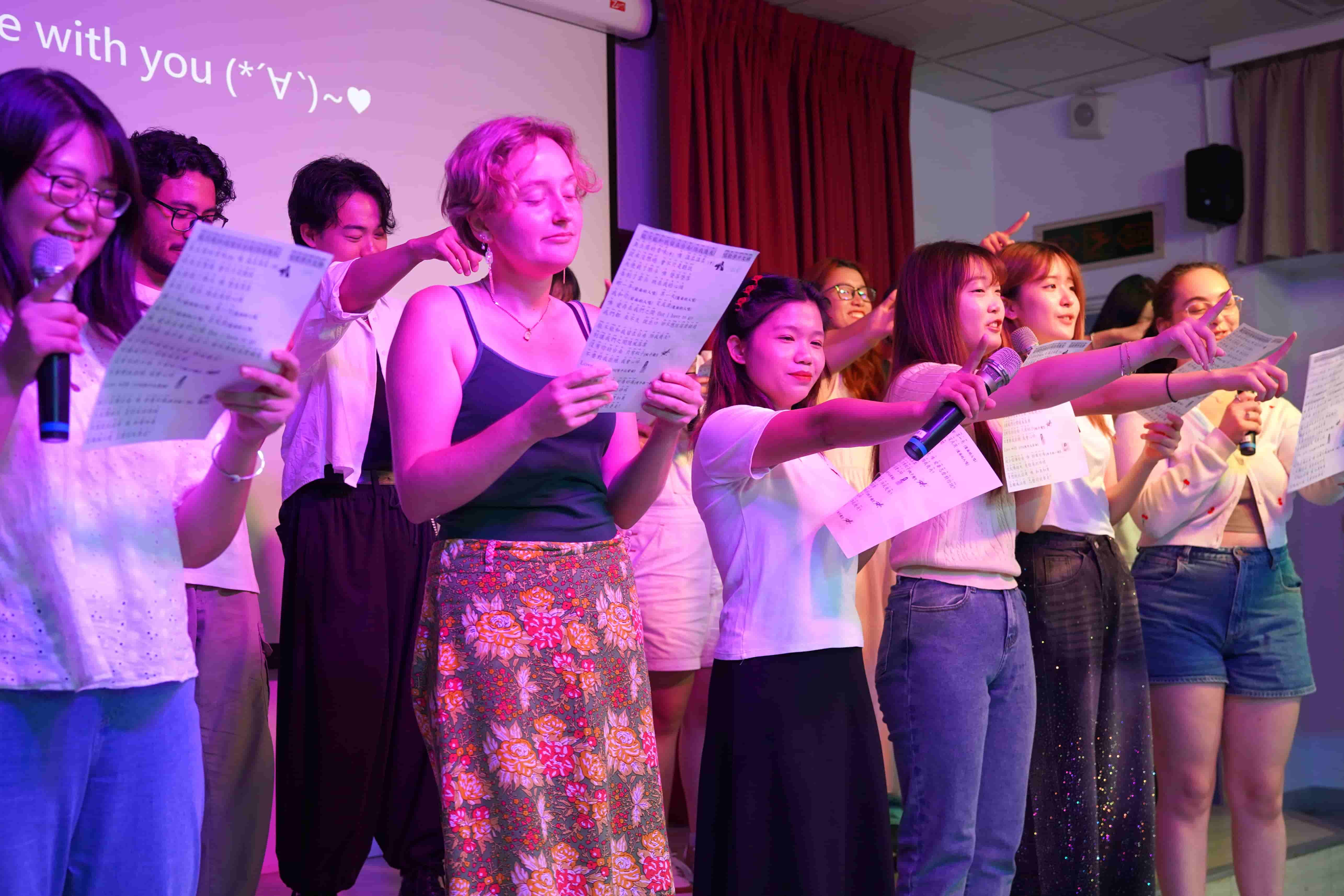
Students from the “Learning Chinese Through Singing” course performed “Can You Stay in Tainan with Me (For a Few Days)” during the award ceremony.
SDG4NCKU AI & Robotics Summer Camp Attracts 300 Participants for Cross-Disciplinary Learning
View more
SDG4Tainan "National Science Day" Kicks Off Today - NCKU Science Education Center Invites Everyone to Enjoy Science Together
View more