



SDG3
Kasih Multilingual Wellness App Launches Real-Time Voice Translation for Senior Health and Well-Being
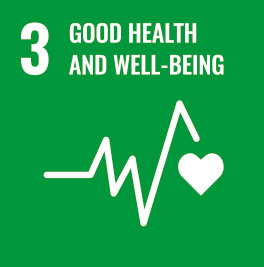
To build a comprehensive wellness platform for older adults by integrating digital technology, AI applications, and local resources, National Cheng Kung University (NCKU) partnered with the Hakka Affairs Council and the National Science and Technology Council to share resources and integrate technologies. Using language corpora provided by the Hakka Affairs Council to develop AI models, the collaborators jointly created the innovative “Kasih” Multilingual Wellness Communication Service App. The Kasih App integrates real-time voice translation across five major languages—Hakka, Taiwanese Hokkien, Mandarin Chinese, English, and Indonesian. It also supports real-time voice translation for the two major Hakka dialects, Sixian and Hailu, helping facilitate cross-language communication in caregiving settings.
On May 8, ahead of Mother’s Day, NCKU held a launch event to showcase the achievements of the Kasih App project. The app integrates a wide range of caregiving and wellness resources, including thematic vocabulary cards and commonly used phrases related to daily living and caregiving. It also incorporates medical terminology provided by the Hakka Affairs Council, dementia-care Q&A materials, and daily wound-care guidelines. In addition, the app offers wellness and caregiving services such as Taiwanese recipe references and multilingual karaoke song selection features. All functions are available in multiple languages, enabling Hakka- and Taiwanese-speaking older adults, along with their family members and caregivers across Taiwan, to access information conveniently and in real time while reducing caregiving risks caused by language barriers.
Dean Shih-Chun Wu of NCKU’s College of Electrical Engineering and Computer Science remarked that the NCKU Geriatric Hospital is nearing completion and will provide more opportunities for the practical application and future development of the Kasih App. He emphasized that the current成果 represent only the beginning, with substantial room for future growth. He also expressed hope that the college would continue providing sufficient resources and support to the project team so that both research and real-world applications can be further advanced, generating greater social impact.
“All languages are valuable,” said Chin-Liang Ho, Director of the Department of Language Development at the Hakka Affairs Council. In recent years, the council has collaborated with multiple organizations to establish digital Hakka-language corpora and promote the digitization of the Hakka language. He noted that it is an honor to see the Hakka corpus applied through the Kasih App and expressed hope for further collaboration opportunities with NCKU in the future.
Hsin-Yu Chen pointed out that Tainan is home to more than 100,000 Hakka people, yet Hakka communities and culture have long remained less visible in daily life. Many individuals are even unaware of their own Hakka heritage. He stated that the Kasih App helps promote the use of the Hakka language, increases its visibility in everyday life, and encourages more people to reconnect with and learn about Hakka culture.
Jui-Hsi Hsu, Chairperson of the Taiwan Association for Foreign Workers Development, shared that many of the challenges migrant workers face in Taiwan stem from communication misunderstandings. However, current AI technologies remain heavily centered on Mandarin and pay comparatively little attention to local languages such as Taiwanese Hokkien and Hakka. Establishing real-time translation functions between Indonesian and Taiwanese or Hakka is therefore tremendously beneficial for communication between migrant caregivers and older adults.
Chuan-Pu Liu, Vice President for Research and Development at NCKU, noted that the university hosts international students from around the world, and communication barriers naturally arise among people from different linguistic and cultural backgrounds. He expressed hope that the Kasih App will continue expanding support for additional languages to facilitate smoother international communication. He added that the app may eventually become a convenient daily tool for NCKU faculty and students, while also extending its applications into tourism, intercultural exchange, and other fields to further broaden its social value.
Associate Chair Chung-Ping Yang of the Department of Computer Science and Information Engineering shared that the development team paid particular attention to the needs of migrant workers and speakers of different languages, hoping to bridge communication gaps through technology. The Kasih App was developed based on this philosophy, with the goal of becoming a practical support tool in everyday life. Looking ahead, the team hopes that as more users adopt the app, they will continue identifying issues and emerging needs so that Kasih can be continuously optimized and better tailored to user demands.
“‘Kasih’ means ‘love’ in Indonesian,” explained Professor Ching-Ju Chiu of the Institute of Gerontology at NCKU. She said the name embodies the hope of connecting many people and enabling smooth communication among migrant caregivers, older adults, and their families. Approximately four million older adults in Taiwan live with disabilities and require caregiving assistance. Currently, Taiwan is home to around 300,000 foreign caregivers, with Indonesian nationals making up the majority of household caregivers and Vietnamese nationals accounting for a large proportion of caregivers in long-term care institutions. As a result, many families have strong needs for Indonesian-language caregiving communication. Surveys conducted among migrant workers revealed significant communication gaps between caregivers and care recipients, and the Kasih App aims to reduce these barriers and misunderstandings.
Regarding the app’s outreach performance, by the end of March 2026, cumulative free downloads of the Kasih App across Android and iOS platforms had exceeded 16,000. During the project period, the development team collaborated with district offices, long-term care organizations, and community development associations in multiple cities and counties across Taiwan to organize seven instructional workshops, attracting more than 300 participants for hands-on training sessions.
The first version of the Kasih App was developed under a research project funded by the Humanities and Social Sciences Division of the National Science and Technology Council and led by Professor Ching-Ju Chiu of NCKU’s Institute of Gerontology. The project involved collaboration with multiple experts and scholars, including Jui-Hsi Hsu, Professor Wen-Hsiang Lu of NCKU’s Department of Computer Science and Information Engineering, Department Chair Shu-Hui Lin of NCKU, and Associate Professor Fang-Wen Hu of Kaohsiung Medical University. The first version provided real-time Taiwanese Hokkien–Indonesian voice translation and integrated multiple caregiving resources, while also forming an interdisciplinary team in collaboration with the National Science and Technology Council to conduct research on socially inclusive technologies.
The second version was further developed by the Digital Biotechnology and Medical Innovation Research Center and Professor Wen-Hsiang Lu’s team under a Hakka Affairs Council project aimed at enhancing the vitality of Hakka-speaking communities. The updated version expanded Hakka-language speech recognition, translation, and synthesis technologies, as well as Hakka–Indonesian real-time voice translation and related services.
Looking ahead, the Kasih App plans to add Vietnamese speech recognition, synthesis, and translation services in May 2026. The team also intends to extend Hakka-language voice technology into the development of AR-based interactive Hakka-language learning materials for infants and young children. With Mother’s Day approaching, the team hopes that the power of language technology can improve the quality of elderly care services and that Kasih can serve as a meaningful Mother’s Day gift dedicated to hardworking mothers everywhere, wishing all mothers a joyful holiday.
On May 8, ahead of Mother’s Day, NCKU held a launch event to showcase the achievements of the Kasih App project. The app integrates a wide range of caregiving and wellness resources, including thematic vocabulary cards and commonly used phrases related to daily living and caregiving. It also incorporates medical terminology provided by the Hakka Affairs Council, dementia-care Q&A materials, and daily wound-care guidelines. In addition, the app offers wellness and caregiving services such as Taiwanese recipe references and multilingual karaoke song selection features. All functions are available in multiple languages, enabling Hakka- and Taiwanese-speaking older adults, along with their family members and caregivers across Taiwan, to access information conveniently and in real time while reducing caregiving risks caused by language barriers.
Dean Shih-Chun Wu of NCKU’s College of Electrical Engineering and Computer Science remarked that the NCKU Geriatric Hospital is nearing completion and will provide more opportunities for the practical application and future development of the Kasih App. He emphasized that the current成果 represent only the beginning, with substantial room for future growth. He also expressed hope that the college would continue providing sufficient resources and support to the project team so that both research and real-world applications can be further advanced, generating greater social impact.
“All languages are valuable,” said Chin-Liang Ho, Director of the Department of Language Development at the Hakka Affairs Council. In recent years, the council has collaborated with multiple organizations to establish digital Hakka-language corpora and promote the digitization of the Hakka language. He noted that it is an honor to see the Hakka corpus applied through the Kasih App and expressed hope for further collaboration opportunities with NCKU in the future.
Hsin-Yu Chen pointed out that Tainan is home to more than 100,000 Hakka people, yet Hakka communities and culture have long remained less visible in daily life. Many individuals are even unaware of their own Hakka heritage. He stated that the Kasih App helps promote the use of the Hakka language, increases its visibility in everyday life, and encourages more people to reconnect with and learn about Hakka culture.
Jui-Hsi Hsu, Chairperson of the Taiwan Association for Foreign Workers Development, shared that many of the challenges migrant workers face in Taiwan stem from communication misunderstandings. However, current AI technologies remain heavily centered on Mandarin and pay comparatively little attention to local languages such as Taiwanese Hokkien and Hakka. Establishing real-time translation functions between Indonesian and Taiwanese or Hakka is therefore tremendously beneficial for communication between migrant caregivers and older adults.
Chuan-Pu Liu, Vice President for Research and Development at NCKU, noted that the university hosts international students from around the world, and communication barriers naturally arise among people from different linguistic and cultural backgrounds. He expressed hope that the Kasih App will continue expanding support for additional languages to facilitate smoother international communication. He added that the app may eventually become a convenient daily tool for NCKU faculty and students, while also extending its applications into tourism, intercultural exchange, and other fields to further broaden its social value.
Associate Chair Chung-Ping Yang of the Department of Computer Science and Information Engineering shared that the development team paid particular attention to the needs of migrant workers and speakers of different languages, hoping to bridge communication gaps through technology. The Kasih App was developed based on this philosophy, with the goal of becoming a practical support tool in everyday life. Looking ahead, the team hopes that as more users adopt the app, they will continue identifying issues and emerging needs so that Kasih can be continuously optimized and better tailored to user demands.
“‘Kasih’ means ‘love’ in Indonesian,” explained Professor Ching-Ju Chiu of the Institute of Gerontology at NCKU. She said the name embodies the hope of connecting many people and enabling smooth communication among migrant caregivers, older adults, and their families. Approximately four million older adults in Taiwan live with disabilities and require caregiving assistance. Currently, Taiwan is home to around 300,000 foreign caregivers, with Indonesian nationals making up the majority of household caregivers and Vietnamese nationals accounting for a large proportion of caregivers in long-term care institutions. As a result, many families have strong needs for Indonesian-language caregiving communication. Surveys conducted among migrant workers revealed significant communication gaps between caregivers and care recipients, and the Kasih App aims to reduce these barriers and misunderstandings.
Regarding the app’s outreach performance, by the end of March 2026, cumulative free downloads of the Kasih App across Android and iOS platforms had exceeded 16,000. During the project period, the development team collaborated with district offices, long-term care organizations, and community development associations in multiple cities and counties across Taiwan to organize seven instructional workshops, attracting more than 300 participants for hands-on training sessions.
The first version of the Kasih App was developed under a research project funded by the Humanities and Social Sciences Division of the National Science and Technology Council and led by Professor Ching-Ju Chiu of NCKU’s Institute of Gerontology. The project involved collaboration with multiple experts and scholars, including Jui-Hsi Hsu, Professor Wen-Hsiang Lu of NCKU’s Department of Computer Science and Information Engineering, Department Chair Shu-Hui Lin of NCKU, and Associate Professor Fang-Wen Hu of Kaohsiung Medical University. The first version provided real-time Taiwanese Hokkien–Indonesian voice translation and integrated multiple caregiving resources, while also forming an interdisciplinary team in collaboration with the National Science and Technology Council to conduct research on socially inclusive technologies.
The second version was further developed by the Digital Biotechnology and Medical Innovation Research Center and Professor Wen-Hsiang Lu’s team under a Hakka Affairs Council project aimed at enhancing the vitality of Hakka-speaking communities. The updated version expanded Hakka-language speech recognition, translation, and synthesis technologies, as well as Hakka–Indonesian real-time voice translation and related services.
Looking ahead, the Kasih App plans to add Vietnamese speech recognition, synthesis, and translation services in May 2026. The team also intends to extend Hakka-language voice technology into the development of AR-based interactive Hakka-language learning materials for infants and young children. With Mother’s Day approaching, the team hopes that the power of language technology can improve the quality of elderly care services and that Kasih can serve as a meaningful Mother’s Day gift dedicated to hardworking mothers everywhere, wishing all mothers a joyful holiday.
NCKU partnered with the Hakka Affairs Council and the National Science and Technology Council to share resources and integrate technologies, jointly developing the innovative Hakka-language multilingual caregiving communication platform, the “Kasih (Kasui) Multilingual Wellness Communication Service App.”
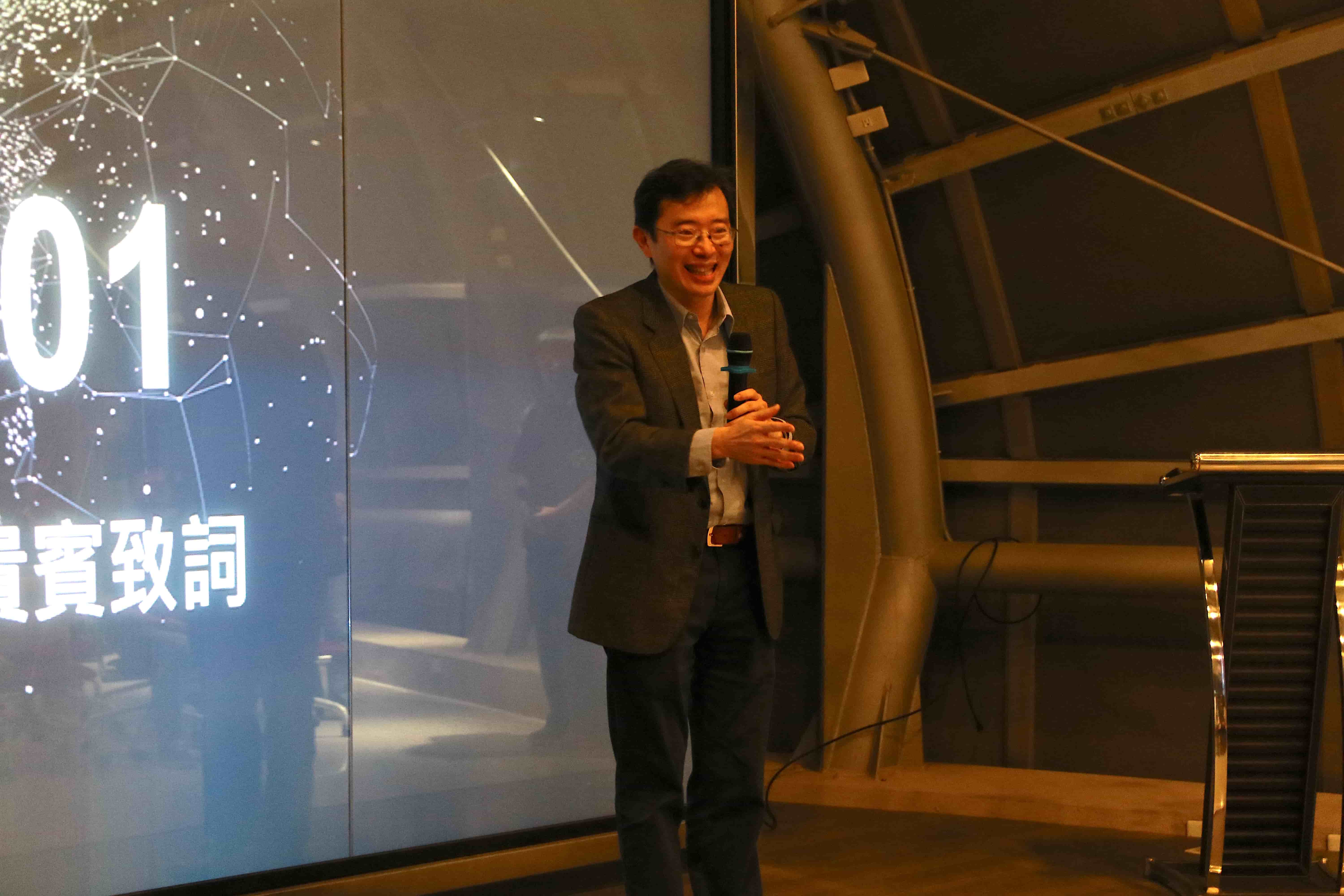
Shih-Chun Wu, Dean of the College of Electrical Engineering and Computer Science at NCKU, said that the NCKU Geriatric Hospital is nearing completion and will in the future provide more opportunities for the practical application and further development of the Kasih App.
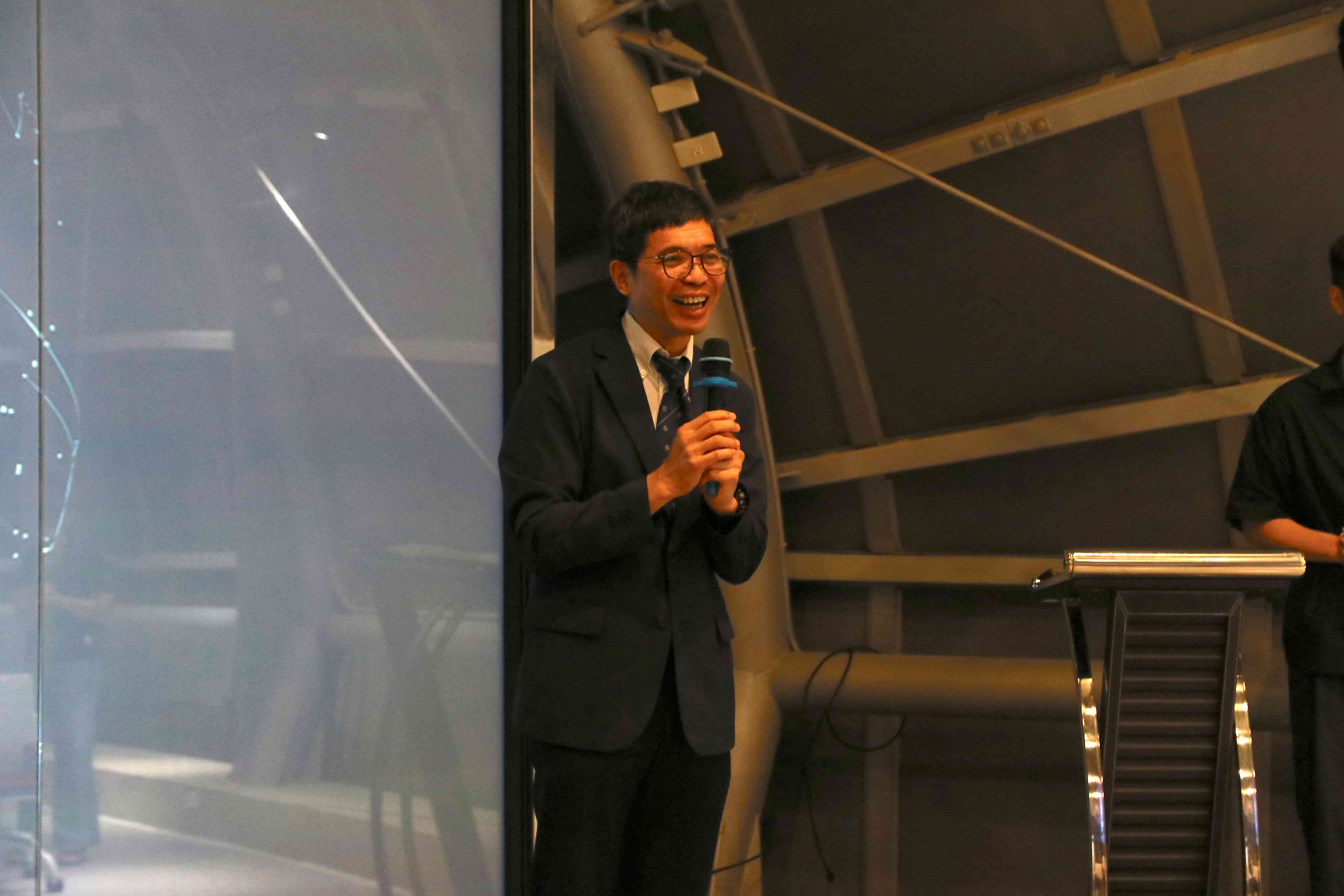
Chin-Liang Ho said that in recent years, the Hakka Affairs Council has collaborated with various organizations to build Hakka language corpora and promote the digitalization of the Hakka language.
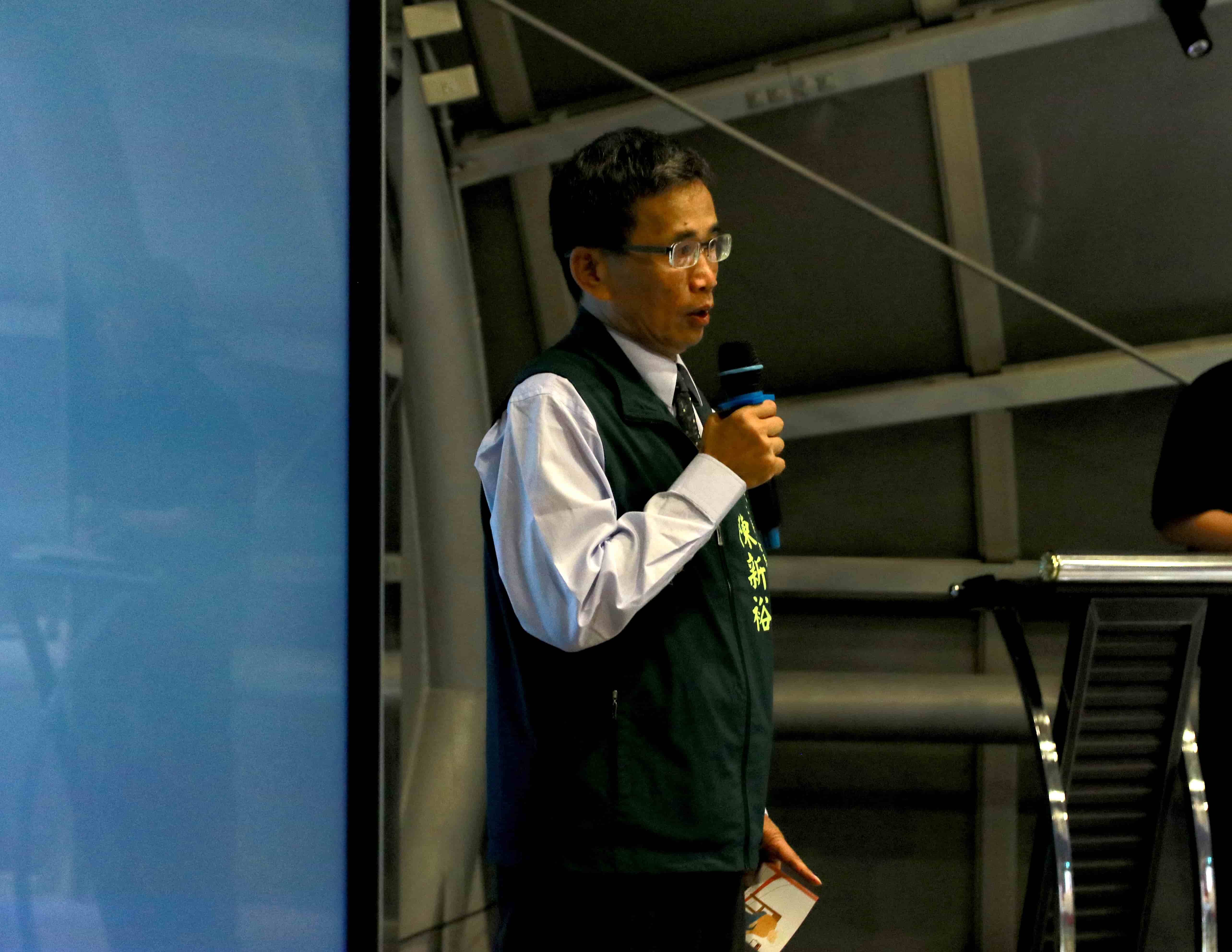
Hsin-Yu Chen, Chairperson of the Tainan City Government Hakka Affairs Commission, said that the Kasih App helps promote the use of the Hakka language, increases its visibility in daily life, and enables more people to rediscover and engage with Hakka culture.
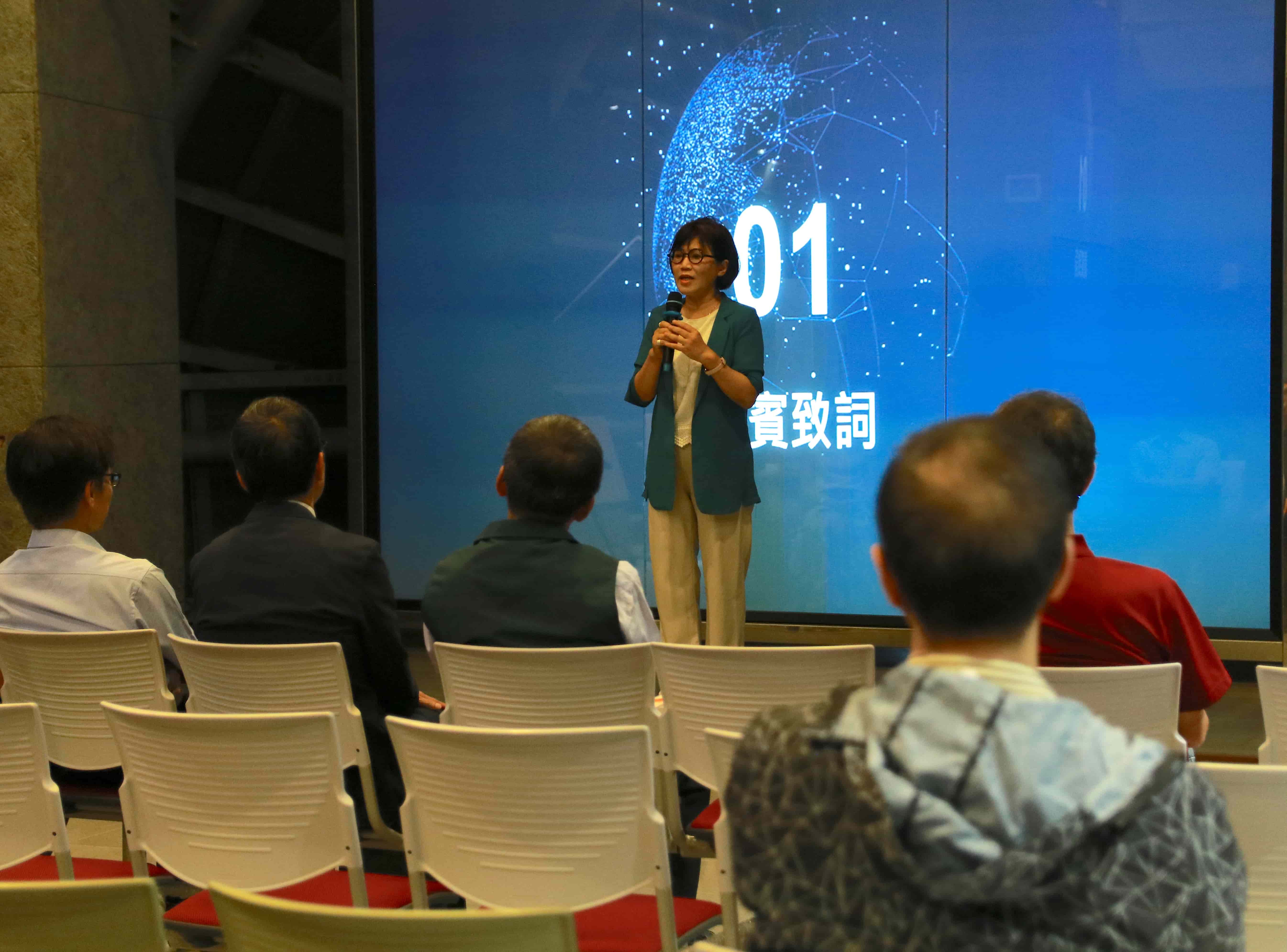
Jui-Hsi Hsu, Chairperson of the Taiwan Association for Foreign Workers Development, shared in her remarks that many of the problems faced by migrant workers in Taiwan are actually related to communication misunderstandings.
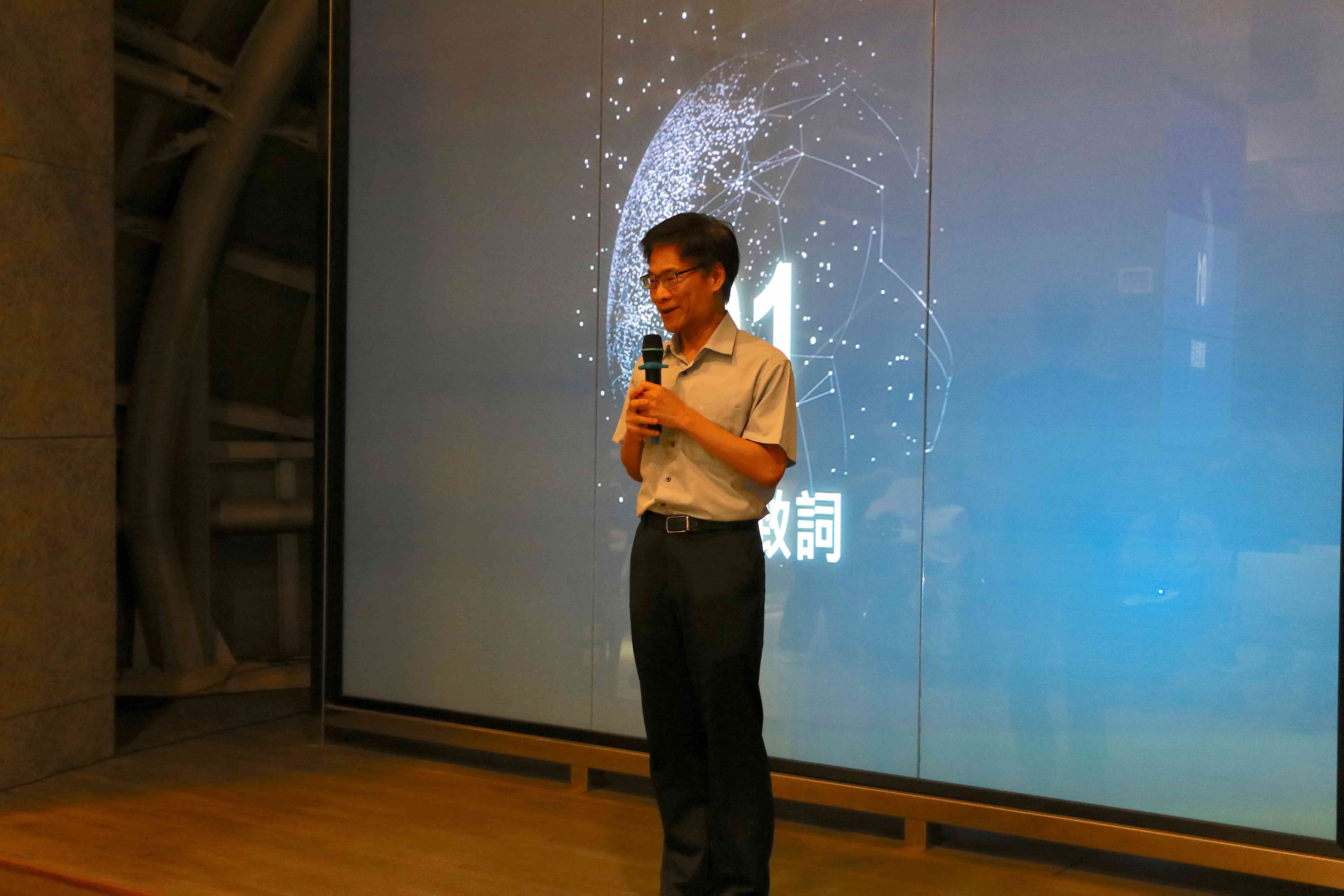
Chuan-Pu Liu, Vice President for Research and Development at NCKU, stated that the app also has the potential to be extended to fields such as tourism and cross-cultural exchange, continuously expanding its scope of application and social value.
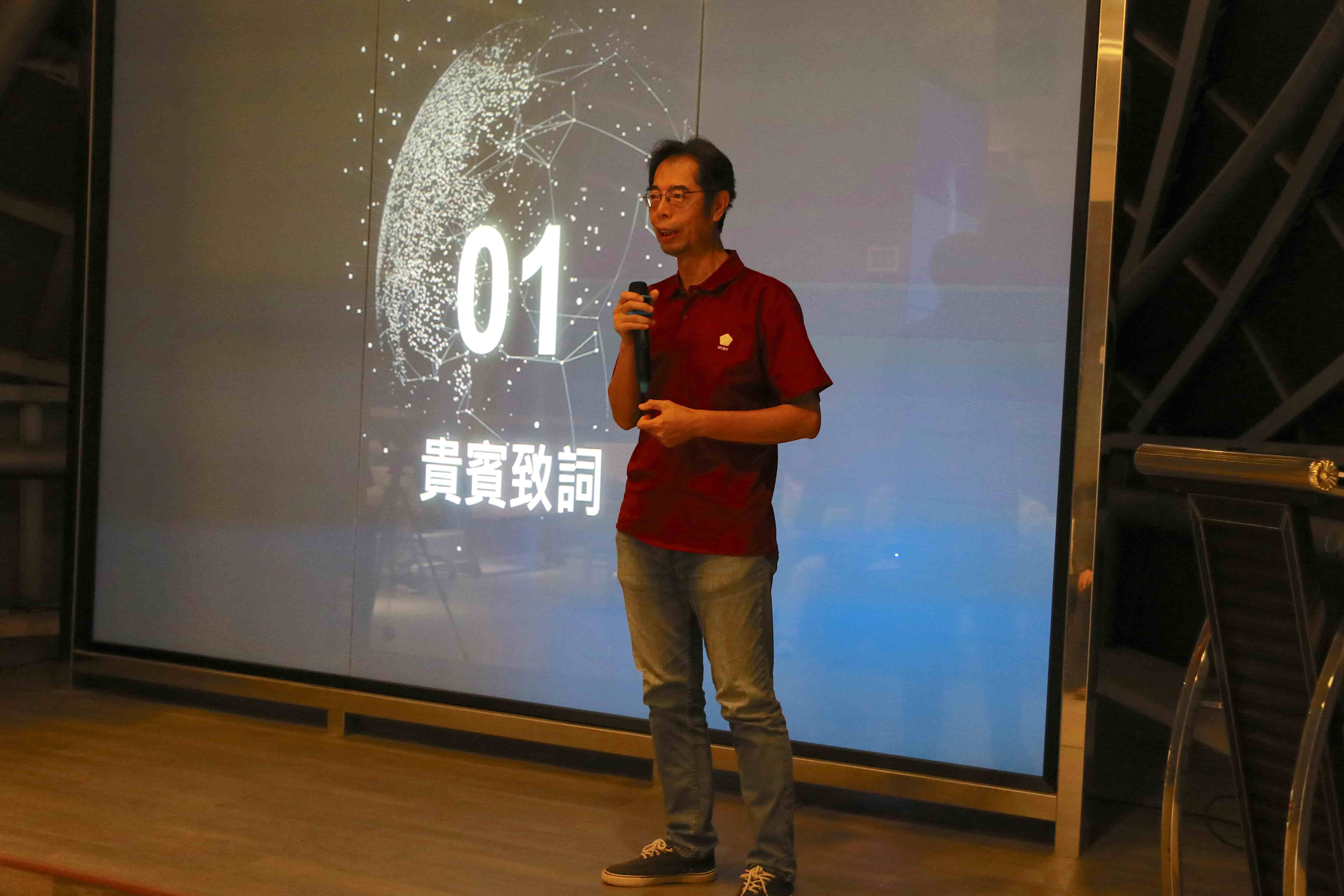
Associate Chair Chung-Ping Yang of the Department of Computer Science and Information Engineering said he hopes that as more users join, new issues and user needs can continue to be identified, allowing the Kasih App to be continuously improved, gradually refined, and better aligned with user needs to provide more tailored services.
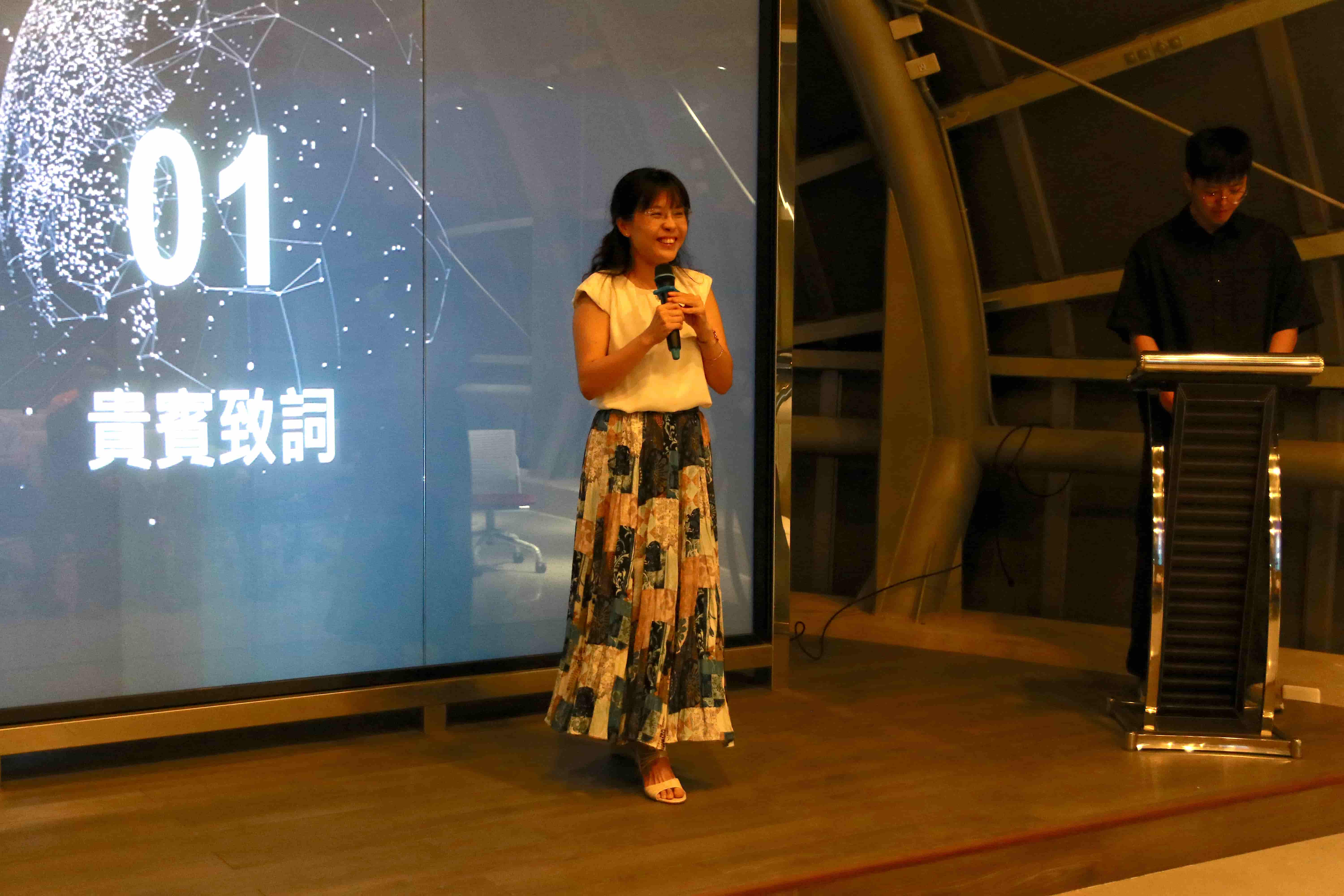
“‘Kasih’ means ‘love’ in Indonesian,” said Professor Ching-Ju Chiu of the Institute of Gerontology at NCKU. “The name carries the hope of connecting many people, and we hope the Kasih App can facilitate smooth communication among migrant caregivers, older adults, and their families.”
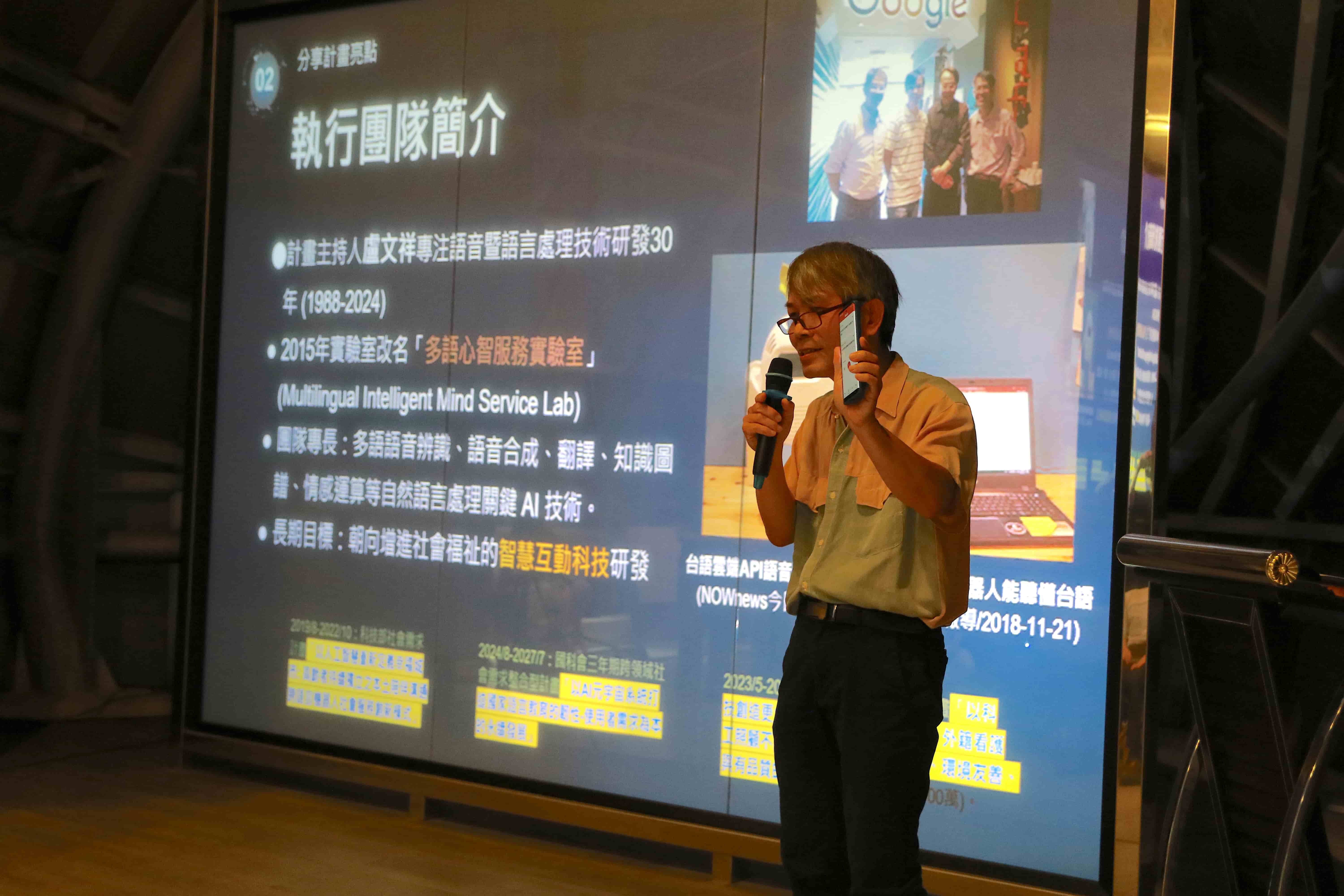
Project leader Professor Wen-Hsiang Lu demonstrated how to use the Kasih App during the event.