



SDG9
【Phoenix Lecture】 NDC Minister Chun-Hsien Yeh Delivers Speech at NCKU, Focusing on Taiwan’s AI Strategy and Vision
Written by College of Social Sciences NCKU .Image credit to NCKU News Center.
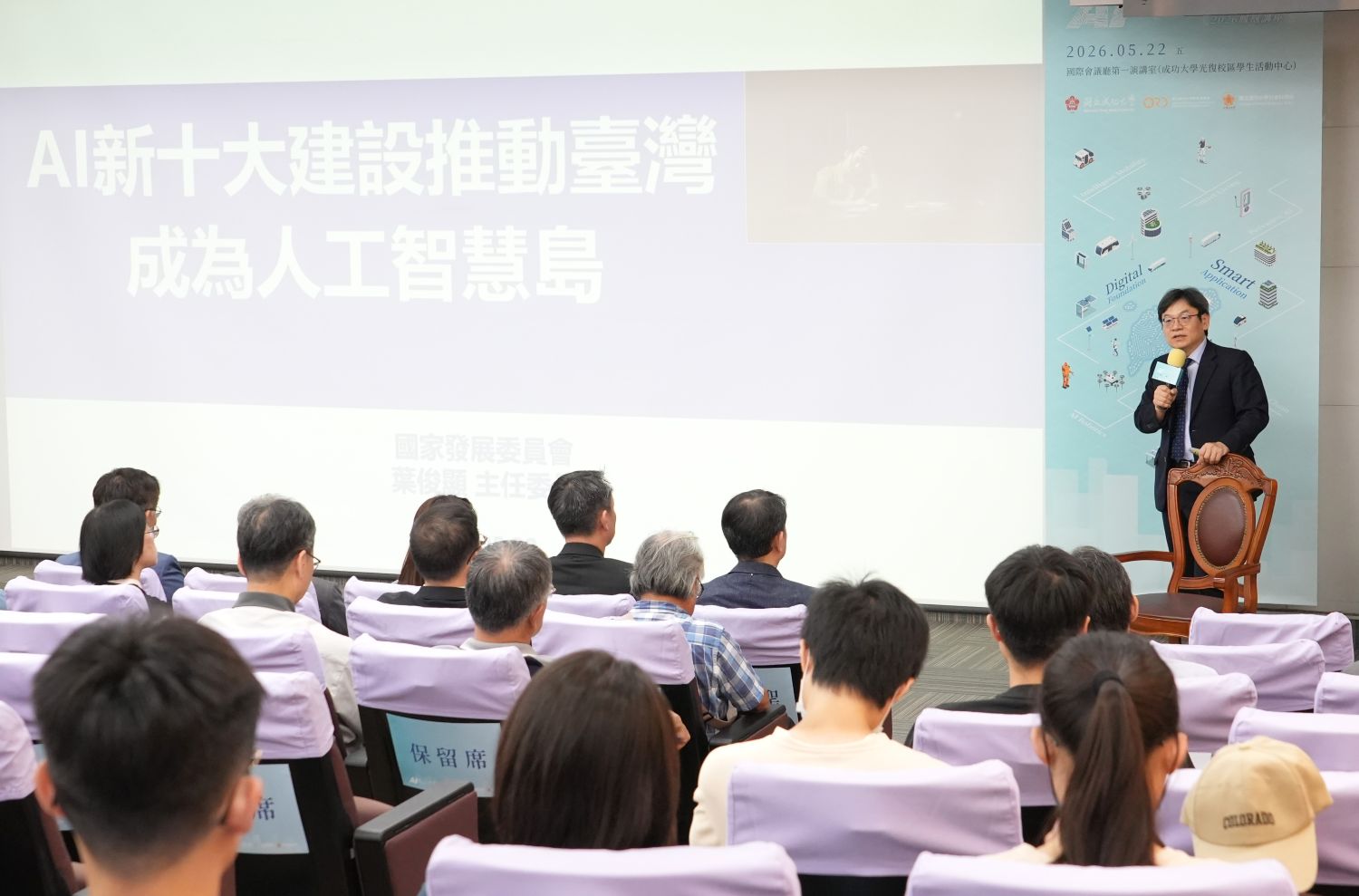
On May 22, National Cheng Kung University (NCKU) hosted a "Phoenix Lecture," inviting Chun-Hsien Yeh, Minister of the National Development Council (NDC), to speak on the topic: "Driving Taiwan to Become an Artificial Intelligence Island through the Ten New AI Infrastructure Projects." He analyzed the strategic landscape of the global AI race, as well as the government’s overall blueprint and concrete actions for promoting the “10 AI Visions.” He emphasized that amid the wave of AI development, the government will serve as a strong backing for both industries and citizens, ensuring that the benefits of AI are accessible to everyone.
In his opening remarks, NCKU President Meng-Ru Shen stated that the university's development in downtown Tainan has reached saturation. The key to its future lies in the "Shalun Medical Service and Innovation Park," a massive project requiring national financial support. The President of Taiwan once asked Minister Yeh to assist NCKU, and Minister Yeh gave his full support without hesitation. This major project, which will shape NCKU's development for the next 30 to 40 years, has now entered its final crucial mile. On behalf of the entire university, President Shen expressed his deepest and most sincere gratitude to Minister Yeh, whom he described as one of NCKU’s most important benefactors in recent years.
Before officially beginning his speech, Minister Yeh played a short video depicting a working mother overwhelmed by the demands of family care and her career. With the help of AI, she was able to resolve the conflicts and pressures brought about by childcare, work, family, and eldercare. The video allowed the audience to experience how the widespread democratization of AI benefits daily life, industries, and economic development. Minister Yeh also reminded students that they must strengthen their personal AI capabilities in order to enhance their competitiveness.
Minister Yeh began by analyzing international trends. Under the global AI arms race, Taiwan faces external competition from major countries and regions such as the United States, the European Union, Japan, and South Korea, all of which have already released national-level AI strategies. While Taiwan leads globally in AI manufacturing, its global market share in smart applications is less than 1%. Internal challenges include industrial transformation, a super-aged society, and a labor shortage crisis. However, adopting AI technology can boost production efficiency across all trades and professions. Developing robotics and automation represents the physical implementation of AI, which can be deployed in long-term care services to fill labor gaps. Utilizing AI will help address the declining birth rate and labor shortages while enhancing industrial value and competitiveness.
In the past, Taiwan's "10 Major Construction Projects" or "14 Major Construction Projects" were all tangible physical infrastructures. Today's "10 New AI Infrastructure Projects" may not necessarily be visible or touchable, but they undeniably exist and can be experienced. Throughout his speech, Minister Yeh frequently used real-life examples, including telemedicine and traffic lights that dynamically adjust their timing based on traffic flow, to inspire the audience's imagination regarding smart living.
The "10 New AI Infrastructure Projects" cover three major directions: smart applications, core technologies, and digital infrastructure. The goal is to create an output value of over NT$15 trillion, 500,000 high-paying jobs, and three international laboratories by 2040, transforming Taiwan into a smart technology island.
Minister Yeh pointed out that the ultimate objective of these three directions is to realize a "Smart Living Circle for All Citizens." Digital infrastructure, which can also be viewed as the AI transformation of the government, involves the government sparking the initiative and utilizing public-private partnerships to strengthen AI-related infrastructure, as well as talent cultivation and recruitment. This, in turn, supports the development of core technologies like silicon photonics and quantum computing, along with smart applications across various industries. The ultimate aim is to create a citizen-centric Smart Living Circle, where AI smart services are comprehensively implemented across the board.
Minister Yeh's lecture attracted enthusiastic attendance from faculty and students across the university. After the speech, an audience member raised concerns about the power supply required for AI development. Minister Yeh noted that Taiwan Power Company has already assessed electricity supply and demand for the next 10 years and will be adding multiple generator units. The Energy Administration Act also requires major electricity consumers to install a certain capacity of self-use power generation and energy storage equipment. As for nuclear energy, Minister Yeh emphasized that nuclear power is a form of preparation, similar to purchasing insurance. Restarting nuclear power would only be possible under three major conditions: guaranteed nuclear safety, resolved nuclear waste issues, and a clear social consensus.
Speaker Profile:
Minister Chun-Hsien Yeh holds a Ph.D. in Economics from the University of Rochester in the US. He currently serves as the Minister of the National Development Council and a Research Fellow at the Institute of Economics, Academia Sinica. He previously served as an Associate Professor in the Department of Economics at National Central University, where he won both the Outstanding New Faculty Award and the Outstanding Research Award within just one year. He has received numerous honors, including the National Science and Technology Council's (NSTC) "2008 Ta-You Wu Memorial Award" and the "2011 Outstanding Research Award." Multiple papers of his have been published in Tier A and A-level economics journals evaluated by the NSTC. His research expertise includes game theory, fair mechanism design, mathematical economics, and public and political economics.
Provider: NCKU News Center
Date: 2026-05-26
On May 22, National Cheng Kung University (NCKU) hosted a "Phoenix Lecture," inviting Chun-Hsien Yeh, Minister of the National Development Council (NDC), to speak on the topic: "Driving Taiwan to Become an Artificial Intelligence Island through the Ten New AI Infrastructure Projects." He analyzed the strategic landscape of the global AI race, as well as the government’s overall blueprint and concrete actions for promoting the “10 AI Visions.” He emphasized that amid the wave of AI development, the government will serve as a strong backing for both industries and citizens, ensuring that the benefits of AI are accessible to everyone.
In his opening remarks, NCKU President Meng-Ru Shen stated that the university's development in downtown Tainan has reached saturation. The key to its future lies in the "Shalun Medical Service and Innovation Park," a massive project requiring national financial support. The President of Taiwan once asked Minister Yeh to assist NCKU, and Minister Yeh gave his full support without hesitation. This major project, which will shape NCKU's development for the next 30 to 40 years, has now entered its final crucial mile. On behalf of the entire university, President Shen expressed his deepest and most sincere gratitude to Minister Yeh, whom he described as one of NCKU’s most important benefactors in recent years.
Before officially beginning his speech, Minister Yeh played a short video depicting a working mother overwhelmed by the demands of family care and her career. With the help of AI, she was able to resolve the conflicts and pressures brought about by childcare, work, family, and eldercare. The video allowed the audience to experience how the widespread democratization of AI benefits daily life, industries, and economic development. Minister Yeh also reminded students that they must strengthen their personal AI capabilities in order to enhance their competitiveness.
Minister Yeh began by analyzing international trends. Under the global AI arms race, Taiwan faces external competition from major countries and regions such as the United States, the European Union, Japan, and South Korea, all of which have already released national-level AI strategies. While Taiwan leads globally in AI manufacturing, its global market share in smart applications is less than 1%. Internal challenges include industrial transformation, a super-aged society, and a labor shortage crisis. However, adopting AI technology can boost production efficiency across all trades and professions. Developing robotics and automation represents the physical implementation of AI, which can be deployed in long-term care services to fill labor gaps. Utilizing AI will help address the declining birth rate and labor shortages while enhancing industrial value and competitiveness.
In the past, Taiwan's "10 Major Construction Projects" or "14 Major Construction Projects" were all tangible physical infrastructures. Today's "10 New AI Infrastructure Projects" may not necessarily be visible or touchable, but they undeniably exist and can be experienced. Throughout his speech, Minister Yeh frequently used real-life examples, including telemedicine and traffic lights that dynamically adjust their timing based on traffic flow, to inspire the audience's imagination regarding smart living.
The "10 New AI Infrastructure Projects" cover three major directions: smart applications, core technologies, and digital infrastructure. The goal is to create an output value of over NT$15 trillion, 500,000 high-paying jobs, and three international laboratories by 2040, transforming Taiwan into a smart technology island.
Minister Yeh pointed out that the ultimate objective of these three directions is to realize a "Smart Living Circle for All Citizens." Digital infrastructure, which can also be viewed as the AI transformation of the government, involves the government sparking the initiative and utilizing public-private partnerships to strengthen AI-related infrastructure, as well as talent cultivation and recruitment. This, in turn, supports the development of core technologies like silicon photonics and quantum computing, along with smart applications across various industries. The ultimate aim is to create a citizen-centric Smart Living Circle, where AI smart services are comprehensively implemented across the board.
Minister Yeh's lecture attracted enthusiastic attendance from faculty and students across the university. After the speech, an audience member raised concerns about the power supply required for AI development. Minister Yeh noted that Taiwan Power Company has already assessed electricity supply and demand for the next 10 years and will be adding multiple generator units. The Energy Administration Act also requires major electricity consumers to install a certain capacity of self-use power generation and energy storage equipment. As for nuclear energy, Minister Yeh emphasized that nuclear power is a form of preparation, similar to purchasing insurance. Restarting nuclear power would only be possible under three major conditions: guaranteed nuclear safety, resolved nuclear waste issues, and a clear social consensus.
Speaker Profile:
Minister Chun-Hsien Yeh holds a Ph.D. in Economics from the University of Rochester in the US. He currently serves as the Minister of the National Development Council and a Research Fellow at the Institute of Economics, Academia Sinica. He previously served as an Associate Professor in the Department of Economics at National Central University, where he won both the Outstanding New Faculty Award and the Outstanding Research Award within just one year. He has received numerous honors, including the National Science and Technology Council's (NSTC) "2008 Ta-You Wu Memorial Award" and the "2011 Outstanding Research Award." Multiple papers of his have been published in Tier A and A-level economics journals evaluated by the NSTC. His research expertise includes game theory, fair mechanism design, mathematical economics, and public and political economics.
Provider: NCKU News Center
Date: 2026-05-26
Minister Chun-Hsien Yeh delivers a speech on the theme "Driving Taiwan to Become an Artificial Intelligence Island through the Ten New AI Infrastructure Projects."
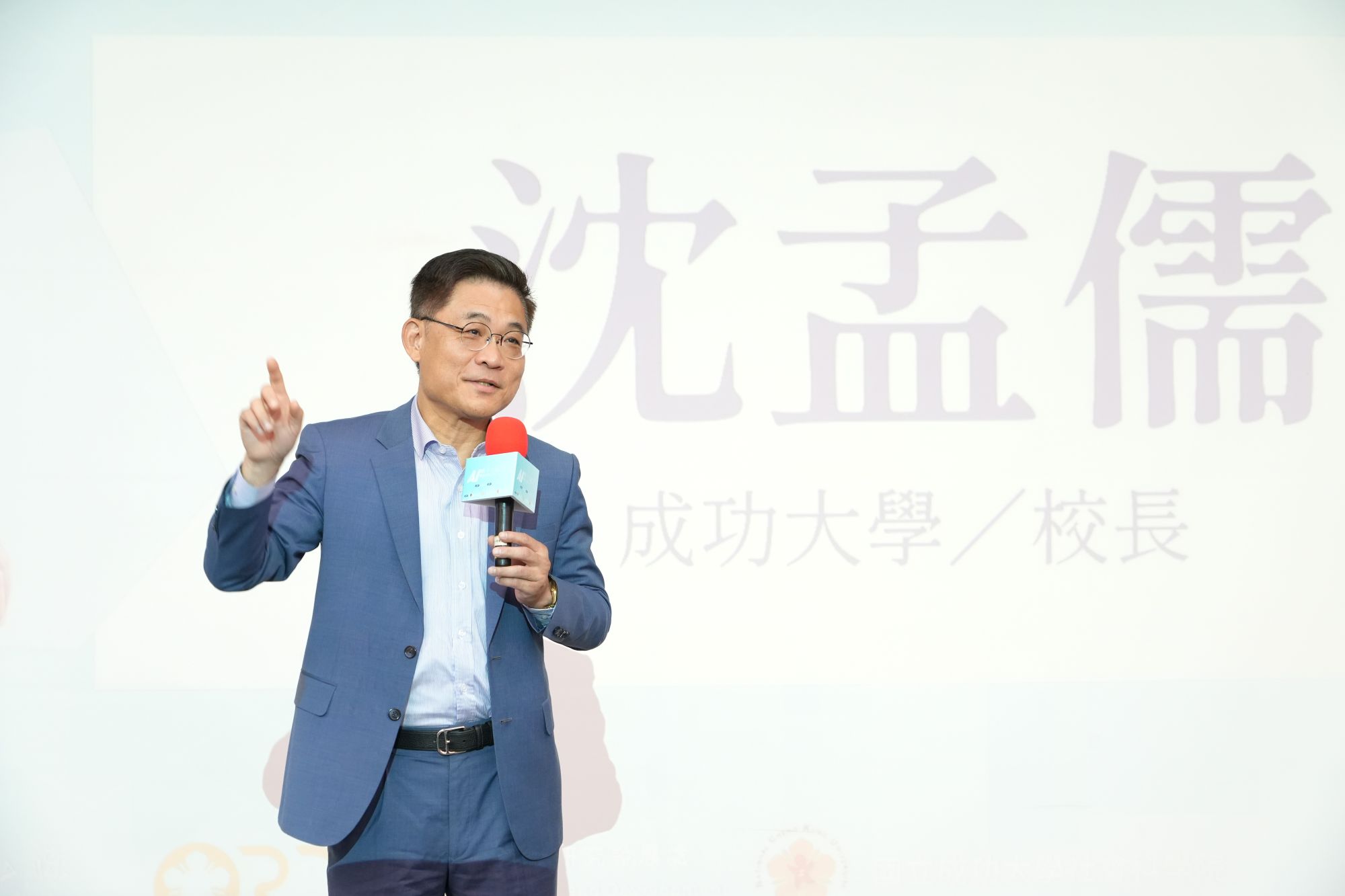
President Meng-Ru Shen thanks Minister Chun-Hsien Yeh for his strong support of NCKU's development.
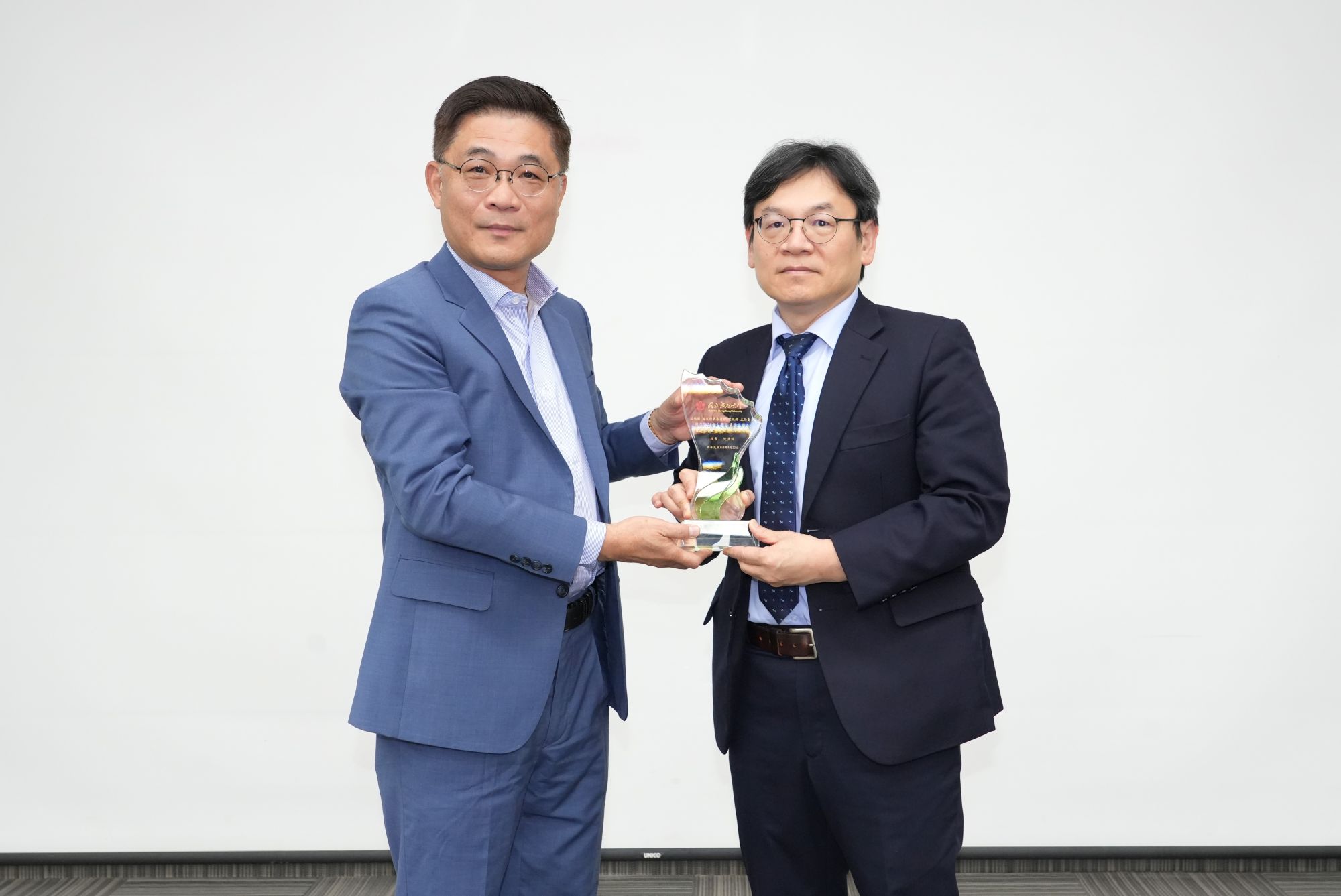
President Meng-Ru Shen (left) presents a plaque of appreciation to Minister Chun-Hsien Yeh (right).
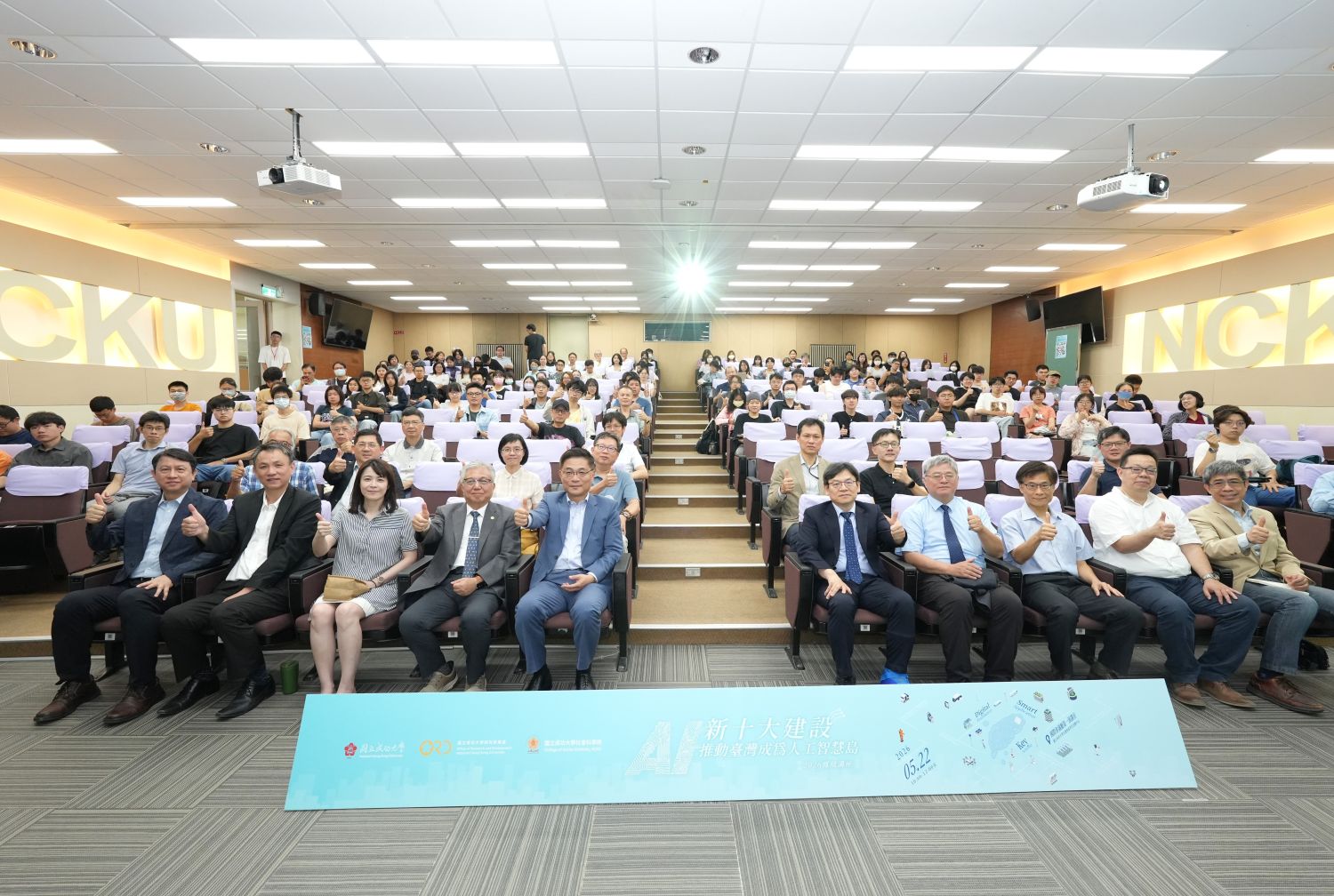
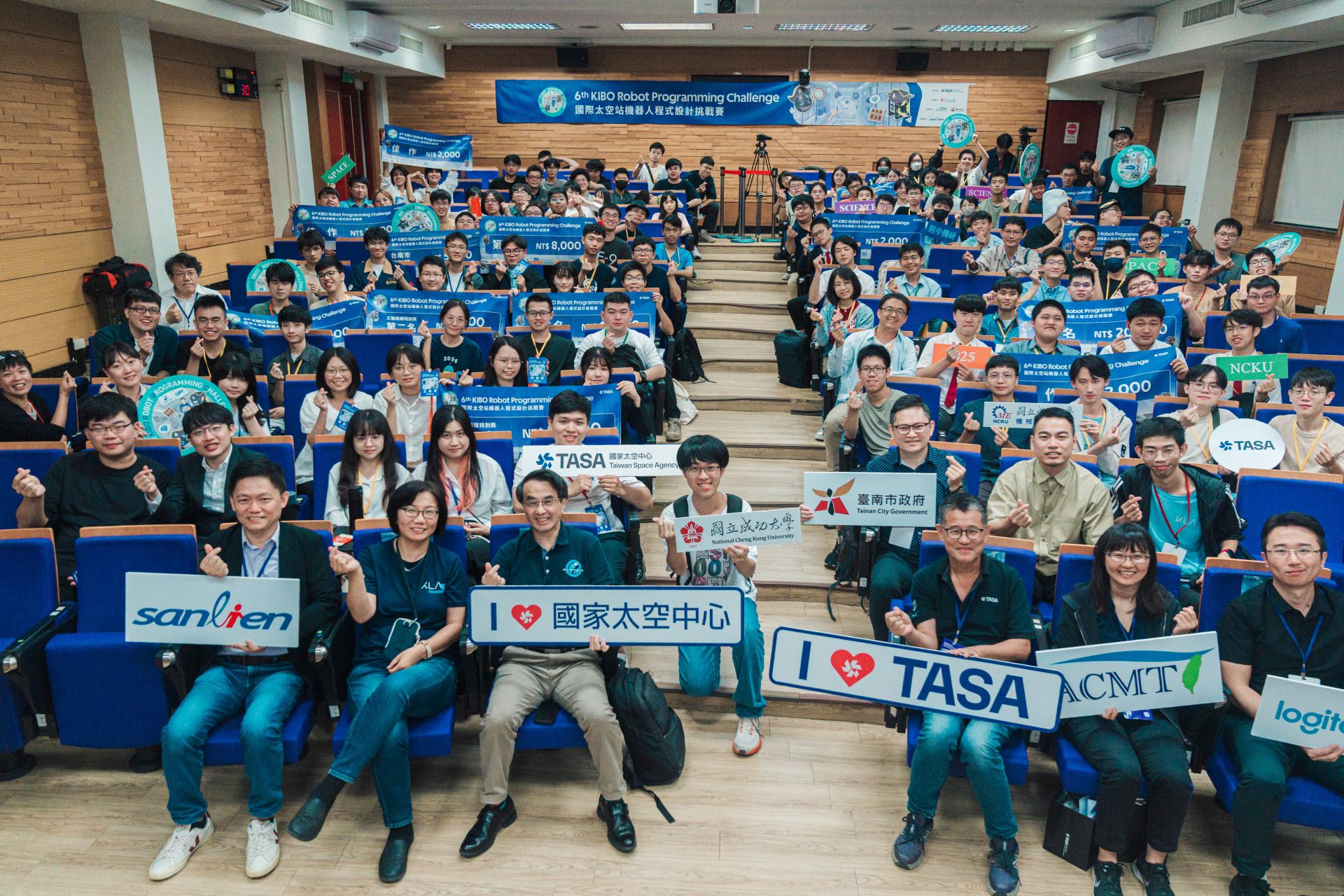
Group photo.
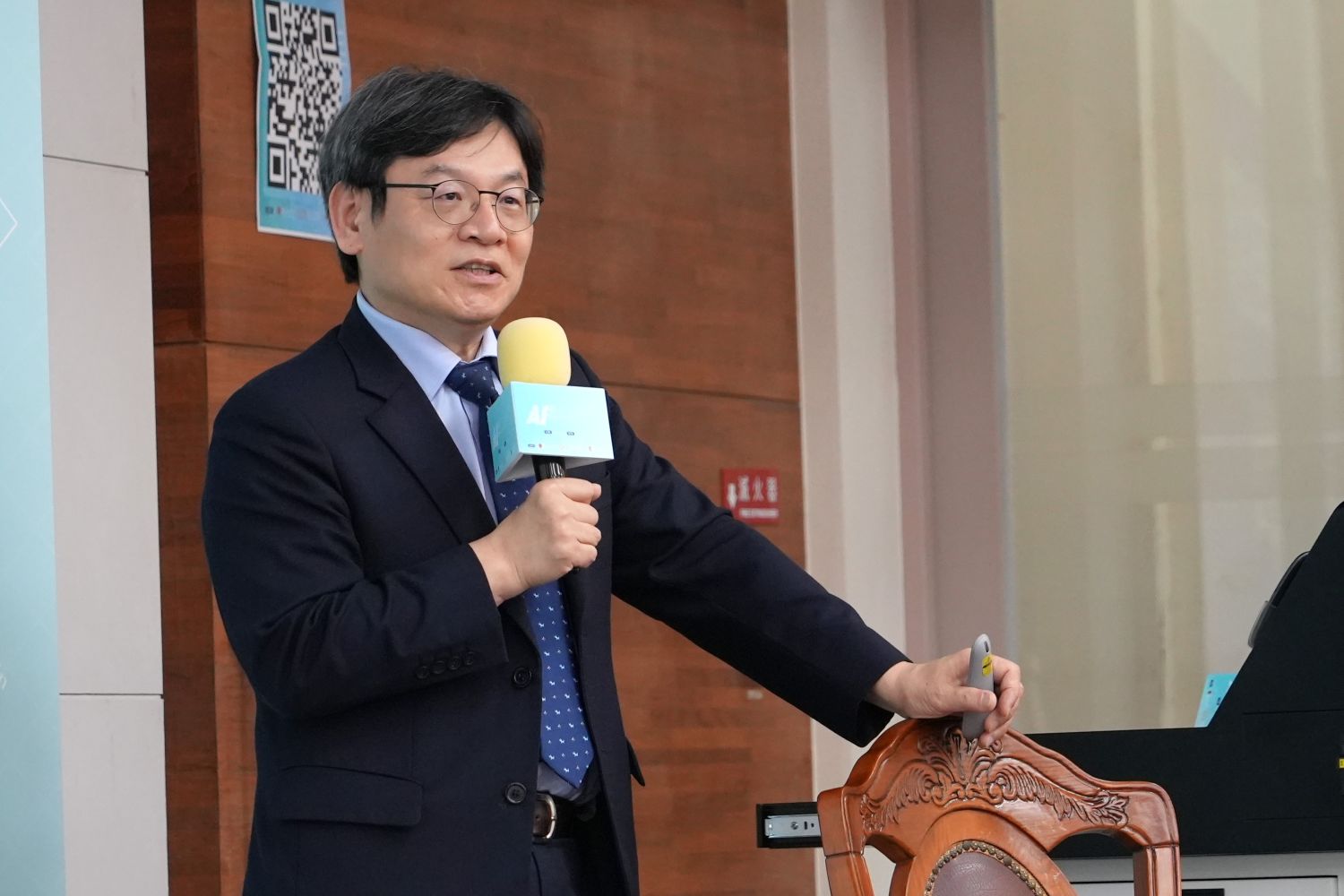
Minister Chun-Hsien Yeh points out that AI can become a new growth engine for Taiwan's economy.