




SDG9
AI in Higher Education Forum Series: Transforming Manufacturing with AI
Edited by NCKU Office of Research and Development / NCKU News Center
Image Credit to NCKU Office of Research and Development / NCKU News Center
National Cheng Kung University (NCKU) hosted the third session of its “AI in Higher Education Forum Series: Transforming Manufacturing with AI” on May 26 at the Macronix Hall. The forum opened with a keynote address by Chair Professor Chung-Hsien Wu of the Department of Computer Science and Information Engineering, a recipient of the 2025 NSTC Outstanding Research Award. His talk, titled “When AI Understands Feelings: Affective Computing Leading a New Era of Smart Mental Healthcare,” explored interdisciplinary research that integrates AI with human emotional perception, offering fresh perspectives on the convergence of artificial intelligence and humanistic care. The program continued with sessions centered on three key themes: AI–Human Interaction, AI in Agriculture and Clinical Applications, and AI in Space and Materials. The forum also featured a Poster Walk, showcasing cutting-edge AI technologies and innovative applications developed by NCKU research teams. Through active exchange and dialogue, the event fostered new momentum for innovative research and development while highlighting the broad potential of AI applications. The forum drew enthusiastic participation from NCKU faculty and students, and was further enriched by the presence of teachers and students from Tainan First Senior High School, as well as representatives from industry partners. Their participation deepened interdisciplinary engagement and broadening the scope of university–industry collaboration.
In his opening remarks, NCKU Executive Vice President Shyy-Woei Chang emphasized that artificial intelligence is reshaping every aspect of modern life, and has become an essential force to understand, adopt, and apply. He noted that NCKU’s AI development roadmap was launched three years ago under the leadership of President Meng-Ru Shen, with Executive Vice President Yao-Hwang Kuo overseeing the TITAN Plan — Technological Innovation and Transformation in AI at NCKU. The initiative advances AI development across teaching, research, and innovation, while strengthening foundational computing infrastructure and conducting in-depth assessments of AI needs across diverse industries. Looking ahead, NCKU aims to establish a future AI Hub to help businesses and industries of all kinds make effective use of AI. In closing, Executive Vice President Chang encouraged participants to seize this pivotal moment in the AI era by deepening their professional expertise and leveraging AI to broaden the impact of their future achievements.
In 2026, NCKU’s AI Forum Series, organized around the university’s strategic development priorities, is scheduled to feature four sessions. The first two sessions, hosted respectively by the Office of Academic Affairs and the Miin Wu School of Computing, focused on the integration of AI technologies into teaching and the practical applications of AI robotics. The third session, themed “AI in Manufacturing,” centered on “Transforming Manufacturing with AI.” The forum explored the impact of AI-driven scientific development on humanistic education and care, as well as the growing integration between these fields. Through multidisciplinary lens, the session highlighted how AI is advancing innovative research across mechanical engineering, biomedicine, agriculture, aerospace, and materials science. The forum provided participants with a broader understanding of how AI technologies can foster innovation, bridge disciplinary boundaries, and generate new momentum for research and development.
As AI technologies continue to evolve at a rapid pace, NCKU remains committed to a thoughtful and forward-looking approach, focusing on five key areas: humanistic values, health and well-being, net-zero carbon emissions, intelligent environmental control, and resilient disaster prevention. In recent years, the University has continued to advance interdisciplinary research by integrating expertise across fields, extending academic inquiry beyond the ivory tower and strengthening the real-world impact of scientific research. In 2026, NCKU will continue to promote the NCKU Frontier and Sprout Research Projects and the AI Summit Project, actively responding to the challenges of the AI era while guiding faculty and students forward with confidence. Through these efforts, NCKU aims to position technology as a key driver of education innovation and social development, while further reinforcing its role as a vital force in Taiwan’s sustainable progress.
Provider: NCKU News Center
Date: 2026-05-29
Image Credit to NCKU Office of Research and Development / NCKU News Center
National Cheng Kung University (NCKU) hosted the third session of its “AI in Higher Education Forum Series: Transforming Manufacturing with AI” on May 26 at the Macronix Hall. The forum opened with a keynote address by Chair Professor Chung-Hsien Wu of the Department of Computer Science and Information Engineering, a recipient of the 2025 NSTC Outstanding Research Award. His talk, titled “When AI Understands Feelings: Affective Computing Leading a New Era of Smart Mental Healthcare,” explored interdisciplinary research that integrates AI with human emotional perception, offering fresh perspectives on the convergence of artificial intelligence and humanistic care. The program continued with sessions centered on three key themes: AI–Human Interaction, AI in Agriculture and Clinical Applications, and AI in Space and Materials. The forum also featured a Poster Walk, showcasing cutting-edge AI technologies and innovative applications developed by NCKU research teams. Through active exchange and dialogue, the event fostered new momentum for innovative research and development while highlighting the broad potential of AI applications. The forum drew enthusiastic participation from NCKU faculty and students, and was further enriched by the presence of teachers and students from Tainan First Senior High School, as well as representatives from industry partners. Their participation deepened interdisciplinary engagement and broadening the scope of university–industry collaboration.
In his opening remarks, NCKU Executive Vice President Shyy-Woei Chang emphasized that artificial intelligence is reshaping every aspect of modern life, and has become an essential force to understand, adopt, and apply. He noted that NCKU’s AI development roadmap was launched three years ago under the leadership of President Meng-Ru Shen, with Executive Vice President Yao-Hwang Kuo overseeing the TITAN Plan — Technological Innovation and Transformation in AI at NCKU. The initiative advances AI development across teaching, research, and innovation, while strengthening foundational computing infrastructure and conducting in-depth assessments of AI needs across diverse industries. Looking ahead, NCKU aims to establish a future AI Hub to help businesses and industries of all kinds make effective use of AI. In closing, Executive Vice President Chang encouraged participants to seize this pivotal moment in the AI era by deepening their professional expertise and leveraging AI to broaden the impact of their future achievements.
In 2026, NCKU’s AI Forum Series, organized around the university’s strategic development priorities, is scheduled to feature four sessions. The first two sessions, hosted respectively by the Office of Academic Affairs and the Miin Wu School of Computing, focused on the integration of AI technologies into teaching and the practical applications of AI robotics. The third session, themed “AI in Manufacturing,” centered on “Transforming Manufacturing with AI.” The forum explored the impact of AI-driven scientific development on humanistic education and care, as well as the growing integration between these fields. Through multidisciplinary lens, the session highlighted how AI is advancing innovative research across mechanical engineering, biomedicine, agriculture, aerospace, and materials science. The forum provided participants with a broader understanding of how AI technologies can foster innovation, bridge disciplinary boundaries, and generate new momentum for research and development.
As AI technologies continue to evolve at a rapid pace, NCKU remains committed to a thoughtful and forward-looking approach, focusing on five key areas: humanistic values, health and well-being, net-zero carbon emissions, intelligent environmental control, and resilient disaster prevention. In recent years, the University has continued to advance interdisciplinary research by integrating expertise across fields, extending academic inquiry beyond the ivory tower and strengthening the real-world impact of scientific research. In 2026, NCKU will continue to promote the NCKU Frontier and Sprout Research Projects and the AI Summit Project, actively responding to the challenges of the AI era while guiding faculty and students forward with confidence. Through these efforts, NCKU aims to position technology as a key driver of education innovation and social development, while further reinforcing its role as a vital force in Taiwan’s sustainable progress.
Provider: NCKU News Center
Date: 2026-05-29
The third session of NCKU AI Forum series was hosted on May 26 at the Macronix Hall , highlighting AI’s role in advancing science education, research innovation, and society-oriented applications.

As AI continues to reshape every aspect of modern life, NCKU Executive Vice President Shyy-Woei Chang encouraged forum participants to strengthen their professional expertise and harness AI to expand the impact of their future achievements.

Chair Professor Chung-Hsien Wu delivered a keynote address on the convergence of AI, human perceptual capabilities, and humanistic care.

The third session of the NCKU AI Forum Series highlighted three key themes and featured a Poster Walk showcasing NCKU’s cutting-edge AI technologies and innovative applications.

The third session of the 2026 NCKU AI Forum Series drew enthusiastic participation from NCKU faculty and students, Tainan First Senior High School, and industry partners.
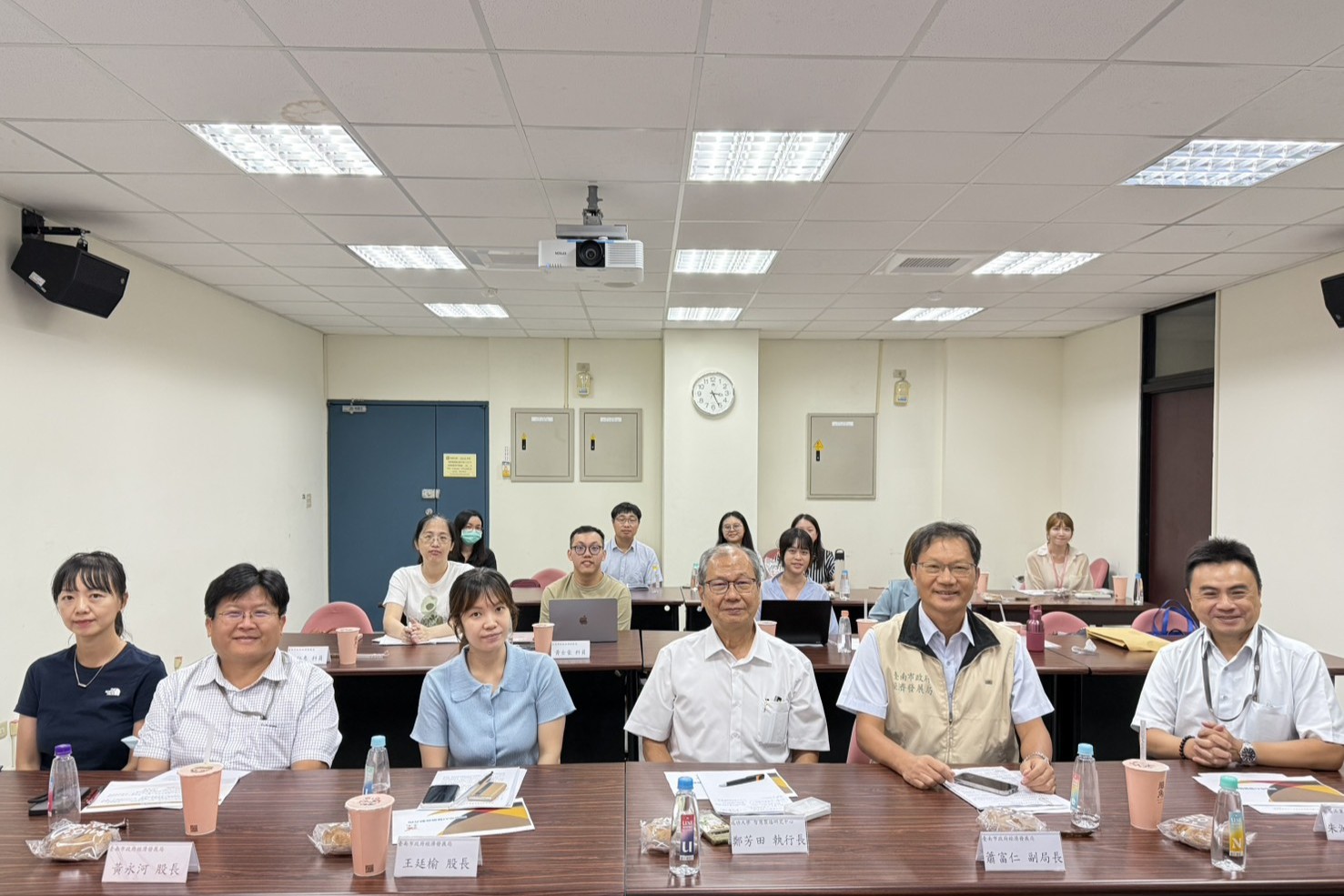
SDG9Tainan City Government Economic Development Bureau Visits NCKU to Exchange Strategies on Advancing Industrial AI Transformation
View more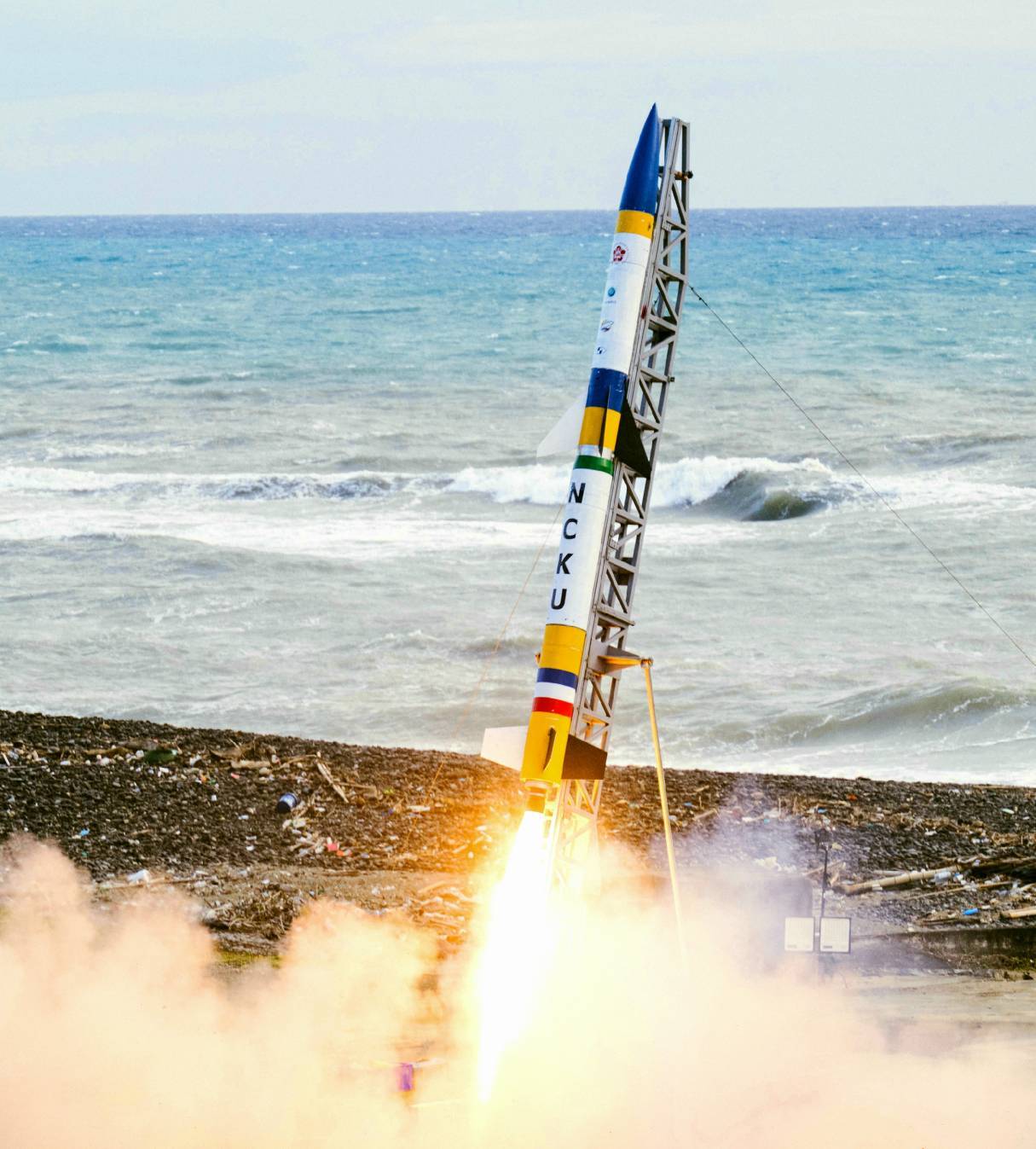
SDG9NCKU's Two-stage Hybrid Rocket was Successfully Launched at the Syuhai Scientific Research Rocket Launch Site
View more