



SDG4
NCKU Drama Therapy Course Final Showcase Presents Psychodrama Trilogy
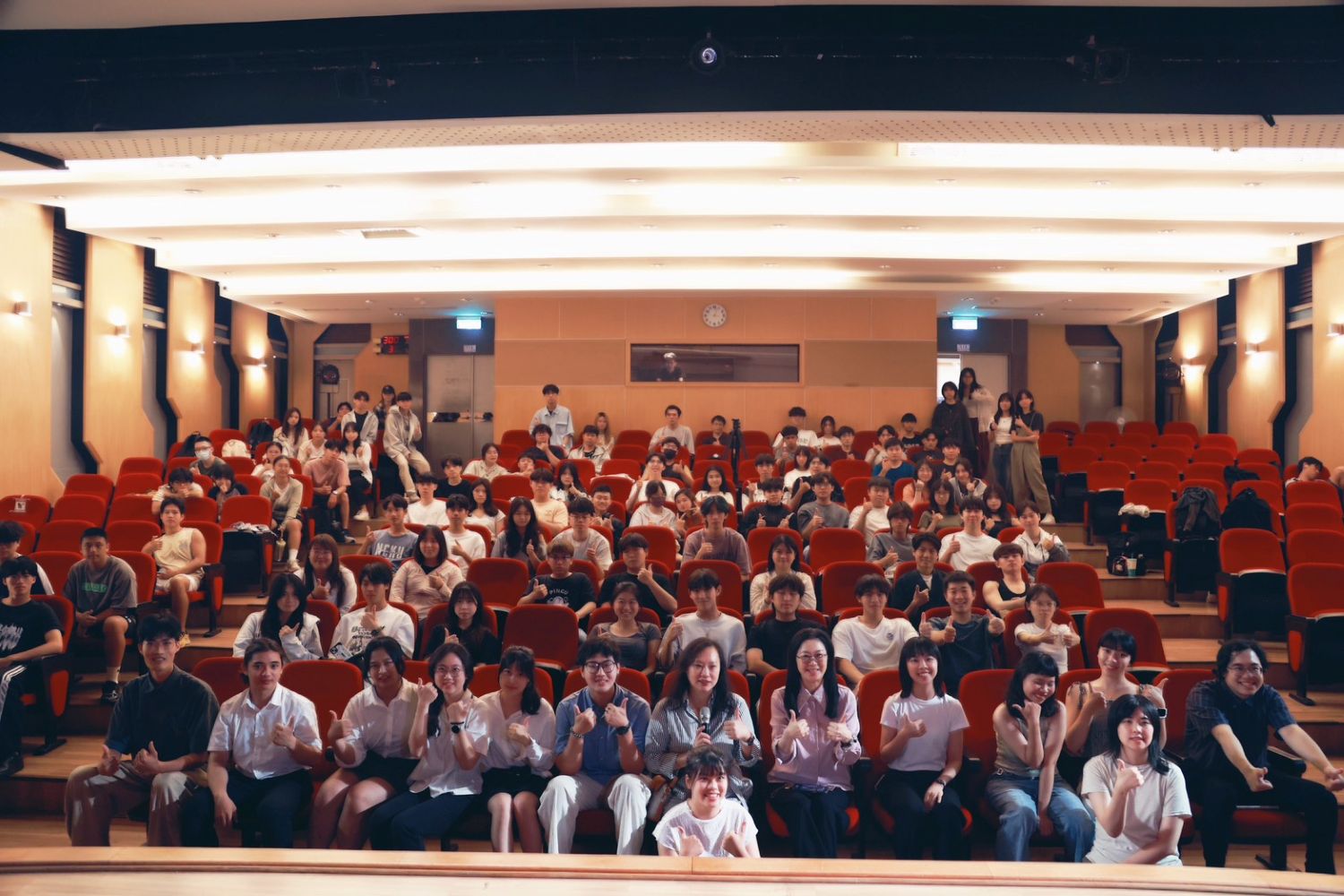
The final showcase of National Cheng Kung University (NCKU) course “Special Topics in Drama Therapy and Performance,” titled Psychodrama Trilogy, was warmly presented on the afternoon of May 27 at the Phoenix Theater on the Kuang-Fu Campus. The event forms part of the fall semester of the 2026 academic year interdisciplinary theater program exhibition organized by the NCKU College of Liberal Arts. In this production, Professor Chiu-Fang Hsu of the Institute of Art Studies and the Graduate Program in Drama Therapy and Performance led students in transforming real-life stories into psychodramatic performances, demonstrating the profound healing power of performing arts through self-exploration and dialogue.
Professor Hsu expressed her gratitude to Dean Wen-Sung Chen of the College of Liberal Arts for supporting the project through the university’s research initiative, as well as to Associate Professor Wei-Hsi Ma, convener of the drama program, for her encouragement and support, which made this full-scale production possible. She noted that the course focuses on creative drama, psychodrama techniques, role transformation, and psychodramatic creation. Through hands-on practice, students explore life experiences, develop self-identity, and complete creative works aimed at therapeutic expression. Throughout the course, students engaged in listening to one another’s life stories, script development, blocking rehearsals, technical refinement, and theatrical practice.
The Psychodrama Trilogy consists of three distinct parts. Part I, “Our Family Has No Time《我們家沒有時間》,” depicts the warmth within a family and tells the story of a rebellious student “Mao Mao” and “Momo,” who experiences bullying from a coach. After going through various challenges, the siblings learn communication and come to a renewed understanding of the importance of family. In the play, Mao Mao performs live piano, showcasing her talent, while Momo’s storyline is based on real events that were once reported in the news.
Part II, “September 3rd Weather ‘?’《九月三號天氣「?」》,” centers on a sexual harassment incident in a bar, told through an interview-style narrative. It portrays a female protagonist who escapes an oppressive family but later experiences trauma on her 20th birthday night. Ultimately, healing is conveyed through the support of her partner. The production incorporates live interview and broadcast elements, allowing the audience to engage interactively through real-time questioning in an immersive theater experience.
Part III, “The Mustard Depression of a Smoked Chicken Egg Pancake《燻雞蛋餅的芥末憂鬱》,” follows a 65-year-old man, Ah Cheng, who revisits a breakfast shop from the 1960s. He confronts broken trust among peers caused by academic pressure and reflects on youthful emotional struggles and contradictions, ultimately reconciling with his past self.
Master’s student Hong-Yu Yang shared that Professor Hsu guided students to watch films, connect themes to personal experiences, and develop self-awareness through theatrical expression, achieving therapeutic outcomes. He noted that psychodrama has no fixed script; instead, it integrates participants’ lived experiences from family and education, making past events tangible on stage. The performance process reawakened many emotions and allowed participants to revisit their past selves, bringing a sense of healing through reflection. He encouraged others to face their own experiences and cultivate self-love as a foundation for embracing life.
Student Pei-Xuan Zhu stated, “The most valuable outcome is that we came to understand each other better.” She emphasized the importance of mutual support, noting that group discussions and storytelling revealed deeply personal experiences and helped classmates better understand how each person’s life story shapes who they are today. She found warmth and support in the collective process and hopes to convey the significance of companionship through theater.
The course also invited acclaimed theater artist Chia-Jung Chang, Artistic Director of “Theater Above and Below the Water Surface,” to provide professional guidance on dramaturgy and performance creation, and she highly commended the students’ achievements. Participating students came from multiple disciplines, including the Institute of Art Studies ( Wan-Ling Wang, Ssu-Yu Lu, Heng-Ni Chu, Ting-Hsiang Yang, Hong-Yu Yang, Yi-Chen Yang, Pei-Chen Tsai, Chi-En Cheng), the Graduate Program in Drama Therapy and Performance ( Pei-Xuan Chu, Yi-Hsuan Hung, Ching-Chun Shih), as well as students from Taiwanese Literature ( Ying-Chi Huang) and Political Science ( Yi-Chen Tsai). Their interdisciplinary collaboration brought the Psychodrama Trilogy to life as a powerful healing stage work.
Through integrating real-life experiences into scriptwriting and stage practice, students created the original Psychodrama Trilogy, characterized by strong emotional resonance. The production embodies the university’s commitment to social responsibility and humanistic care, turning the final showcase into a journey of emotional healing and self-discovery.
Professor Hsu expressed her gratitude to Dean Wen-Sung Chen of the College of Liberal Arts for supporting the project through the university’s research initiative, as well as to Associate Professor Wei-Hsi Ma, convener of the drama program, for her encouragement and support, which made this full-scale production possible. She noted that the course focuses on creative drama, psychodrama techniques, role transformation, and psychodramatic creation. Through hands-on practice, students explore life experiences, develop self-identity, and complete creative works aimed at therapeutic expression. Throughout the course, students engaged in listening to one another’s life stories, script development, blocking rehearsals, technical refinement, and theatrical practice.
The Psychodrama Trilogy consists of three distinct parts. Part I, “Our Family Has No Time《我們家沒有時間》,” depicts the warmth within a family and tells the story of a rebellious student “Mao Mao” and “Momo,” who experiences bullying from a coach. After going through various challenges, the siblings learn communication and come to a renewed understanding of the importance of family. In the play, Mao Mao performs live piano, showcasing her talent, while Momo’s storyline is based on real events that were once reported in the news.
Part II, “September 3rd Weather ‘?’《九月三號天氣「?」》,” centers on a sexual harassment incident in a bar, told through an interview-style narrative. It portrays a female protagonist who escapes an oppressive family but later experiences trauma on her 20th birthday night. Ultimately, healing is conveyed through the support of her partner. The production incorporates live interview and broadcast elements, allowing the audience to engage interactively through real-time questioning in an immersive theater experience.
Part III, “The Mustard Depression of a Smoked Chicken Egg Pancake《燻雞蛋餅的芥末憂鬱》,” follows a 65-year-old man, Ah Cheng, who revisits a breakfast shop from the 1960s. He confronts broken trust among peers caused by academic pressure and reflects on youthful emotional struggles and contradictions, ultimately reconciling with his past self.
Master’s student Hong-Yu Yang shared that Professor Hsu guided students to watch films, connect themes to personal experiences, and develop self-awareness through theatrical expression, achieving therapeutic outcomes. He noted that psychodrama has no fixed script; instead, it integrates participants’ lived experiences from family and education, making past events tangible on stage. The performance process reawakened many emotions and allowed participants to revisit their past selves, bringing a sense of healing through reflection. He encouraged others to face their own experiences and cultivate self-love as a foundation for embracing life.
Student Pei-Xuan Zhu stated, “The most valuable outcome is that we came to understand each other better.” She emphasized the importance of mutual support, noting that group discussions and storytelling revealed deeply personal experiences and helped classmates better understand how each person’s life story shapes who they are today. She found warmth and support in the collective process and hopes to convey the significance of companionship through theater.
The course also invited acclaimed theater artist Chia-Jung Chang, Artistic Director of “Theater Above and Below the Water Surface,” to provide professional guidance on dramaturgy and performance creation, and she highly commended the students’ achievements. Participating students came from multiple disciplines, including the Institute of Art Studies ( Wan-Ling Wang, Ssu-Yu Lu, Heng-Ni Chu, Ting-Hsiang Yang, Hong-Yu Yang, Yi-Chen Yang, Pei-Chen Tsai, Chi-En Cheng), the Graduate Program in Drama Therapy and Performance ( Pei-Xuan Chu, Yi-Hsuan Hung, Ching-Chun Shih), as well as students from Taiwanese Literature ( Ying-Chi Huang) and Political Science ( Yi-Chen Tsai). Their interdisciplinary collaboration brought the Psychodrama Trilogy to life as a powerful healing stage work.
Through integrating real-life experiences into scriptwriting and stage practice, students created the original Psychodrama Trilogy, characterized by strong emotional resonance. The production embodies the university’s commitment to social responsibility and humanistic care, turning the final showcase into a journey of emotional healing and self-discovery.
The final showcase of the course “Special Topics in Drama Therapy and Performance,” titled Psychodrama Trilogy, was warmly presented on May 27. Professor Chiu-Fang Hsu led students in transforming real-life stories into psychodramatic performances. Through profound self-exploration and dialogue, the production highlights the deeply soothing and healing power of the performing arts.
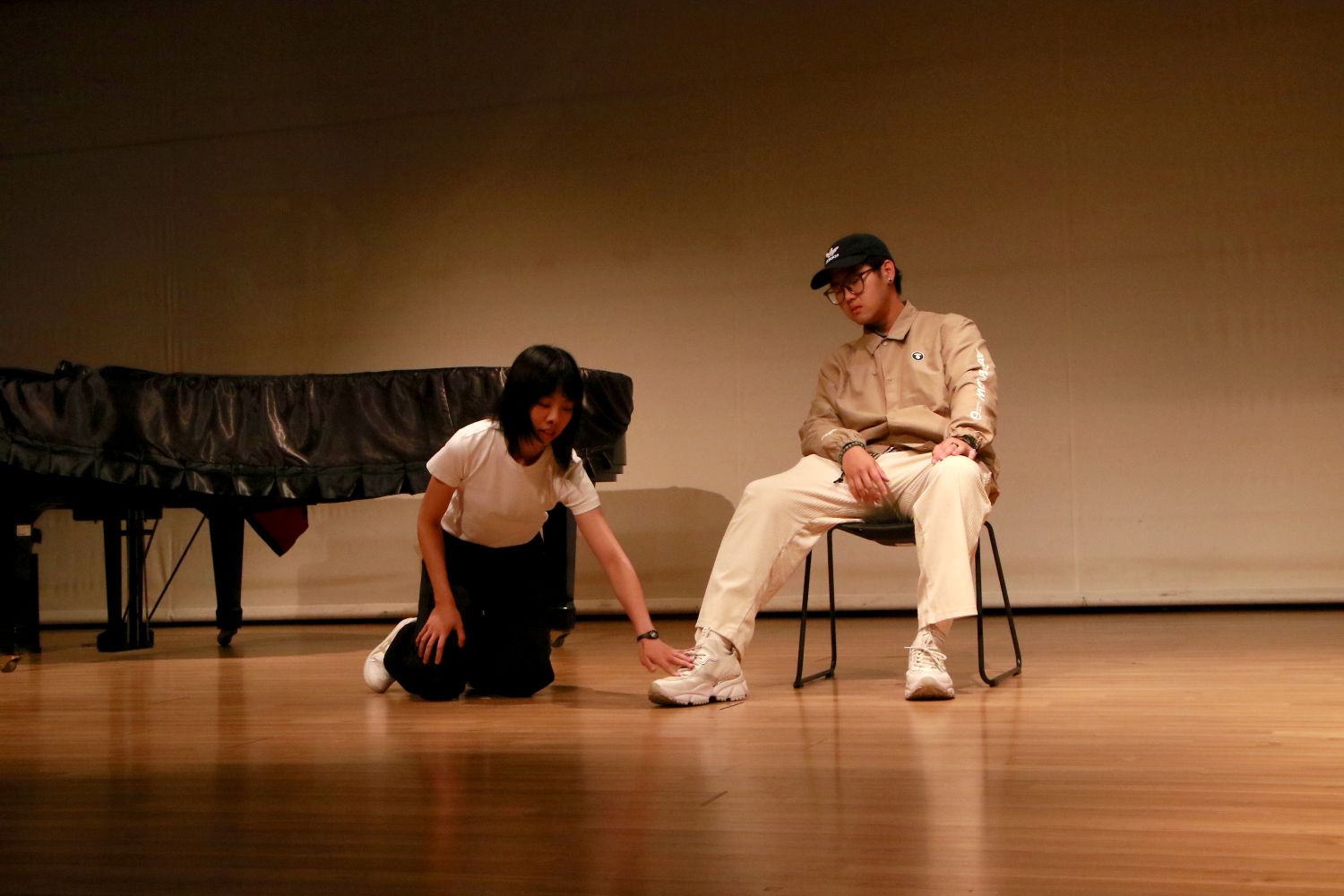
Part I, “Our Family Has No Time,” portrays the warmth of a mother within the family. The characters learn to communicate more harmoniously and come to a renewed understanding of the importance of family.
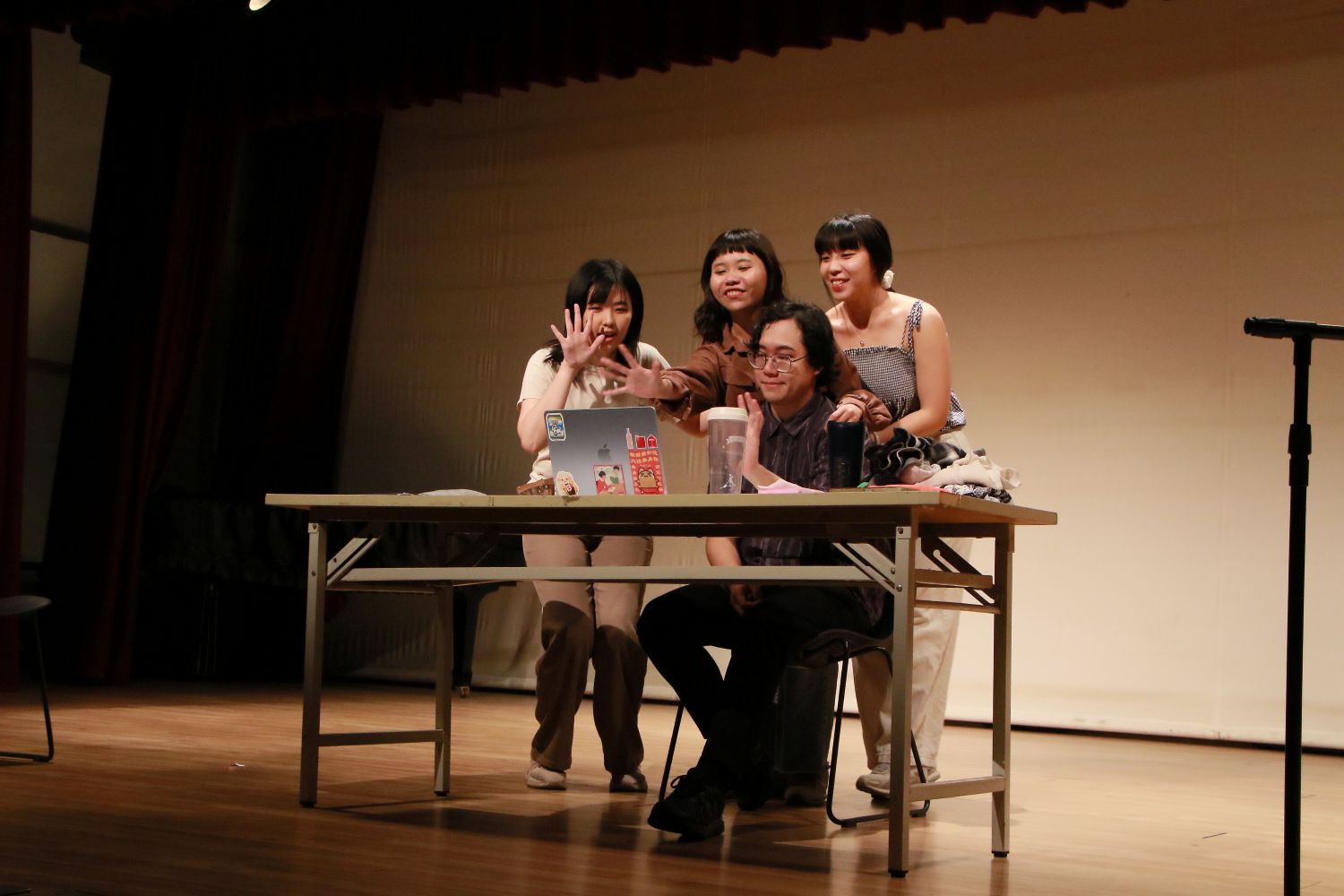
Part II, “September 3rd Weather ‘?’,” is set against a sexual harassment incident in a bar and ultimately concludes with the partner serving as a companion figure, conveying the healing power of love and presence.
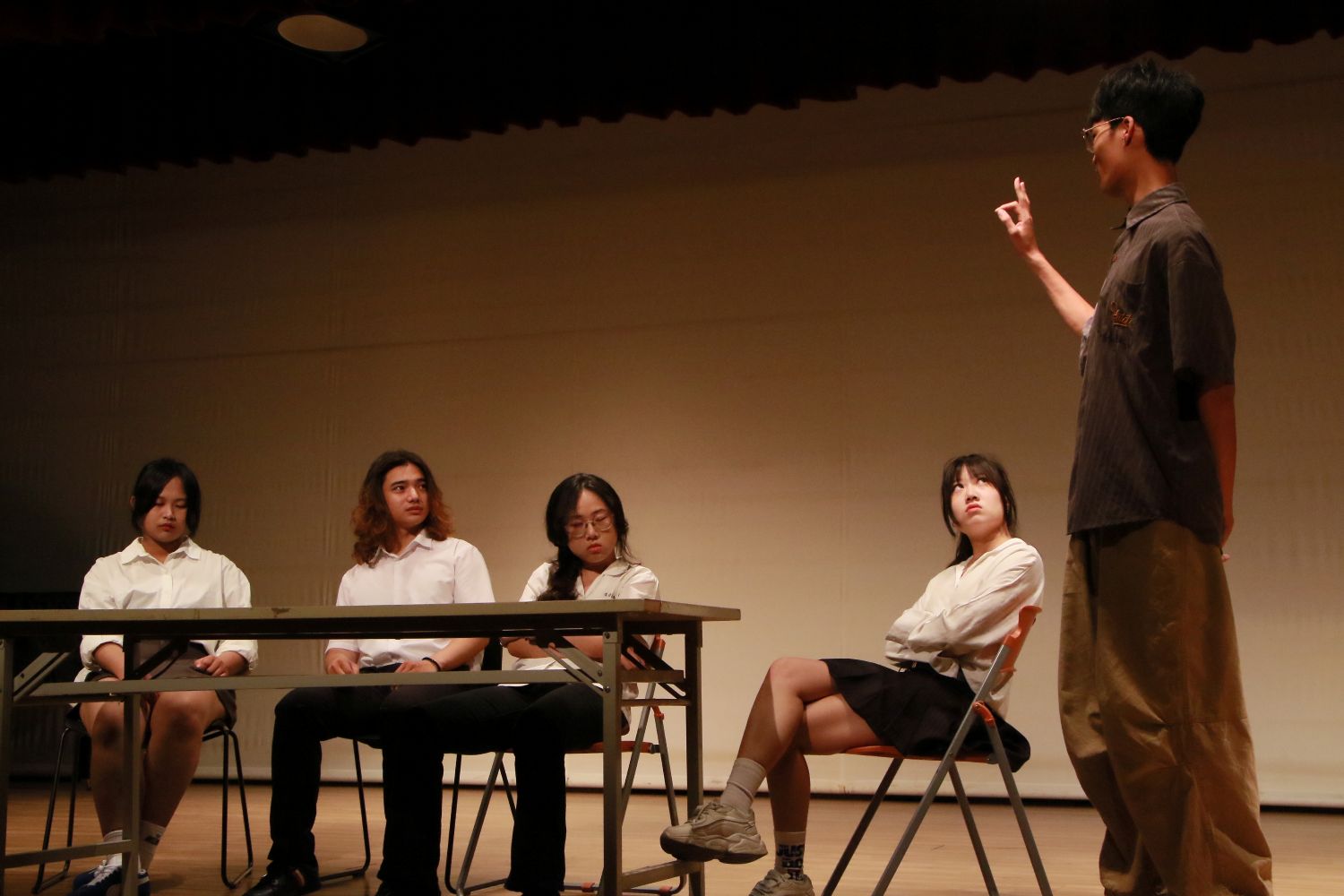
Part III, “The Mustard Depression of a Smoked Chicken Egg Pancake,” reveals the struggles and inner conflicts of youthful emotions, ultimately reaching reconciliation with a past self who once fought alone.
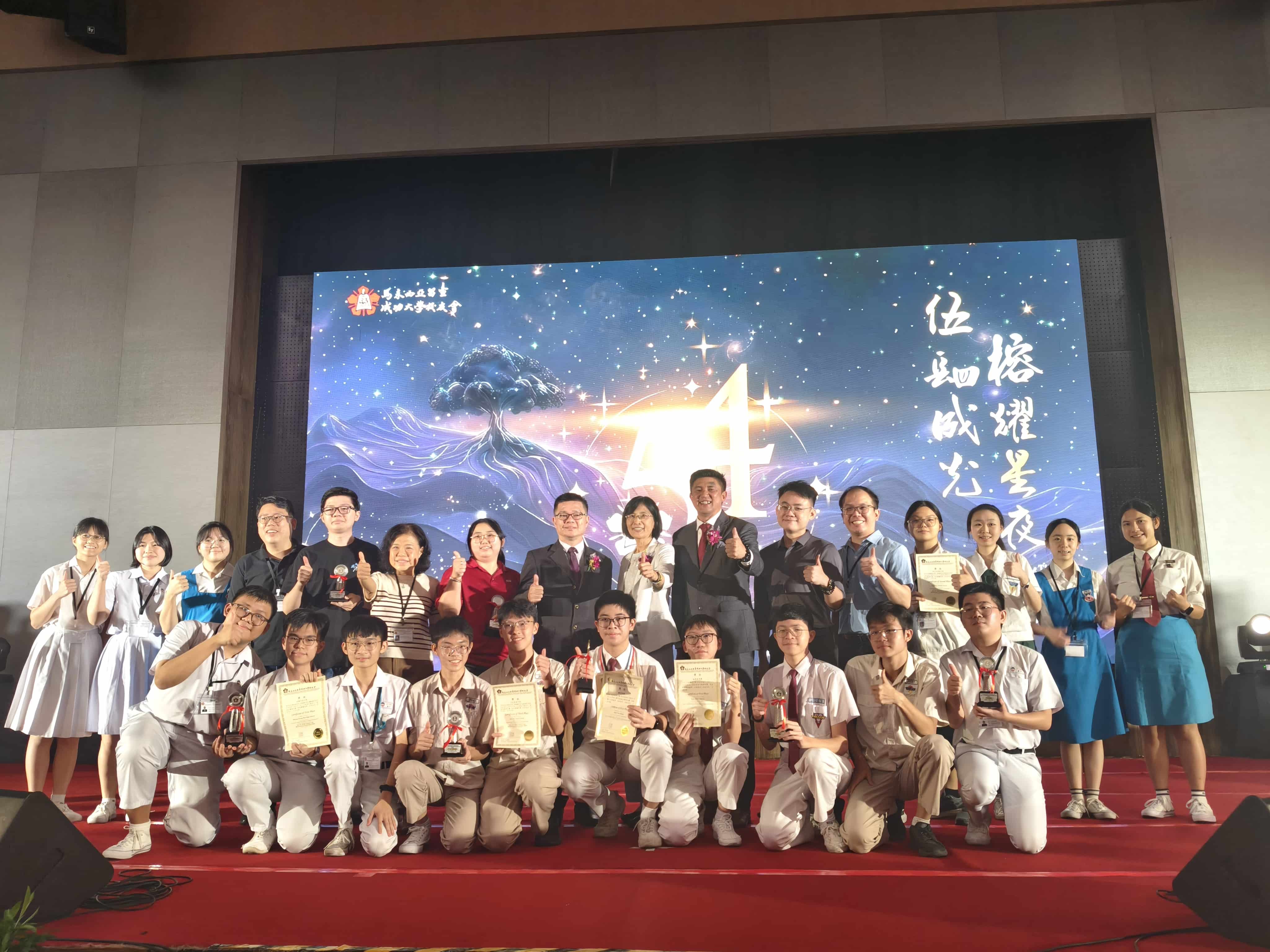
SDG4NCKU Strengthens Ties with Malaysian Alumni: Mathematics and Science, and Business Competition Nurture International Talent
View more
SDG4NCKU Student Earns First TAICA Certificate in "Specialty + AI" Cross-Disciplinary Program
View more