



SDG9
NCKU CubeSat Gemini-Pollux Successfully Launched, Establishes Stable Communications While Passing Over Taiwan


Gemini-Pollux, a 3U CubeSat independently developed by the Hsia Han-Min Space Science Center at National Cheng Kung University (NCKU), was successfully launched aboard a SpaceX Falcon 9 rocket at 3:00 p.m. (Taiwan time) on May 3. The satellite was deployed at 5:20 p.m. into its designated Sun-Synchronous Orbit (SSO) at an altitude of approximately 590 kilometers.
On the evening of orbital insertion, Gemini-Pollux passed over Taiwan twice and successfully transmitted data to the Hsia Han-Min Space Science Center ground station at NCKU. Stable and continuous two-way communications were established, marking a significant milestone during the mission’s early operational phase.
According to the Hsia Han-Min Space Science Center, when Gemini-Pollux made its first pass over Taiwan at 9:35 p.m., the ground station successfully received the satellite’s beacon health-status data. Preliminary analysis confirmed that the onboard computer, operational mode, and other critical subsystems were functioning normally. During the communication session, the team also successfully uploaded essential mission parameters required for initial orbital operations, completing a key step in the satellite’s early orbit phase.
At 11:09 p.m., Gemini-Pollux made its second pass over Taiwan. The ground team once again established stable communications and successfully downloaded historical telemetry data accumulated during the previous orbital period. These data enabled the team to further assess the satellite’s health and system performance. Since the second contact, the NCKU ground team has maintained regular communication with Gemini-Pollux, continuously receiving telemetry data and uploading operational parameters as required.
Analysis of telemetry data collected during the second and subsequent communication sessions confirmed that the communication antennas had deployed successfully. The solar panel deployment mechanism, independently designed and developed by the student team, also functioned as intended. Attitude-control data further indicated that the satellite had successfully completed its initial de-tumbling operations, gradually stabilizing from its post-launch free-rotation state and achieving the stable attitude required for mission operations. Overall system performance has been consistent with mission expectations. The satellite is currently undergoing calibration of onboard sensors and actuators during the early orbit phase, laying the groundwork for payload activation and routine mission operations.
The development team noted that Gemini-Pollux represents a major milestone in the Hsia Han-Min Space Science Center’s efforts in CubeSat development, system integration, and mission operations. Over the years, the team has devoted substantial effort to satellite design, manufacturing, integration and testing, ground station construction, and communication operations. The successful orbital insertion and sustained communications demonstrate the growing maturity of NCKU’s capabilities in CubeSat systems engineering.
In the coming months, Gemini-Pollux will complete its initial checkout and system verification procedures. Once the satellite enters stable operational mode, it will begin scientific payload operations, including ionospheric observations, upper-atmosphere research, and Earth imaging. The mission is expected to provide valuable firsthand data for space weather monitoring, environmental change studies, and disaster research.
In addition, Gemini-Pollux will communicate through amateur radio frequency bands and collaborate with ground stations around the world, inviting space enthusiasts, students, and educators both in Taiwan and internationally to participate in mission activities. The satellite therefore serves not only as a platform for scientific observation and engineering validation, but also as an important tool for science education and public outreach.
The Hsia Han-Min Space Science Center emphasized that the successful orbital deployment and stable communications of Gemini-Pollux demonstrate NCKU’s strength in small-satellite mission design and systems integration. More importantly, the mission represents a significant step forward in advancing Taiwan’s capabilities in independently developed space technologies and expanding future possibilities for the nation’s space sector.
On the evening of orbital insertion, Gemini-Pollux passed over Taiwan twice and successfully transmitted data to the Hsia Han-Min Space Science Center ground station at NCKU. Stable and continuous two-way communications were established, marking a significant milestone during the mission’s early operational phase.
According to the Hsia Han-Min Space Science Center, when Gemini-Pollux made its first pass over Taiwan at 9:35 p.m., the ground station successfully received the satellite’s beacon health-status data. Preliminary analysis confirmed that the onboard computer, operational mode, and other critical subsystems were functioning normally. During the communication session, the team also successfully uploaded essential mission parameters required for initial orbital operations, completing a key step in the satellite’s early orbit phase.
At 11:09 p.m., Gemini-Pollux made its second pass over Taiwan. The ground team once again established stable communications and successfully downloaded historical telemetry data accumulated during the previous orbital period. These data enabled the team to further assess the satellite’s health and system performance. Since the second contact, the NCKU ground team has maintained regular communication with Gemini-Pollux, continuously receiving telemetry data and uploading operational parameters as required.
Analysis of telemetry data collected during the second and subsequent communication sessions confirmed that the communication antennas had deployed successfully. The solar panel deployment mechanism, independently designed and developed by the student team, also functioned as intended. Attitude-control data further indicated that the satellite had successfully completed its initial de-tumbling operations, gradually stabilizing from its post-launch free-rotation state and achieving the stable attitude required for mission operations. Overall system performance has been consistent with mission expectations. The satellite is currently undergoing calibration of onboard sensors and actuators during the early orbit phase, laying the groundwork for payload activation and routine mission operations.
The development team noted that Gemini-Pollux represents a major milestone in the Hsia Han-Min Space Science Center’s efforts in CubeSat development, system integration, and mission operations. Over the years, the team has devoted substantial effort to satellite design, manufacturing, integration and testing, ground station construction, and communication operations. The successful orbital insertion and sustained communications demonstrate the growing maturity of NCKU’s capabilities in CubeSat systems engineering.
In the coming months, Gemini-Pollux will complete its initial checkout and system verification procedures. Once the satellite enters stable operational mode, it will begin scientific payload operations, including ionospheric observations, upper-atmosphere research, and Earth imaging. The mission is expected to provide valuable firsthand data for space weather monitoring, environmental change studies, and disaster research.
In addition, Gemini-Pollux will communicate through amateur radio frequency bands and collaborate with ground stations around the world, inviting space enthusiasts, students, and educators both in Taiwan and internationally to participate in mission activities. The satellite therefore serves not only as a platform for scientific observation and engineering validation, but also as an important tool for science education and public outreach.
The Hsia Han-Min Space Science Center emphasized that the successful orbital deployment and stable communications of Gemini-Pollux demonstrate NCKU’s strength in small-satellite mission design and systems integration. More importantly, the mission represents a significant step forward in advancing Taiwan’s capabilities in independently developed space technologies and expanding future possibilities for the nation’s space sector.
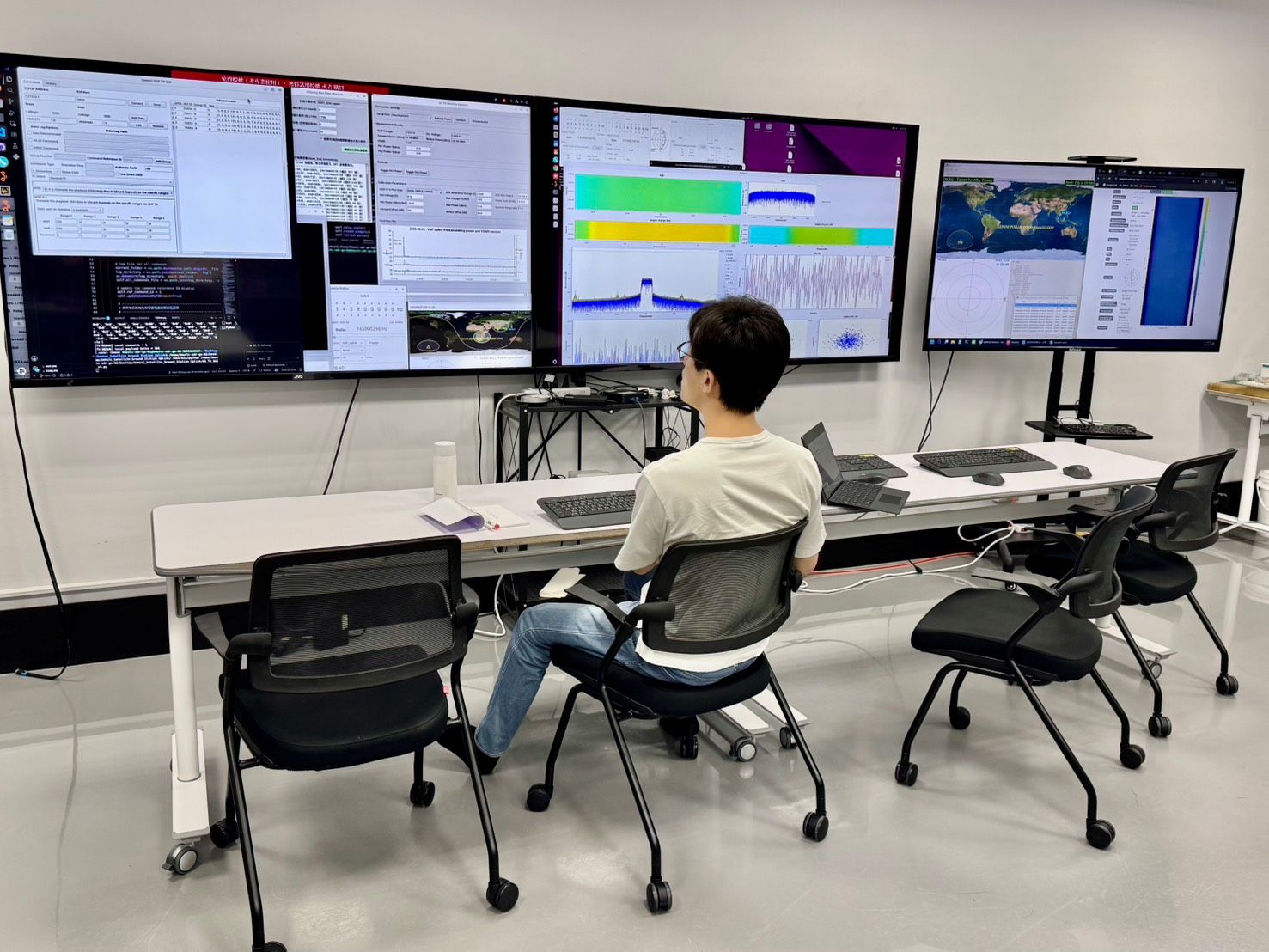
Satellite Telemetry Ground Control Station Operating System
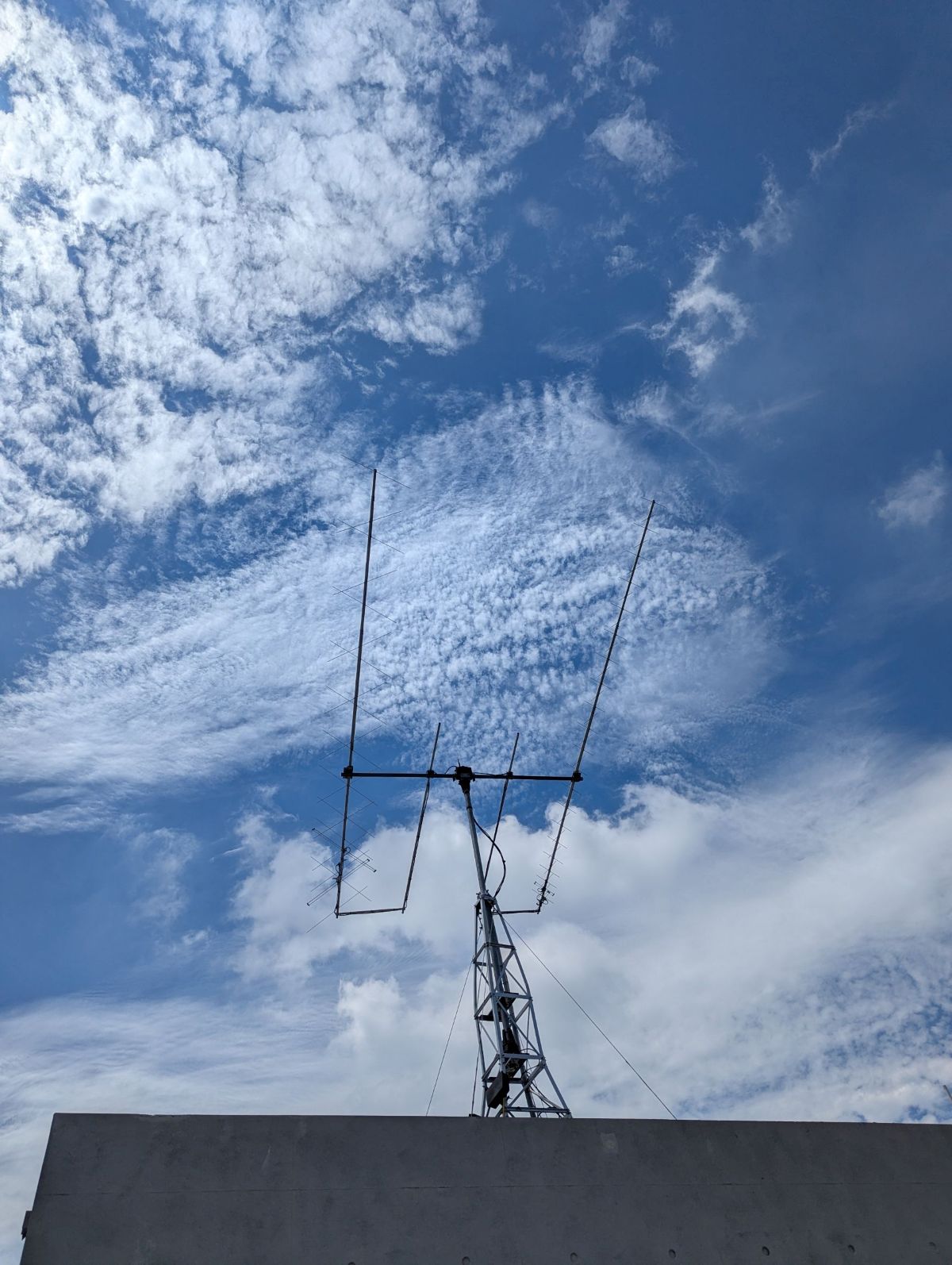
Satellite Ground Station Antenna System

SDG9NCKU's team placed third in the 2023 Data Innovation Competition for using AI to aid the elderly
View more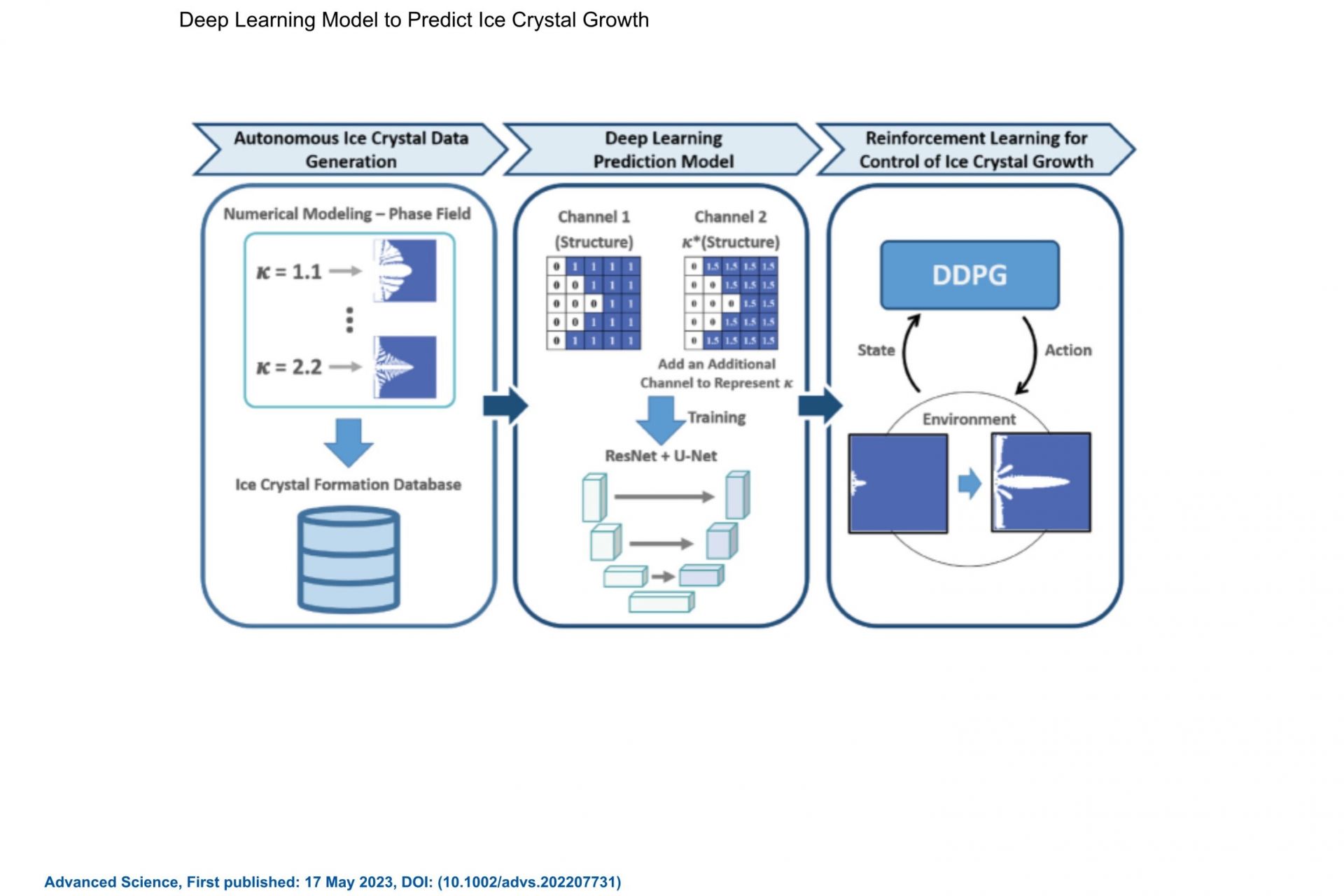
SDG9Revolutionizing Material Design : Leveraging “Prediction + Design" AI Model in Freeze-Casting for Bioinspired Porous Materials.
View more