



SDG4
NCKU Robotics Workshop Connects Industry-Academic Resources to Nurture Edge AI Practical Talent

By Department of Engineering Science & Miin Wu School of Computing, NCKU
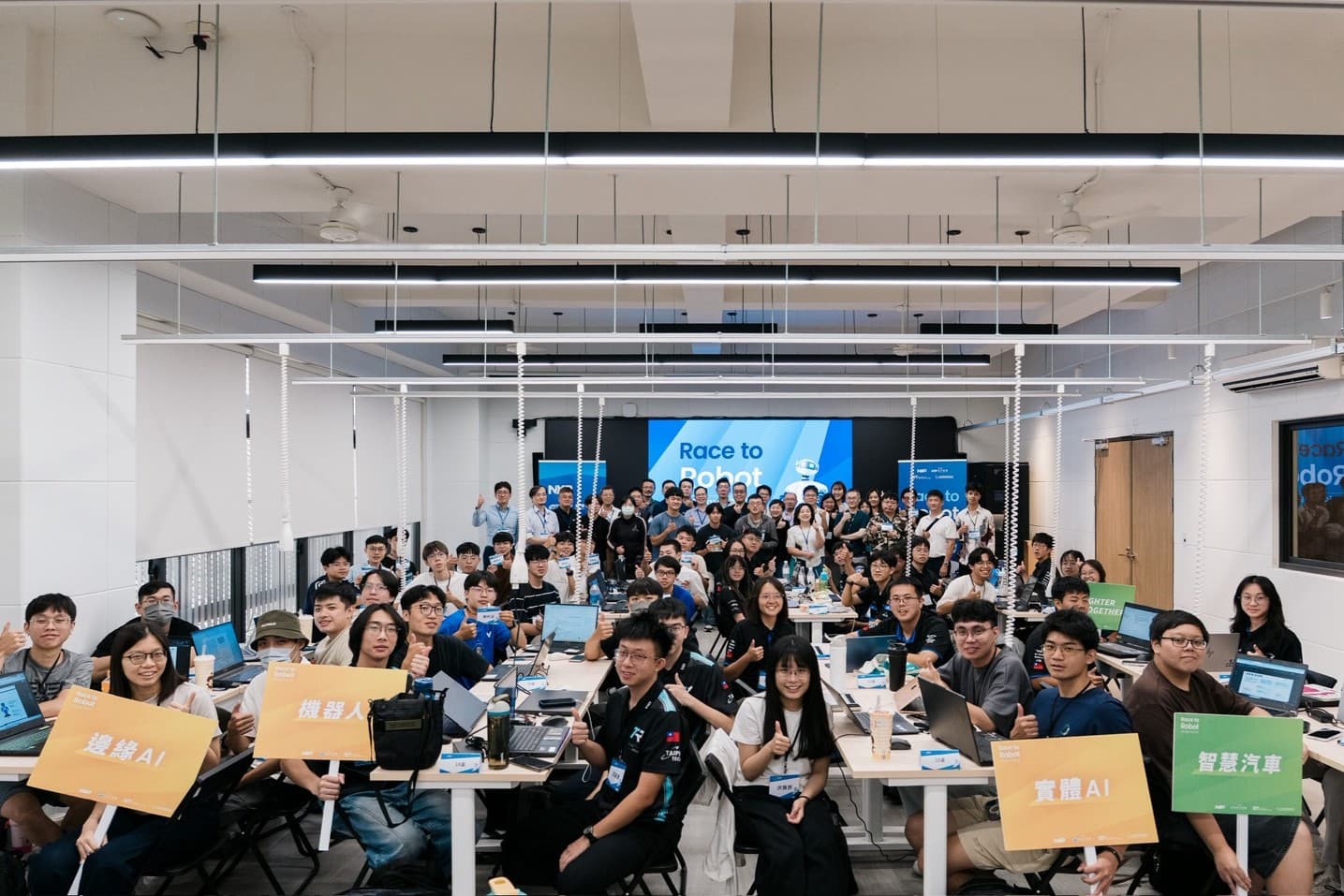
With the rapid development of artificial intelligence (AI) technology, capabilities in system integration, cross-disciplinary collaboration, and hands-on development have become indispensable core competencies for engineering talent. Held on July 24 at Macronix Hall, National Cheng Kung University (NCKU), the "Race to Robot—NXP Edge AI Application Workshop" served as one of the annual event series of the "IET Summer School," organized by the Institution of Engineering and Technology (IET) Taipei Local Network. The workshop was co-executed by NCKU's Department of Engineering Science and the Miin Wu School of Computing, inviting NXP Semiconductors (NXP) and WPG Holdings World Peace Group (WPI) to join, attracting over 60 students from 13 colleges and universities across Taiwan. Through exchanges with corporate engineers and discussions on system architecture, the event systematically built practical capabilities and system thinking required to seamlessly align with industrial technical applications.
Centered on robotics application development, the event invited students to brainstorm user scenarios based on real-world problems and adopt the NXP FRDM i.MX 93 development board as the platform connecting to future practical implementations. By discussing system architecture, Edge AI computing, sensor integration, and development workflows with corporate engineers, students were guided from asking "how to build a project" to thinking about "how to design a viable system." This allowed students to map out hardware platforms and design processes commonly used in the industry during the ideation phase, laying a foundation for subsequent full-scale development experiences ranging from system design and hardware-software integration to functional verification. Simultaneously, it cultivated system thinking, cross-disciplinary integration, and engineering decision-making capabilities, making project development more closely aligned with practical application workflows.
Beyond industry insights shared by corporate engineers, the event also invited students with international competition experience from Formula Student racing teams to share their practical journeys—from multi-node real-time communication CAN bus designs to core BMS technologies such as cell voltage balancing, temperature monitoring, and charge-discharge protection—rigorous verification experiences originally used in high-speed racing environments. Through frontline practical processes and technical challenges, the sharing provided alternative development perspectives and promoted technical exchanges among students, enabling hands-on experience to continuously pass on within the student community.
Chin-Feng Lai, Chair of the NCKU Department of Engineering Science, stated that through corporate participation and cross-institutional exchanges, students can establish a more complete system concept in the early stages of their projects and accumulate problem-solving capabilities throughout the continuous implementation process. Shuenn-Yuh Lee, Executive Vice Dean of the NCKU Miin Wu School of Computing, also remarked that by deepening industry-academia cooperation, the school hopes to provide students with more opportunities to learn how to integrate sensing, computing, control, and hardware-software systems to build intelligent robotic systems capable of operating in real-world environments.
This workshop also echoed the government's policy direction in promoting the development of the smart robotics industry. As Southern Taiwan gradually becomes a major development base for Taiwan's smart robotics industry, NCKU leverages its profound engineering education capabilities and industry-academia cooperation foundation to continuously connect enterprise resources with teaching settings. Through practice-oriented courses and exchange platforms, NCKU assists students in connecting with industry demands early on, accumulating more new-generation engineering strength equipped with practical and system integration capabilities for Taiwan's smart robotics industry.
With the rapid development of artificial intelligence (AI) technology, capabilities in system integration, cross-disciplinary collaboration, and hands-on development have become indispensable core competencies for engineering talent. Held on July 24 at Macronix Hall, National Cheng Kung University (NCKU), the "Race to Robot—NXP Edge AI Application Workshop" served as one of the annual event series of the "IET Summer School," organized by the Institution of Engineering and Technology (IET) Taipei Local Network. The workshop was co-executed by NCKU's Department of Engineering Science and the Miin Wu School of Computing, inviting NXP Semiconductors (NXP) and WPG Holdings World Peace Group (WPI) to join, attracting over 60 students from 13 colleges and universities across Taiwan. Through exchanges with corporate engineers and discussions on system architecture, the event systematically built practical capabilities and system thinking required to seamlessly align with industrial technical applications.
Centered on robotics application development, the event invited students to brainstorm user scenarios based on real-world problems and adopt the NXP FRDM i.MX 93 development board as the platform connecting to future practical implementations. By discussing system architecture, Edge AI computing, sensor integration, and development workflows with corporate engineers, students were guided from asking "how to build a project" to thinking about "how to design a viable system." This allowed students to map out hardware platforms and design processes commonly used in the industry during the ideation phase, laying a foundation for subsequent full-scale development experiences ranging from system design and hardware-software integration to functional verification. Simultaneously, it cultivated system thinking, cross-disciplinary integration, and engineering decision-making capabilities, making project development more closely aligned with practical application workflows.
Beyond industry insights shared by corporate engineers, the event also invited students with international competition experience from Formula Student racing teams to share their practical journeys—from multi-node real-time communication CAN bus designs to core BMS technologies such as cell voltage balancing, temperature monitoring, and charge-discharge protection—rigorous verification experiences originally used in high-speed racing environments. Through frontline practical processes and technical challenges, the sharing provided alternative development perspectives and promoted technical exchanges among students, enabling hands-on experience to continuously pass on within the student community.
Chin-Feng Lai, Chair of the NCKU Department of Engineering Science, stated that through corporate participation and cross-institutional exchanges, students can establish a more complete system concept in the early stages of their projects and accumulate problem-solving capabilities throughout the continuous implementation process. Shuenn-Yuh Lee, Executive Vice Dean of the NCKU Miin Wu School of Computing, also remarked that by deepening industry-academia cooperation, the school hopes to provide students with more opportunities to learn how to integrate sensing, computing, control, and hardware-software systems to build intelligent robotic systems capable of operating in real-world environments.
This workshop also echoed the government's policy direction in promoting the development of the smart robotics industry. As Southern Taiwan gradually becomes a major development base for Taiwan's smart robotics industry, NCKU leverages its profound engineering education capabilities and industry-academia cooperation foundation to continuously connect enterprise resources with teaching settings. Through practice-oriented courses and exchange platforms, NCKU assists students in connecting with industry demands early on, accumulating more new-generation engineering strength equipped with practical and system integration capabilities for Taiwan's smart robotics industry.
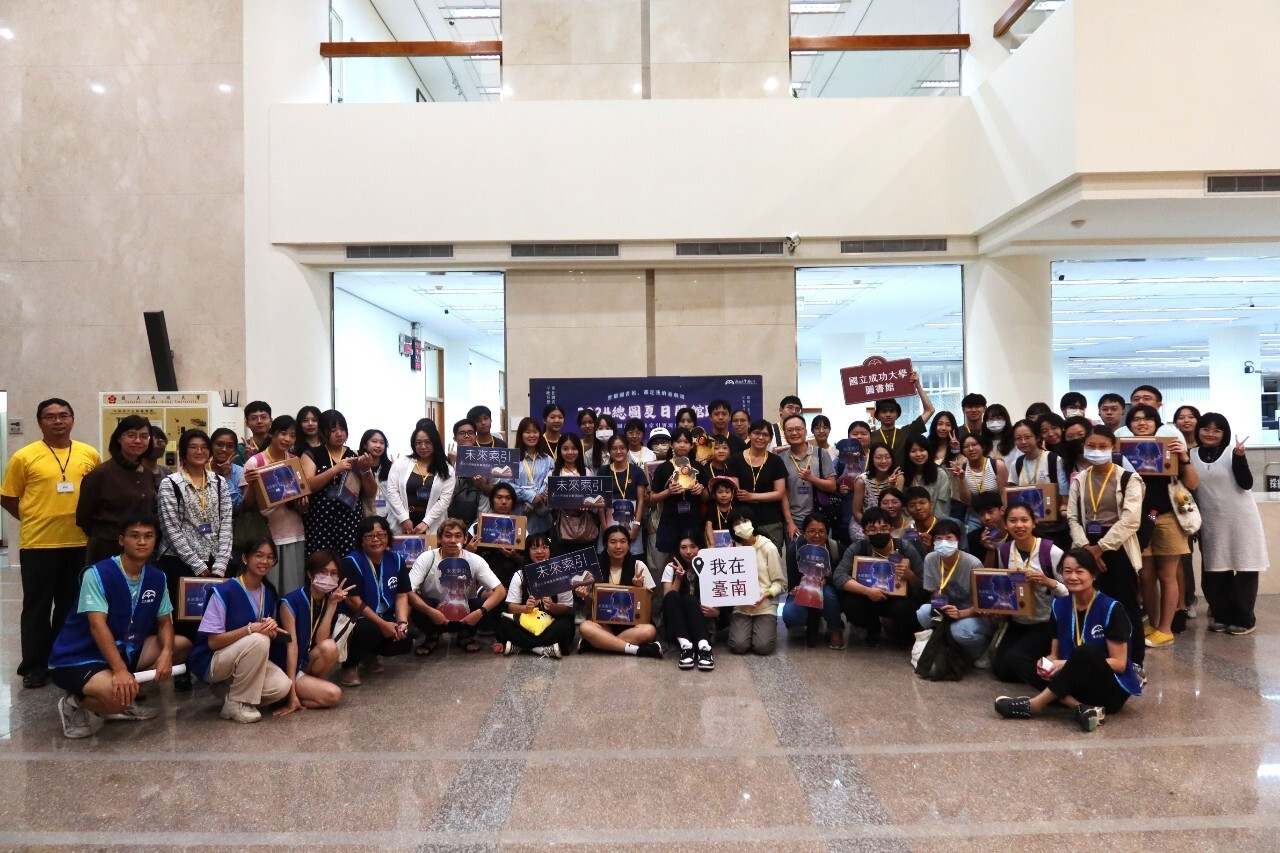
"Race to Robot—NXP Edge AI Application Workshop" debuted on July 24 at NCKU Macronix Hall, connecting industry-academic resources to guide students in exploring smart robotics applications and development.
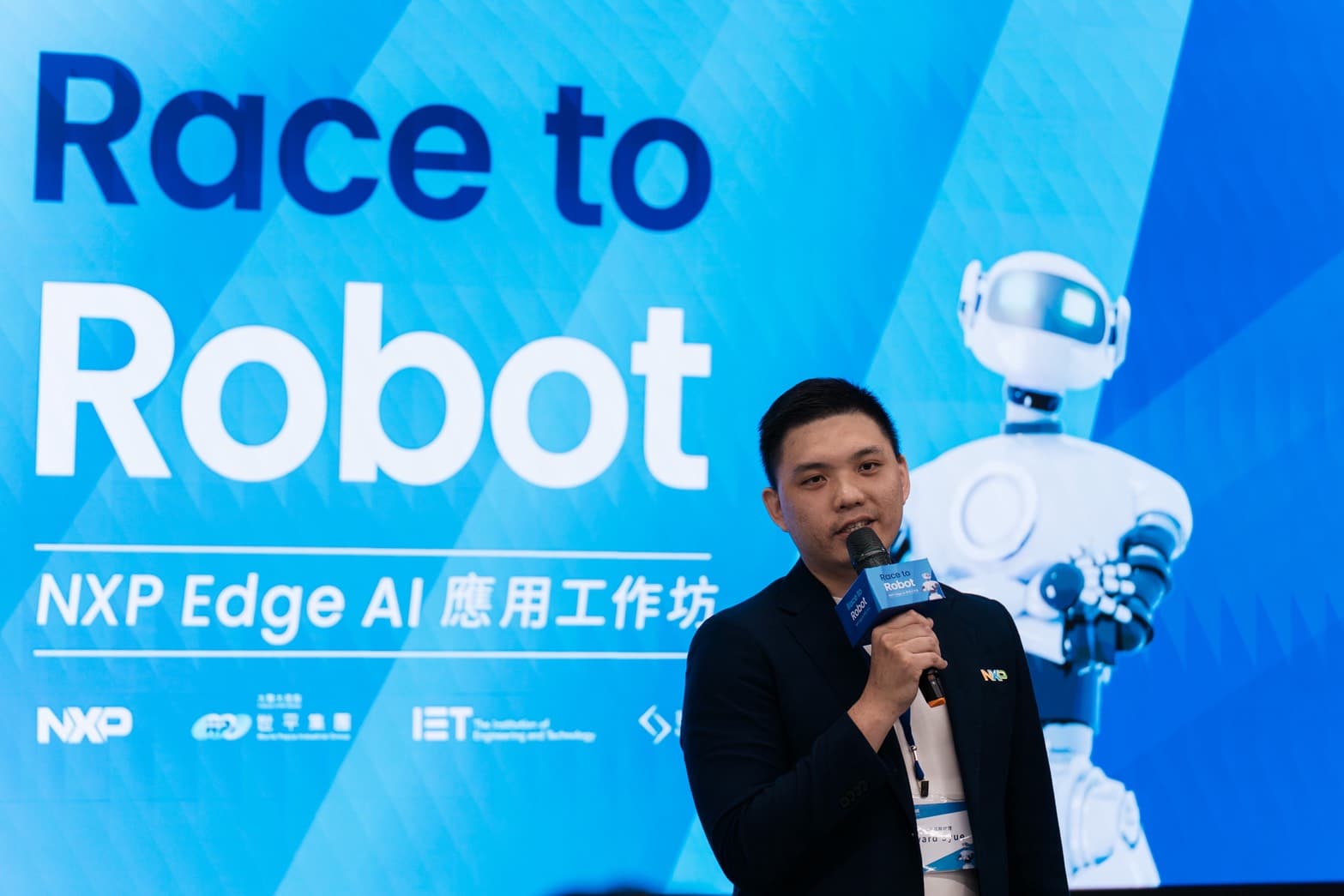
Through exchanges with corporate engineers and discussions on system architecture, the event systematically built practical capabilities and system thinking required to align with industry technical applications.
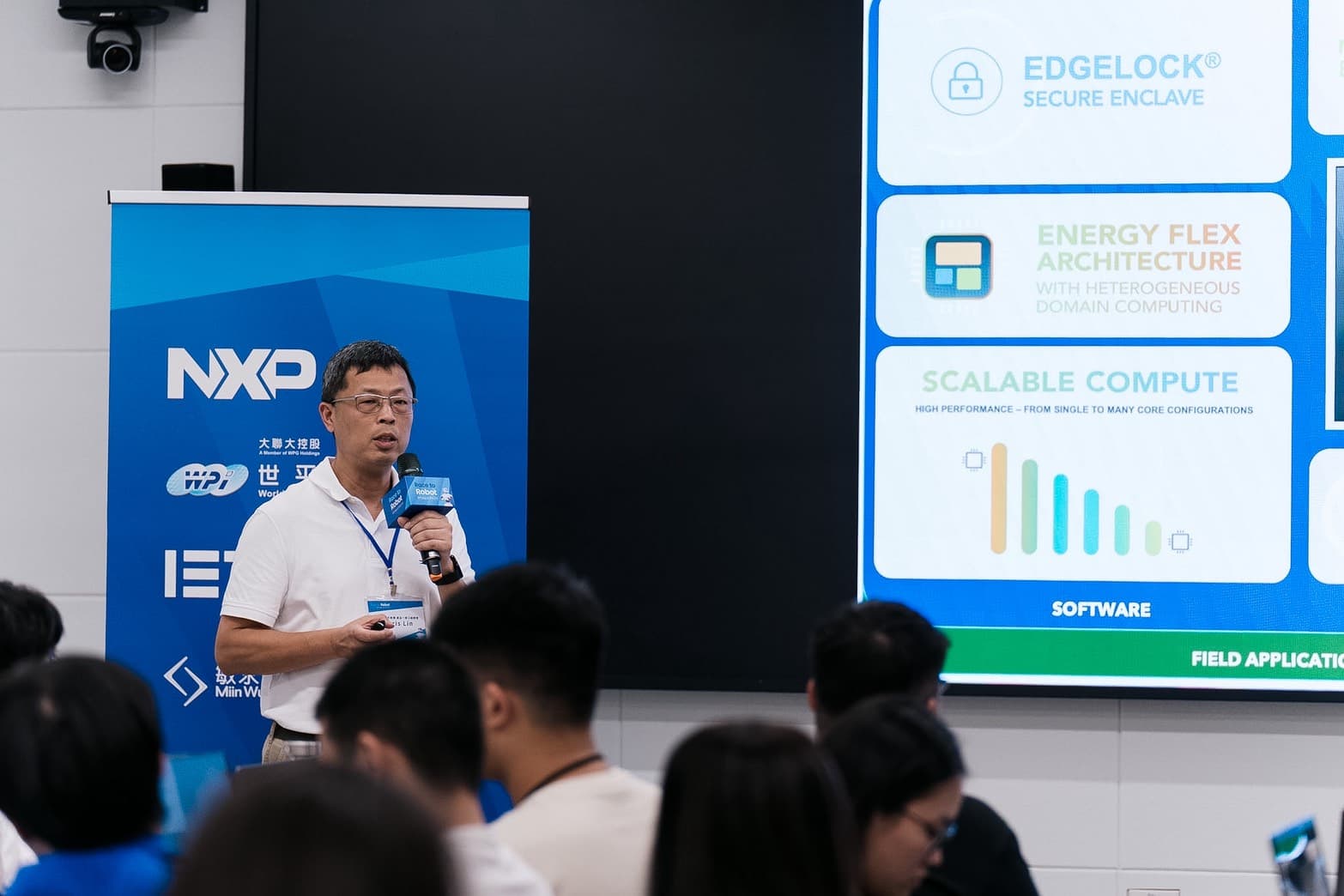
This workshop echoed the government's direction in promoting smart robotics industry development, aiming to accumulate more new-generation engineering strength equipped with practical and system integration capabilities for Taiwan's smart robotics industry.

SDG4NCKU Builds a Comprehensive Support System to Implement Equal Emphasis on Sports and Academics
View more
SDG4NCKU Semiconductor Academy Leads Taiwan-Europe Collaboration — 2025 International Semiconductor Training Program Launched
View more