

SDG13
Net-Zero Transition Enters the Sports Industry: NCKU Cultivates "Sports Green-Collar Talents" to Deepen Sustainability Momentum
In response to global net-zero transition trends, the physical education and sports industry is gradually facing emerging challenges such as carbon emissions management, resource efficiency, environmental impact, and sustainable governance. Sports events, venue operations, and sports organization management not only involve athletic performance and service quality, but must also address the demands of climate change and sustainable development.
In response to the workforce demands arising from the sports industry's transition, the research team led by Professor Ma Shang-Chun of the Graduate Institute of Physical Education, Health and Leisure Studies at National Cheng Kung University (NCKU) developed a systematic sustainable talent training curriculum specifically designed for sports environments. By integrating net-zero and carbon management expertise into sports industry practices, this project showcases NCKU's concrete achievements in using cross-disciplinary research to address industry needs and promote sustainable development.
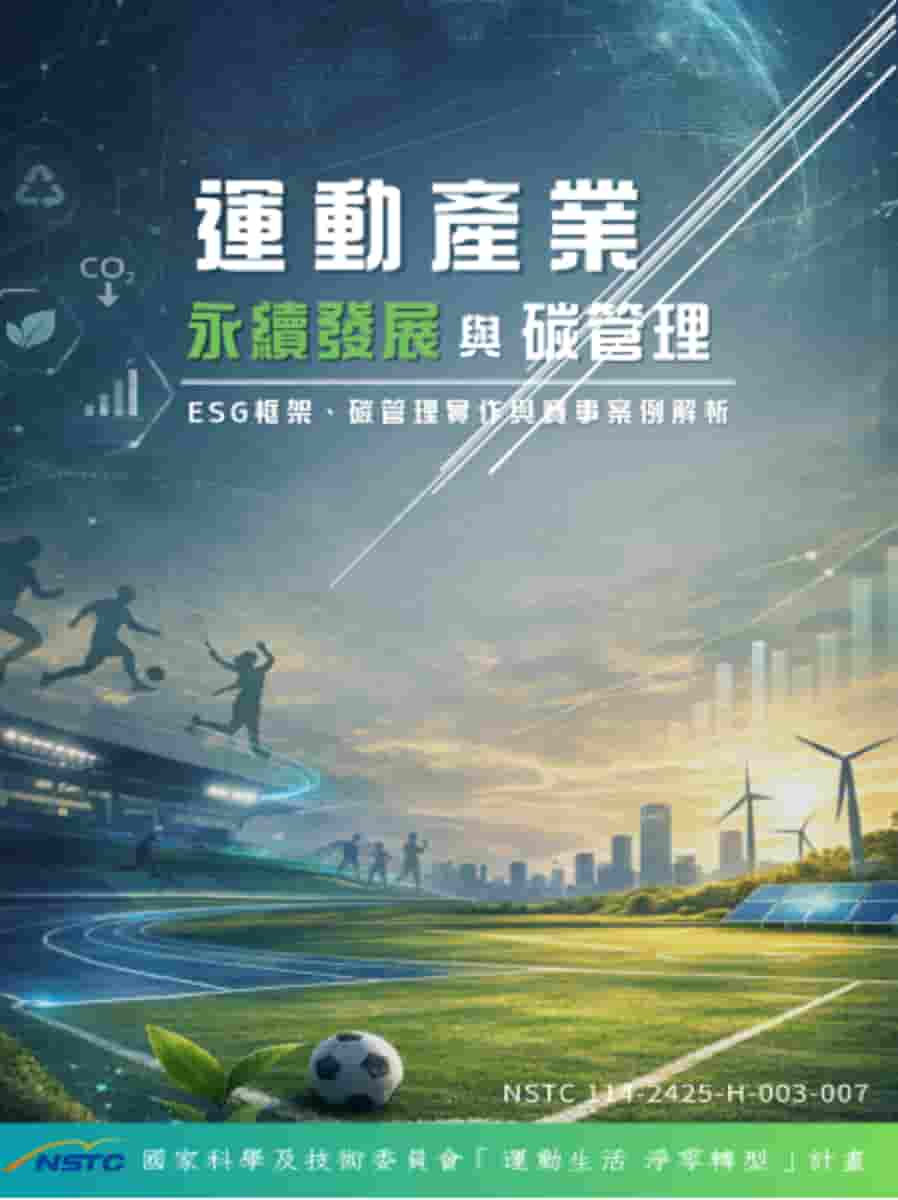
This research stems from the National Science and Technology Council's (NSTC) project "Net-Zero Transition in Sports Life," directed by Professor Chen Mei-Yen from National Taiwan Normal University. The initiative encompasses five sub-projects exploring net-zero transitions across sports lifestyles, industries, venues, and human resources. Among them, Sub-Project 2—"Promoters of Net-Zero Sports: Sports Green-Collar Talent Cultivation Project"—is led by Professor Ma Shang-Chun at NCKU. It focuses on green-collar talent cultivation, curriculum construction, and professional competence development within the sports sector. Through systematic courseware development, expanded educational outreach, and the alignment of industry practice with theoretical knowledge, it establishes a foundation for nurturing sustainable sports talent.
Unlike existing net-zero and carbon management courses that primarily target manufacturing, energy, or general business management, the NCKU research team started from the actual operational contexts of the physical education and sports industry. They constructed a systematic training curriculum comprising "Five Modules and Nine Units," supplemented by instructional presentations and partial online learning resources to integrate professional sports industry expertise. The materials emphasize not only the understanding of net-zero concepts but also address practical issues faced by sports venues, events, and organizations during their sustainability transition, filling the gap between general net-zero education and practical sports applications.
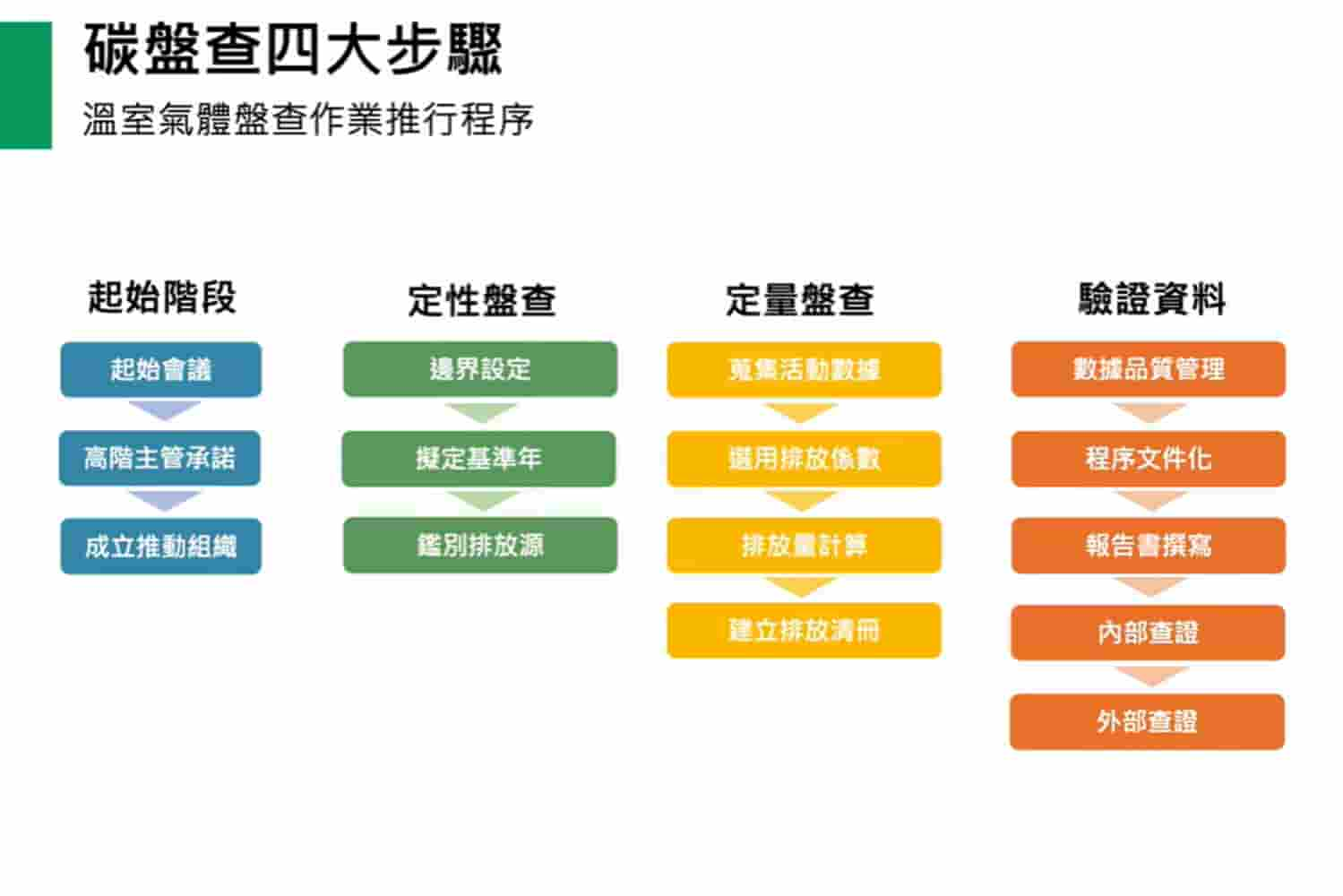
The course contents cover topics such as climate change challenges and opportunities in the sports industry, fundamentals of carbon footprinting and inventorying, carbon reduction and resource optimization for sports events, green and circular economies, key materiality issues and stakeholder management, as well as carbon management and sustainability practices for venues and events. Through modular and unit-based design, carbon management knowledge is transformed into understandable, actionable, and scalable learning content, enabling learners to master essential foundation knowledge and practical capabilities for sustainability transition from a sports industry perspective.
The core feature of this curriculum lies in pushing beyond "understanding net-zero" toward "achieving results." The course design introduces concepts like carbon emissions, sustainable governance, and environmental management while contextualizing them within real-world scenarios such as venue operations, event planning, resource management, and organizational sustainability strategies. This enables learners to identify environmental impacts in the sports industry, master basic carbon management workflows, and further formulate carbon reduction measures and sustainable action plans—thereby cultivating interdisciplinary talent with both sports expertise and practical sustainability skills.
To align research outcomes with current Taiwanese policy directions and practical industry needs, the NCKU team further collaborated with the Taiwan Association for Sport Management (TASSM) to extend talent development outcomes into the "Sports Sustainability Planner" professional certification system. Through industry-academia cooperation and professional certification mechanisms, a clear developmental pathway has been established—from courseware study and training to practical competency development and professional certification. This ensures that sustainable sports talent not only gains relevant knowledge, but also enhances their application and career growth capabilities in sports venues, events, organizations, and related industries through structured training and certification.
These research achievements were promoted during the "2026 Taiwan Sport Industry Sustainability Forum," enhancing the visibility and practical application discussions of sports green-collar training materials through exchanges among sports industry professionals, academia, and practitioners. This promotion symbolizes the evolution of NCKU's research achievements from campus-based research and curriculum development into industry alignment and professional talent development, translating sports sustainability from a conceptual advocacy into learnable, trainable, and actionable professional skills.
In the face of growing sustainability demands in the sports industry, the systematic training materials developed by the NCKU research team not only respond to national net-zero transition policies and workforce demands in the sports sector, but also provide industry-contextualized and practice-oriented teaching resources for sports sustainability education in Taiwan. By continuously promoting curriculum implementation, cross-institutional academic collaboration, industry exchanges, and professional certification, this initiative will expand the reach of sports sustainability talent development and gradually build a green-collar talent network for the sports industry—demonstrating NCKU's research capabilities and social value in combining academic research, talent development, and industry practice to drive sustainable transformation in sports.
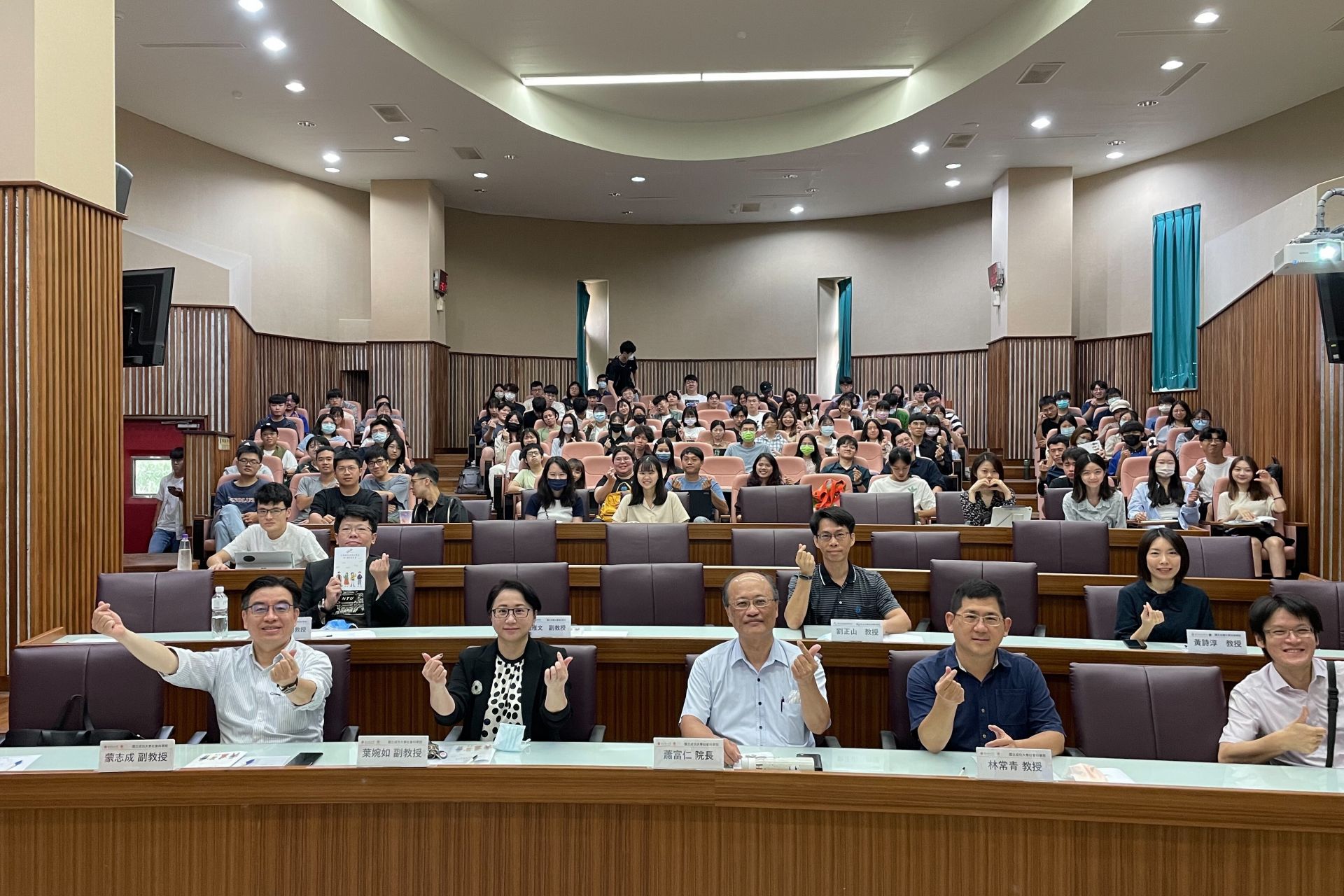
Professor Ma Shang-Chun's research team developed a systematic sustainable talent training curriculum specifically designed for sports environments to meet the emerging workforce demands driven by the sports industry's transition. The team promoted the curriculum during the forum event.
Course Content
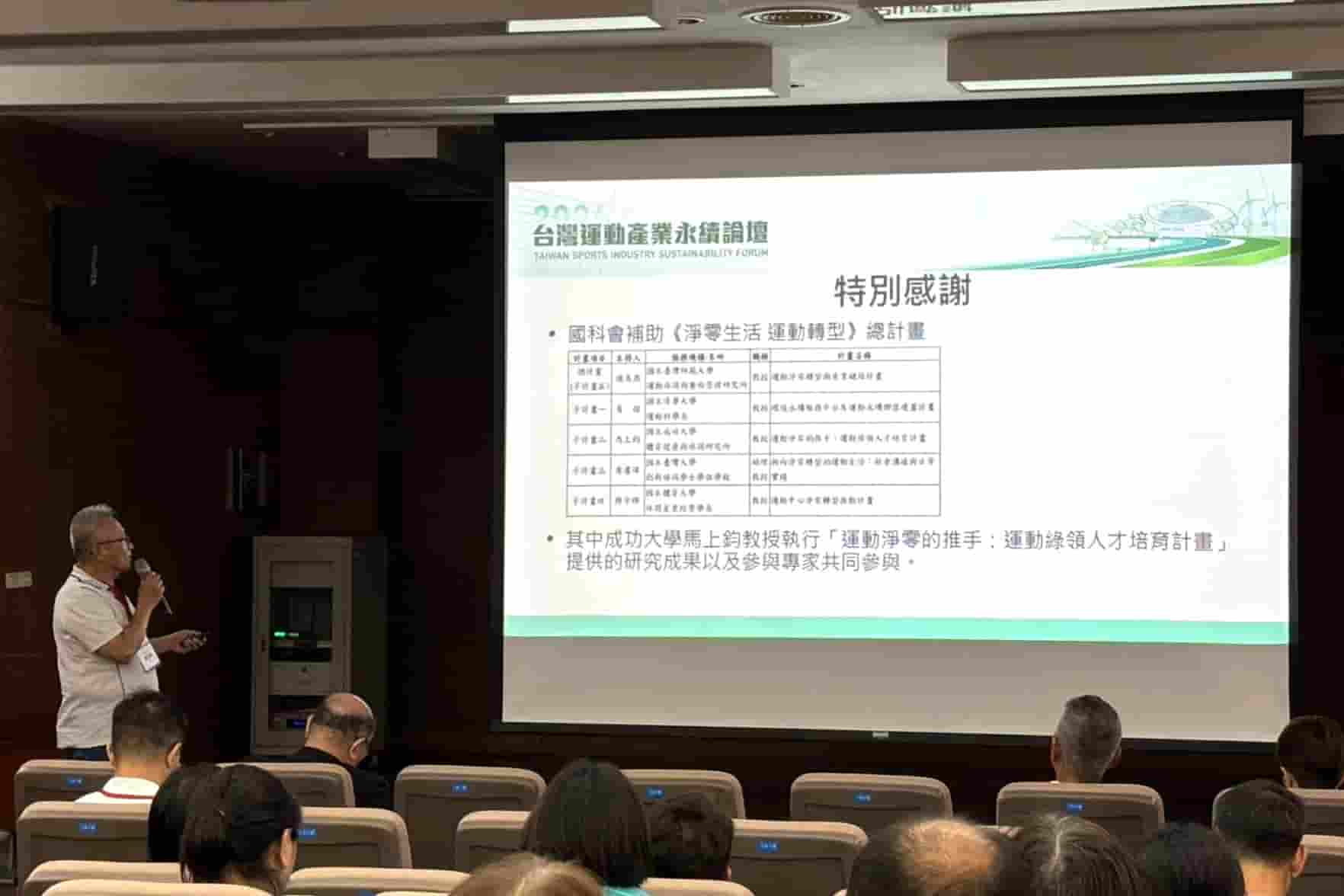
The team promoted the curriculum at the forum event.