



SDG11
“The Majestic and Miraculous: The Xuanwu Faith in East Asia” Showcases Taiwan’s Cultural Innovation
Since its launch in 2018, the Taiwan Studies Project at National Cheng Kung University (NCKU) has encouraged faculty and students to integrate local resources and create innovative models for Taiwan research. Through diverse creative presentations, the project leads the public to understand the historical context of Taiwan both locally and overseas. The “The Majestic and Miraculous: The Xuanwu Faith in East Asia (威靈赫奕:東亞玄天上帝信仰文化) – Final Exhibition × AR Exploration”, held from December 9 to 12 on the second floor of the Future Venue at NCKU’s Sheng-Li Campus, not only demonstrated the achievements of Director Professor Cheng-Da Yang (楊政達)’s team in consolidating the project and course outcomes but also highlighted the research contributions of Associate Professor Chi-Chang Li (李啟彰) from the Department of History, including fieldwork and micro-credit courses.
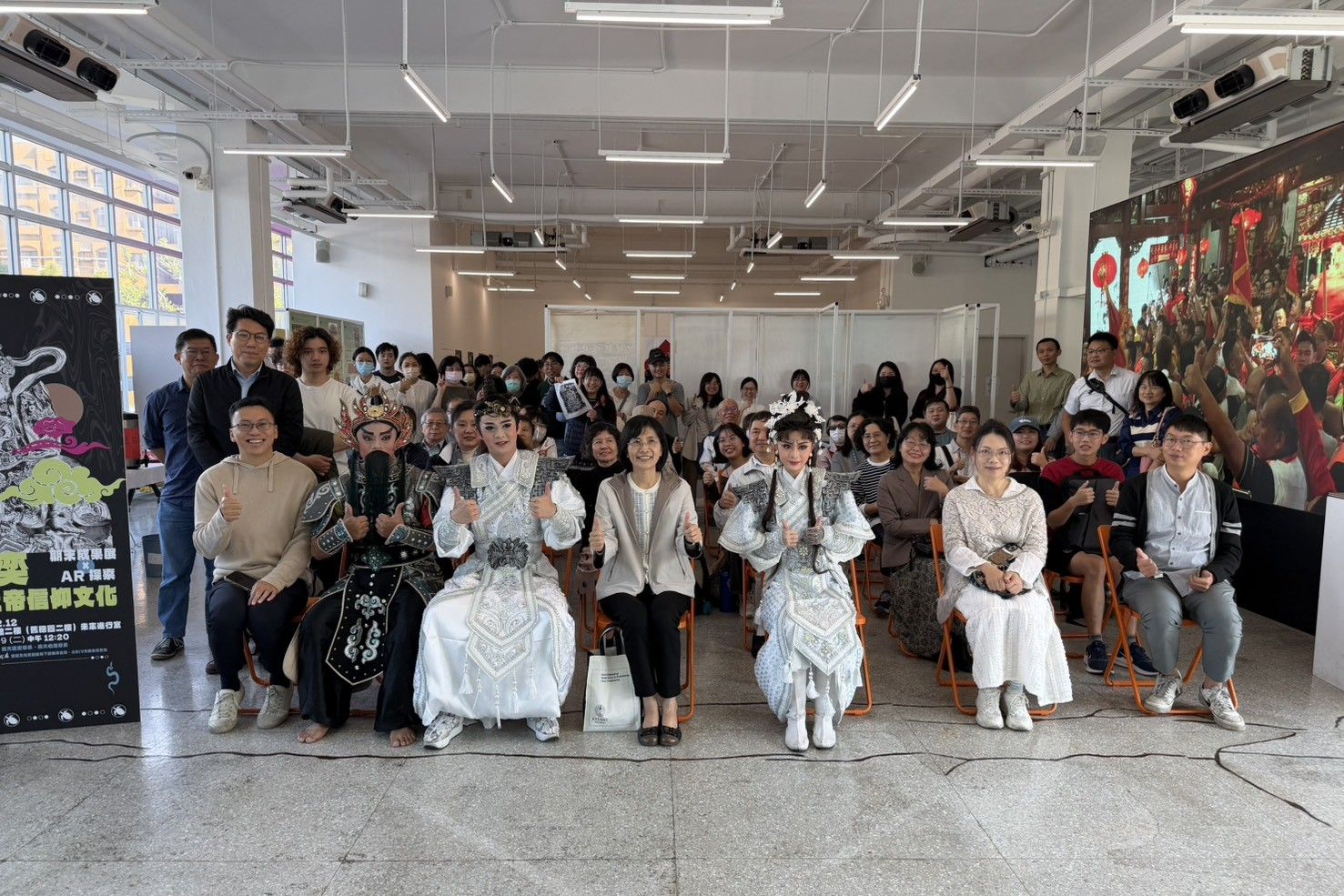
At the opening ceremony on December 9, Vice President Professor Yuh-Neu Chen (陳玉女) expressed gratitude to the guests and participants, emphasizing that the exhibition embodies the three core spirits of the Taiwan Studies Project: local immersion, interdisciplinary connection, and the integration of tradition with innovation. She noted that the exhibition starts from local artifacts such as the Xuanwu talisman (玄天上帝大符) and talisman boards (符板), extending to explore faith practices in Taiwan and across Southeast Asia, including Vietnam, Malaysia, Singapore, and Thailand. Vice President Chen also mentioned that the opening performance featured the Shin Hsieh Hsing Taiwanese Opera Troupe (新協興歌劇團) performing “Duke Zhou’s Magical Duel with the Peach Blossom Maiden 《周公鬥法桃花女》”, a story closely related to the exhibition theme, offering special significance. She expressed hope that visitors would experience Taiwan’s cultural confidence through this transnational exchange.
Distinguished Professor Cheng-Da Yang, Director of the Center for Humanities and Social Sciences at NCKU, pointed out that the Taiwan Studies Project has been implemented for five years with a core mission of cultural transmission. The project uses technological approaches to translate historical texts, aiming to broaden public understanding of Taiwanese culture. This exhibition focuses on Xuanwu faith, and the team developed a VR game experience combining multi-angle photography and modeling with cross-sensory display technology. The game includes local temple rituals for blessing as well as the virtual preparation of red tortoise cakes, a traditional Taiwanese snack closely associated with the faith. Professor Yang emphasized that the exhibition not only integrates deeply with Deshan Temple (德山廟), a designated historical monument in Tainan, but also actively promotes international collaboration with Sendai, Japan and Incheon, South Korea.
Associate Professor Chi-Chang Li of the Department of History noted that the exhibition continues the spirit of interdisciplinary connection, extending Taiwanese culture from local to Southeast Asian contexts. He expressed gratitude to community supporters and specially thanked Mr. You-Cheng Liu (劉宥承) for generously providing Xuanwu talismans and other valuable religious artifacts, enriching the exhibition content. The depiction of faith practices in Taiwan and regions such as Singapore, Malaysia, Thailand, and Vietnam owes much to fieldwork conducted by the team in these areas. He also acknowledged the assistance of Professor Wei-Chien Ma (馬薇茜) from the Master’s Program in Drama, who helped organize the Shin Hsieh Hsing Taiwanese Opera Troupe performance of “Duke Zhou’s Magical Duel with the Peach Blossom Maiden”, also known as “Xuantian Shangdi treading on a black turtle and a white snake 《上帝公收黑龜白蛇》”, which closely echoed the exhibition theme and enhanced the opening event.
Since its inception, the Taiwan Studies Project at NCKU has utilized diverse presentation methods, combining static and dynamic displays with multimedia, AI, AR, and VR technologies, to deeply study Taiwan’s unique historical, artistic, and technological status. This exhibition also leveraged online platforms and social media, bringing Taiwanese cultural heritage to a global audience and achieving international connections. The use of digital technologies provides an innovative and promising future for the sustainable preservation and promotion of Taiwan’s culture.
At the opening ceremony on December 9, Vice President Professor Yuh-Neu Chen (陳玉女) expressed gratitude to the guests and participants, emphasizing that the exhibition embodies the three core spirits of the Taiwan Studies Project: local immersion, interdisciplinary connection, and the integration of tradition with innovation. She noted that the exhibition starts from local artifacts such as the Xuanwu talisman (玄天上帝大符) and talisman boards (符板), extending to explore faith practices in Taiwan and across Southeast Asia, including Vietnam, Malaysia, Singapore, and Thailand. Vice President Chen also mentioned that the opening performance featured the Shin Hsieh Hsing Taiwanese Opera Troupe (新協興歌劇團) performing “Duke Zhou’s Magical Duel with the Peach Blossom Maiden 《周公鬥法桃花女》”, a story closely related to the exhibition theme, offering special significance. She expressed hope that visitors would experience Taiwan’s cultural confidence through this transnational exchange.
Distinguished Professor Cheng-Da Yang, Director of the Center for Humanities and Social Sciences at NCKU, pointed out that the Taiwan Studies Project has been implemented for five years with a core mission of cultural transmission. The project uses technological approaches to translate historical texts, aiming to broaden public understanding of Taiwanese culture. This exhibition focuses on Xuanwu faith, and the team developed a VR game experience combining multi-angle photography and modeling with cross-sensory display technology. The game includes local temple rituals for blessing as well as the virtual preparation of red tortoise cakes, a traditional Taiwanese snack closely associated with the faith. Professor Yang emphasized that the exhibition not only integrates deeply with Deshan Temple (德山廟), a designated historical monument in Tainan, but also actively promotes international collaboration with Sendai, Japan and Incheon, South Korea.
Associate Professor Chi-Chang Li of the Department of History noted that the exhibition continues the spirit of interdisciplinary connection, extending Taiwanese culture from local to Southeast Asian contexts. He expressed gratitude to community supporters and specially thanked Mr. You-Cheng Liu (劉宥承) for generously providing Xuanwu talismans and other valuable religious artifacts, enriching the exhibition content. The depiction of faith practices in Taiwan and regions such as Singapore, Malaysia, Thailand, and Vietnam owes much to fieldwork conducted by the team in these areas. He also acknowledged the assistance of Professor Wei-Chien Ma (馬薇茜) from the Master’s Program in Drama, who helped organize the Shin Hsieh Hsing Taiwanese Opera Troupe performance of “Duke Zhou’s Magical Duel with the Peach Blossom Maiden”, also known as “Xuantian Shangdi treading on a black turtle and a white snake 《上帝公收黑龜白蛇》”, which closely echoed the exhibition theme and enhanced the opening event.
Since its inception, the Taiwan Studies Project at NCKU has utilized diverse presentation methods, combining static and dynamic displays with multimedia, AI, AR, and VR technologies, to deeply study Taiwan’s unique historical, artistic, and technological status. This exhibition also leveraged online platforms and social media, bringing Taiwanese cultural heritage to a global audience and achieving international connections. The use of digital technologies provides an innovative and promising future for the sustainable preservation and promotion of Taiwan’s culture.
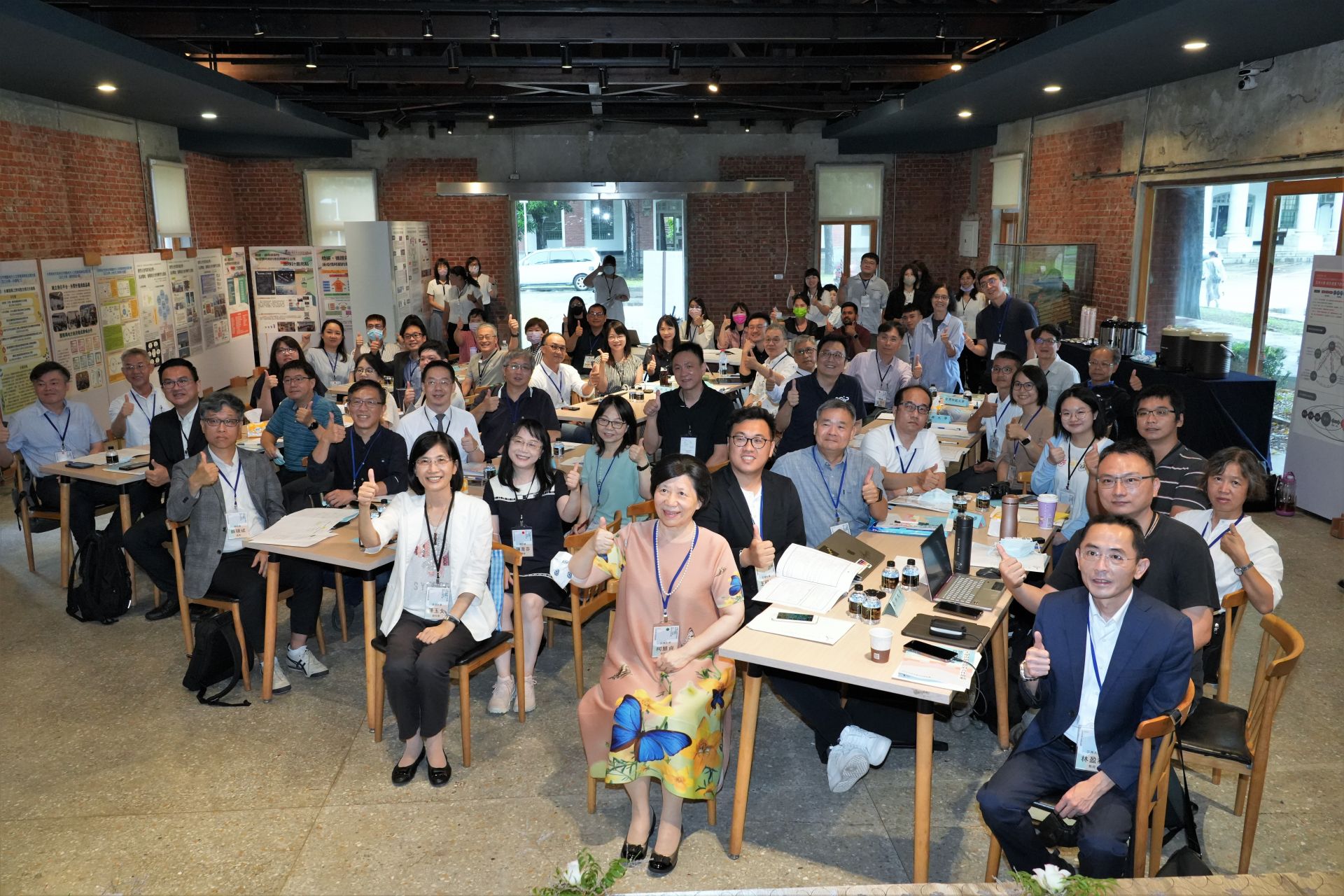
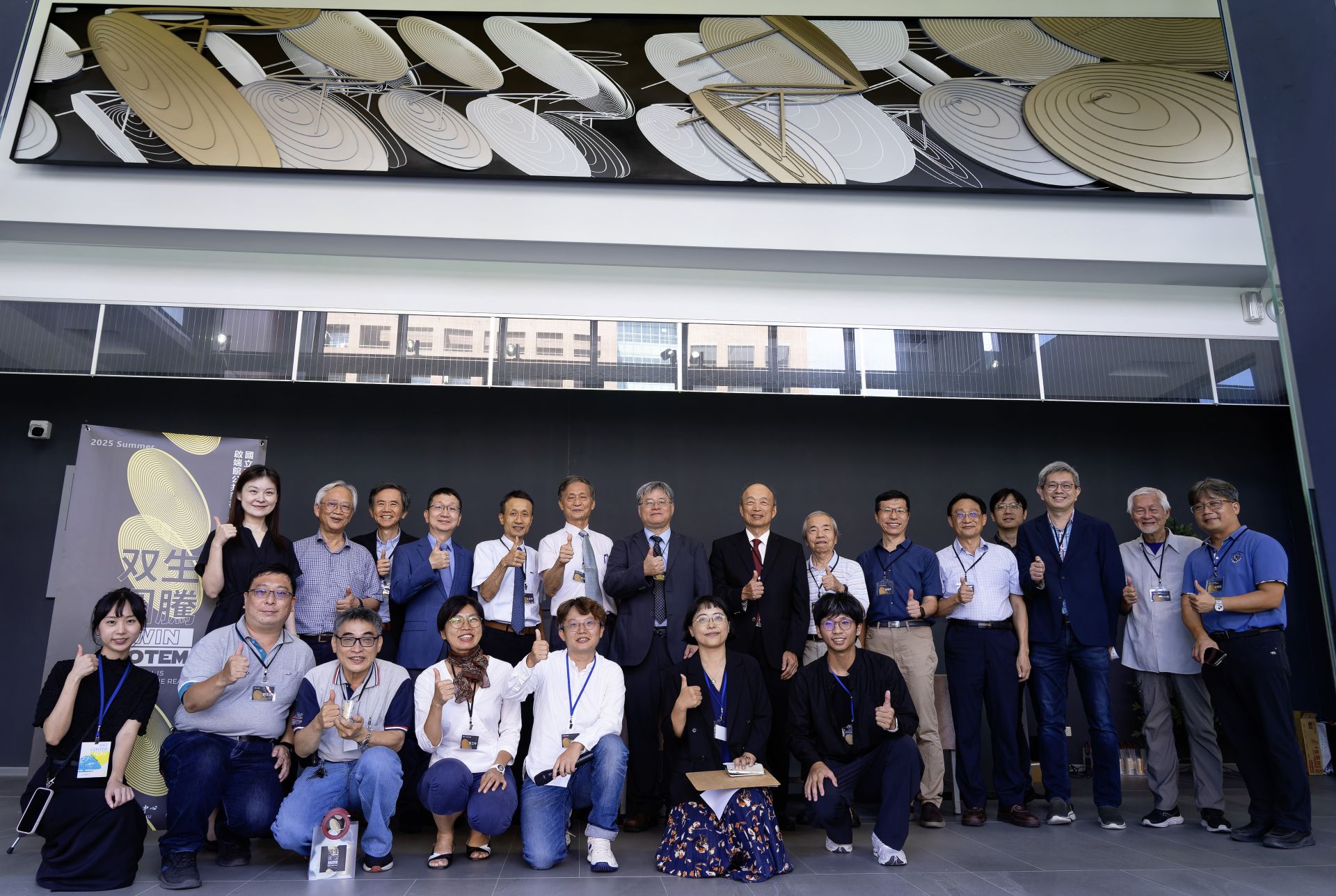
Group Photo from the Opening Ceremony on December 9 of the 2025 NCKU Taiwan Studies Exhibition “The Majestic and Miraculous: The Xuanwu Faith in East Asia”
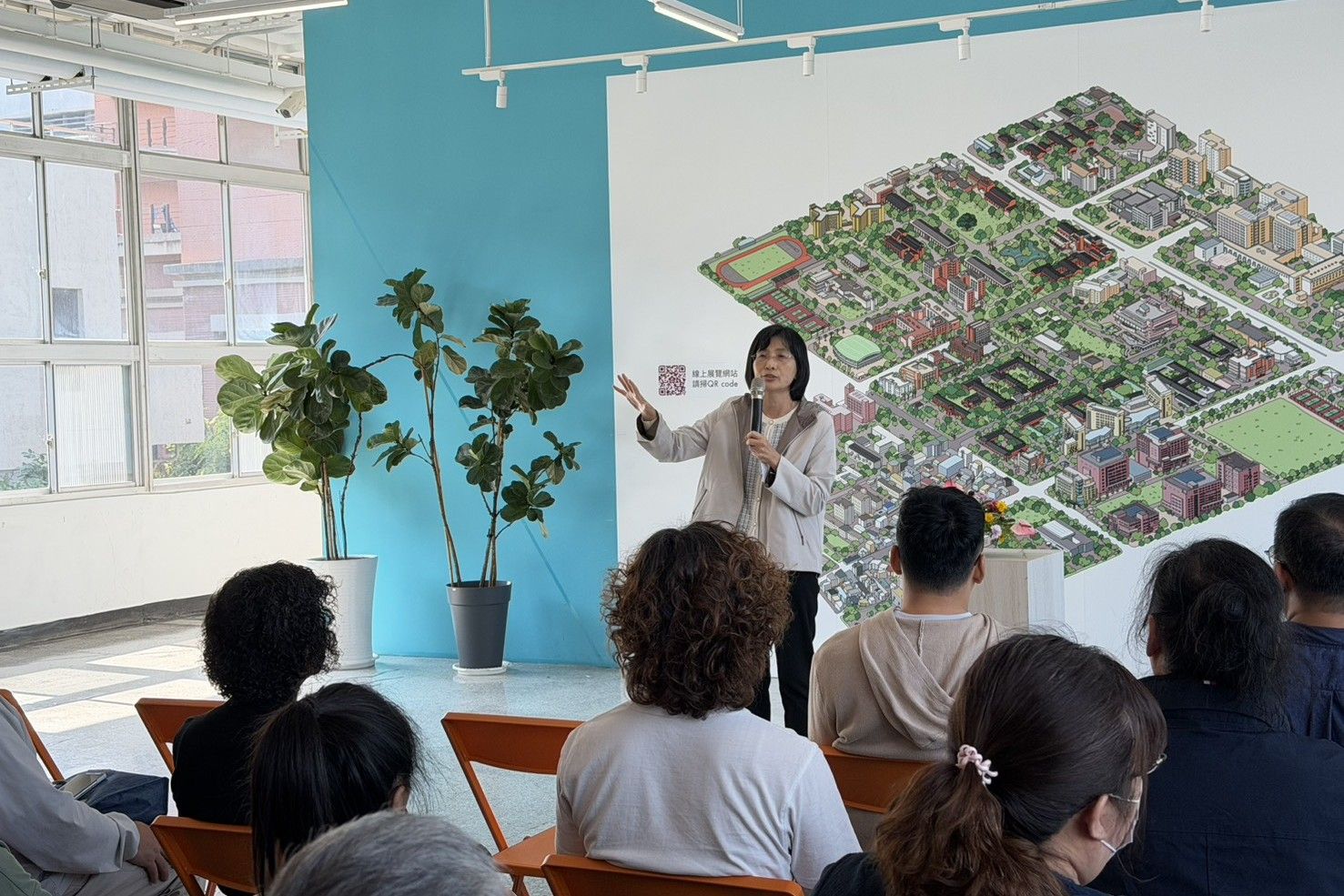
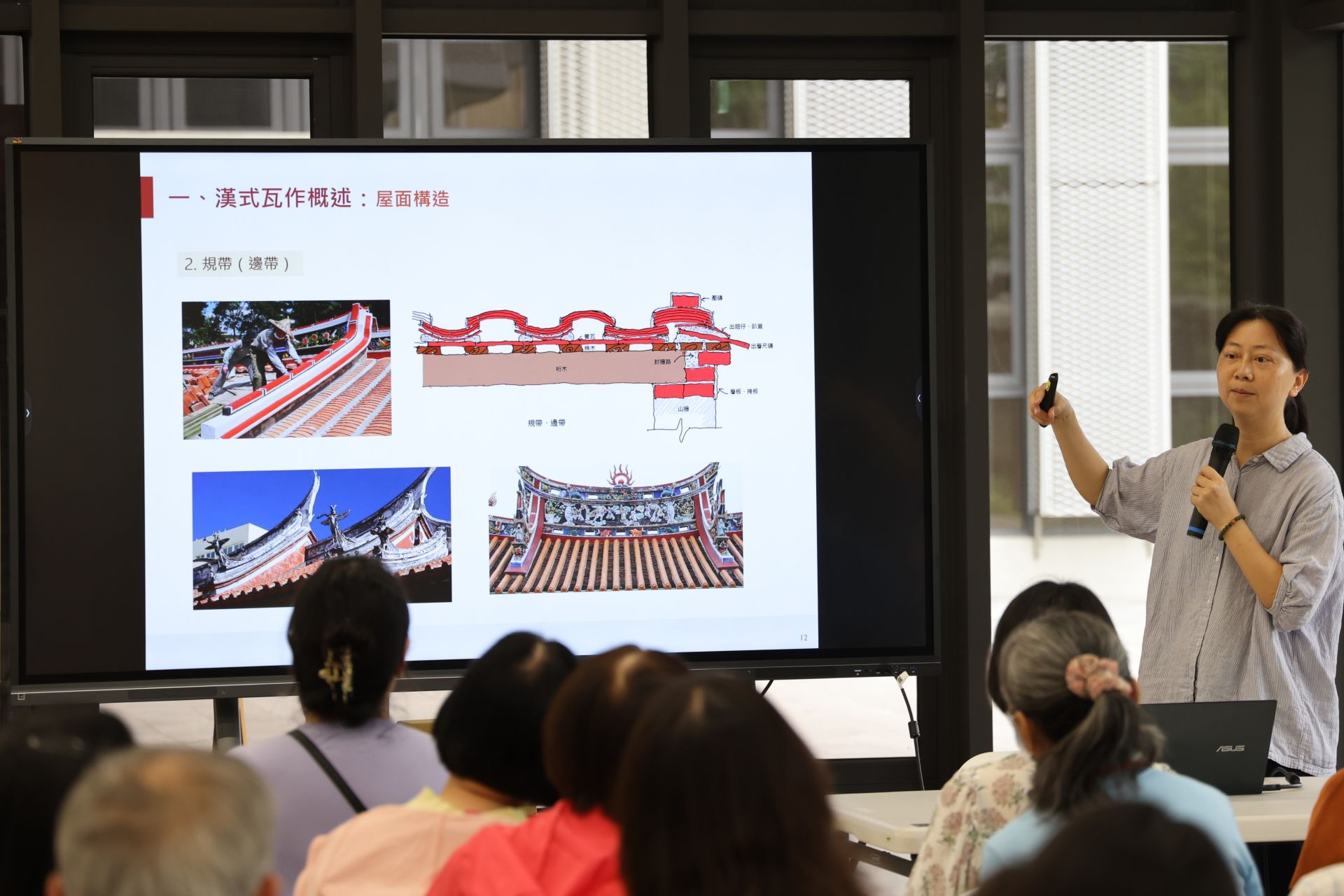
Vice President Professor Yuh-Neu Chen of NCKU stated that this exhibition embodies the three core principles of the Taiwan Studies Project: local immersion, interdisciplinary connection, and the integration of tradition with innovation.
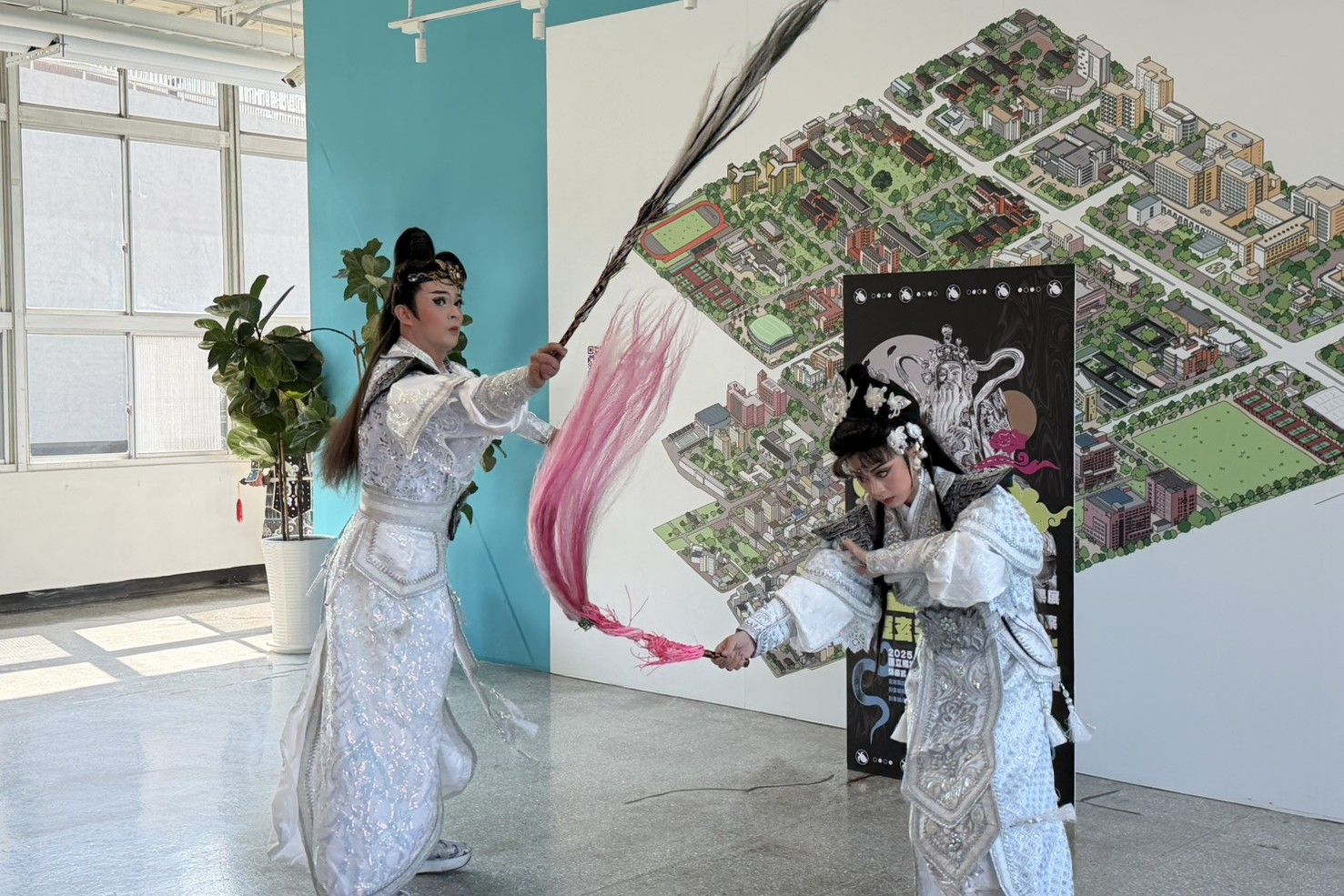
Shin Hsieh Hsing Taiwanese Opera Troupe Performs “Duke Zhou’s Magical Duel with the Peach Blossom Maiden”《周公鬥法桃花女》
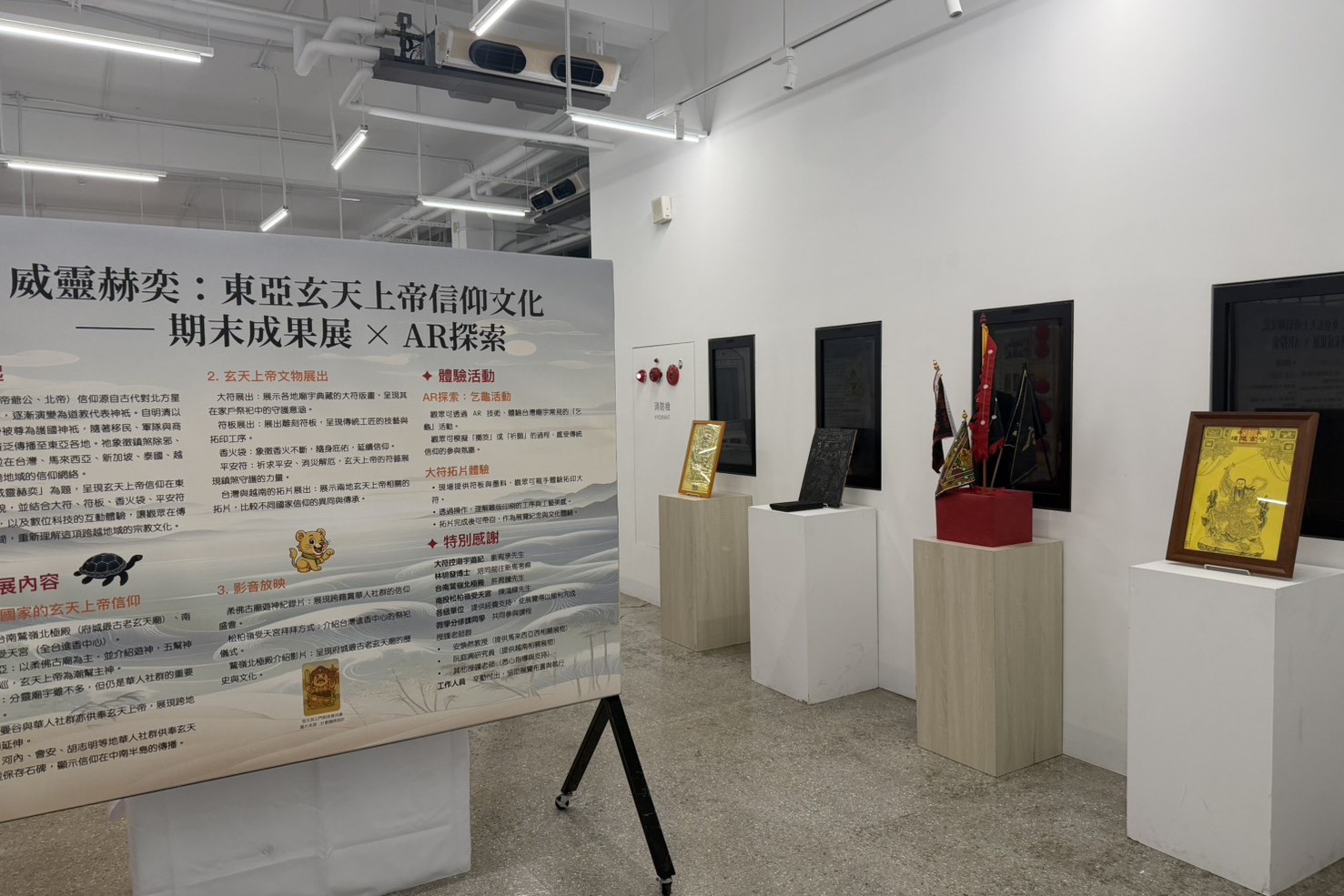
“The Majestic and Miraculous: The Xuanwu Faith in East Asia”Final Exhibition Showcases Its Outcomes.