



SDG11
The Southern Session of the “National Taiwanese Language Policy Forum” Held at NCKU
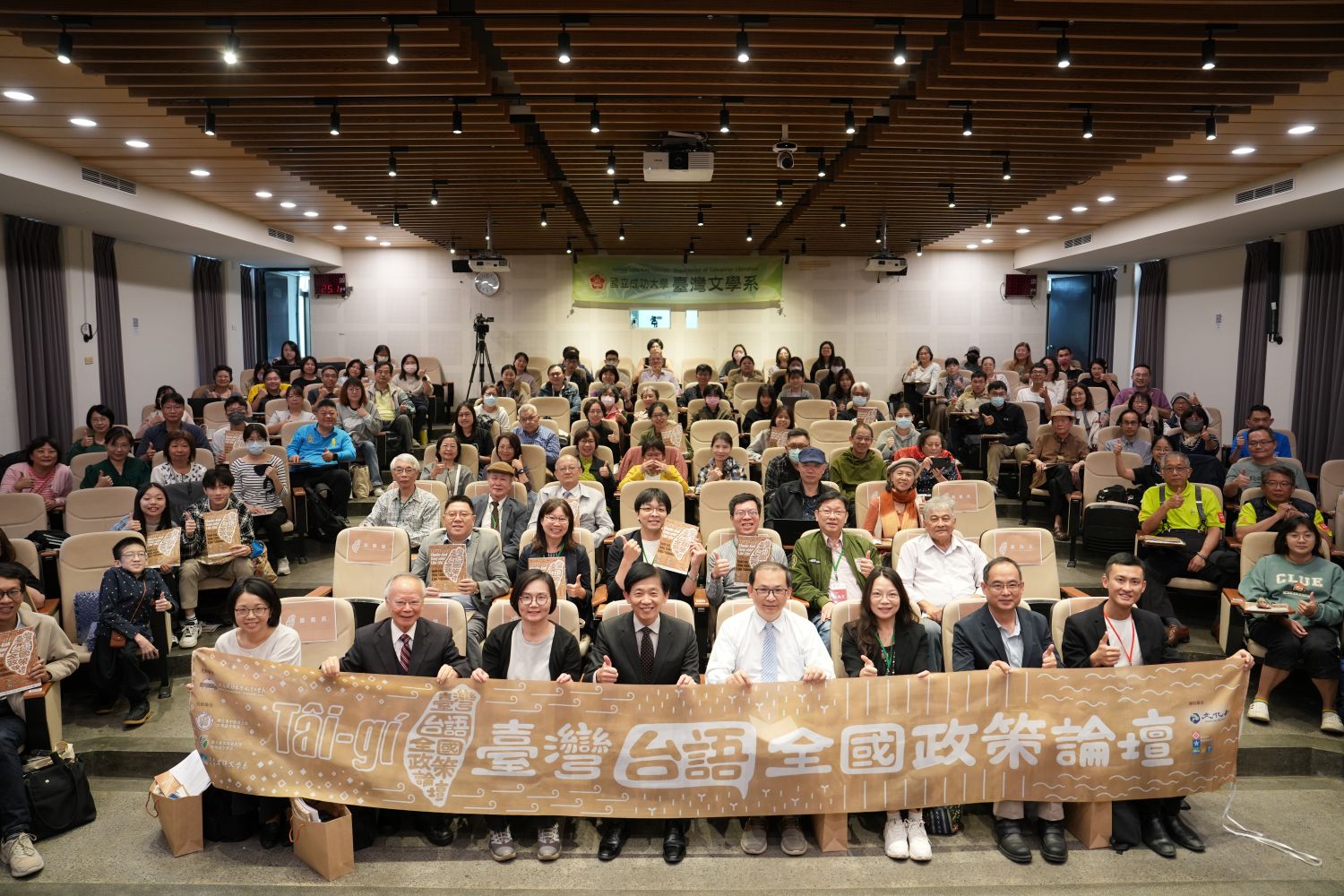
Guided by the Ministry of Culture and organized by the Department of Taiwanese Literature at National Cheng Kung University (NCKU), in collaboration with the Department of Taiwanese Languages and Literature at National Taichung University of Education, the Department of Taiwanese Languages and Literature at National Taiwan Normal University, and the Department of Chinese Language and Literature at National Taitung University, the “National Taiwanese Language Policy Forum” held its first southern session on December 13 at the College of Liberal Arts, NCKU.
The forum, themed “Transitional Justice, Language Transmission kap Cultural Balance (轉型正義、語言傳承 kap 文化平衡),” served as an important preparatory platform for the 2026 National Languages Development Conference. It attracted representatives from government, industry, academia, and the education sector, who gathered to engage in in-depth discussions on the challenges facing Taiwanese (Hokkien) in institutional frameworks, cultural contexts, and educational practice.
Language Transitional Justice: From Historical Redress to Institutional Repair
The forum first focused on the issue of language transitional justice. In her keynote address, Professor Li-Chun Chen (陳麗君), Chair of the Department of Taiwanese Literature at NCKU and the forum’s organizer, pointed out that the decline of Taiwanese was not a natural process but a structural consequence of historical policies. Therefore, language justice is not merely a cultural issue; it is a core component of rebuilding national governance and cultural security.
Tainan City Deputy Mayor Tse-Shan Yeh (葉澤山) noted that Tainan has long been at the forefront of mother-tongue education. In 2016, the city took the lead nationwide by establishing Koubei Experimental Education Schools, with the aim of preventing historical discontinuities in language transmission. Moving forward, the city will continue to implement mother-tongue education, create immersive learning environments, and promote the integration of Taiwanese across administrative, educational, and cultural tourism domains, with the goal of developing a global model city where Taiwanese serves as a common local language.
The forum concluded that language transitional justice must begin with institutional correction, including the reassessment of administrative procedures, the language used in public services, and educational regulations, so that language rights can be fully realized in everyday life.
Bridging the Language Gap Between the Education System and Practice: Industry – Academia Collaboration Connecting Taiwanese with the Professional Sector
The forum highlighted several key challenges currently facing language transmission, including the sharp decline in household language use, the disruption of intergenerational transmission chains, and insufficient alignment in educational settings regarding teaching materials, teacher training, and assessment systems. Dean Wen-Sung Chen (陳文松) of NCKU’s College of Liberal Arts stated, “Language is not merely a means of communication; it is at the core of cultural spirit. NCKU has long been committed to humanities education, aiming to ensure that language policy discussions extend beyond the regulatory level and are implemented in daily life, culture, education, and social responsibility.”
Professor Sheng-Chih Shen (沈聖智), NCKU’s Dean of Academic Affairs, noted that the university has revised the “Principles for Teacher Instruction Hours,” stipulating that courses focused on the “Preservation and Revitalization of National Languages” will have their instruction hours calculated at 1.5 times the standard rate. To further support the national language development policy, a new award category, “Innovative Teaching – Promotion of National Languages,” has also been introduced. The selection process for this award began in the 113th academic year, with Professor Li-Chun Chen from the Department of Taiwanese Literature receiving the “Excellence in Teaching – Promotion of National Languages” award. Through this award system, NCKU aims to encourage faculty to integrate related topics into course design and teaching activities, further enriching the campus culture of diversity and inclusiveness.
Cultural Balance and Language Status: How Language Returns to Public Life
The forum discussion also extended to the dimension of “cultural balance,” emphasizing that language requires support through cultural policies and public spaces to regain social visibility. The status of a language is not merely symbolic; it also reflects the degree to which a community is recognized in public life and its cultural confidence. Bang-Chen Cheng (鄭邦鎮), former Director of the National Museum of Taiwan Literature, stated: “Language revitalization requires immediate and effective policy leverage.” He specifically advocated implementing a “children must know the mother tongue to enroll in school” policy, thereby naturally and reasonably restoring the responsibility and environment for mother tongue transmission to family life before school age. The forum also discussed how local governments can enhance the public presence and actual usage of Taiwanese through cultural policies, language landscapes, and media language.
A Bottom-Up Policy Platform: From Grassroots Needs to Institutional Reform
Professor Li-Chun Chen, Chair of the Department of Taiwan Literature at NCKU, emphasized that the core spirit of this forum is to establish a “bottom-up” language policy platform. She stated, “We hope to provide a space where professional scholars, frontline teachers, parents, students, and civil organizations can articulate the institutional challenges they encounter. Issues such as broken language transmission, educational gaps, and insufficient social language environments need to be addressed through interdisciplinary collaboration and translated into actionable policy pathways.”
Recommendations for Taiwanese language policy reform will focus on three directions: 1) establishing dedicated institutional mechanisms such as a “Taiwanese Language Committee” and implementing local language ordinances; 2) promoting national language immersive education and gradually expanding pilot programs for “Taiwanese-English bilingual schools” year by year; 3) developing public language service regulations and media quotas to elevate the status of Taiwanese, which has been historically stigmatized. Professor Chen emphasized that the forum’s theme, “Transitional Justice, Language Transmission, and Cultural Balance,” aims to address past institutional gaps in language policy and foster reconciliation, while making cultural diversity a concrete and feasible consideration in policy planning.
Towards 2026: Four Regional Forums Connect National Language Issues
This Southern Forum, together with the upcoming three regional forums—Central Taiwan (2025/12/28) on “Taiwanese Language Policy, Language Awareness, and the Establishment of Language Prestige,” Eastern Taiwan (2026/01/10) on “Language Landscape and Language Vitality,” and Northern Taiwan (2026/03/06) on “Taiwanese Language Normalization”—will collectively form a nationwide framework for discussions on language policy. The outcomes of all four forums will be compiled into the Taiwanese Language Policy Recommendations, providing concrete suggestions on institutional barriers, legislative directions, and administrative improvements. These recommendations will be submitted to the 2026 National Language Development Conference, laying a solid foundation of public opinion for future language policy.
The forum, themed “Transitional Justice, Language Transmission kap Cultural Balance (轉型正義、語言傳承 kap 文化平衡),” served as an important preparatory platform for the 2026 National Languages Development Conference. It attracted representatives from government, industry, academia, and the education sector, who gathered to engage in in-depth discussions on the challenges facing Taiwanese (Hokkien) in institutional frameworks, cultural contexts, and educational practice.
Language Transitional Justice: From Historical Redress to Institutional Repair
The forum first focused on the issue of language transitional justice. In her keynote address, Professor Li-Chun Chen (陳麗君), Chair of the Department of Taiwanese Literature at NCKU and the forum’s organizer, pointed out that the decline of Taiwanese was not a natural process but a structural consequence of historical policies. Therefore, language justice is not merely a cultural issue; it is a core component of rebuilding national governance and cultural security.
Tainan City Deputy Mayor Tse-Shan Yeh (葉澤山) noted that Tainan has long been at the forefront of mother-tongue education. In 2016, the city took the lead nationwide by establishing Koubei Experimental Education Schools, with the aim of preventing historical discontinuities in language transmission. Moving forward, the city will continue to implement mother-tongue education, create immersive learning environments, and promote the integration of Taiwanese across administrative, educational, and cultural tourism domains, with the goal of developing a global model city where Taiwanese serves as a common local language.
The forum concluded that language transitional justice must begin with institutional correction, including the reassessment of administrative procedures, the language used in public services, and educational regulations, so that language rights can be fully realized in everyday life.
Bridging the Language Gap Between the Education System and Practice: Industry – Academia Collaboration Connecting Taiwanese with the Professional Sector
The forum highlighted several key challenges currently facing language transmission, including the sharp decline in household language use, the disruption of intergenerational transmission chains, and insufficient alignment in educational settings regarding teaching materials, teacher training, and assessment systems. Dean Wen-Sung Chen (陳文松) of NCKU’s College of Liberal Arts stated, “Language is not merely a means of communication; it is at the core of cultural spirit. NCKU has long been committed to humanities education, aiming to ensure that language policy discussions extend beyond the regulatory level and are implemented in daily life, culture, education, and social responsibility.”
Professor Sheng-Chih Shen (沈聖智), NCKU’s Dean of Academic Affairs, noted that the university has revised the “Principles for Teacher Instruction Hours,” stipulating that courses focused on the “Preservation and Revitalization of National Languages” will have their instruction hours calculated at 1.5 times the standard rate. To further support the national language development policy, a new award category, “Innovative Teaching – Promotion of National Languages,” has also been introduced. The selection process for this award began in the 113th academic year, with Professor Li-Chun Chen from the Department of Taiwanese Literature receiving the “Excellence in Teaching – Promotion of National Languages” award. Through this award system, NCKU aims to encourage faculty to integrate related topics into course design and teaching activities, further enriching the campus culture of diversity and inclusiveness.
Cultural Balance and Language Status: How Language Returns to Public Life
The forum discussion also extended to the dimension of “cultural balance,” emphasizing that language requires support through cultural policies and public spaces to regain social visibility. The status of a language is not merely symbolic; it also reflects the degree to which a community is recognized in public life and its cultural confidence. Bang-Chen Cheng (鄭邦鎮), former Director of the National Museum of Taiwan Literature, stated: “Language revitalization requires immediate and effective policy leverage.” He specifically advocated implementing a “children must know the mother tongue to enroll in school” policy, thereby naturally and reasonably restoring the responsibility and environment for mother tongue transmission to family life before school age. The forum also discussed how local governments can enhance the public presence and actual usage of Taiwanese through cultural policies, language landscapes, and media language.
A Bottom-Up Policy Platform: From Grassroots Needs to Institutional Reform
Professor Li-Chun Chen, Chair of the Department of Taiwan Literature at NCKU, emphasized that the core spirit of this forum is to establish a “bottom-up” language policy platform. She stated, “We hope to provide a space where professional scholars, frontline teachers, parents, students, and civil organizations can articulate the institutional challenges they encounter. Issues such as broken language transmission, educational gaps, and insufficient social language environments need to be addressed through interdisciplinary collaboration and translated into actionable policy pathways.”
Recommendations for Taiwanese language policy reform will focus on three directions: 1) establishing dedicated institutional mechanisms such as a “Taiwanese Language Committee” and implementing local language ordinances; 2) promoting national language immersive education and gradually expanding pilot programs for “Taiwanese-English bilingual schools” year by year; 3) developing public language service regulations and media quotas to elevate the status of Taiwanese, which has been historically stigmatized. Professor Chen emphasized that the forum’s theme, “Transitional Justice, Language Transmission, and Cultural Balance,” aims to address past institutional gaps in language policy and foster reconciliation, while making cultural diversity a concrete and feasible consideration in policy planning.
Towards 2026: Four Regional Forums Connect National Language Issues
This Southern Forum, together with the upcoming three regional forums—Central Taiwan (2025/12/28) on “Taiwanese Language Policy, Language Awareness, and the Establishment of Language Prestige,” Eastern Taiwan (2026/01/10) on “Language Landscape and Language Vitality,” and Northern Taiwan (2026/03/06) on “Taiwanese Language Normalization”—will collectively form a nationwide framework for discussions on language policy. The outcomes of all four forums will be compiled into the Taiwanese Language Policy Recommendations, providing concrete suggestions on institutional barriers, legislative directions, and administrative improvements. These recommendations will be submitted to the 2026 National Language Development Conference, laying a solid foundation of public opinion for future language policy.
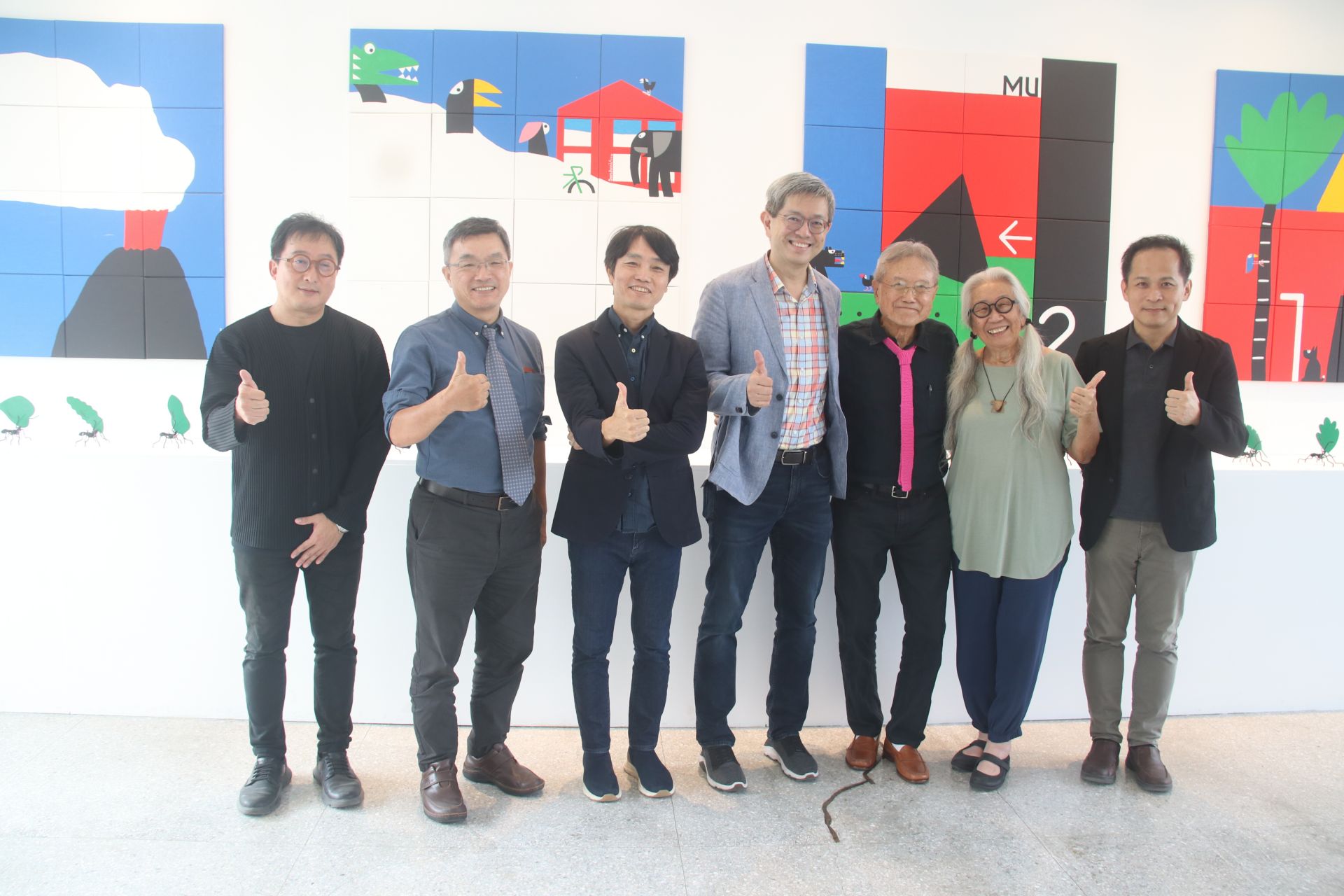
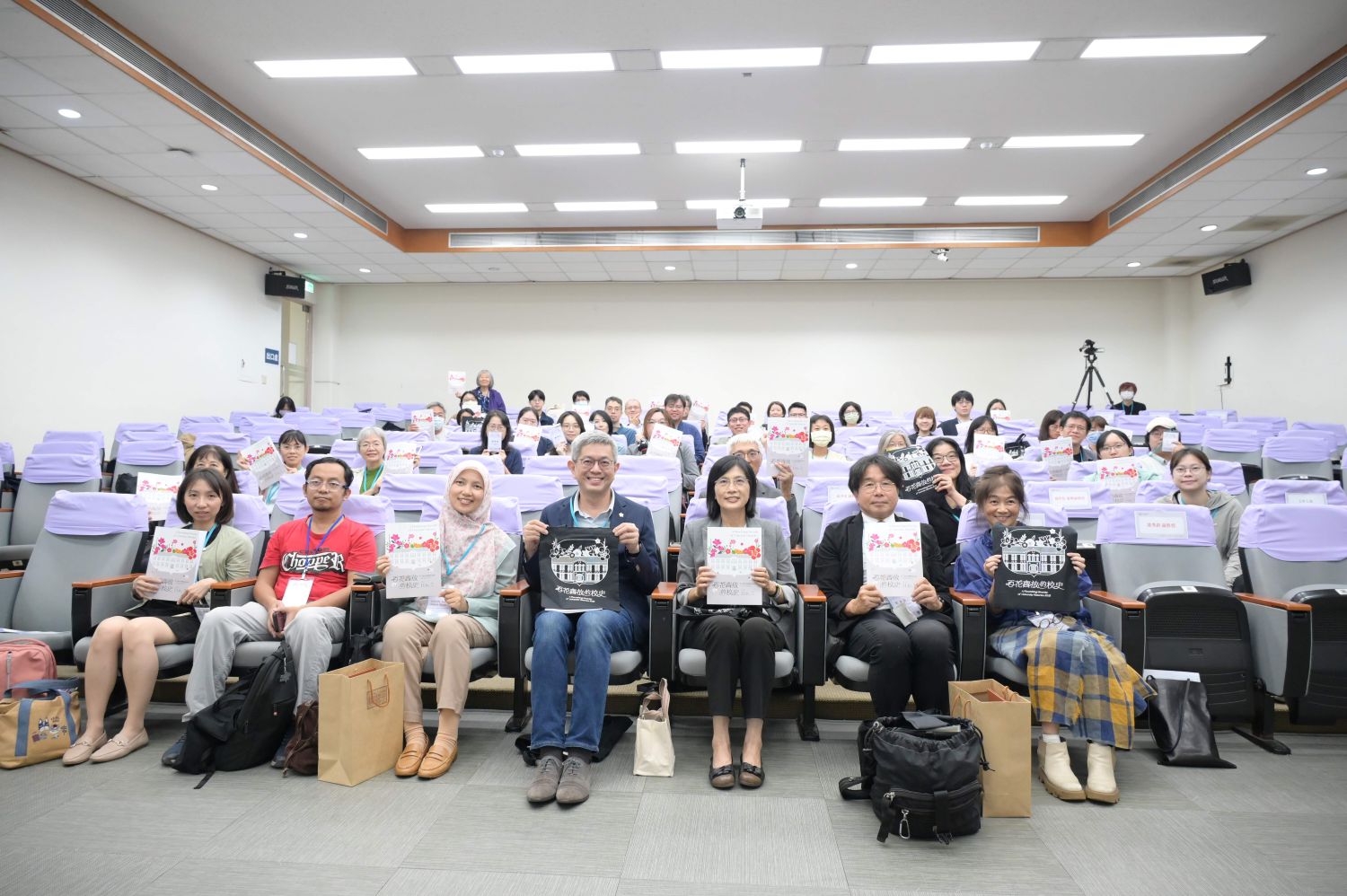
Gathering Public Voices Toward 2026: Southern Session of the “National Taiwanese Language Policy Forum” Debuts at NCKU
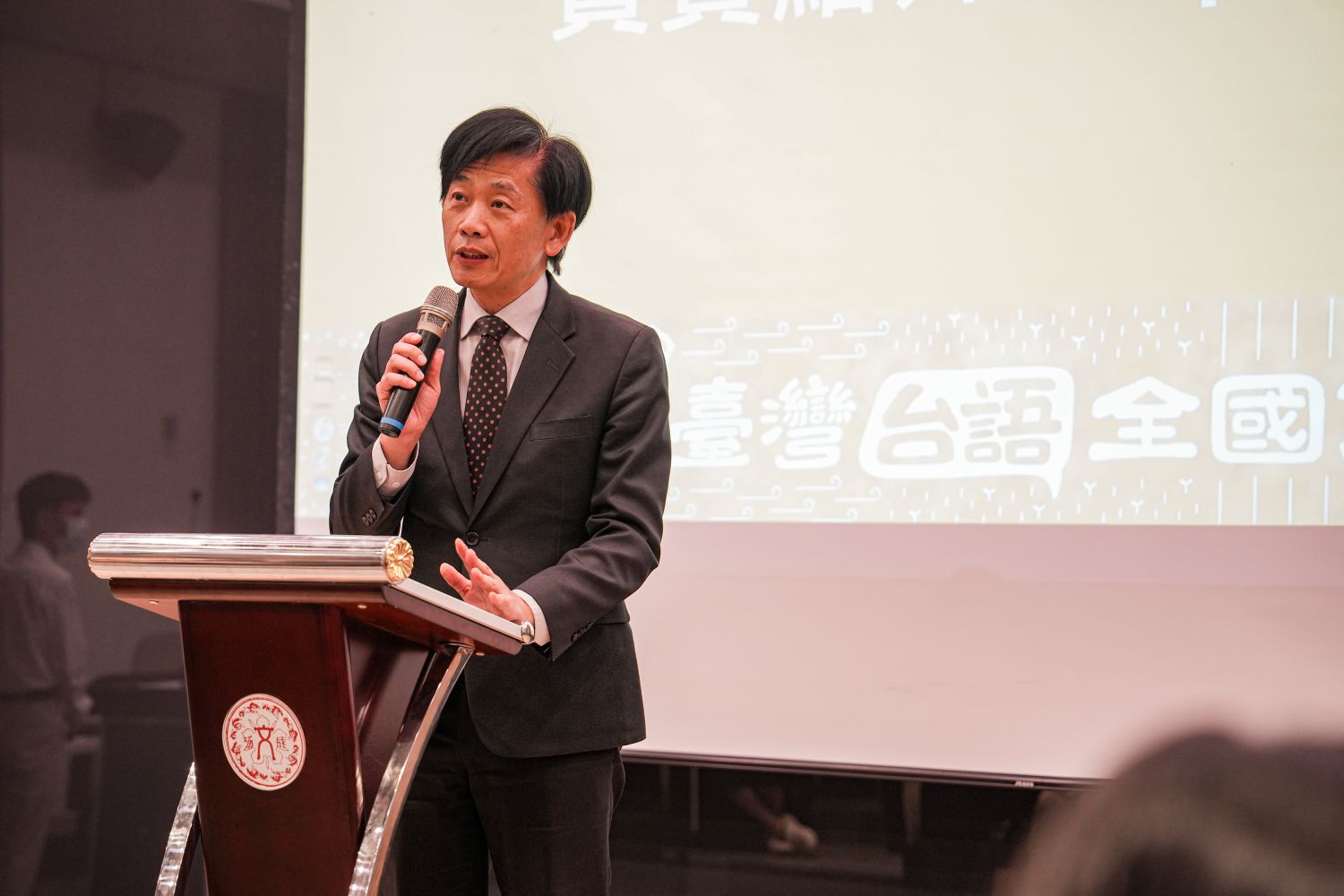
Tainan City Deputy Mayor Tse-Shan Yeh stated that Tainan has always been at the forefront of native language education.
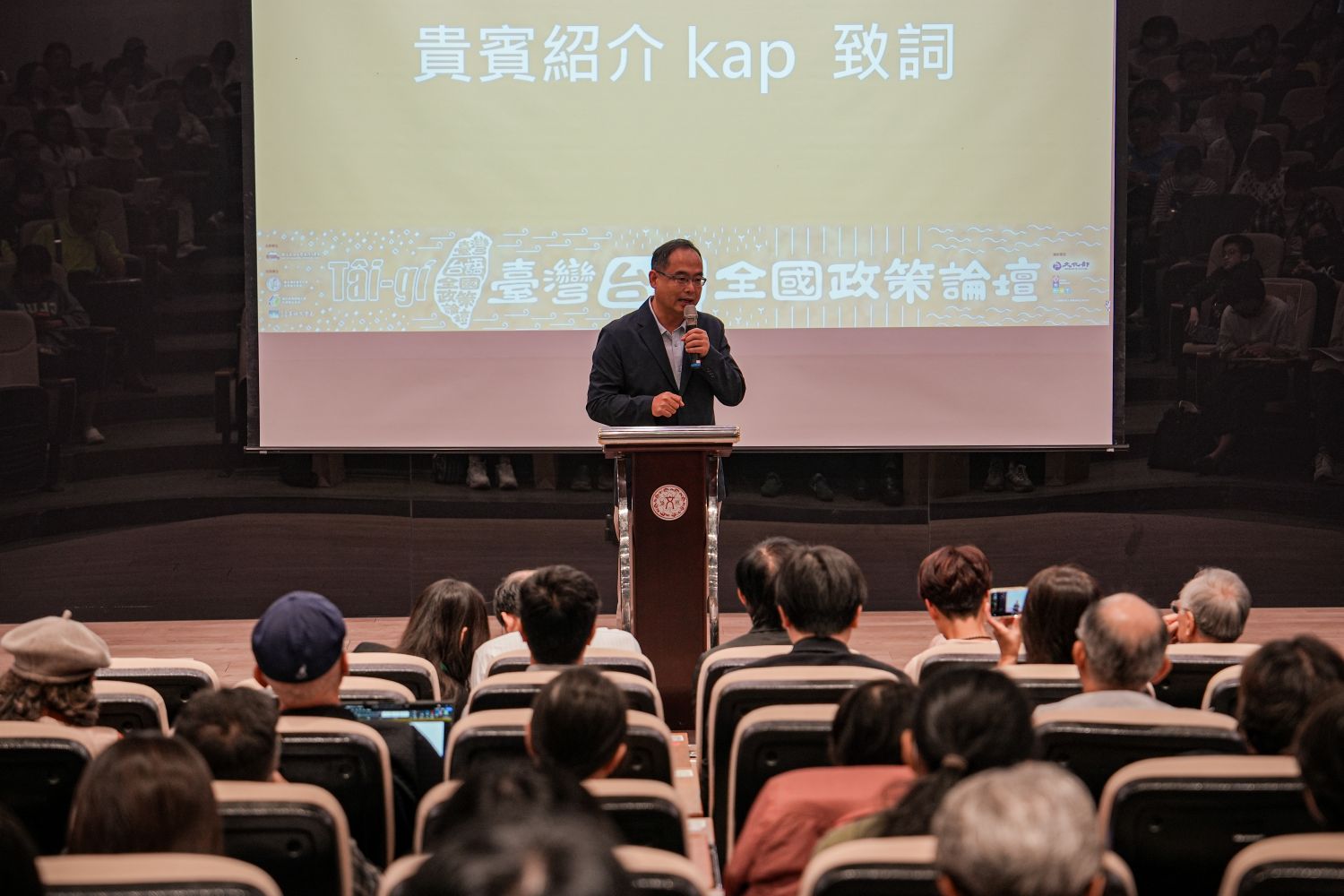
Wen-Sung Chen, Dean of the College of Liberal Arts at NCKU stated, “Language is not merely a means of communication; it lies at the core of cultural spirit. NCKU has long been committed to humanities education, aiming to ensure that language policy discussions extend beyond the regulatory level and are implemented in daily life, culture, education, and social responsibility.”
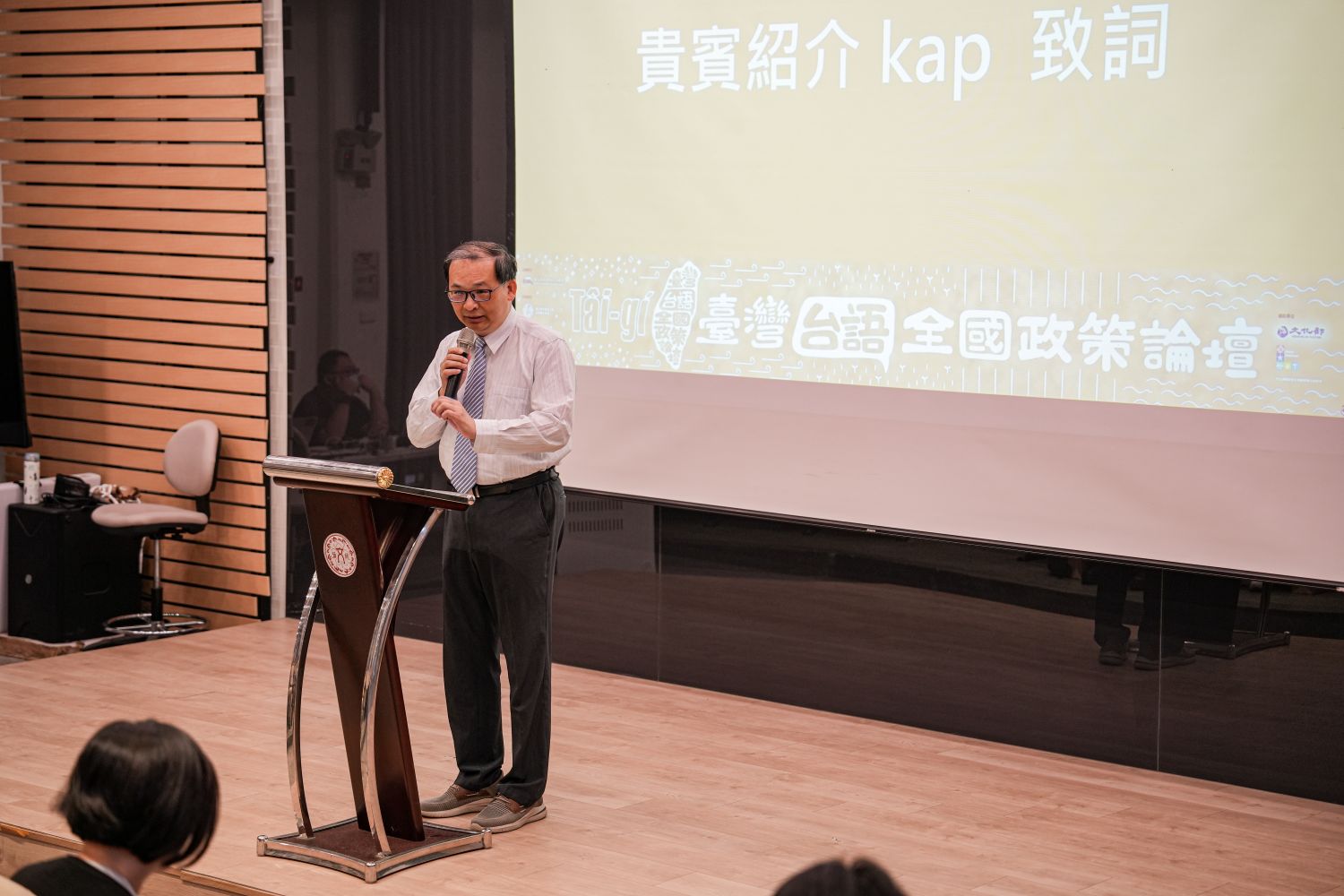
Professor Sheng-Chih Shen, Dean of Academic Affairs at NCKU, stated that the university has revised the “Principles for Teacher Instruction Hours,” stipulating that courses focused on the “Preservation and Revitalization of National Languages” will have their instruction hours counted at 1.5 times the standard rate.
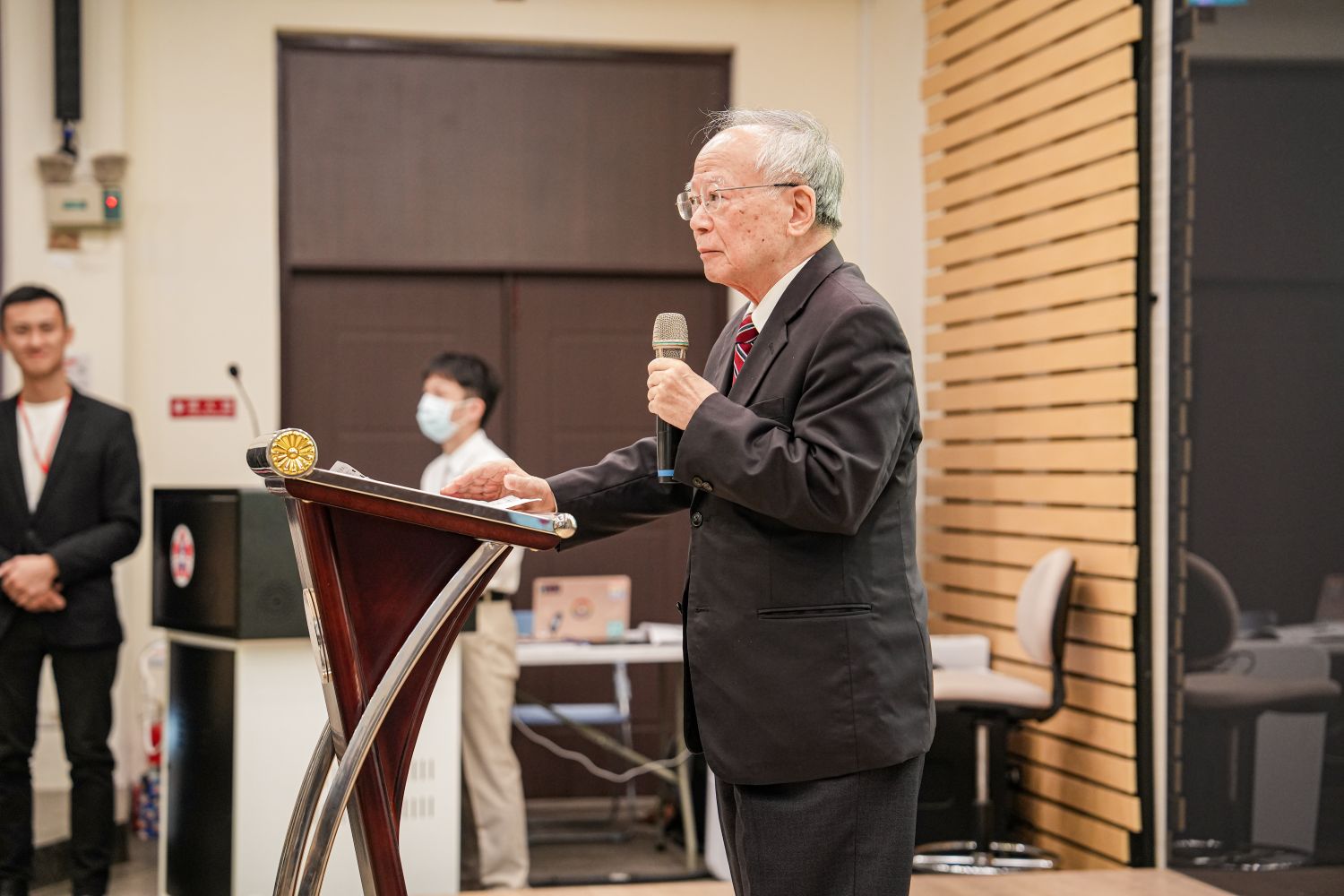
Bang-Chen Cheng, former Director of the National Museum of Taiwan Literature, stated: “Language revitalization requires immediate and effective policy leverage.”
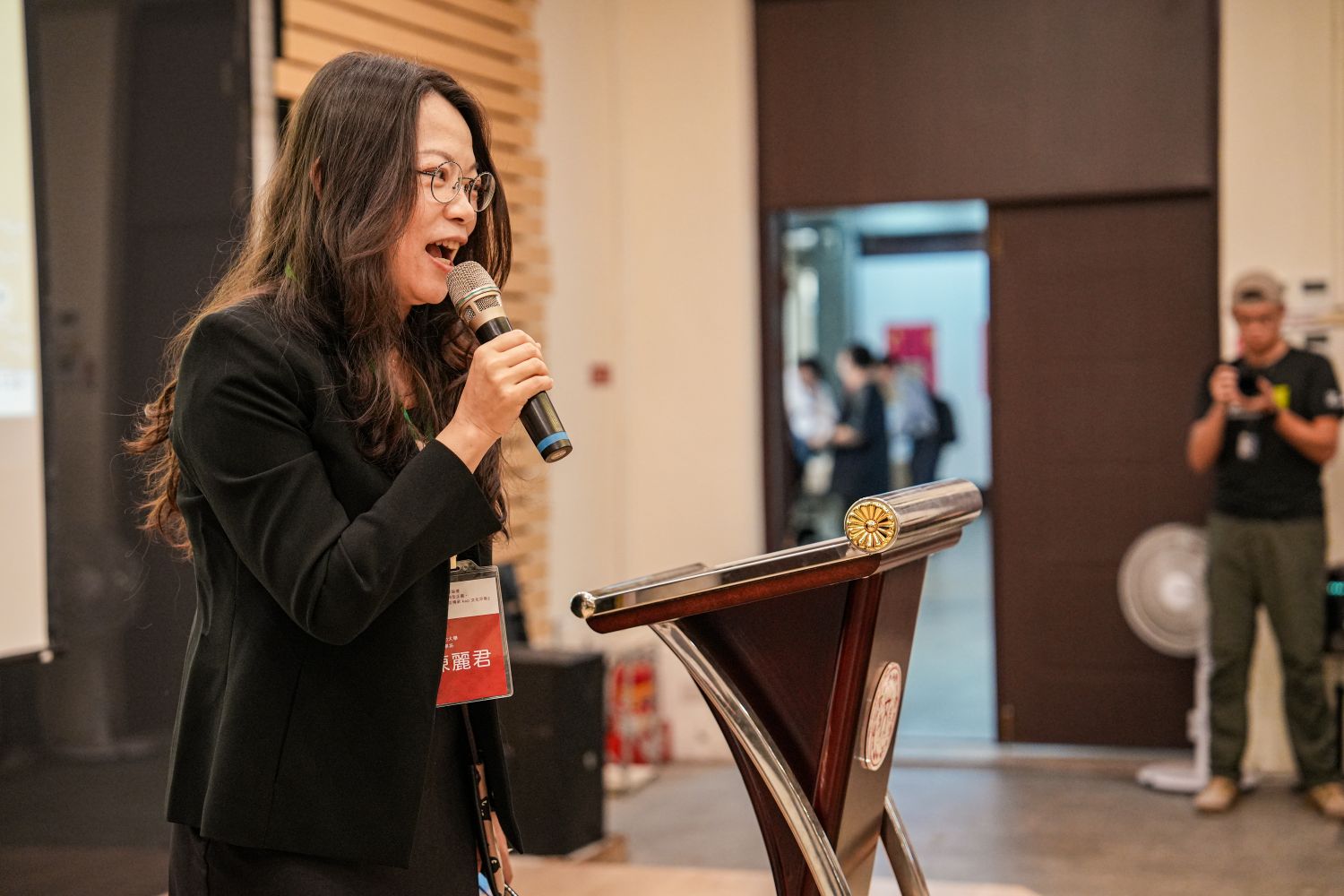
The forum organizer, Professor Li-Chun Chen, Chair of the Department of Taiwanese Literature at NCKU, emphasized in her keynote address that the decline of Taiwanese is not a natural process but a structural consequence of historical policies. She further stated that the core spirit of this forum is to establish a “bottom-up” language policy platform.