



SDG4
Cross-Border Healing Course: Kobe University and NCKU Explore New Horizons in Integrative Care through “Exploring Tainan”
During their study visit to Taiwan in March, faculty and students from Kobe University participated in an exchange program organized by the College of Liberal Arts at National Cheng Kung University (NCKU) through its “Exploring Tainan” initiative. Together with NCKU students, they joined the course route titled “Integrative Care Around You,” experiencing a locally grounded field-based curriculum that integrates green transportation, diverse medical systems, and cross-cultural co-learning.
As part of the course design, students from both universities traveled together by public bus to conduct field exploration, engaging directly with the everyday life and cultural landscape of Tainan. The program provided a unique opportunity to participate in a cross-border healing course while experiencing the city from a local perspective.
The course “Integrative Care Around You” introduces students to three major medical systems present in the local context: folk healing practices, traditional Chinese medicine, and Western medicine. From the coexistence of Eastern and Western medical traditions to folk therapies rooted in religious beliefs, students also explored the current development of home-based medical care within communities. This multifaceted approach enables students to better understand how culture shapes individual and collective experiences of illness, as well as the interactions within healthcare systems. Through joint participation, the course further promotes academic exchange and cultural understanding between Taiwanese and Japanese students.
On the slightly cool morning of March 7, students gathered at a bus stop before heading to Tainan’s Central and Western District. One of the highlights of the course was the exclusive use of the city’s public bus system as the primary means of transportation throughout the field study. Teaching assistant Wen-Hsin Yu from Kobe University noted that Japanese society places great importance on environmental symbiosis. Guiding students through the historic city via public transportation not only embodies eco-friendly, low-carbon living but also allows them to experience Tainan’s streets from a truly local perspective, aligning with the principles of the Sustainable Development Goals (SDGs).
During the experiential learning process, Taiwanese and Japanese students first visited a traditional herbal shop to learn about folk dietary therapy. Along the way, they explored how churches and temples provide spiritual healing within the community. At Tong-De Pharmacy, students learned about the historical development of the Chinese herbal medicine industry and participated in a hands-on DIY herbal packaging activity. Kobe University students found this experience particularly memorable, as they were fascinated by the wide variety of herbal ingredients displayed. Following the instructor’s guidance, they practiced traditional wrapping techniques by carefully packaging dried red dates in herbal paper. One student, Yuki Magosaki, shared that she greatly enjoyed the activity and learned about the differences between traditional medicinal materials used in Taiwan and Japan.
In the latter half of the course, students visited several medical institutions, including pediatric clinics, hospitals, and home-care facilities. The session concluded at a historical venue, where instructors delivered lectures on the development of modern healthcare systems, geriatrics, and home-based medical care. Interactive discussions were arranged for Taiwanese and Japanese students to compare the similarities and differences between healthcare systems in the two countries. This cross-cultural learning model transformed medical knowledge from abstract textbook content into a meaningful cultural dialogue. Through guided reflection, students came to understand that healthcare is not only a scientific practice but also a complex interplay of cultural and social networks.
Student Kazuna Inoue noted that although some Chinese content was difficult to fully understand, the course was highly engaging and helped her learn more about Taiwan’s healthcare system and its connections with Japan.
According to Yi-Ting Chen, instructor of the “Exploring Tainan” program, this exchange allowed participants to experience the city in an authentic and immersive way—from navigating arcaded streets and riding public buses to observing local shops and course sites. In particular, students gained deeper insights into the multifaceted nature of healthcare and its integration into everyday life.
Looking ahead, Chen expressed hope that long-term collaboration between Taiwan and Japan can be established, allowing the spirit of “Exploring Tainan” to extend beyond Tainan and Taiwan to the global stage. Such initiatives aim to cultivate a new generation of healthcare professionals equipped with cultural sensitivity and humanistic awareness.
As part of the course design, students from both universities traveled together by public bus to conduct field exploration, engaging directly with the everyday life and cultural landscape of Tainan. The program provided a unique opportunity to participate in a cross-border healing course while experiencing the city from a local perspective.
The course “Integrative Care Around You” introduces students to three major medical systems present in the local context: folk healing practices, traditional Chinese medicine, and Western medicine. From the coexistence of Eastern and Western medical traditions to folk therapies rooted in religious beliefs, students also explored the current development of home-based medical care within communities. This multifaceted approach enables students to better understand how culture shapes individual and collective experiences of illness, as well as the interactions within healthcare systems. Through joint participation, the course further promotes academic exchange and cultural understanding between Taiwanese and Japanese students.
On the slightly cool morning of March 7, students gathered at a bus stop before heading to Tainan’s Central and Western District. One of the highlights of the course was the exclusive use of the city’s public bus system as the primary means of transportation throughout the field study. Teaching assistant Wen-Hsin Yu from Kobe University noted that Japanese society places great importance on environmental symbiosis. Guiding students through the historic city via public transportation not only embodies eco-friendly, low-carbon living but also allows them to experience Tainan’s streets from a truly local perspective, aligning with the principles of the Sustainable Development Goals (SDGs).
During the experiential learning process, Taiwanese and Japanese students first visited a traditional herbal shop to learn about folk dietary therapy. Along the way, they explored how churches and temples provide spiritual healing within the community. At Tong-De Pharmacy, students learned about the historical development of the Chinese herbal medicine industry and participated in a hands-on DIY herbal packaging activity. Kobe University students found this experience particularly memorable, as they were fascinated by the wide variety of herbal ingredients displayed. Following the instructor’s guidance, they practiced traditional wrapping techniques by carefully packaging dried red dates in herbal paper. One student, Yuki Magosaki, shared that she greatly enjoyed the activity and learned about the differences between traditional medicinal materials used in Taiwan and Japan.
In the latter half of the course, students visited several medical institutions, including pediatric clinics, hospitals, and home-care facilities. The session concluded at a historical venue, where instructors delivered lectures on the development of modern healthcare systems, geriatrics, and home-based medical care. Interactive discussions were arranged for Taiwanese and Japanese students to compare the similarities and differences between healthcare systems in the two countries. This cross-cultural learning model transformed medical knowledge from abstract textbook content into a meaningful cultural dialogue. Through guided reflection, students came to understand that healthcare is not only a scientific practice but also a complex interplay of cultural and social networks.
Student Kazuna Inoue noted that although some Chinese content was difficult to fully understand, the course was highly engaging and helped her learn more about Taiwan’s healthcare system and its connections with Japan.
According to Yi-Ting Chen, instructor of the “Exploring Tainan” program, this exchange allowed participants to experience the city in an authentic and immersive way—from navigating arcaded streets and riding public buses to observing local shops and course sites. In particular, students gained deeper insights into the multifaceted nature of healthcare and its integration into everyday life.
Looking ahead, Chen expressed hope that long-term collaboration between Taiwan and Japan can be established, allowing the spirit of “Exploring Tainan” to extend beyond Tainan and Taiwan to the global stage. Such initiatives aim to cultivate a new generation of healthcare professionals equipped with cultural sensitivity and humanistic awareness.
Faculty and students from Kobe University engaged with Tainan’s local culture and took part in a cross-cultural healing program.
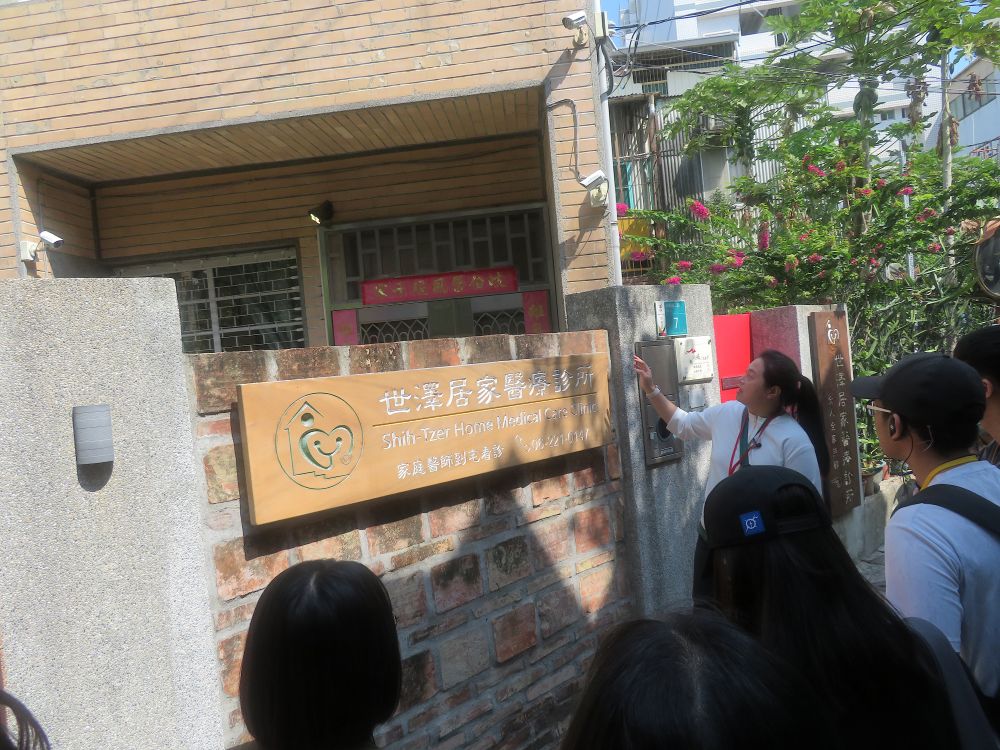
The course “Integrative Care Around You” introduces students to three local healthcare systems: folk healing practices, traditional Chinese medicine, and Western medicine.
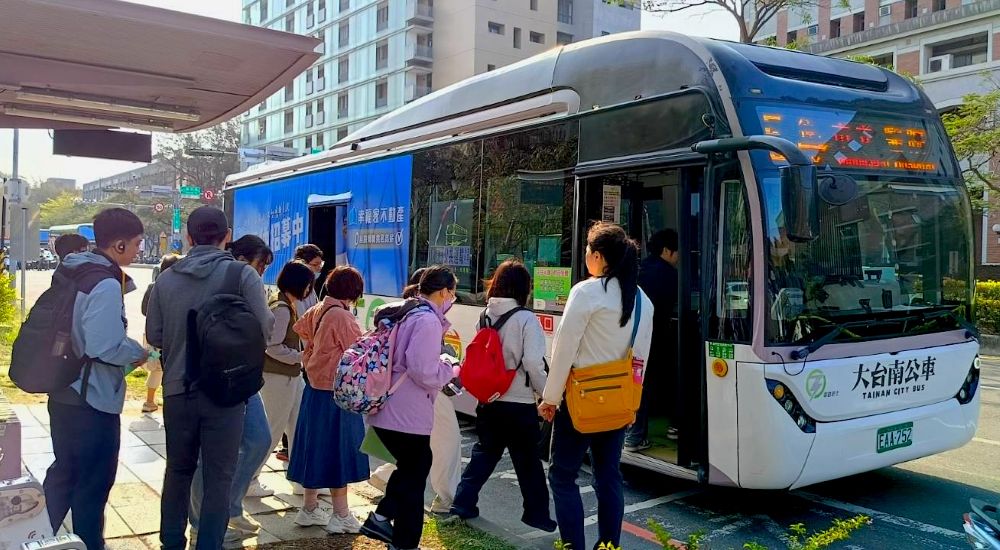
One of the highlights of this field-based course and exchange program was the use of Tainan’s public bus system as the primary means of navigating the city.
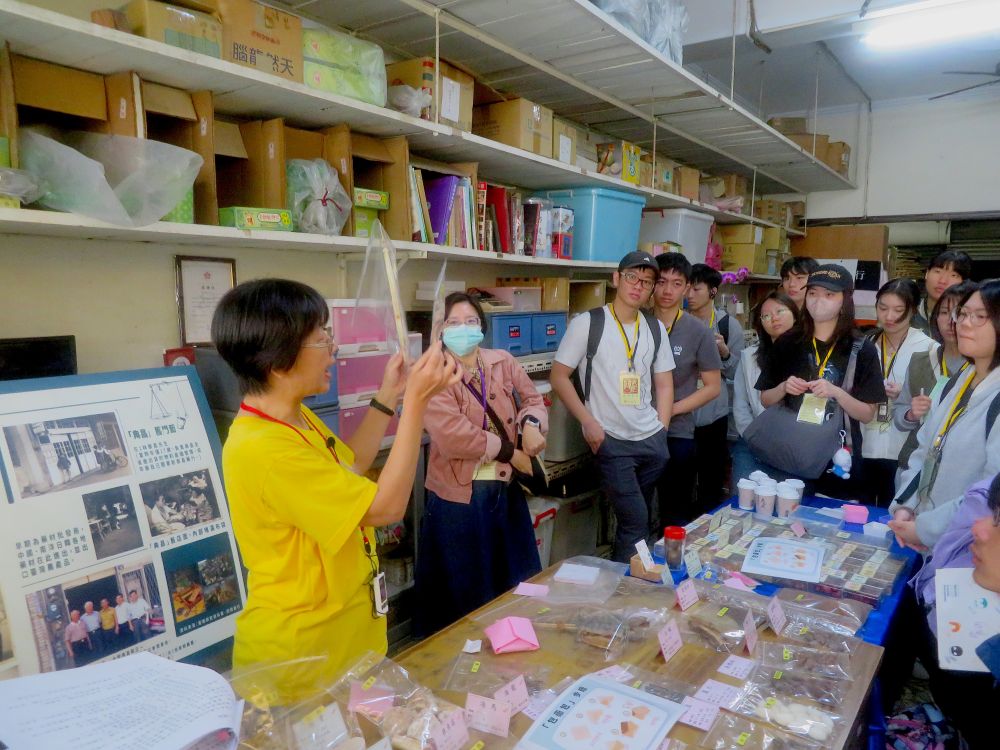
Students learned about the historical development of the traditional Chinese medicine industry at Tong-De Pharmacy and took part in a hands-on herbal packaging activity.
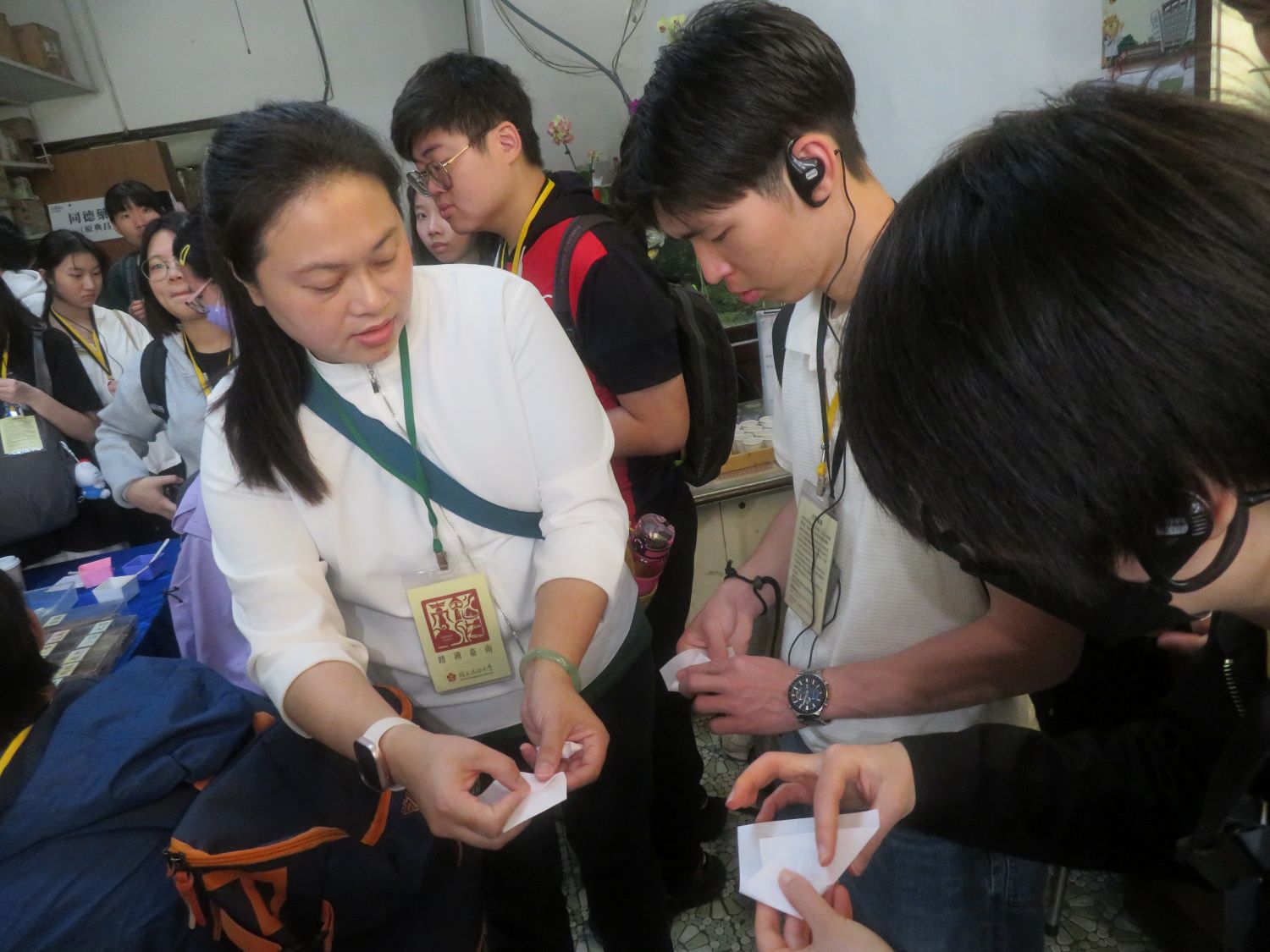
Under the instructor’s guidance, Kobe University students used traditional herbal wrapping techniques to package dried red dates in medicinal paper.
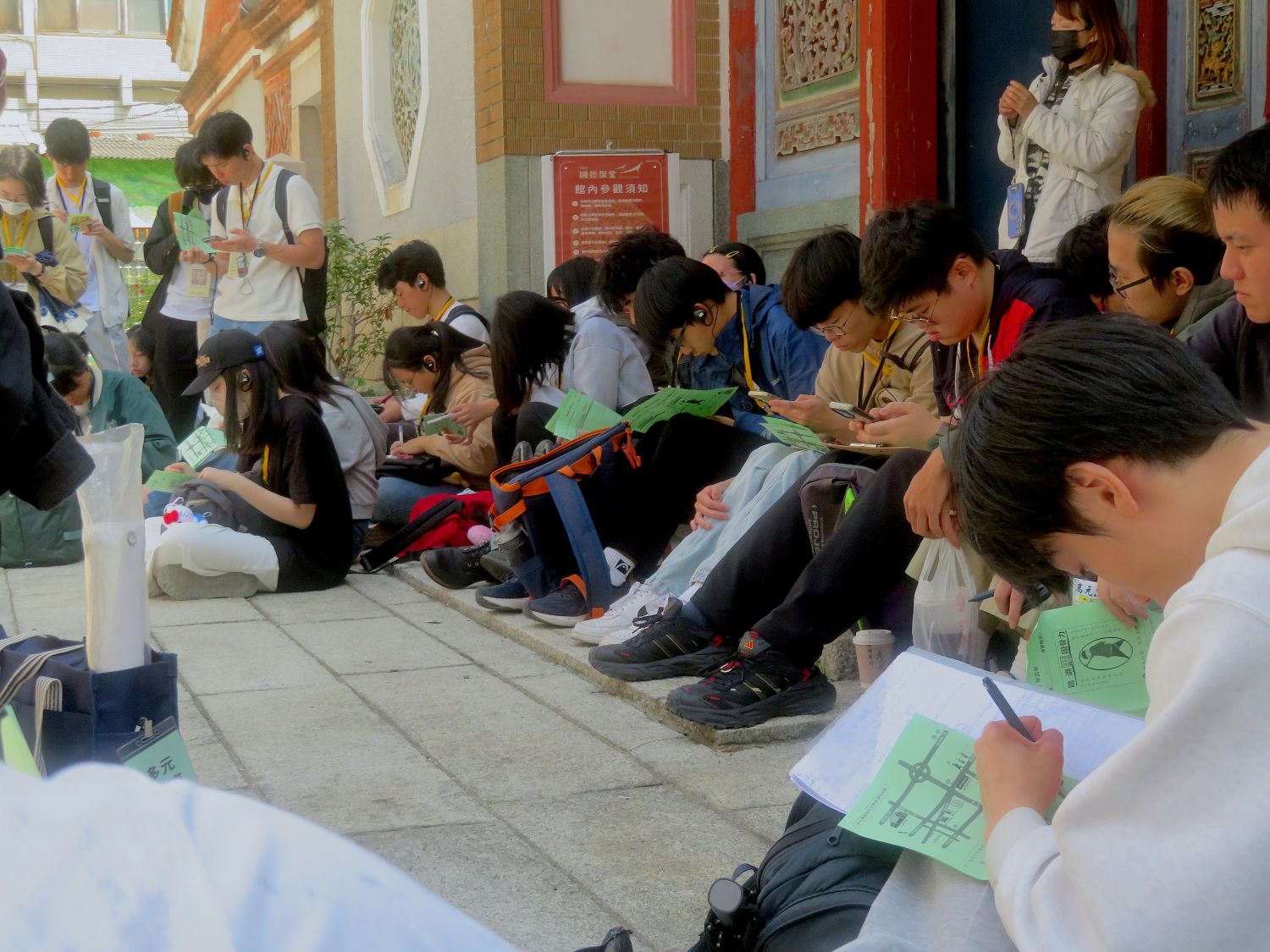
Students attentively listen to the lecture and complete worksheets in front of Chen Family Ancestral Hall.
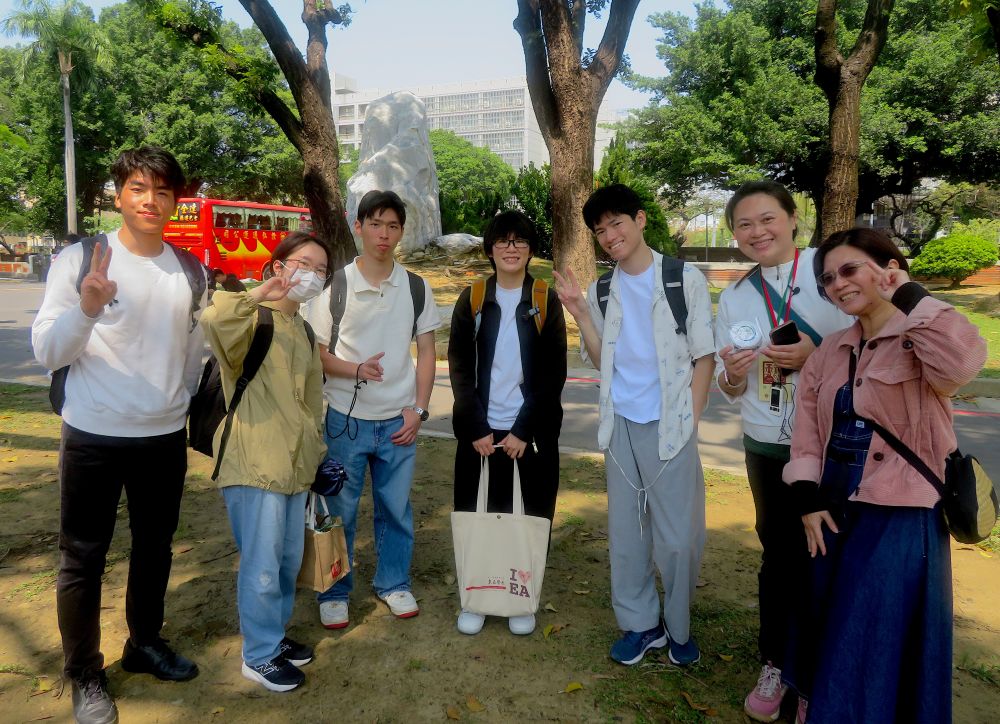
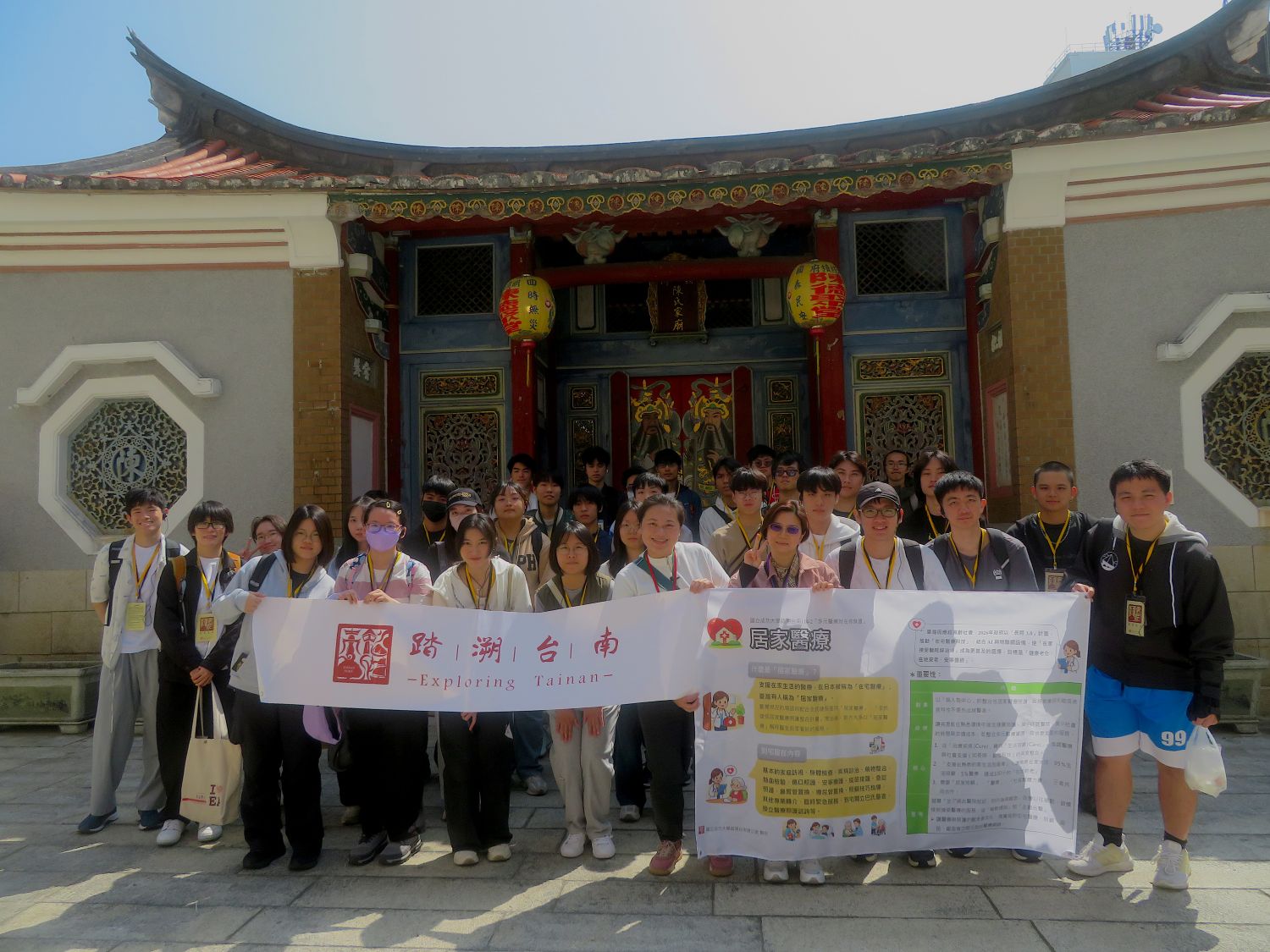
Group photo of faculty and students from Kobe University with the instructors of the “Exploring Tainan” program.
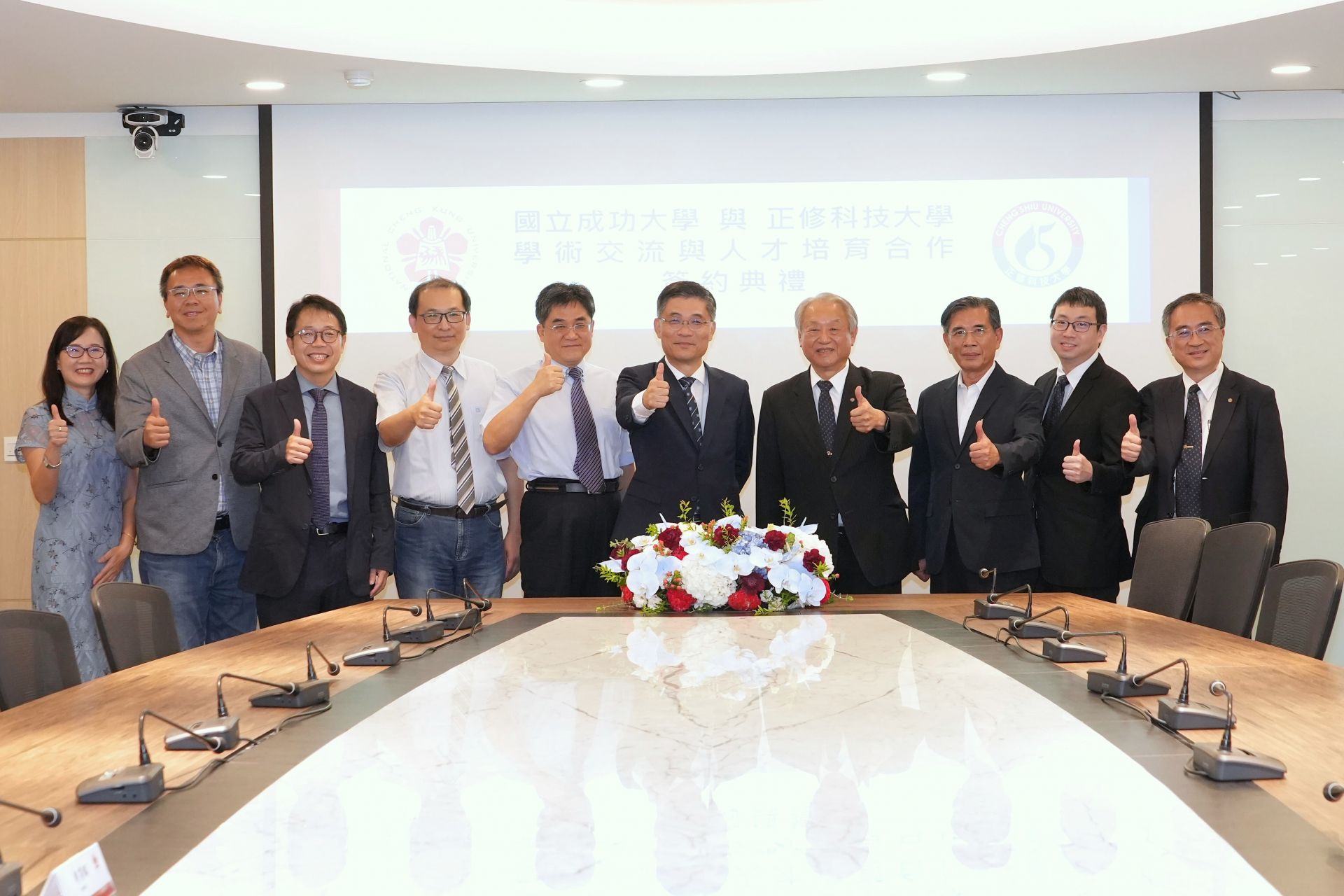
SDG4NCKU and CSU Establish Strategic Partnership to Jointly Cultivate High-Level International Talent
View more
SDG4A New Ally in Mandarin Education: NCKU, Xavier University of Louisiana Sign MOU to Support Education
View more