



SDG3
NCKU’s ‘New Perspectives on Food Safety’ Forum Debuts, Debunking Five Major Food Myths Through Science and Practice
How can we eat with greater peace of mind? To help the public better understand food safety and food technology from a scientific perspective, the “Food Myth Series – New Perspectives on Food Safety Forum” was held on April 10 at the Feng-Bei Lecture Hall of the Biomedical Building at National Cheng Kung University (NCKU). The event featured screenings of five engaging documentaries alongside expert analysis, explaining food processing, preservation technologies, and food safety management systems. It also addressed common misconceptions surrounding monosodium glutamate (MSG), instant noodles, canned foods, soy sauce, and microwave foods, providing valuable insights for attendees.
The forum was jointly organized by the Dept. of Food Safety / Hygiene and Risk Management at NCKU and the Professor Jiang Jian-Mei Education Foundation. It focused on debunking five major food myths and safety concerns related to MSG, instant noodles, canned foods, soy sauce, and microwave cooking. Participants included representatives from government agencies, the food industry, professional associations, university faculty and students, and educators. The event also encouraged educators to incorporate food myths and food science topics into classroom teaching as important materials for science and life education. Through interdisciplinary dialogue and expert sharing, the forum aimed to enhance public understanding of food safety and technology while promoting the accurate dissemination of food science knowledge in both academic and societal contexts.
In his opening remarks, Director Chien-Sheng Chen of the Dept. of Food Safety / Hygiene and Risk Management expressed his honor in co-hosting the forum. He noted that Tainan is a key city for Taiwan’s culinary culture, and with its thriving consumer market, maintaining food safety is particularly crucial. While processed foods are often viewed with skepticism, he emphasized that the forum seeks to communicate accurate food safety concepts through documentaries and expert discussions, encouraging a scientific understanding of food. He also urged students to become advocates of food safety in their future careers, integrating professional knowledge into everyday life and taking on the responsibility of educating others.
Bao-Nian Sun, Chairperson of the Professor Jiang Jian-Mei Education Foundation, stated that in today’s fast-paced modern life, processed and convenience foods have become deeply embedded in daily routines, often accompanied by growing food safety concerns. In response, the foundation produced the “Food Myth” documentary series, centered on scientific validation and expert interpretation to clarify misconceptions. This collaboration with NCKU represents not only knowledge exchange but also a concrete effort to root food safety education at the grassroots level. By leveraging campus platforms, the initiative aims to bridge the gap between the public and professional fields, while continuing to guide consumers, food manufacturers, educators, and regulators in resolving unnecessary confusion and safeguarding food safety.
The forum guided participants through three major themes: “The Truth About Umami and Food Additives,” “Processed Foods and Preservative Myths,” and “Modern Food Technology and Everyday Life.” Through documentaries and expert commentary, each topic systematically addressed common misconceptions and provided scientifically grounded explanations.
The first theme, “The Truth About Umami and Food Additives,” focused on misconceptions about MSG and instant noodles. MSG is a key source of umami flavor and is commonly used in cooking. Although often perceived as an artificial chemical, its main component—glutamate—is naturally present in foods such as tomatoes, mushrooms, corn, and seaweed. Moreover, MSG contains only one-third the sodium of table salt. When used appropriately to replace salt, it can reduce sodium intake while enhancing flavor.
Instant noodles, known for their convenience, are often suspected of containing preservatives. In fact, neither the noodles nor the seasoning packets require preservatives. The high-temperature frying process removes moisture, preventing microbial growth, and the oils used are strictly regulated. Consumers can safely consume instant noodles, and for better nutrition, it is recommended to add vegetables, eggs, or meat, and adjust seasoning according to personal preference.
The second theme, “Processed Foods and Preservative Myths,” addressed concerns about canned foods and soy sauce. A common misconception is that canned foods contain preservatives; however, most canned products do not require them. Food spoilage is primarily caused by microbial contamination from air. Canned foods achieve long shelf life through sealing and high-temperature sterilization, which eliminate microorganisms. Manufacturing processes carefully control pH, temperature, and heating time to ensure safety and durability. If a can shows abnormalities—such as unusual sounds when tapped—it may indicate compromised sealing and should not be consumed.
Some people believe that consuming soy sauce can darken skin tone, but this is unfounded. The dark color of soy sauce results from natural chemical reactions during fermentation and heating, not from any effect on human pigmentation. Concerns about chemically produced soy sauce are also addressed through strict government regulations and labeling requirements. Consumers can make safe choices by reviewing product labels and manufacturing information.
The third theme, “Modern Food Technology and Everyday Life,” clarified misconceptions about microwave ovens. Microwaves heat food by causing water molecules to vibrate, generating thermal energy. Although often associated with “radiation,” microwaves are a form of electromagnetic waves, similar to radio signals, mobile communications (4G/5G), and Wi-Fi. Microwave ovens use relatively low-frequency, low-energy waves that are non-ionizing and do not cause cancer. Compared to traditional cooking methods such as steaming, boiling, frying, or stir-frying, microwave cooking requires less time and better preserves heat-sensitive nutrients.
The forum concluded with a panel discussion titled “New Perspectives on Food Safety,” bringing together experts from academia and the food industry to analyze food safety issues from both scientific and practical perspectives. Moderated by Chairperson Bao-Nian Sun, the panel included Director Chien-Sheng Chen, former Chairman Chao-Shu Wang of the Taiwan Amino Acids Industry Association, Chen Kuan-Fu from Uni-President Enterprises, Deputy Director Bing-Huei Yang from the Food Industry Research and Development Institute, and Professor Bao-Chuan Hsieh from the Department of Food Science at National Pingtung University of Science and Technology. The discussion focused on how to effectively communicate food safety issues among science, industry, and consumers, ensuring that food safety is clearly understood by the public.
The forum was jointly organized by the Dept. of Food Safety / Hygiene and Risk Management at NCKU and the Professor Jiang Jian-Mei Education Foundation. It focused on debunking five major food myths and safety concerns related to MSG, instant noodles, canned foods, soy sauce, and microwave cooking. Participants included representatives from government agencies, the food industry, professional associations, university faculty and students, and educators. The event also encouraged educators to incorporate food myths and food science topics into classroom teaching as important materials for science and life education. Through interdisciplinary dialogue and expert sharing, the forum aimed to enhance public understanding of food safety and technology while promoting the accurate dissemination of food science knowledge in both academic and societal contexts.
In his opening remarks, Director Chien-Sheng Chen of the Dept. of Food Safety / Hygiene and Risk Management expressed his honor in co-hosting the forum. He noted that Tainan is a key city for Taiwan’s culinary culture, and with its thriving consumer market, maintaining food safety is particularly crucial. While processed foods are often viewed with skepticism, he emphasized that the forum seeks to communicate accurate food safety concepts through documentaries and expert discussions, encouraging a scientific understanding of food. He also urged students to become advocates of food safety in their future careers, integrating professional knowledge into everyday life and taking on the responsibility of educating others.
Bao-Nian Sun, Chairperson of the Professor Jiang Jian-Mei Education Foundation, stated that in today’s fast-paced modern life, processed and convenience foods have become deeply embedded in daily routines, often accompanied by growing food safety concerns. In response, the foundation produced the “Food Myth” documentary series, centered on scientific validation and expert interpretation to clarify misconceptions. This collaboration with NCKU represents not only knowledge exchange but also a concrete effort to root food safety education at the grassroots level. By leveraging campus platforms, the initiative aims to bridge the gap between the public and professional fields, while continuing to guide consumers, food manufacturers, educators, and regulators in resolving unnecessary confusion and safeguarding food safety.
The forum guided participants through three major themes: “The Truth About Umami and Food Additives,” “Processed Foods and Preservative Myths,” and “Modern Food Technology and Everyday Life.” Through documentaries and expert commentary, each topic systematically addressed common misconceptions and provided scientifically grounded explanations.
The first theme, “The Truth About Umami and Food Additives,” focused on misconceptions about MSG and instant noodles. MSG is a key source of umami flavor and is commonly used in cooking. Although often perceived as an artificial chemical, its main component—glutamate—is naturally present in foods such as tomatoes, mushrooms, corn, and seaweed. Moreover, MSG contains only one-third the sodium of table salt. When used appropriately to replace salt, it can reduce sodium intake while enhancing flavor.
Instant noodles, known for their convenience, are often suspected of containing preservatives. In fact, neither the noodles nor the seasoning packets require preservatives. The high-temperature frying process removes moisture, preventing microbial growth, and the oils used are strictly regulated. Consumers can safely consume instant noodles, and for better nutrition, it is recommended to add vegetables, eggs, or meat, and adjust seasoning according to personal preference.
The second theme, “Processed Foods and Preservative Myths,” addressed concerns about canned foods and soy sauce. A common misconception is that canned foods contain preservatives; however, most canned products do not require them. Food spoilage is primarily caused by microbial contamination from air. Canned foods achieve long shelf life through sealing and high-temperature sterilization, which eliminate microorganisms. Manufacturing processes carefully control pH, temperature, and heating time to ensure safety and durability. If a can shows abnormalities—such as unusual sounds when tapped—it may indicate compromised sealing and should not be consumed.
Some people believe that consuming soy sauce can darken skin tone, but this is unfounded. The dark color of soy sauce results from natural chemical reactions during fermentation and heating, not from any effect on human pigmentation. Concerns about chemically produced soy sauce are also addressed through strict government regulations and labeling requirements. Consumers can make safe choices by reviewing product labels and manufacturing information.
The third theme, “Modern Food Technology and Everyday Life,” clarified misconceptions about microwave ovens. Microwaves heat food by causing water molecules to vibrate, generating thermal energy. Although often associated with “radiation,” microwaves are a form of electromagnetic waves, similar to radio signals, mobile communications (4G/5G), and Wi-Fi. Microwave ovens use relatively low-frequency, low-energy waves that are non-ionizing and do not cause cancer. Compared to traditional cooking methods such as steaming, boiling, frying, or stir-frying, microwave cooking requires less time and better preserves heat-sensitive nutrients.
The forum concluded with a panel discussion titled “New Perspectives on Food Safety,” bringing together experts from academia and the food industry to analyze food safety issues from both scientific and practical perspectives. Moderated by Chairperson Bao-Nian Sun, the panel included Director Chien-Sheng Chen, former Chairman Chao-Shu Wang of the Taiwan Amino Acids Industry Association, Chen Kuan-Fu from Uni-President Enterprises, Deputy Director Bing-Huei Yang from the Food Industry Research and Development Institute, and Professor Bao-Chuan Hsieh from the Department of Food Science at National Pingtung University of Science and Technology. The discussion focused on how to effectively communicate food safety issues among science, industry, and consumers, ensuring that food safety is clearly understood by the public.
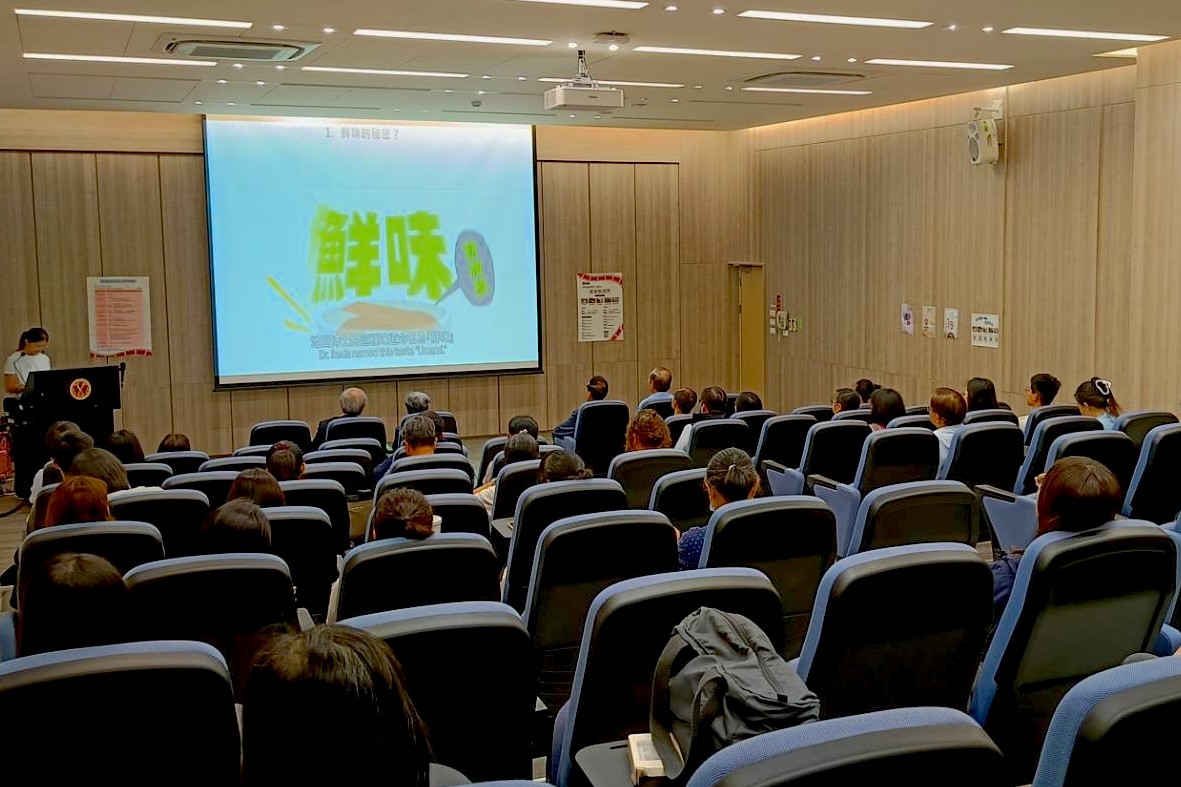
The ‘New Perspectives on Food Safety’ Forum Debuted at NCKU on April 10, Using Documentary Screenings and Expert Analysis to Debunk Five Major Food Myths from Scientific and Practical Perspectives
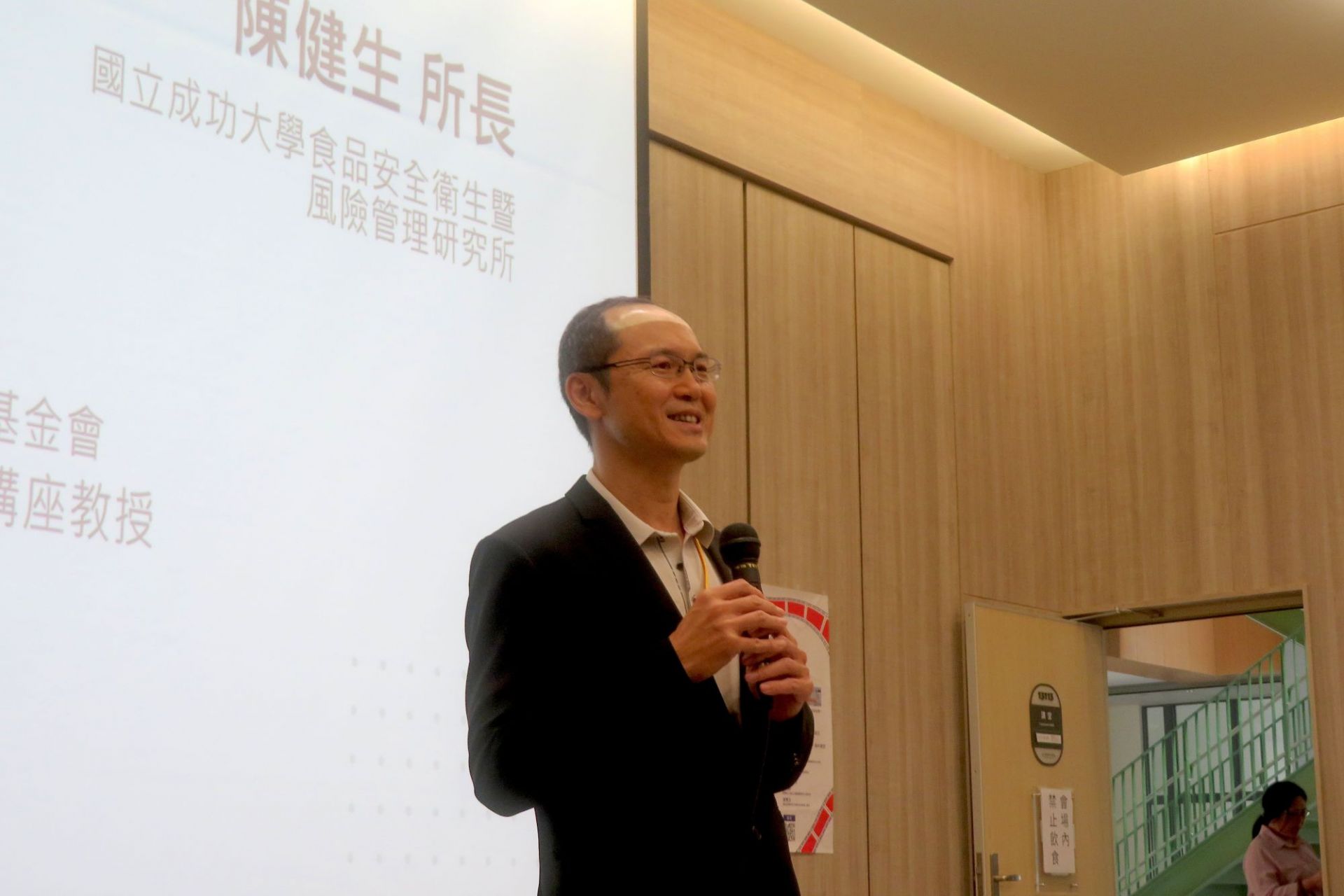
Director Chien-Sheng Chen of NCKU’s Dept. of Food Safety / Hygiene and Risk Management expressed his hope that the forum would promote correct food safety concepts, and encouraged attending students to become future advocates for food safety.
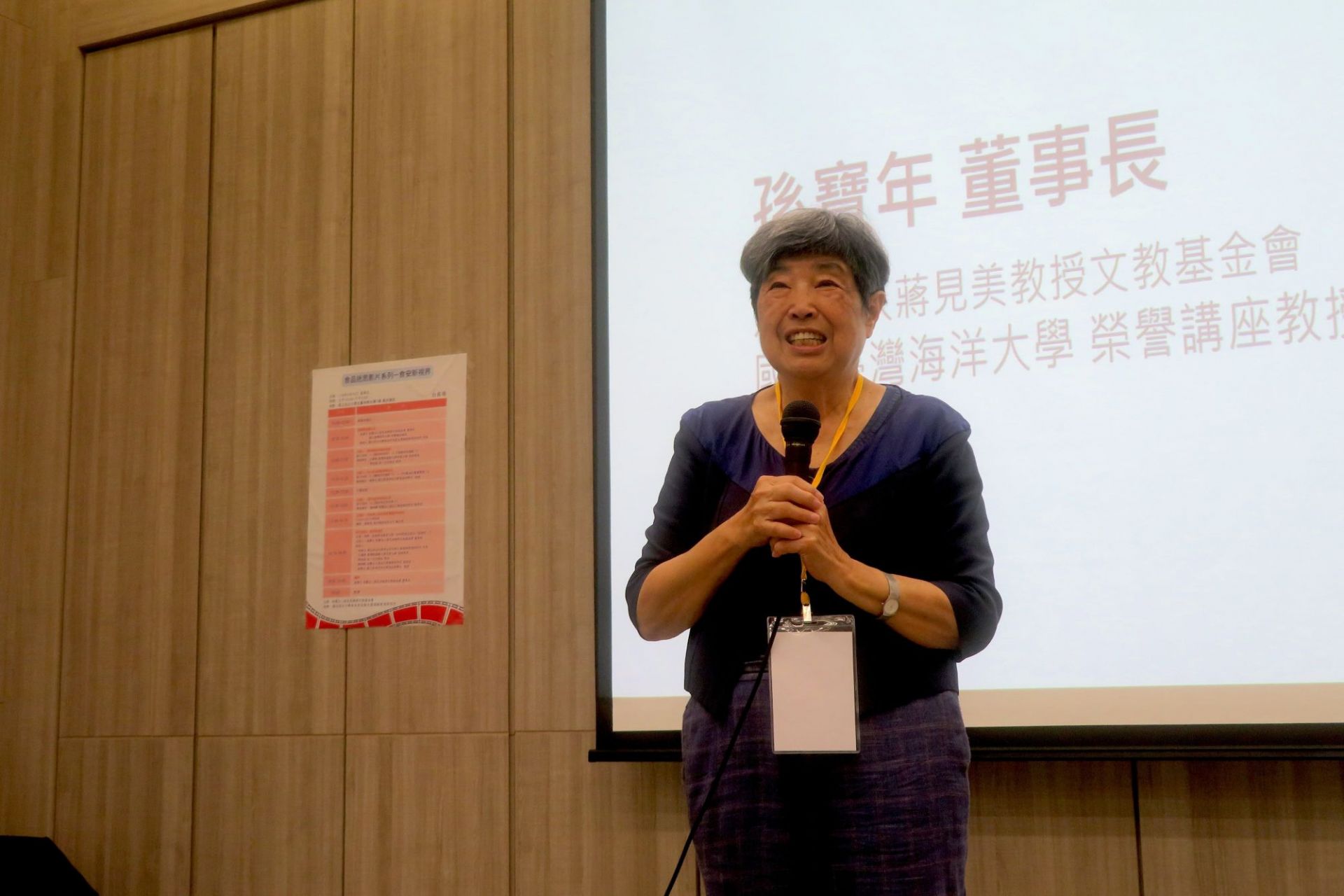
Bao-Nian Sun, Chairperson of the Professor Jiang Jian-Mei Education Foundation, expressed the hope of jointly safeguarding a secure and worry-free life grounded in the fundamental importance of food to the people.
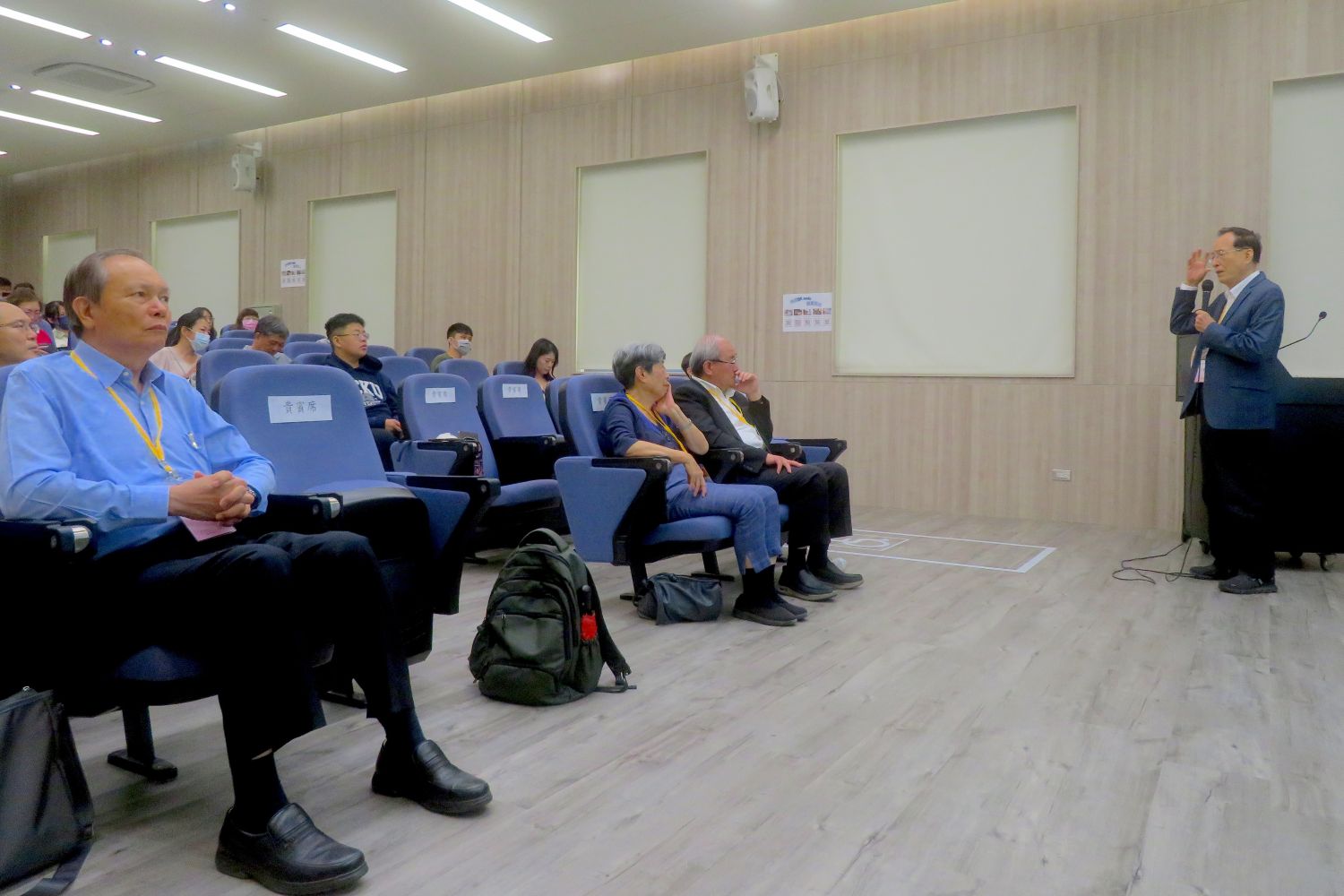
The forum guided participants’ thinking step by step through three major themes. After each documentary screening, food industry experts provided in-depth analyses of the key content, examining food safety issues from both scientific and practical perspectives.
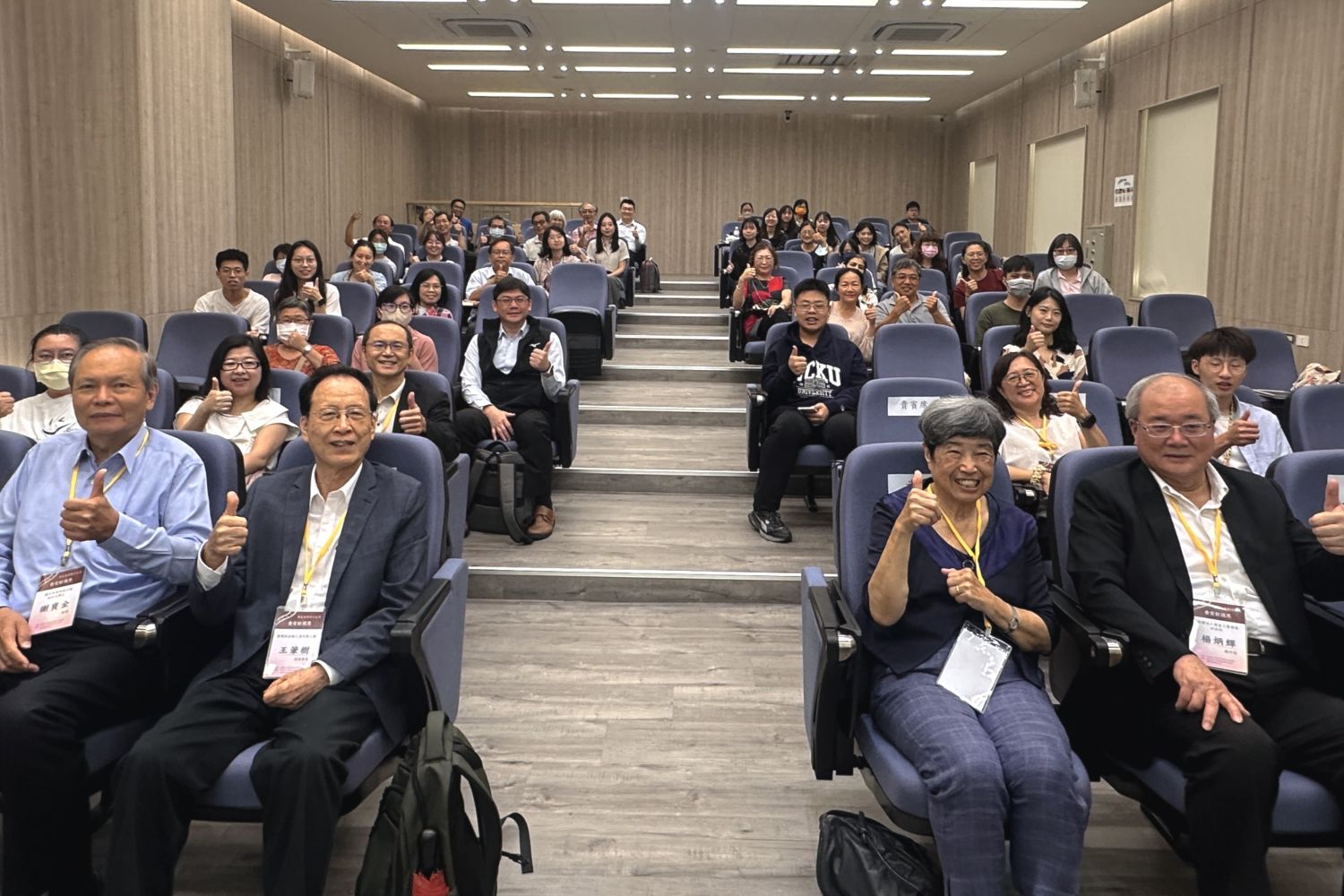
The forum was jointly organized by NCKU’s Dept. of Food Safety / Hygiene and Risk Management and the Professor Jiang Jian-Mei Education Foundation, aiming to enhance public understanding of food safety and food technology through expert insights and interdisciplinary dialogue, while promoting the accurate dissemination of food science knowledge across campuses and society.
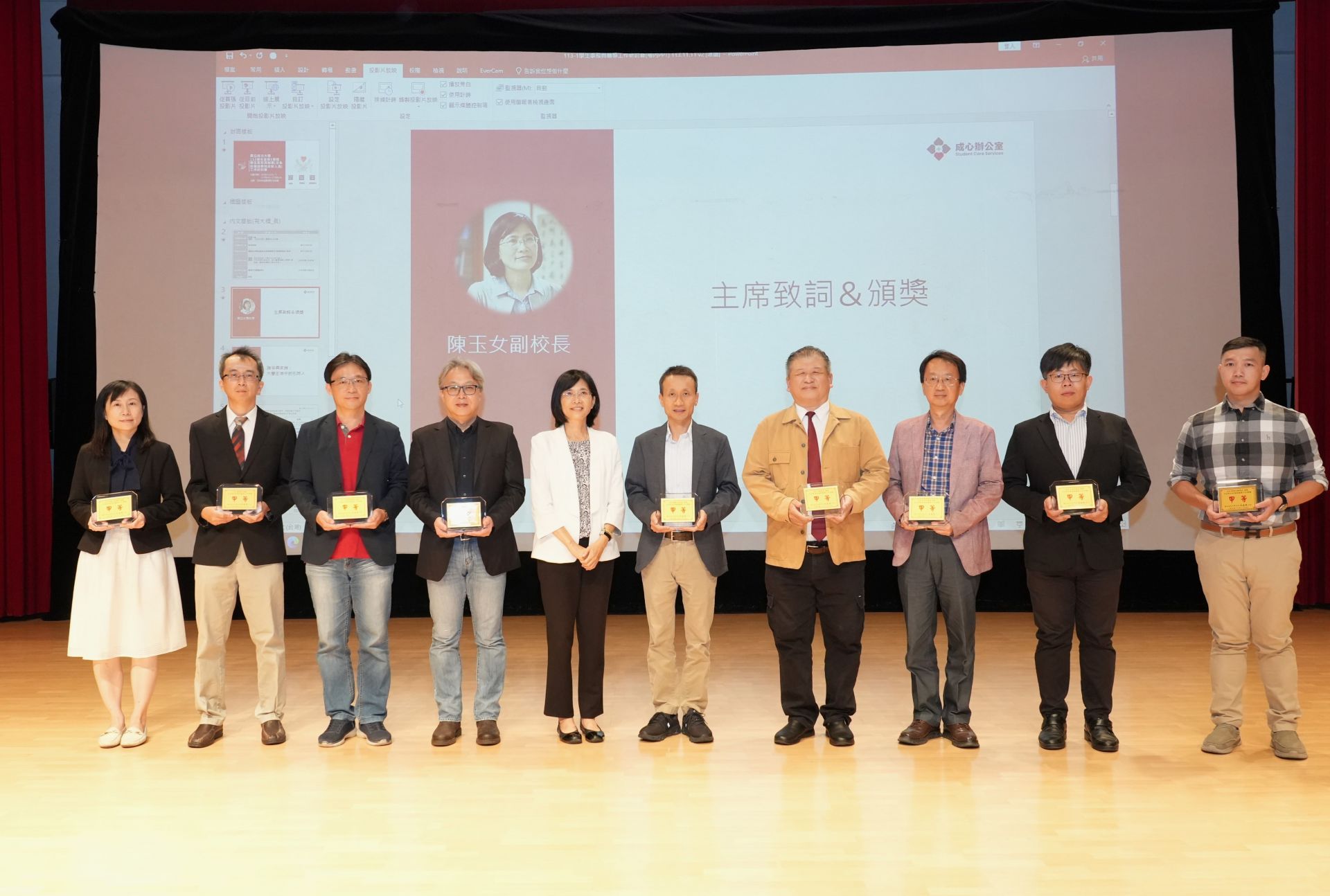
SDG3Student Affairs Seminar at NCKU focused on "Accompanying and Supporting: Guiding Figures in University Life."
View more
SDG3Shalun Campus Plan for NCKU Hospital - A Model of Industry-Academia Collaboration for Future Innovation.
View more