



SDG9
Successful Launch of NCKU’s Self-Designed and Integrated 3U CubeSat Mission by Han Ming Hsia Space Science & Technology Center


Written & Image credit to NCKU News Center & Han Ming Hsia Space Science & Technology Center.
The 3U CubeSat Mission led by National Cheng Kung University’s (NCKU) Han Ming Hsia Space Science & Technology Center, held a live launch broadcast event on the afternoon of May 3. The "Gemini─Pollux" CubeSat Mission entirely designed, developed, and integrated by NCKU faculty and students—from structural design, power system, communication system, to attitude control and software—was successfully launched by the SpaceX Falcon 9 rocket from Vandenberg Space Force Base in California, USA. It has now been placed in a low Earth orbit at approximately 590 km altitude, showcasing Taiwan’s achievements in space talent cultivation and domestic industry collaboration.
What makes this truly special is not only that the satellite has reached space, but that a group of students from different departments, along with researchers and professors, started from scratch and transformed classroom knowledge into a fully functional space system,” Jia-Ting Lin as Assistant Professor Department of Aeronautics and Astronautic, NCKU. Starting from 2022, the team spent over four years on design, development, and pre-launch integration and tests. For the students, this was their first participation in a real space mission and the beginning of their personal space dreams. From mission planning, satellite design, assembly, system testing, ground station construction, to communication implement, the process was extremely complex. Successfully sending a satellite from concept to orbit is exceptionally challenging. “Gemini–Pollux” is not merely a CubeSat Mission—it is like a “space engineering classroom without textbooks,” allowing students to learn how to confront and solve problems in a real mission environment and accumulate practical experience essential for future careers in the space industry.
At 2:59 PM Taiwan time on May 3, “Gemini–Pollux” was launched from Vandenberg Space Force Base and successfully reached orbit. It is estimated to have entered the 590 km low Earth orbit at around 5:21 PM. Nearly dozens faculty members and students who attended the live broadcast event were overjoyed as they watched the satellite’s ascent through their self-built ground station. After more than four years of hard work, seeing their creation successfully enter space was deeply moving. In the future, the satellite will fulfill its mission objectives by collecting valuable science data and letting the world see NCKU’s achievements in this major industry-academia collaboration.
NCKU’s Vice President for Research & Development, Dr. Chuan-Pu Liu, stated in his speech that it was a great pleasure to witness the results of everyone’s long efforts. He expressed gratitude to all participating professors and students, noting that as a member of NCKU, he felt truly honored. The successful launch has added another NCKU satellite to space. The Space Technology Center is a vital asset to the university, and NCKU hopes to expand its key research areas to the global stage. Given the intense competition in space technology, future development must move beyond the College of Engineering to foster cross-college collaboration. The goal is to integrate space-related industries and fields, advance toward space station projects, conduct more experiments in microgravity environments, and enable greater participation across different disciplines in cross-domain research.
After “Gemini–Pollux” entered space carrying everyone’s hopes, it will continue to support missions in Earth environmental monitoring, disaster research, space weather observation, and science education. These include observing ionospheric changes, studying the upper atmosphere, capturing Earth imagery, and communicating with ground stations via amateur radio equipment. In addition to the satellite itself, the team has also established a dedicated ground station using Software Defined Radio (SDR) technology to develop capabilities in satellite communication, telemetry reception, and control. This is the first time a team has not only launched a satellite but also strengthened ground-based signal reception and real-time monitoring, allowing students to participate deeply in post-launch operations. “Gemini–Pollux” is therefore not just a launch achievement, but a crucial step in building complete space mission capabilities and cultivating long-term operations talent.
Professor Jia-Ting Lin noted that during satellite development, the team completed numerous pre-launch tests. Since a satellite cannot be repaired once in space, all potential issues must be resolved on the ground. The team conducted hundreds of functional tests, vibration tests, and thermal vacuum tests to ensure the satellite could withstand the intense vibrations of launch and operate properly in the vacuum and extreme temperature conditions of space. Students gained hands-on experience with the meticulous processes of real space missions and will also participate in on-orbit operations and data analysis.
"Science and engineering go hand in hand—from classroom knowledge to real space missions,” said Director of Han Ming Hsia Space Science & Technology Center, NCKU Charles Lin. The center has participated in seven national space missions and has worked hard to give every student the opportunity to start with CubeSat projects and eventually contribute to national space programs. Taiwan’s space industry development requires not only satellite launches but also talent capable of designing, manufacturing, testing, and operating satellites. Today’s success represents not only the efforts of the NCKU student team but also symbolizes that Taiwan’s young space professionals are steadily stepping onto the international stage. It connects student training, academic research practice, industry collaboration, and space mission validation, there by strengthening Taiwan’s future in space.
The "Gemini─Pollux" CubeSat Mission partnered with several Taiwanese domestic space industry companies, demonstrating the results of joint academia-industry efforts to advance Taiwan’s space development. NCKU collaborated with TiSpace on space system engineering, rocket and satellite deployment technology, and talent cultivation. The team worked with Liscotech to validate their electrical power subsystem, onboard computer, and remote sensing camera in space. The mission also utilized solar modules manufactured by LiveStrong Optoelectronics. Through actual mission use, testing, and feedback, the NCKU team is helping to strengthen and shape Taiwan’s domestic space supply chain.
Provider: NCKU News Center
Date: 2026-05-06
The 3U CubeSat Mission led by National Cheng Kung University’s (NCKU) Han Ming Hsia Space Science & Technology Center, held a live launch broadcast event on the afternoon of May 3. The "Gemini─Pollux" CubeSat Mission entirely designed, developed, and integrated by NCKU faculty and students—from structural design, power system, communication system, to attitude control and software—was successfully launched by the SpaceX Falcon 9 rocket from Vandenberg Space Force Base in California, USA. It has now been placed in a low Earth orbit at approximately 590 km altitude, showcasing Taiwan’s achievements in space talent cultivation and domestic industry collaboration.
What makes this truly special is not only that the satellite has reached space, but that a group of students from different departments, along with researchers and professors, started from scratch and transformed classroom knowledge into a fully functional space system,” Jia-Ting Lin as Assistant Professor Department of Aeronautics and Astronautic, NCKU. Starting from 2022, the team spent over four years on design, development, and pre-launch integration and tests. For the students, this was their first participation in a real space mission and the beginning of their personal space dreams. From mission planning, satellite design, assembly, system testing, ground station construction, to communication implement, the process was extremely complex. Successfully sending a satellite from concept to orbit is exceptionally challenging. “Gemini–Pollux” is not merely a CubeSat Mission—it is like a “space engineering classroom without textbooks,” allowing students to learn how to confront and solve problems in a real mission environment and accumulate practical experience essential for future careers in the space industry.
At 2:59 PM Taiwan time on May 3, “Gemini–Pollux” was launched from Vandenberg Space Force Base and successfully reached orbit. It is estimated to have entered the 590 km low Earth orbit at around 5:21 PM. Nearly dozens faculty members and students who attended the live broadcast event were overjoyed as they watched the satellite’s ascent through their self-built ground station. After more than four years of hard work, seeing their creation successfully enter space was deeply moving. In the future, the satellite will fulfill its mission objectives by collecting valuable science data and letting the world see NCKU’s achievements in this major industry-academia collaboration.
NCKU’s Vice President for Research & Development, Dr. Chuan-Pu Liu, stated in his speech that it was a great pleasure to witness the results of everyone’s long efforts. He expressed gratitude to all participating professors and students, noting that as a member of NCKU, he felt truly honored. The successful launch has added another NCKU satellite to space. The Space Technology Center is a vital asset to the university, and NCKU hopes to expand its key research areas to the global stage. Given the intense competition in space technology, future development must move beyond the College of Engineering to foster cross-college collaboration. The goal is to integrate space-related industries and fields, advance toward space station projects, conduct more experiments in microgravity environments, and enable greater participation across different disciplines in cross-domain research.
After “Gemini–Pollux” entered space carrying everyone’s hopes, it will continue to support missions in Earth environmental monitoring, disaster research, space weather observation, and science education. These include observing ionospheric changes, studying the upper atmosphere, capturing Earth imagery, and communicating with ground stations via amateur radio equipment. In addition to the satellite itself, the team has also established a dedicated ground station using Software Defined Radio (SDR) technology to develop capabilities in satellite communication, telemetry reception, and control. This is the first time a team has not only launched a satellite but also strengthened ground-based signal reception and real-time monitoring, allowing students to participate deeply in post-launch operations. “Gemini–Pollux” is therefore not just a launch achievement, but a crucial step in building complete space mission capabilities and cultivating long-term operations talent.
Professor Jia-Ting Lin noted that during satellite development, the team completed numerous pre-launch tests. Since a satellite cannot be repaired once in space, all potential issues must be resolved on the ground. The team conducted hundreds of functional tests, vibration tests, and thermal vacuum tests to ensure the satellite could withstand the intense vibrations of launch and operate properly in the vacuum and extreme temperature conditions of space. Students gained hands-on experience with the meticulous processes of real space missions and will also participate in on-orbit operations and data analysis.
"Science and engineering go hand in hand—from classroom knowledge to real space missions,” said Director of Han Ming Hsia Space Science & Technology Center, NCKU Charles Lin. The center has participated in seven national space missions and has worked hard to give every student the opportunity to start with CubeSat projects and eventually contribute to national space programs. Taiwan’s space industry development requires not only satellite launches but also talent capable of designing, manufacturing, testing, and operating satellites. Today’s success represents not only the efforts of the NCKU student team but also symbolizes that Taiwan’s young space professionals are steadily stepping onto the international stage. It connects student training, academic research practice, industry collaboration, and space mission validation, there by strengthening Taiwan’s future in space.
The "Gemini─Pollux" CubeSat Mission partnered with several Taiwanese domestic space industry companies, demonstrating the results of joint academia-industry efforts to advance Taiwan’s space development. NCKU collaborated with TiSpace on space system engineering, rocket and satellite deployment technology, and talent cultivation. The team worked with Liscotech to validate their electrical power subsystem, onboard computer, and remote sensing camera in space. The mission also utilized solar modules manufactured by LiveStrong Optoelectronics. Through actual mission use, testing, and feedback, the NCKU team is helping to strengthen and shape Taiwan’s domestic space supply chain.
Provider: NCKU News Center
Date: 2026-05-06
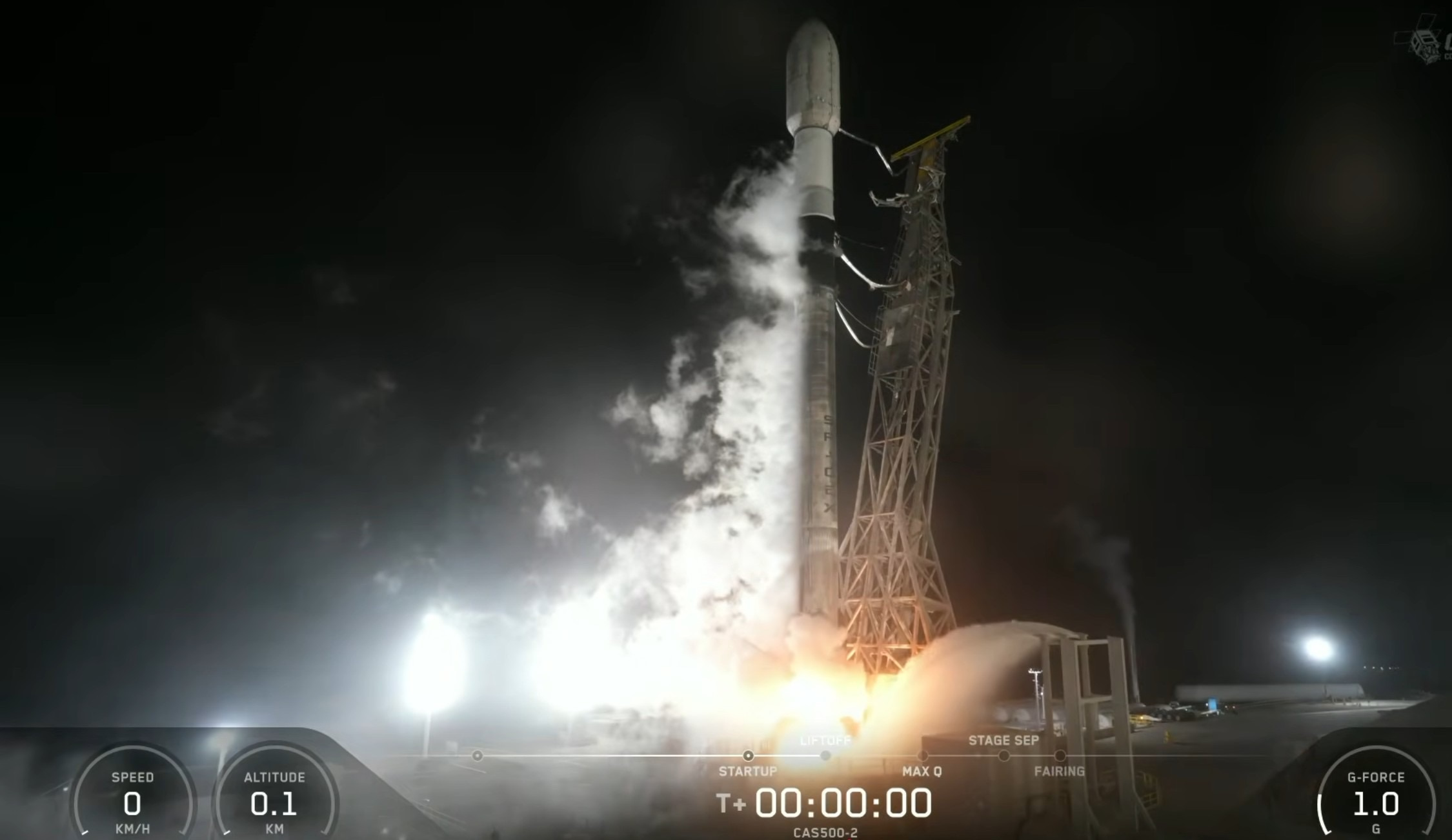
The "Gemini─Pollux" CubeSat Mission launched by the SpaceX Falcon 9 rocket from Vandenberg Space Force Base in California, USA.
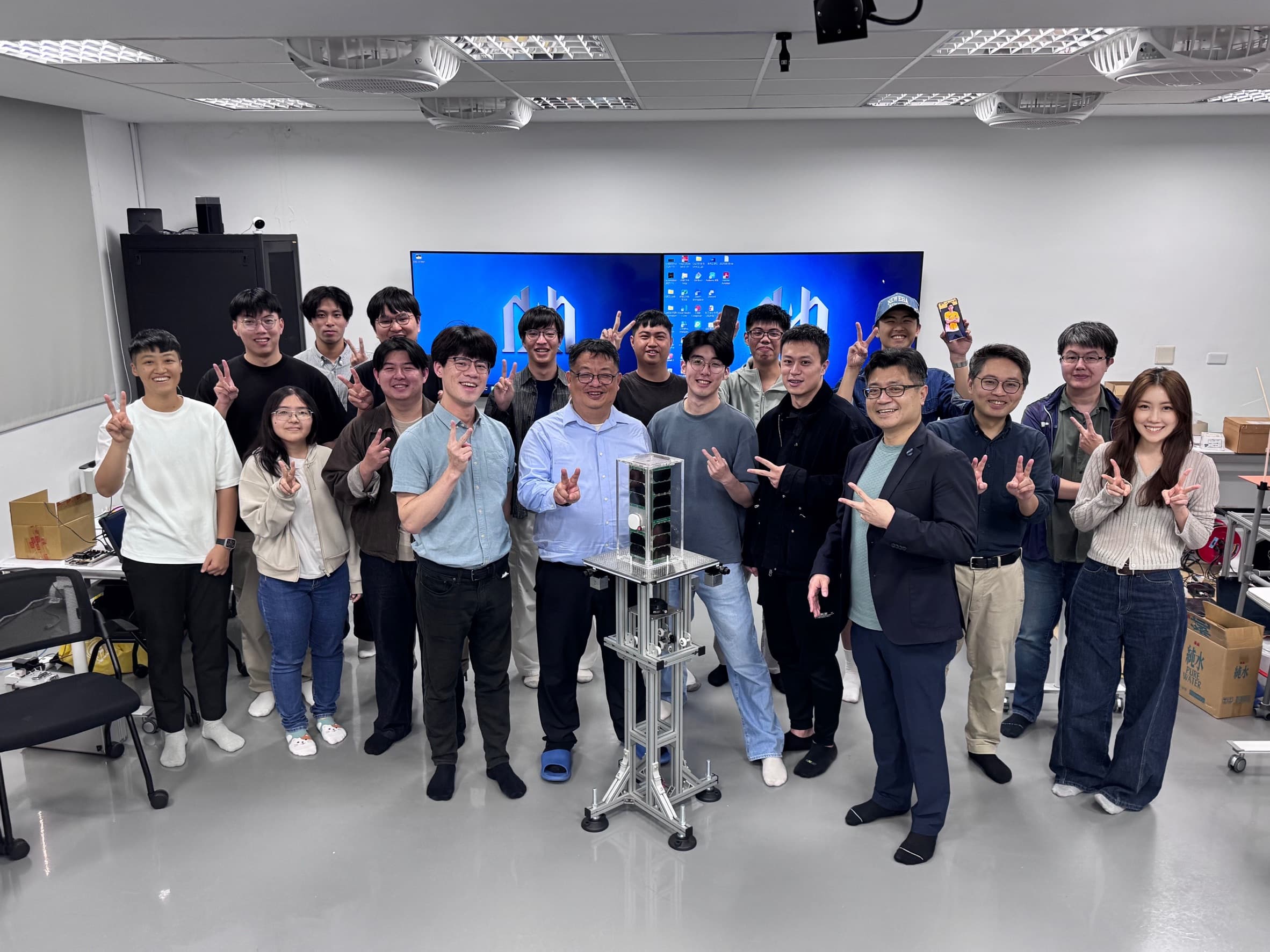
"Gemini─Pollux" has entered space today, carrying the hopes and expectations of countless people.
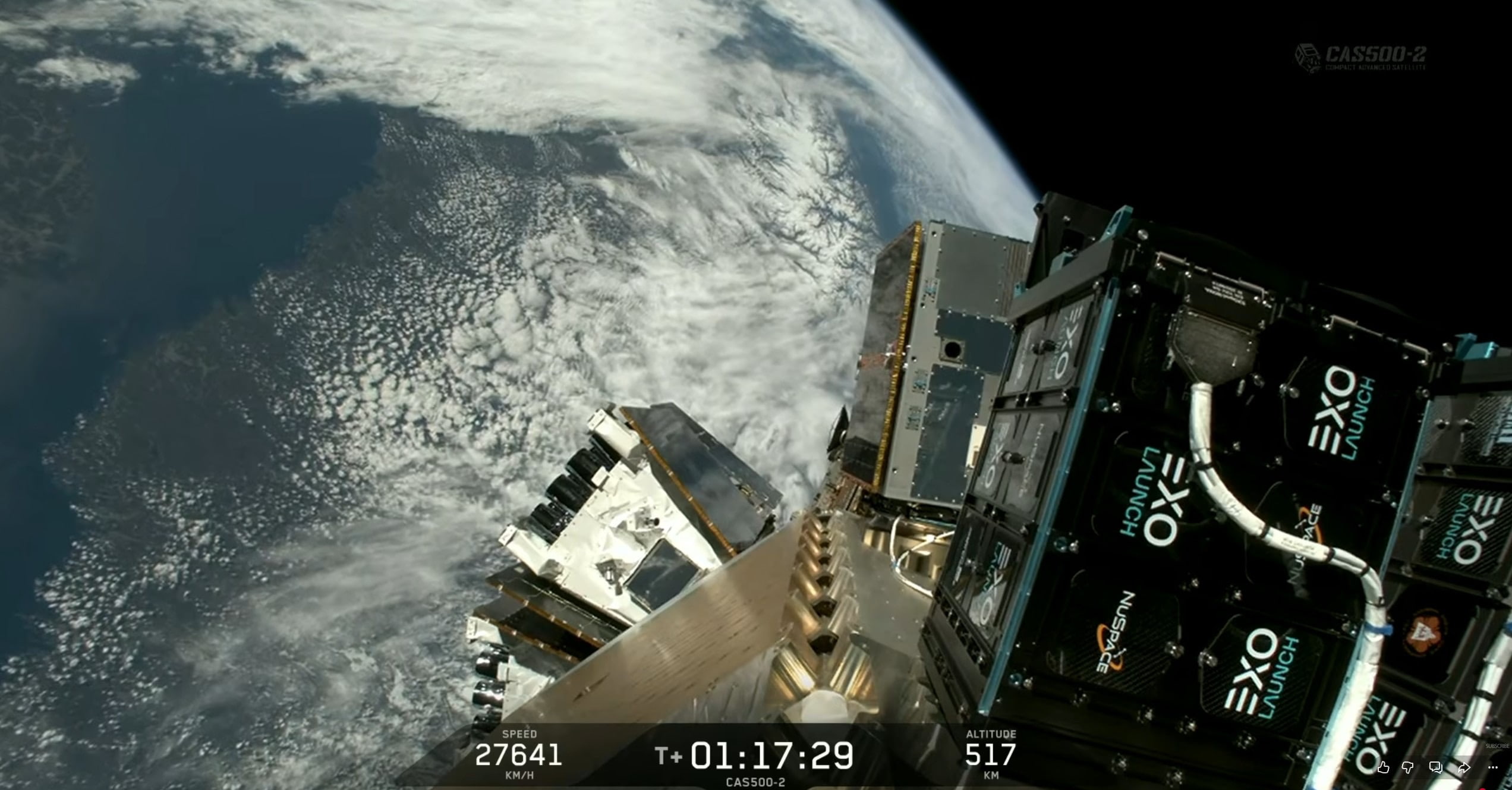
"Live launch footage from SpaceX’s Falcon 9 rocket clearly captures the 'Gemini-Pollux' satellite — featuring the prominent NCKU school emblem — attached to the rocket as it awaits deployment into orbit."
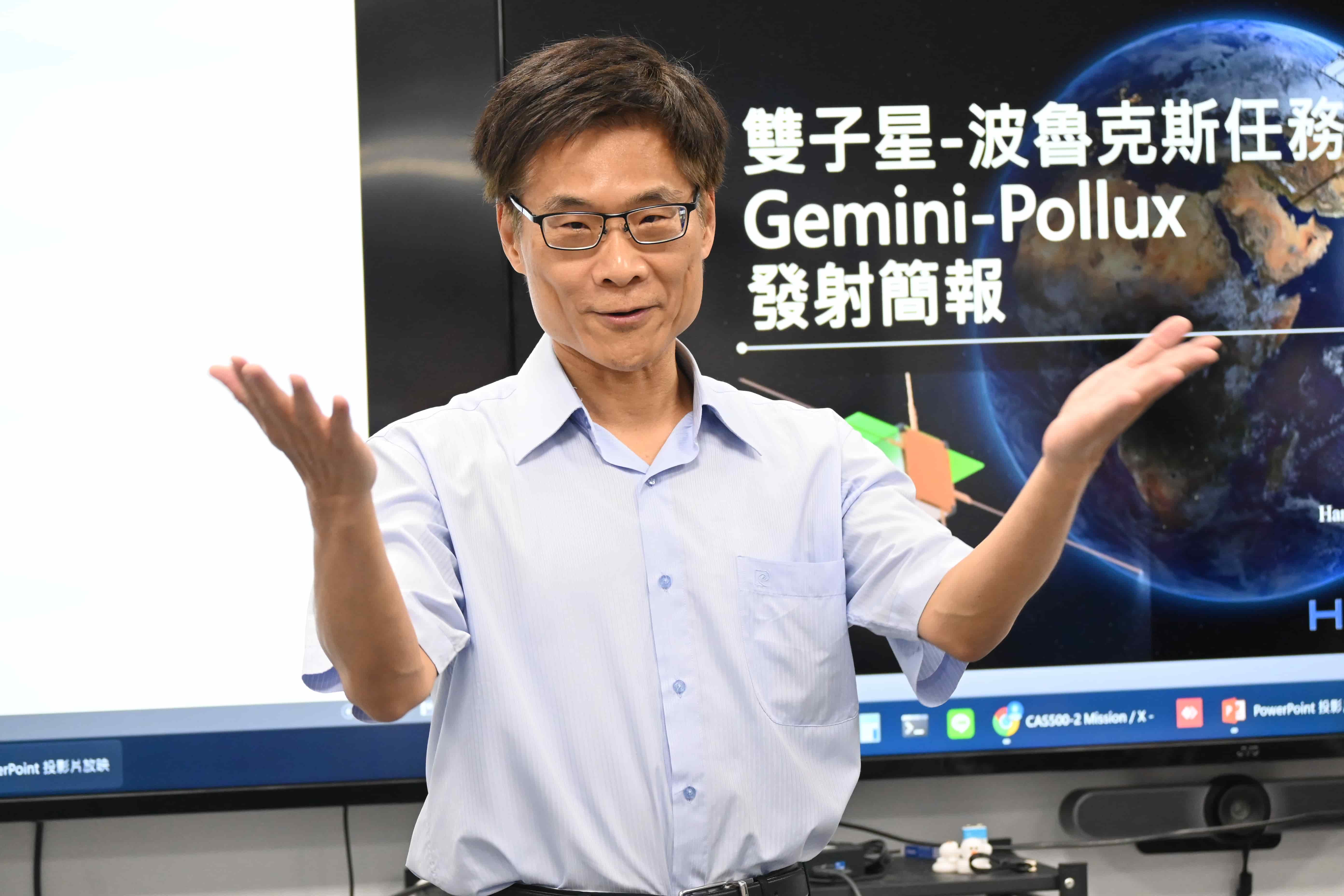
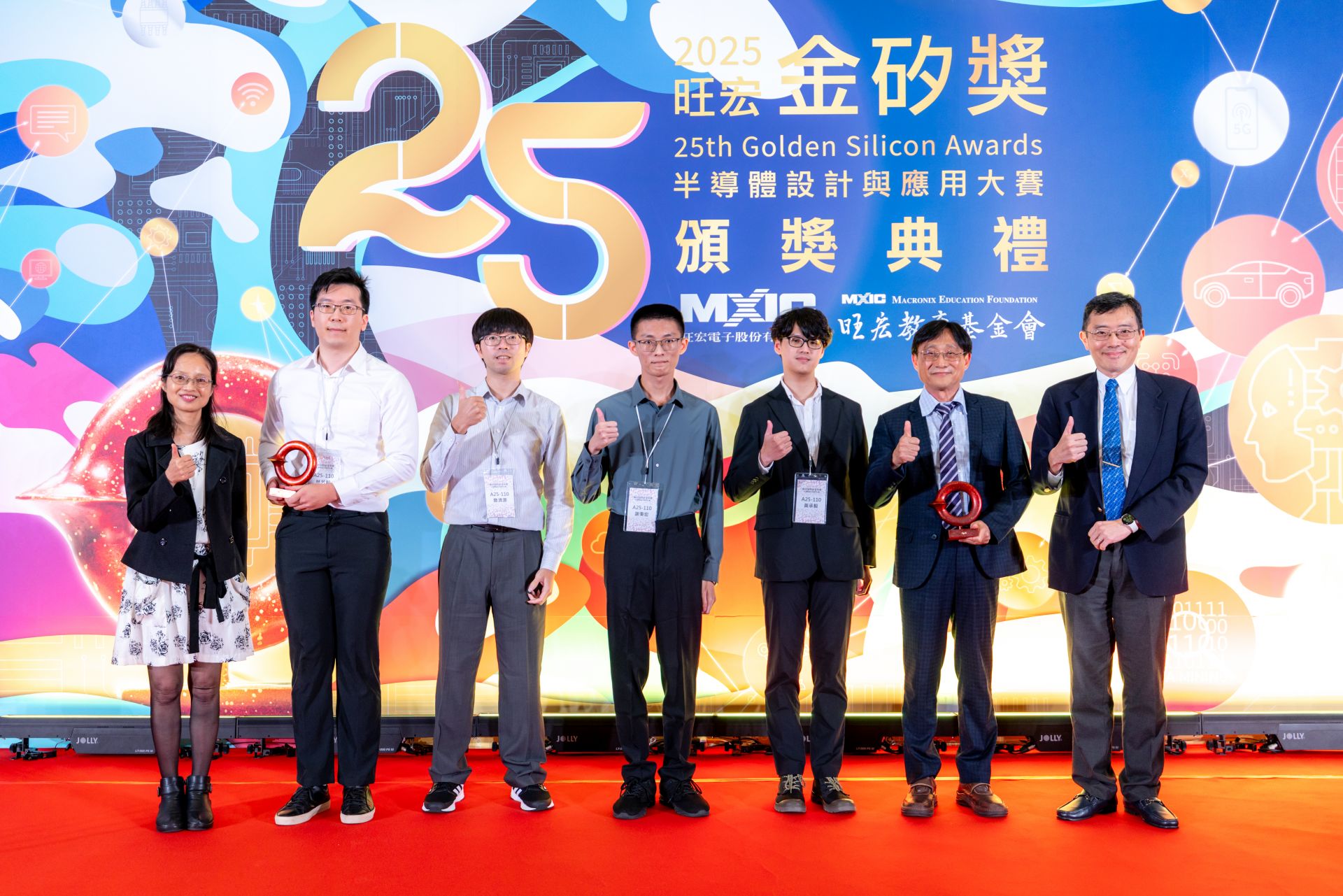
Dr. Chuan-Pu Liu, Vice President for Research & Development, NCKU, expressed delight at seeing the long-awaited results and thanked all participating teachers and students.
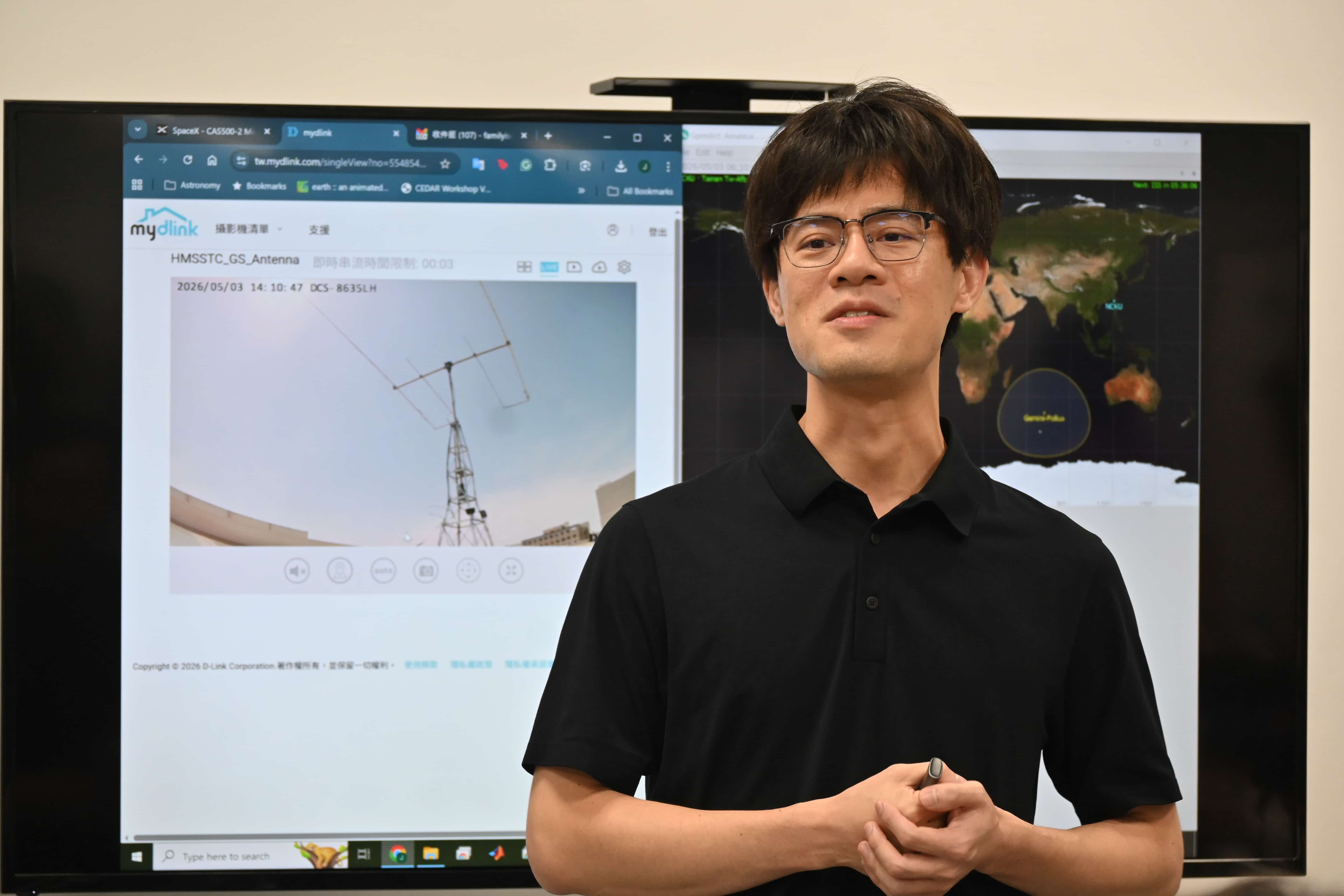
Assistant Professor of the Department of Aeronautics and Astronautics Jia-Ting Lin noted that the project took over four years of effort from design and development to integration.
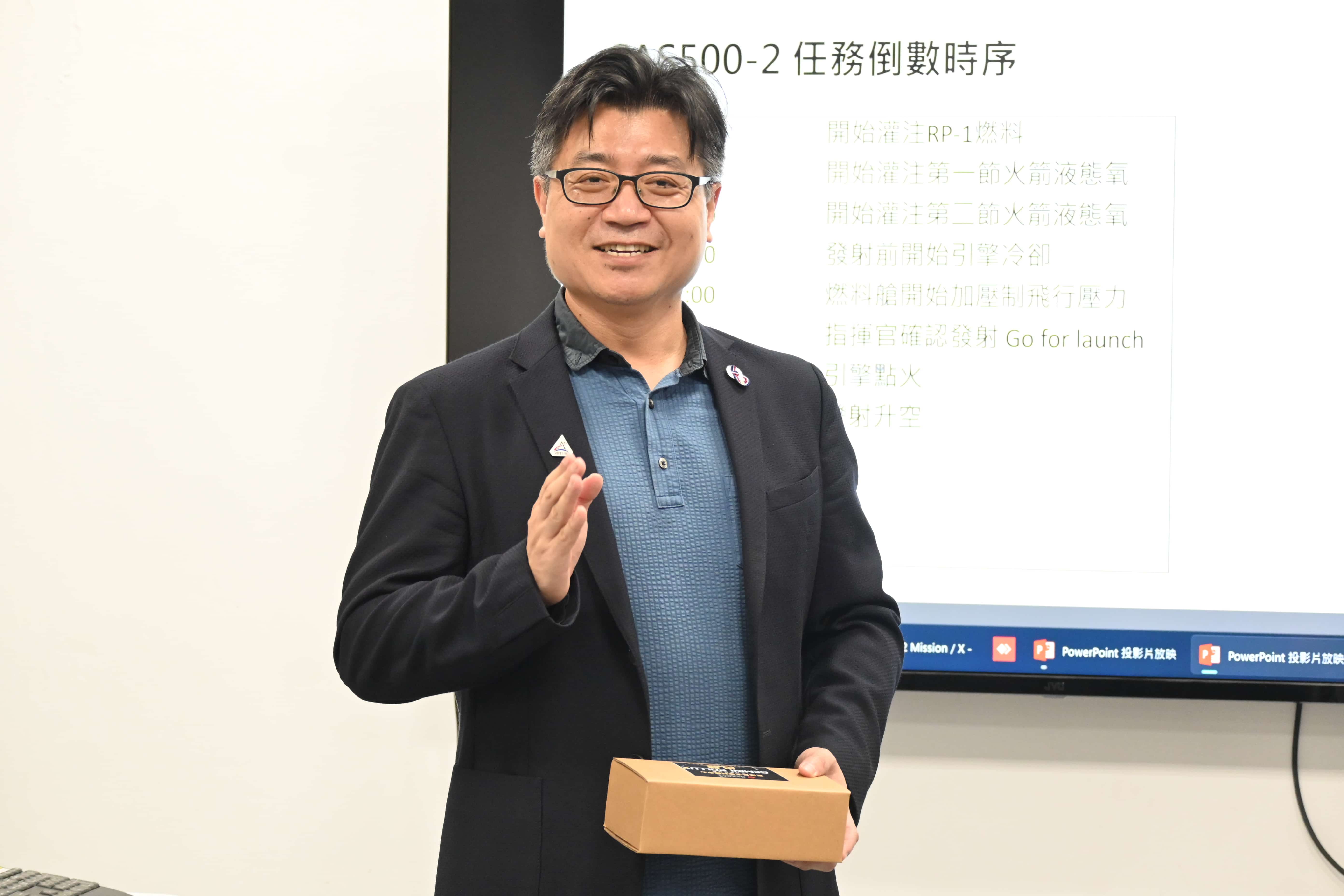
Director of Han Ming Hsia Space Science & Technology Center, NCKU Charles Lin hopes every student who participates in a cubesat mission will have the opportunity to join national space programs in the future.
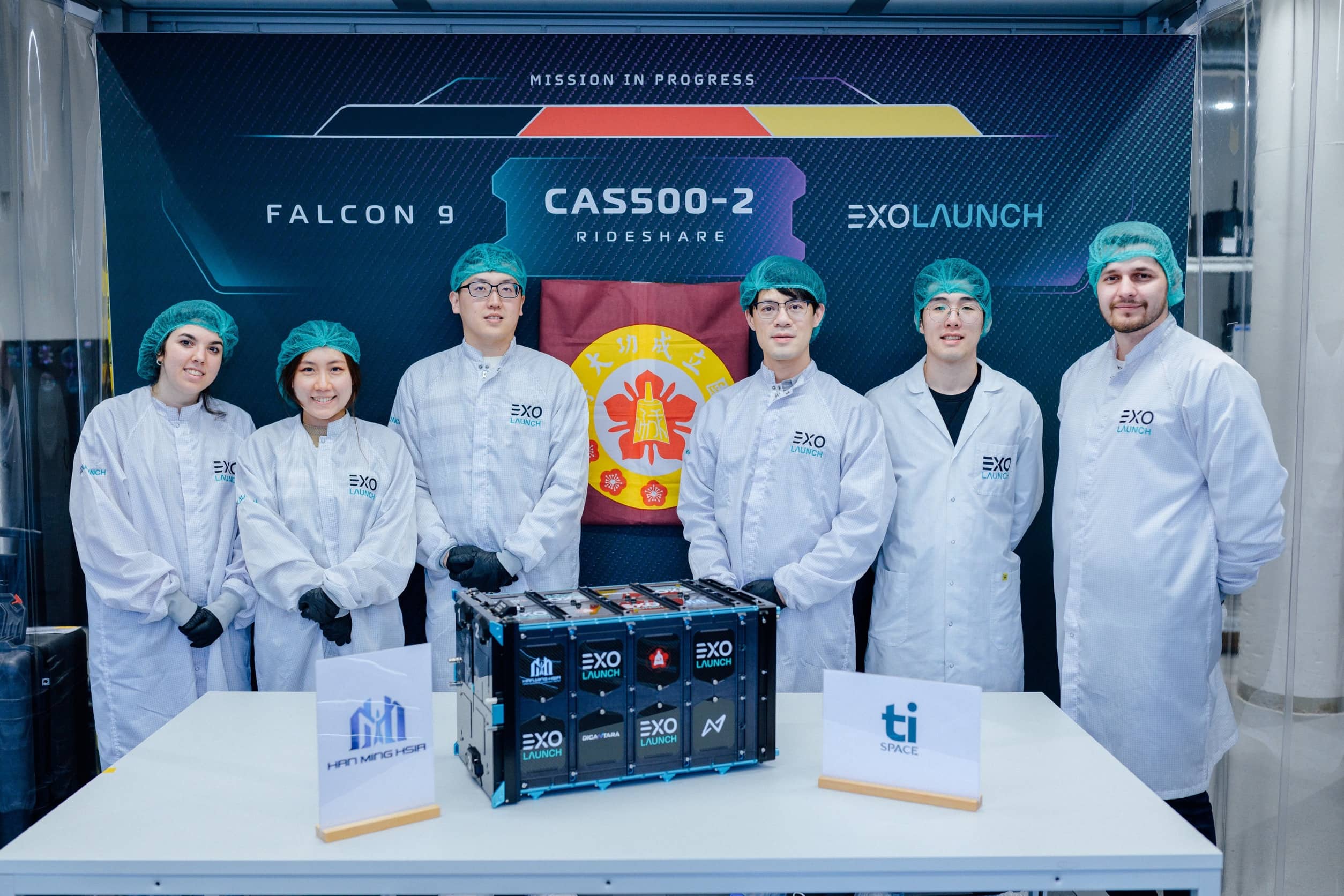
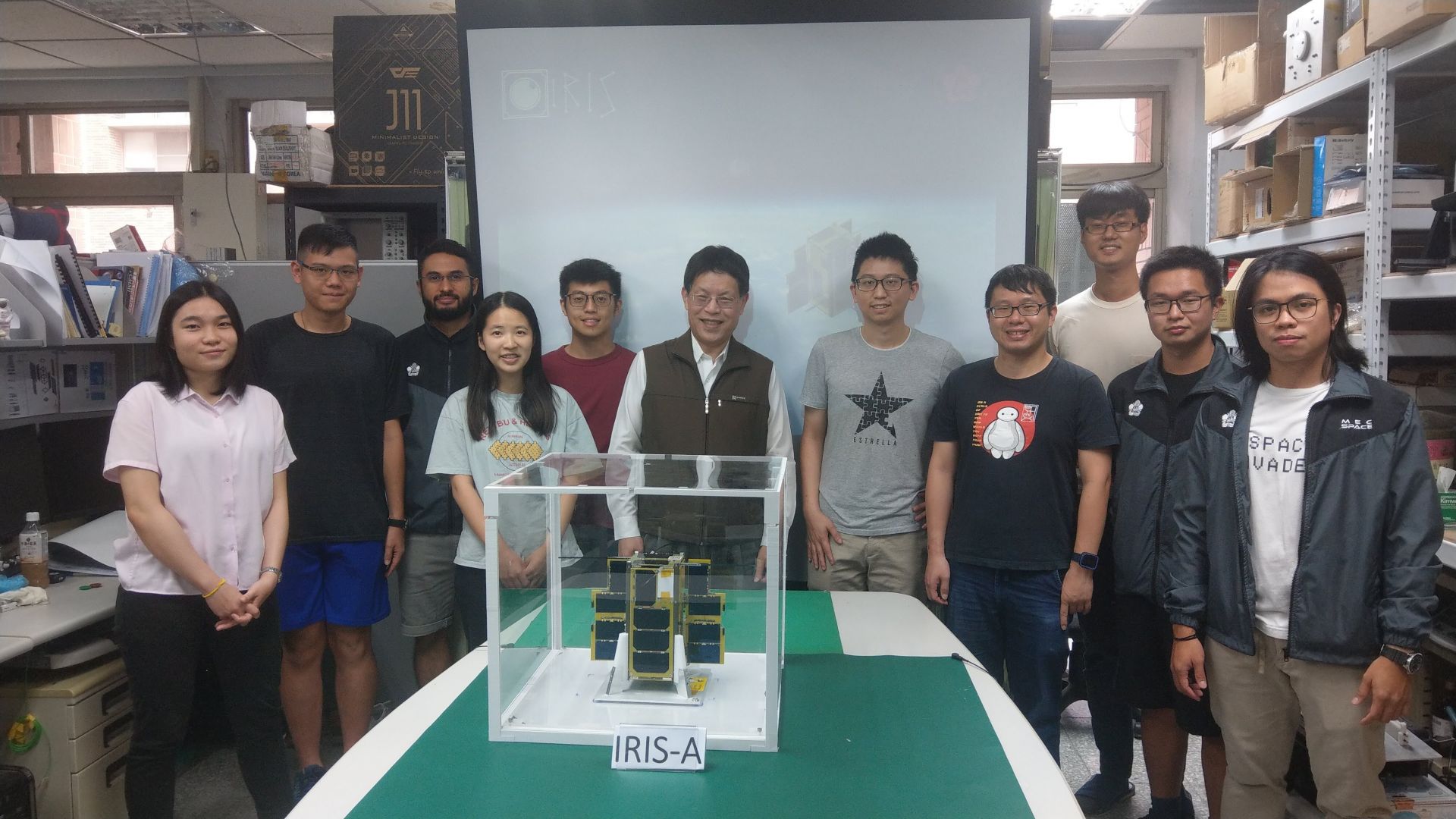
The “Gemini–Pollux” cubesat was fully developed by NCKU faculty and students, covering structure, power, communications, attitude control, and software integration.
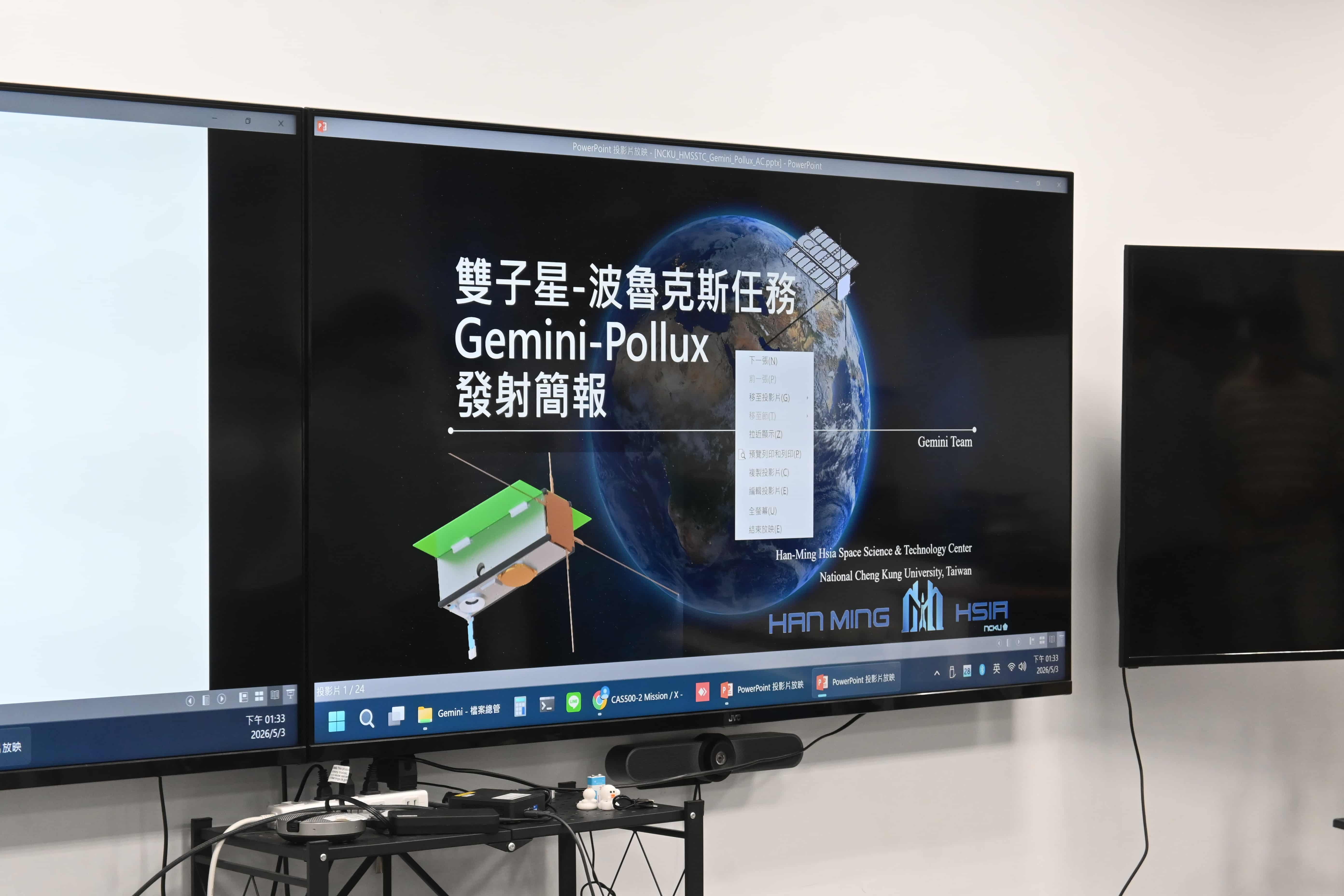
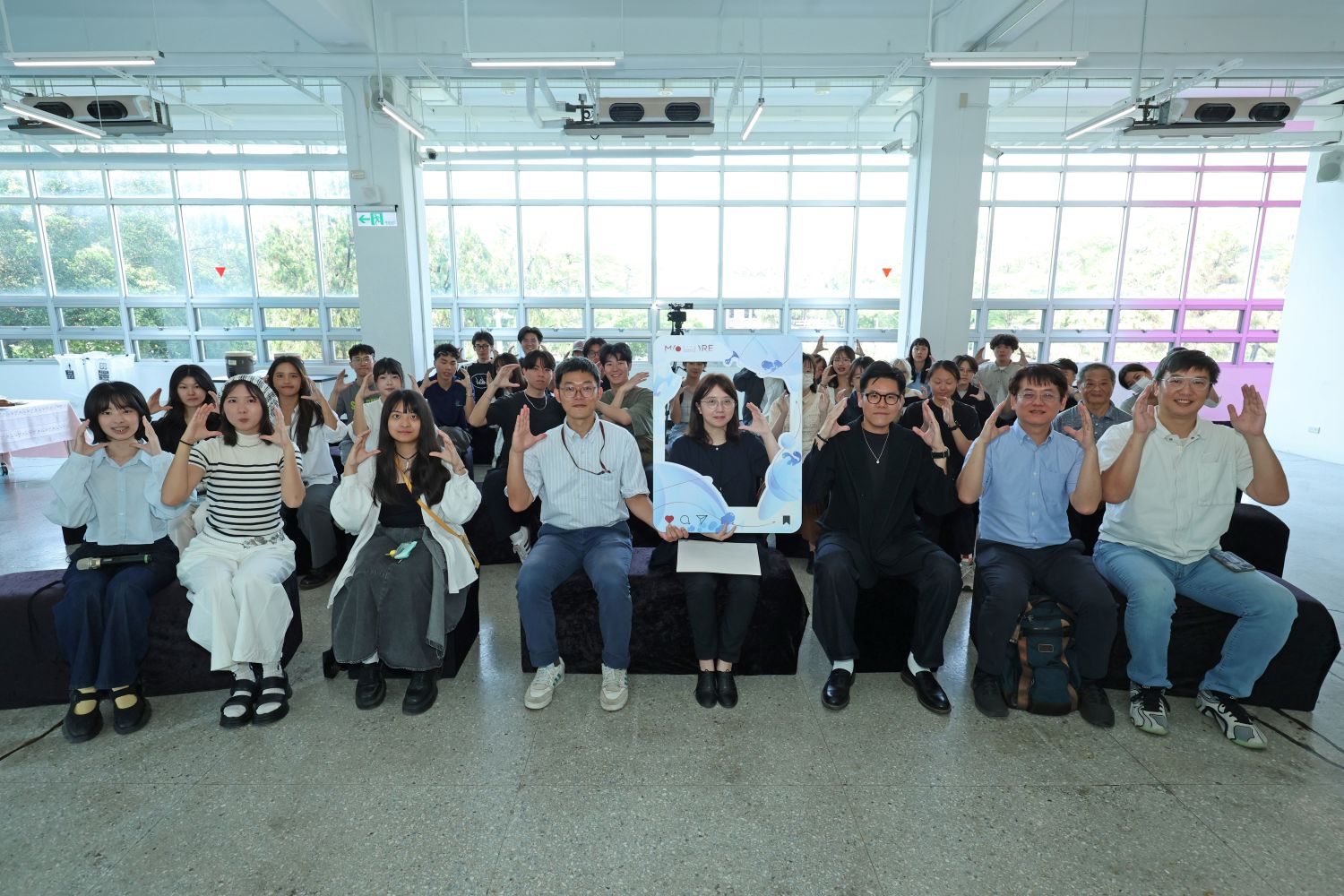
The Xia Hanmin Space Technology Center held a live launch viewing event for the cubesat mission on the afternoon of May 3.